 English
 French
How to Adjust Hydraulic Breaker Impact Energy for Peak Performance
Getting the most out of a hydraulic breaker comes down to one thing: impact energy. Set it right, and the machine works with you—breaking material efficiently, wearing evenly, and keeping the carrier happy. Set it wrong, and you’re fighting the equipment all day. I’ve seen operators struggle with breakers that should be performing well, only to find the settings were off by a small margin. The difference between a productive shift and a frustrating one often sits in those adjustment dials.
How Impact Energy Actually Works in Hydraulic Breakers
Impact energy measures the force that reaches the material you’re trying to break. That force doesn’t come from nowhere—it’s the result of hydraulic pressure, oil flow, and nitrogen charge working together inside the breaker. The carrier machine supplies hydraulic power, and the breaker converts it into mechanical impact. A piston accelerates inside the housing, then strikes the chisel hard enough to fracture rock or concrete.
Operating pressure controls how forcefully the piston drives down. Higher pressure means more force behind each blow. Oil flow determines how fast the piston cycles back for another strike, which translates directly to impact frequency. The nitrogen accumulator stores energy between strokes, smoothing out hydraulic pulses and adding extra punch to each impact. Chisel diameter and material hardness affect how efficiently that energy transfers into the work surface. When these parameters align correctly, the breaker delivers its rated power without wasting effort.
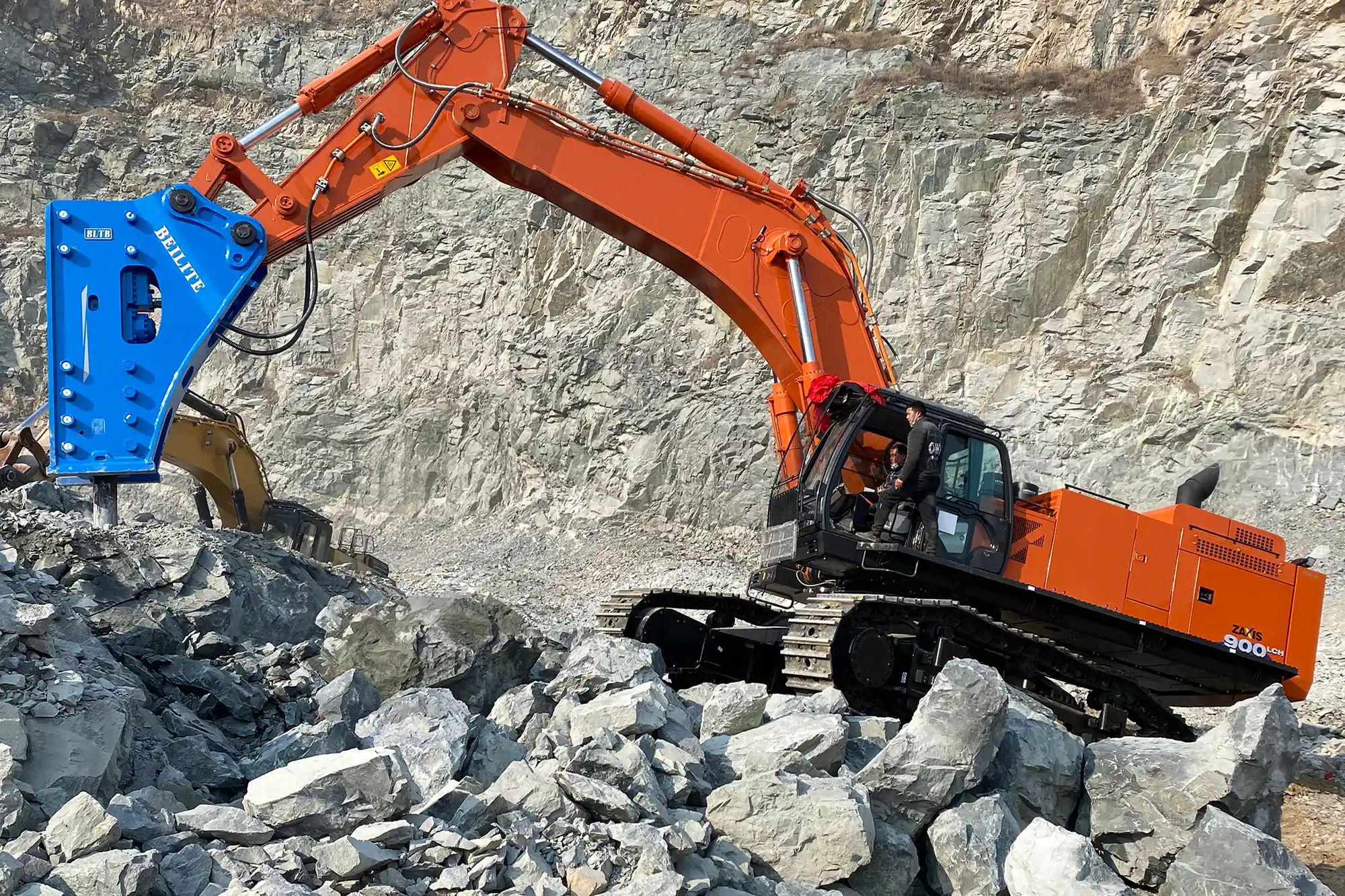
Factors That Shape Hydraulic Breaker Impact Energy
Several variables determine how much energy your hydraulic breaker actually delivers. The hydraulic pressure from the carrier sets the baseline force. Oil flow rate controls how many blows per minute you get. Nitrogen charge in the accumulator affects both power and recoil characteristics. Beyond these primary settings, material type matters—hard granite demands different settings than reinforite concrete. Tool selection plays a role too, since different chisel profiles transfer energy differently. Carrier compatibility ensures the excavator can supply what the breaker needs without strain.
| Factor | Effect on Impact Energy |
|---|---|
| Hydraulic Pressure | Directly affects impact force; higher pressure, higher force |
| Oil Flow Rate | Controls impact frequency; higher flow, higher frequency |
| Nitrogen Accumulator Charge | Stores energy, enhances impact force and reduces recoil |
| Material Hardness | Requires higher impact energy for effective breaking |
| Tool Selection | Different tools optimize energy transfer for specific tasks |
| Carrier Compatibility | Ensures proper hydraulic matching for optimal power |
Adjusting Breaker Impact Energy Step by Step
Getting the settings right on a hydraulic breaker hammer takes patience and attention to the manual. Every model has specific ranges for pressure, flow, and nitrogen charge. Going outside those ranges risks damage to the breaker, the carrier, or both. Before touching any adjustment, make sure the machine is on level ground, the engine is off, and the hydraulic system is fully depressurized.
Start by reading the manufacturer’s specifications for your exact breaker model and carrier combination. Locate the pressure relief valve, flow control valve, and nitrogen charging port. Check the hydraulic oil level and condition before making any changes. Inspect the chisel and retaining pins for wear that might affect performance. When you do adjust, make small changes and test between each one. Large adjustments can overstress components before you realize something’s wrong.
Setting Operating Pressure and Flow Rate
Most modern excavators let you adjust auxiliary hydraulic settings through the control panel. This is where you match the carrier’s output to what the breaker needs.
Navigate to the auxiliary hydraulic menu on your excavator’s display. Set the pressure to the lower end of the breaker’s recommended range first. Do the same with flow rate. Run the breaker on test material and watch how it performs. If breaking feels sluggish, increase pressure for more force per blow. If the cycle seems slow, increase flow for faster strikes. Keep adjusting in small increments until the breaker works efficiently without exceeding the maximum limits for your BLT or BLTB model. This process fine-tunes hydraulic power delivery to match actual working conditions.
Getting the Nitrogen Accumulator Pressure Right
The nitrogen accumulator does more than most operators realize. It stores energy between strokes and cushions the hydraulic system from shock loads. When the charge drops too low, impact force suffers noticeably.
Find the accumulator on your breaker and make sure the system is fully depressurized before connecting any equipment. Attach a nitrogen charging kit to the charging port and read the current pressure. Compare that reading to the manufacturer’s specification. For many BLT models including the BLT-70, BLT-75, BLT-85, BLT-100, BLT-125, BLT-135, BLT-140, BLT-150, BLT-155, and BLT-165, the accumulator typically needs 55-60 bar. Add or release nitrogen until you hit the target, then disconnect the kit carefully. Correct nitrogen pressure directly affects breaker power and how consistently each blow lands.
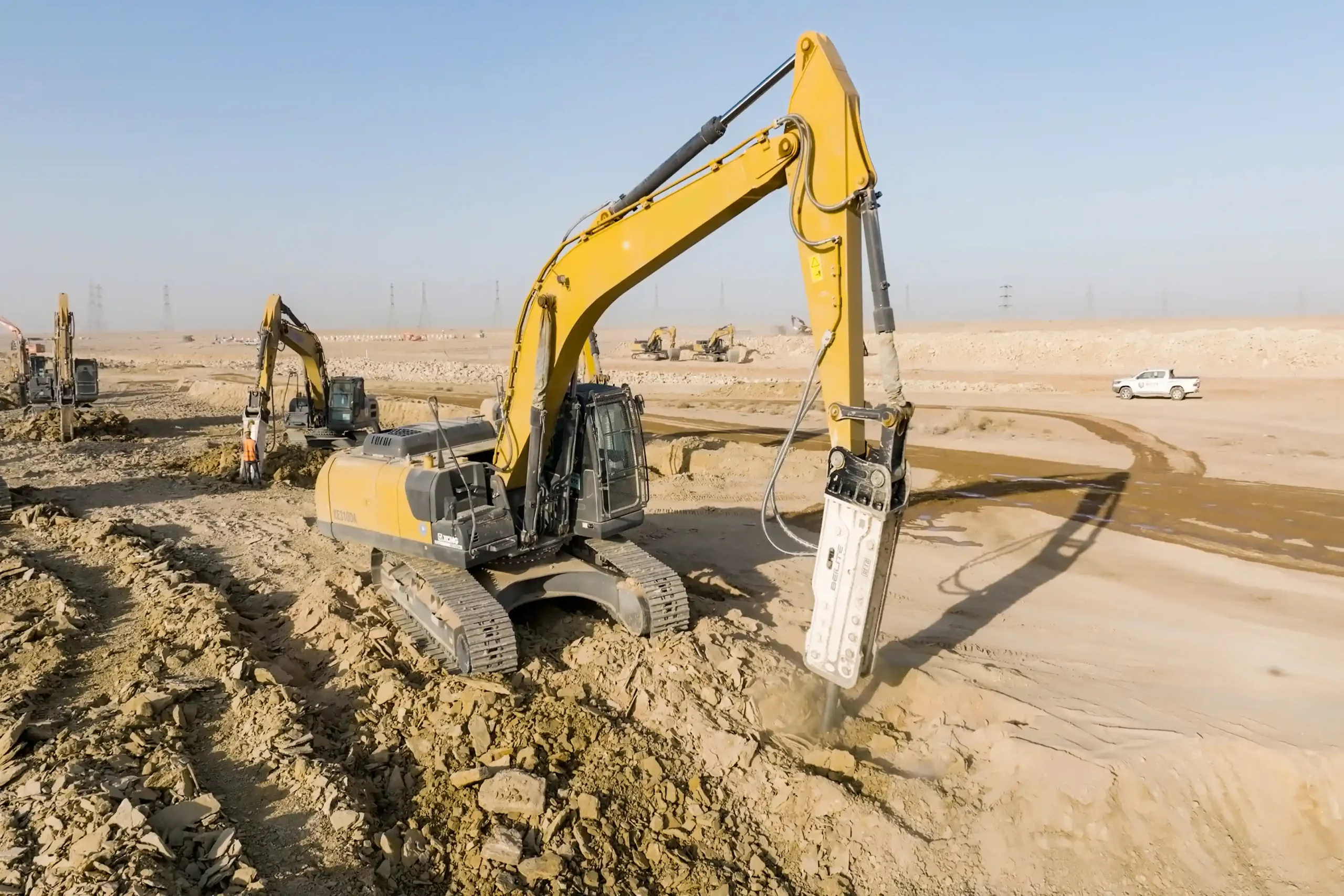
Matching Impact Energy to Different Applications
Different jobs need different settings. Hard rock quarrying demands maximum impact force to fracture dense material. Concrete demolition often benefits from higher frequency to chip away reinforced sections efficiently. Trying to use the same settings for everything wastes energy and accelerates wear.
BLT and BLTB breakers handle a wide range of applications when adjusted properly. Mining and quarrying operations need settings that prioritize force over speed. Demolition and rock breaking work best with balanced settings. Municipal engineering and urban utility work often require lower impact to avoid damaging surrounding infrastructure. Underwater construction presents unique challenges where hydraulic breaker hammer for underwater construction applications need specific attention to pressure compensation.
| Breaker Model | Applicable Excavator | Working Oil Volume (L/min) | Working Pressure (bar) | Impact Frequency (bpm) | Optimal Application |
|---|---|---|---|---|---|
| BLT-40 | 0.5–1.2 t | 15–30 | 90–120 | 800–1400 | Light demolition, trenching |
| BLT-70 | 4.5–6 t | 40–70 | 110–140 | 500–900 | Medium rock breaking, concrete |
| BLT-100 | 10–14 t | 80–110 | 150–170 | 350–700 | Heavy rock, quarrying |
| BLT-135 | 18–22 t | 100–150 | 160–180 | 350–500 | Large-scale demolition, hard rock |
| BLT-165 | 33–38 t | 200–260 | 210–230 | 150–300 | Extreme breaking, primary quarrying |
What Happens When You Change Impact Energy Settings
Adjusting impact energy changes how the breaker behaves in measurable ways. Higher force and frequency generally mean faster breaking, especially in tough materials. But pushing settings too high accelerates tool wear, stresses the excavator’s boom and arm, and can cause premature component failure. Running too low wastes time and fuel while the operator struggles to make progress. The goal is finding where the breaker works efficiently without unnecessary strain on any part of the system.
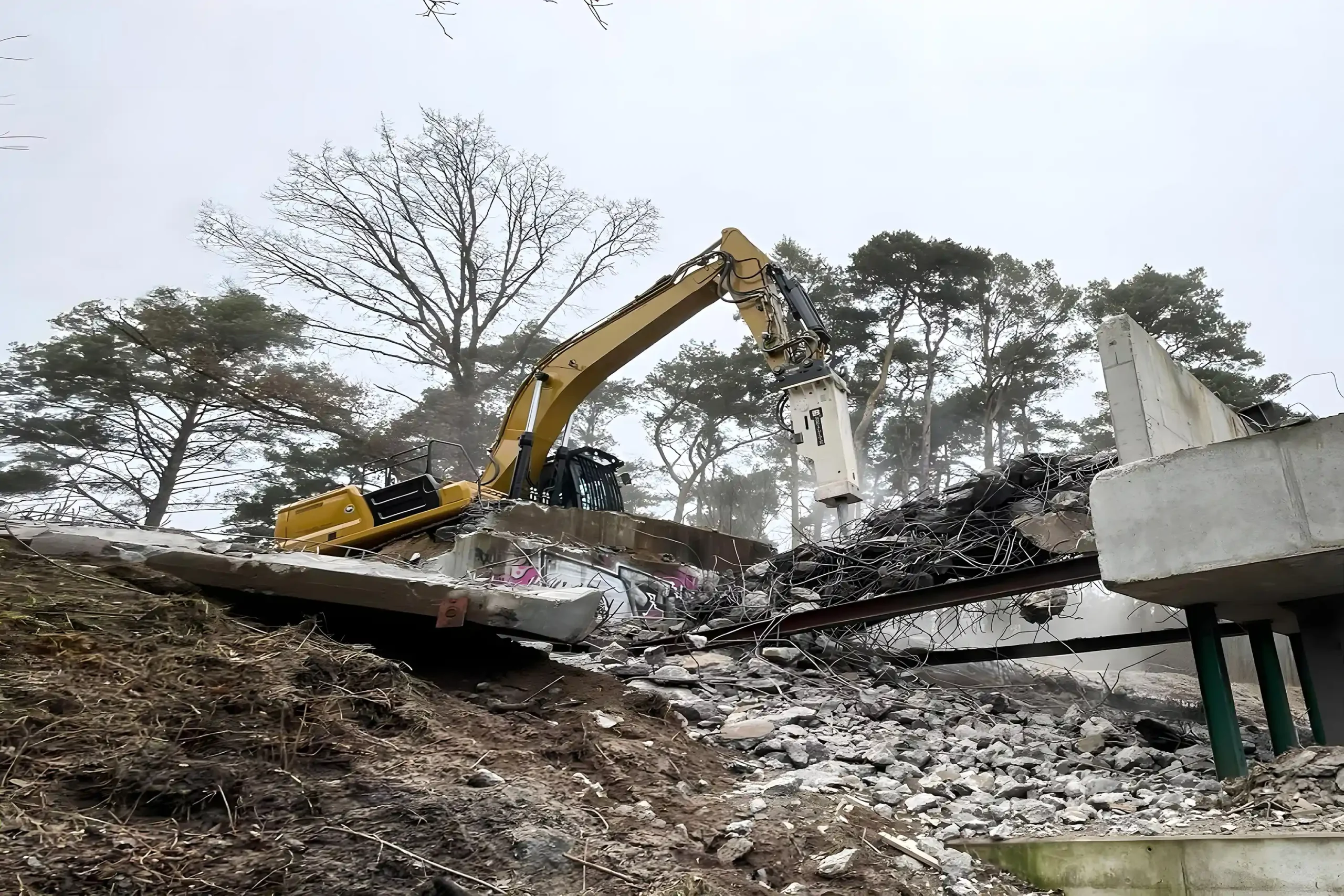
Diagnosing Impact Energy Problems
When a hydraulic breaker stops performing well, the cause usually traces back to a handful of common issues. Systematic troubleshooting saves time compared to random adjustments.
Low impact energy often points to pressure or flow settings that have drifted from specification. Check the carrier’s auxiliary output first. Verify nitrogen charge in the accumulator, since even a small drop affects performance noticeably. Inspect the chisel for wear that reduces energy transfer. Look for hydraulic leaks that might be stealing power from the system.
Complete loss of impact suggests something more serious. Confirm hydraulic lines are connected and oil is flowing. Check the breaker’s control valve for malfunction. A seized or damaged piston will stop the breaking action entirely.
Excessive vibration or recoil usually relates to nitrogen charge problems. Both over-pressurized and under-pressurized accumulators cause abnormal behavior. Worn tool bushings allow play that creates vibration. Loose mounting hardware transmits more shock to the carrier than necessary.
Premature wear often results from inadequate lubrication or poor operating practices. Blank firing and sustained breaking in one spot generate excessive heat. Running with pressure or flow set too high overstresses internal components.
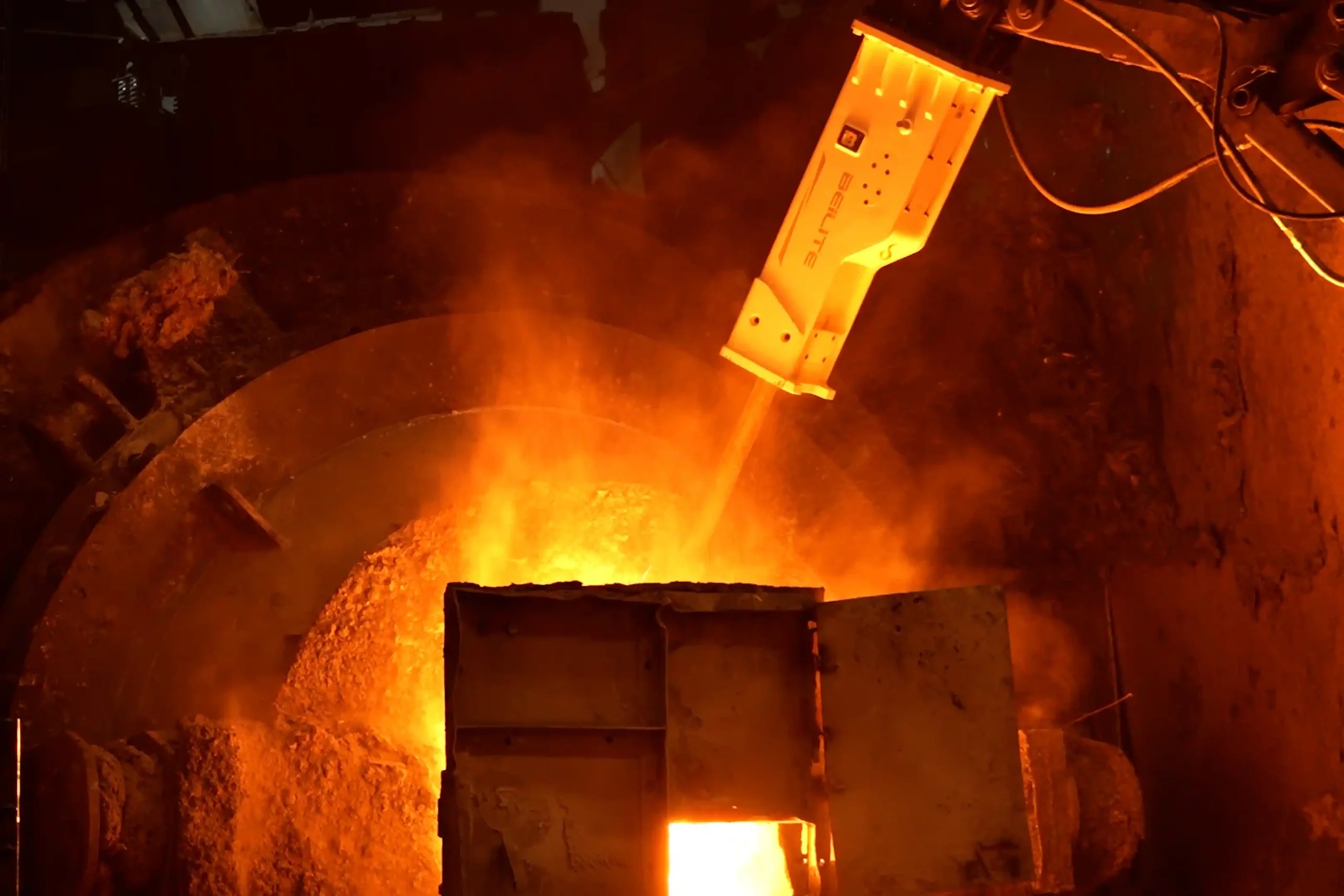
The Real Cost of Wrong Settings
Incorrect impact energy settings damage equipment in ways that add up quickly. Excessive pressure or flow overworks internal seals, pistons, and bushings. Heat builds faster than the system can dissipate it. Chisels and retaining pins wear out ahead of schedule. The excavator suffers too—boom stress, arm fatigue, hydraulic pump strain, and system overheating all shorten machine life. Staying within specified ranges protects the investment in both the breaker and the carrier.
Keeping Impact Energy Consistent Over Time
Maintaining optimal performance requires regular attention. Daily checks of the chisel and tool bushings catch wear before it affects breaking efficiency. Proper lubrication with the specified grease reduces friction and heat that accelerate component degradation.
Hydraulic oil quality matters more than many operators realize. Contaminated or degraded oil impairs system performance and damages components. Inspect lines and connections for leaks regularly. Check nitrogen pressure periodically rather than waiting for performance to drop. Replace seal kits and bushings at recommended intervals instead of running them until failure. This approach keeps models for scaling machine applications and other demanding uses running at full capability.
Common Questions About Hydraulic Breaker Impact Energy
How Often Should You Check Impact Energy Settings
Heavy-duty operations or work in challenging materials warrant daily checks. General use typically needs weekly verification or inspection as part of routine maintenance. The operating manual for your specific BEILITE model provides recommended schedules based on expected usage patterns. Regular monitoring catches drift before it affects productivity.
What Indicates Impact Energy Needs Adjustment
Reduced breaking power is the most obvious sign. Excessive recoil or vibration that transmits through the excavator suggests something’s off. Rapid chisel wear points to settings that don’t match the application. Unusual noise during operation, slower material breakdown than expected, or hydraulic system overheating all indicate the need for adjustment. A breaker that feels either sluggish or overly aggressive probably needs its settings reviewed.
Do Different Breaker Models Need Different Adjustment Approaches
Adjustment procedures vary across models and manufacturers. The core principles remain consistent—hydraulic pressure, flow rate, and nitrogen charge all need attention. But specific values, adjustment locations, and required tools differ between models. BEILITE’s BLT and BLTB series come with detailed manuals covering model-specific settings. Using the correct manual for your particular breaker ensures accurate adjustments and prevents damage from incorrect procedures.
Work With Equipment That Performs
BEILITE Machinery Co., LTD. builds hydraulic breakers for operators who need reliable performance across demanding applications. Decades of engineering and hundreds of patents back the BLT and BLTB product lines. Contact us at 40008-40008 or [email protected] to discuss how the right breaker and proper adjustment can improve your operation’s productivity.