About us

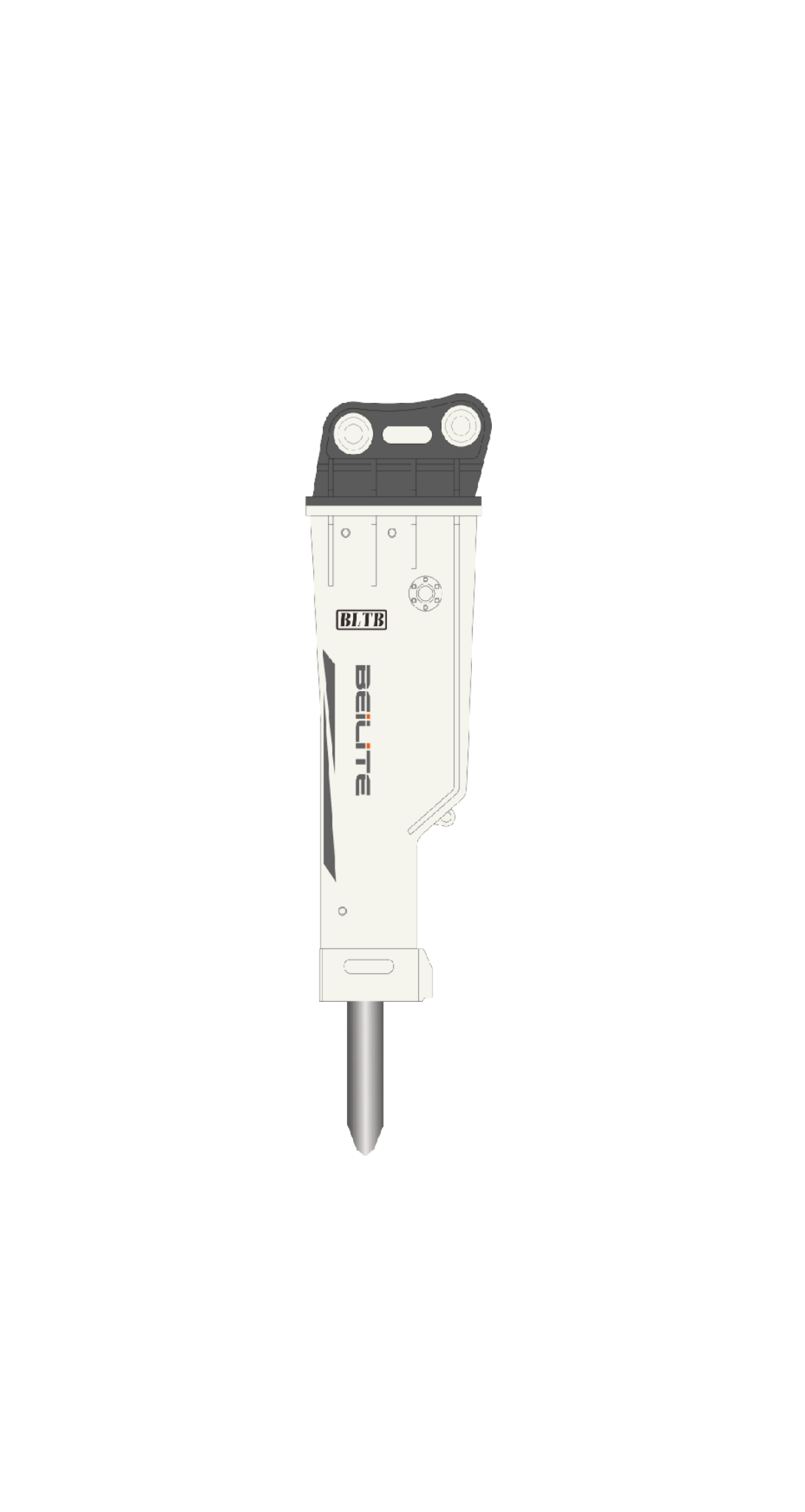
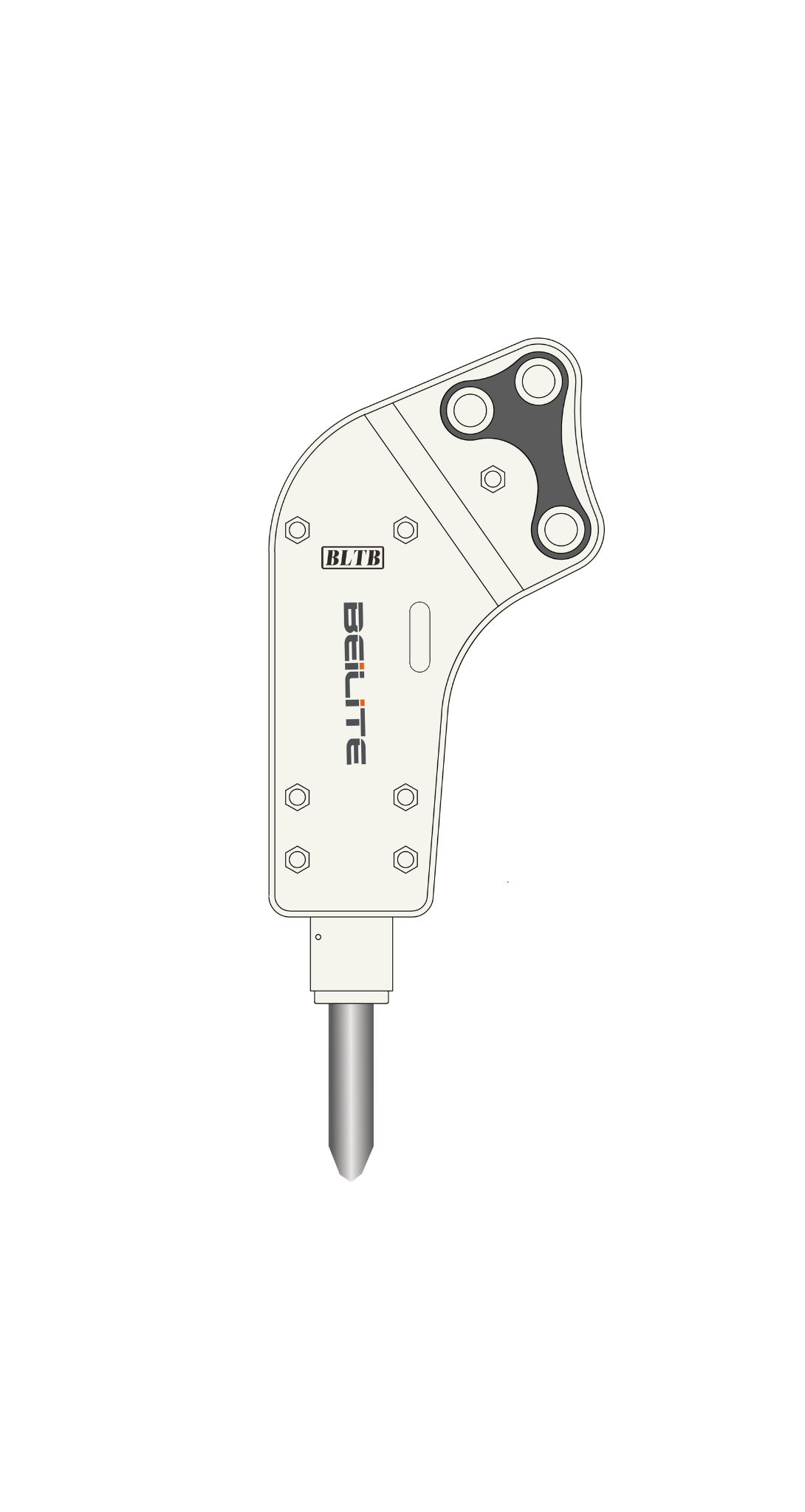
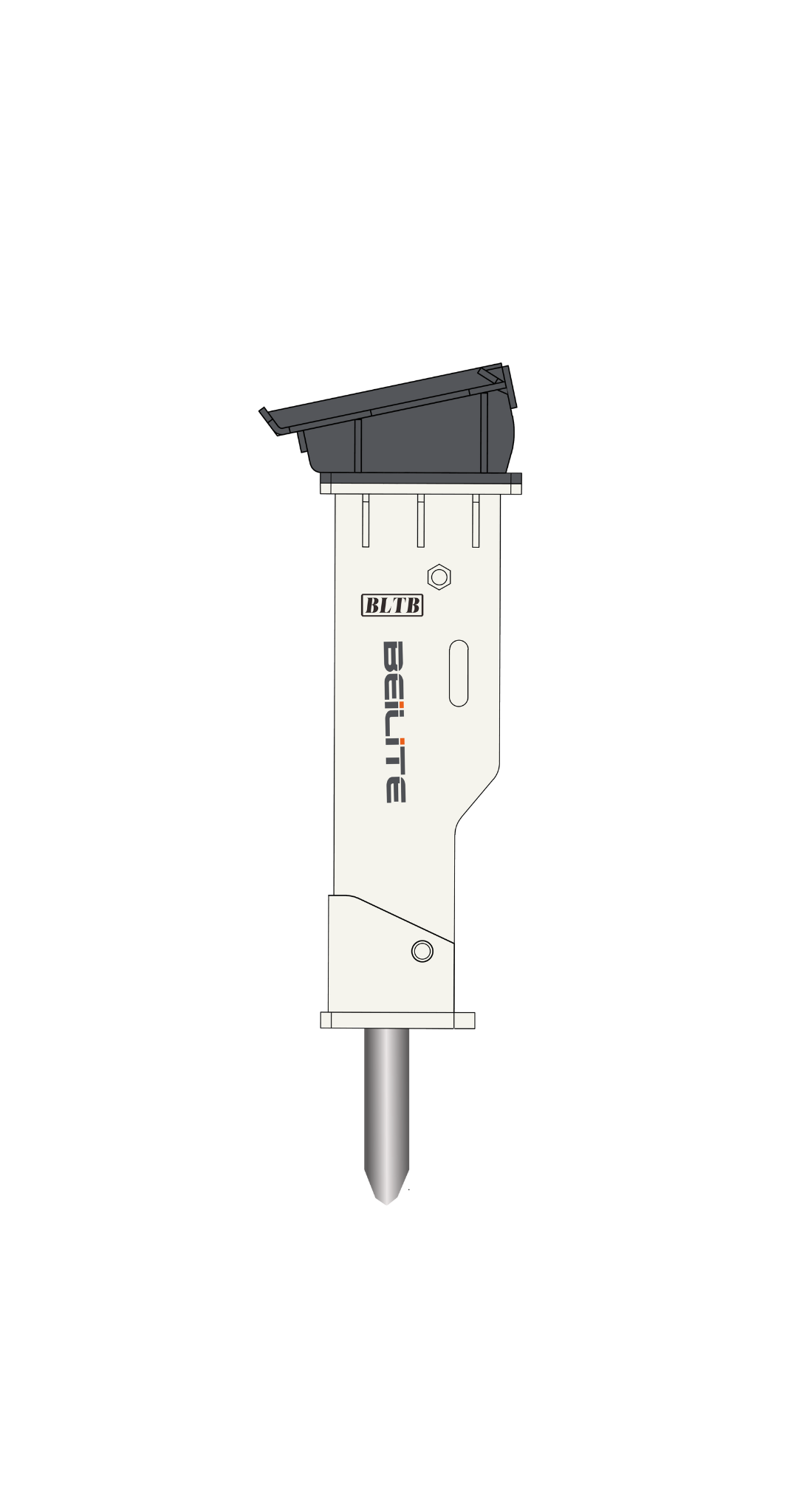
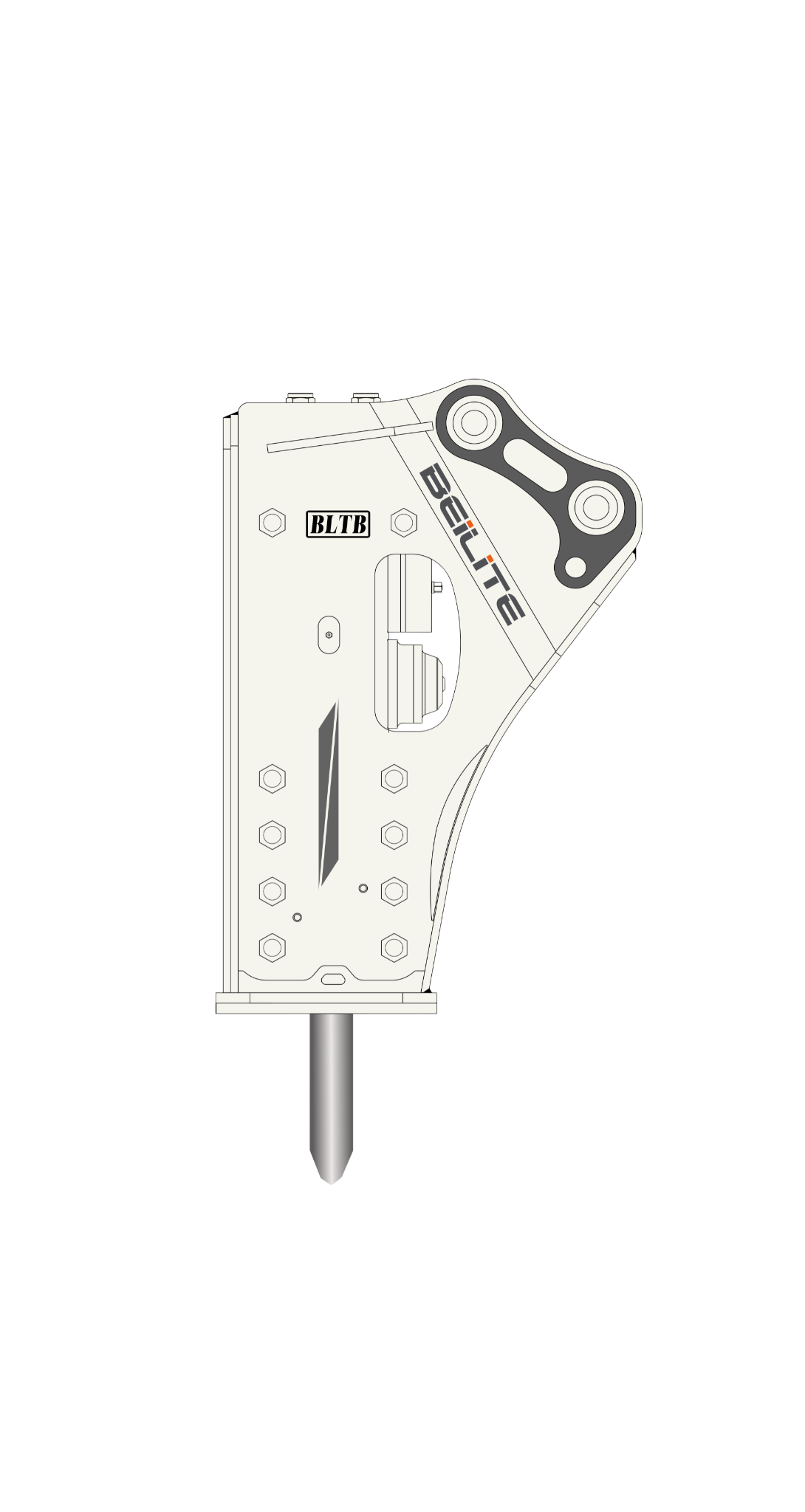
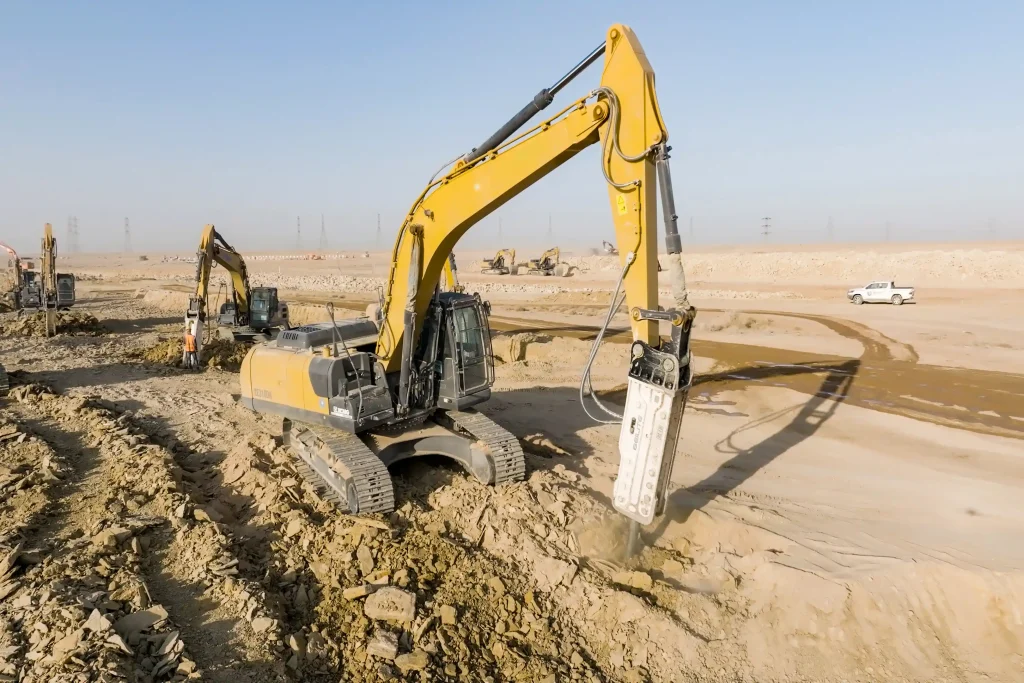
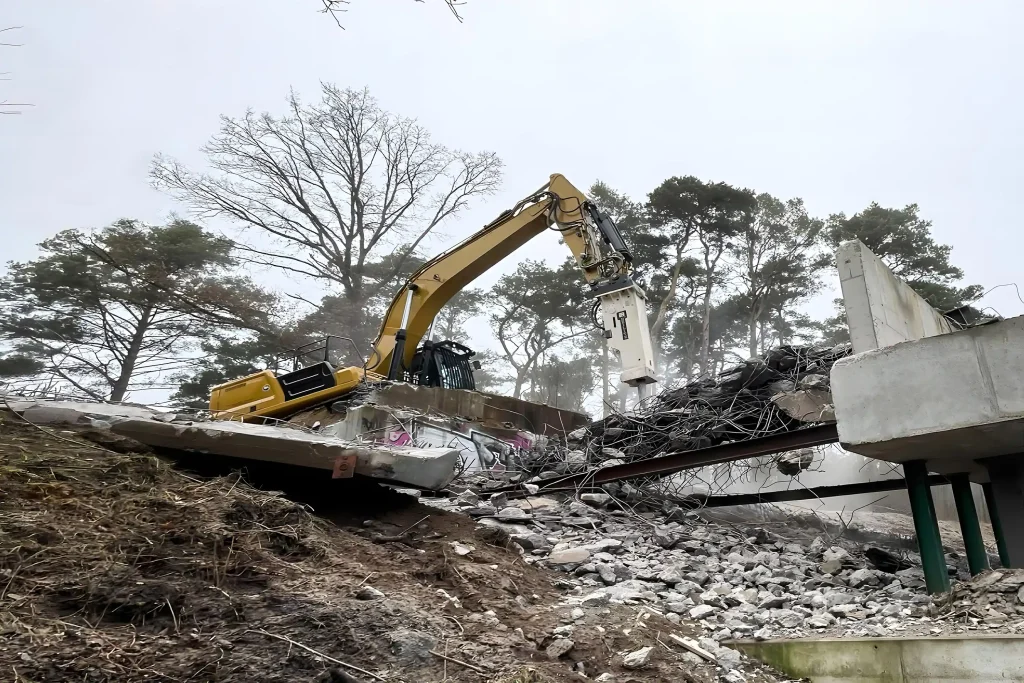
Founded in 2002, BEILITE Machinery Co., Ltd. has been guided by its development philosophy of "Quality Changes the Future", and focusing on the R&D, production and service of high-end hydraulic breakers.

Why Choose Beilite?

01

Extended Warranty System

Standard warranty with the opportunity to extend coverage for greater peace of mind.

02

Global Response Network

48-hr service response covering 100+ countries

03

Top Manufacturing Machine

70+ internationally leading precision machines (DMG, MORI, DOOSAN, etc.) ensure component accuracy meets design specs.

04

OEM&ODM Available

23+ years OEM/ODM experience for world famous brands.

About Beilite

Beilite in Numbers

0+
YEARS OF EXPERIENCE
0+
SATISFIED CUSTOMERS
0+
COUNTRIES SERVED
0+
SOULUTIONS PROVIDED

Certificates

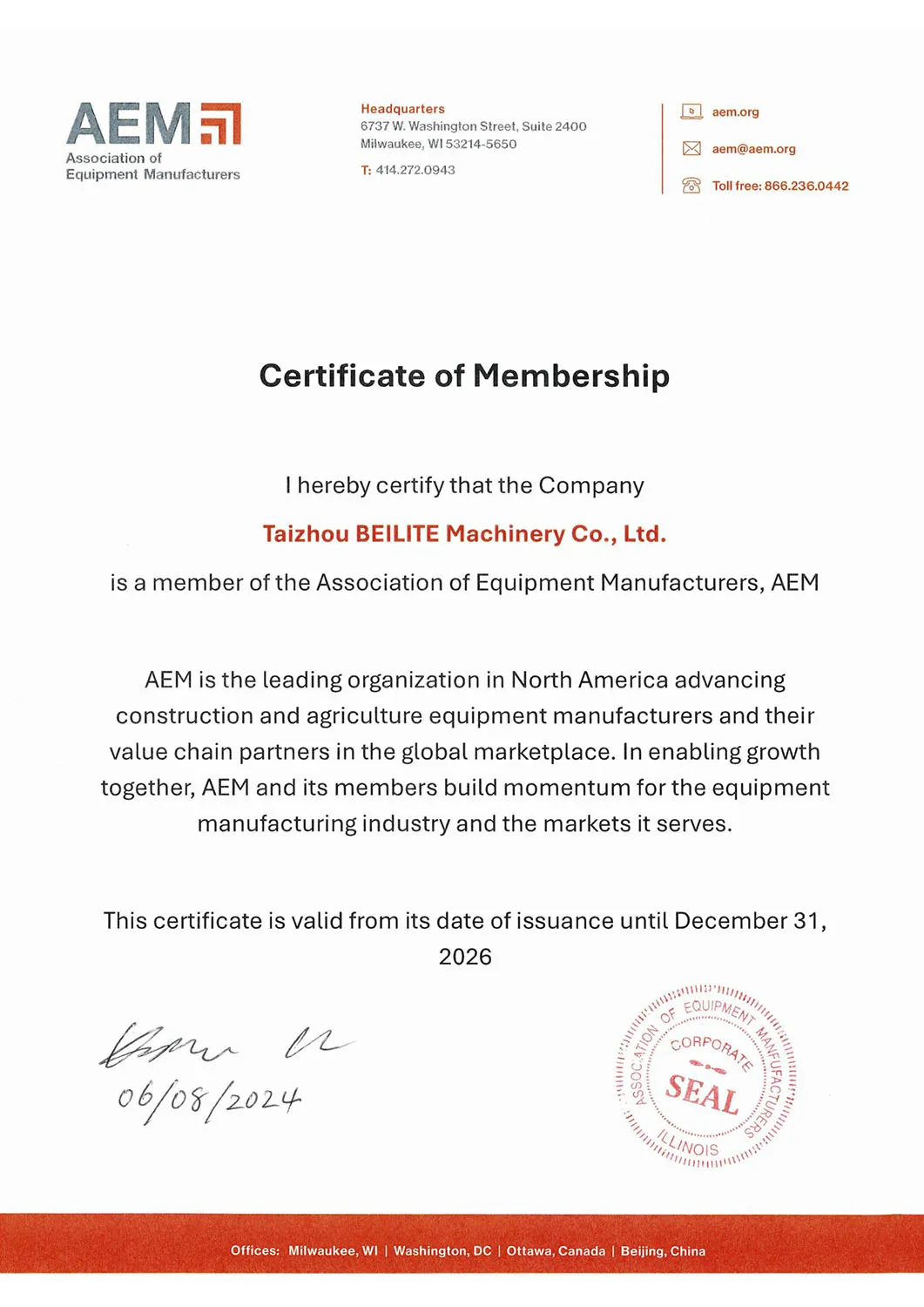
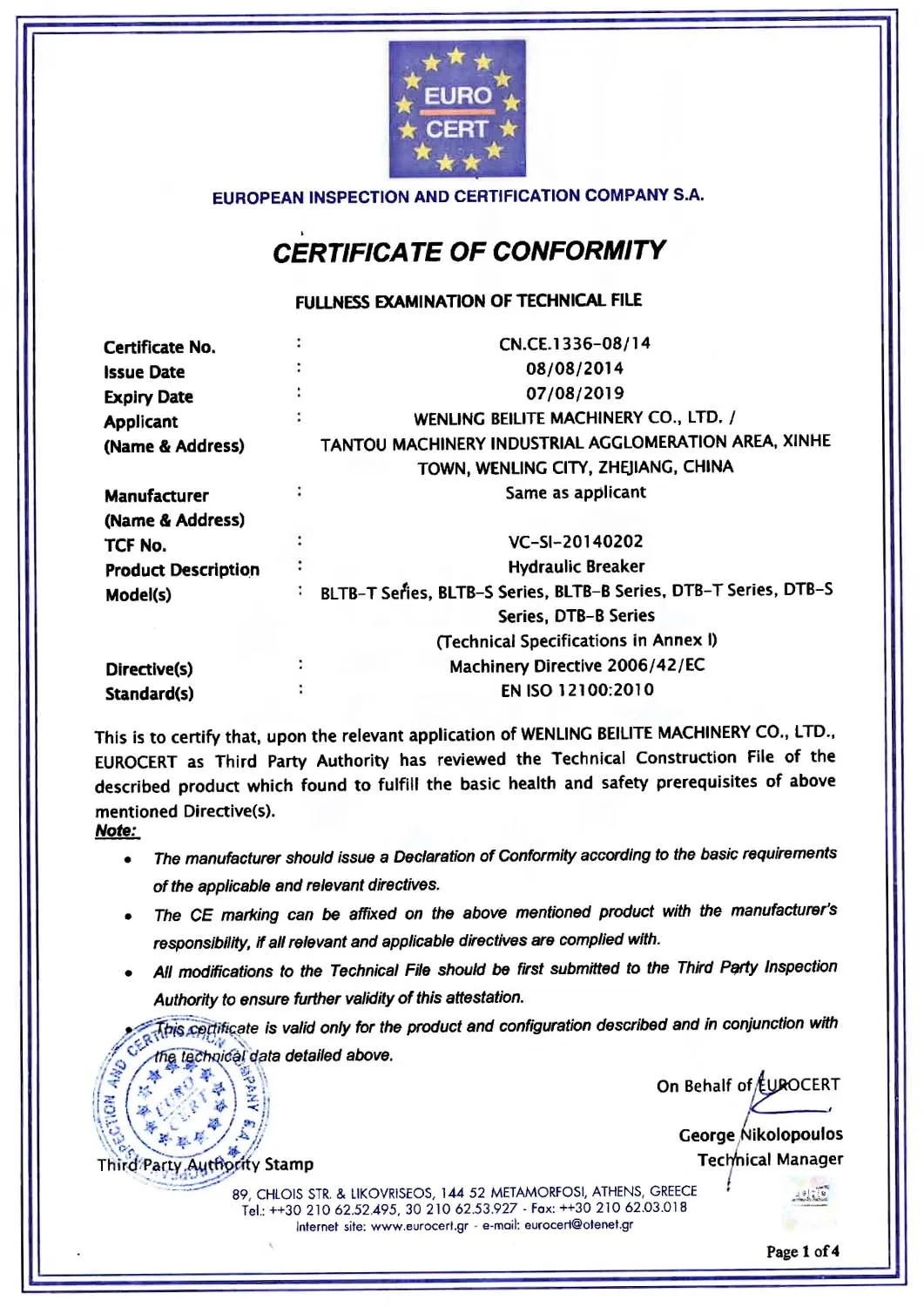
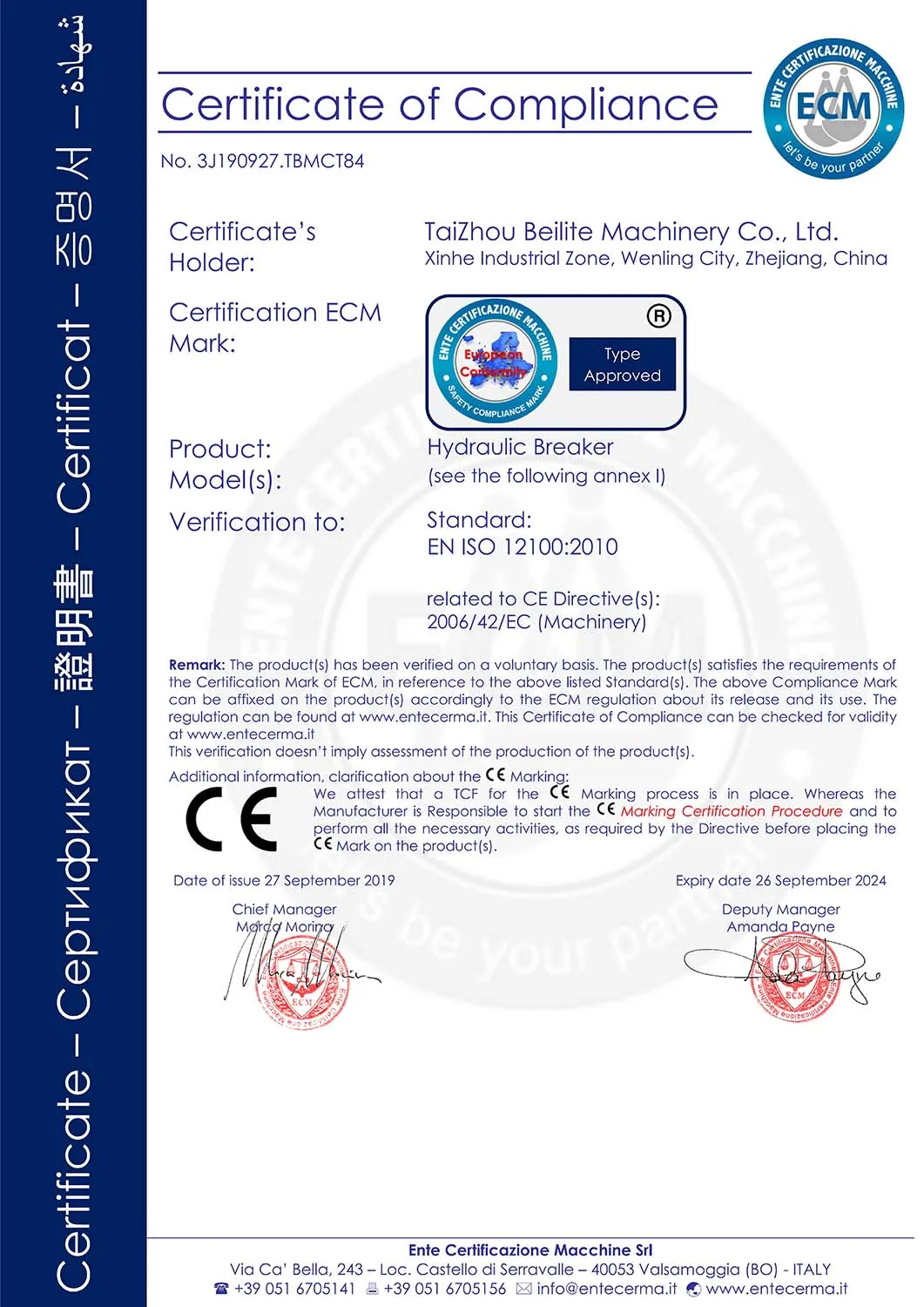
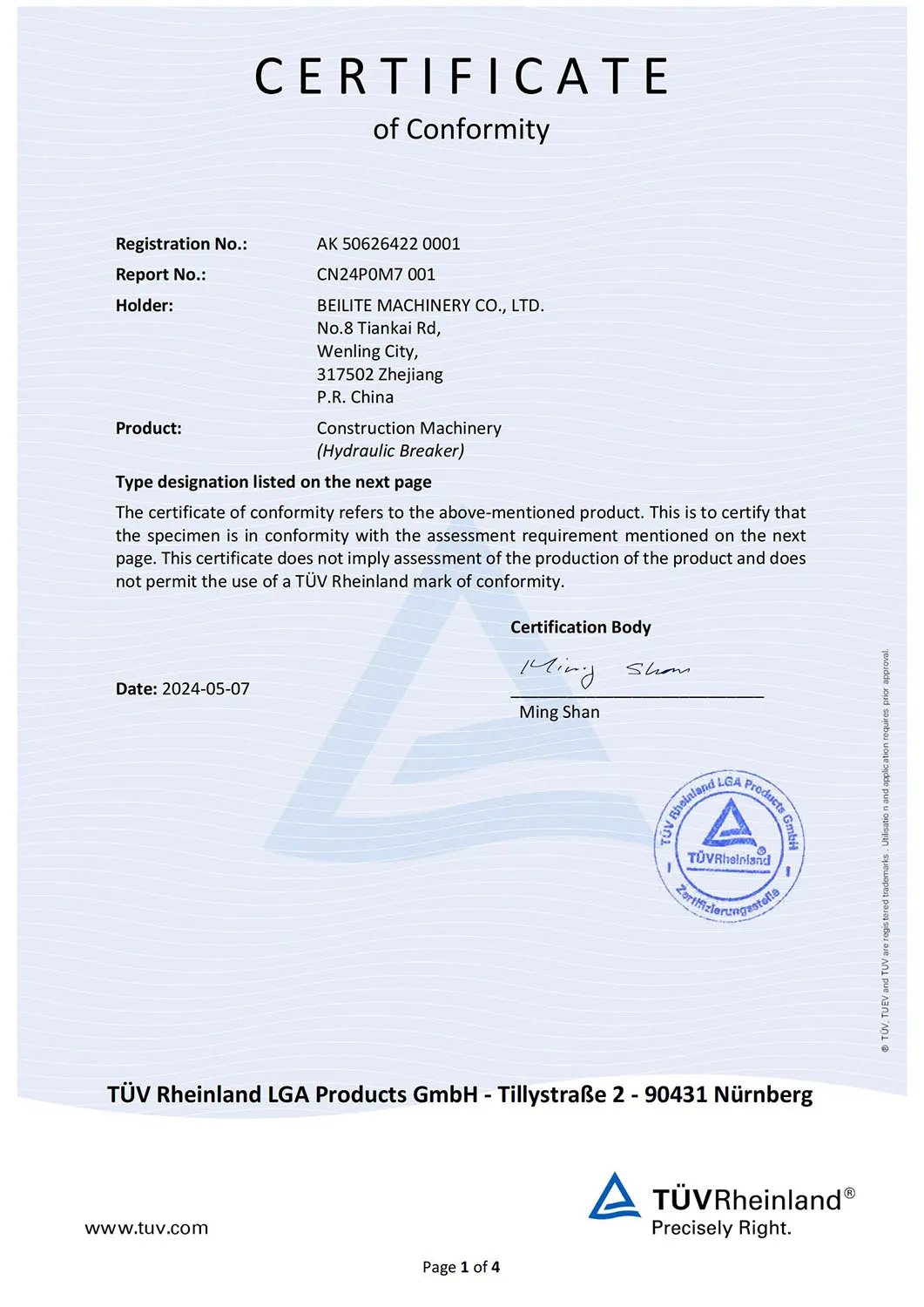
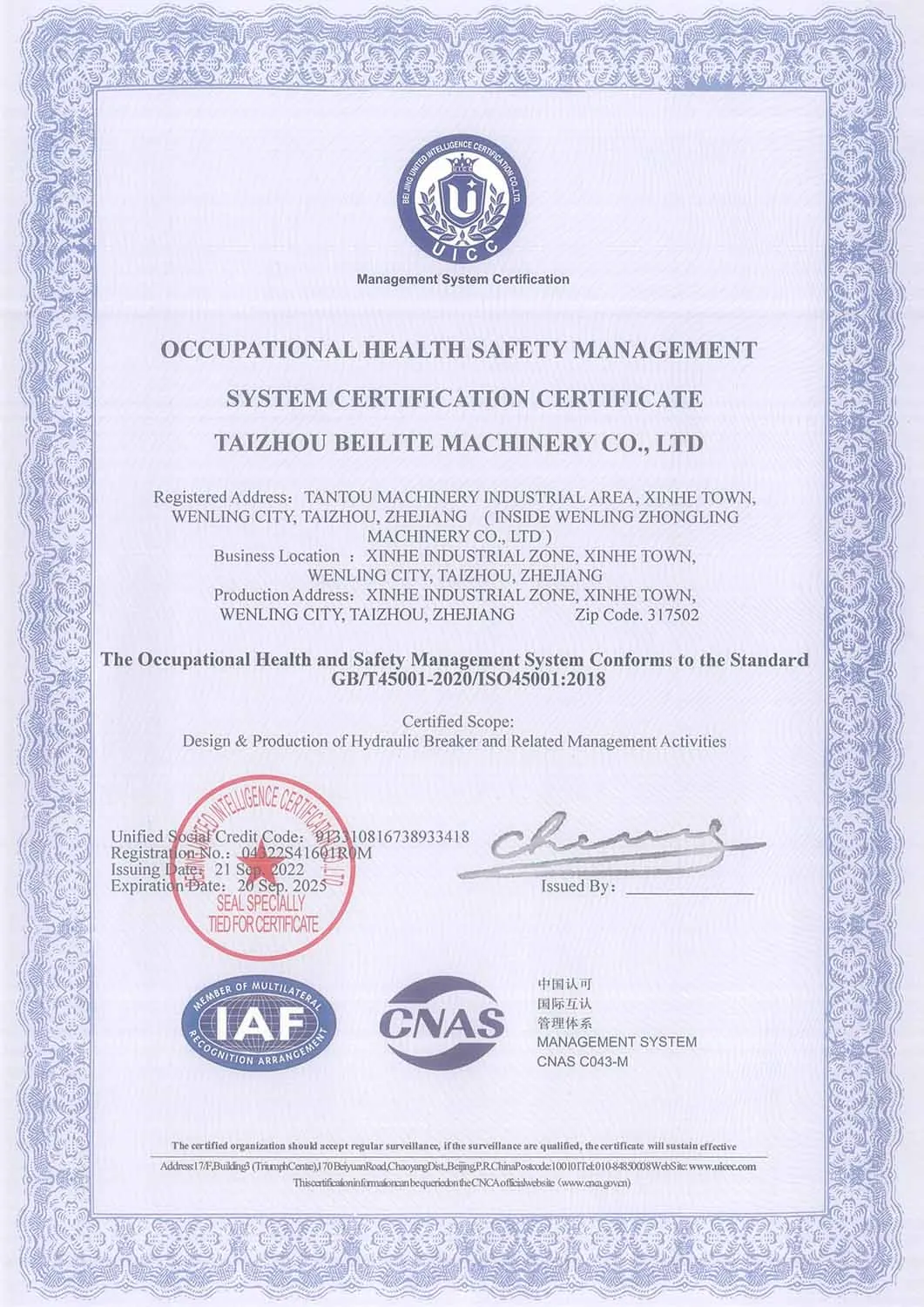
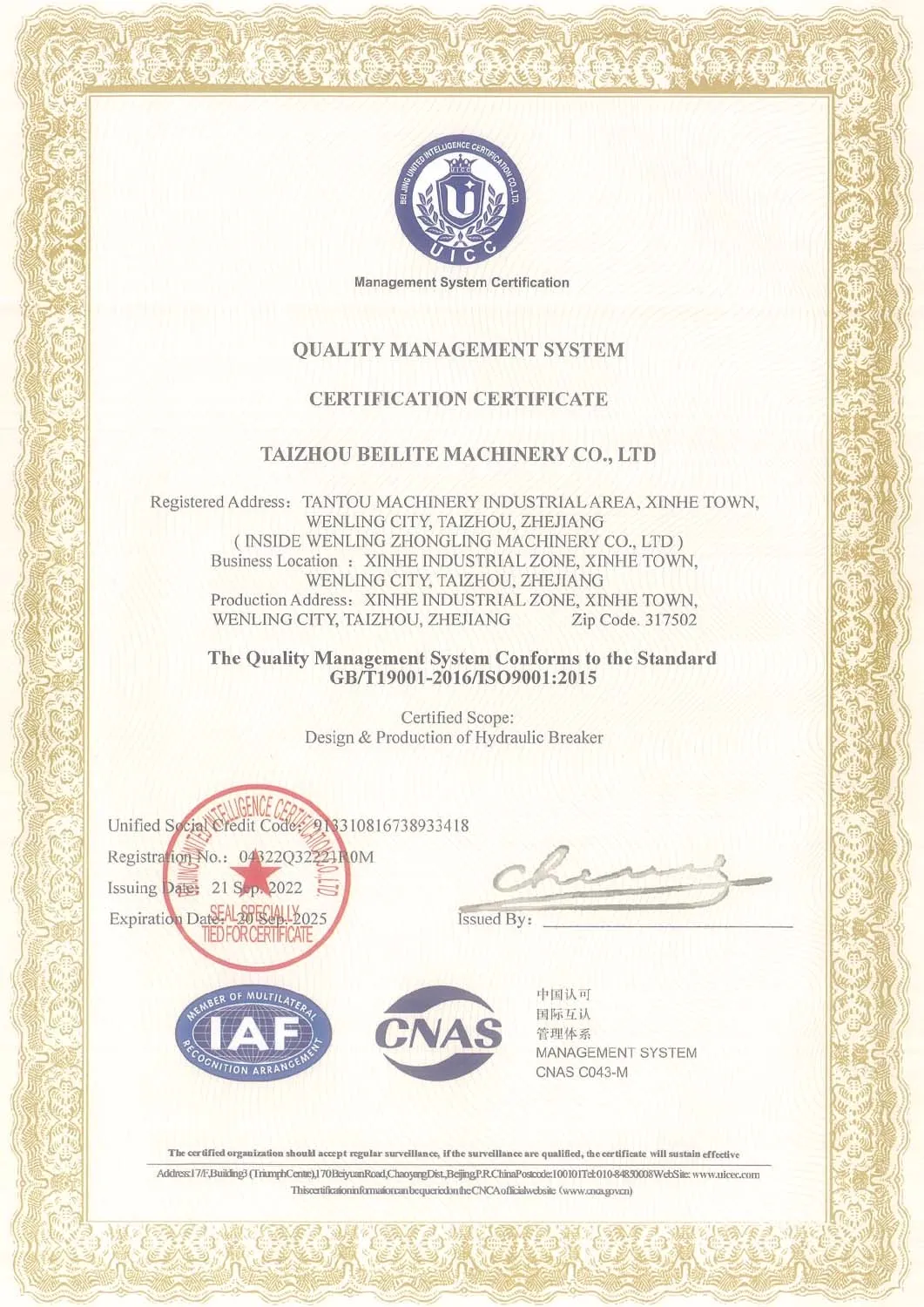
BEILITE holds hundreds of internationally leading technology patents and is certified under three management systems: quality, environmental, and occupational health, as well as EU CE safety certification. In 2015, BEILITE participated in the drafting of China’s National Standard for Hydraulic Breakers (GB/T 32799-2016). BEILITE is also a member of the European Demolition Association (EDA) and the U.S. Association of Equipment Manufacturers (AEM), becoming the first and only Chinese hydraulic breaker manufacturer to join both associations.

Client Logo
Client Logo
Client Logo
Client Logo
Client Logo
Client Logo
Client Logo

Press Release

Stay Updated with BEILITE

Hydraulic Breaker vs Pneumatic Breaker: An Expert Comparison

Picking the right breaker comes down to understanding what each type actually does well and where it falls short. Hydraulic and pneumatic models solve different problems, and the choice matters more than most equipment decisions because it affects everything from daily productivity to long-term costs. This breakdown covers the mechanical differences, real performance gaps, and practical factors that determine which option fits specific job conditions. How Hydraulic and Pneumatic Breakers Generate Force Hydraulic breakers and pneumatic breakers work on completely different principles, which explains why they perform so differently in the field. Hydraulic breakers tap into an excavator's existing hydraulic...

March 13, 2026

Can a Hydraulic Press Break a Diamond? Exploring Material Limits

Diamonds sit at the top of the Mohs hardness scale, which naturally leads people to wonder what happens when you pit one against a hydraulic press capable of generating enormous crushing force. The answer involves more nuance than you might expect. A diamond's legendary hardness protects it from scratching, but hardness and resistance to crushing are different properties entirely. The outcome depends on how force is applied, where it contacts the stone, and whether the press can exploit the diamond's hidden structural weaknesses. Why Diamond Hardness Does Not Equal Indestructibility Diamond owes its extreme hardness to carbon atoms arranged in...

March 12, 2026

Will a Hydraulic Breaker Break Rock? Expert Insights & Applications

Hydraulic Breakers for Rock Demolition The first time you watch a hydraulic breaker tear through solid granite, you understand why these machines dominate heavy construction. That rhythmic pounding, the way fractured rock falls away in predictable chunks—it looks almost effortless. But the real story lies in matching the right breaker to the right rock, and getting that wrong costs time, money, and equipment life. How Hydraulic Breakers Actually Work A hydraulic breaker converts pressurized oil from an excavator into repeated percussive strikes. The excavator's hydraulic system feeds oil into the breaker, driving a piston that accelerates downward and slams into...

March 11, 2026
Ask an Expert WhatsApp Mail TOP