Municipal Engineering

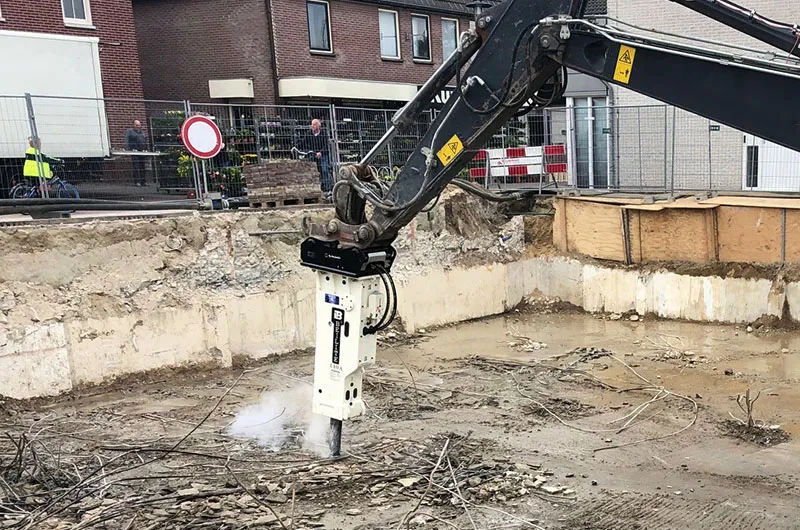
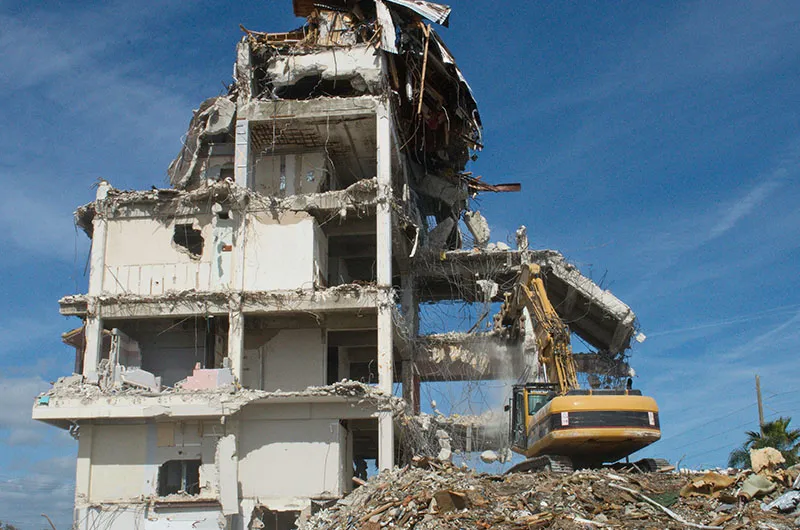
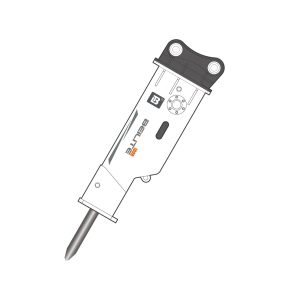
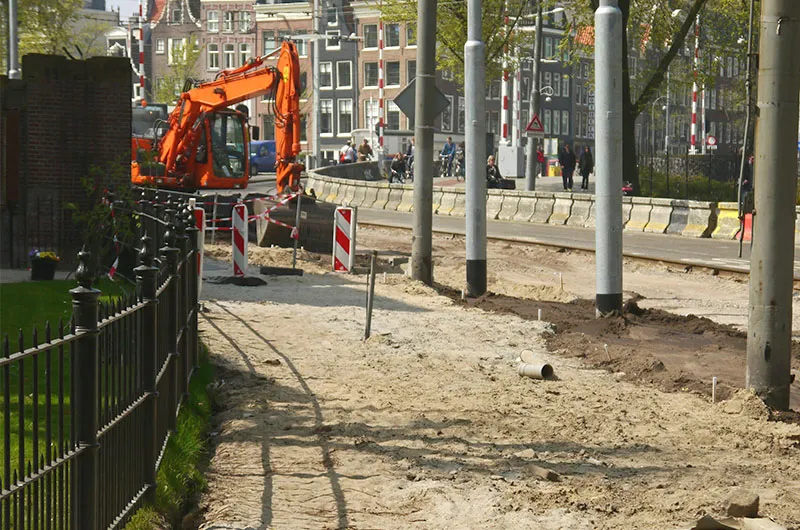
Beilite hydraulic breakers are widely used in municipal engineering projects such as road repair, trenching, and foundation removal. Their compact design and strong impact force make them perfect for working in confined urban environments. Combining precision with durability, Beilite breakers support infrastructure development and city maintenance with superior performance and ease of use.
Municipal Engineering

Suitable Instrumentation for Special Applications

Building Demolition
Infrastructure Construction

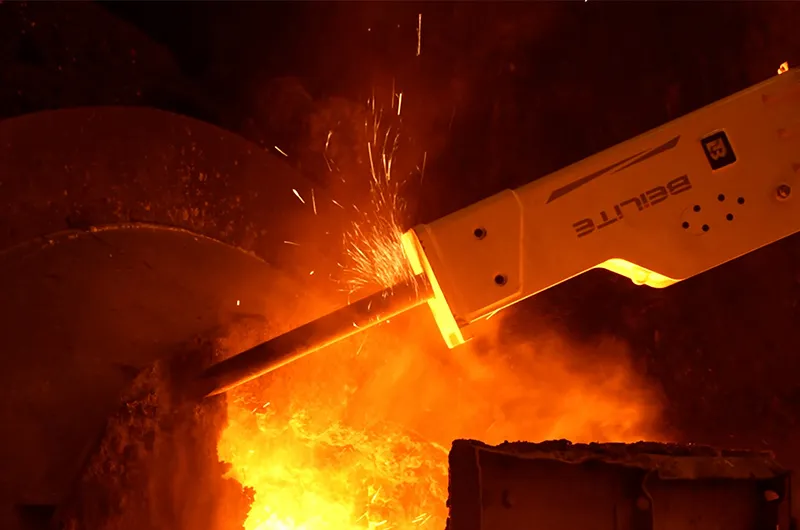
Metallurgy and Recycling

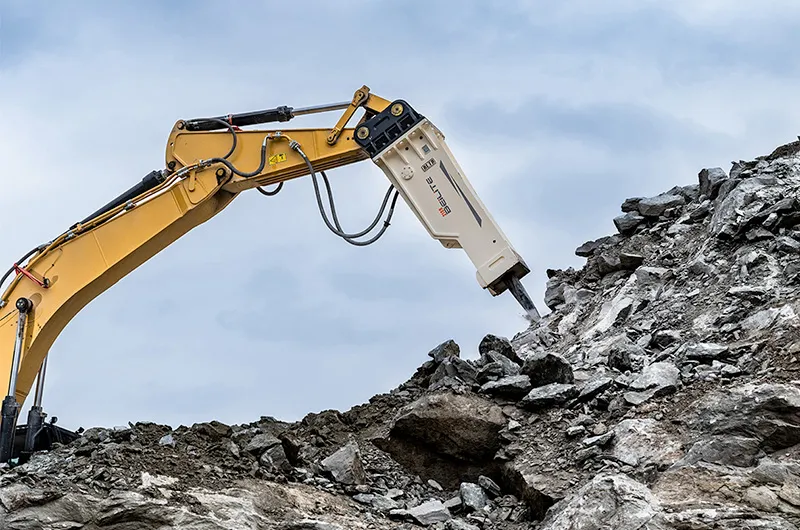
Mining and Quarrying

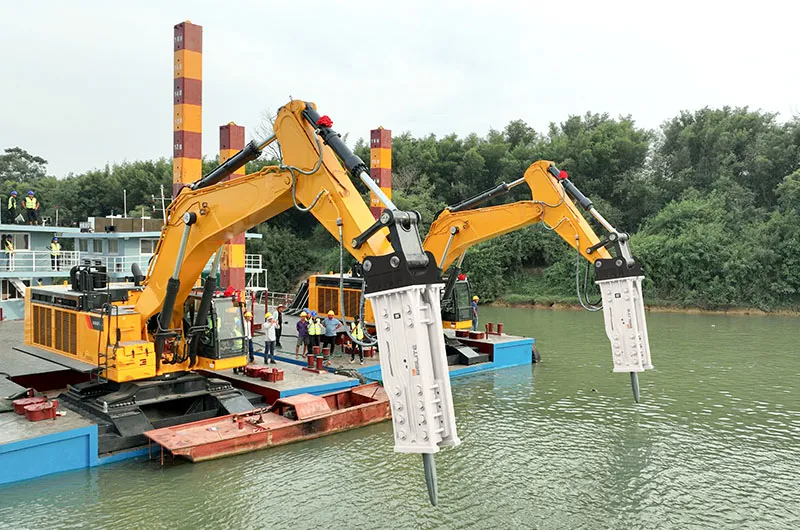
Underwater Construction

Successful Stories

Many customers around the world are already using Beilite hydraulic breakers with great success, achieving higher efficiency, reliability, and power in their operations.
Hydraulic Breaker Secondary Breaking: Optimize Site Efficiency

Hydraulic Breaker Secondary Breaking: Optimize Site Efficiency

Efficient Site Management Through Secondary Breaking Large rocks and concrete chunks don't move themselves. When primary blasting or demolition leaves behind oversized fragments, everything downstream—crushers, trucks, processing lines—grinds to a halt waiting for material they can actually handle. Secondary breaking solves this bottleneck. Hydraulic breakers deliver the controlled force needed to reduce these stubborn pieces into workable sizes, keeping material flowing and operations profitable. The difference between a site that runs smoothly and one plagued by delays often comes down to how well this reduction step is managed. Why Secondary Breaking Determines Site Productivity Secondary breaking addresses a fundamental reality of extraction and demolition work: primary operations rarely produce uniformly sized material. Quarry blasts yield boulders that exceed crusher feed dimensions. Demolition drops concrete sections too massive for efficient removal. These oversized pieces create chokepoints that ripple through entire operations. The material handling efficiency costs of poor secondary breaking add up quickly. Equipment sits idle waiting for properly sized feed stock. Trucks make fewer trips because loading takes longer. Crushers run below capacity or suffer damage from oversized input. Each delay compounds into lost production hours and increased operating expenses. Effective rock processing through secondary breaking maintains continuous material flow.…

Oct 15, 2026 Read More →
Hydraulic Breaker Rental Market: Strategic Insights for 2024

Hydraulic Breaker Rental Market: Strategic Insights for 2024

Heavy machinery decisions rarely come down to a single number. When I first started evaluating hydraulic breaker rental options for demolition projects, the spreadsheet looked straightforward—daily rate times days equals cost. Reality proved messier. The true economics involve equipment matching, maintenance windows, insurance gaps, and the hidden cost of downtime when something doesn't fit right. This piece walks through the rental landscape for 2024, covering market conditions, cost factors, compatibility checks, and emerging trends that affect whether renting makes sense for your operation. Current State of the Hydraulic Breaker Rental Market The global hydraulic breaker rental market continues its steady climb, pushed along by infrastructure spending and construction activity across multiple regions. For 2024, the outlook points toward sustained expansion, though the pace varies by geography and project type. Equipment utilization rates remain elevated—a signal that many operations find renting more practical than ownership for their workload patterns. The competitive field includes both large equipment rental corporations with national footprints and specialized local providers who know their regional markets intimately. Rental rates shift based on breaker size, contract duration, and location. A 40mm chisel unit in one metro area might run 30% less than the same model two states over,…

Oct 14, 2026 Read More →
Ask an Expert WhatsApp Mail TOP