 English
 French
Hydraulic Breaker Storage: Maximize Asset Lifespan & Readiness
Storing a hydraulic breaker properly takes more thought than most people realize. I’ve seen equipment come out of storage looking worse than machines that ran daily for years—all because someone skipped a few steps or figured a tarp would be enough. The damage isn’t always obvious at first, but it shows up fast once you try to put the breaker back to work. What follows covers the practical side of keeping these machines ready for action, whether you’re parking one for a season or longer.
Why Storage Mistakes Cost More Than You’d Expect
Leaving a hydraulic breaker exposed or poorly prepped creates problems that compound over time. Corrosion starts on metal surfaces, seals dry out or swell depending on conditions, and hydraulic fluid picks up moisture that turns into internal rust. A corroded piston rod doesn’t just need cleaning—it often needs replacement, and that repair bill can run into thousands before you factor in project delays.
There’s also the warranty angle. Most manufacturers won’t cover damage that traces back to storage neglect. That means you’re on the hook for repairs that proper preparation would have prevented entirely.
| Common Storage Mistakes | Consequences | Financial Impact |
|---|---|---|
| Exposure to elements | Rust, seal degradation, fluid contamination | High repair costs, reduced lifespan |
| Incorrect fluid levels | Internal corrosion, pump damage | System overhaul, premature component replacement |
| Unreleased pressure | Seal rupture, safety hazards | Unexpected repairs, potential injury |
| Lack of lubrication | Seizure of moving parts, increased wear | Component replacement, reduced efficiency |
| Inadequate support | Structural deformation, housing damage | Major structural repairs, total loss |

Getting a Hydraulic Breaker Ready for Storage
The preparation work matters more than the storage location itself. A breaker that’s been properly cleaned, lubricated, and protected can handle less-than-ideal conditions far better than one that was just parked and forgotten.
- Thorough Cleaning: Remove all dirt, grease, and debris from the breaker’s exterior. Use appropriate degreasers and pressure washers, then dry completely to prevent moisture retention.
- Inspection for Damage: Conduct a comprehensive visual inspection for cracks, leaks, or wear on hoses, seals, and the housing. Document any existing damage for future reference.
- Protective Coating Application: Apply a rust-preventative coating to all exposed metal surfaces. This creates a barrier against moisture and corrosive elements.
- Greasing Critical Points: Liberally grease all lubrication points, including the tool bushing and retaining pin area. This prevents corrosion and ensures smooth operation upon recommissioning.
- Nitrogen Accumulator Check: Verify and adjust the nitrogen gas pressure in the accumulator to the manufacturer-specified level. This maintains seal integrity and prevents internal damage. For Beilite BLT-series breakers like the BLT-75, the accumulator nitrogen pressure should be maintained at 55–60 bar.
- Secure Hoses and Connections: Disconnect hydraulic hoses and cap all ports to prevent contamination and fluid leakage. Store hoses properly to avoid kinking or damage.
- Tool Removal: Remove the working tool (chisel or moil point) from the breaker. Clean and apply rust preventative to the tool and store it separately.
- Vertical or Horizontal Storage: Position the breaker according to manufacturer recommendations, typically vertically on a stand or horizontally on sturdy supports. Ensure stability.
What specific fluids should be drained or replaced before storing a hydraulic breaker?
Old hydraulic fluid should be drained before storage. Over time, this fluid degrades and absorbs moisture, losing its protective properties and potentially causing internal corrosion. Fresh, corrosion-inhibiting hydraulic oil protects internal components during the storage period. The nitrogen pressure in the accumulator also needs verification—for many BLT models, this means 14-17 bar for the rear cylinder and 55-60 bar for the accumulator itself. Apply specific lubricants to vulnerable components like the tool bushing and piston for comprehensive corrosion protection.
For comprehensive guidance on selecting the right attachments for various tasks, consider reading our detailed article on 《Hydraulic Breaker Hammer for Mining and Quarrying》.
Where You Store a Hydraulic Breaker Changes Everything
The environment does half the work of preservation—or half the damage. A climate-controlled indoor space is ideal, but not always practical. Understanding what actually causes problems helps you make better decisions with whatever space you have available.
| Environmental Factor | Impact on Stored Equipment | Optimal Control Strategy |
|---|---|---|
| Humidity | Rust, seal degradation, electrical corrosion | Dehumidifiers, desiccant packs, sealed containers |
| Temperature | Condensation, fluid viscosity changes | Stable temperature range (10-25°C), insulated storage |
| UV Radiation | Plastic/rubber degradation, paint fading | Opaque covers, indoor storage, shaded areas |
| Dust/Debris | Contamination of seals, moving parts | Protective covers, clean storage area, regular cleaning |
| Pests | Wiring damage, nesting in cavities | Pest control measures, sealed storage, regular checks |
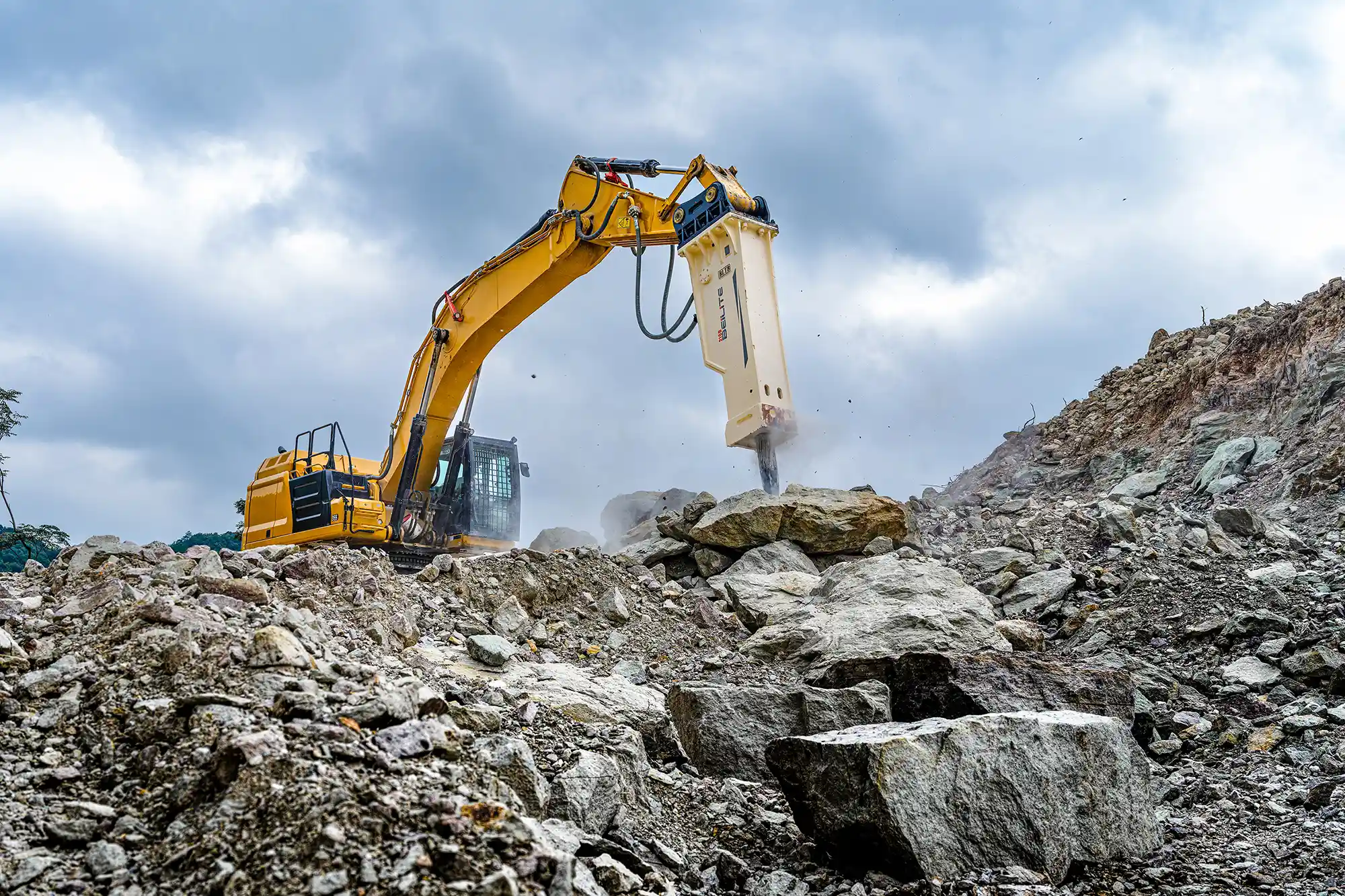
Indoor storage in a climate-controlled facility works best. When outdoor storage is unavoidable, heavy-duty waterproof covers that allow some air circulation help prevent condensation buildup. Elevating the breaker off the ground avoids direct contact with moisture. Regular inspections of the storage area catch leaks or environmental changes before they cause damage.
Bringing a Stored Hydraulic Breaker Back Online
Recommissioning requires patience. Rushing this process invites problems that proper storage was meant to prevent. A systematic approach catches issues before they become failures.
- Visual Inspection: Conduct a detailed visual check for any changes or damage that occurred during storage. Look for rust, cracked hoses, or compromised seals.
- Remove Protective Coatings: Carefully remove any rust-preventative coatings from external surfaces and working tools.
- Check Fluid Levels: Verify hydraulic oil levels in the breaker and the carrier. Top-up with fresh, recommended hydraulic fluid if necessary.
- Re-grease Components: Re-grease all lubrication points before initial operation.
- Reinstall Working Tool: Reinstall the chisel or other working tool, ensuring it is properly secured.
- Reconnect Hoses: Reconnect hydraulic hoses, ensuring all connections are tight and free of leaks.
- Check Nitrogen Pressure: Re-verify the nitrogen accumulator pressure. Adjust to operational specifications if required.
- Functional Testing (No-Load): Perform a no-load functional test on the breaker. Operate it at low pressure initially, checking for smooth operation and unusual noises.
- Leak Detection: Monitor for any hydraulic fluid leaks during the functional test. Address any leaks immediately.
- Operational Readiness Check: Gradually increase operating pressure and test the breaker’s performance under controlled conditions.
- Preventative Maintenance Schedule: Establish a preventative maintenance schedule for the newly recommissioned breaker based on expected usage.
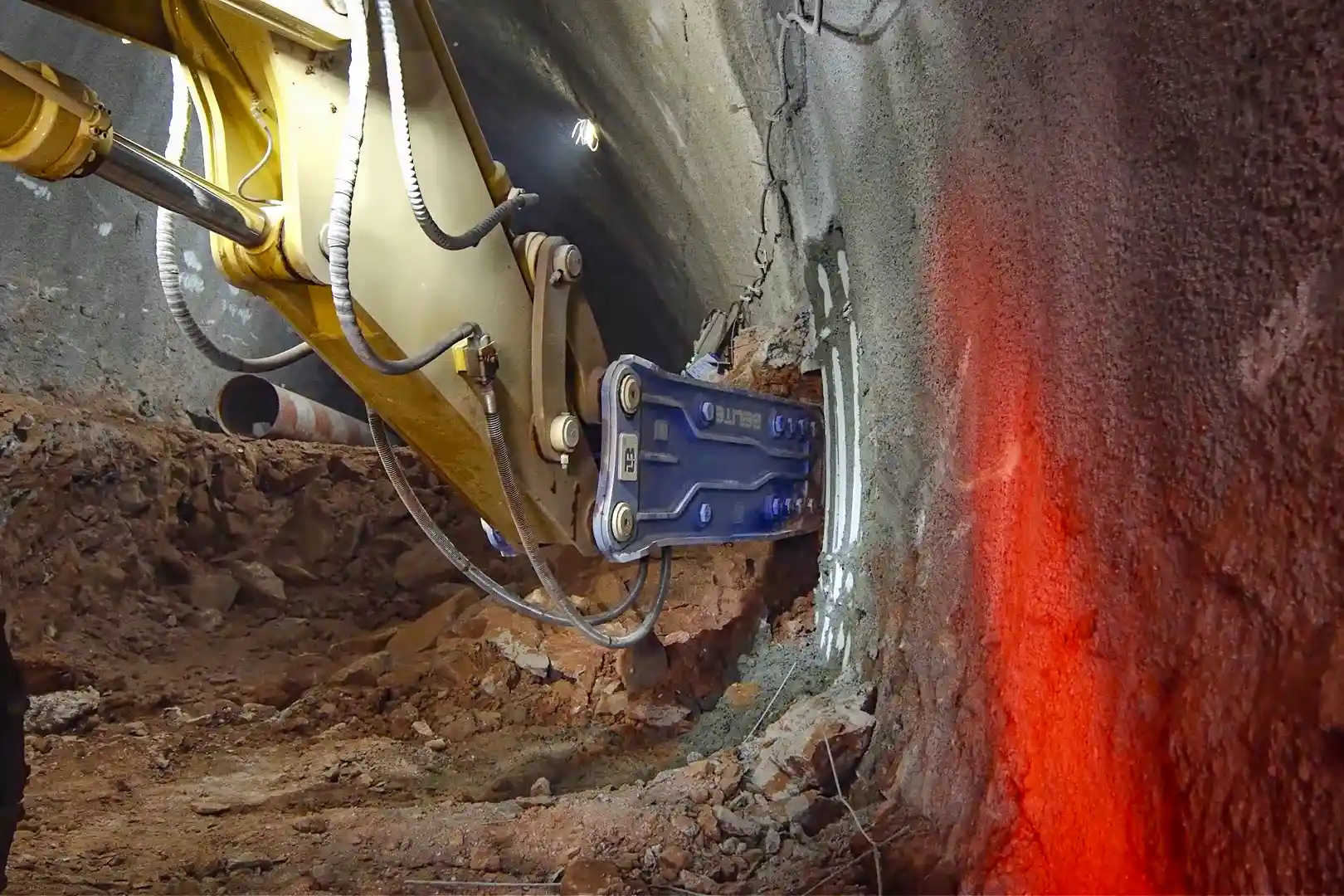
How often should stored hydraulic breakers be inspected?
Inspection frequency depends on storage duration and environmental conditions. For short-term storage under 3 months, a monthly visual check for rust signs and fluid levels usually suffices. Longer durations of 3-12 months call for quarterly inspections that include seal condition checks and re-greasing. Annual check-ups become essential for extended storage, involving thorough assessments of fluid levels, nitrogen pressure, and general component integrity to catch moisture contamination before it causes real damage.
To learn more about optimizing your equipment for specific tasks, explore our range of Hydraulic Breaker Hammer for Demolition&Rock Breaking solutions.
Following Manufacturer Guidelines Protects More Than Your Warranty
Manufacturer recommendations exist because the people who designed the equipment understand where it fails. Beilite Machinery Co., LTD, a national high-tech enterprise since 2002, builds these guidelines into their service manuals for BLT and BLTB products. Following them ensures long-term reliability and keeps warranty coverage intact.
| Warranty Compliance Point | Requirement | Impact of Non-Compliance |
|---|---|---|
| Storage Procedures | Follow specific climate, fluid, and pressure guidelines | Warranty invalidation, accelerated wear |
| Maintenance Intervals | Adhere to recommended service schedules | Component failure, voided warranty |
| Genuine Parts Usage | Utilize only manufacturer-approved replacement parts | Performance issues, warranty void |
| Authorized Service | Engage certified technicians for major repairs and inspections | Improper repairs, safety risks, warranty void |
| Documentation | Maintain detailed service records and storage logs | Difficulty with warranty claims |
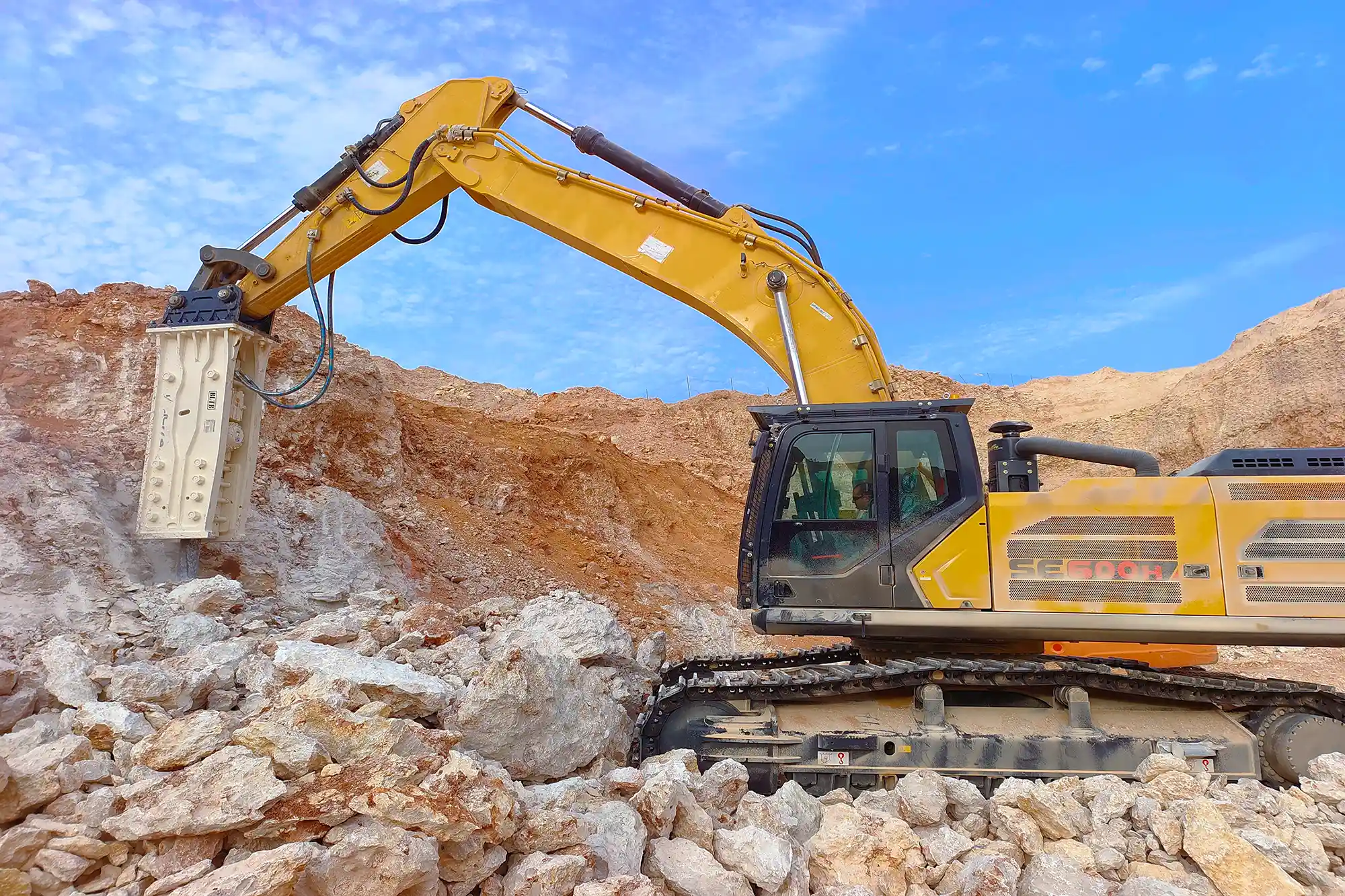
Can improper storage void a hydraulic breaker’s warranty?
Improper storage can absolutely void a hydraulic breaker’s warranty. Most warranty terms explicitly exclude damage from neglect, inadequate maintenance, or failure to follow specified storage protocols. This covers corrosion from environmental exposure, seal damage from unreleased pressure, and contamination from improper fluid management. Detailed service records and proof of adherence to manufacturer guidelines protect your investment and ensure coverage for legitimate defects.
Discover our full range of hydraulic breaker Hammer products designed for durability and performance.
Frequently Asked Questions on Hydraulic Breaker Storage
What is the most common mistake when storing hydraulic breakers long-term?
Neglecting proper cleaning and lubrication tops the list, leading to corrosion and seal degradation. Failing to release nitrogen pressure from the accumulator and not protecting against moisture are close behind. These oversights severely impact hydraulic breaker performance and lifespan, often resulting in costly repairs or premature equipment failure. The preparation work prevents these common, expensive errors.
How does temperature and humidity affect a stored hydraulic breaker?
Extreme temperature fluctuations cause condensation, leading to internal corrosion within the hydraulic system. High humidity accelerates rust formation on external and internal components while degrading rubber seals and hoses. A stable, dry, controlled environment prevents these issues and preserves the hydraulic breaker’s integrity. Environmental control works passively but remains vital for long-term protection.
Are there specific tools or materials needed for proper long-term storage preparation?
Essential items include appropriate hydraulic oil (often with corrosion inhibitors) for flushing and filling, high-quality grease for lubrication points, rust preventative coatings, desiccant packs for moisture absorption, durable protective covers, and specialized tools for fluid draining and accumulator pressure adjustment. The hydraulic breaker’s service manual specifies exact requirements and recommended products for effective preparation.
What are the benefits of professional long-term storage for heavy equipment?
Professional storage ensures adherence to manufacturer guidelines, extends service life, preserves warranty validity, minimizes unexpected repair costs, and guarantees operational readiness when the hydraulic breaker is needed again. This approach represents a strategic investment in asset protection and operational efficiency while maintaining resale value.
Protect Your Investment with Beilite Expertise
Ensure your hydraulic breaker investments are protected for the long haul. As a national high-tech enterprise specializing in hydraulic breaker R&D and manufacturing since 2002, Beilite Machinery Co., LTD provides not only cutting-edge BLT and BLTB products but also unparalleled expertise in equipment care. Contact our specialists today for tailored advice on long-term storage solutions and to explore our range of high-performance hydraulic breakers designed for durability and trust worldwide. Reach us at 40008-40008 or [email protected].