 English
 French
Stuck Hydraulic Breaker Bit: Expert Removal & Prevention
When a hydraulic breaker bit locks up mid-job, everything stops. The excavator sits idle, the crew waits, and every passing minute chips away at the day’s schedule. I’ve seen operators try everything from brute force to creative leverage, sometimes making things worse. The frustration is real, but so is the solution—once you understand what causes bits to seize and how to approach removal without damaging the breaker itself.
What Actually Causes a Hydraulic Breaker Bit to Seize
A hydraulic breaker bit rarely gets stuck for just one reason. Usually, several factors compound over time until the bit simply refuses to move. Fine rock particles and dust work their way into the tool holder during normal operation. Without adequate lubrication, this debris acts like sandpaper between metal surfaces, creating friction that builds with every impact cycle.
The lubrication issue deserves more attention than it typically gets. Grease doesn’t just reduce friction—it creates a protective barrier that prevents metal-to-metal contact and flushes out contaminants. When operators skip greasing intervals or use the wrong product, that barrier breaks down. The bit and tool holder start wearing against each other directly, and the fit that was once precise becomes increasingly problematic.
Chisel erosion changes the bit’s geometry in subtle ways that matter. A worn collar no longer sits properly in the retaining system. Excessive tip wear shifts the bit’s balance and contact points. These dimensional changes might seem minor, but they alter how impact energy transfers through the system. The bit starts moving in ways it wasn’t designed to move, and eventually, it wedges tight.
Operating habits play a larger role than many realize. Blank firing—running the breaker without contact against material—sends shockwaves through the entire assembly with nowhere productive to go. Working at extreme angles forces the bit against the tool holder walls at points that weren’t engineered for sustained contact. Both practices accelerate wear in patterns that lead directly to stuck bits.
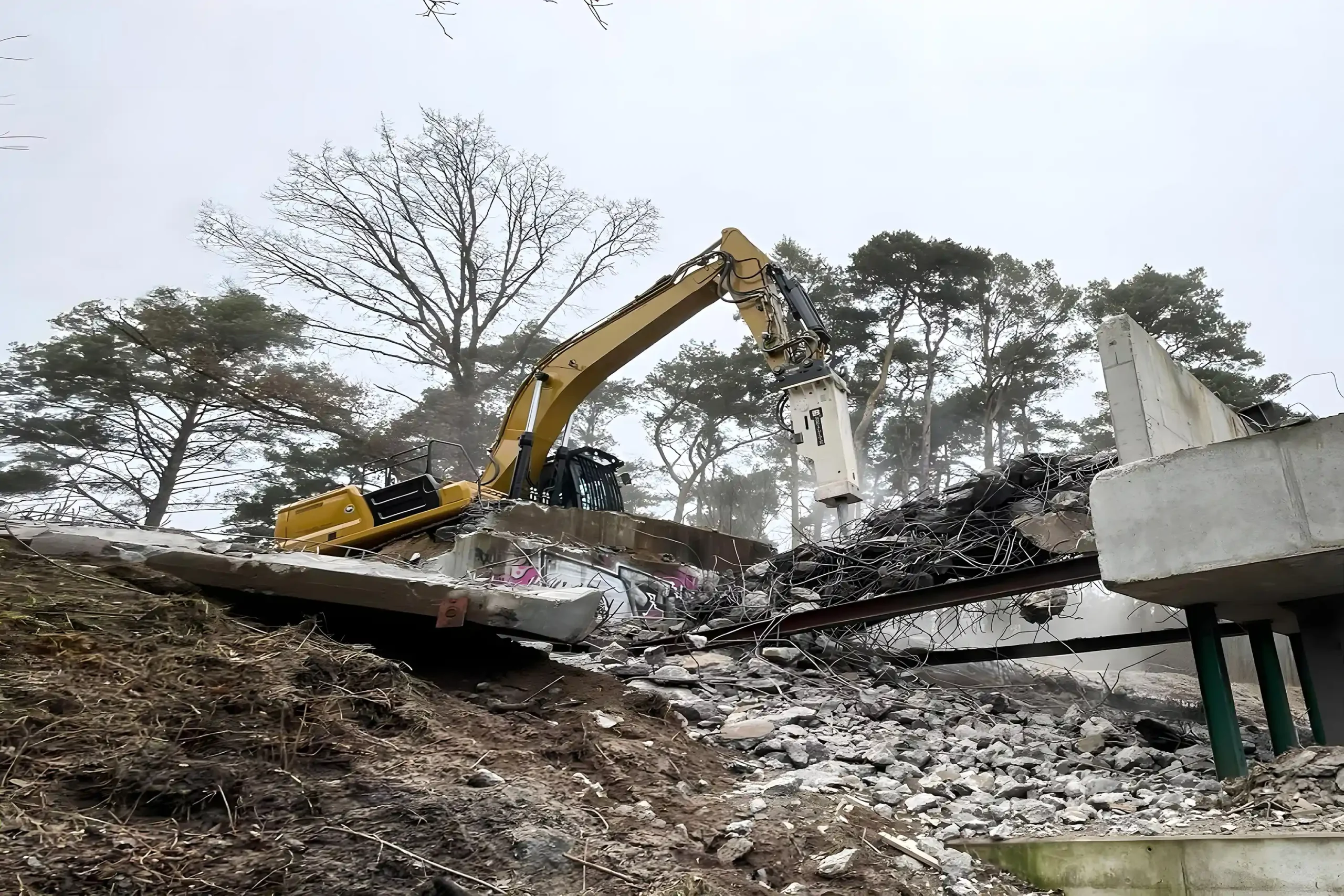
Safe Extraction Methods That Protect Your Equipment
Getting a stuck hydraulic breaker bit free requires patience and the right sequence of steps. Rushing the process or applying force in the wrong direction can turn a stuck bit into a damaged breaker—a much more expensive problem.
Before touching anything, depressurize the hydraulic system completely. Residual pressure in the lines can cause unexpected movement, and the forces involved are substantial enough to cause serious injury. This isn’t a step to abbreviate or skip.
For bits that are only lightly seized, penetrating oil applied to the contact surfaces can work wonders. Let it soak for at least 15-20 minutes—longer if possible. The oil needs time to work its way into the microscopic gaps between the bit and tool holder. Follow this with gentle tapping using a brass or copper mallet, which delivers force without damaging hardened steel surfaces.
Severely jammed bits require more deliberate intervention. Hydraulic pullers designed specifically for bit extraction apply controlled, even force along the bit’s axis. These tools distribute pressure in ways that manual methods cannot, reducing the risk of cracking the tool holder or bending internal components. If debris accumulation caused the seizure, you may need to partially loosen the bit, clean the accessible surfaces, apply fresh lubricant, and repeat the process several times before full extraction.
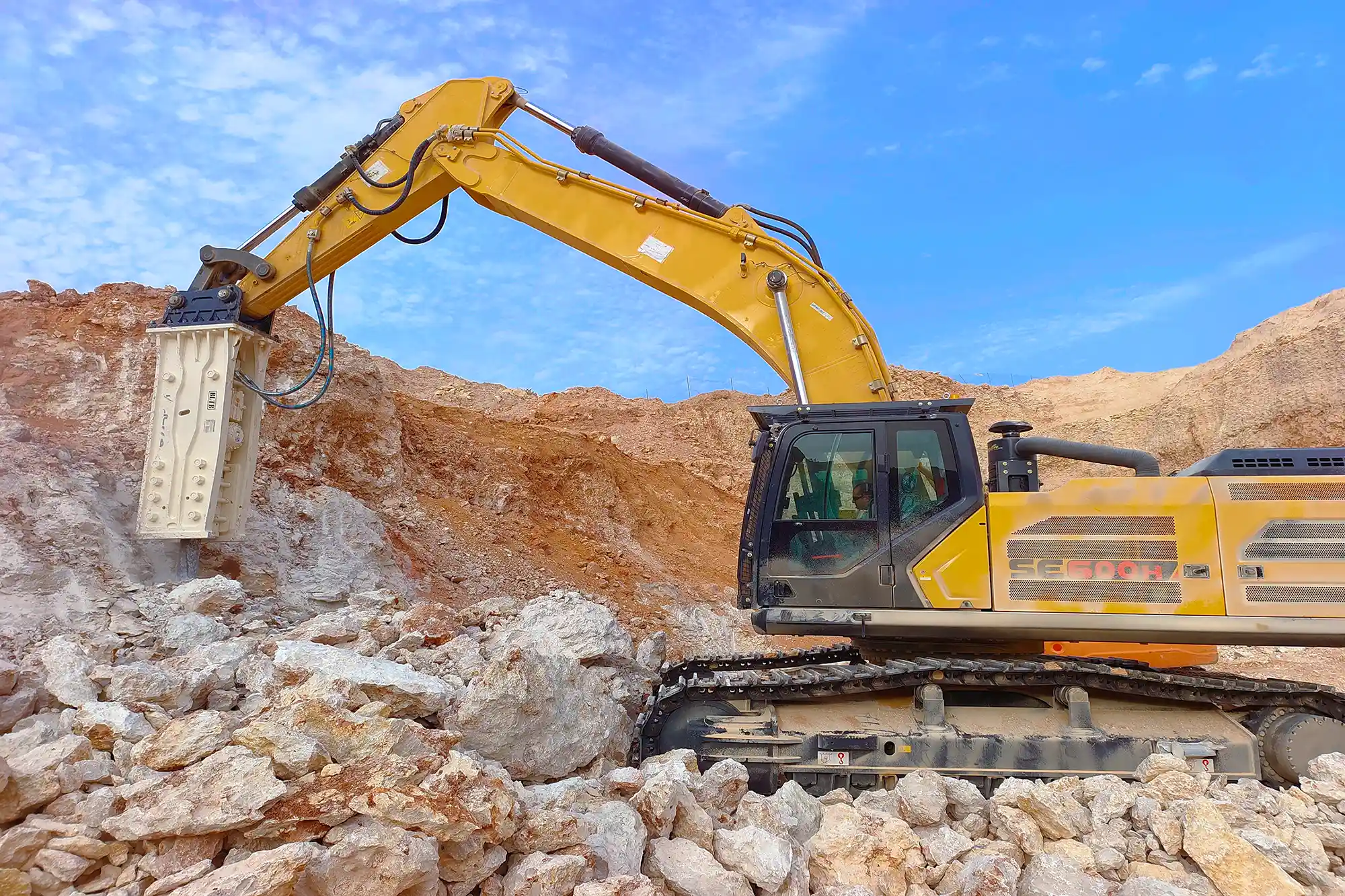
Non-Negotiable Safety Measures
The forces involved in hydraulic breaker operation—and the potential energy stored in a stuck bit—demand serious respect. Proper personal protective equipment includes safety glasses rated for impact, heavy work gloves, steel-toed boots, and a hard hat. These aren’t suggestions.
Lockout/tagout procedures prevent the machine from activating while someone’s hands are near moving parts. Even with the hydraulic system depressurized, mechanical energy can remain stored in springs or compressed components. A complete site assessment identifies overhead hazards, unstable ground, and other environmental factors that could compound an already risky situation.
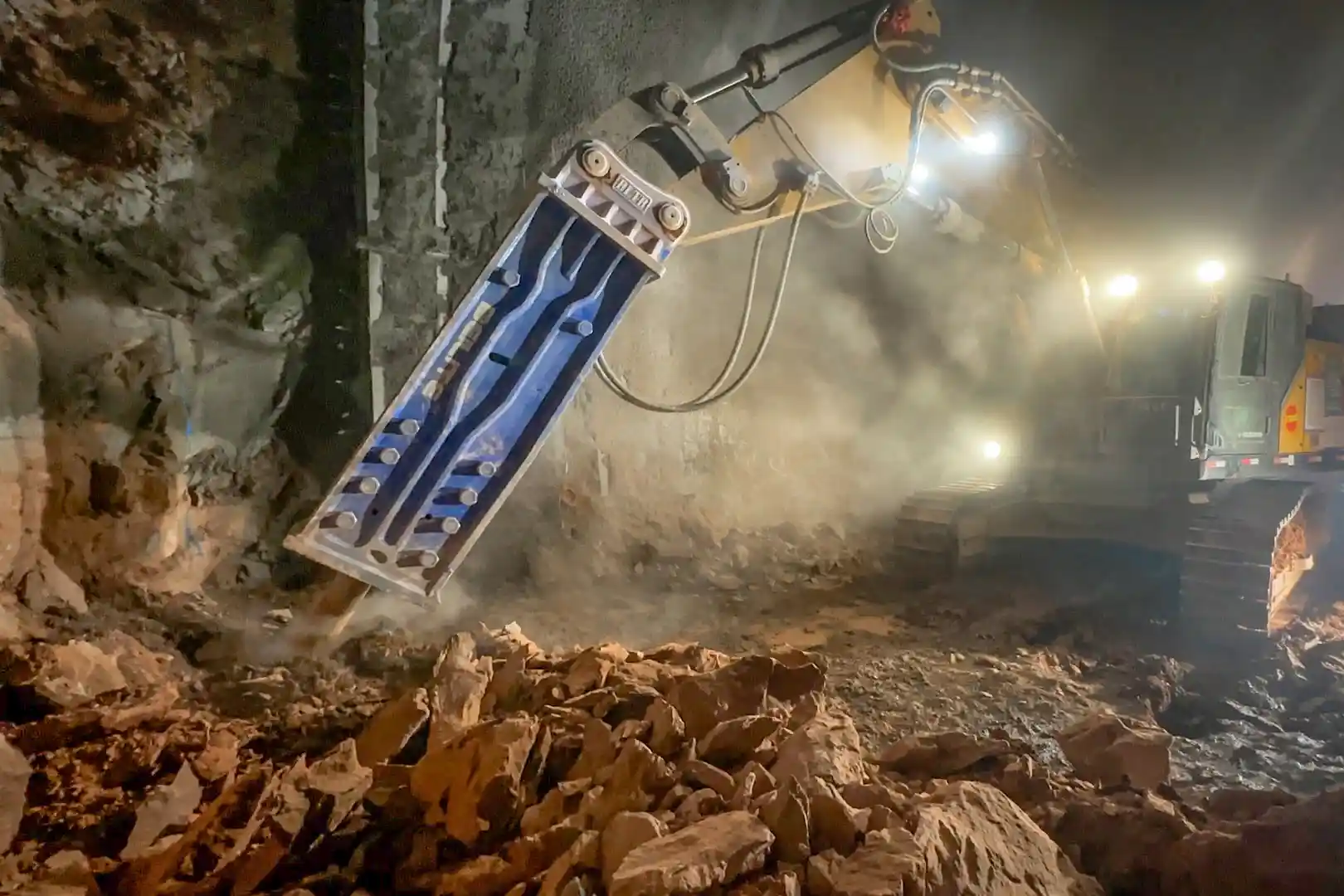
Maintenance Practices That Prevent Bit Seizure
The most effective approach to stuck bits is preventing them from happening. A consistent maintenance routine catches developing problems before they become operational emergencies.
Daily greasing tops the list. The tool holder requires fresh lubricant every operating day, applied through the designated grease points until you see clean grease emerging from the bit area. This pushes out contaminated lubricant and debris while replenishing the protective film. The specific grease matters—manufacturer recommendations exist for good reasons, as different formulations perform differently under the extreme pressures and temperatures inside a working breaker.
Visual inspection takes only a few minutes but reveals problems that would otherwise go unnoticed. Check the bit’s tip for excessive wear or mushrooming. Examine the collar area for cracks, scoring, or dimensional changes. Look at the tool holder opening for signs of wear patterns that indicate misalignment or improper fit. These observations guide maintenance decisions and replacement timing.
Matching the bit to the application prevents premature wear. A chisel designed for concrete demolition performs poorly in hard rock and wears faster than it should. Conversely, a rock bit used on softer materials may not deliver optimal breaking efficiency. Understanding the material hardness you’re working with and selecting accordingly extends bit life and reduces seizure risk.
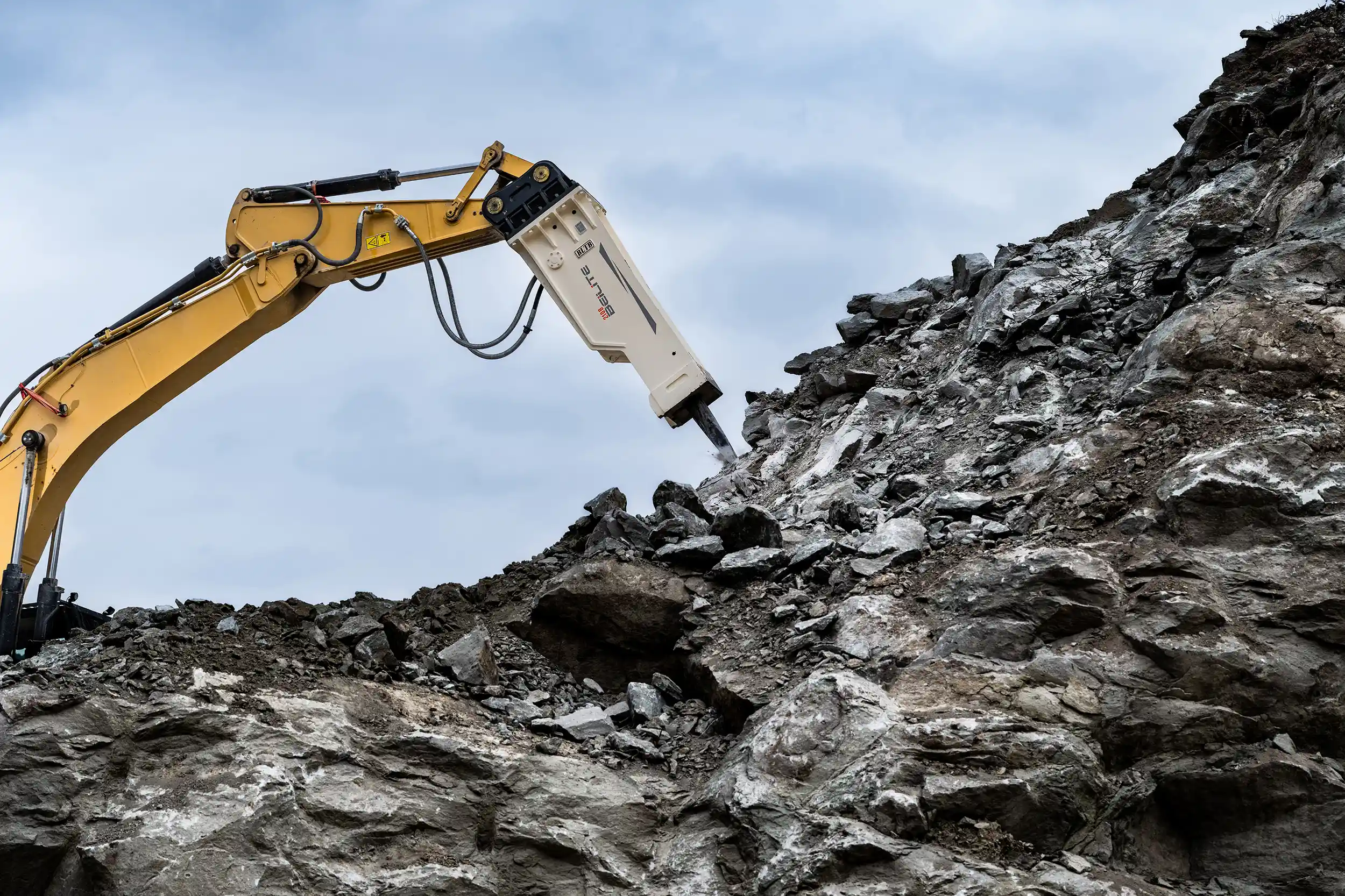
Inspection Frequency and What to Look For
Every operating shift should begin with a quick visual assessment of the hydraulic breaker bit. This pre-operation check takes perhaps two minutes and can prevent hours of downtime.
Focus on the bit’s working tip first—is it still within acceptable wear limits, or has it worn past the point of effective operation? Move to the body, looking for cracks, bends, or surface damage that could indicate stress fractures developing. The collar area deserves particular attention since this is where fit problems most commonly develop. Any scoring, galling, or dimensional changes here signal that the bit needs replacement or that the tool holder requires inspection.
Establishing clear wear limits helps remove subjectivity from replacement decisions. When a bit reaches a certain percentage of original diameter at the tip, or when collar wear exceeds a specified threshold, it gets replaced regardless of how much life an operator thinks it might have left. This discipline prevents the “just one more job” mentality that often precedes a stuck bit.
The Real Cost of Ignoring a Stuck Bit
A seized bit doesn’t just stop work temporarily—it can damage components that cost far more to replace than the bit itself. The impact mechanism continues trying to drive a bit that cannot move, and that energy has to go somewhere. Internal components absorb forces they weren’t designed to handle.
Piston damage, cylinder scoring, and tool holder deformation all become possibilities when a stuck bit isn’t addressed properly. The hydraulic system experiences pressure spikes that stress seals and fittings. Continued operation or aggressive removal attempts compound these problems. What started as a stuck bit can cascade into a breaker that needs comprehensive rebuilding.
Selecting Bits That Perform and Last
The hydraulic breaker bit market offers numerous options, and the differences between them matter more than casual observation might suggest. Material composition, heat treatment, and geometric design all influence how a bit performs and how long it lasts before causing problems.
High-quality bits use alloy steels formulated for the specific demands of impact breaking. The metallurgy must balance hardness—which resists wear—with toughness—which prevents cracking. Heat treatment processes refine this balance, creating a bit that maintains its edge geometry while absorbing repeated shock loads without fracturing.
Compatibility between the bit and the specific breaker model ensures proper fit and energy transfer. A bit that’s slightly oversized creates binding issues from the start. One that’s undersized allows excessive lateral movement that accelerates wear on both the bit and tool holder. OEM specifications exist because the engineering tolerances matter.
Application matching goes beyond just “rock” or “concrete.” Different rock types present different challenges—abrasive sandstone wears bits differently than brittle granite. Reinforced concrete requires different tip geometry than plain concrete. Understanding these distinctions and selecting accordingly prevents premature wear patterns that lead to stuck bits.
| Model | Bit Diameter (mm) | Applicable Excavator (t) | Working Pressure (bar) | Blow Frequency (bpm) |
|---|---|---|---|---|
| BLT-40 | 40 | 0.5–1.2 | 90–120 | 800–1400 |
| BLT-45 | 45 | 0.8–1.5 | 90–120 | 700–1200 |
| BLT-53 | 53 | 1.5–3.5 | 90–120 | 600–1100 |
| BLT-60 | 60 | 3–5.5 | 100–130 | 500–1000 |
| BLT-70 | 70 | 4.5–6 | 110–140 | 500–900 |
For demolition work requiring sustained impact performance, a Hydraulic Breaker Hammer for Demolition& Rock Breakingwith superior wear resistance makes a measurable difference in operational uptime. Mining and quarrying operations benefit from Hydraulic Breaker Hammer for Mining and Quarrying configurations designed specifically for hard rock penetration. Compact equipment applications require careful attention to weight and size matching—a Hydraulic Breaker Hammer for Mini Compact Excavator paired with an appropriately sized bit prevents the overloading that accelerates wear.
Frequently Asked Questions About Hydraulic Breaker Bit Issues
What warning signs indicate a hydraulic breaker bit might seize soon?
Several indicators typically appear before a bit fully seizes. Reduced impact force suggests the bit isn’t moving freely through its full stroke. Metallic grinding or squealing points to inadequate lubrication or debris interference. Increased vibration during operation indicates the bit is contacting the tool holder in ways it shouldn’t. Visible wear on the collar or scoring on the bit body confirms that dimensional changes are occurring. Any of these signs warrants immediate inspection and likely maintenance intervention.
How does breaker design influence the likelihood of bit seizure?
Tool holder geometry, material selection, and manufacturing tolerances all affect seizure risk. Precision-machined tool holders maintain proper clearances longer than those with looser tolerances. Superior materials resist the galling and scoring that change fit over time. Optimized impact mechanisms deliver energy efficiently without creating excessive lateral forces on the bit. These design factors explain why some breakers develop bit problems frequently while others operate for extended periods without incident.
When should you call for professional help with a stuck bit?
Minor seizures often respond to penetrating oil and patient, careful extraction techniques. Severely jammed bits present a different situation. If initial attempts don’t produce movement, or if you notice damage to the tool holder or bit collar during extraction attempts, professional intervention becomes the safer choice. Forcing a severely stuck bit risks cracking the tool holder, damaging internal components, or creating safety hazards. The cost of professional extraction is almost always less than the cost of repairing damage caused by aggressive amateur attempts.
Moving Forward With Reliable Performance
Beilite Machinery brings twenty years of hydraulic breaker development to every product in the BLT and BLTB lines. That experience shows in the details—tool holder tolerances, material specifications, and design choices that reduce bit-related problems across diverse operating conditions. For consultation on equipment selection, maintenance optimization, or technical support, reach us at [email protected].