 English
 French
Hydraulic Breaker Rental Optimizing Construction Projects
Getting the right demolition tool onto a jobsite without buying it outright changes how projects get planned. Hydraulic breaker rental puts serious breaking power in your hands for exactly as long as you need it, then disappears from your balance sheet when the work wraps up. The approach works particularly well when project scopes shift mid-stream or when you’re facing material conditions that demand specialized equipment you’d rarely use otherwise. Having spent years watching contractors navigate these decisions, the rental path often makes more financial sense than ownership—especially when you factor in what happens to that expensive machine sitting idle between jobs.
Why Renting Makes More Sense Than Buying for Most Projects
The financial math behind hydraulic breaker rental favors flexibility over ownership in most scenarios. Purchasing locks you into depreciation schedules, storage headaches, and maintenance obligations that never stop—even when the equipment sits unused. Renting converts all of that into a predictable operational expense that scales with actual project needs.
Short-term demolition work or projects with unpredictable timelines benefit most from this approach. You get immediate access to high-performance equipment without the capital outlay, and when something needs servicing, that’s the rental provider’s problem. This frees up project managers to focus on getting work done rather than managing equipment logistics.
Beilite Machinery brings decades of hydraulic breaker development to the table, holding hundreds of patents and participating in national standards formulation. That engineering depth shows up in the reliability of rental equipment built to handle demanding conditions.
| Feature | Rental | Purchase |
|---|---|---|
| Cost | Operational expense, no upfront capital | Significant capital investment, depreciation |
| Maintenance | Included, handled by rental company | Owner’s responsibility, ongoing costs |
| Flexibility | Adaptable to project needs, various models | Limited to owned equipment, less adaptable |
| Storage | Not required | Requires secure storage facilities |
| Technology | Access to latest models | Can become outdated |
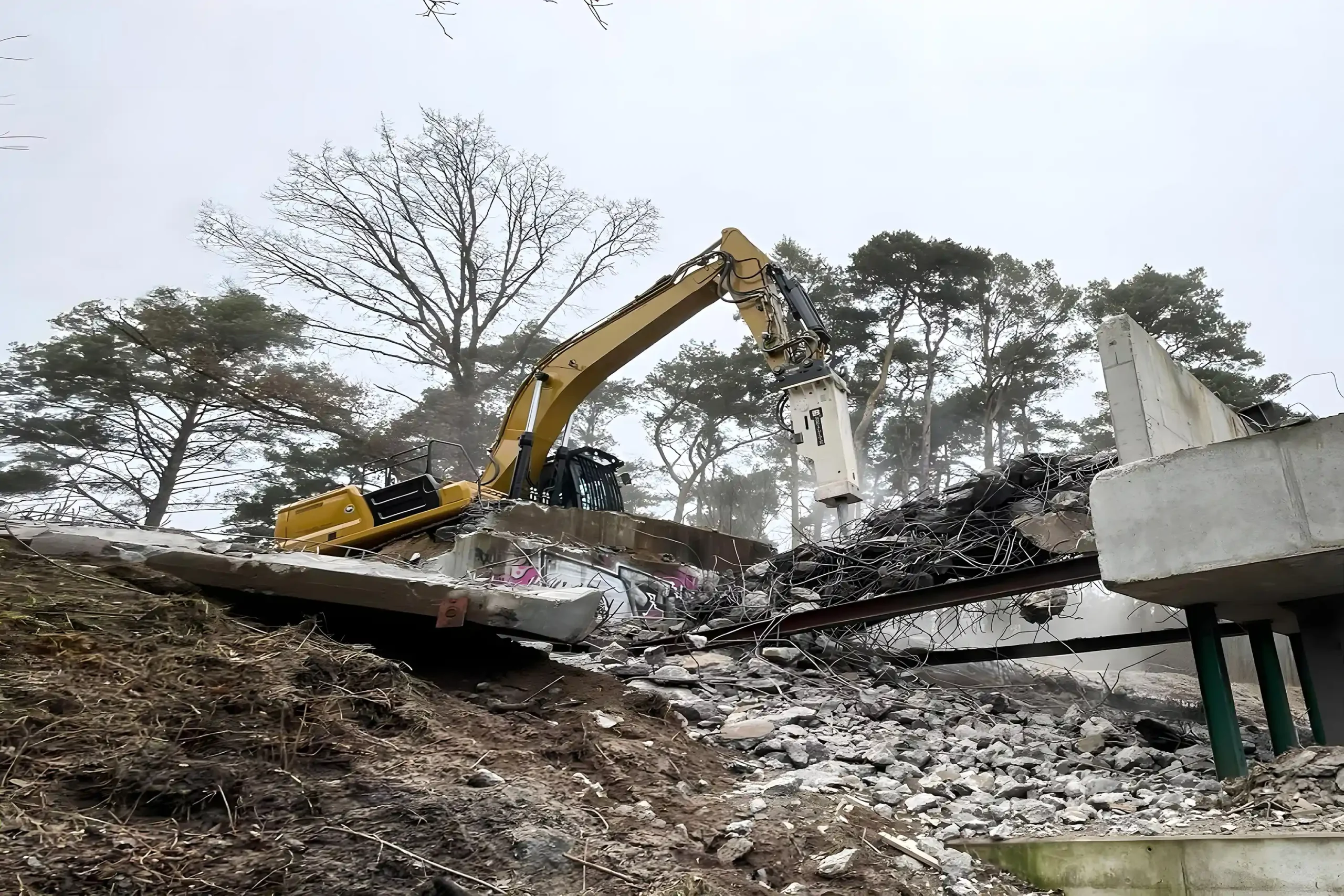
Matching Breaker Specifications to Your Actual Jobsite Conditions
Picking the wrong hydraulic breaker wastes time and money. The selection process comes down to three factors: what you’re breaking, what machine will carry it, and how much punishment the application demands.
Material matters enormously. Reinforced concrete behaves differently than limestone, and both require different approaches than breaking up asphalt. Chisel points work well for concrete and softer rock formations. Moil points handle general demolition and harder rock more effectively. Blunt tools excel at crushing oversized material down to manageable pieces.
The carrier machine’s hydraulic system sets hard limits on what breaker you can run. Flow rate and operating pressure must fall within the breaker’s specified range—too little flow starves the tool, too much pressure damages internal components. A BLT-75 breaker weighing 466 kg with a 75 mm chisel diameter needs a carrier between 6-8.5 tons, running 50-90 L/min oil flow at 120-150 bar pressure. Getting these numbers wrong leads to poor performance at best, equipment damage at worst.
| Breaker Type | Application Suitability | Tool Type Examples | Compatible Excavator (t) |
|---|---|---|---|
| BLT-40 | Light demolition, trenching | Chisel, Moil | 0.5 – 1.2 |
| BLT-53 | Medium concrete, soft rock | Chisel, Moil | 1.5 – 3.5 |
| BLT-75 | Heavy concrete, rock breaking | Moil, Blunt | 6 – 8.5 |
| BLT-100 | Quarrying, primary demolition | Moil, Blunt | 10 – 14 |
| BLT-155 | Large-scale mining, mass excavation | Blunt, Chisel | 27 – 33 |
What Hydraulic Breaker Types Can You Actually Rent?
Rental fleets typically include several hydraulic breaker configurations, each suited to different working conditions. Nitrogen gas-assisted breakers like the BLTB series deliver enhanced impact energy for quarrying and heavy demolition where raw breaking power matters most. Silent type breakers incorporate dampening systems that reduce noise and vibration—a practical necessity for urban demolition or work near occupied buildings. Vibro-breakers use high-frequency vibration rather than pure impact force, making them effective for softer materials or situations requiring more precise control over the breaking process.
Understanding What You’re Actually Paying For
Hydraulic breaker rental costs vary based on duration, equipment size, and what’s bundled into the agreement. Daily rates work for emergency needs or very short jobs, but weekly and monthly arrangements typically offer better value per operating day. The base rate rarely tells the whole story.
Delivery charges add up quickly, especially for heavier equipment requiring specialized transport. Some agreements include fuel costs, others don’t. Operator training requirements vary by provider and local regulations. Insurance coverage deserves careful attention—understanding exactly what’s covered for damage, theft, or liability prevents unpleasant surprises when something goes wrong.
The rental agreement itself contains details that matter. Clauses covering wear and tear, operating hour limits, and return conditions can create unexpected charges if you’re not paying attention. Reading the fine print before signing protects your budget from hidden costs that erode the financial advantage of renting in the first place.
Checklist: Key Considerations for Rental Agreement Review
1. Verify daily, weekly, and monthly rental rates.
2. Clarify all additional charges: delivery, fuel, accessories.
3. Understand equipment insurance options and liability coverage.
4. Review terms for wear and tear, damage, and excessive operating hours.
5. Confirm maintenance responsibilities and emergency support.
6. Ascertain return conditions and potential penalties.
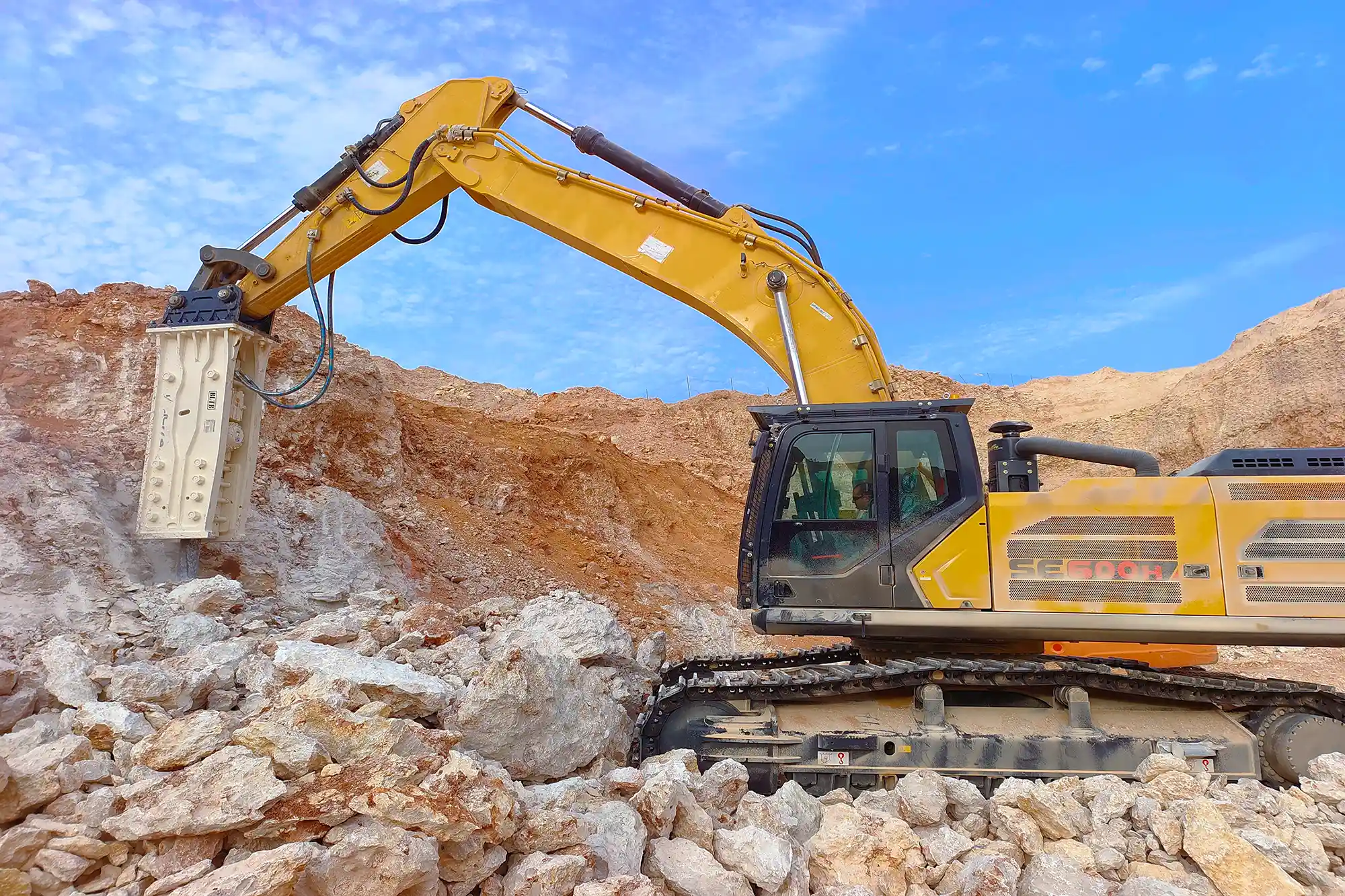
What Does a Day of Hydraulic Breaker Rental Actually Cost?
Daily rental pricing reflects equipment size and local market conditions. Smaller breakers sized for mini-excavators typically run $200-$500 per day. Heavy-duty units matched to large excavators can exceed $1,000 daily. Longer rental periods almost always reduce the effective daily rate—providers prefer predictable utilization over short-term turnover. Getting quotes for multiple duration options reveals where the pricing breaks fall for your specific project timeline.
Running Rented Equipment Without Breaking It or Anyone
Safe operation of hydraulic breakers isn’t optional, and rented equipment demands the same respect as owned machines. Proper operator training forms the foundation—someone unfamiliar with hydraulic breaker operation can damage expensive equipment quickly while creating serious safety hazards.
Pre-operation inspection catches problems before they become expensive or dangerous. Check hydraulic hoses for wear, verify tool condition, confirm all connections are secure. Personal protective equipment requirements are non-negotiable: hard hats, safety glasses, hearing protection, and steel-toed boots at minimum.
Operating technique directly affects both productivity and equipment longevity. Blank firing—running the breaker without material contact—stresses internal components and accelerates wear. Maintaining correct pressure settings prevents damage to the breaker and carrier machine alike. Dust suppression and noise control measures matter for regulatory compliance and site safety, particularly in urban environments where neighbors and inspectors pay attention.
Safety Checklist for Hydraulic Breaker Operation
* Operator Training: Ensure all operators are certified and experienced.
* PPE: Always wear appropriate personal protective equipment.
* Pre-Operation Inspection: Check hydraulic lines, tool bit, pins, and overall condition.
* Site Safety Assessment: Identify hazards, establish exclusion zones, and plan breaking patterns.
* Proper Breaking Technique: Avoid blank firing; apply steady, consistent pressure.
* Hydraulic System Checks: Monitor pressure and flow rates according to specifications.
* Noise & Vibration Control: Utilize dampening systems and schedule breaks.
* Dust Suppression: Employ water sprays or dust collection systems.
* Emergency Procedures: Know shutdown protocols and first aid locations.
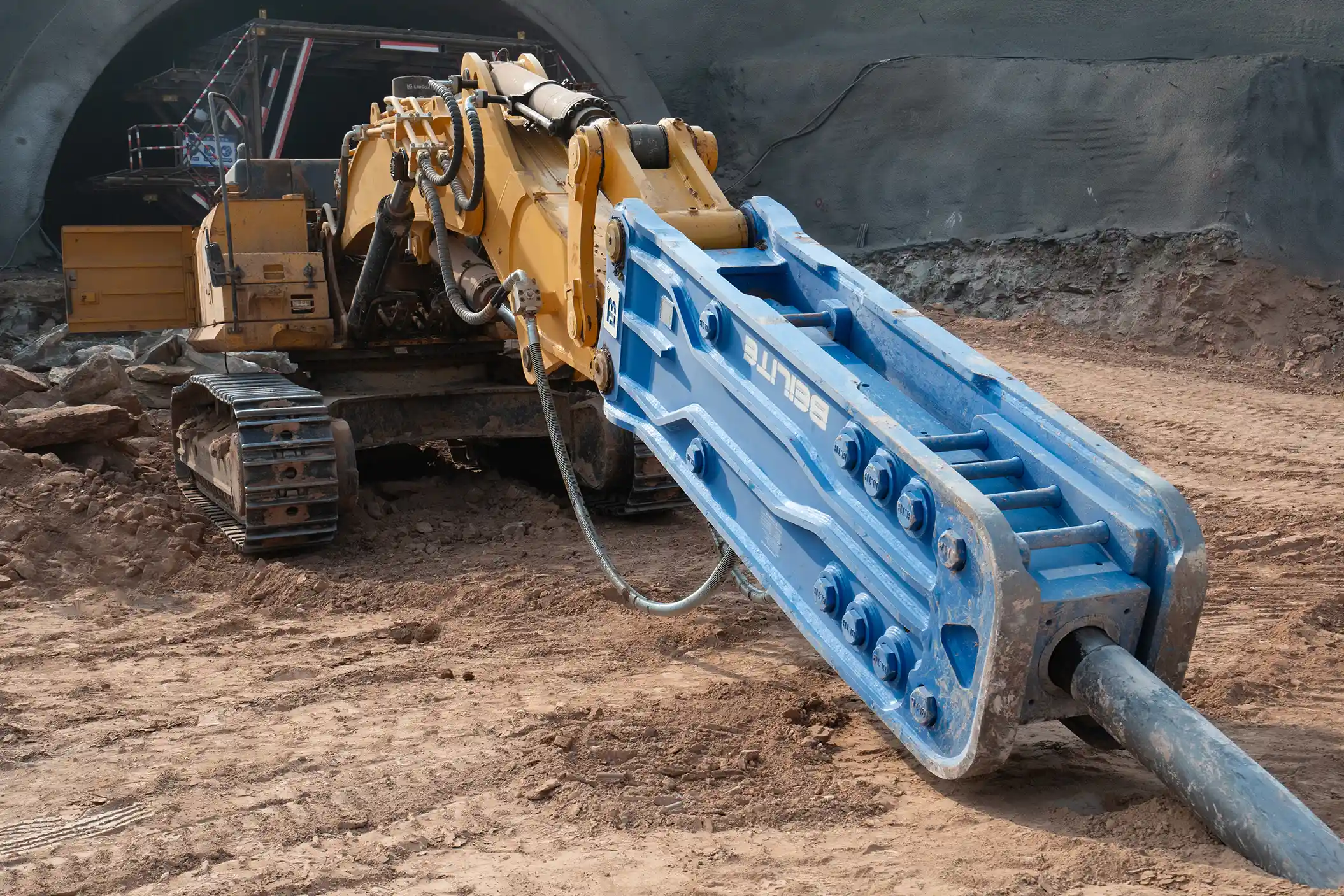
What Safety Steps Actually Matter During Operation?
The critical safety measures come down to preparation and awareness. PPE protects against the obvious hazards—flying debris, noise exposure, and falling objects. Site assessment before starting work identifies underground utilities, unstable structures, and other conditions that could turn dangerous mid-operation. Knowing emergency shutdown procedures and first aid locations matters when something goes wrong. Daily hydraulic system checks catch leaks before they cause failures. Maintaining safe distances from the breaking point keeps operators and bystanders out of harm’s way.
Getting Maximum Value From Your Rental Period
The rental clock runs whether the breaker is working or sitting idle, so maximizing productive operating time makes financial sense. Basic maintenance during the rental period—regular tool bit lubrication, hydraulic fluid level checks—keeps equipment performing at its best and prevents problems that could extend your rental duration.
Operating within manufacturer specifications protects both the equipment and your relationship with the rental provider. Correct pressure settings and avoiding prolonged blank firing prevent the kind of wear that triggers damage charges at return. When impact power drops, checking nitrogen gas pressure in the accumulator and inspecting the chisel for wear often identifies the issue without needing service calls.
Proper storage between operating periods protects equipment from weather and contamination. Understanding return conditions in your agreement helps you avoid penalties for damage beyond normal wear or late returns.
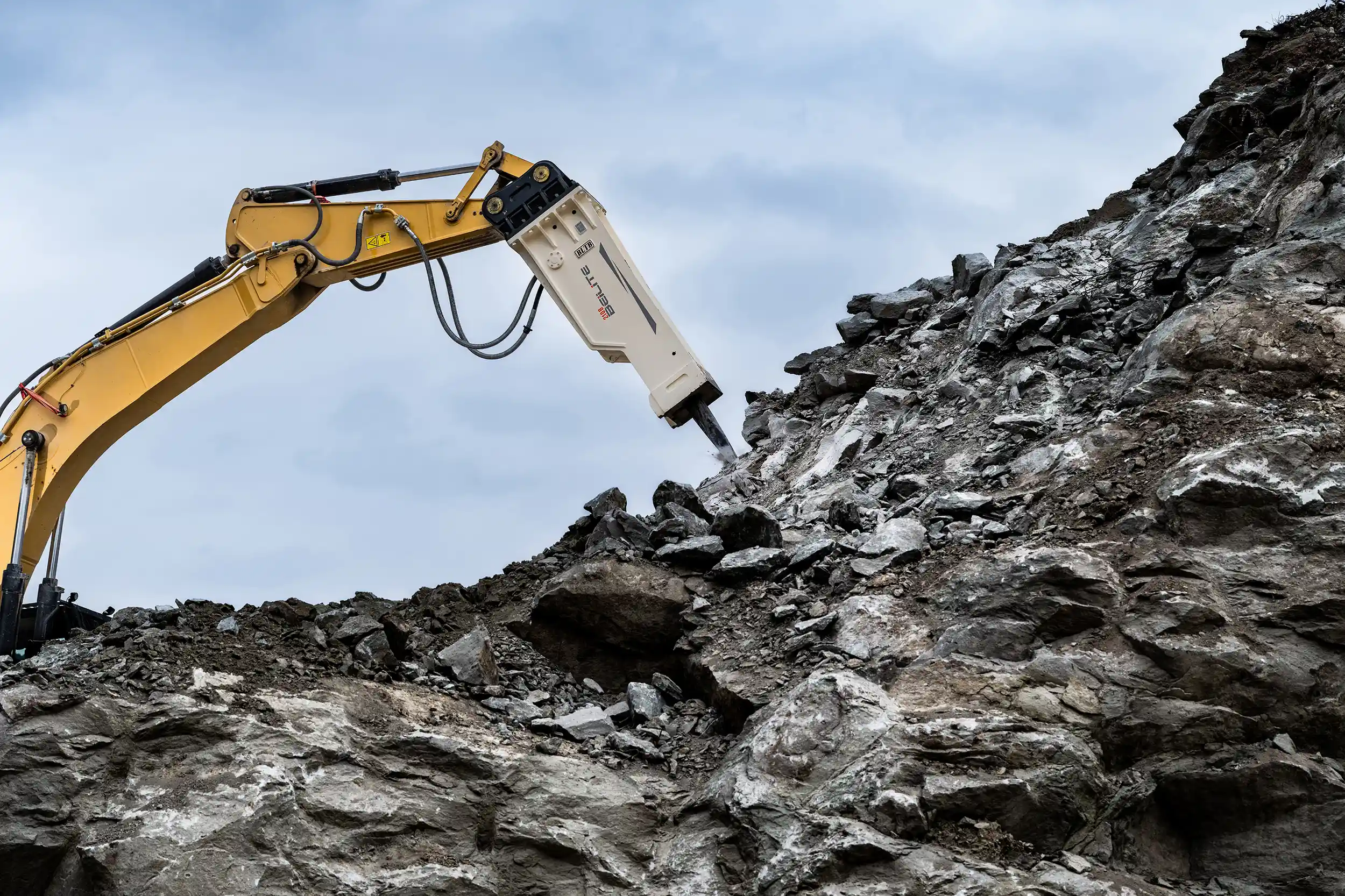
Basic Hydraulic Breaker Troubleshooting Guide
1. Low Impact Power: Check hydraulic flow and pressure from the carrier. Verify nitrogen gas pressure in the accumulator. Inspect the chisel for excessive wear.
2. No Impact: Ensure the breaker is correctly engaged with the material. Confirm carrier machine hydraulics are activated. Check for tool bit jamming.
3. Excessive Noise/Vibration: Inspect mounting bolts for tightness. Check hydraulic hose connections. Evaluate the tool bit for proper seating.
4. Hydraulic Leaks: Identify the source of the leak (hoses, seals). Immediately shut down the machine and contact the rental provider.
Partner with Beilite for Your Hydraulic Breaker Needs
For reliable, high-performance hydraulic breaker solutions, consider Beilite Machinery. As a national high-tech enterprise with decades of experience, we specialize in the R&D and manufacturing of advanced hydraulic breakers. Our BLT and BLTB brand products are trusted globally for their quality and durability in diverse working conditions. Whether you need equipment for mining, demolition, or tunneling, we offer robust solutions backed by patented technologies and participation in national standards formulation. Contact us today to discuss your project requirements and how our expertise can support your success. Reach us at 40008-40008 or [email protected].