 English
 French
Hydraulic Breaker Price List: Maximizing Your ROI
When you’re looking at hydraulic breakers, the sticker price tells only part of the story. I’ve seen too many procurement decisions focus entirely on upfront cost, only to discover that maintenance, downtime, and operating expenses quietly erode margins over the equipment’s life. The real question isn’t what a breaker costs today—it’s what it will cost you over five or ten years of hard use. That calculation changes how you evaluate brands, features, and even whether to buy new or used.
What Actually Drives Hydraulic Breaker Pricing
The hydraulic breaker cost factors stack up in ways that aren’t always obvious at first glance. Size and power class matter most directly—a unit built for a 30-ton excavator requires more material, heavier hydraulic components, and tighter engineering tolerances than something designed for a 5-ton mini-excavator. That physical reality drives price differences that can span from a few thousand dollars to well over six figures.
Material quality separates breakers that last from those that don’t. High-grade steel alloys, proper heat treatment, and precision machining all add manufacturing cost, but they also determine whether your chisel holds up under repeated impact or cracks after a few hundred hours. The metallurgy behind a quality breaker isn’t visible in a spec sheet, yet it shows up clearly in repair bills and replacement cycles.
Brand reputation carries weight because it reflects accumulated engineering knowledge and support infrastructure. Manufacturers who’ve invested in research, hold patents on hydraulic efficiency improvements, and maintain global service networks price accordingly. That premium buys you access to parts, technical expertise, and warranty coverage that cheaper alternatives often can’t match.
Regional pricing variations add another layer. Import duties, shipping logistics, local demand, and currency fluctuations all influence what you’ll pay depending on where you’re buying. A breaker priced competitively in one market might carry significant premiums elsewhere simply due to supply chain realities.
| Factor | Impact on Price | Example |
|---|---|---|
| Size & Power Class | Direct correlation; larger units cost more | Breaker for 30-ton excavator vs. 5-ton mini-excavator |
| Material Quality | Higher grades increase durability and cost | High-strength alloy steel for chisel vs. standard steel |
| Brand Value | Reputable brands often have higher prices | Manufacturer with global support and R&D |
| Manufacturing Innovation | Advanced features add value and cost | Energy recovery system for increased efficiency |
| Regional Variations | Logistics, duties, and market demand affect pricing | Price differences between continents |
| Demolition Equipment Cost | Specialized tools and attachments add to the total | Specific chisels for concrete or rock |
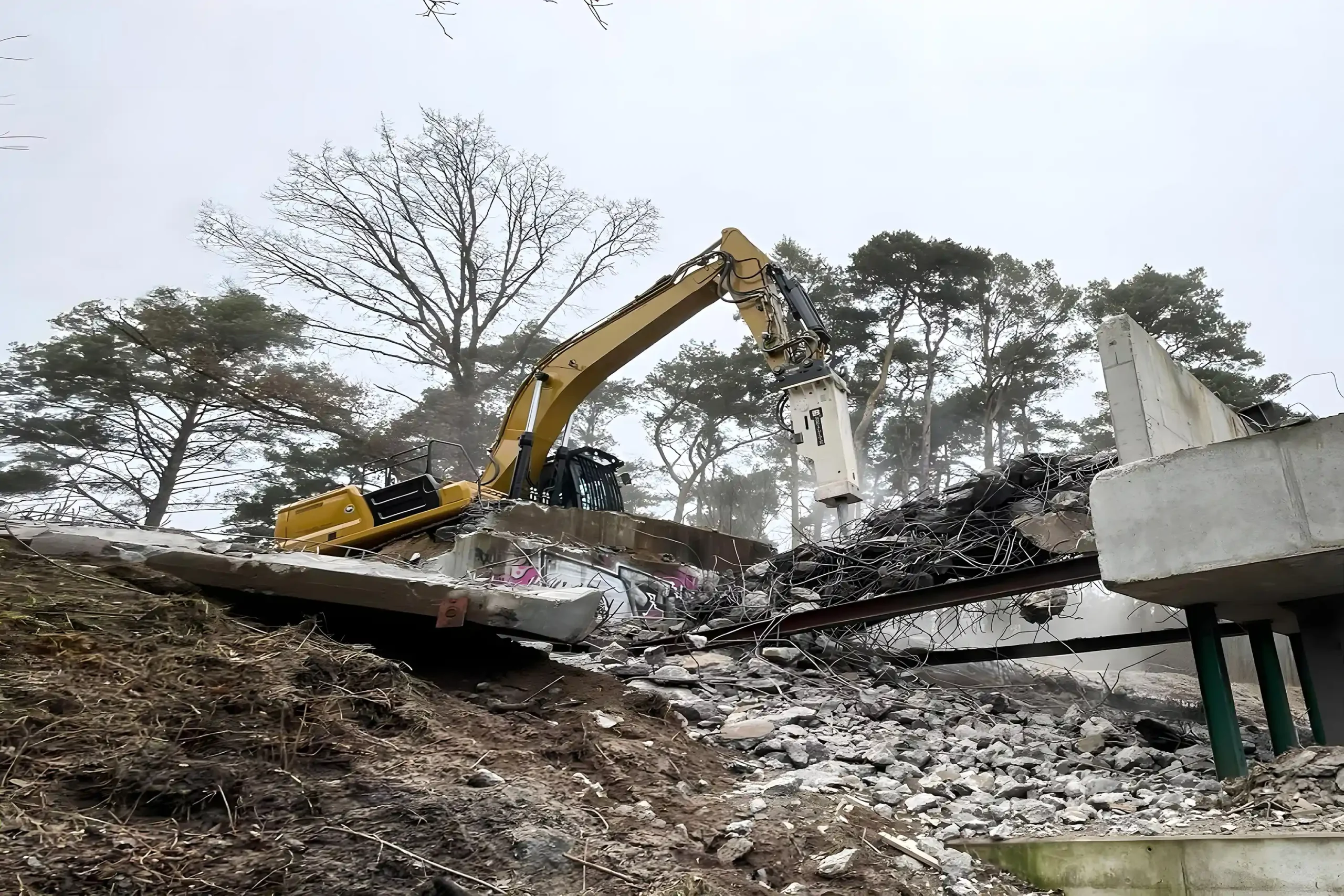
Calculating What a Hydraulic Breaker Really Costs
The true hydraulic breaker cost emerges only through a proper TCO analysis that accounts for everything from fuel consumption to eventual resale value. Purchase price is just the starting point. What matters is the sum of all expenses across the equipment’s working life, divided by the productive output you get from it.
Operating expenses accumulate faster than most buyers expect. A breaker that demands higher hydraulic flow burns more fuel per hour. One that breaks down frequently costs you not just in repairs but in lost production time—crews standing idle while a project deadline approaches. These indirect costs often exceed direct repair bills.
Your maintenance budget needs to reflect reality, not optimism. Routine servicing, seal replacements, chisel wear, and the occasional major repair all factor in. Spare parts availability matters enormously here. A breaker from a manufacturer with thin distribution channels might sit idle for weeks waiting on components, while one backed by robust after-sales support gets you back to work within days.
Here’s how to build an honest TCO calculation:
- Start with the purchase price including mounting brackets and initial tooling
- Add installation costs for labor and any carrier machine modifications
- Project fuel consumption based on hydraulic flow requirements and expected operating hours
- Calculate labor costs for operators across the anticipated service life
- Estimate maintenance and repair expenses covering routine service, wear parts, and major repairs
- Quantify downtime costs for lost productivity during scheduled and unscheduled maintenance
- Factor in residual value at the end of useful life
Running these numbers before purchase often reveals that the cheapest option upfront becomes the most expensive over time. A longer warranty period, better parts availability, and proven durability can flip the economics entirely.
What Does a New Hydraulic Breaker Actually Cost?
The new hydraulic breaker price spans an enormous range—roughly $3,000 to well over $100,000—depending on what you need it to do. A compact unit for a Focus on Hydraulic Hammer Breaker For Mini Excavator,Mini Excavator Breaker might run $3,000 to $10,000. Heavy-duty models built for 50-ton excavators and continuous industrial use push past $100,000. The average breaker cost becomes meaningful only when you specify the application, carrier size, and performance requirements.
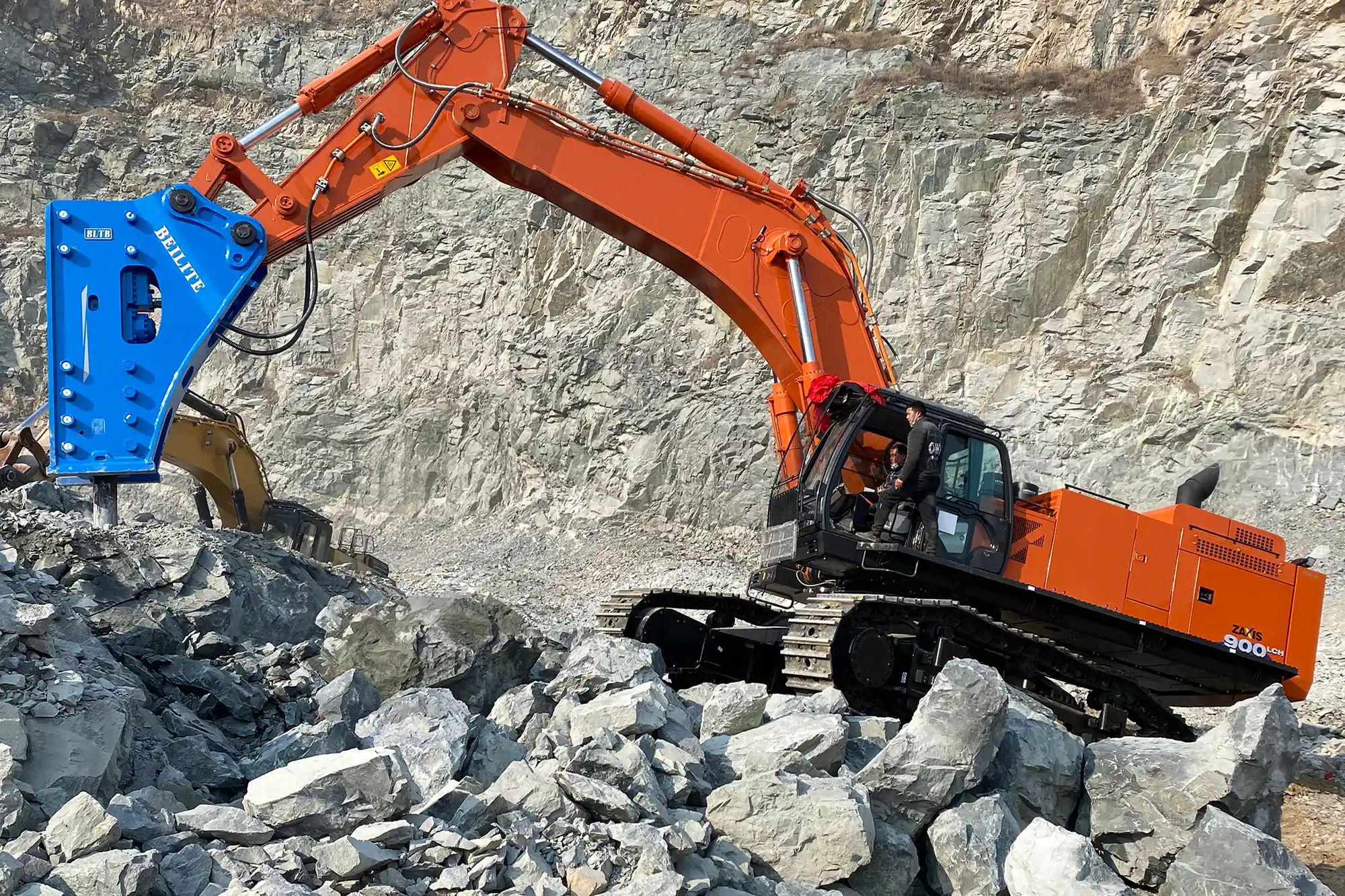
Matching the Right Breaker to Your Operation
Optimal breaker performance depends on getting the match right between equipment and application. An oversized breaker on an undersized excavator creates hydraulic strain and accelerates wear on both machines. An undersized breaker on heavy-duty work wastes time and fuel while the operator struggles to make progress.
Excavator size matching requires checking operating weight, oil flow capacity, and pressure ratings against the breaker’s specifications. Most manufacturers publish compatibility guides, but the numbers need verification against your specific carrier model. Hydraulic systems vary between excavator brands and even between model years.
Project requirements shape which features matter. Urban demolition often demands noise-dampened models to meet local regulations and avoid complaints. Mining and quarrying work—where you need a Focus on Hydraulic Breaker Hammer for Demolition&Rock Breaking—prioritizes raw impact energy and durability over noise control. Performance metrics like blow frequency, impact energy, and chisel diameter should align with the materials you’re breaking and the production rates you need.
The new versus used versus rental decision depends on project duration and capital strategy. New equipment brings current technology, full warranties, and maximum service life. Used breakers offer cost savings but require careful inspection—hydraulic seals, cylinder wear, and chisel condition all need evaluation before purchase. Rental works well for short-term projects or specialized tasks where owning the equipment doesn’t make financial sense.
| Feature | New Breaker | Used Breaker | Rental Breaker |
|---|---|---|---|
| Initial Cost | Highest | Moderate (potential savings) | Lowest (operational expense) |
| Warranty | Full manufacturer warranty | Limited or no warranty | Covered by rental agreement |
| Technology | Latest advancements | Older models, potentially outdated | Varies; can be modern or older |
| Lifespan | Longest expected service life | Reduced remaining service life | Short-term use, no long-term commitment |
| Maintenance | Typically lower initially | Potentially higher, unknown history | Included in rental, or minor operational care |
| Flexibility | Long-term asset | Long-term asset (if purchased) | High flexibility for specific projects |
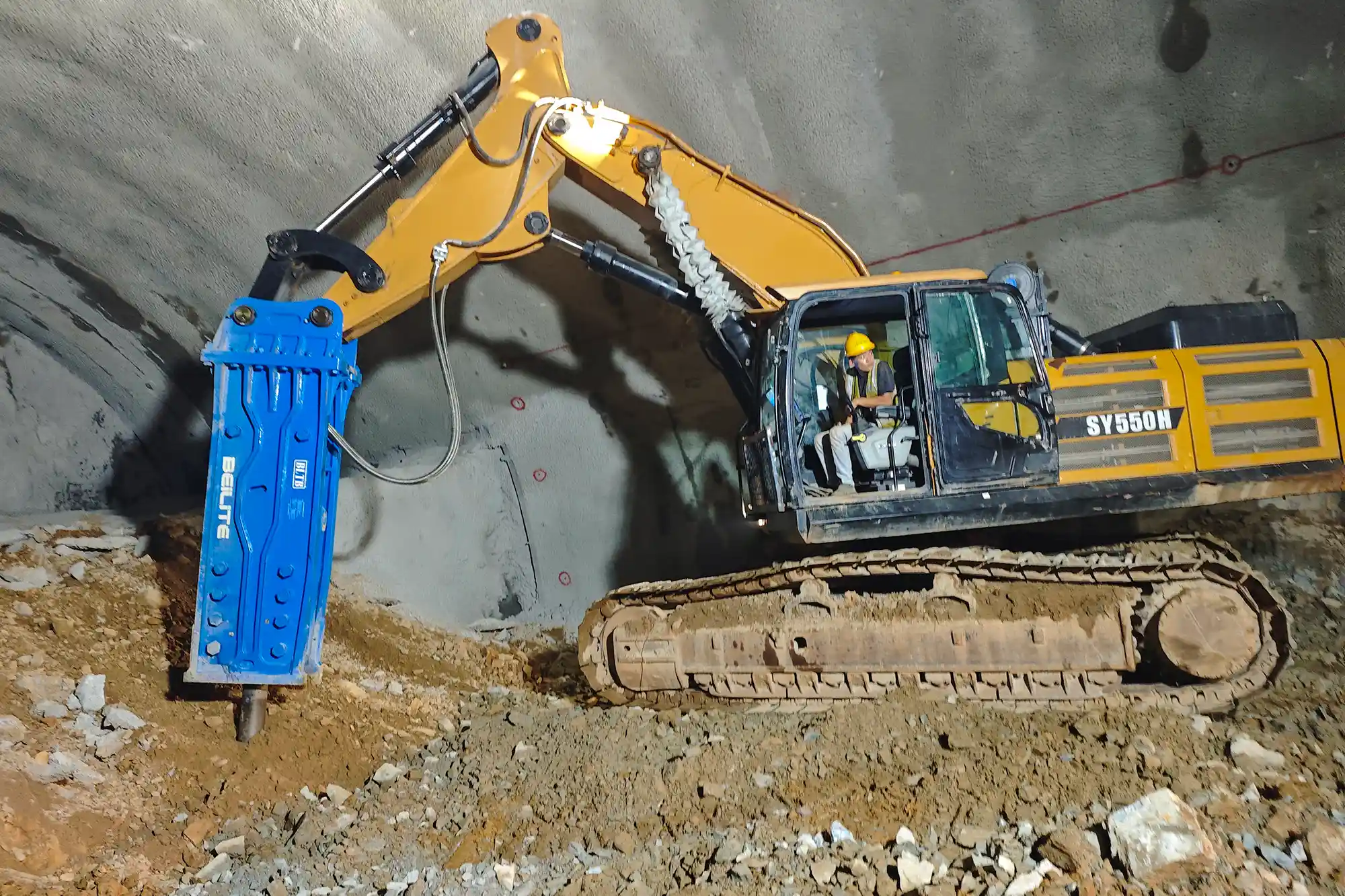
Where the Hydraulic Breaker Market Is Heading
Hydraulic breaker market trends point toward continued growth driven by infrastructure development, urbanization, and mining expansion worldwide. Investment in demolition equipment remains strong as construction cycles accelerate and older structures require replacement. The demand isn’t slowing—if anything, it’s intensifying in emerging economies while mature markets maintain steady replacement cycles.
The future of breakers involves more intelligence built into the equipment. Manufacturers are developing remote monitoring capabilities, automated adjustment systems, and improved energy efficiency. These technological innovations aim to reduce operating costs and extend service life, though they also add to purchase prices. The tradeoff often makes sense for high-utilization applications where efficiency gains compound over thousands of operating hours.
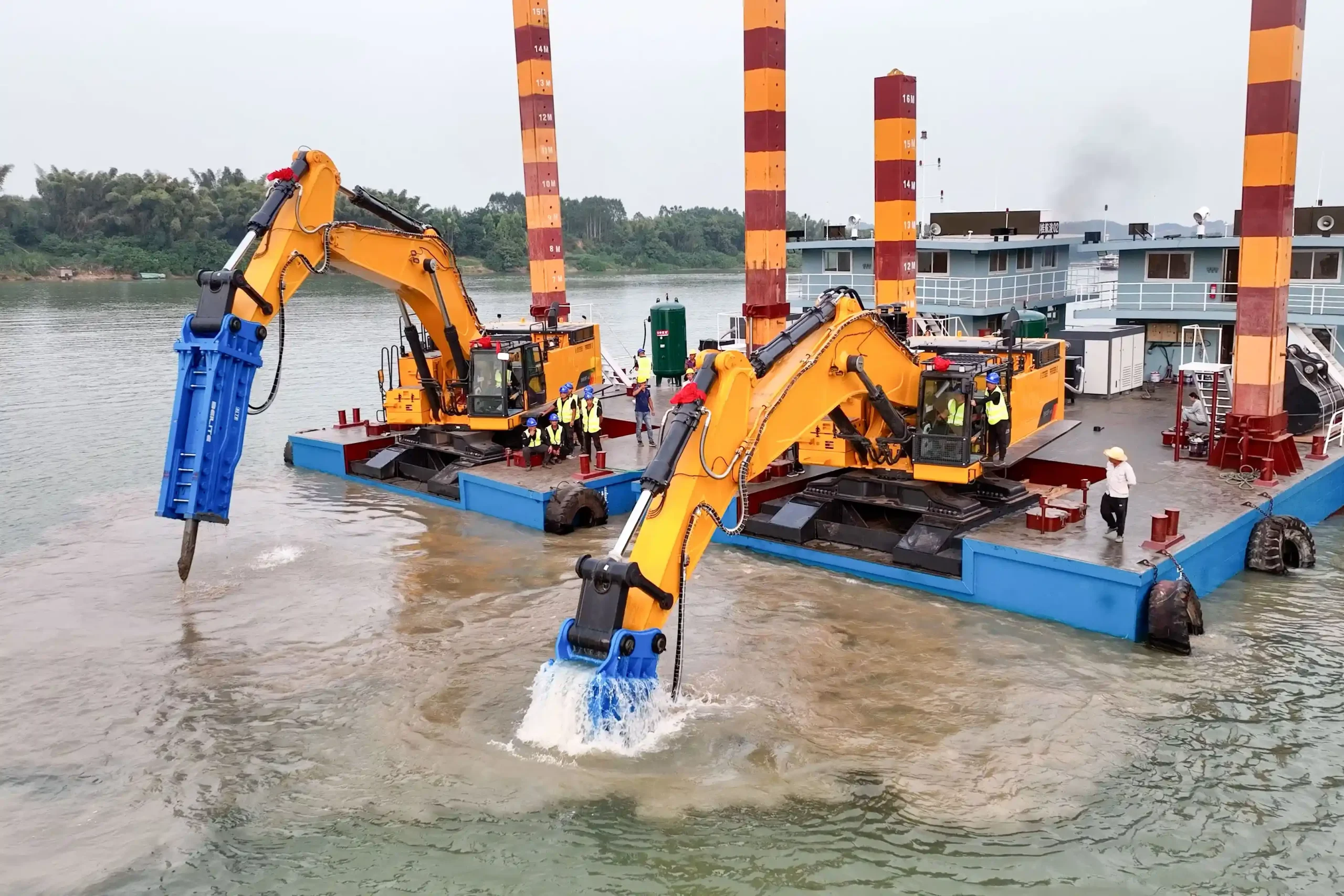
Specialized applications are expanding the market. Focus on Hydraulic Breaker Hammer for Underwater Construction and Focus on Models for Scaling Machine represent growing niches with specific engineering requirements. Market pricing trends reflect this specialization—advanced features command premiums, while increased competition in standard categories helps stabilize prices.
Financing solutions have become more accessible as manufacturers and dealers recognize that capital constraints shouldn’t prevent good equipment decisions. Leasing arrangements, specialized loan programs, and deferred payment structures all help buyers acquire appropriate equipment without straining cash flow.
Why Beilite Breakers Deliver Strong Long-Term Value
BEILITE Machinery Co., LTD. has been developing and manufacturing hydraulic breakers since 2002. As a national high-tech enterprise in China, we’ve focused on solving the engineering problems that limit breaker performance and longevity. That work has produced hundreds of patents and contributed to national standards for hydraulic breaker manufacturing.
The Beilite hydraulic breaker value shows up in durability under demanding conditions. Our engineering team specifies materials and manufacturing processes that withstand the repeated stress cycles inherent in breaking work. Whether the application is Focus on Hydraulic Breaker for Municipal Engineering,Urban Road & Utility Works or intensive mining operations, the construction quality determines how long the equipment performs before requiring major service.
Our patented hydraulic systems maximize energy transfer from the carrier machine to the chisel face. Higher efficiency means more breaking power per liter of fuel consumed, which compounds into significant savings over a hydraulic hammer lifespan of 5,000 to 10,000 operating hours. The global support network we’ve built ensures spare parts availability and technical assistance across major markets, reducing the downtime that erodes project profitability.
| Model | Total Weight (kg) | Chisel Diameter (mm) | Working Pressure (bar) | Applicable Excavator (t) | Key Features |
|---|---|---|---|---|---|
| BLT-40 | 86 | 40 | 90–120 | 0.5–1.2 | Compact, high frequency for precision tasks |
| BLT-75 | 466 | 75 | 120–150 | 6–8.5 | Balanced power and control for varied applications |
| BLT-125 | 1357 | 125 | 150–170 | 14–18 | Robust performance for medium-heavy demolition |
| BLT-155 | 2610 | 155 | 200–220 | 27–33 | High impact energy for demanding projects |
| BLT-165 | 3149 | 165 | 210–230 | 33–38 | Maximum power for heavy-duty breaking |
Common Questions About Hydraulic Breaker Investment
How much does a new hydraulic breaker cost?
New hydraulic breaker prices range from approximately $3,000 for compact units to over $100,000 for heavy-duty models. The spread reflects differences in size, brand, manufacturing quality, and technological features. A breaker for a mini-excavator sits at the lower end, while units designed for 40-ton carriers with advanced hydraulic systems occupy the upper range. Getting an accurate average breaker cost requires specifying your carrier size and application requirements.
What is the average lifespan of a hydraulic hammer?
Most hydraulic hammers deliver 5,000 to 10,000 operating hours, translating to roughly 5 to 10 years depending on utilization rates. Breaker durability varies significantly based on manufacturing quality, operating conditions, maintenance practices, and operator skill. Units built with premium materials and maintained according to manufacturer specifications consistently reach the upper end of that range. Abusive operation or neglected maintenance can cut service life in half.
How do different brands affect hydraulic breaker prices?
Brand reputation directly influences hydraulic breaker brand pricing because it reflects accumulated engineering capability and support infrastructure. Premium manufacturers invest in research, hold patents on efficiency improvements, and maintain parts distribution networks that cheaper alternatives lack. The brand reputation impact extends beyond purchase price—better warranty coverage, faster parts availability, and more responsive technical support all reduce total ownership costs even when initial prices run higher.
Start Your Equipment Evaluation
Ready to run the numbers on hydraulic breaker investment for your operation? Contact BEILITE Machinery Co., LTD for detailed specifications, application guidance, and pricing tailored to your requirements. Our engineering team can help match equipment to your carrier and work conditions. Reach us at [email protected] or call 40008-40008.