 English
 French
Hydraulic Breaker Parts Near You: Local Supply for Uptime
Getting the right hydraulic breaker parts when you need them can make or break a project schedule. I’ve watched crews lose entire shifts waiting on a single seal kit that should have been on the shelf. The frustration is real, and so is the cost. What follows covers the components that matter most, how to source them without guessing, and why building local supplier relationships pays off long before something fails.
What Actually Makes a Hydraulic Breaker Work
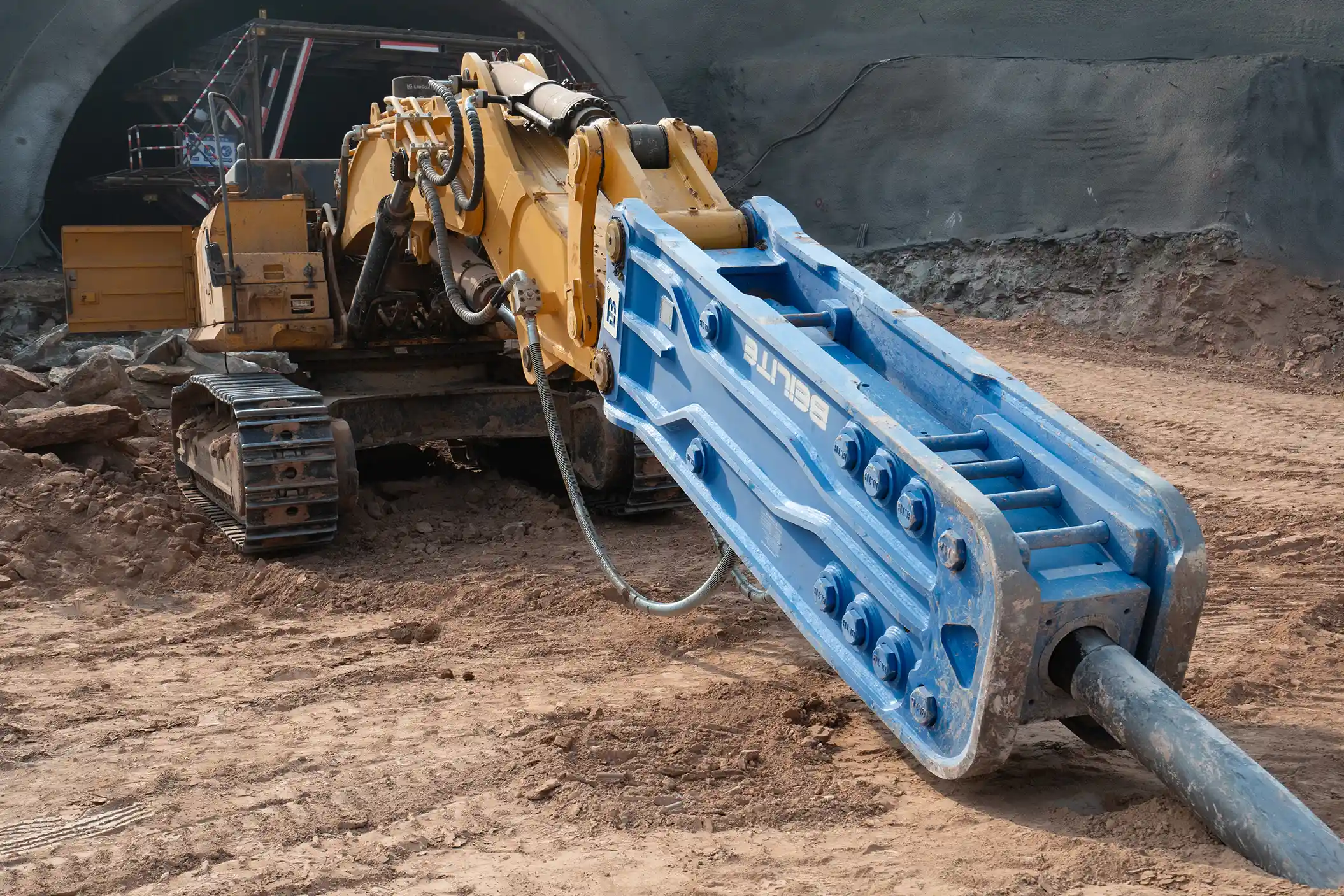
Hydraulic breakers pack a lot of engineering into a relatively simple concept: convert fluid pressure into repeated impact force. But the execution involves several components working in tight coordination, and understanding each one helps when something goes wrong.
The piston sits at the heart of the system. It moves back and forth inside the cylinder, driven by hydraulic pressure, and that motion creates the striking force. The cylinder itself does more than contain the piston—it guides the stroke path and maintains the fluid seal that makes the whole thing possible. Without precise tolerances here, energy bleeds off instead of reaching the tool.
Seal kits keep hydraulic pressure where it belongs. These include O-rings and backup rings that prevent fluid from escaping around moving parts. When seals degrade, you notice it first as reduced impact power, then as visible leaks. Replacing them before they fail completely saves more expensive repairs downstream.
The accumulator serves as an energy buffer. It stores compressed nitrogen gas alongside hydraulic fluid, smoothing out pressure spikes and providing consistent power delivery. Inside the accumulator, a diaphragm separates gas from oil. A torn diaphragm means erratic performance and lost striking power—often mistaken for other problems during troubleshooting.
Tie rods hold the entire assembly together under tremendous cyclic stress. They run the length of the breaker body and keep internal components aligned during thousands of impacts per hour. Loose or stretched tie rods allow internal movement that accelerates wear everywhere else.
Bushings guide the tool bit and absorb the lateral forces that come with angled impacts or material that shifts during breaking. They wear gradually, and the play they develop shows up as tool wobble. Catching this early prevents damage to the piston and cylinder bore.
The valve assembly controls oil flow timing, determining how fast the piston cycles and how hard it hits. Worn valve components change the breaker’s rhythm and reduce efficiency before causing outright failure.
Tool bits take the direct punishment. Moil points concentrate force for concrete penetration, while blunt profiles spread impact energy for rock fracturing. The metallurgy matters here—harder steels last longer but cost more, and the right choice depends on what you’re breaking most often.
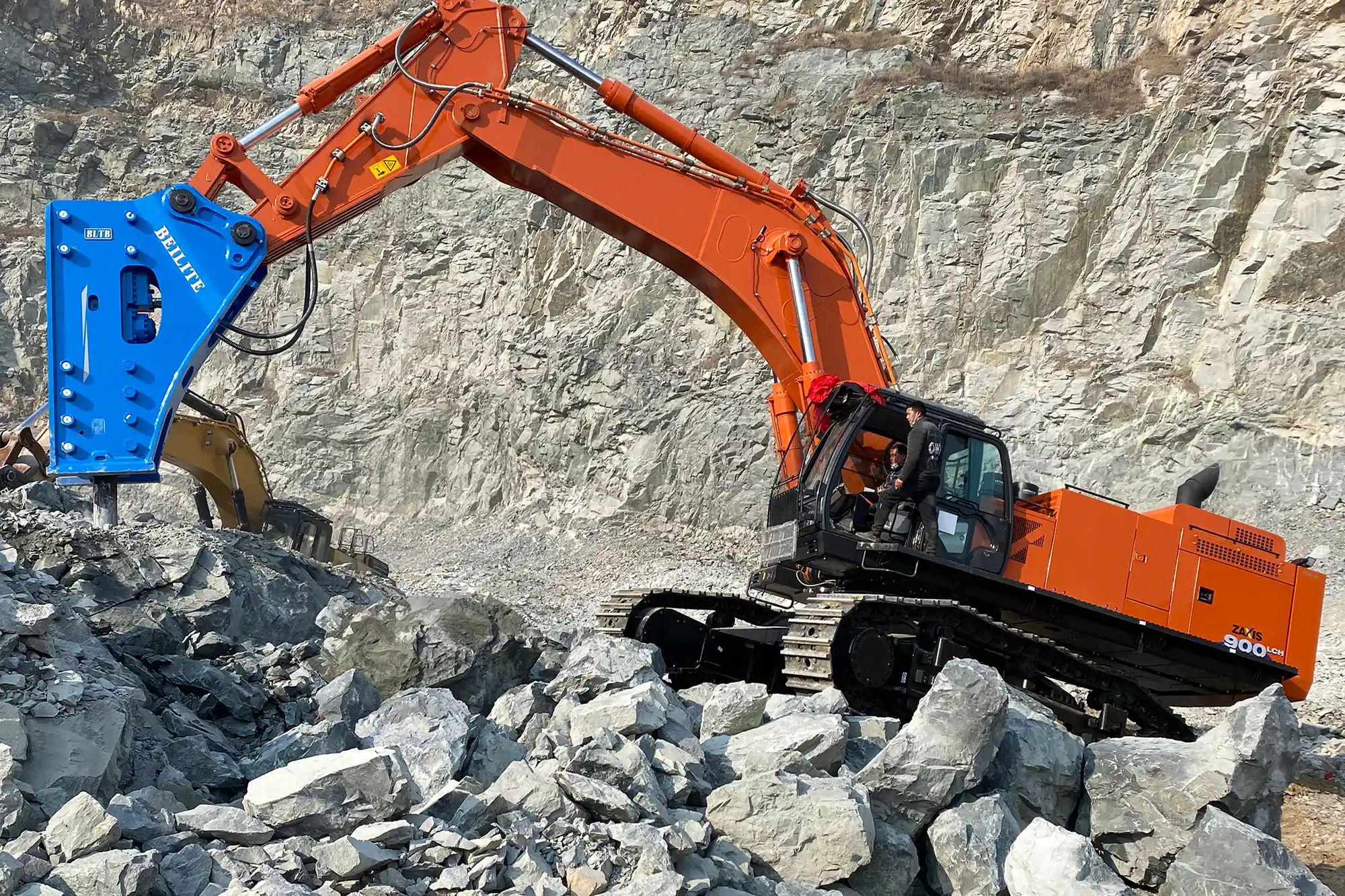
!Heavy Duty Hydraulic Breaker
 ## Getting the Right Part the First Time
Ordering the wrong hydraulic breaker parts wastes time twice: once waiting for the wrong part to arrive, and again waiting for the correct one. The process for getting it right isn’t complicated, but it requires discipline.
Start with the serial number and model number stamped on the breaker’s nameplate. These identifiers connect directly to manufacturer parts databases and eliminate guesswork about which generation or variant you’re working with. Two breakers that look identical externally can have different internal dimensions or seal specifications.
OEM manuals and parts catalogs remain the most reliable reference. They include exploded diagrams showing exactly how components fit together, along with part numbers that cross-reference to current inventory systems. When considering aftermarket alternatives, look for suppliers who provide clear dimensional specifications and compatibility guarantees—not just claims of “fits most models.”
Physical inspection of the failed part adds another verification layer. Measure dimensions, note any casting marks or part numbers stamped into the metal, and photograph anything unusual. This information helps suppliers confirm you’re ordering the right replacement, especially for older equipment where documentation may be incomplete.
Matching Parts to Your Specific Model
Compatibility verification prevents expensive mistakes. Your hydraulic hammer’s model number and serial number are the starting point for any parts lookup. These identifiers appear on the breaker housing or data plate, sometimes in locations that collect dirt and require cleaning to read.
Manufacturer websites typically offer parts lookup tools that accept these numbers directly. The results show exactly which components fit your specific unit, accounting for running changes and regional variations that affect part specifications. Skipping this step and ordering based on general descriptions leads to returns, delays, and occasionally damaged equipment when someone forces an almost-right part into place.
The Real Difference Between Genuine and Aftermarket Parts
The genuine versus aftermarket decision involves more than price comparison. Both options have legitimate places in a maintenance strategy, but understanding the tradeoffs prevents regret.
Genuine OEM parts come from the original manufacturer, built to the same specifications as the components that shipped with your breaker. Quality control follows documented standards, materials match the original design intent, and warranty coverage typically applies without question. The higher purchase price reflects these assurances.
Aftermarket parts span a wide quality range. Some manufacturers invest heavily in reverse engineering and produce components that meet or exceed OEM specifications. Others cut corners on materials or tolerances to compete on price. The difference shows up in service life and performance consistency.
High-quality aftermarket suppliers provide detailed specifications, compatibility guarantees, and meaningful warranties. They can identify exactly which OEM part numbers their products replace and explain any differences. Low-quality suppliers offer vague compatibility claims and limited recourse when parts fail early.
The calculation changes depending on the component. Seal kits from reputable aftermarket sources often perform identically to OEM versions at lower cost. Tool bits from premium aftermarket manufacturers sometimes outperform OEM options through improved metallurgy. But internal components like pistons and valve assemblies carry higher risk when sourced from unknown suppliers—the consequences of failure extend beyond the part itself.
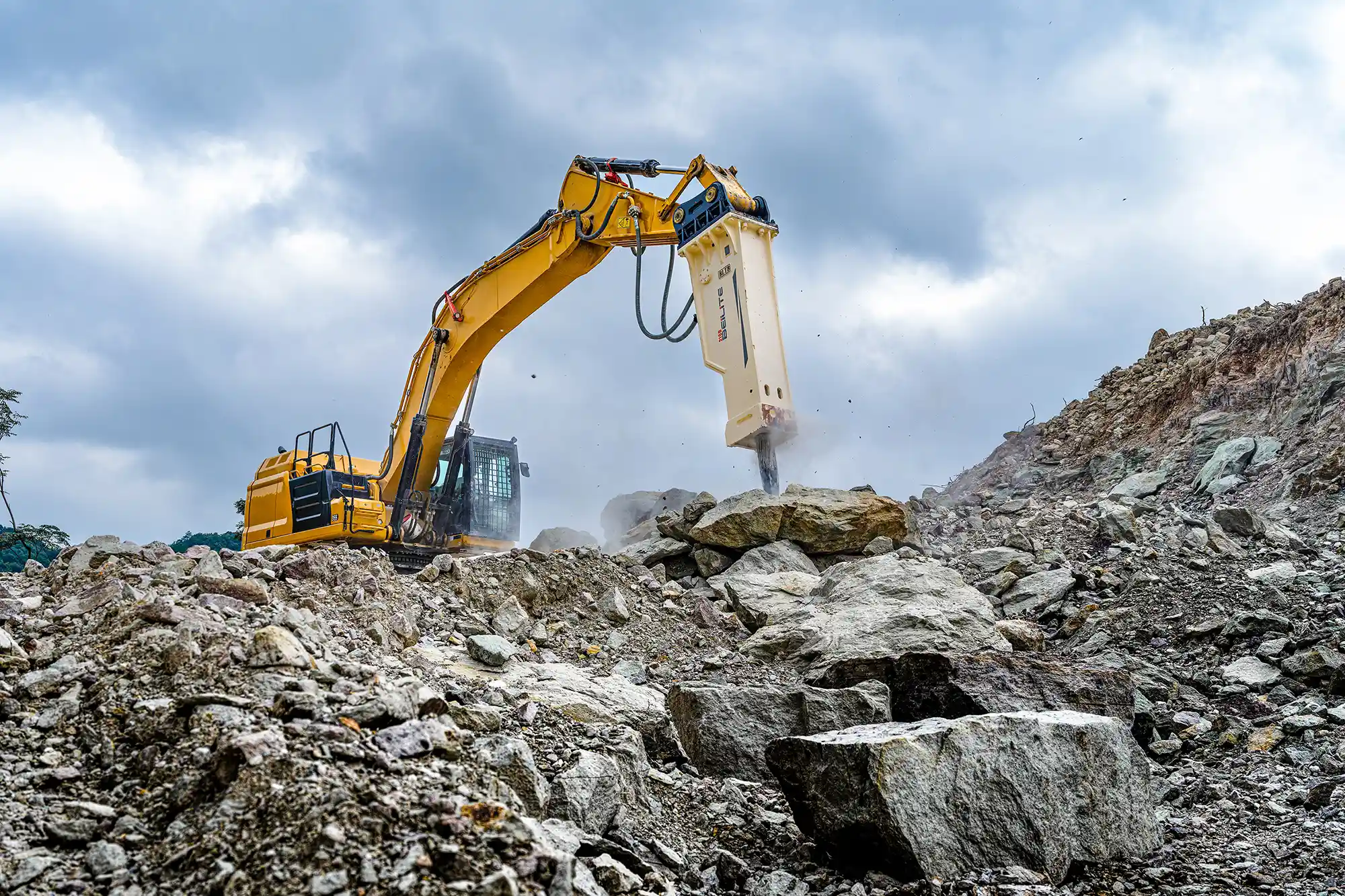
!Mining Rock Hammer
 | Feature | Genuine (OEM) Parts | Aftermarket Parts (High Quality) | Aftermarket Parts (Low Quality) |
| :—————— | :———————————————— | :———————————————— | :——————————————– |
| Quality Control | Strict, meets original design specifications | Good, often meets or exceeds OEM standards | Variable, can be inconsistent |
| Compatibility | Guaranteed perfect fit | Generally good, verify with supplier | May require modifications, poor fit |
| Warranty | Full manufacturer’s warranty | Limited, depends on supplier | Often none or very limited |
| Performance | Optimal, designed for peak efficiency | Comparable to OEM | Suboptimal, reduced efficiency |
| Lifespan | Extended, durable materials | Good, durable materials | Shortened, prone to premature failure |
| Cost | Higher initial investment | Moderate | Lower initial investment |
Building a Local Supply Network That Actually Works
When a breaker goes down, shipping time becomes the enemy. Local sourcing strategies reduce that vulnerability and keep equipment productive.
Authorized dealers for your breaker brand stock genuine parts and maintain direct manufacturer relationships. They typically operate regional distribution centers with inventory tailored to local equipment populations. Beyond parts availability, they offer technical support from people who know the product line.
Independent parts dealers specializing in construction equipment often carry broader selections across multiple brands. The good ones maintain substantial local inventory of common wear items and can source less common components quickly through established distribution networks.
The real value comes from relationships built before you need emergency service. Visit potential suppliers, understand their inventory depth, and learn their delivery capabilities. Some offer consignment programs that put critical spares on your shelf without upfront payment until you use them. Others provide emergency delivery services that can get parts to a job site the same day.
Multiple supplier relationships create redundancy. When one source is out of stock, another may have what you need. This network approach requires more upfront effort but pays dividends when equipment sits idle waiting for a part.
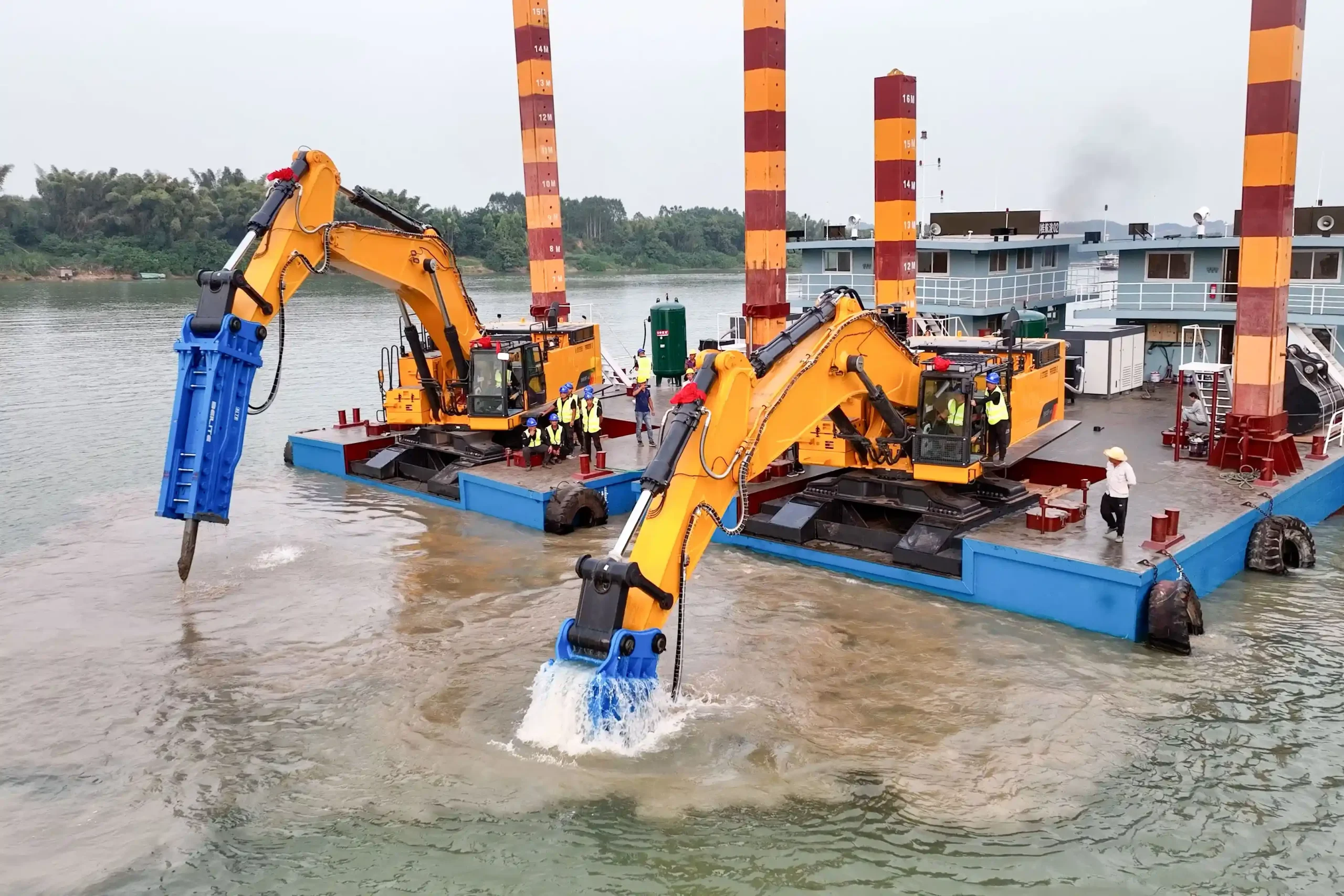
!Underwater Demolition Hammer
 ### Finding Suppliers You Can Count On
Start with manufacturer websites, which list authorized distributors by region. These dealers meet specific standards for inventory, training, and customer support. Local heavy equipment parts stores and hydraulic repair shops often stock hydraulic breaker parts as part of their broader offerings.
Word of mouth from other equipment managers carries weight. People who depend on their breakers for production know which suppliers deliver and which ones disappoint. Ask about response times, order accuracy, and how suppliers handle problems when they occur.
Before committing to a new supplier, verify their return policies and product guarantees. A supplier confident in their parts stands behind them. One that hedges on warranty terms may be selling components they don’t fully trust.
Keeping Breakers Running Longer
Maintenance practices directly influence how often you buy hydraulic breaker parts and how long your equipment stays productive. The goal isn’t avoiding all repairs—wear happens—but preventing failures that cascade into bigger problems.
Tool bits, bushings, and seal kits wear predictably under normal use. Inspecting them regularly and replacing them before failure prevents secondary damage. A worn tool bit doesn’t just break material less efficiently; it transmits abnormal forces back through the breaker. Worn bushings allow tool movement that accelerates wear on the front head and piston. Leaking seals reduce power output and contaminate hydraulic systems.
Hydraulic oil quality matters more than many operators realize. Contaminated oil carries abrasive particles that damage seals, valves, and cylinder surfaces. Low oil levels cause overheating that degrades seals and changes fluid viscosity. Following manufacturer recommendations for oil changes and filter replacements protects internal components that cost far more to replace.
Lubrication of the tool and bushings reduces friction and wear at the points where metal meets metal thousands of times per hour. The right grease, applied at the right intervals, extends component life significantly.
When performance changes—reduced impact power, altered rhythm, unusual sounds—investigate promptly. Small problems caught early often require only minor repairs. The same problems ignored become major failures that take equipment out of service for extended periods.
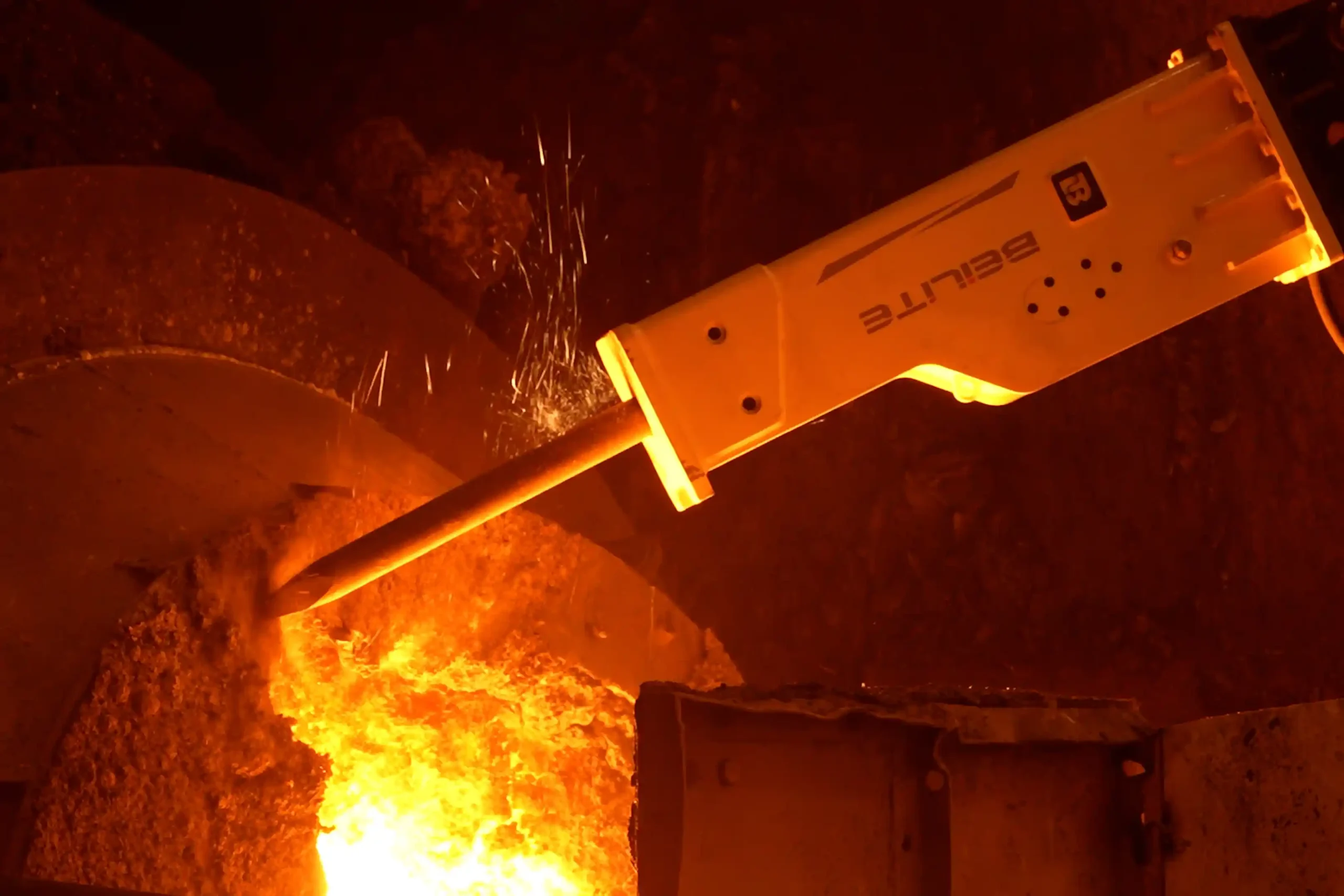
!Slag Breaker
 ### How Long Parts Actually Last
Wear part lifespan varies with application severity and maintenance quality. Tool bits in abrasive rock may last weeks, while the same bits in softer concrete might run for months. Operating technique matters too—skilled operators who let the breaker do the work see longer tool life than those who apply excessive downward pressure.
Seal kits typically provide several hundred operating hours of service under normal conditions. Extreme temperatures, contaminated oil, or pressure spikes shorten that lifespan considerably. Tracking operating hours and seal replacement history reveals patterns that help predict when replacement makes sense.
Bushing wear depends heavily on lubrication consistency and the amount of side loading during operation. Properly maintained bushings outlast neglected ones by substantial margins. Regular inspection catches developing wear before it affects other components.
Working with Manufacturers Who Understand the Application
BEILITE Machinery Co., Ltd. has focused on hydraulic breaker development and manufacturing since 2002. As a national high-tech enterprise in China, we’ve contributed to core technology breakthroughs and participated in establishing national standards for hydraulic breakers. Hundreds of patents reflect our ongoing investment in engineering advancement.
Our BLT and BLTB brand products address demanding applications including mining, demolition, tunneling, and underwater work. We export to over 100 countries, building relationships with equipment operators who depend on reliable performance. Our global supply chain for hydraulic breaker parts ensures customers receive quality components without extended delays.
The BLT-155 model illustrates our approach to heavy-duty applications. Designed for 27-33 ton excavators, it features a 155 mm chisel diameter and operates at 200-220 bar pressure. These specifications reflect engineering decisions based on real-world operating conditions, not just marketing targets.
!Tunnel Excavation Breaker
 ## Get the Parts Your Equipment Needs
Equipment downtime costs more than parts ever will. Contact us to discuss your hydraulic breaker parts requirements and access components engineered for demanding applications. Reach our team at 40008-40008 or email [email protected] for technical support and ordering assistance.
Frequently Asked Questions About Hydraulic Breaker Parts
How do I know when seal kits need replacement before they fail completely?
Watch for gradual power loss during operation and check for oil weeping around the cylinder and front head. Seals often degrade progressively, so reduced impact force without other obvious causes usually points to pressure loss through worn seals. Some operators track operating hours and replace seals on a schedule based on their specific application severity.
Can I use aftermarket tool bits with an OEM breaker without voiding the warranty?
Warranty terms vary by manufacturer, so check your specific coverage documentation. Many warranties cover the breaker mechanism itself regardless of which tool bits you use, since bits are considered consumable wear items. Using aftermarket bits that don’t meet dimensional specifications can cause damage that wouldn’t be covered, so verify compatibility before installation.
What causes premature bushing wear and how can I prevent it?
Insufficient lubrication is the primary cause. Bushings need regular greasing to reduce friction between the tool and guide surfaces. Operating at excessive angles or applying side loads during breaking accelerates wear regardless of lubrication. Some materials also generate more abrasive dust that works into the bushing area, requiring more frequent inspection in those applications.
How do I verify an aftermarket parts supplier is reputable?
Look for suppliers who provide specific compatibility information referencing OEM part numbers, offer meaningful warranties, and can answer technical questions about their products. Customer reviews from other equipment operators carry more weight than marketing claims. Established suppliers typically maintain relationships with multiple manufacturers and can provide documentation of their quality standards.
What’s the most cost-effective approach to stocking spare parts?
Focus inventory on high-wear items with predictable replacement intervals: seal kits, tool bits, bushings, and common fasteners. These components fail most frequently and cause the most downtime when unavailable. For less common parts, establish relationships with suppliers who maintain local inventory or offer rapid delivery. Consignment programs can put critical spares on your shelf without tying up capital until you need them.