 English
 French
Local Hydraulic Breaker Rental: Secure Equipment for Your Job
When a concrete slab refuses to break cleanly or a rock formation sits stubbornly in your excavation path, the right hydraulic breaker makes the difference between a project that runs on schedule and one that bleeds time and money. Renting rather than buying often makes sense for contractors who face variable workloads or need specific breaker sizes for particular jobs. The challenge lies in finding rental equipment that actually performs—machines that have been maintained properly, sized correctly for your carrier, and backed by suppliers who understand what happens when something goes wrong mid-project. This guide walks through the practical steps of locating dependable hydraulic breaker rental options, matching equipment to your specific needs, and avoiding the common pitfalls that turn a straightforward rental into a frustrating experience.
How to Locate Trustworthy Local Hydraulic Breaker Suppliers
Finding dependable local hydraulic breaker suppliers starts with knowing where to look and what questions to ask. Begin by mapping out heavy equipment rental companies within a reasonable distance from your job sites. Travel time matters when equipment breaks down or you need a different attachment mid-project.
Online reviews tell part of the story, but industry forums and direct conversations with other contractors often reveal more. A company might have polished marketing but a thin rental fleet or slow response times when problems arise. Prioritize suppliers who maintain diverse inventory—if they stock multiple breaker sizes and brands, they likely understand the equipment better than a generalist rental yard.
Here’s a practical approach to vetting potential suppliers:
- Search online directories and check membership in professional equipment rental associations. Certification often correlates with better maintenance standards.
- Call and ask specifically about hydraulic breaker inventory. Vague answers about “ordering what you need” suggest limited stock.
- Ask about maintenance intervals and inspection protocols. Reputable companies track operating hours and service history for each unit.
- Test their responsiveness. How quickly do they return calls? Can they answer technical questions about flow rates and carrier compatibility?
- Request references from contractors who have rented breakers for similar applications.
- If your projects span multiple locations, ask about their service network and whether they can support you across different regions.
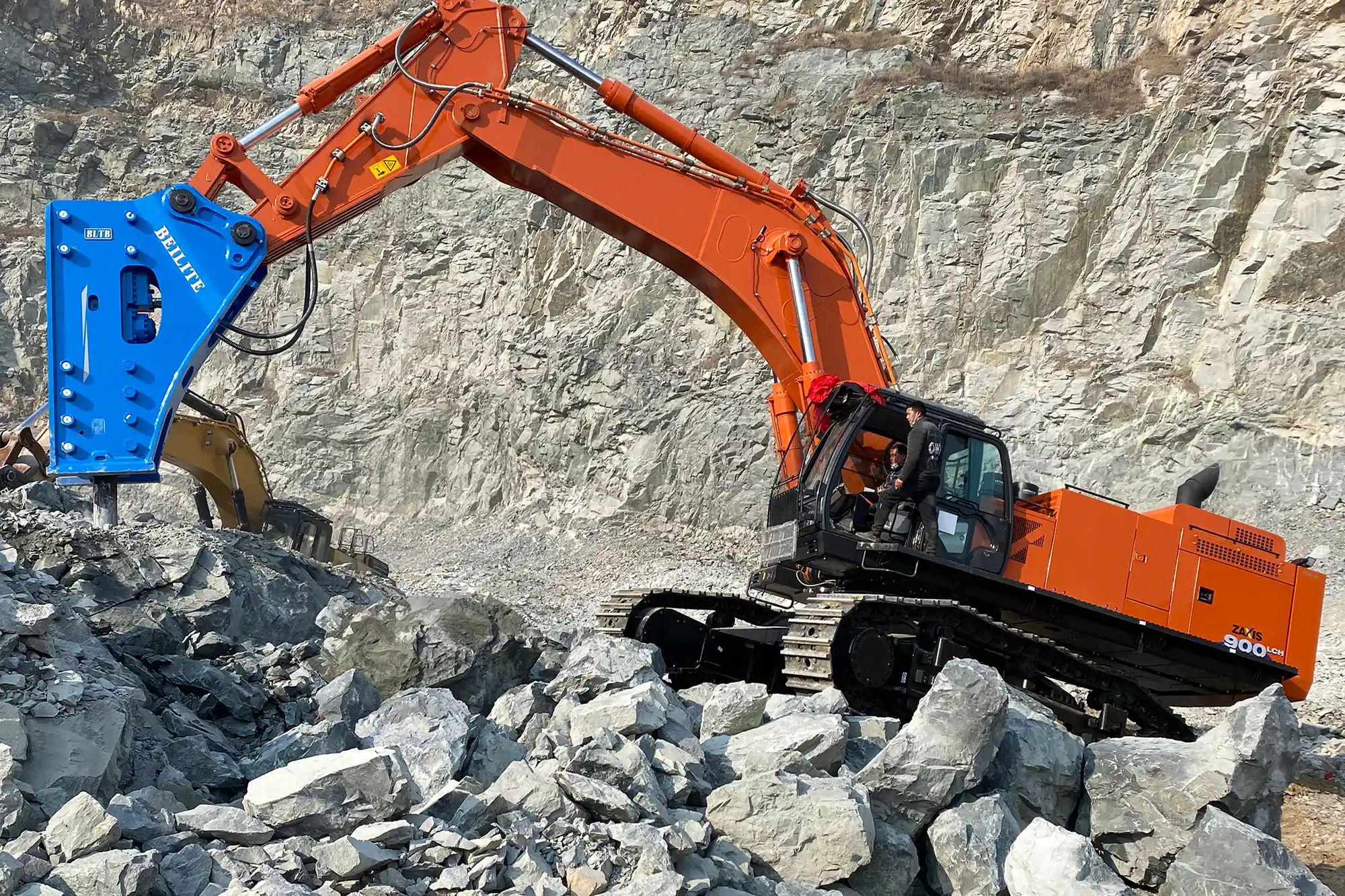
Matching Hydraulic Breaker Specifications to Your Carrier and Application
Selecting the wrong hydraulic breaker wastes time and risks damaging both the attachment and your excavator. The selection process requires matching several specifications simultaneously—carrier weight class, hydraulic output, and the actual material you’re breaking.
Start with your excavator’s operating weight and hydraulic flow capacity. A breaker that demands more flow than your machine can deliver will underperform. One that draws too little won’t utilize your carrier’s full capability. Pressure ratings matter equally; mismatched pressure can cause premature seal failure or inadequate impact force.
Consider these factors when evaluating options:
Carrier Compatibility: Verify that the mounting bracket, pin spacing, and hydraulic connections match your excavator’s specifications. A breaker designed for one manufacturer may require adapter plates for another.
Hydraulic System Requirements: Match the breaker’s working oil flow and pressure to your machine’s auxiliary circuit. A BLT-40 with a 40mm chisel diameter operates effectively with 15-30 L/min of oil flow, making it suitable for 0.5-1.2 ton excavators. At the other end of the spectrum, a BLT-165 designed for 33-38 ton excavators demands 200-260 L/min and operates at 210-230 bar. Running outside these parameters causes problems.
Breaking Capacity: The material you’re demolishing dictates the impact energy and tool geometry you need. Reinforced concrete requires different chisel profiles than natural rock. Soft limestone breaks differently than granite.
Operational Environment: Urban demolition often requires breakers with noise reduction features. Sensitive sites may need vibration dampening technology to protect adjacent structures.
Specialized Applications: Compact excavator breakers and skid steer breaker attachments serve different niches than standard excavator-mounted units. Backhoe breaker attachments offer another option for specific carrier types.
The following table compares several BLT series hydraulic breakers across key specifications:
| Model | Chisel Diameter (mm) | Operating Weight (kg) | Working Oil Flow (L/min) | Applicable Excavator (t) |
|---|---|---|---|---|
| BLT-40 | 40 | 86 | 15–30 | 0.5–1.2 |
| BLT-70 | 70 | 362 | 40–70 | 4.5–6 |
| BLT-100 | 100 | 986 | 80–110 | 10–14 |
| BLT-140 | 140 | 1910 | 120–180 | 20–24 |
| BLT-165 | 165 | 3149 | 200–260 | 33–38 |
This range of high-performance hydraulic breaker Hammer covers applications from small-scale residential work to heavy-duty rock breaking operations.
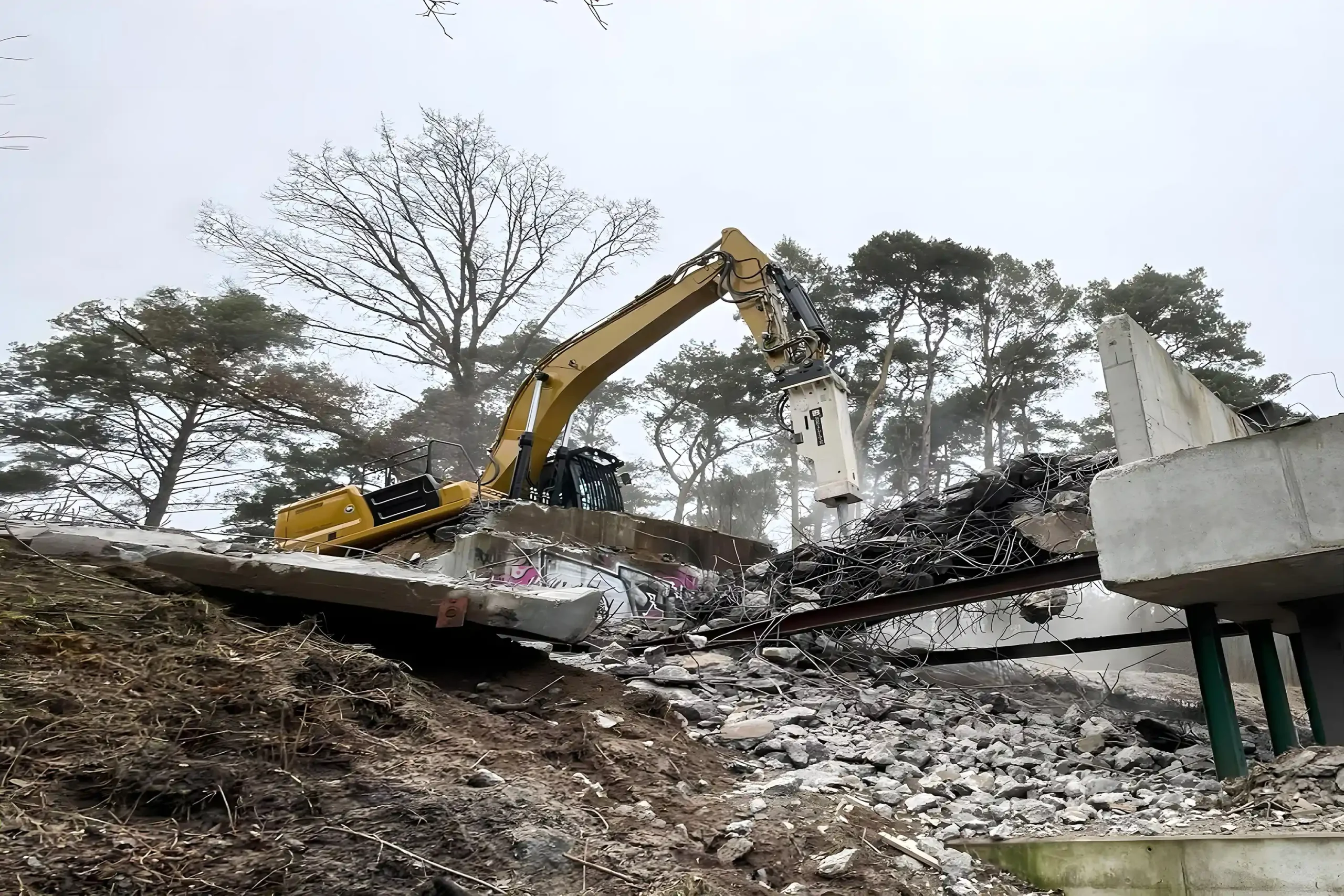
What Factors Determine Hydraulic Breaker Rental Costs
Rental pricing varies based on several interconnected factors. Daily, weekly, and monthly rates form the base structure, with longer commitments typically earning discounted rates. A breaker that costs $400 per day might rent for $1,200 per week or $3,500 per month—the math favors longer terms if your project timeline supports it.
Beyond base rates, expect additional charges for delivery and pickup, which can add several hundred dollars depending on distance. Insurance requirements vary by supplier; some include basic coverage while others require separate damage waivers or proof of your own equipment insurance. Fuel consumption falls to the renter in most agreements.
Some rental packages include operator services, which can make sense for specialized applications or when your crew lacks experience with larger breakers. Always request a complete cost breakdown before signing. Hidden charges for wear items like chisels, administrative fees, or after-hours return penalties can inflate the final bill significantly.
Reading and Negotiating Rental Agreements
Rental contracts protect both parties, but the details matter more than most contractors realize until something goes wrong. A thorough review prevents disputes and unexpected costs.
Insurance provisions deserve particular attention. Understand exactly what the damage waiver covers and what it excludes. Theft, vandalism, and transport damage often require separate coverage. Know your deductible and whether your existing business insurance provides any overlap.
Maintenance responsibilities split between renter and supplier, but the dividing line varies. Routine tasks like greasing, visual inspections, and chisel rotation typically fall to the renter. Major repairs—hydraulic seal replacement, accumulator recharging, housing cracks—should remain the supplier’s responsibility. Get this in writing.
Key contract elements to examine:
Rental Duration: Confirm exact start and end times. Some companies charge for partial days at full rates.
Payment Terms: Understand when payment is due and what penalties apply for late returns or extended rentals.
Return Conditions: Know the expected state of the equipment upon return. Excessive wear beyond normal use may trigger additional charges.
Damage Assessment: Clarify how damage is documented and disputed. Pre-rental inspection reports protect you from being charged for pre-existing issues.
Support Availability: Confirm what happens if the breaker fails mid-project. Is emergency support available? What’s the response time for replacement equipment?
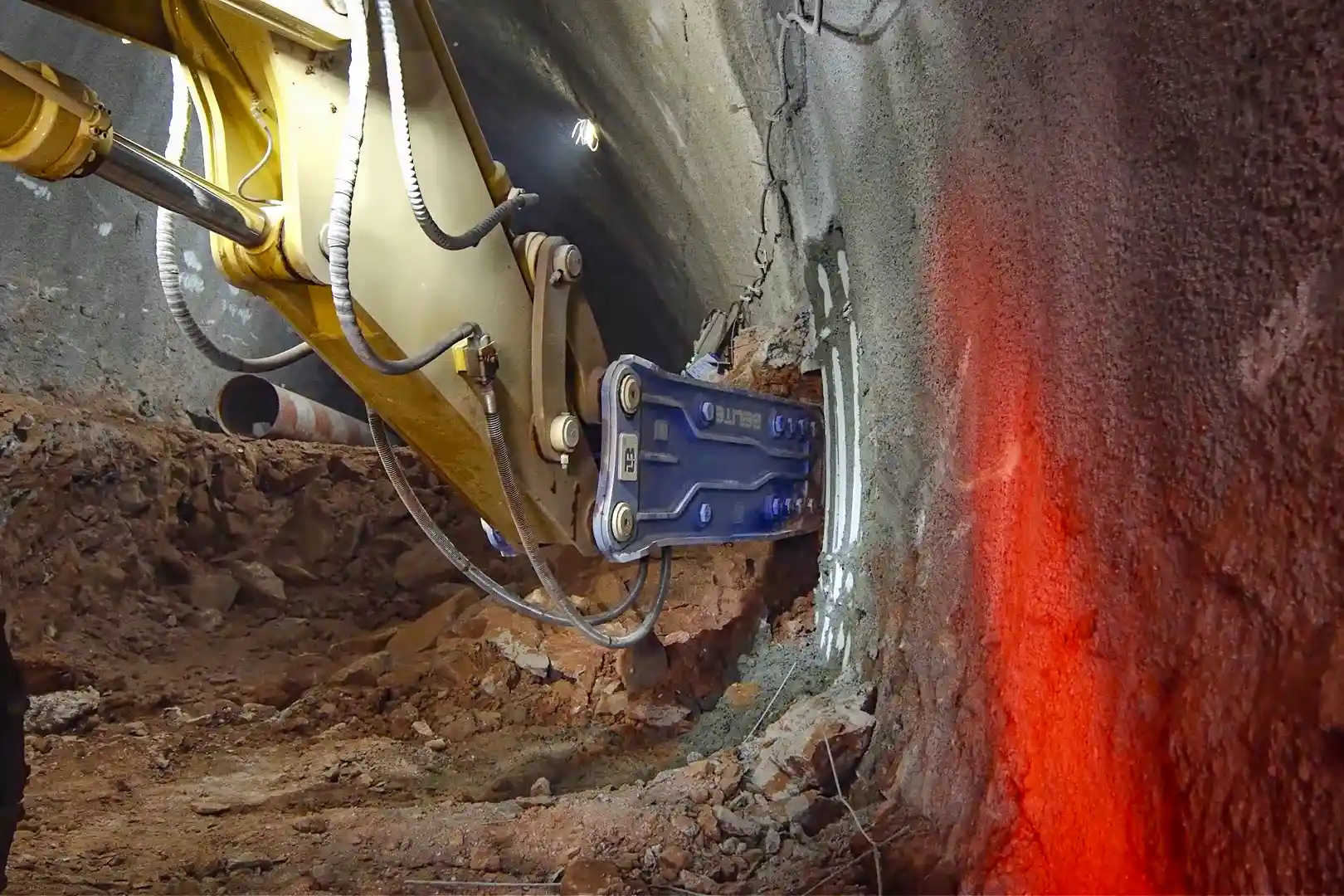
Operating Rented Hydraulic Breakers Safely and Effectively
A hydraulic breaker in inexperienced hands creates serious hazards. Even experienced operators benefit from reviewing safety protocols specific to the rented equipment, since controls and characteristics vary between manufacturers and models.
Pre-operation checks should become routine before every shift. Inspect hydraulic hoses for wear, cracks, or leaks. Check chisel retention and condition. Verify that all mounting hardware is secure. Look for unusual wear patterns that might indicate developing problems.
Personal protective equipment requirements include hard hats, safety glasses with side shields, hearing protection rated for the noise levels involved, and steel-toed boots. Dust suppression measures protect respiratory health and may be legally required depending on the material being broken.
Effective operational practices extend equipment life and improve productivity:
Proper breaking technique matters more than raw power. Positioning the chisel perpendicular to the surface, avoiding blank firing into air, and repositioning rather than forcing through difficult spots all reduce stress on the equipment.
Regular inspection during operation catches problems early. Unusual sounds, vibration patterns, or performance changes warrant investigation before they become failures.
Follow the rental company’s maintenance guidance. They know their equipment and what keeps it running reliably.
Develop site-specific safety plans that account for the particular hazards of your demolition work—falling debris, dust exposure, noise levels, and proximity to other workers or structures.
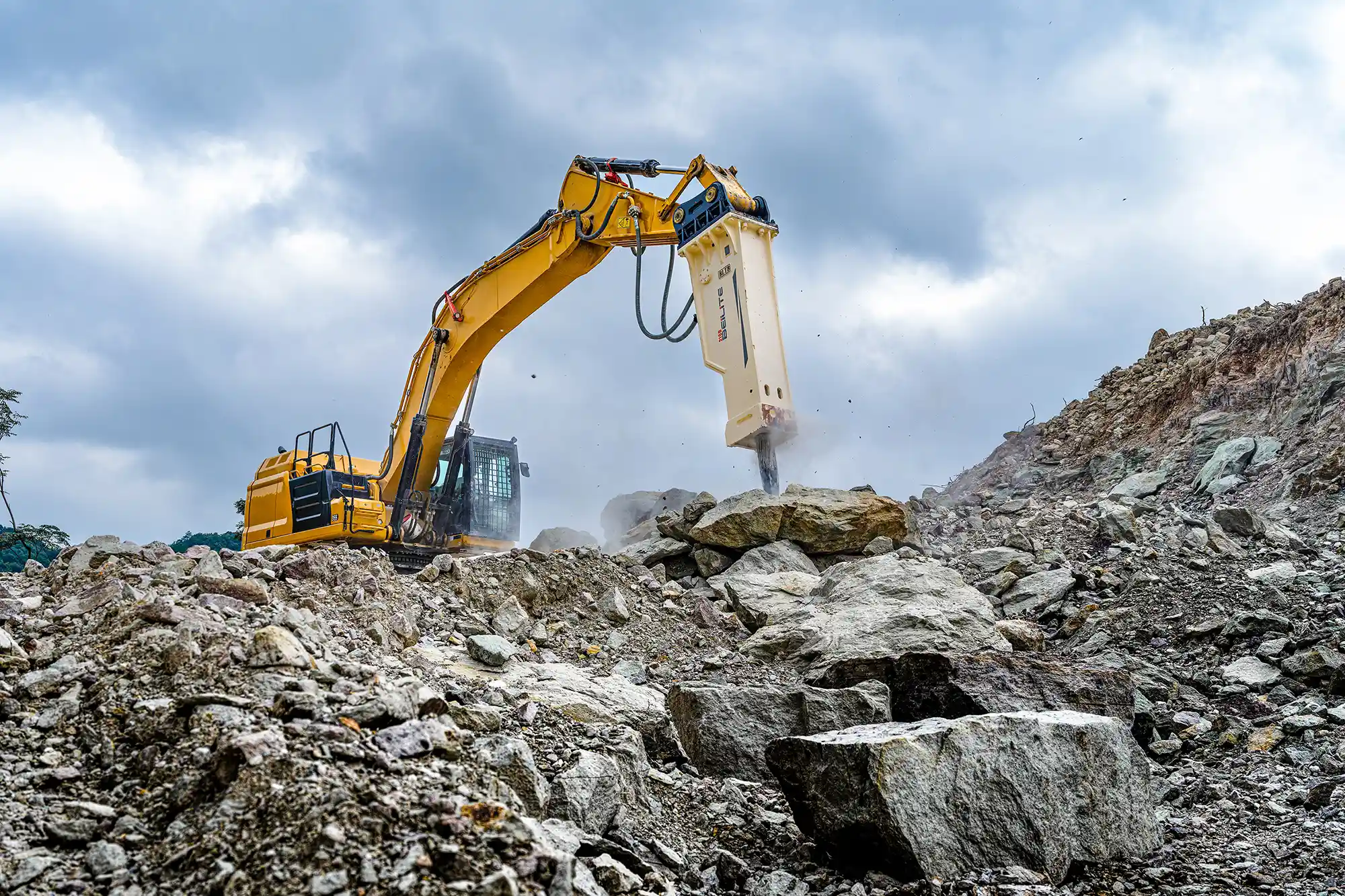
Operating a Rented Hydraulic Breaker Safely
Safe operation begins before the equipment arrives on site. Verify that every operator assigned to the hydraulic breaker holds appropriate training credentials and understands the specific model they’ll be running. Generic heavy equipment experience doesn’t substitute for familiarity with hydraulic breaker characteristics.
Conduct thorough machine inspections at the start of each shift. Check hydraulic line integrity, chisel condition and retention, and overall structural soundness. Document any concerns immediately.
Establish clear emergency procedures before work begins. Everyone on site should know how to shut down the equipment quickly and who to contact if something goes wrong.
PPE requirements aren’t suggestions. Hard hats, safety glasses, hearing protection, and steel-toed boots represent minimum standards. Depending on the application, respiratory protection and high-visibility clothing may also be necessary.
Regular safety briefings keep protocols fresh and provide opportunities to address site-specific concerns as conditions change.
Renting a Hydraulic Breaker for Residential Projects
Smaller residential demolition projects—removing a concrete patio, breaking up an old foundation, or clearing rock from a landscaping excavation—often call for compact hydraulic breakers rather than full-size units. Many rental companies stock mini excavator attachments and smaller hydraulic breaker Hammer for Mini Excavator,Mini Excavator Breaker specifically for this market.
When considering a hydraulic breaker for residential work, verify compatibility with your mini excavator’s hydraulic output. Smaller carriers have limited flow and pressure capacity, and mismatched equipment performs poorly. The rental supplier should be able to confirm compatibility if you provide your excavator’s specifications.
Residential applications also bring unique considerations around noise, vibration, and access. Neighbors and local ordinances may restrict operating hours. Tight spaces may limit equipment positioning. Plan accordingly.
Strategies for Cost-Effective Hydraulic Breaker Rental
Getting maximum value from your rental requires planning that extends beyond just securing the equipment. How you prepare the site, schedule the work, and manage the rental period all affect your effective cost per unit of work completed.
Site preparation directly impacts productivity. Clear access routes, removed debris, and organized staging areas mean the breaker spends more time breaking and less time waiting. Every hour of idle rental time costs money without producing results.
Accurate project scheduling prevents both rushed work and unnecessary rental extensions. Build realistic timelines that account for setup, actual breaking operations, and contingencies for unexpected conditions. Returning equipment early rarely generates refunds, but late returns always generate charges.
Operator efficiency compounds over the rental period. Well-trained operators who understand proper technique complete more work with less equipment wear. The investment in training pays dividends across every rental.
Consider these approaches to maximizing rental value:
Plan project timelines with precision. Understand exactly what needs to be accomplished and how long each phase should take.
Prepare work areas before the rental period begins. Clearing obstacles and establishing access routes shouldn’t consume expensive rental hours.
Train operators thoroughly. Efficient technique reduces both time and wear.
Compare options across multiple suppliers. Rates vary, and the lowest price doesn’t always represent the best value when service quality differs.
Maintain the equipment properly during the rental period. Following lubrication schedules and addressing minor issues promptly prevents major problems.
Evaluate the complete cost picture, including delivery, insurance, and potential overtime charges, not just the headline rental rate.
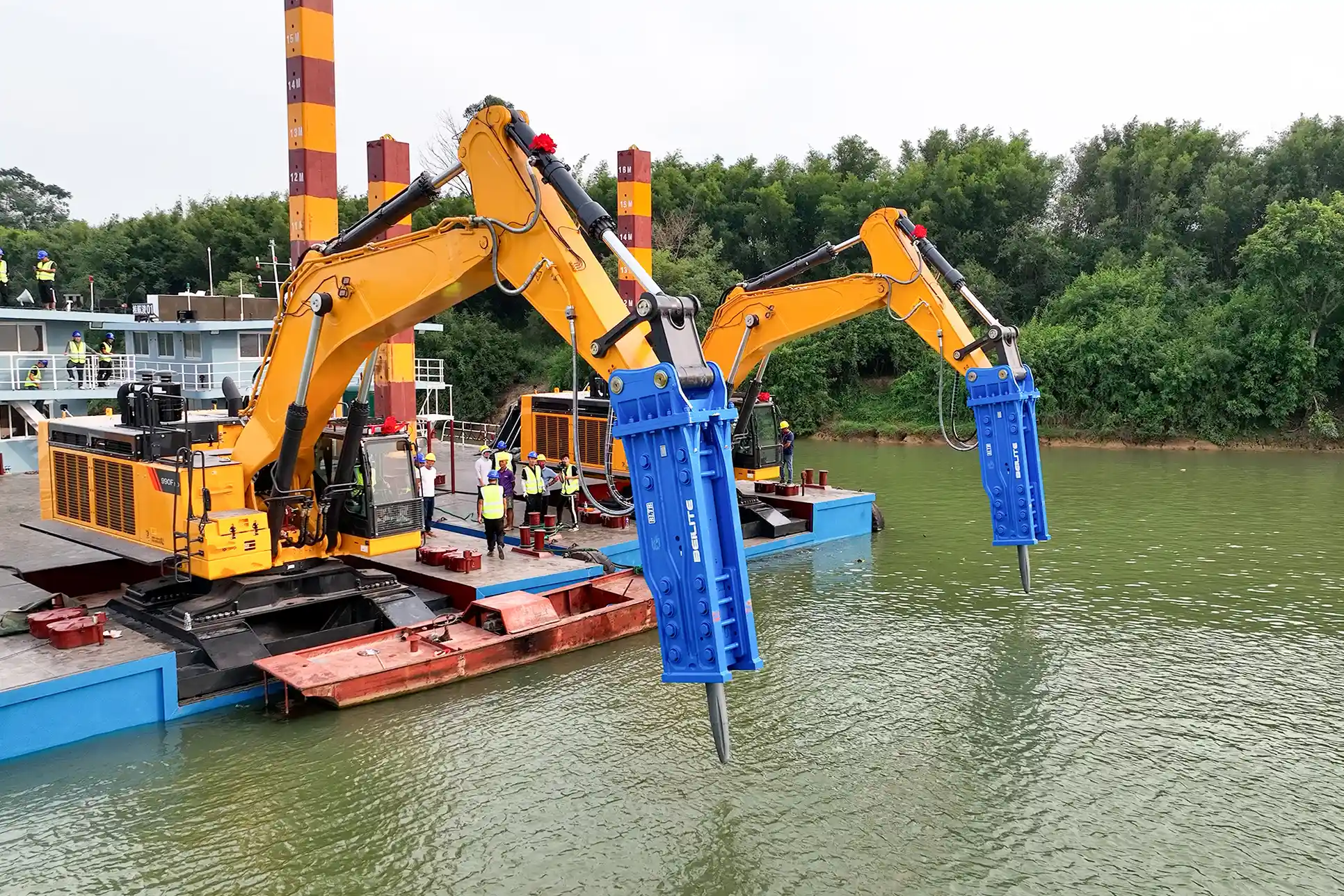
Working with Quality-Focused Hydraulic Breaker Manufacturers
The equipment you rent reflects the standards of whoever manufactured it. Beilite Machinery Co., LTD focuses on R&D and manufacturing of high-end hydraulic breakers, and that engineering focus translates into equipment that performs reliably under demanding conditions.
When evaluating rental options, ask about the equipment’s origins. Breakers built to higher manufacturing standards require less maintenance, deliver more consistent performance, and last longer in rental fleets. The BLT and BLTB series represent the kind of engineering that separates professional-grade equipment from budget alternatives.
For questions about hydraulic breaker technology or specific equipment capabilities, contact Beilite Machinery at [email protected] or 40008-40008.
Common Questions About Hydraulic Breaker Rentals
What Rental Durations Are Available for Hydraulic Breakers
Most heavy equipment rental companies structure hydraulic breaker rentals around daily, weekly, and monthly options. Daily rates suit short demolition tasks or emergency needs. Weekly rates typically offer better per-day economics for projects lasting several days. Monthly rentals make sense for extended construction projects or ongoing demolition work.
Many suppliers offer discounted rates for longer commitments. If your project timeline allows flexibility, negotiating extended rental terms often reduces overall costs. Ask specifically about rate breaks at different duration thresholds.
How to Determine the Correct Hydraulic Breaker Size for Your Excavator
Proper sizing depends on three primary factors: your excavator’s operating weight, its hydraulic flow capacity, and the material you’re breaking. Undersized breakers waste your carrier’s capability. Oversized breakers can damage your excavator’s hydraulic system or structural components.
Reputable rental suppliers maintain compatibility charts and can guide selection based on your excavator’s specifications. Provide the make, model, and year of your carrier along with details about the intended application. Accurate sizing prevents equipment damage and ensures efficient operation throughout your rental period.
What Safety Certifications Apply to Hydraulic Breaker Operation
Certification requirements vary by jurisdiction and project type. OSHA regulations in the United States establish baseline training requirements for heavy equipment operation, though specific hydraulic breaker certifications may not be explicitly mandated. Many employers and job sites require documented training regardless of regulatory minimums.
Rental companies often provide orientation on their specific equipment or can recommend training resources. Check local regulations and project requirements before assuming your operators are qualified. Proper training protects both personnel and equipment.
What Does a Standard Hydraulic Breaker Rental Agreement Include
Standard agreements typically specify the rental period, applicable rates, delivery and pickup arrangements, insurance requirements, and maintenance responsibilities. Most contracts address damage liability, defining what constitutes normal wear versus renter-responsible damage.
Expect clauses covering fuel responsibility, wear item replacement, and operational restrictions. Some agreements prohibit certain applications or require specific operator qualifications. Read the complete document before signing and ask for clarification on any ambiguous terms. Understanding the agreement prevents disputes when the rental concludes.
Can Rental Companies Deliver Hydraulic Breakers to Job Sites
Most hydraulic breaker rental services offer delivery and pickup for an additional fee. This service eliminates the need for specialized transport equipment and saves significant time compared to arranging your own logistics.
Delivery charges typically depend on distance and may include setup assistance. Confirm availability, pricing, and scheduling when booking your rental. Coordinating delivery timing with your project schedule ensures the equipment arrives when you’re ready to use it, minimizing idle rental time.