 English
 French
Hydraulic Breaker Materials: High-Strength Alloys for Performance
The moment you crack open a hydraulic breaker’s spec sheet and start comparing alloy grades, you realize something: the difference between a tool that lasts and one that fails early comes down to what it’s made of. Material science sits at the core of every high-performance hydraulic breaker, shaping how well it handles punishment, how long it stays in service, and how safely it operates under stress. Selecting the right hydraulic breaker materials and high-strength alloys determines whether a machine delivers consistent results or becomes a maintenance headache. Beilite Machinery Co., LTD, a national high-tech enterprise, applies deep material expertise to build demolition tools that routinely outperform expectations. That commitment to getting the metallurgy right shows up in every component we ship to customers worldwide.
Why Material Properties Define Hydraulic Breaker Performance
Demolition, quarrying, and mining operations subject hydraulic breaker components to forces that would destroy lesser materials. The properties built into these materials determine whether a breaker survives thousands of impact cycles or cracks under pressure. High-strength steel provides the foundation for most critical parts, but the specific characteristics engineered into that steel make all the difference.
Impact resistance measures how well a material absorbs energy from sudden blows without fracturing. Chisels and pistons take thousands of hits per minute, so this property directly affects whether those components hold up or fail prematurely. Hardness—the resistance to permanent indentation or scratching—matters enormously for wear-resistant materials, especially on surfaces grinding against rock or concrete. But hardness alone creates problems. A material needs toughness too, meaning the ability to absorb energy and deform plastically without cracking. Overly hard materials without adequate toughness become brittle and can shatter catastrophically under impact.
Material fatigue presents another engineering challenge. Cyclic loading causes progressive, localized structural damage over time. Components must resist both crack initiation and crack propagation to achieve acceptable service life. Fracture resistance—a material’s ability to contain an existing crack without letting it spread—adds another layer of protection. Thermal stability keeps material properties consistent across operating temperature ranges, preventing degradation in both freezing and scorching conditions. Mechanical properties like yield strength (where plastic deformation begins) and tensile strength (the breaking point) require precise control to guarantee structural integrity. Beilite applies these principles systematically when developing hydraulic breaker components that perform reliably under real-world conditions.
How Advanced Alloys and Heat Treatment Create Durable Components
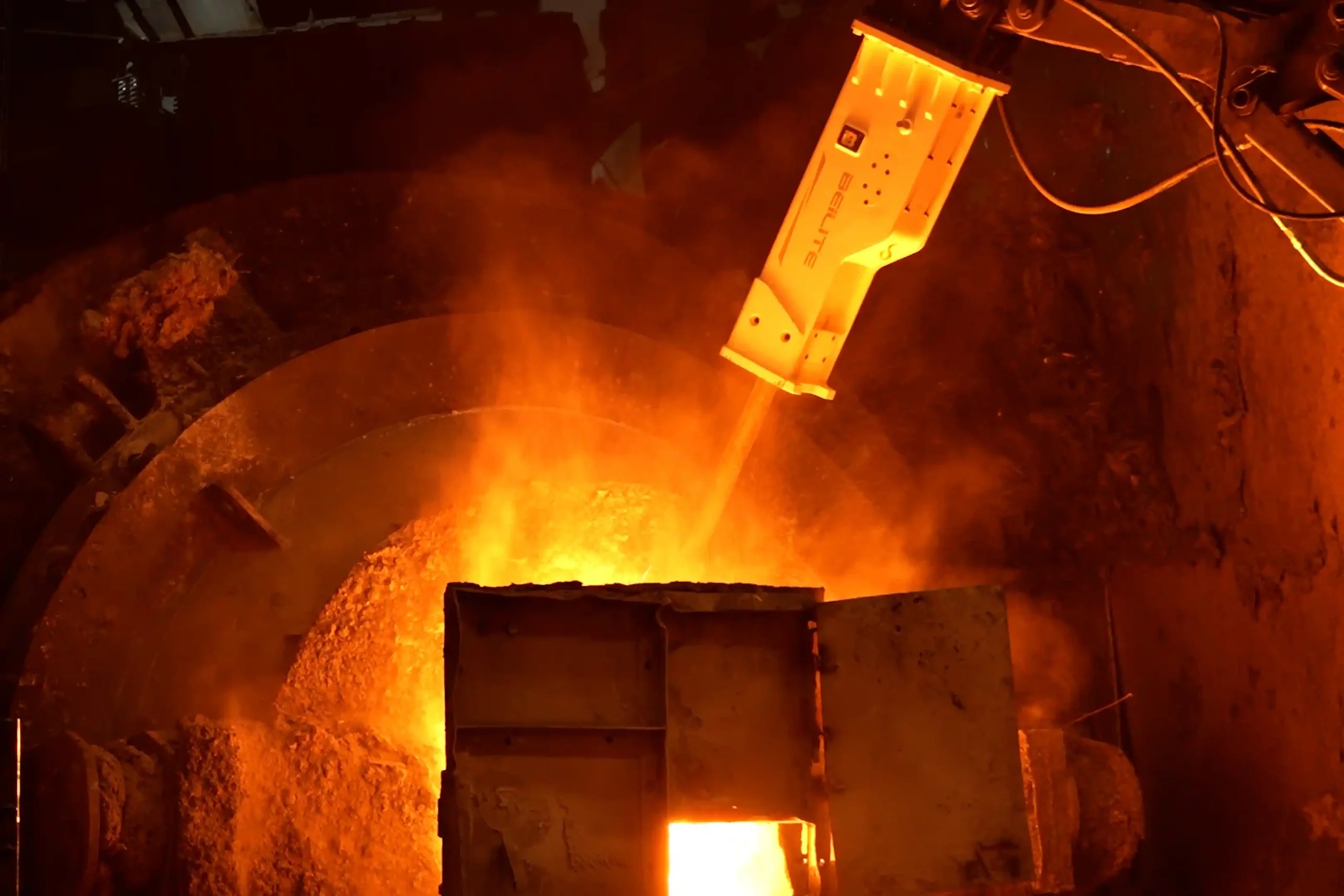
Superior hydraulic breaker performance depends on getting two things right: alloy selection and heat treatment. These metallurgical processes transform raw steel into components that handle immense stress and wear without failing. Our engineering team designs alloy compositions with specific elements—chromium, nickel, molybdenum, vanadium, and tungsten carbide—each contributing distinct benefits. Chromium boosts hardness and corrosion resistance. Nickel improves toughness. Molybdenum increases strength and high-temperature performance. Vanadium refines grain structure, enhancing both strength and toughness. Tungsten carbide delivers exceptional wear resistance, particularly for cutting tools.
Manufacturing these components involves controlled processes at every stage. Forging shapes metal under immense pressure, refining grain structure and eliminating internal defects. This significantly improves strength and fatigue resistance compared to unforged material. Casting handles complex shapes, followed by precision machining. Heat treatment processes—quenching, tempering, and annealing—alter the material’s microstructure to achieve the right balance of hardness, toughness, and ductility. Surface hardening techniques like carburizing or nitriding create a hard, wear-resistant outer layer while preserving a tough core underneath. Metallurgical analysis at every production stage verifies material integrity and consistency. This rigorous approach ensures that every chisel material, piston material, and cylinder material meets the demands of heavy-duty operation.
What Type of Steel Works Best for Hydraulic Breaker Chisels
High-grade tool steel, typically a chromium-molybdenum-vanadium alloy, delivers the best results for hydraulic breaker chisels. This composition balances extreme wear resistance with high impact toughness. Specialized heat treatment produces a hard outer surface that resists abrasion and a resilient core that prevents brittle fracture during demolition chisel operations. The combination maximizes both longevity and breaking efficiency in demanding applications.
| Component | Primary Alloy Elements | Key Benefit |
|---|---|---|
| Chisel | Cr, Mo, V, WC | Wear Resistance, Impact Toughness |
| Piston | Cr, Ni, Mo | High Strength, Fatigue Resistance |
| Cylinder | Cr, Ni | Pressure Resistance, Durability |
| Bushings | High Carbon Steel | Abrasion Resistance |
Material Selection Strategies That Extend Equipment Life
The right material choices translate directly into better operational efficiency and longer equipment life. Demolition, quarrying, mining, and construction sites expose equipment to extreme conditions daily. Selecting appropriate materials prevents premature wear, component failure, and excessive downtime. This approach significantly reduces total cost of ownership for operators who track their numbers carefully.
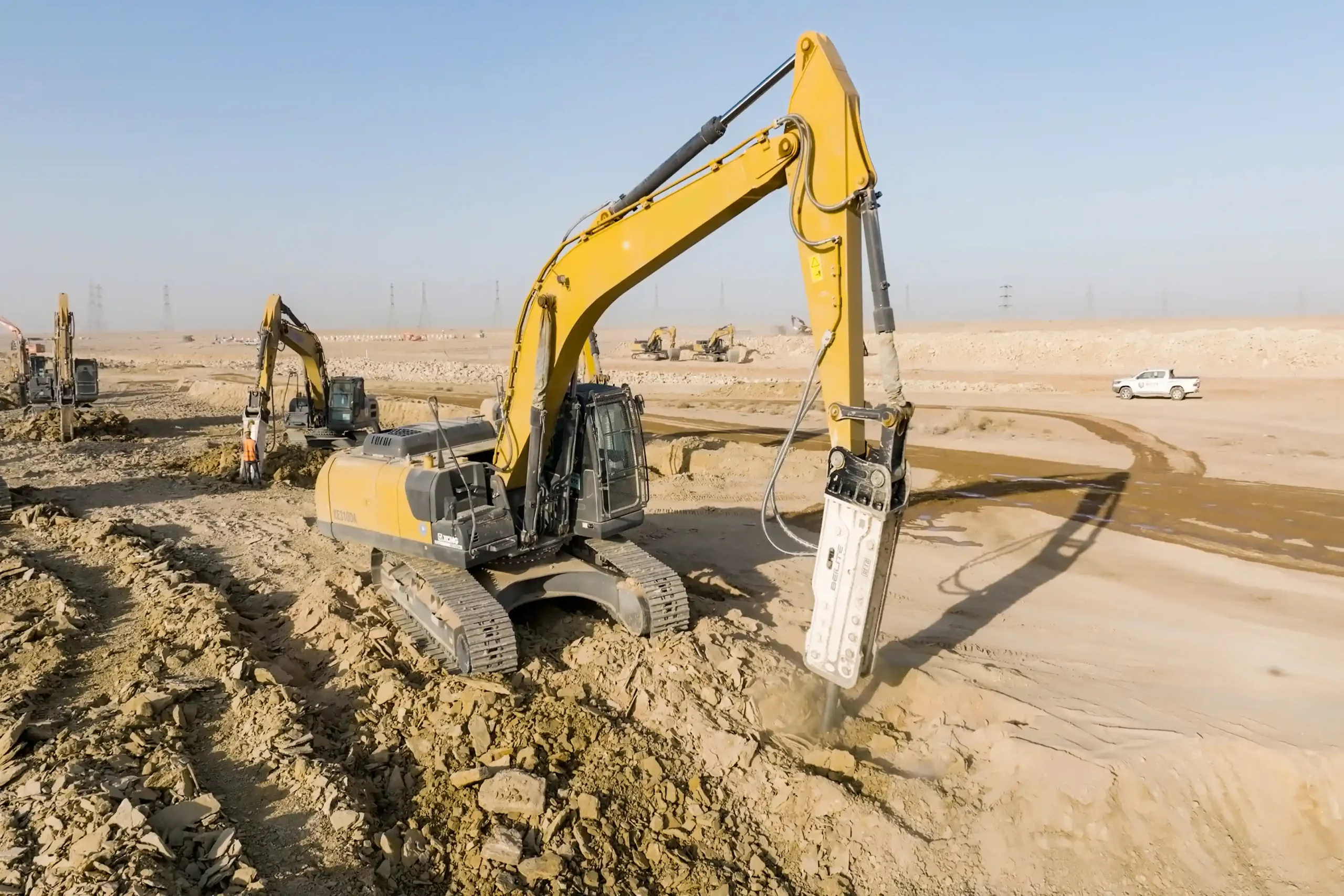
Advanced materials deliver several performance improvements. Specialized alloys and optimized designs provide effective vibration damping, reducing stress on both the breaker and the carrier machine. Lower vibration also means reduced noise, which improves working conditions for operators. Anti-wear coatings on critical surfaces extend component life by minimizing friction and abrasion. Beyond metal components, polyurethane seal quality matters for maintaining hydraulic integrity and preventing leaks under high pressure and temperature fluctuations. Attention to these material details ensures that our hydraulic breaker Hammer delivers consistent power and reliability. For operations like Hydraulic Breaker Hammer for Demolition&Rock Breaking or Hydraulic Breaker Hammer for Mining and Quarrying, material resilience directly affects productivity and profitability. Beilite’s engineering ensures every component matches its intended application, maximizing uptime and minimizing field maintenance.
Quality Control and Testing Protocols That Verify Durability
Hydraulic breaker durability and reliability depend on rigorous quality control and advanced material testing. Beilite Machinery Co., LTD maintains a comprehensive quality assurance system aligned with national standards and international certifications including ISO. This commitment to manufacturing excellence guarantees consistent product reliability across our entire range.
The process starts with raw material inspection, verifying chemical composition and mechanical properties before production begins. Throughout manufacturing, non-destructive testing methods—ultrasonic testing, magnetic particle inspection, and radiographic inspection—detect internal flaws without damaging components. Metallurgical testing, including microstructural analysis, hardness testing, and impact testing, validates material integrity and confirms that heat treatment achieved the desired properties. Every critical component undergoes component validation that simulates real-world stresses and impacts to verify design specifications are met. This comprehensive quality control approach ensures our hydraulic breakers, whether for Hydraulic Breaker Hammer for Mini Compact Excavator or heavy-duty applications, deliver exceptional performance and longevity. Adherence to these standards reinforces Beilite’s reputation for producing reliable, high-end equipment.
How Often Should Components Be Inspected for Material Fatigue
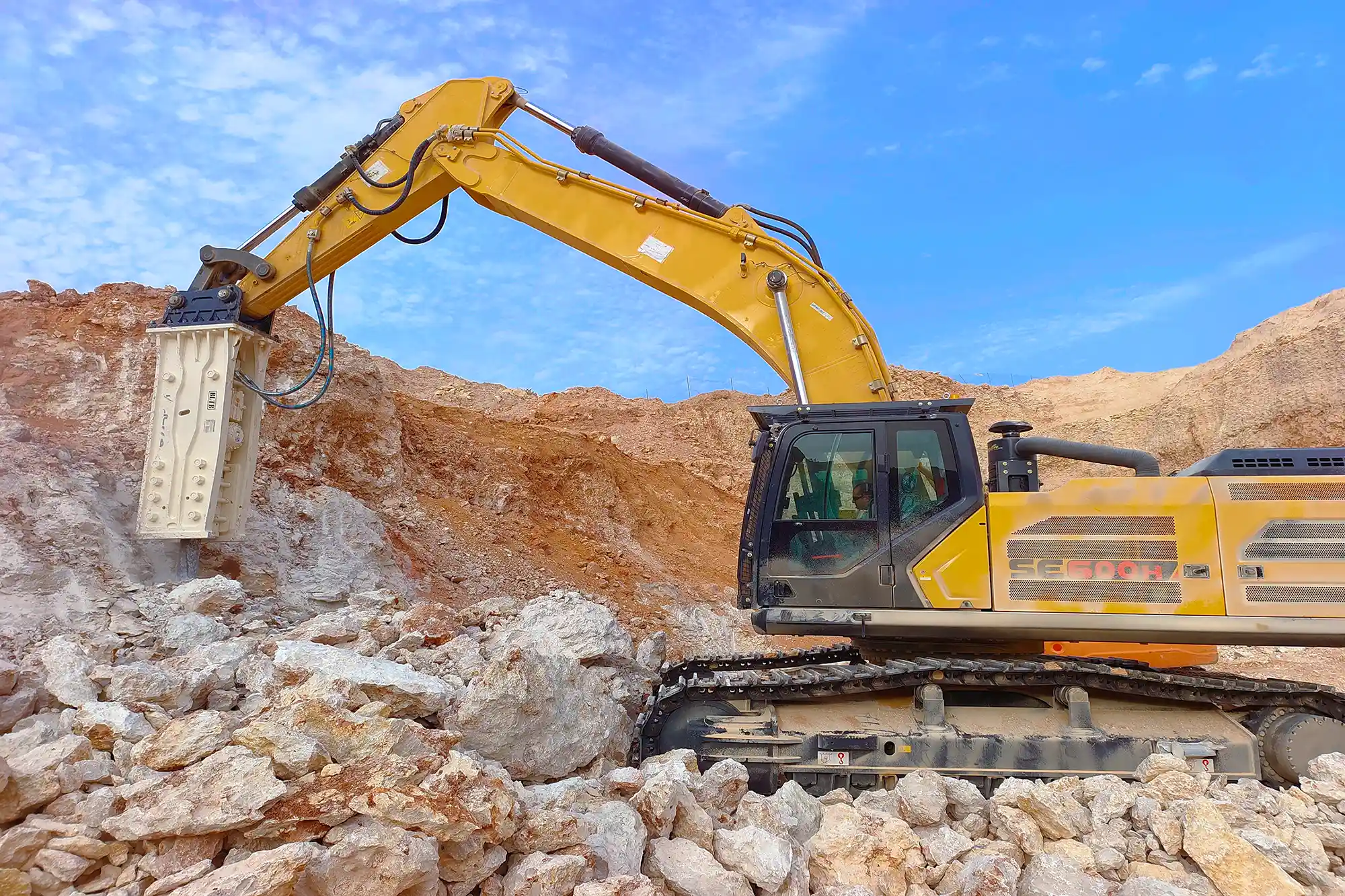
Regular fatigue inspection prevents unexpected failures and maintains hydraulic breaker performance. Inspection frequency depends on operating conditions, usage intensity, and material properties. Visual inspections should happen daily. More detailed non-destructive testing should occur during scheduled preventative maintenance, typically every 250-500 operating hours. Watch for early indicators: hairline cracks, discoloration, or unusual wear patterns. Catching cracks early extends component lifespan significantly and reduces repair costs.
Metallurgical Innovation Behind the Beilite Advantage
Beilite Machinery Co., LTD leads innovation in hydraulic breaker metallurgy. As a national high-tech enterprise, we pursue continuous advancement in core technologies. Our R&D efforts have produced hundreds of patents, reflecting leadership in developing cutting-edge material solutions for hydraulic breakers. We actively participate in formulating national standards for hydraulic breakers in China, setting quality and performance benchmarks across the industry.
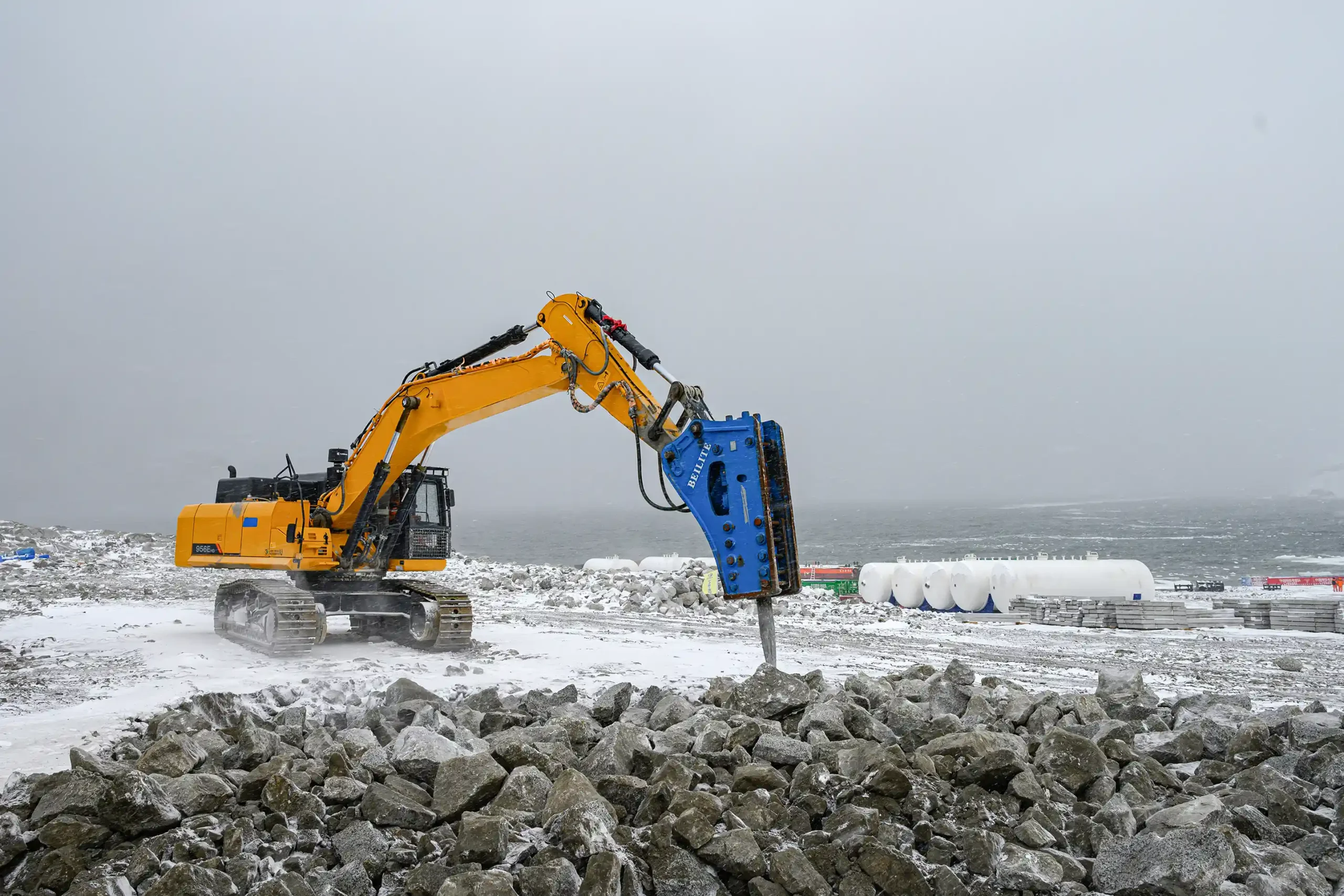
Our BLT brand and BLTB brand products embody this innovative approach, engineered with proprietary alloy compositions and advanced manufacturing processes. These high-end hydraulic breakers excel in diverse and challenging conditions, from Hydraulic Breaker Hammer for Underwater Construction to extreme cold applications. Export success to over 100 countries and regions demonstrates international trust in Beilite products. We continuously explore new materials and processing techniques, keeping our equipment at the leading edge of durability, efficiency, and environmental responsibility. Our dedication to advanced manufacturing and customer trust positions us as a global leader in hydraulic breaker technology.
Are Eco-Friendly Material Options Available for Hydraulic Breakers
The industry is exploring eco-friendly material options for hydraulic breakers. While performance and durability remain primary concerns, sustainable manufacturing advances are emerging. Progress includes using higher percentages of recycled content in steel alloys, developing more efficient and less toxic heat treatment processes, and researching alternative materials with lower environmental impact. Beilite investigates and implements green technology where feasible, aligning with global sustainability goals without compromising the robust performance our equipment delivers.
Common Questions About Hydraulic Breaker Materials
What Material Properties Matter Most for Hydraulic Breaker Durability
Hydraulic breaker durability requires high impact toughness to absorb repeated shocks, exceptional hardness for wear resistance, and superior fracture resistance to prevent catastrophic failure. These properties are balanced through advanced alloy compositions and precise heat treatments, particularly for chisels, pistons, and cylinders. Getting this balance right ensures peak performance and extended operational life.
How Do Extreme Conditions Affect Material Lifespan
Continuous high-impact forces, abrasive environments, temperature swings, and heavy vibrations accelerate material fatigue and wear. High-end hydraulic breakers counter these effects with specialized alloy steels, advanced anti-wear coatings, and robust sealing materials. These choices mitigate stress, abrasion, and heat damage, extending component lifespan even in the most demanding demolition, mining, or quarrying applications.
Can Material Selection Reduce Maintenance Costs
Better materials mean lower maintenance costs. High-quality, application-specific materials offer enhanced wear resistance, greater impact absorption, and prolonged fatigue life. This translates to fewer component breakages, less frequent replacements, and significantly reduced downtime. The upfront investment in superior materials pays off through lower total cost of ownership and improved operational profitability.
Why Does Metallurgical Expertise Matter for Manufacturers
Metallurgical expertise underpins the entire design and production process for high-performance hydraulic breakers. It enables precise selection, development, and processing of advanced alloys, ensuring optimal material properties for each component. This deep understanding drives continuous innovation, patented core technologies, and adherence to stringent national standards. For Beilite, metallurgical expertise guarantees that our hydraulic breakers deliver unparalleled reliability, efficiency, and customer trust globally.
Partner with Beilite for Superior Breaker Performance
Put hydraulic breakers engineered for durability and performance to work on your demolition and excavation projects. Beilite Machinery Co., LTD’s advanced material science and patented innovations deliver the reliability and efficiency your operations demand. Contact our experts at [email protected] or call 40008-40008 to explore our high-end BLT and BLTB product lines and discuss your specific operational needs.