 English
 French
Hydraulic Breaker Import vs Domestic: A Strategic Buyer’s Guide
Choosing the Right Hydraulic Breaker: Imported vs. Domestic Manufacturing
After two decades of watching procurement teams wrestle with this decision, one pattern stands out clearly. The choice between imported and domestically manufactured hydraulic breakers rarely comes down to a single factor. Initial price tags tell only part of the story. What actually determines whether a purchase pays off involves a web of considerations: how quickly parts arrive when something breaks, whether technical support speaks your language and time zone, and how currency fluctuations might quietly erode what seemed like a good deal. This analysis breaks down the real differences across performance, support infrastructure, and total ownership costs to help buyers make decisions that hold up over the equipment’s full working life.
How Manufacturing Origin Shapes What You Actually Get
The source of a hydraulic breaker hammer shapes far more than the logo stamped on the housing. Imported units typically come from manufacturers who have built their reputations over decades, often bringing specialized technological approaches developed for specific regional conditions or application types. These global suppliers invest heavily in research facilities and can offer features refined through generations of engineering iteration.
But geography introduces friction. International supply chains stretch across oceans, customs checkpoints, and multiple handling stages. Lead times extend. Currency markets shift between order and delivery. A price quoted in euros or yen today may cost significantly more in local currency by the time the unit clears customs.
Domestic manufacturing operates under different constraints and advantages. Proximity shortens delivery windows dramatically. Communication happens without translation delays or timezone gymnastics. When specifications need adjustment or problems surface, resolution cycles compress from weeks to days. Local manufacturers also tend to maintain tighter feedback loops with their quality control processes, catching issues before they multiply across production runs.
Neither origin guarantees superiority. The question is which set of trade-offs aligns with how your operation actually runs.
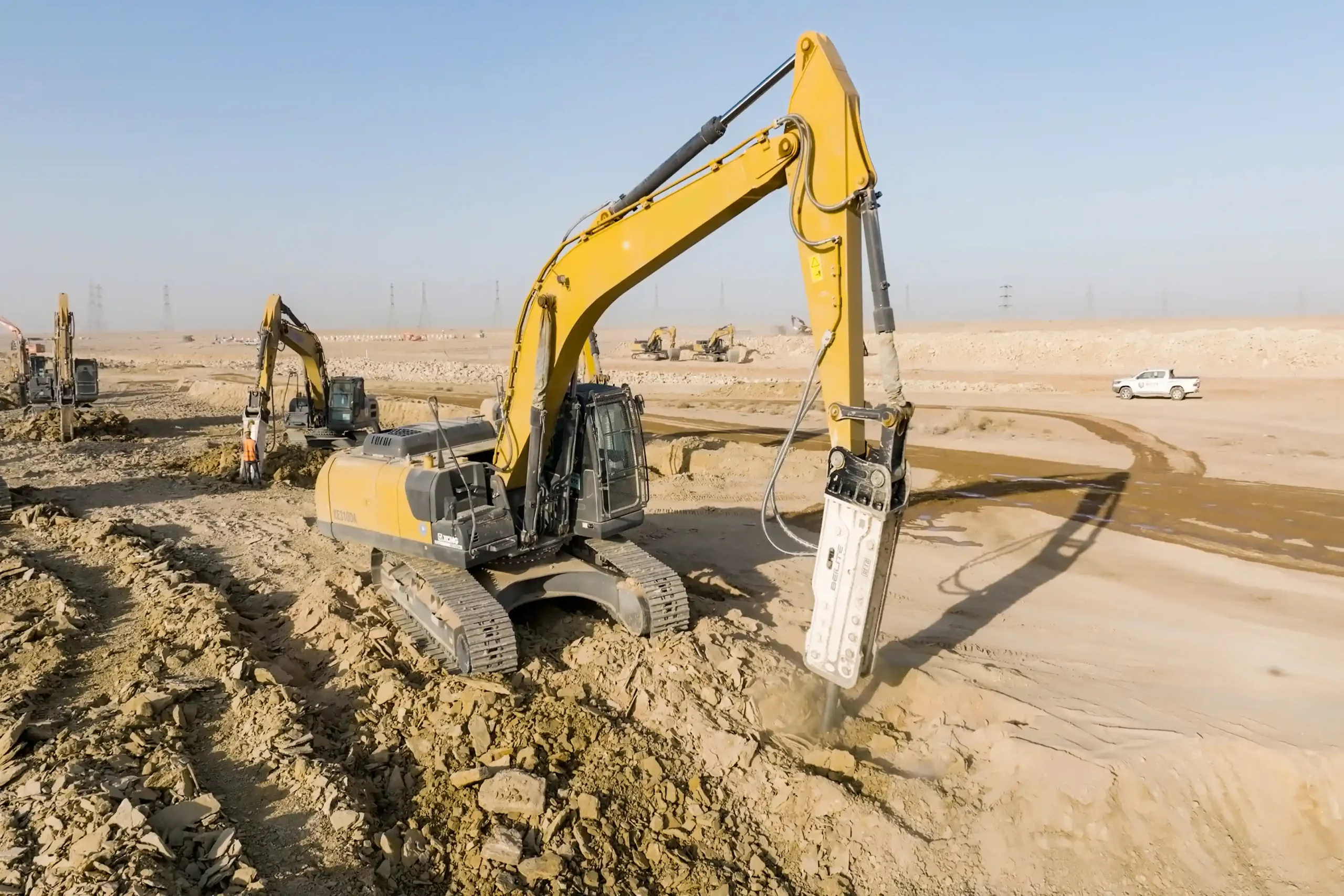
!Rock Breaker for Infrastructure Construction
 ## What the Specs Actually Mean for Durability and Output
Raw performance numbers on a hydraulic breaker hammer spec sheet only reveal their meaning under real working conditions. Breaking force and impact frequency matter, but so does how those numbers hold up after six months of daily demolition work or rock breaking applications.
Imported models from established manufacturing regions often feature proprietary metallurgical formulations and heat treatment processes developed over decades. These can deliver exceptional performance in specific applications where the engineering was originally optimized. A breaker designed for Scandinavian granite quarries may excel in similar conditions elsewhere.
What has changed significantly over the past fifteen years is the gap between imported and domestic high-end hydraulic breakers. Domestic manufacturers who commit serious resources to R&D now produce units that match or exceed international benchmarks. The investment shows in chisel tool longevity, housing integrity under sustained impact loads, and consistency across production batches.
Beilite Machinery’s approach involves engineering products against stringent internal standards that often exceed baseline requirements. Material selection, precision machining tolerances, and heat treatment protocols all contribute to service life under demanding conditions. The goal is sustained performance, not just impressive initial specifications.
| Feature | Imported Breakers (General) | Domestic Breakers (General) |
|---|---|---|
| Technology Access | Diverse, specialized | Advanced, localized R&D |
| Material Quality | High, often proprietary | High, national standards |
| Breaking Force | Potentially higher (niche) | Optimized for local needs |
| Impact Frequency | Variable, application-specific | Consistent, efficient |
| Design Engineering | Global best practices | Tailored, continuous improvement |
| Durability | Excellent | Excellent, robust |
Does Imported Always Mean Better Quality?
Geographic origin tells you where something was made, not how well. Quality emerges from engineering discipline, material science investment, and testing rigor. A hydraulic breaker hammer manufactured domestically under strict quality protocols can outperform an imported unit from a manufacturer cutting corners on metallurgy or assembly.
Beilite Machinery participates directly in formulating national standards for hydraulic breakers in China. This involvement reflects and reinforces our commitment to manufacturing excellence. The equipment we produce undergoes the same scrutiny we would apply to units destined for our own operations. Country of origin matters less than the culture of quality behind the manufacturing process.
The Real Math Behind Total Ownership Costs
Purchase price functions as a down payment on a much larger financial commitment. The true cost of a hydraulic breaker hammer unfolds over years of operation, maintenance cycles, and eventual replacement.
Operating expenses accumulate steadily. Fuel consumption varies with efficiency. Carrier wear depends partly on how well the breaker matches the excavator’s hydraulic system. Daily operational costs include operator time, which increases when equipment requires frequent adjustment or runs inconsistently.
Maintenance costs depend heavily on parts availability and pricing. When a chisel needs replacement or a seal fails, the clock starts running on downtime costs. Imported units often require international shipping for parts, adding days or weeks to repair timelines. Customs processing introduces additional uncertainty. A part sitting in a warehouse overseas does nothing for a machine sitting idle on your site.
Currency exchange adds another variable that procurement teams sometimes underestimate. A breaker quoted at a favorable price in foreign currency may cost significantly more by payment date if exchange rates shift unfavorably. This risk compounds across multiple purchases or ongoing parts orders.
Domestic sourcing typically offers more predictable cost structures. Parts pricing remains stable in local currency. Delivery timelines stay consistent. These factors make long-term financial planning more reliable.
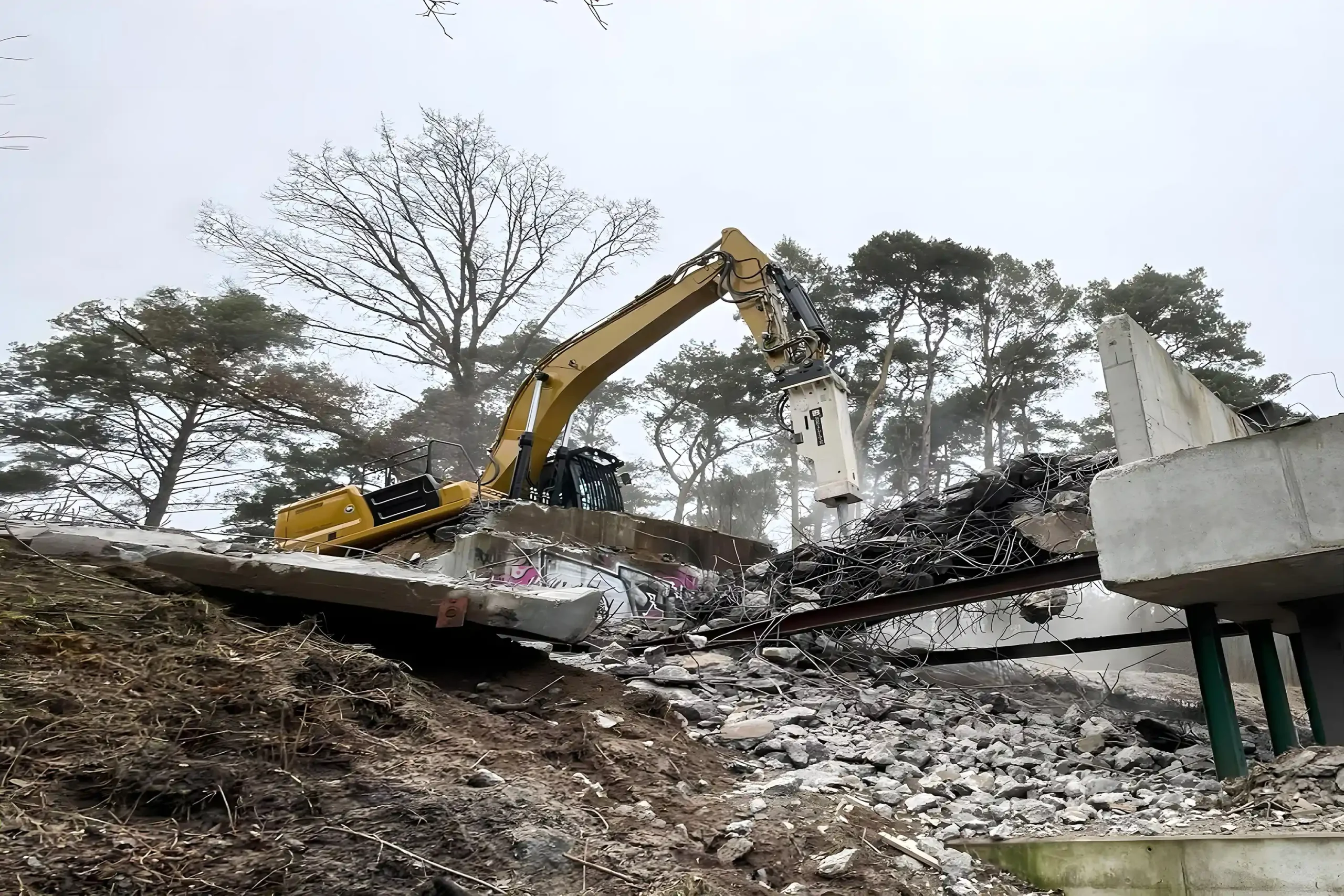
!Hydraulic Breaker for Building Demolition
 ### What Hidden Expenses Come With Importing?
The quoted price on an imported hydraulic breaker hammer represents the starting point, not the finish line. Import tariffs and taxes vary by country and product classification but commonly add 10-25% to the base cost. Customs clearance involves fees and sometimes requires specialized brokers.
International freight for heavy equipment costs more than many buyers initially estimate, particularly when fuel surcharges and handling fees accumulate. Certification requirements for local compliance may demand additional testing or documentation. Port delays happen unpredictably and extend project timelines.
Administrative overhead also adds up. Managing international purchase orders, tracking shipments across multiple carriers, and reconciling invoices in foreign currencies all consume staff time. These costs rarely appear on the original quote but affect the bottom line nonetheless.
Why Support Infrastructure Determines Uptime
A hydraulic breaker hammer generates value only when it operates. Every hour of downtime represents lost productivity and potentially missed deadlines. The support ecosystem surrounding your equipment directly affects how quickly normal operation resumes after problems arise.
Domestic suppliers typically maintain parts inventories within reasonable shipping distance. Technical assistance comes from personnel who understand local conditions and can often visit sites directly. Warranty claims process through familiar channels without international complications.
For imported equipment, essential components may need to ship from overseas facilities. Transit time alone can stretch to weeks. Customs clearance adds more uncertainty. A seal kit that would arrive overnight from a domestic supplier might take a month from an international source.
Local dealer networks provide more than parts access. They offer operator training, preventive maintenance programs, and troubleshooting expertise developed through direct experience with regional conditions. This accumulated knowledge helps prevent problems before they cause downtime.
Beilite Machinery prioritizes building robust support infrastructure precisely because we understand how support quality affects customer operations. Quick access to technical assistance and replacement parts keeps equipment productive.
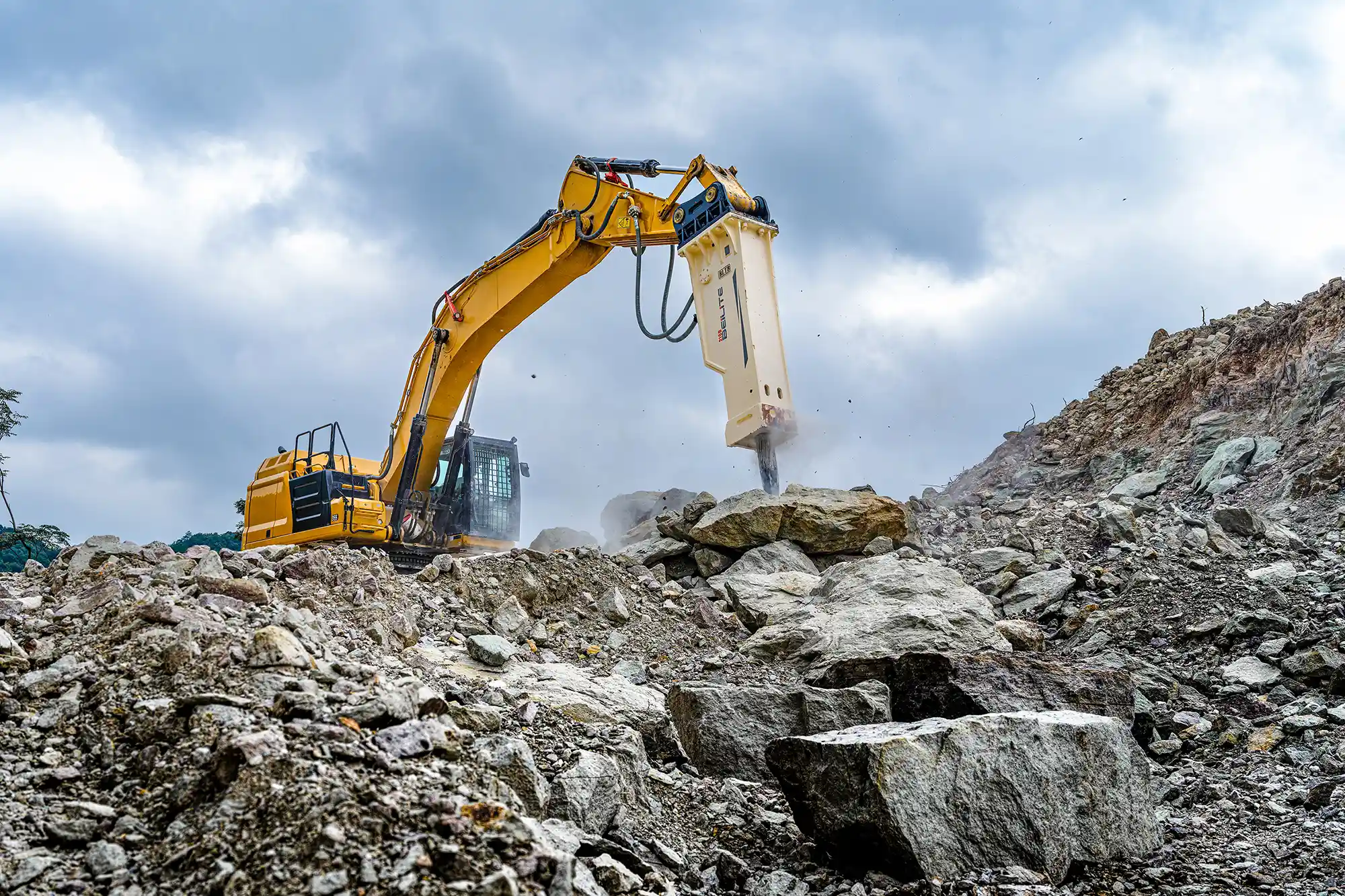
!Mining Rock Hammer
 ## Regulatory Requirements and Supply Chain Transparency
Heavy equipment procurement involves regulatory compliance that varies by jurisdiction. Safety standards, environmental requirements, and equipment certifications all require attention. Imported hydraulic breaker hammer units may need additional documentation or testing to meet local requirements.
Import compliance documentation can be complex and subject to regulatory changes. Requirements shift as governments update standards or trade policies. Staying current demands ongoing attention and sometimes specialized expertise.
Supply chain transparency matters increasingly to buyers concerned about material sourcing and manufacturing ethics. Domestic sourcing typically offers clearer visibility into production processes and material origins. International supply chains involve more intermediaries and less direct oversight.
Logistics management for international shipments requires careful planning and contingency preparation. Port congestion, carrier delays, and documentation errors all introduce risk. Domestic sourcing simplifies these logistics considerably.
Our experience exporting to over 100 countries has taught us the importance of understanding and meeting diverse international standards. This expertise informs how we approach both domestic and export production.
Matching Equipment Selection to Operational Reality
The right hydraulic breaker hammer for one operation may be wrong for another. Project requirements, usage intensity, budget constraints, and support access all influence which choice makes sense.
Operations that need immediate availability and predictable support often find domestic options align better with their priorities. Simplified logistics, direct communication with manufacturers, and stable parts pricing reduce operational uncertainty.
Specialized applications requiring specific technological features may warrant considering imported models, particularly if those features address genuine operational needs rather than specification sheet appeal. The key is ensuring the total cost of ownership justifies the premium, accounting for all the factors that affect long-term value.
A structured evaluation process helps. Define the actual performance requirements for your applications. Assess the support infrastructure available for each option under consideration. Calculate realistic total ownership costs including maintenance, parts, and potential downtime. Then compare options against criteria that reflect how your operation actually runs.
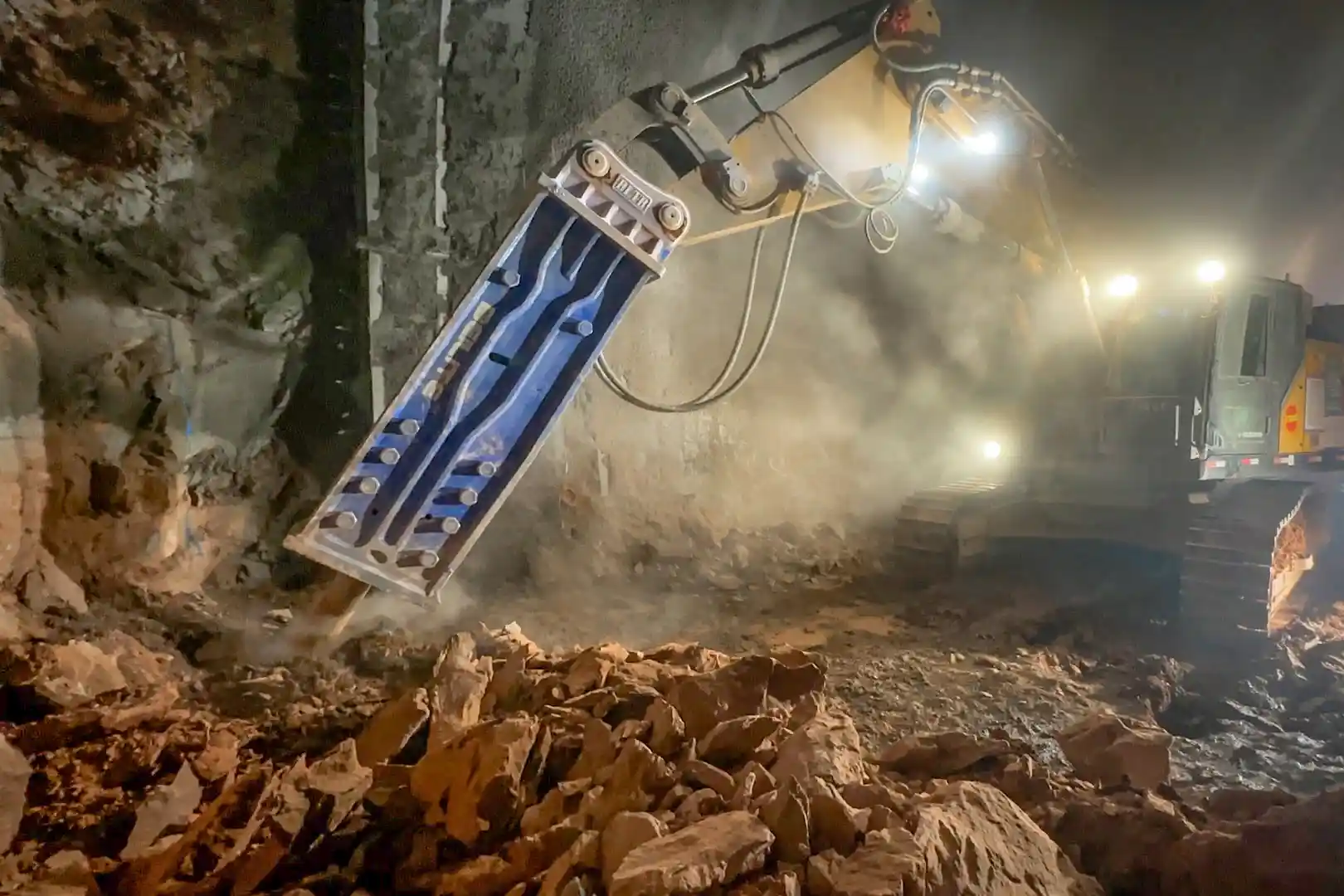
!Underground Hydraulic Hammer
 ### How Beilite Machinery Maintains Manufacturing Excellence
Quality at Beilite Machinery results from systematic processes rather than chance. Established in 2002 as a national high-tech enterprise, we have built our reputation through continuous R&D investment and rigorous production standards.
Our engineering team holds hundreds of patents covering advanced hydraulic technologies. We participate actively in formulating national standards for hydraulic breakers in China, contributing technical expertise while ensuring our products meet evolving requirements.
Every BLT and BLTB brand high-end hydraulic breaker undergoes extensive testing before shipment. We verify performance across the range of conditions our customers encounter. This testing discipline, combined with material selection and manufacturing precision, produces equipment that performs reliably over extended service life.
Our track record of exports to over 100 countries demonstrates that domestic manufacturing can meet international expectations. Customers worldwide trust our products because we earn that trust through consistent quality and responsive support.
Common Questions About Hydraulic Breaker Sourcing
What Makes Domestic Sourcing Advantageous for Many Buyers?
Domestic sourcing for a hydraulic breaker hammer typically delivers faster parts access, lower shipping costs, and simpler warranty processes. Communication with manufacturers happens without language barriers or timezone complications. Technical support arrives more quickly when problems arise. These advantages compound over the equipment’s service life, particularly for operations where minimizing downtime directly affects profitability.
How Much Do Import Duties Actually Add to Costs?
Import duties and tariffs commonly increase the total cost of an imported hydraulic breaker by 10-25% beyond the quoted price. This percentage varies by country and product classification. Additional costs include customs clearance fees, freight charges, local taxes, and administrative overhead. A thorough cost comparison must account for all these factors to accurately assess which option offers better value.
Can Domestic Manufacturers Really Match International Performance Standards?
Domestic manufacturers who invest seriously in R&D and quality control produce high-end hydraulic breakers that meet or exceed international performance benchmarks. Beilite Machinery’s participation in national standard-setting reflects our commitment to manufacturing excellence. Our products compete successfully in over 100 countries against established international brands. Geographic origin matters less than engineering discipline and quality commitment.
Work With Beilite Machinery
BEILITE Machinery Co., Ltd. has focused on high-end hydraulic breaker R&D and manufacturing since 2002. Our breakthroughs in core technologies, active role in national standards development, and successful exports to over 100 countries reflect what our BLT and BLTB brands deliver: reliable performance backed by genuine expertise.
Reach out to discuss how our hydraulic breaker hammer solutions might fit your operational requirements. Contact us at [email protected] or 40008-40008.