 English
 French
Hydraulic Breaker for Skid Steer: Maximize Jobsite Efficiency
Skid Steer Hydraulic Breakers: Selection, Operation, and Performance
When you first see a skid steer hydraulic breaker tear through reinforced concrete, the efficiency is almost startling. What would take a crew with jackhammers an entire shift gets done in a fraction of the time. These demolition attachments have fundamentally changed how compact equipment handles breaking work, and getting the selection and operation right makes a measurable difference in project timelines and equipment longevity.
How Skid Steer Hydraulic Breakers Actually Work
A skid steer hydraulic breaker functions as a percussion hammer that converts your machine’s hydraulic flow into concentrated impact energy. The mechanics are straightforward but effective: a nitrogen chamber stores energy while a piston drives a chisel in rapid succession. Each strike delivers substantial force to fracture concrete, rock, or asphalt.
The operational advantages over manual methods become obvious quickly. Hydraulic breakers eliminate the physical toll that jackhammers take on workers while delivering significantly more power. One operator in a climate-controlled cab can outproduce several workers with handheld equipment, and the consistency of machine-driven impacts means more predictable breaking patterns.
We engineer our hydraulic breaker Hammer products for demanding conditions where durability directly affects project costs. The nitrogen accumulator design absorbs shock that would otherwise transfer to the carrier machine, protecting both the attachment and the skid steer’s hydraulic system.
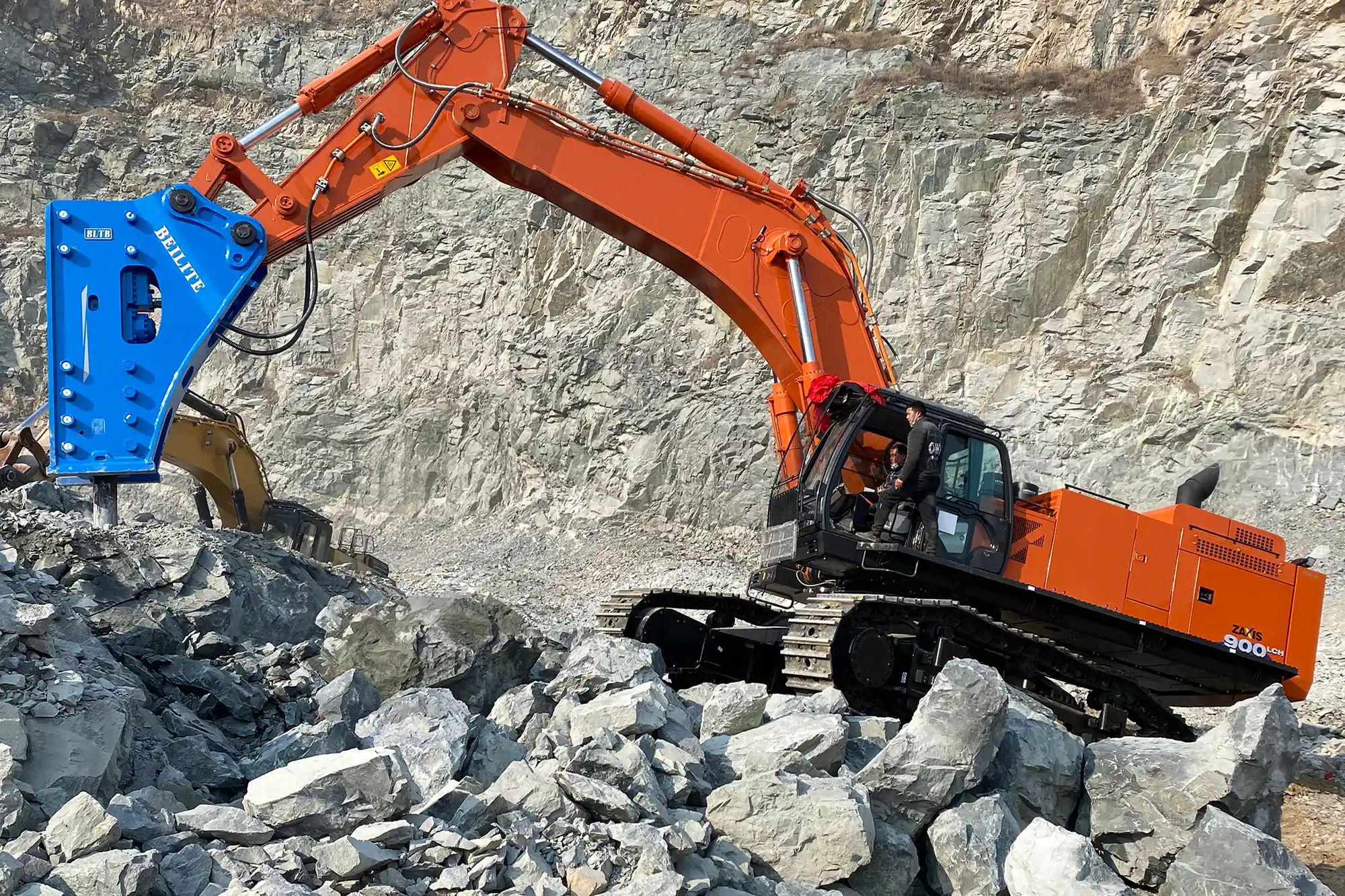
Hydraulic Breaker vs. Manual Methods: A Performance Comparison
| Feature | Hydraulic Breaker (Skid Steer) | Manual Jackhammer |
|---|---|---|
| Power Output | High impact energy | Moderate impact energy |
| Efficiency | Rapid material breakdown | Slower, labor-intensive |
| Operator Fatigue | Low, machine-operated | High, physically demanding |
| Versatility | Concrete, rock, asphalt | Primarily concrete |
| Safety | Enhanced, operator protected | Higher risk of injury |
Matching a Hydraulic Breaker to Your Skid Steer
The relationship between breaker size and carrier machine matters more than most operators initially realize. An undersized breaker wastes time. An oversized one risks damaging your skid steer’s hydraulic system or frame. The match depends on operating weight, hydraulic flow capacity, and working pressure.
Our BLT and BLTB product lines cover the full range of compact carriers, from mini skid steers to larger tracked loaders. Each model specifies compatible carrier weights and hydraulic requirements, taking the guesswork out of selection. We back these products with warranty coverage that reflects our confidence in their performance.
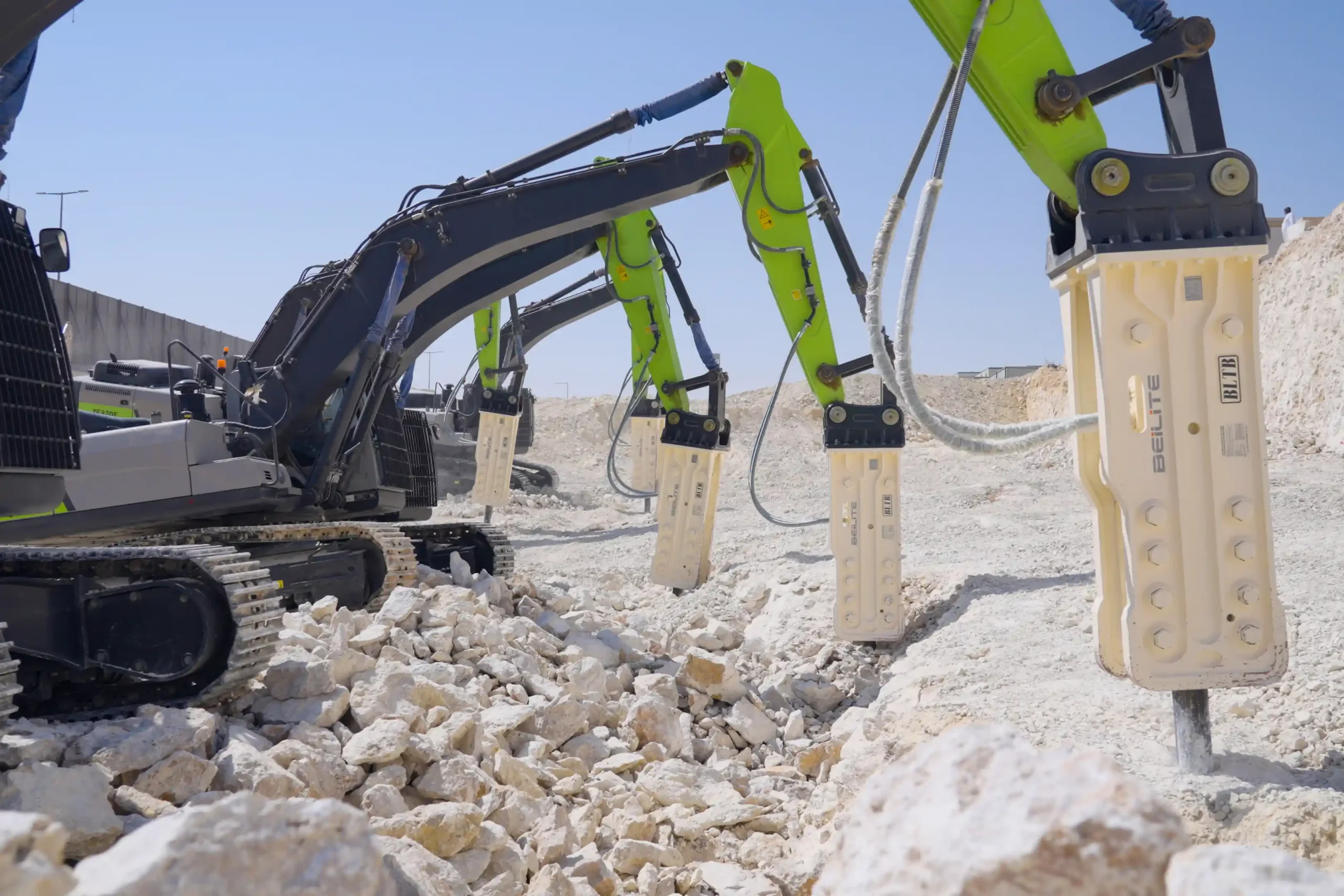
What Size Hydraulic Breaker Fits Your Skid Steer
Start with your skid steer’s specifications: operating weight, hydraulic flow rate, and system pressure. These numbers determine your compatible range. A 1-ton skid steer paired with a breaker designed for 5-ton excavators creates problems, from excessive vibration to potential hydraulic damage.
Our BLT-series classification simplifies this process. The BLT-40 and BLT-45 models suit smaller carriers in the 0.5 to 1.5 ton range, while the BLT-53 handles mid-range machines up to 3.5 tons. The chisel diameter increases with breaker size, matching the impact energy to appropriate material volumes.
BEILITE Hydraulic Breaker Selection Guide for Compact Carriers
| Model | Compatible Carrier Weight (t) | Operating Oil Flow (L/min) | Chisel Diameter (mm) |
|---|---|---|---|
| BLT-40 | 0.5 – 1.2 | 15 – 30 | 40 |
| BLT-45 | 0.8 – 1.5 | 20 – 40 | 45 |
| BLT-53 | 1.5 – 3.5 | 20 – 50 | 53 |
Getting the Most from Your Skid Steer Hydraulic Breaker
Equipment longevity comes down to consistent maintenance habits. Daily inspections should cover hydraulic line condition, chisel wear, and mounting pin security. These checks take minutes but catch problems before they become expensive repairs.
The nitrogen charge in the accumulator requires periodic verification. Low nitrogen pressure reduces impact efficiency and transfers more shock to the carrier machine. Most operators check this monthly, though heavy-use applications may warrant more frequent monitoring.
Proper breaking technique affects both productivity and equipment life. Holding the breaker at an angle rather than perpendicular to the surface reduces blank firing, which occurs when the chisel breaks through material and strikes air. Blank firing accelerates wear on internal components.
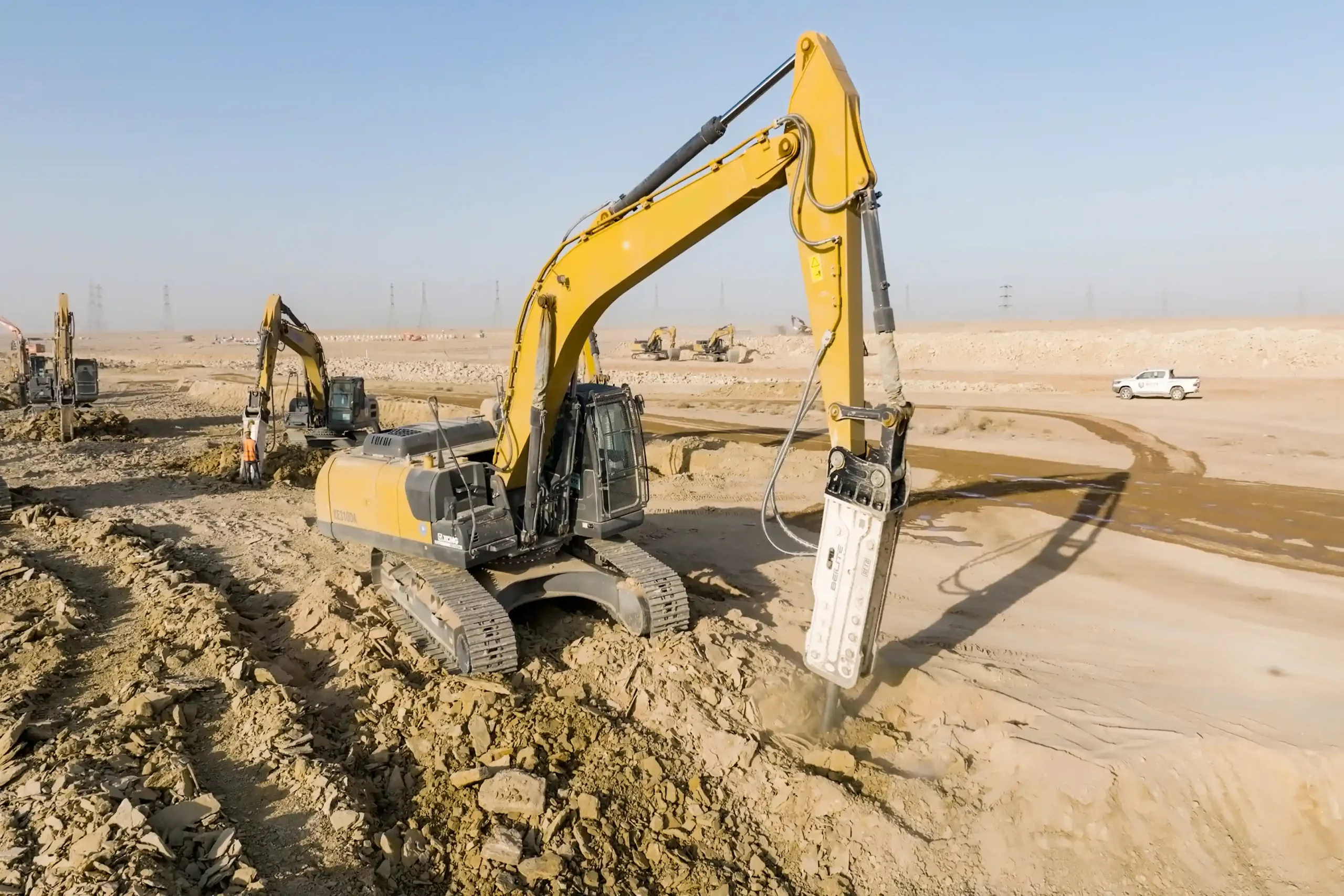
Service Intervals That Protect Your Investment
Usage intensity drives maintenance frequency more than calendar time. For typical construction applications, daily lubrication and visual inspection form the baseline. Every 50 to 100 operating hours, a more thorough service should include hydraulic fluid analysis, nitrogen pressure verification, and detailed wear measurement on bushings and pins.
The operator’s manual specifies exact intervals for your model. Following these recommendations prevents the gradual performance decline that operators sometimes attribute to normal aging but actually indicates deferred maintenance.
Where Skid Steer Hydraulic Breakers Deliver Results
Concrete removal remains the primary application, from foundation demolition to pavement breaking. The compact footprint of skid steer carriers allows access to spaces where larger excavators cannot operate, making these attachments particularly valuable for urban work and interior demolition.
Rock excavation for utility trenching and site preparation represents another major use case. While hydraulic breakers cannot match the production rates of larger rock-breaking equipment, their ability to work in confined areas and on finished surfaces makes them the practical choice for many projects.
The Hydraulic Breaker for Municipal Engineering,Urban Road & Utility Works sees heavy use in infrastructure maintenance, where working around existing utilities and minimizing surface damage matters as much as breaking speed.
The return on investment calculation favors hydraulic breakers when you account for labor costs. A single operator with a skid steer breaker replaces multiple workers with jackhammers while completing work faster. Our Hydraulic Breaker Hammer for Demolition&Rock Breaking solutions are built to maintain that productivity advantage over years of service.
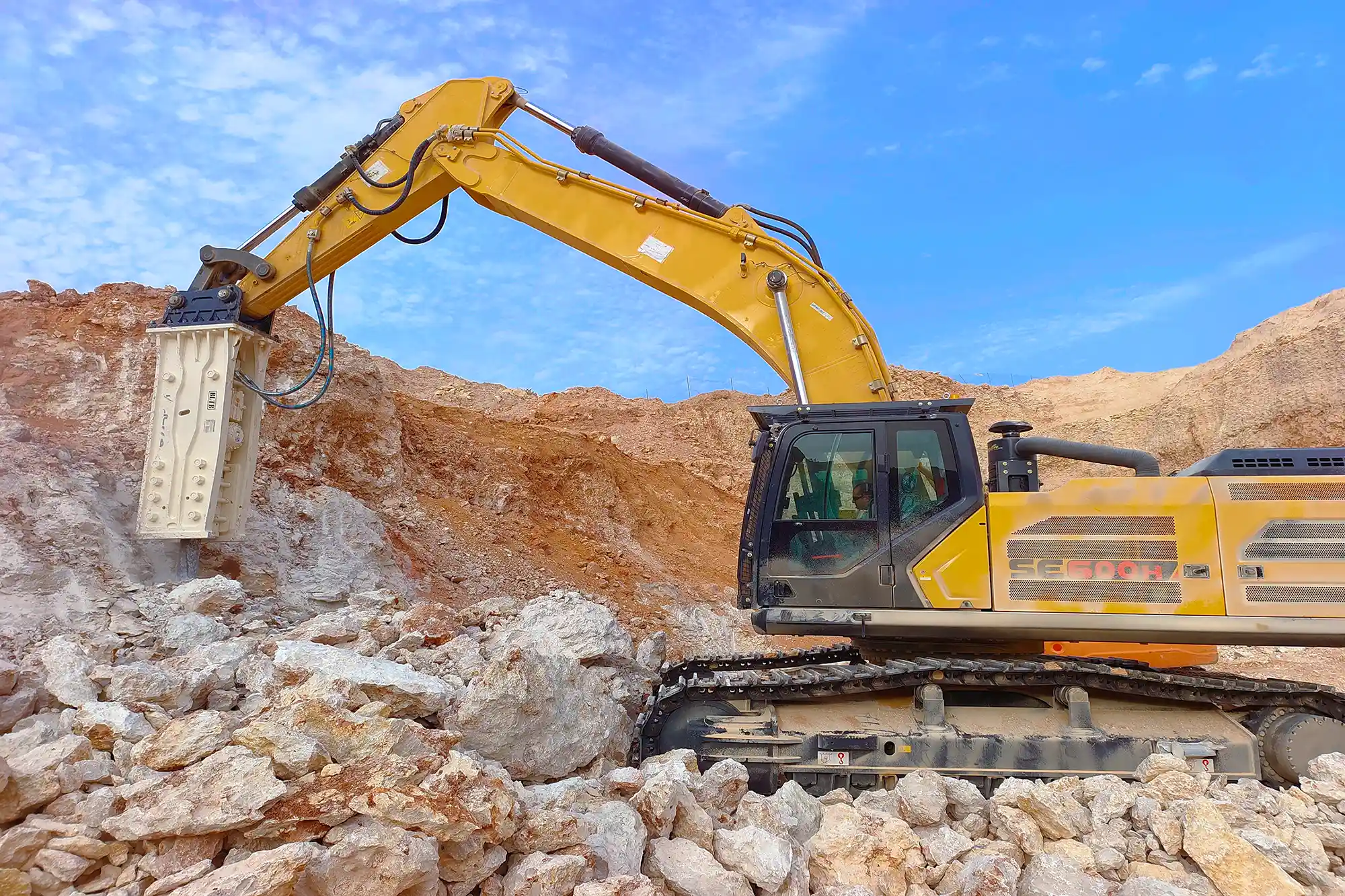
Common Applications for Skid Steer Hydraulic Breakers
Beyond standard concrete and asphalt breaking, these attachments handle frozen ground in cold-weather excavation, light rock removal during site preparation, and selective demolition in renovation projects. The ability to work in tight spaces makes them effective for interior work where protecting adjacent structures matters.
Foundation removal, utility trenching through rock, and road repair all benefit from the combination of breaking power and carrier maneuverability that skid steer hydraulic breakers provide.
Advances in Hydraulic Breaker Engineering
BEILITE Machinery Co., LTD has manufactured hydraulic breakers since 2002, accumulating hundreds of patents and contributing to national standards development. This engineering focus produces measurable improvements in impact efficiency and service life.
Current breaker designs incorporate energy recovery systems that capture rebound energy for the next stroke, reducing hydraulic demand while maintaining impact power. Auto-lubrication systems extend maintenance intervals and reduce the risk of dry-running damage.
Sound suppression technology addresses jobsite noise requirements, while dust suppression features improve working conditions. Smart sensors now enable remote monitoring of operating parameters, supporting predictive maintenance programs that prevent unplanned downtime.
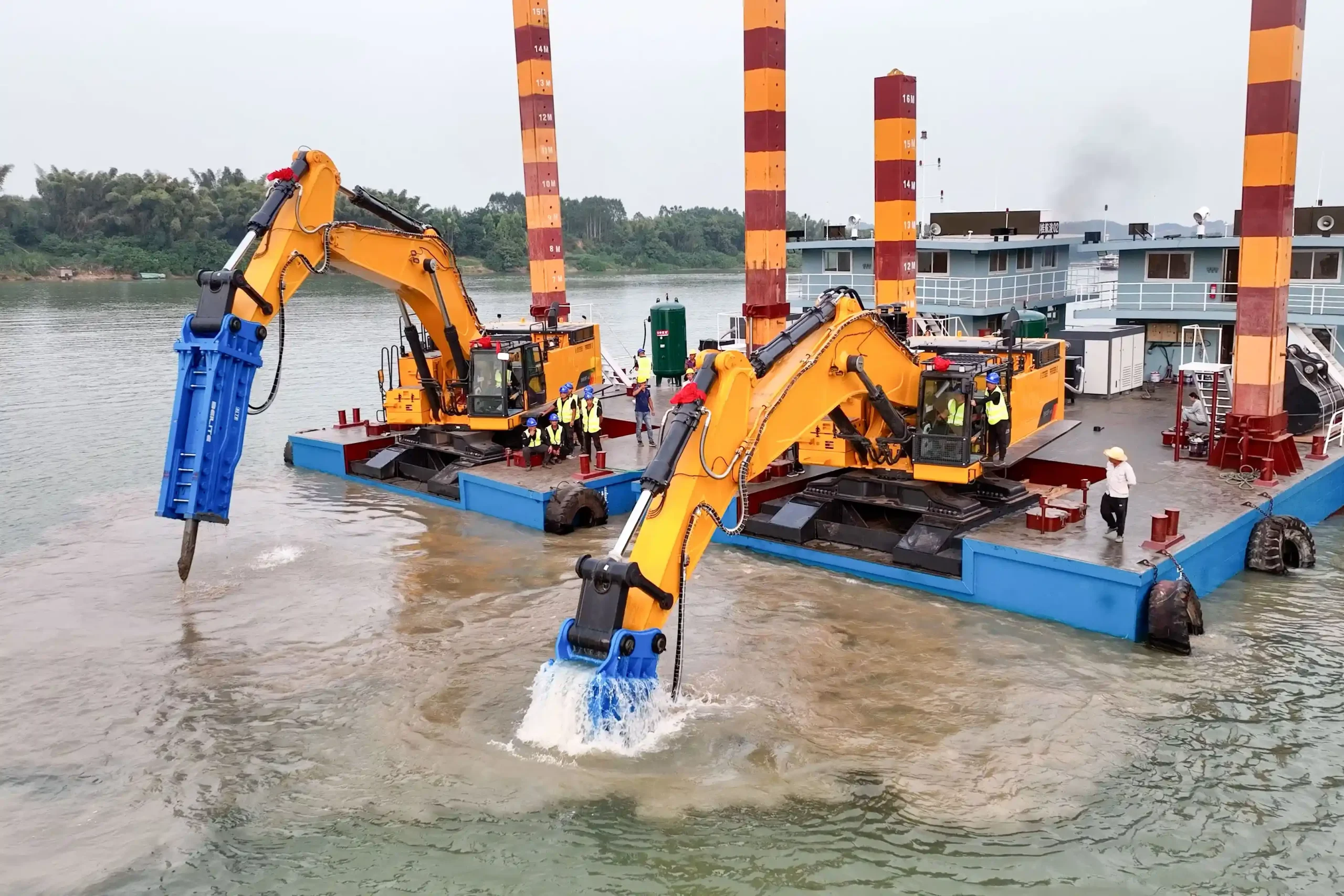
Our BLT and BLTB brands serve applications ranging from standard demolition to specialized work, including Hydraulic Breaker Hammer for Underwater Construction where corrosion resistance and sealed components become critical.
Frequently Asked Questions About Skid Steer Hydraulic Breakers
How do I ensure my hydraulic breaker is compatible with my skid steer?
Match three specifications: operating weight, hydraulic flow rate, and system pressure. Your skid steer’s manual lists these values, and breaker specifications indicate acceptable ranges. The mounting system must also align, whether universal skid steer quick-attach or a specific bracket configuration. Mismatched hydraulics cause poor performance at best and equipment damage at worst.
What are the signs that my hydraulic breaker needs servicing?
Reduced impact power is the most common indicator, often accompanied by slower cycle rates or inconsistent striking. Unusual noise during operation, excessive vibration, or visible hydraulic leaks warrant immediate attention. A drop in nitrogen pressure shows up as weaker impacts and more felt recoil in the carrier machine. Any of these symptoms mean stopping work and inspecting the attachment before continuing.
Can hydraulic breakers be rented for short-term projects?
Rental makes sense for occasional use or projects outside your normal scope. Most equipment rental companies stock multiple breaker sizes to match different carriers. For regular breaking work, ownership typically proves more economical, and you maintain control over maintenance history and operating condition. The decision depends on your project frequency and budget structure.
Work with BEILITE on Your Next Project
BEILITE Machinery Co., LTD brings two decades of hydraulic breaker manufacturing experience to every product. Our BLT and BLTB brands serve contractors worldwide who need reliable breaking performance in demanding conditions. Whether you need guidance on breaker selection or want to discuss specific application requirements, our team can help. Reach us at [email protected] or call 40008-40008 to start the conversation.