 English
 French

Hydraulic Breaker Control Valve Precision for Peak Performance
The hydraulic breaker control valve determines whether your breaker hits hard and fast or struggles through every job. I’ve seen operators blame the piston, the nitrogen charge, even the carrier’s hydraulics—when the real culprit was a valve that couldn’t keep up with the demands of the application. This component directs hydraulic fluid with split-second precision, orchestrating piston movement to deliver consistent, forceful impacts. When the valve performs as designed, you get maximum productivity, lower energy consumption, and equipment that lasts through punishing conditions.
How the Hydraulic Breaker Control Valve Actually Works
The hydraulic breaker control valve functions as the command center for the entire attachment, managing complex fluid flow patterns that most operators never see. Within the hydraulic circuit design, this valve block assembly orchestrates the rapid cycling that breaking operations demand—sometimes hundreds of blows per minute.
A spool valve controls direction and volume of oil, converting hydraulic power into kinetic energy at the piston face. The valve regulates oil flow rate and pressure with remarkable precision, directing fluid to specific chambers within the breaker housing. This action drives the piston through its stroke cycle, generating the impact force that fractures rock and concrete.
Different hydraulic hammer valve components contribute to this precision in distinct ways. A directional control valve guides fluid paths between extend and retract circuits. A flow control valve manages oil volume, which directly affects blow frequency. These elements work together so the breaker responds instantaneously when the operator engages the pedal. The internal passages and sealing surfaces within these valves influence responsiveness and overall performance more than most people realize. Precision engineering in these components is what separates reliable function from chronic problems in harsh working conditions.
Why Valve Performance Determines Impact Energy and Efficiency
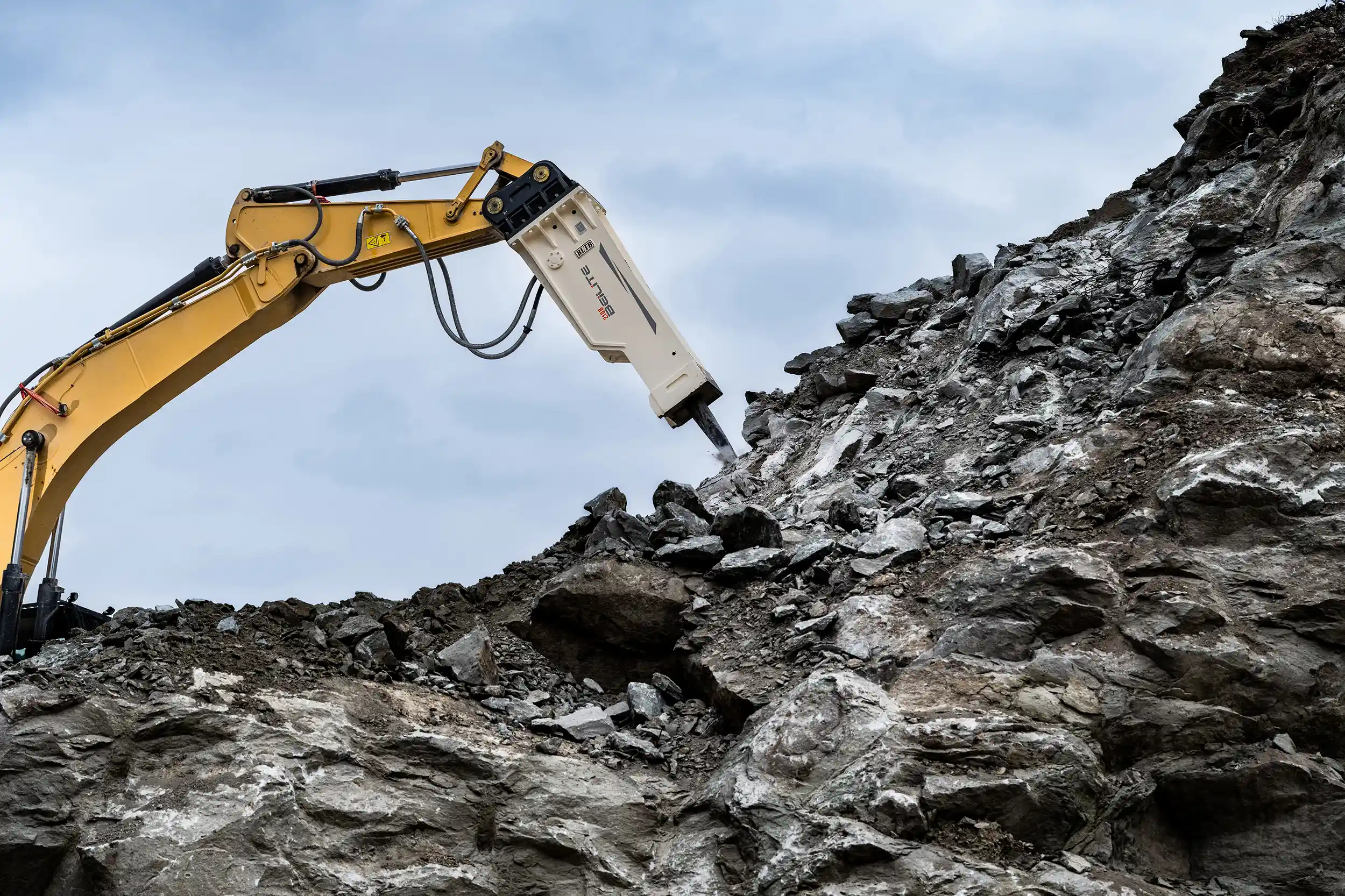
The hydraulic breaker control valve’s precision directly dictates how much energy reaches the working end of your breaker. Accurate system pressure regulation keeps the breaker operating within optimal parameters, preventing energy loss through heat and maximizing power delivery to the chisel point. Consistent impact energy matters for effective material breakdown, whether you’re processing ore in a mine, dropping a concrete structure, or sizing boulders in a quarry.
The valve manages rapid pressure fluctuations and high flow rate demands that would overwhelm lesser components. Every cycle involves pressure spikes and flow reversals that stress internal sealing surfaces.
When valves function poorly, the symptoms show up quickly: inconsistent blows, reduced breaker efficiency, elevated operating pressure that accelerates wear on seals and bearings throughout the system. Effective cavitation prevention within the valve also extends hydraulic system life by eliminating the micro-implosions that erode metal surfaces over time.
Beilite’s engineering focuses on performance optimization through superior valve design. Each impact should deliver maximum force, which translates directly into higher productivity and lower operational costs. The valve’s ability to maintain stable operating pressure under varying loads—from soft clay to hard granite—separates high-performance breakers from equipment that struggles when conditions change.
Recognizing and Solving Common Valve Problems
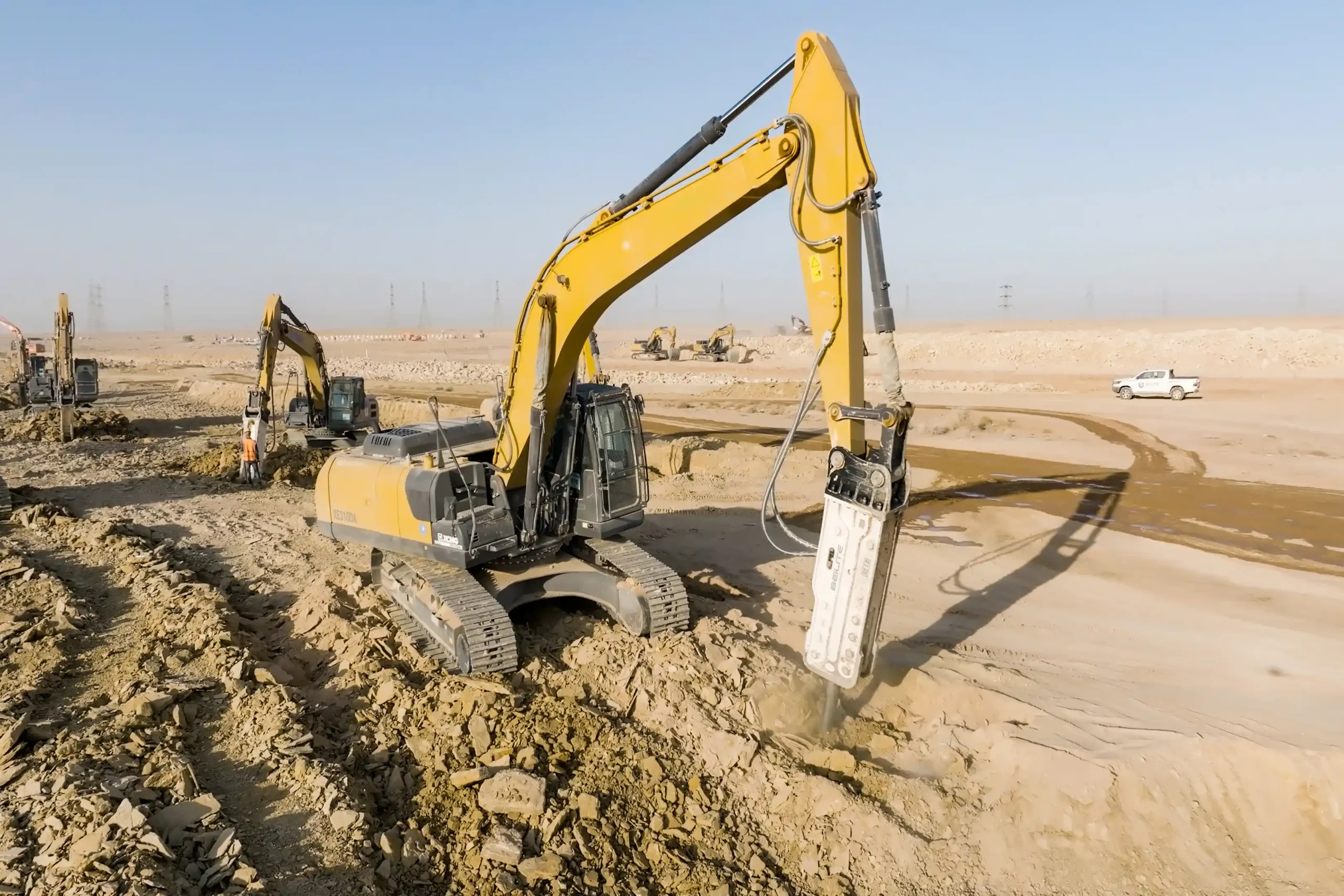
Identifying and resolving issues with the hydraulic breaker control valve keeps your equipment working instead of sitting idle. Common control valve failure symptoms include reduced impact power, erratic operation, or excessive heat generation at the valve block. Regular hydraulic system diagnostics catch problems before they cascade into major repairs.
Valve wear diagnosis typically involves checking for internal leakage or sticking spools. When a spool doesn’t shift cleanly, the breaker may hesitate or fire inconsistently. Contamination from hydraulic fluid remains a leading cause of valve malfunction—particles as small as 10 microns can score precision-machined surfaces and compromise sealing.
Overheating issues often indicate internal friction from worn components or improper pressure settings that force the valve to work harder than designed. Addressing these problems promptly prevents damage to connected components and avoids the cost of replacing multiple parts.

How do I troubleshoot a malfunctioning hydraulic breaker control valve?
Start with the basics and work toward more complex diagnostics:
- Check hydraulic fluid levels and quality: Fluid should be clean and at the correct level. Dark or milky fluid indicates contamination or water intrusion.
- Inspect for external leaks: Look for oil seepage around the valve block assembly, particularly at connection points and seal interfaces.
- Monitor operating pressure: Verify readings align with manufacturer specifications. Pressure that’s too high or too low both cause problems.
- Observe breaker performance: Document any reduced impact energy, slow cycles, or unusual noises during operation.
- Examine for physical damage: Check for visible wear or scoring on the valve body and mounting surfaces.
These steps help identify common failure modes and guide repair decisions.
What are the key differences between various types of hydraulic control valves?
Hydraulic systems use several control valve types, each serving distinct functions. A spool valve, common in hydraulic hammer designs, directs fluid flow by shifting a cylindrical element within a machined bore. A directional control valve guides fluid to different circuit branches, initiating or stopping motion as needed.
Pressure relief valve components protect the system from over-pressurization by diverting excess fluid when limits are exceeded. Flow control valve mechanisms regulate fluid movement rate, which controls actuator speed and, in breaker applications, blow frequency. Understanding these valve types and their interactions is essential for proper hydraulic circuit design and effective maintenance.
Engineering That Survives Demanding Conditions
Beilite’s approach to control valve engineering prioritizes durability and extended service life through material science and precision manufacturing. As a national high-tech enterprise, we apply decades of innovation and hundreds of patents to design and production processes that deliver measurable performance advantages.
Material selection for valves involves high-strength alloys and advanced surface treatments that resist wear and corrosion even in extreme working conditions. Mining applications expose valves to abrasive dust infiltration. Demolition sites subject them to shock loads and temperature swings. Quarry operations demand sustained high-cycle performance day after day.
Precision machining with tolerances measured in microns guarantees optimal fit and function for every component. When a spool fits its bore with exactly the right clearance, leakage stays minimal and response stays crisp. Too tight, and the valve sticks. Too loose, and efficiency drops.
Advanced design principles focus on fluid dynamics and stress distribution to enhance long-term reliability. This engineering depth differentiates OEM components from aftermarket alternatives that may fit physically but lack the performance characteristics that demanding applications require. Our hydraulic breaker control valve designs maintain attachment compatibility across equipment ranging from compact excavators to large mining machines.
Maintenance Practices That Extend Valve Life
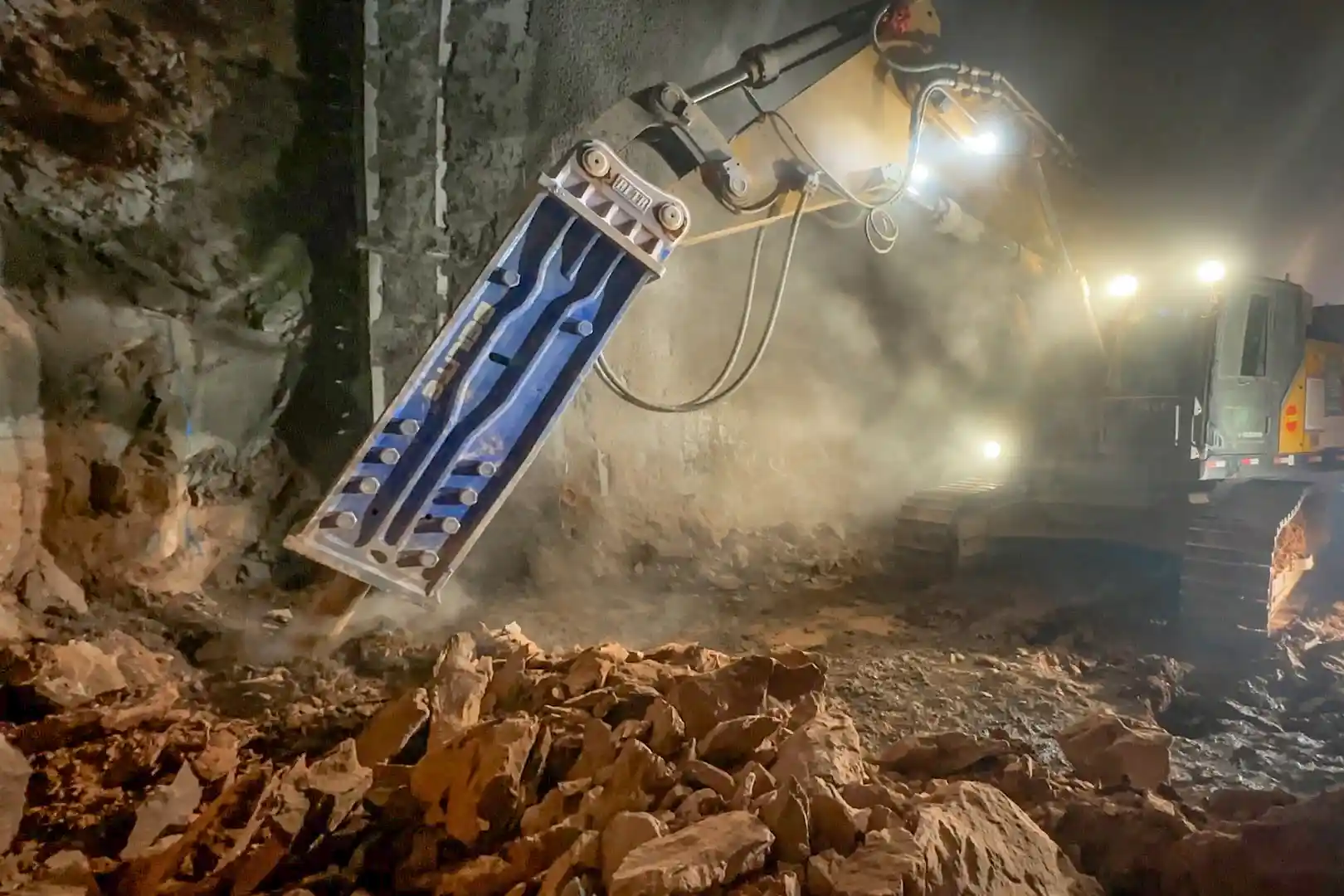
Strategic maintenance protects your investment and keeps breakers performing at full capacity. Regular preventative maintenance—including fluid analysis, filter changes, and visual inspections—prevents premature valve wear that leads to expensive repairs.
The repair versus replacement decision depends on damage extent and cost-effectiveness. Minor issues like external seal leaks often respond well to rebuild kits. Significant internal wear, scoring on spool surfaces, or structural damage to the valve body usually means replacement delivers better long-term value than attempting repairs.
A consistent maintenance schedule reduces unexpected breakdowns and the operational costs that come with unplanned downtime. Equipment sitting idle while waiting for parts costs money every hour.
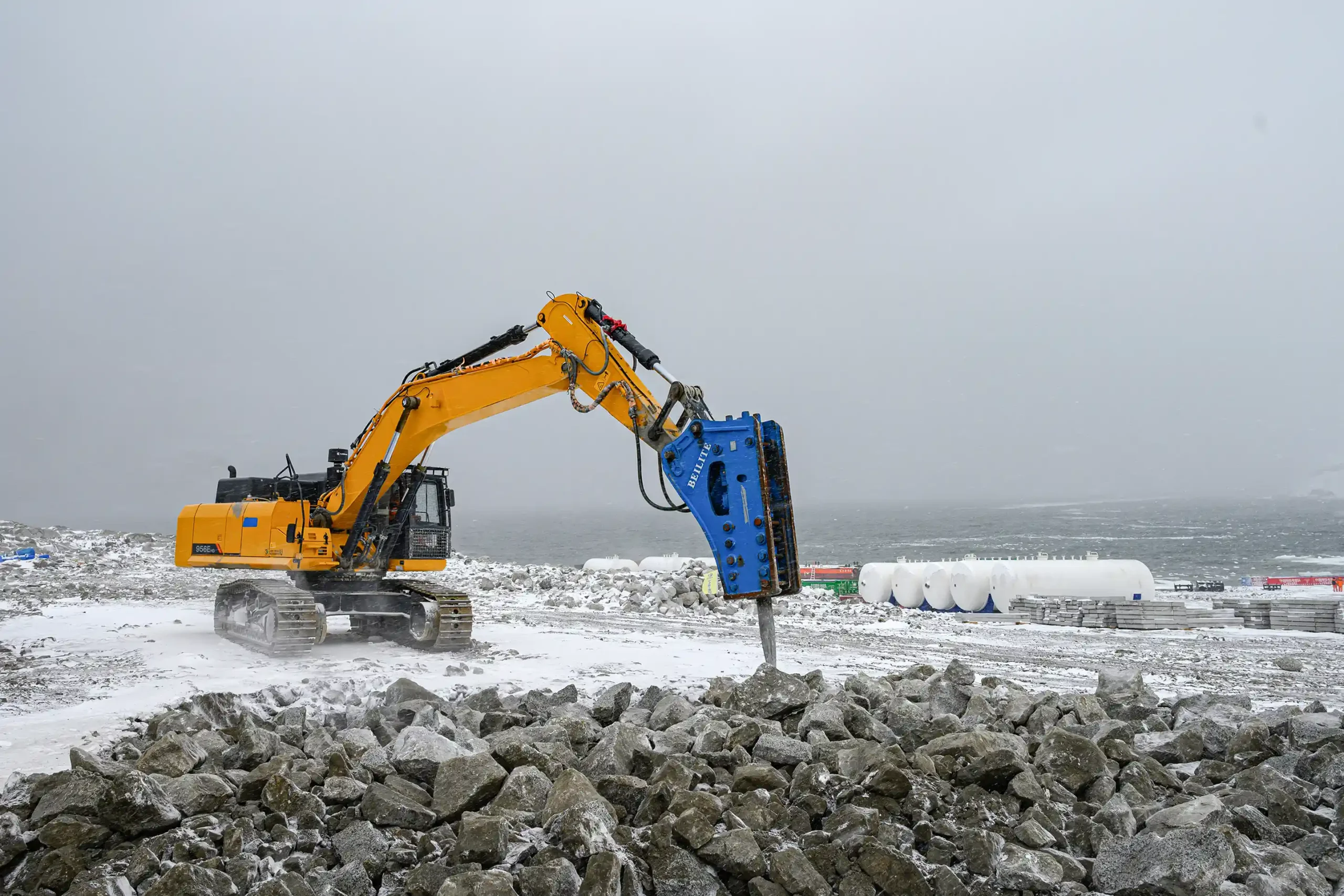
Our BLT series control valves reflect this commitment to quality across the full range of excavator sizes. The BLT-40 serves 0.5-1.2 ton excavators with flow requirements of 15-30 L/min. The BLT-155 handles 27-33 ton machines demanding 180-240 L/min. Each size requires specific maintenance considerations matched to its operating parameters.
Investing in quality valves and following a disciplined maintenance regimen yields substantial returns by extending service life across your entire hydraulic breaker system.
| Model | Applicable Excavator (t) | Working Oil Flow (L/min) | Working Pressure (bar) |
|---|---|---|---|
| BLT-40 | 0.5–1.2 | 15–30 | 90–120 |
| BLT-75 | 6–8.5 | 50–90 | 120–150 |
| BLT-125 | 14–18 | 90–120 | 150–170 |
| BLT-155 | 27–33 | 180–240 | 200–220 |
How often should hydraulic breaker valves be inspected or replaced?
Inspection frequency depends on usage intensity and operating conditions. Heavy-duty applications—mining, continuous demolition, high-production quarrying—warrant monthly inspections. General construction use typically allows quarterly checks without significant risk.
Replacement timing isn’t fixed by calendar or hours alone. Wear indicators like reduced performance, increased leakage, or diagnostic fault codes should drive the decision. Proactive measures, particularly maintaining clean hydraulic fluid and changing filters on schedule, extend service life significantly beyond what neglected equipment achieves. Always consult your breaker’s operational manual for specific guidelines and wear limits applicable to your model.
Frequently Asked Questions about Hydraulic Breaker Control Valves
What are the primary functions of a hydraulic breaker control valve?
The hydraulic breaker control valve regulates flow and pressure of hydraulic fluid to activate the piston and generate impact energy. It manages the extension and retraction cycle, ensuring efficient and consistent breaking force. Without precise valve function, the breaker cannot deliver its rated performance regardless of how well other components are maintained.
How does hydraulic fluid contamination affect the control valve’s performance?
Contamination from dirt, debris, or degraded oil causes internal wear, sticking spools, and reduced pressure regulation. The result shows up as decreased impact power, overheating, and accelerated system failure. Particles too small to see with the naked eye can score precision-machined surfaces and compromise sealing. Regular fluid analysis and filtration maintenance are the most cost-effective ways to protect valve longevity.
Why is choosing a high-quality control valve important for hydraulic breaker longevity?
A quality hydraulic breaker control valve ensures precise operation, optimal pressure management, and superior durability under demanding conditions. Inferior valves lead to inconsistent performance, excessive wear on connected components, frequent breakdowns, and shortened overall service life. The cost difference between quality and budget components is small compared to the downtime and repair expenses that poor valves generate over their service life.
Can a hydraulic breaker control valve be repaired, or does it always need replacement?
The repair-or-replace decision depends on damage extent and economics. Minor issues like external seal leaks often respond well to rebuild kits when performed by qualified technicians. Significant internal wear, scoring on spool surfaces, or structural damage to the valve body typically makes replacement the better choice for restoring optimal performance and ensuring long-term reliability.
What are the signs that my hydraulic breaker control valve might be failing?
Watch for reduced impact energy, inconsistent or slow breaking cycles, excessive heat generation at the valve block, unusual noises during operation, or oil leakage around valve connections. Any of these symptoms warrants investigation before the problem spreads to other system components. Early diagnosis and intervention prevent the kind of cascading failures that turn a simple valve issue into a major overhaul.
Partner with BEILITE for Reliable Breaker Performance
As a national high-tech enterprise with decades of innovation and hundreds of patents, BEILITE Machinery Co., LTD engineers hydraulic breaker components that meet demanding performance and reliability standards. Our BLT and BLTB series control valves serve applications from compact utility work to heavy mining operations. Contact our technical team for solutions matched to your specific equipment and application requirements. Reach us at 40008-40008 or [email protected].