 English
 French

Hydraulic Breaker Back Head: Critical Design & Performance
The hydraulic breaker back head sits at the heart of every hammer’s performance. Get this component wrong, and you’ll feel it in every weak blow, every unexpected shutdown, every premature seal failure. I’ve seen operators blame their chisels or suspect their carrier’s hydraulics when the real culprit was a compromised back head all along. This piece controls how energy moves through the system, and that makes it worth understanding properly.
What Makes Up a Hydraulic Breaker Back Head Assembly
The back head assembly is a precision-engineered unit that does more than just cap off the breaker. It typically houses the nitrogen accumulator, which stores energy between strokes. This accumulator consists of a gas chamber separated by a flexible diaphragm containing pressurized nitrogen gas. The valve block sits adjacent, controlling hydraulic fluid flow with tight timing. Seal kits run throughout the assembly, preventing leaks and maintaining the internal pressures that make consistent impact possible.
Through bolts secure the entire hydraulic breaker back head to the cylinder bore and front head. These fasteners take tremendous cyclic loads, so their material grade and torque specifications matter. The back head works directly with the piston assembly, guiding its movement and facilitating impact generation. Material selection for these wear parts determines whether you get years of service or months of frustration.
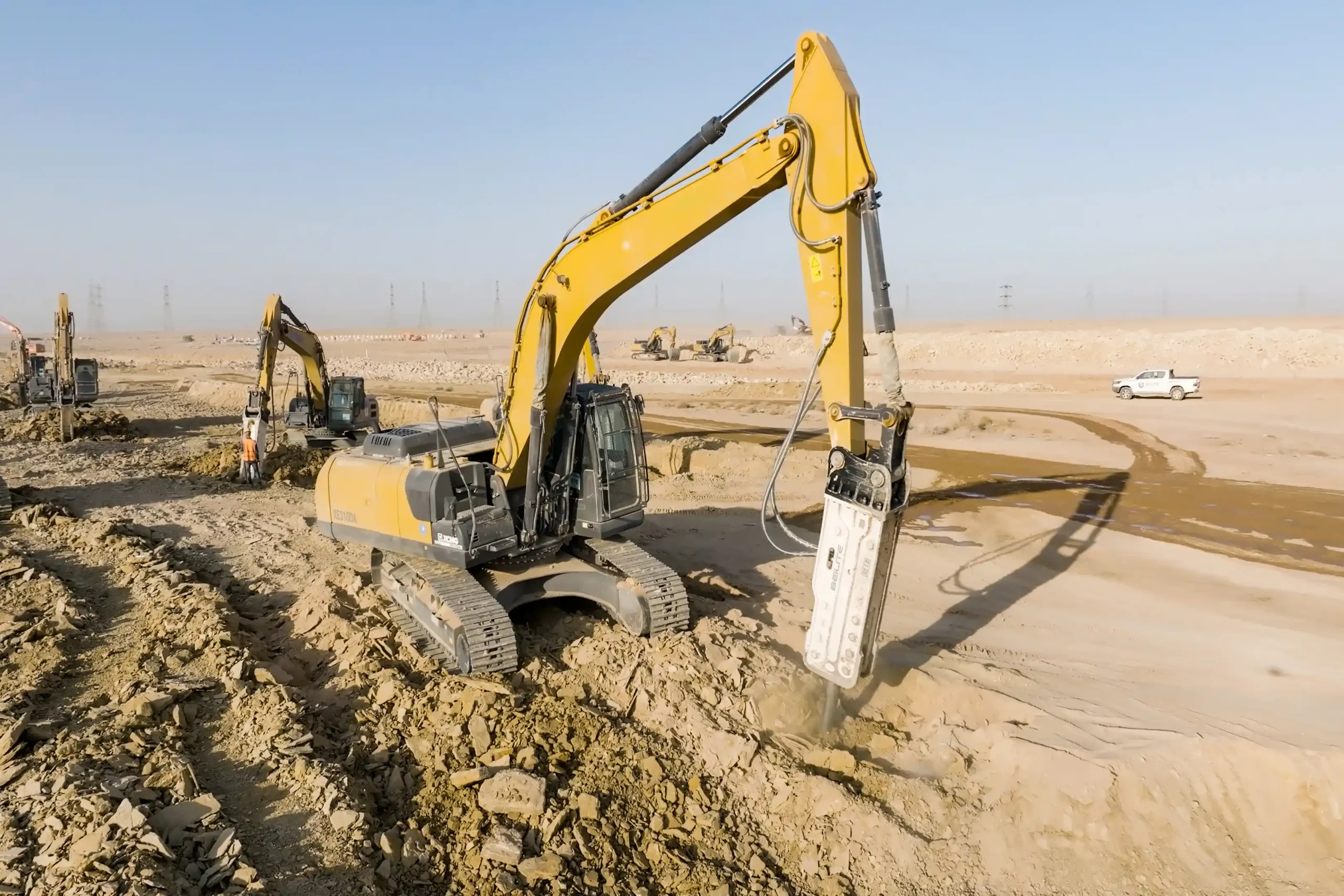
How the Back Head Drives Impact Force
The hydraulic breaker back head plays a central role in the energy transfer system. Hydraulic fluid flows from the excavator into the breaker, and the back head’s internal valve block directs this flow with precise timing. A portion of the hydraulic energy gets stored within the nitrogen accumulator, which uses a nitrogen gas charge to compress and release energy in sync with the piston cycle.
This accumulator function enhances the piston’s downward stroke, maximizing the force delivered to the chisel. The operating pressure and flow rate, both managed through the back head, determine impact frequency and overall breaker efficiency. Beilite Machinery’s BLT series demonstrates what optimized energy transfer looks like in practice. Our patented technology focuses on this energy optimization, ensuring breakers meet hydraulic system requirements for effective rock breaking and demolition work.
Design Choices That Determine Breaker Output
Specific design decisions in a hydraulic breaker back head show up directly in operational results. Material specifications matter first. High-strength alloy steels resist fatigue and handle the cyclic stresses that would crack lesser materials. Manufacturing tolerances come next. Tight tolerances minimize internal wear and keep seals effective longer.
The geometry of internal passages affects how smoothly hydraulic fluid moves through the system. Accumulator type and sizing influence power output and operational stability. Advanced back head designs also integrate vibration reduction and sound suppression features, which improve operator comfort during long shifts. Beilite’s R&D work focuses on these details because they separate reliable equipment from equipment that disappoints.
Maintenance Practices That Extend Back Head Service Life
Proactive maintenance keeps a hydraulic breaker back head performing and prevents the expensive failures that come from neglect. Routine gas pressure testing of the nitrogen accumulator should be standard practice. The diaphragm replacement schedule needs to follow manufacturer recommendations or operational hours, since a compromised diaphragm leads to noticeable performance degradation.
Periodic seal kit replacement prevents hydraulic fluid leaks and maintains the internal pressures that drive consistent impact. Operators should follow greasing point schedules to keep all moving parts adequately lubricated. Regular wear parts inspection and adherence to service intervals catch problems before they become major failures. These operational practices reduce cost of ownership significantly. Beilite technical support provides detailed guidance on these maintenance procedures for all our breaker models.
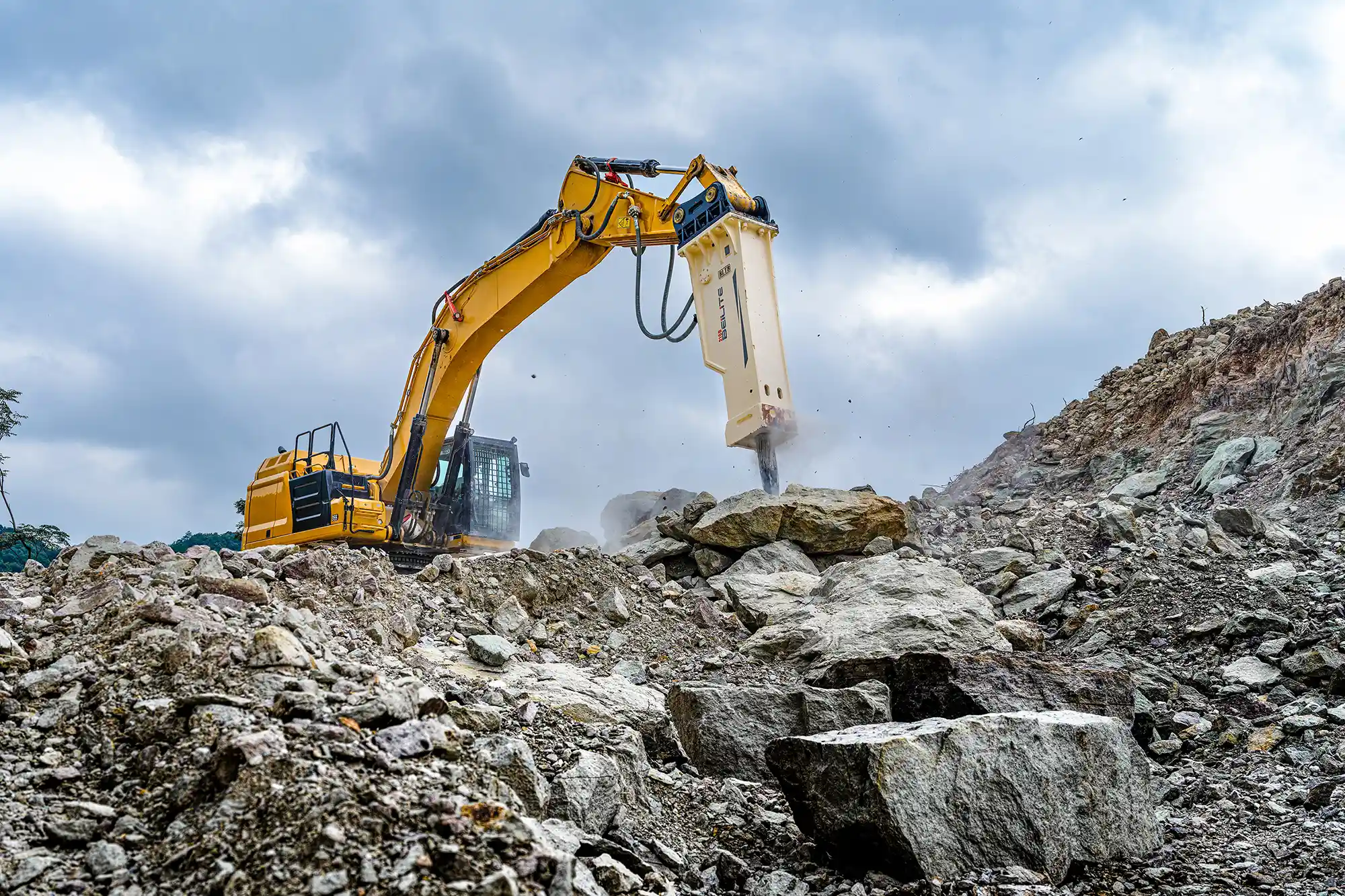
Nitrogen Accumulator Recharge Timing
The nitrogen accumulator recharge frequency depends on breaker usage intensity, environmental conditions, and the specific model. A nitrogen accumulator gas pressure check should happen every 100-150 operating hours or monthly, whichever comes first. If pressure falls below the specified range, recharging becomes necessary.
Consistent accumulator maintenance prevents breaker performance decline and ensures optimal impact force. The operator’s manual outlines safety procedures for handling pressurized gas, and these procedures exist for good reason. Nitrogen under pressure requires respect.
Recognizing Back Head Problems Before They Escalate
Catching signs of a failing hydraulic breaker back head early prevents expensive damage and extended downtime. Common symptoms include visible leakage, often appearing as oil around the breaker’s upper section. A significant reduction in impact force or inconsistent blows suggests internal pressure loss or valve malfunction.
Excessive vibration during operation can point to accumulator issues or worn internal components. Diagnostic tools like pressure gauges and flow meters help pinpoint exact causes. Repair decisions should prioritize genuine parts over aftermarket alternatives. The risks with aftermarket parts often outweigh the cost savings, leading to compromised performance and reduced durability. Beilite’s BLTB series reliability comes from rigorous manufacturing standards and high-quality components throughout.
Warning Signs That Demand Attention
Observable signs of a failing hydraulic breaker back head include weak impact force, which indicates insufficient energy storage or transfer. Persistent oil leakage from the top of the breaker or around the accumulator housing points to seal failure that will only worsen.
Unusual noise deserves investigation. Hissing sounds can signal gas loss from the accumulator. Knocking sounds might indicate internal component wear. Irregular chisel wear patterns sometimes suggest an imbalance in the impact mechanism, often originating from back head issues. Early detection prevents further damage and keeps repair costs manageable.
Matching Back Head Specifications to Your Application
Choosing the correct hydraulic breaker back head requires attention to carrier compatibility and application demands. Excavator attachment compatibility dictates the size and hydraulic requirements of the breaker. Applications range from heavy-duty quarrying work to medium-duty construction tasks to small utility projects, and each demands different specifications.
OEM specifications for hydraulic flow and pressure should guide selection. Manufacturing quality determines whether the back head delivers longevity and consistent performance or becomes a recurring maintenance headache. Beilite offers a diverse product range under the BLT brand and BLTB brand, designed to meet various national standards and global distribution requirements.
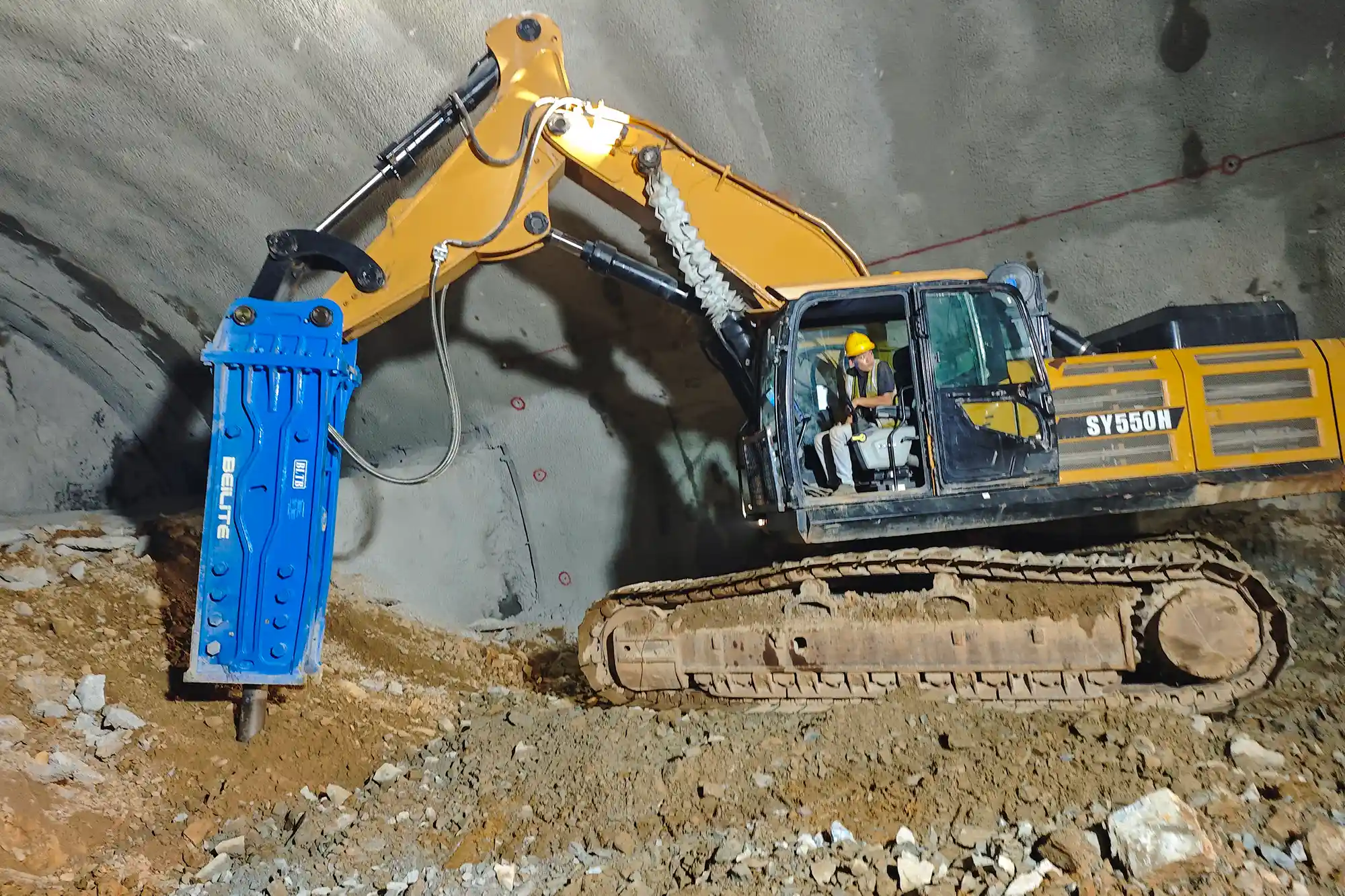
The following specifications illustrate the range of Beilite hydraulic breaker back head configurations:
| Model | Excavator Compatibility | Breaker Weight (kg) | Back Head N2 Pressure (bar) | Accumulator N2 Pressure (bar) |
|---|---|---|---|---|
| BLT-40 | 0.5–1.2 t | 86 | 14–17 | N/A |
| BLT-75 | 6–8.5 t | 466 | 14–17 | 55–60 |
| BLT-100 | 10–14 t | 986 | 14–17 | 55–60 |
| BLT-150 | 24–27 t | 2310 | 17–20 | 55–60 |
| BLT-165 | 33–38 t | 3149 | 18–22 | 55–60 |
Partner with Beilite for Unmatched Breaker Performance
As a national high-tech enterprise with decades of innovation and hundreds of patents, Beilite Machinery Co., LTD delivers high-performance hydraulic breakers and components trusted worldwide. For expert consultation on optimizing your hydraulic breaker’s back head performance, selecting the right parts, or comprehensive maintenance support, contact our specialists today. Experience the Beilite difference in quality, reliability, and service. Reach us at [email protected] or 40008-40008.
Frequently Asked Questions About Hydraulic Breaker Back Heads
What are the primary functions of a hydraulic breaker back head?
The hydraulic breaker back head houses the nitrogen accumulator, which stores hydraulic energy and provides the force for the piston’s impact stroke. It generates the powerful, consistent blows needed for effective rock breaking and demolition. This component ensures efficient energy transfer from the hydraulic system to the working tool, making it central to breaker performance.
How does back head quality affect breaker lifespan and efficiency?
A high-quality hydraulic breaker back head significantly extends breaker lifespan and improves efficiency. Superior materials resist fatigue under cyclic loading. Precision engineering maintains tight tolerances that keep seals effective. Robust sealing systems prevent the pressure losses that degrade performance. These factors reduce maintenance frequency and lower operational costs while maximizing uptime.
What are the risks of using aftermarket back head parts?
Aftermarket hydraulic breaker back head components carry real risks despite their lower upfront cost. Inferior material quality leads to premature failure. Imprecise manufacturing creates fit problems and accelerates wear. Warranties often become void. Safety hazards can emerge from components that don’t meet original specifications. For optimal performance and safety, genuine parts that meet stringent national standards remain the reliable choice.