 English
 French

Hydraulic Breaker Cylinder: Optimizing Power and Durability
The hydraulic breaker cylinder determines everything about how a breaker performs. I’ve watched operators struggle with underpowered equipment and seen machines run flawlessly for years with properly engineered components. The difference almost always traces back to this single part. It converts hydraulic energy into the percussive force that demolition, mining, and construction work demands. Getting the design, materials, and maintenance right separates productive jobsites from frustrating ones.
How a Hydraulic Breaker Cylinder Actually Works
The hydraulic breaker cylinder sits at the center of the impact mechanism, controlling piston movement to generate percussive force. It takes hydraulic power from the carrier machine and converts it into kinetic energy. Inside the cylinder bore, a precisely machined piston moves back and forth at high speed. Hydraulic fluid from the excavator’s system enters at working pressure and drives the piston upward. This compresses nitrogen gas in an accumulator, storing potential energy for the downstroke.
When the hydraulic circuit shifts, that stored energy combines with hydraulic pressure to drive the piston down fast. The piston strikes the chisel at the bottom of its travel, transferring impact energy to the working tool. The rod keeps the piston aligned throughout this cycle, ensuring efficient energy transfer with each blow. High-quality seal kits maintain working pressure and prevent internal leakage. Even small leaks reduce impact energy and overall efficiency. Every component from the cylinder bore to the accumulator contributes to delivering consistent, powerful blows for rock breaking and demolition work.
Materials and Manufacturing That Determine Cylinder Life
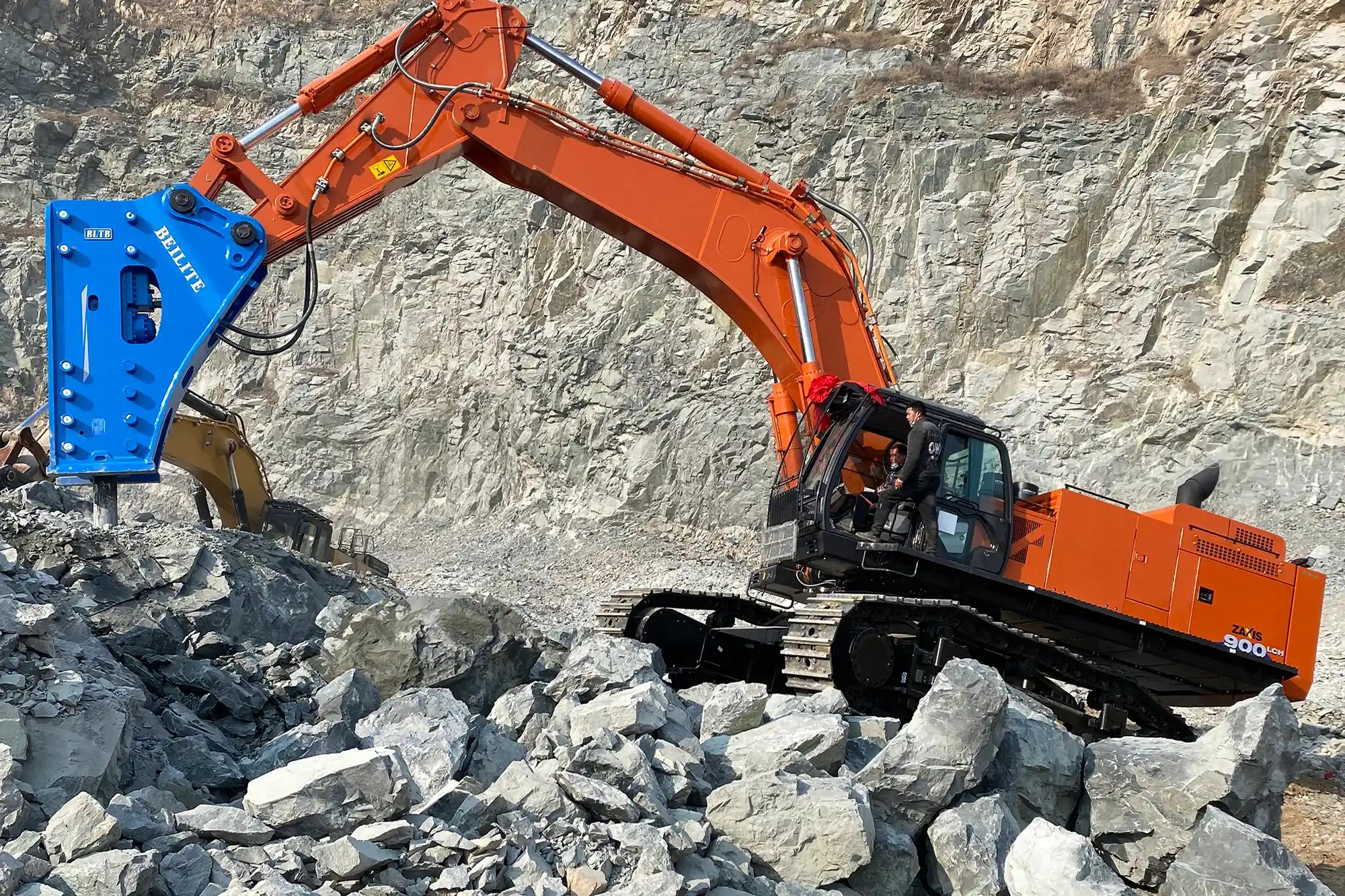
Building a hydraulic breaker cylinder that delivers both power and durability requires attention to material selection, manufacturing precision, and structural design. High-strength steel alloys provide the wear resistance and fatigue life these components need under extreme conditions. Heat treatment processes like induction hardening and nitriding create a hardened surface layer while preserving a tough, ductile core. This combination resists abrasive wear and handles repeated impact stress without cracking.
The cylinder bore receives a honing process that produces an ultra-smooth surface finish. This reduces friction, extends seal kit life, and helps maintain consistent working pressure over thousands of operating hours. Quality control at each manufacturing stage ensures adherence to international engineering standards. Finite element analysis identifies stress concentration points during the design phase, allowing engineers to distribute loads more evenly. This prevents the premature wear patterns that shorten cylinder life. Patented design features often address specific failure modes that field experience has revealed.
What causes hydraulic breaker cylinder failure?
Several factors lead to hydraulic breaker cylinder failure. Material fatigue from repetitive high-stress cycles causes cracks or structural compromise over time. Seal degradation from high temperatures, contamination, or simple age results in internal leakage and reduced impact energy. Contaminated hydraulic fluid introduces abrasive particles that score the cylinder bore and damage seals, accelerating wear. Operational issues like prolonged blank firing or incorrect tool usage generate excessive stress. Manufacturing defects can predispose a cylinder to early failure, though stringent quality control makes this uncommon. Understanding these failure modes helps guide both engineering improvements and maintenance practices.
Matching Cylinder Performance to Your Application
Getting the most from a hydraulic breaker cylinder means understanding performance metrics and selecting the right cylinder for the job. Impact frequency (blows per minute) and energy output (joules per blow) are the numbers that matter most. These translate directly to breaking capability. Higher impact frequency works well for softer materials or precision scaling. Higher energy output handles hard rock.
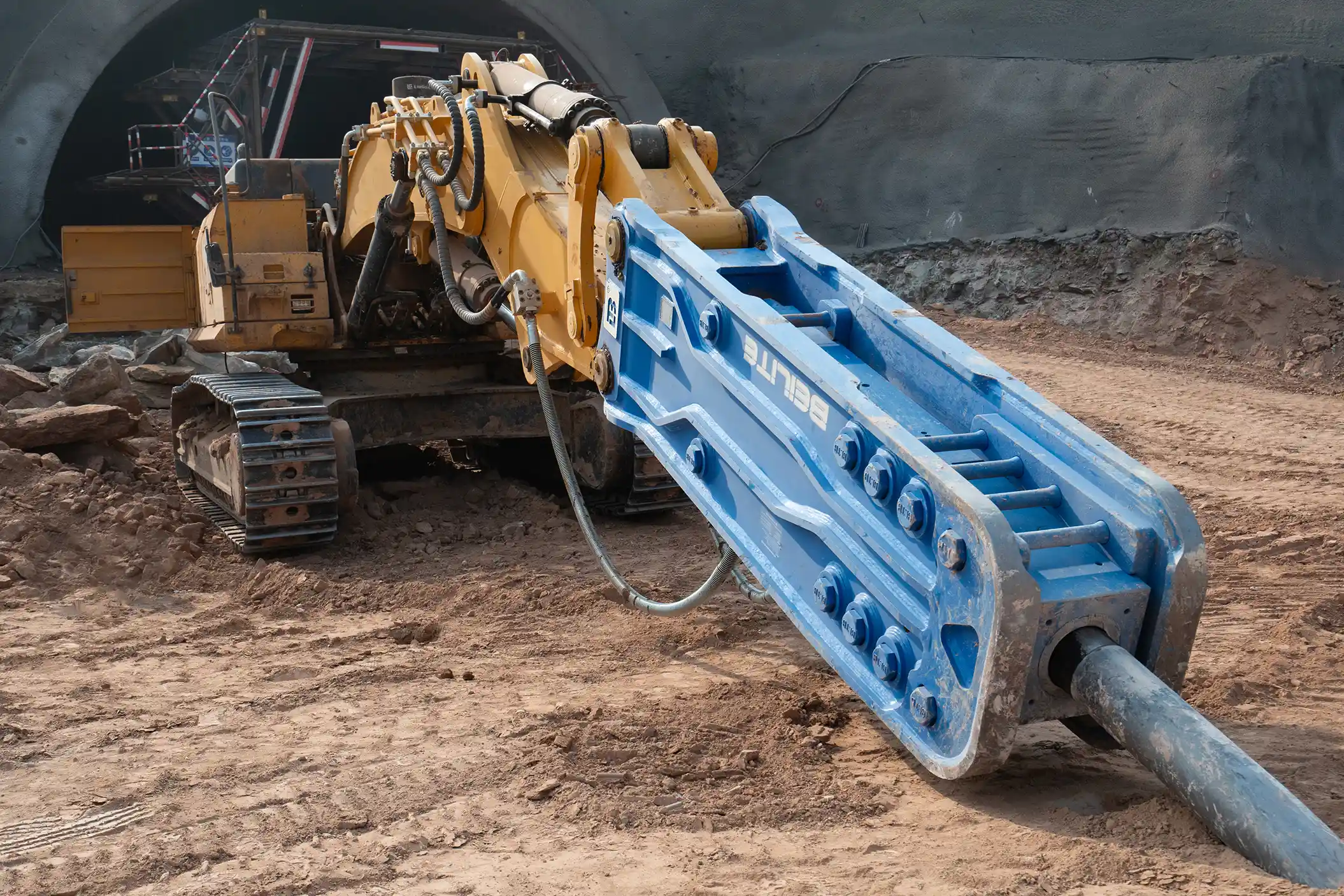
Cylinder selection requires matching the excavator class, breaker model, and working conditions. The carrier machine’s hydraulic flow and pressure must align with cylinder specifications for optimal energy transfer. An undersized cylinder on a large excavator wastes capacity. An oversized one strains the hydraulic system and creates unnecessary wear. Proper matching reduces downtime and improves productivity. A Hydraulic Breaker Hammer for Mini Compact Excavator like the BLT-40 fits 0.5-1.2 ton machines, while larger BLT models handle heavy-duty applications.
Cylinders optimized for various excavator tonnages:
| Beilite Model | Chisel Diameter (mm) | Working Pressure (bar) | Impact Frequency (bpm) | Applicable Excavator (t) |
|---|---|---|---|---|
| BLT-40 | 40 | 90–120 | 800–1400 | 0.5–1.2 |
| BLT-70 | 70 | 110–140 | 500–900 | 4.5–6 |
| BLT-100 | 100 | 150–170 | 350–700 | 10–14 |
| BLT-140 | 140 | 160–180 | 350–500 | 20–24 |
| BLT-165 | 165 | 210–230 | 150–300 | 33–38 |
Maintenance Practices That Extend Cylinder Life
Proactive maintenance keeps a hydraulic breaker cylinder performing and prevents expensive failures. Regular inspection catches problems early. Operators should check for external leaks, unusual noises, and visible damage to the cylinder body and seals. Following manufacturer seal replacement schedules prevents pressure loss and contamination before they cause damage.
Proper lubrication of the chisel and bushings reduces friction and prevents wear that transmits shock back to the cylinder. Using the recommended grease type at the specified frequency matters. Clean hydraulic fluid is equally important since contaminated fluid damages internal components faster than almost anything else. Regular filter checks and replacements protect the entire system. When impact force drops or the cylinder runs hot, seal issues or hydraulic system imbalances are usually responsible. Genuine parts for repair kits and replacements maintain the cylinder’s designed tolerances and contribute to long-term reliability.
How often should a hydraulic breaker cylinder be serviced?
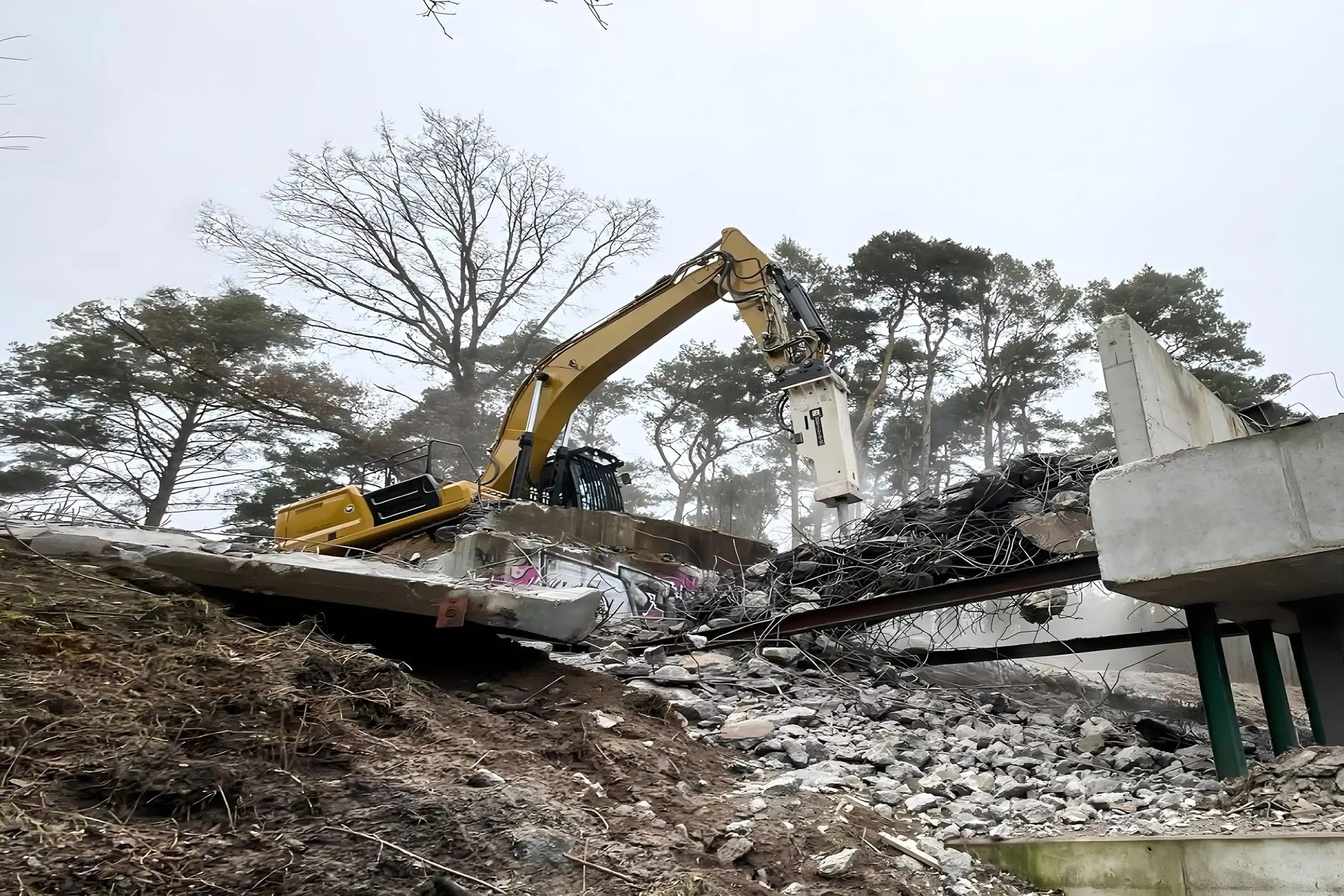
Service intervals depend on usage intensity and operating conditions. For typical construction work, routine maintenance checks every 50-100 operating hours make sense. More comprehensive inspection and seal replacement usually falls in the 250-500 hour range. Harsh environments like Hydraulic Breaker Hammer for Mining and Quarrying or continuous heavy demolition require more frequent attention. Manufacturer guidelines provide recommendations tailored to specific designs and expected operational stresses. Visual signs like oil leaks or reduced performance should trigger immediate service regardless of the hour count.
Engineering Advances in Hydraulic Breaker Cylinder Design
Beilite Machinery Co., LTD operates as a national high-tech enterprise with decades of R&D experience and participation in formulating national standards for hydraulic breakers. Hundreds of patents reflect ongoing advances in material science, heat treatment processes, and structural design that improve both power and durability in the hydraulic breaker cylinder.
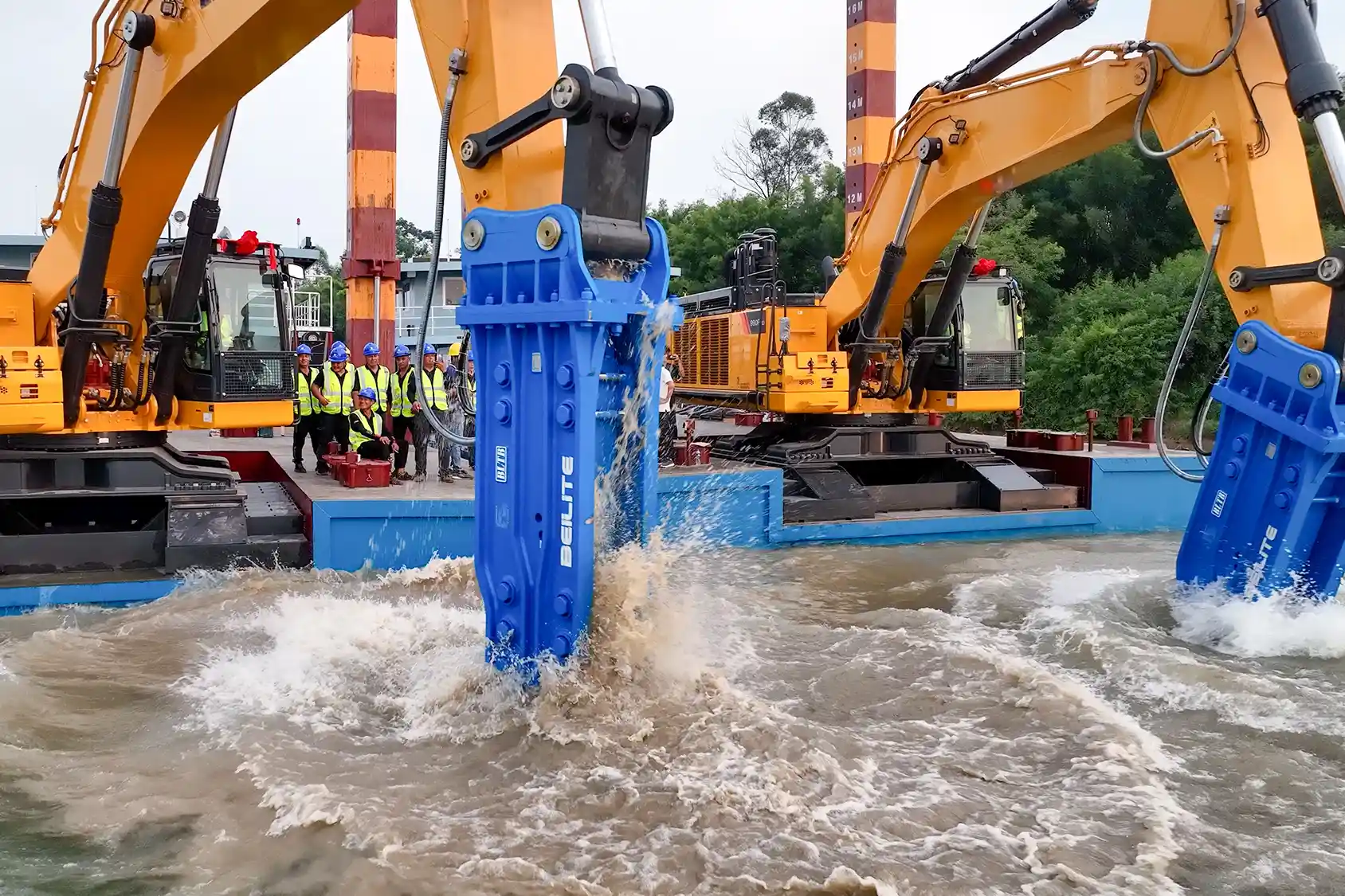
BLT and BLTB brand cylinders use high-end manufacturing processes that set them apart in performance and reliability. Quality assurance meets the demands of global markets across more than 100 countries. These cylinders deliver superior impact energy, extended service life, and lower operational costs. Applications range from Hydraulic Breaker Hammer for Demolition&Rock Breaking to Hydraulic Breaker Hammer for Underwater Construction.
Frequently Asked Questions About Hydraulic Breaker Cylinders
What separates OEM cylinders from aftermarket options?
OEM cylinders from manufacturers like Beilite follow strict quality control, precise material specifications, and rigorous testing. This ensures compatibility, consistent performance, and warranty support. Aftermarket cylinders vary widely in quality. Some offer lower initial costs but compromise on material grade, manufacturing tolerances, and long-term reliability. These compromises often lead to premature failure or reduced efficiency. OEM-level quality guarantees proper fit, function, and lasting value.
How does cylinder material affect hydraulic breaker lifespan?
Cylinder material directly determines resistance to wear, fatigue, and impact stress. High-grade alloy steels combined with heat treatment processes like nitriding or induction hardening create superior surface hardness while maintaining core toughness. This resists abrasive wear from contaminants, handles repetitive high-force impacts, and prevents the material fatigue that leads to cracking. Precision surface finishes reduce friction and extend seal life. All of these factors contribute to longer operational life for the hydraulic breaker cylinder.
Can a damaged hydraulic breaker cylinder be repaired?
Repair is often possible depending on damage type and extent. Minor issues like seal degradation or superficial bore scoring respond well to seal replacement kits and professional honing. Severe damage including deep cracks, extensive scoring, structural deformation, or critical material fatigue typically requires full replacement. Professional assessment by experienced technicians determines whether repair is feasible and cost-effective while ensuring the safety and performance of the hydraulic breaker Hammer.
Work With Beilite on Your Next Hydraulic Breaker Cylinder
Beilite Machinery Co., LTD brings decades of innovation and hundreds of patents to hydraulic breaker cylinder engineering. Our BLT and BLTB solutions enhance operational efficiency and extend equipment lifespan. Contact our team at [email protected] or call 40008-40008 for a consultation tailored to your application.