 English
 French
Hydraulic Breaker Auto-Lube Systems: Maximizing Uptime and ROI
Working with hydraulic breakers long enough, you start to notice patterns. The machines that hold up best aren’t always the newest or most expensive—they’re the ones that get proper lubrication, consistently, without fail. Manual greasing sounds simple enough, but reality on a busy site tells a different story. Crews get pulled in different directions, schedules slip, and before long, that chisel is running dry. Integrated auto-lube systems change this equation entirely. They remove the human variable from the most critical maintenance task, delivering grease exactly when and where the breaker needs it. The difference shows up in fewer breakdowns, longer component life, and equipment that actually earns back what you paid for it.
What Makes Up an Integrated Auto-Lube System
An integrated automatic lubrication system components for hydraulic breakers represents genuine engineering progress, not just a convenience feature. These systems handle precise, continuous grease delivery to the spots that wear fastest.
A typical hydraulic breaker grease system breaks down into several working parts. The central reservoir holds your lubricant supply. A pump unit—electric or hydraulically driven depending on the setup—moves grease through distribution lines to reach various lubrication points. Metering valves or injectors at each point dispense exact amounts. An intelligent lubrication control unit ties everything together, managing timing and volume.
The whole approach centers on a consistent lubricant delivery mechanism that works whether the operator remembers or not. This proactive method sidesteps the system integration challenges that plague manual routines. Modern centralized lubrication technology meters grease to the tool bushing and thrust rings with real precision. That continuous application cuts friction and keeps heat from building up.
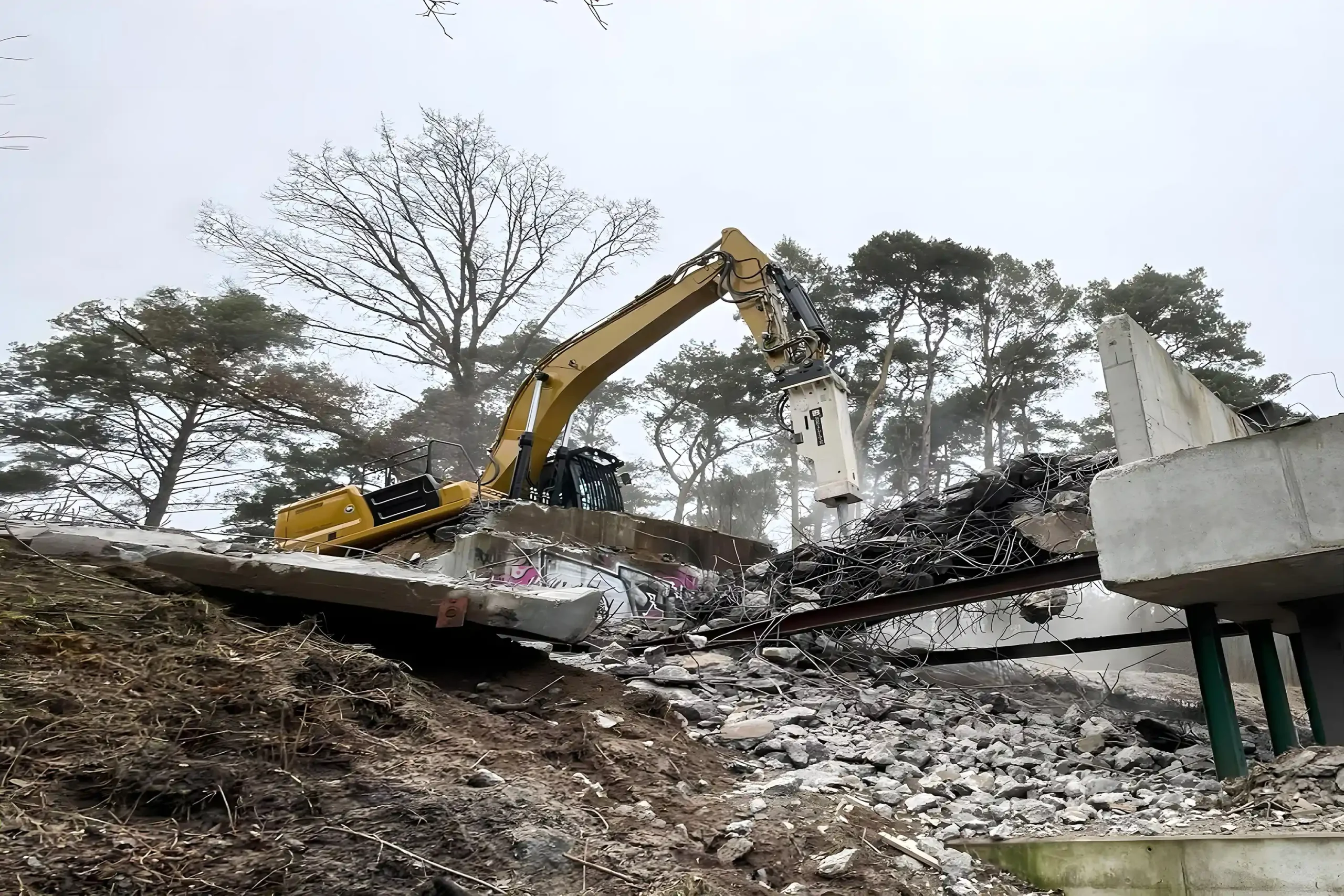
Manufacturers like BEILITE Machinery engineer these systems specifically for demanding heavy equipment lubrication environments. The design holds up under intense operating conditions where manual methods would fall behind. Compared to intermittent hand greasing, automated delivery provides reliable protection against the kind of component degradation that leads to expensive repairs.
How Auto-Lube Systems Improve Uptime and Lower Total Costs
The financial case for auto-lube systems becomes clear once you track the numbers. These systems directly improve hydraulic breaker uptime by eliminating manual greasing interruptions. Operators stay productive instead of stopping to maintain equipment. Active working hours go up, and that improved operational efficiency ripples across entire project sites. The data consistently shows fewer unscheduled breakdowns, which reduces maintenance costs and drives real site productivity improvement.
Consistent grease application matters enormously for extending tool life. Auto-lube systems support chisel wear prevention by maintaining a constant protective film between moving parts. Friction drops. Impact stress on critical components decreases. Chisels and other wear parts last significantly longer than they would under manual care.
This sustained performance contributes to heavy machinery longevity in ways that compound over time. When you calculate total cost of ownership (TCO) reduction across an equipment lifecycle, the numbers favor automated lubrication heavily. The preventative maintenance benefits come from shifting your approach—instead of reacting to failures, you’re preventing them before they happen.
Why Consistent Lubrication Determines How Long a Breaker Lasts
Heavy-duty hydraulic breakers face brutal operating conditions. Breaker component wear happens primarily through intense friction and heat generated by continuous impact action. Each strike produces substantial kinetic energy. Without proper lubrication, metal contacts metal directly, and material degrades fast.
Precise grease application creates a protective barrier that enables friction reduction at every critical interface. This barrier dissipates heat effectively, preventing the thermal stress and material fatigue that lead to premature failures. The lubrication also provides contamination protection by sealing interfaces against abrasive dust and debris—a constant presence on most job sites.
These factors combine to extend service life extension of internal components. Piston and cylinder protection from scoring becomes possible only with consistent lubrication. Once those surfaces get damaged, the breaker’s performance drops permanently.
Technology Features in Current Auto-Lube Breakers
Modern auto-lube systems pack sophisticated technology that goes well beyond basic grease delivery. Intelligent lubrication systems incorporate sensor technology in auto-lube configurations to monitor what’s actually happening during operation. These sensors track temperature, pressure, and impact rates in real time.
This data enables programmable grease delivery that adjusts lubricant volume and frequency based on actual conditions rather than fixed schedules. A breaker working hard in hot weather gets more grease than one running light duty in cooler conditions. Some systems offer remote monitoring for breakers, allowing off-site tracking of lubrication status and fault diagnostics before problems escalate.
Integration with excavator systems through digital control systems has become standard practice. This allows seamless operation and data exchange between the carrier machine and the breaker. Features like GPS tracking for equipment enhance asset management and security. Advanced configurations can incorporate hydraulic oil contamination monitoring, providing a complete picture of breaker health.
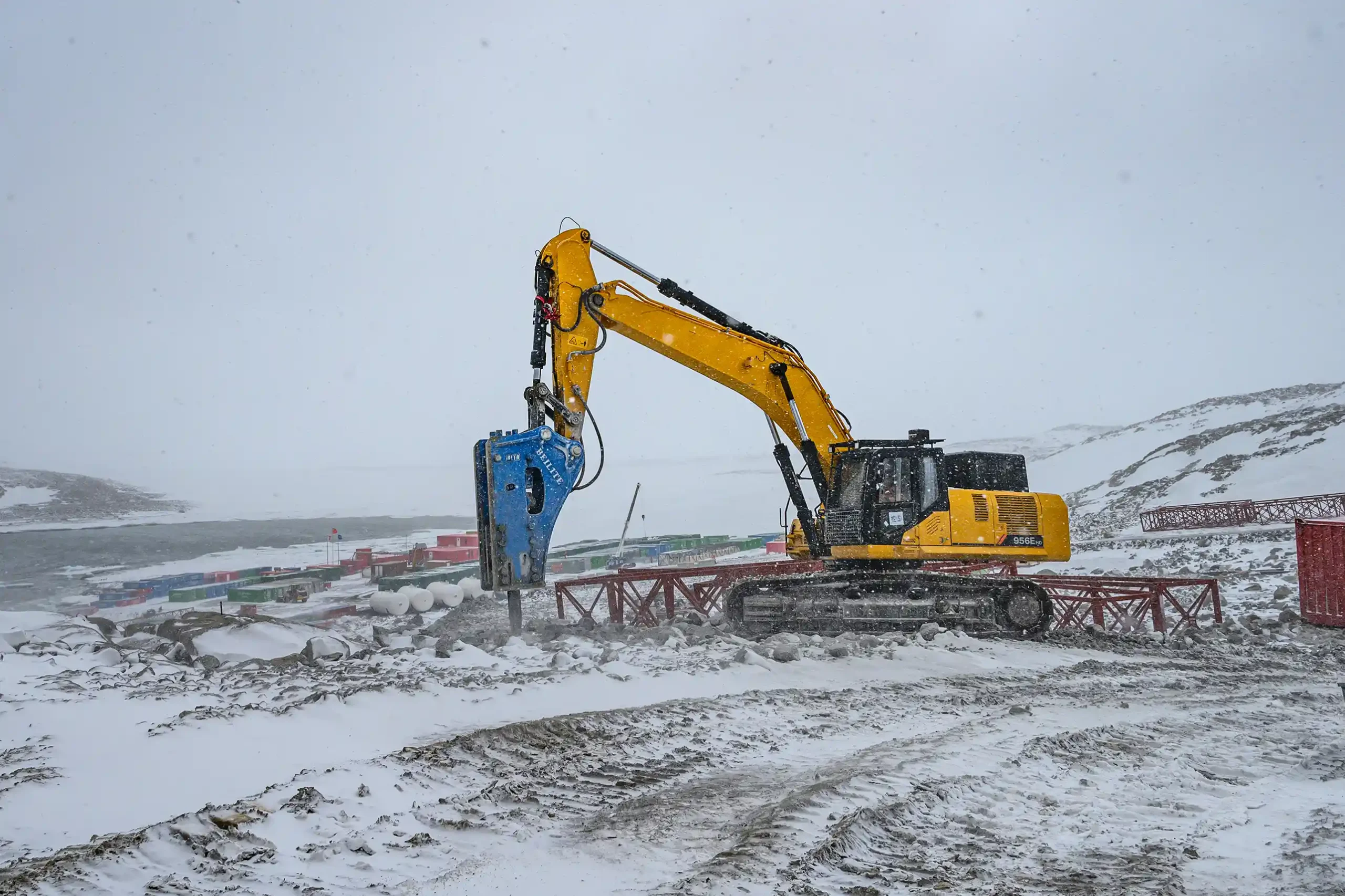
BEILITE Machinery participates actively in formulating national standards for breakers, and that involvement shows in their R&D output. Hundreds of patents and patent protected innovation have produced BLT and BLTB products built for harsh environment operation solutions where reliability isn’t optional.
Matching the Right Auto-Lube Breaker to Your Project
Selecting an auto-lube hydraulic breaker system involves more than picking a size. The primary hydraulic breaker selection criteria start with excavator compatibility. The breaker’s weight, oil flow requirements, and pressure specifications must match what your carrier machine can deliver.
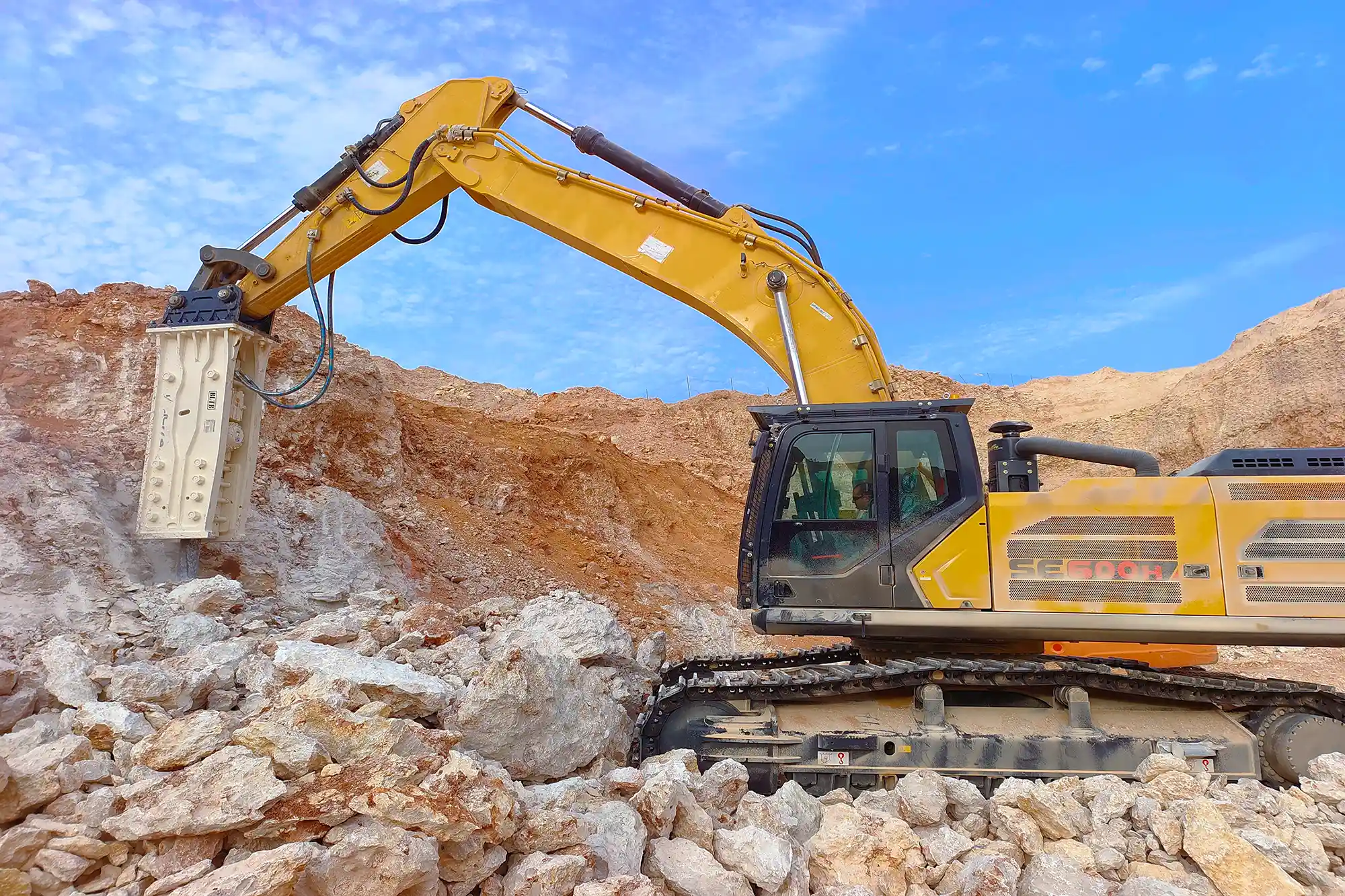
Application specific breakers matter for getting the performance you need. A Hydraulic Breaker Hammer for Demolition&Rock Breaking has different characteristics than one designed for general excavation work. Mining breaker requirements typically call for higher impact energy and more robust construction. Quarrying equipment selection similarly demands durable, powerful units that can handle continuous hard rock breaking.
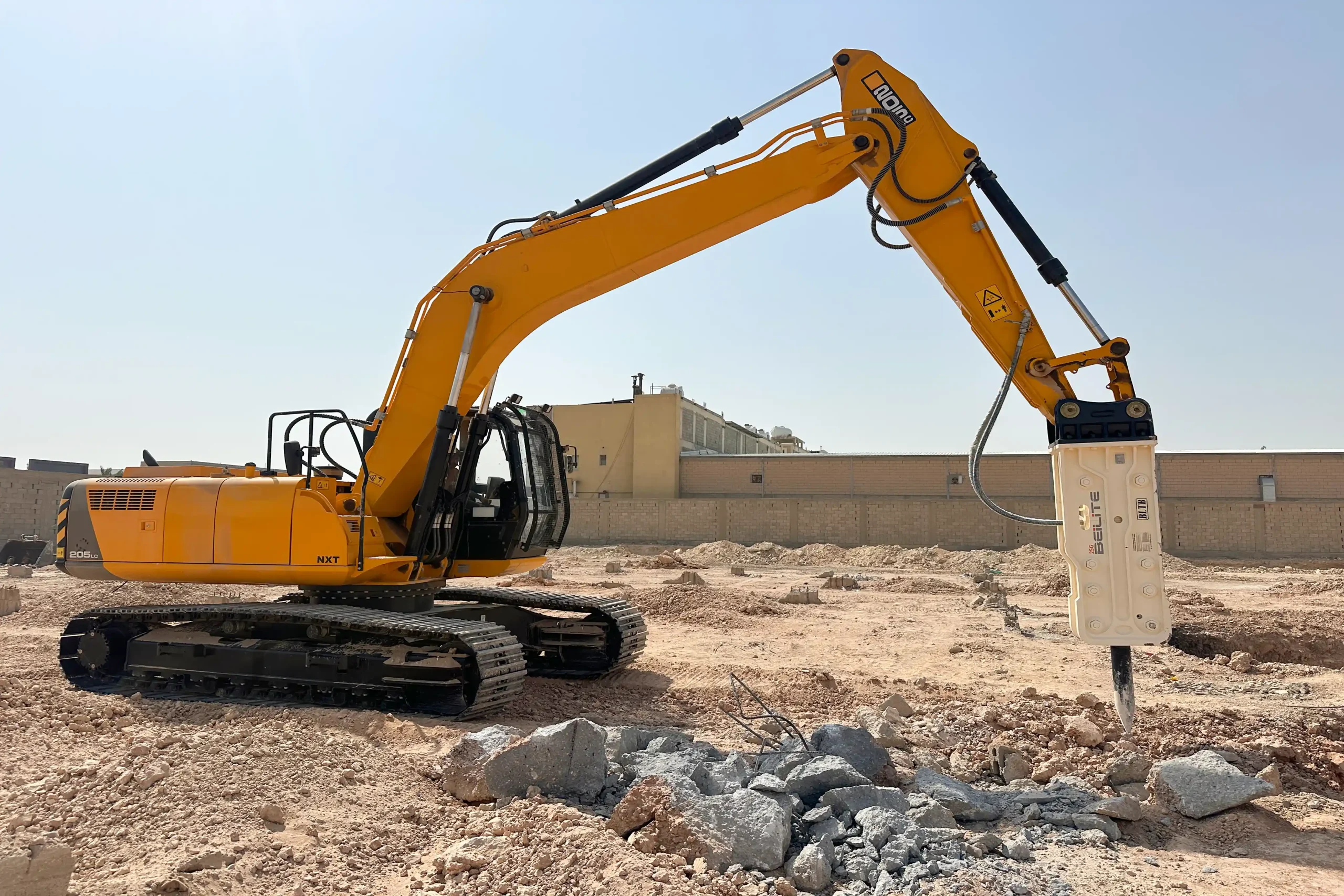
Think through the specific material you’ll be breaking and the conditions you’ll be working in. Smaller excavators in the 0.5–14t range work well with a Hydraulic Breaker Hammer for Mini Compact Excavator. Larger machines need correspondingly powerful breakers to work efficiently.
Installation considerations and integration ease deserve attention during selection. Evaluate supplier reliability and their global service network before committing. Reputable manufacturers provide comprehensive support and maintain spare parts availability. That backing ensures long-term operational success rather than leaving you stranded when something needs attention.
| Model | Applicable Excavator (t) | Breaker Weight (kg) | Chisel Diameter (mm) | Working Oil Flow (L/min) |
|---|---|---|---|---|
| BLT-40 | 0.5–1.2 | 86 | 40 | 15–30 |
| BLT-75 | 6–8.5 | 466 | 75 | 50–90 |
| BLT-155 | 27–33 | 2610 | 155 | 180–240 |
Keeping Auto-Lube Breakers Running Right
Automated systems reduce workload but don’t eliminate the need for attention. A proper auto-lube system maintenance schedule keeps everything functioning as designed.
Daily checks should include grease level checks in the reservoir. Running dry defeats the entire purpose of the system. Operators should also visually inspect distribution lines for damage or leaks. The correct lubricant type for breakers is critical—always follow what the manufacturer specifies. Incompatible grease causes system malfunctions or accelerates component wear, sometimes both.
Weekly inspections should cover metering valves and fittings for proper function. Catching small issues early through troubleshooting lubrication issues prevents larger problems from developing. Regular preventative care tips like cleaning the breaker and ensuring proper tool retention extend the life of the entire unit. Adequate spare parts management means quick replacement of consumables when needed.
Comprehensive operator training for auto-lube systems pays dividends in equipment availability. Well-trained operators understand breaker operational guidelines and recognize system alerts before they become failures. This proactive approach keeps equipment working when you need it.
Frequently Asked Questions About Auto-Lube Hydraulic Breakers
What components make up an integrated auto-lube system?
An integrated auto-lube system for hydraulic breakers includes a central grease reservoir, a pump unit (electric or hydraulic), distribution lines, metering valves or injectors, and a control unit. These components work together to deliver lubricant precisely to critical wear points like the tool bushing and thrust rings. This centralized lubrication technology handles heavy equipment lubrication automatically, maintaining consistent protection without operator intervention.
How frequently does an auto-lube system need servicing?
Auto-lube systems reduce daily manual greasing significantly, but periodic servicing remains necessary. Service frequency depends on usage intensity, environmental conditions, and lubricant type. Check the reservoir level daily. Inspect lines and fittings weekly. Perform thorough system checks annually or every 500 operating hours, following the hydraulic breaker manufacturer’s guidelines. This schedule maintains hydraulic breaker uptime and catches problems early.
Can existing hydraulic breakers be retrofitted with auto-lube systems?
Many existing hydraulic breaker models can accept auto-lube retrofits. The process involves assessing compatibility with the breaker’s design and the excavator’s hydraulic system. Retrofitting offers a cost-effective upgrade path for older heavy equipment, delivering extended tool life, reduced maintenance, and improved operational efficiency without purchasing a completely new unit. This approach improves heavy machinery longevity on equipment you already own.
Get More From Your Equipment with BEILITE Auto-Lube Breakers
BEILITE Machinery Co., LTD brings decades of innovation and hundreds of patents to the hydraulic breaker market. As a national high-tech enterprise, we’ve built BLT and BLTB brand solutions now working in over 100 countries. Our auto-lube systems deliver the consistent lubrication that keeps breakers productive and extends equipment life.
Contact us at [email protected] or call 40008-40008 to discuss which configuration fits your operation best.