 English
 French
Hydraulic Breaker Auction: Expert Procurement Strategies
Buying a hydraulic breaker at auction can feel like a shortcut to getting equipment on site fast and at a fraction of retail cost. That promise holds up sometimes. Other times, the “deal” turns into a money pit of repairs and downtime. The difference usually comes down to how much homework gets done before the paddle goes up. Having watched plenty of these transactions play out, the pattern is clear: buyers who treat auction procurement like a research project tend to walk away satisfied, while those who wing it often regret the impulse.
What Separates Successful Auction Buyers from the Rest
Preparation makes or breaks auction outcomes. Understanding where the used hydraulic breaker market sits right now helps set realistic price expectations before emotions take over in the bidding room. Historical sale data on specific models and manufacturers reveals what similar units actually fetch, not what sellers hope to get. Beilite units, for example, tend to hold value differently than generic imports, and knowing that distinction matters when calculating your ceiling.
Choosing the right auction house reduces headaches considerably. Reputable platforms provide accurate descriptions, allow inspections, and handle disputes professionally. Shady operators exist in this space, and their lots often come with nasty surprises.
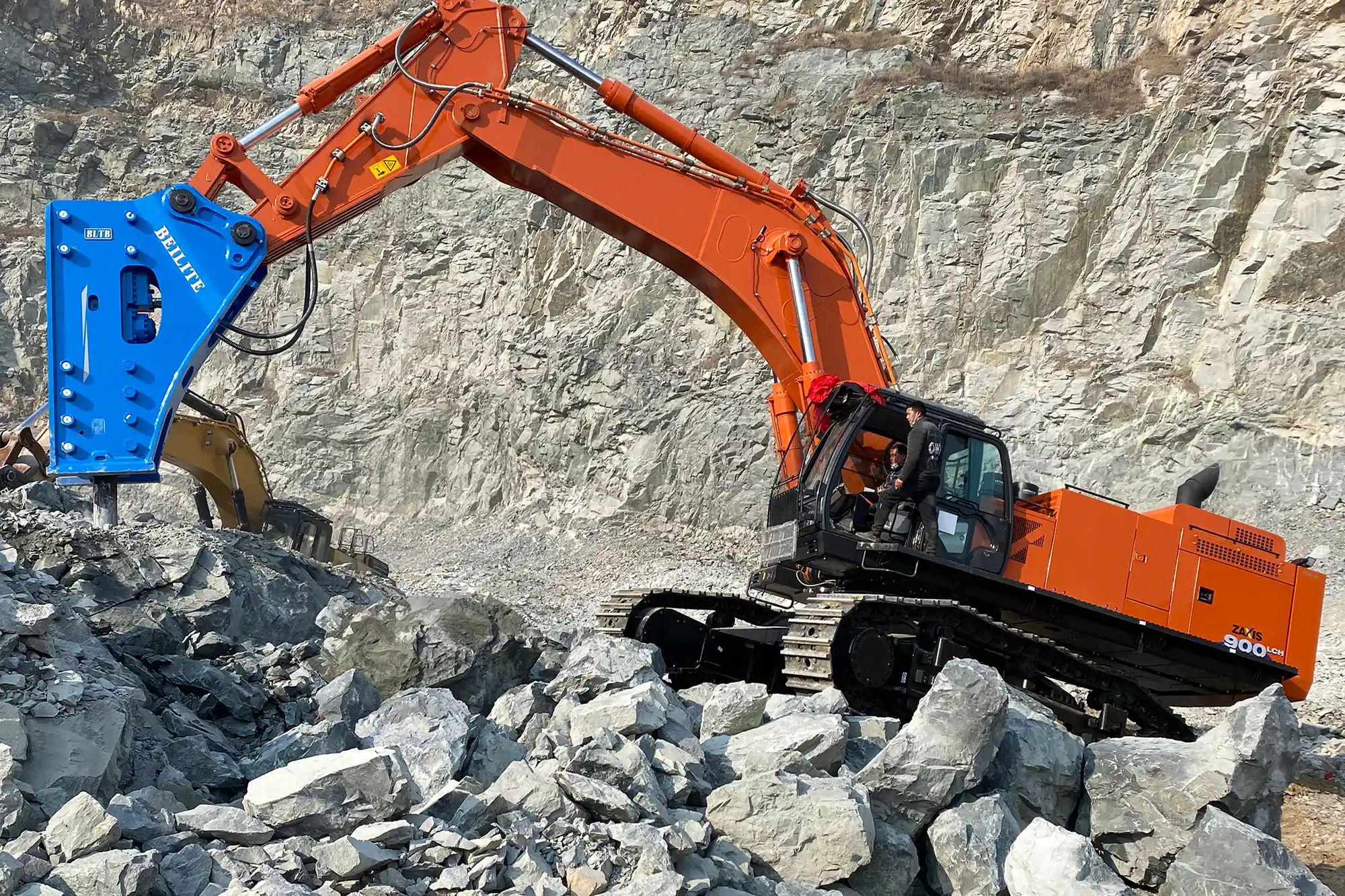
Before showing up, dig into the catalog details. Cross-reference listed specifications against manufacturer data to spot discrepancies. If a BLT-70 breaker appears in the listings, knowing its factory specs—362 kg total weight, 70 mm chisel diameter, designed for 4.5 to 6 ton excavators—lets you verify whether the description matches reality. This kind of verification catches errors and outright misrepresentations before they become your problem. The “as-is” nature of most auction sales means nobody else will catch these issues for you.
Inspecting a Used Hydraulic Breaker Without Getting Burned
Physical inspection separates informed buyers from hopeful gamblers. The piston, chisel, housing, and seals deserve close attention because failures in these areas get expensive fast.
Housing cracks or evidence of previous welding repairs signal past trauma. Some repairs hold up fine; others fail catastrophically under load. Without knowing the repair quality, you’re gambling. Chisel condition tells its own story—mushrooming at the strike end, bending, or significant material loss all indicate heavy use or abuse. Hydraulic fluid weeping around seals points to internal wear that will only worsen.
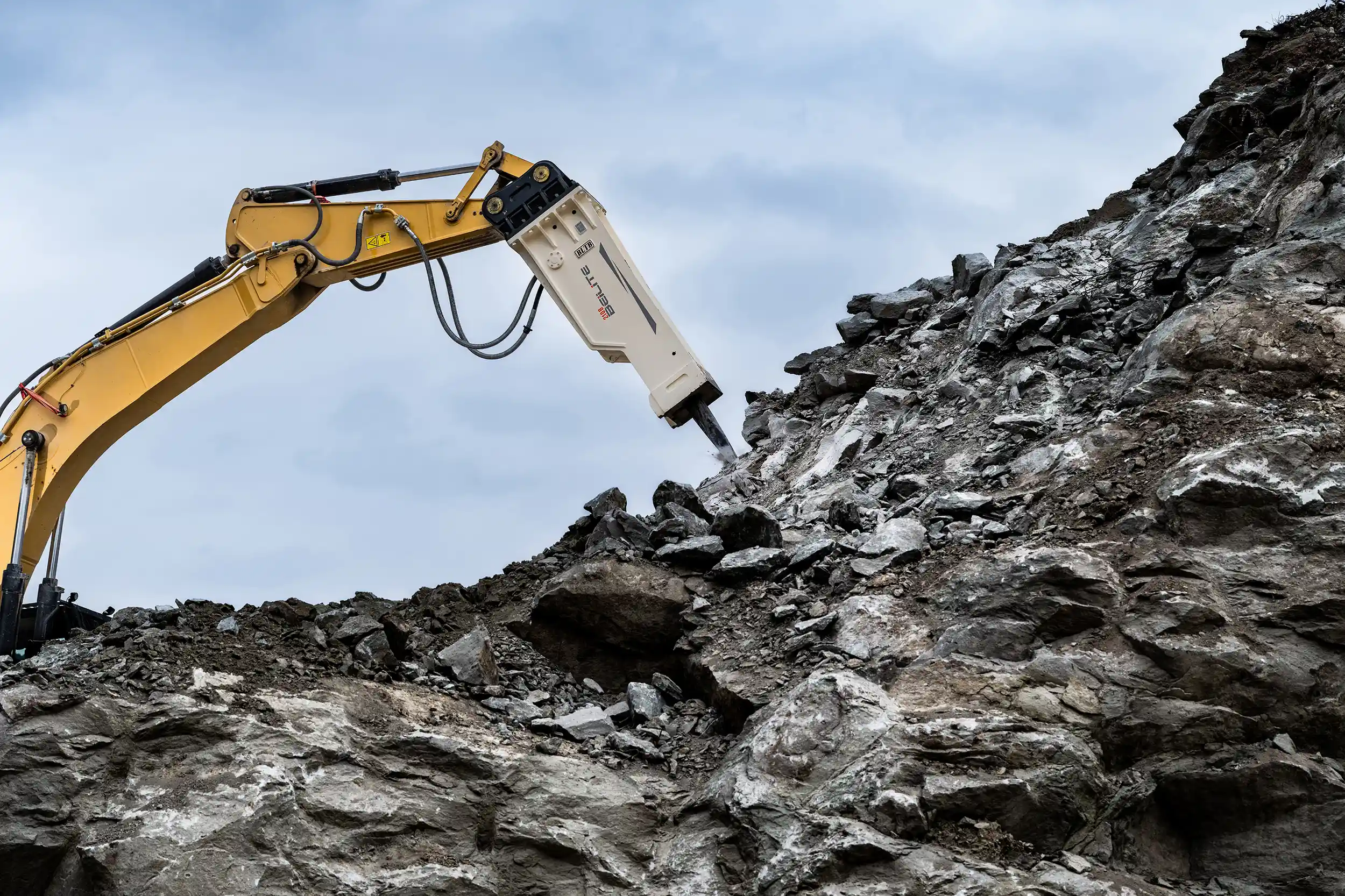
Operating weight and impact energy specifications must match your carrier machine. A mismatch creates problems ranging from poor performance to actual damage. Reconditioned breakers with substandard repairs present particular risk; the cosmetic cleanup hides mechanical issues that surface after purchase.
Verifying History When Records Are Incomplete
Service documentation provides the clearest picture of what you’re buying. Request maintenance records from the seller or auction house. Serial number verification through manufacturer databases confirms authenticity and original specifications. For hydraulic breaker Hammer units, this step can reveal whether the equipment matches its claimed identity.
When records don’t exist or look incomplete, independent expert assessment becomes worth the investment. Someone who inspects these units regularly spots problems that casual observation misses. That outside perspective often pays for itself by steering you away from bad purchases.
Mechanical Failures That Show Up After Auction Day
Certain problems appear frequently in auction-sourced equipment. Piston wear reduces impact efficiency gradually, then suddenly. Cylinder scoring creates metal contamination that spreads through the hydraulic system. Seal degradation starts small and accelerates.
Hairline housing cracks deserve special attention because they’re easy to miss and catastrophic when they propagate. Evidence of welding in structural areas raises questions about what damage prompted the repair. Most auction items carry no warranty coverage, meaning every mechanical issue becomes the buyer’s financial responsibility.
Bidding Strategy That Protects Your Budget
Setting a firm maximum bid before the action starts prevents expensive mistakes. Calculate this number from your research, not from what feels right in the moment. Auction psychology pushes prices upward—competitive instinct kicks in, and suddenly the “must-win” feeling overrides financial logic.
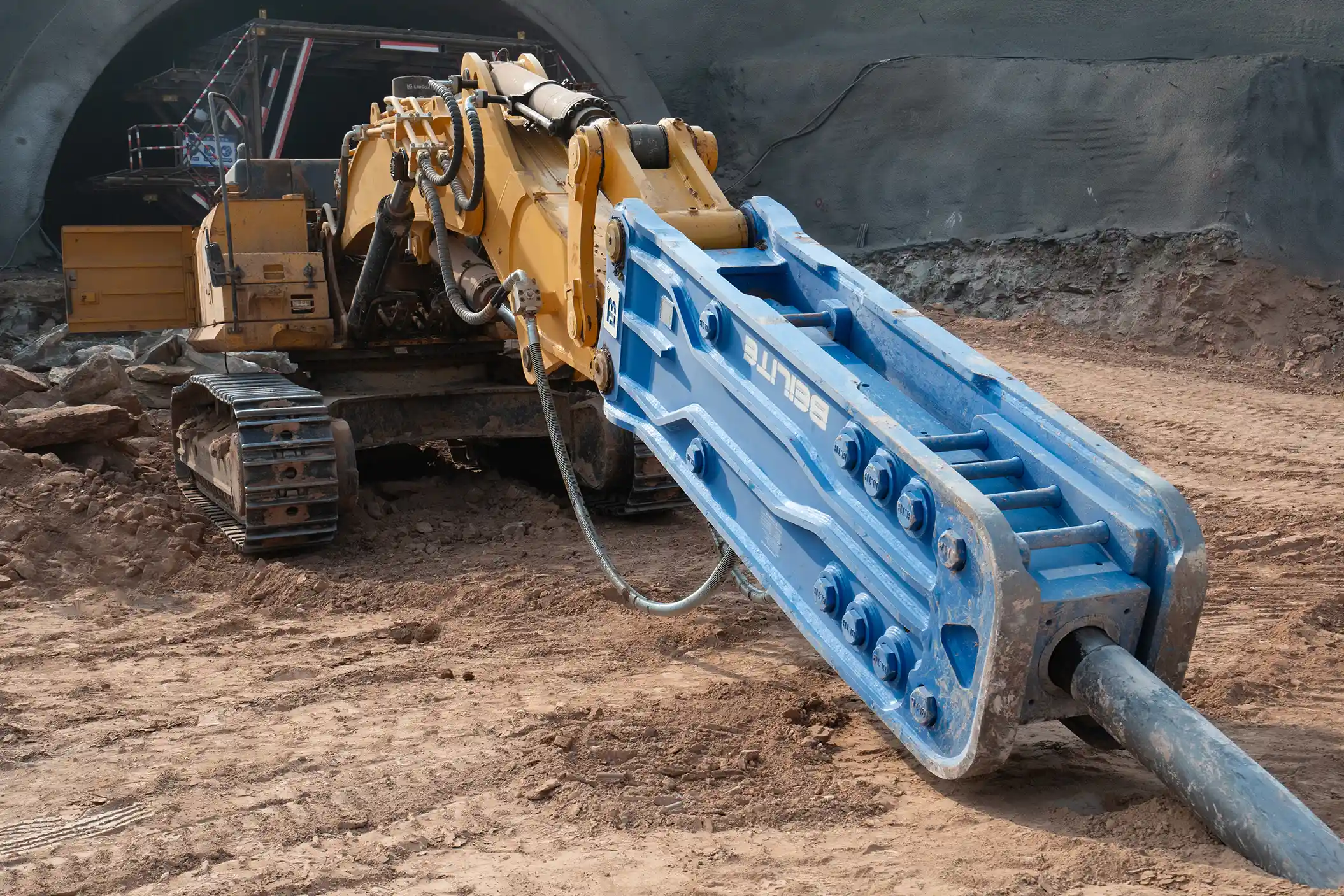
Online and live auctions create different pressure dynamics. Online formats allow more deliberate decision-making but limit physical inspection opportunities. Live auctions enable hands-on evaluation but move fast enough to compress thinking time.
The hammer price represents only part of the total cost. Factor in buyer’s premiums, applicable taxes, transportation to your site, and realistic repair estimates. These additions often surprise buyers who focused only on the winning bid.
| Cost Component | What It Covers | Budget Impact |
|---|---|---|
| Hammer Price | Your winning bid | Direct |
| Buyer’s Premium | Auction house fee, typically 10-15% | Adds significantly |
| Sales Tax | Local or state taxes where applicable | Varies by location |
| Transportation | Moving equipment from auction site | Distance dependent |
| Inspection Fees | Professional pre-purchase evaluation | Usually modest |
| Potential Repairs | Fixing identified or expected issues | Highest uncertainty |
Getting Your Purchase Operational
Winning the bid starts a logistics sequence that determines how quickly the hydraulic breaker generates value. Coordinate shipping promptly with both the auction house and your transport provider. Transit insurance protects against damage during delivery—skipping this coverage to save money creates unnecessary risk.
Initial setup follows manufacturer guidelines for hydraulic connections and nitrogen pressure verification. These checks confirm the unit matches its specifications and operates safely. Attachment compatibility with your carrier machine needs verification before putting the breaker to work.
What Determines Resale Value Later
Brand recognition affects what buyers will pay when you eventually sell. Beilite’s reputation for quality translates into better resale numbers compared to unknown manufacturers. Documented maintenance history proves the equipment received proper care, which matters to the next buyer just as it mattered to you.
Mechanical condition and cosmetic appearance both influence value. Market demand for specific breaker types fluctuates, so timing affects depreciation rates. Regular preventative maintenance and genuine replacement parts preserve value better than deferred maintenance and generic components.
Protecting Your Investment Over Time
The auction purchase price represents just the entry point. Long-term value depends on maintenance discipline. Establish a preventative schedule immediately covering lubrication, seal inspection, and nitrogen pressure monitoring. These routine tasks catch small problems before they become expensive failures.
Genuine replacement parts maintain performance specifications that generic alternatives often miss. Manufacturers like BEILITE Machinery Co., LTD provide service networks and spare parts availability that support equipment throughout its operational life. That backing, combined with engineering backed by national standards participation and extensive patent portfolios, keeps hydraulic breakers performing years after purchase.
Frequently Asked Questions About Hydraulic Breaker Auctions
Does buying at auction actually save money compared to new equipment?
Sometimes yes, sometimes no. Low initial bids look attractive until auction fees, transportation costs, and repair expenses get added. A used hydraulic breaker with unknown history can end up costing more than a new unit once everything gets tallied. The savings materialize when thorough inspection identifies a well-maintained unit at genuine discount pricing.
What’s the most reliable way to avoid problem equipment at auction?
Detailed physical inspection catches most issues. Check for wear patterns, leaks, housing cracks, and welding evidence. Verify serial numbers against manufacturer records. When possible, bring someone with hydraulic breaker experience to assess condition independently. This combination of personal inspection and expert consultation filters out the worst candidates.
How do online auctions compare to live events for hydraulic breaker purchases?
Online platforms offer convenience and access to inventory across wider geographic areas, but physical inspection becomes difficult or impossible. Live auctions allow hands-on evaluation but create time pressure that can lead to rushed decisions. Each format works for different situations—online suits buyers who know exactly what they want, while live events favor those who need to touch and assess equipment personally.
Do Beilite hydraulic breakers appear in secondary markets?
Occasionally. When they do, verify maintenance documentation and compare the unit against current production specifications for impact energy and operating weight. Beilite’s engineering standards mean well-maintained units often retain strong performance characteristics. The brand’s durability focus tends to produce equipment that holds up over extended service life.
What warranty coverage applies to auction purchases?
Virtually none. Auction sales operate on “as-is” terms, transferring all risk to the buyer. This reality makes thorough pre-purchase inspection essential rather than optional. New hydraulic breakers from manufacturers like Beilite include warranty coverage and ongoing support that auction purchases simply cannot match.
When Quality and Support Matter Most
Auctions serve a purpose in equipment procurement, but they come with tradeoffs that new purchases avoid. For operations where reliability and performance consistency matter, Beilite Machinery Co., LTD offers hydraulic breaker solutions engineered for demanding applications. Our technical team provides consultation on matching equipment to your specific requirements. Reach us at [email protected] or 40008-40008 to discuss how our products fit your operational needs.