 English
 French
Optimizing Hydraulic Breaker Hose Management for Uptime
Hydraulic hoses on breakers take a beating that most people underestimate until something fails mid-shift. The constant pressure cycling, the vibration, the heat buildup during extended breaking runs—these stresses accumulate in ways that aren’t always visible until a hose lets go. Managing these components well isn’t glamorous work, but it’s the difference between a machine that runs reliably and one that bleeds money through unplanned stops. Beilite Machinery Co., LTD builds hydraulic systems with this reality in mind, engineering components that hold up under the conditions breakers actually face.
The Real Cost When Hydraulic Breaker Hoses Fail
Hydraulic hose failures rank among the most common reasons hydraulic breaker Hammer attachments go down unexpectedly. The repair itself might take an hour or two, but the ripple effects hit harder. A demolition crew standing idle while waiting for parts, a quarry operation missing its daily tonnage target, a contractor facing liquidated damages on a tight schedule—these scenarios play out constantly across the industry. One hose failure on a critical piece of equipment can easily cost several thousand dollars per hour in combined losses.
Running a reactive maintenance approach means accepting these surprises as inevitable. Switching to proactive management changes the math entirely. Regular inspections, scheduled replacements, and proper installation practices catch problems before they strand equipment in the field. Beilite’s design philosophy emphasizes robust hydraulic circuits precisely because hose reliability directly affects how long equipment stays productive.
| Maintenance Strategy | Average Annual Cost of Hose Failures | Average Annual Cost of Preventative Maintenance | Potential Annual Savings |
|---|---|---|---|
| Reactive | $15,000 – $25,000 | $1,000 – $2,000 | N/A |
| Proactive | $2,000 – $5,000 | $3,000 – $5,000 | $10,000 – $20,000 |
What Actually Causes Hydraulic Breaker Hoses to Fail
Hose failures rarely happen randomly. Most trace back to a handful of root causes that, once understood, become preventable. Abrasion tops the list—hoses rubbing against frame members, other hoses, or the excavator arm wear through their outer cover over time, eventually exposing the reinforcement layers underneath. Pressure spikes come next, particularly in breaking applications where rapid valve cycling and impact loads create momentary pressure peaks that can exceed a hose’s working capacity. Fluid contamination introduces fine particles that erode the inner tube from the inside out, weakening the hose structure gradually. Vibration fatigue also plays a role, as the constant movement inherent to breaker operation stresses hose materials in ways that accumulate over thousands of operating hours.
Selecting hose materials that match the specific demands of the application makes a measurable difference in how long hoses last before showing wear.
How Operating Conditions Accelerate Hose Degradation
The environments where Hydraulic Breaker Hammer for Mining and Quarrying or demolition attachments operate push hoses to their limits. Temperature swings affect hose flexibility and material strength—extreme cold makes rubber compounds stiff and prone to cracking, while sustained heat accelerates chemical breakdown. UV exposure from outdoor operation degrades outer covers, causing them to become brittle and crack over time. The dynamic stresses specific to hydraulic breakers add another layer of wear. Constant flexing during boom movements, sudden direction changes, and the shock loads transmitted through the hydraulic circuit all contribute to material fatigue.
These environmental factors explain why hoses that might last years in a stationary hydraulic system often need replacement much sooner on mobile breaking equipment.
Practical Steps That Extend Hydraulic Hose Service Life
Getting more life from hydraulic hoses requires attention at multiple stages. Selection comes first—matching pressure ratings, temperature ranges, and material compatibility to the actual operating conditions rather than just meeting minimum specifications. Routing matters just as much as the hose itself. Hoses should follow natural curves without sharp bends or kinks, and they need enough slack to accommodate movement without stretching or pulling at fittings.
Assembly quality determines whether a hose reaches its potential lifespan. Proper crimping technique, correct fitting selection, and clean assembly conditions prevent the weak points that lead to premature failures. OEM recommendations exist for good reasons, and following them on hose specifications and replacement intervals eliminates a lot of guesswork. Beilite designs equipment with hose routing and component integration in mind, making it easier to follow these practices from the start.
| Protection Method | Description | Advantages | Disadvantages |
|---|---|---|---|
| Sleeves | Fabric or plastic covers that encase the hose. | Excellent abrasion resistance. | Can trap heat; installation can be complex. |
| Wraps | Spiral-wound plastic or metal strips. | Easy to install; good for bundling hoses. | Less comprehensive abrasion protection. |
| Clamps | Secure hoses to prevent movement and rubbing. | Simple, cost-effective. | Requires regular inspection for tightness. |
| Guards | Rigid covers for specific high-risk areas. | Targeted protection for critical points. | Limited coverage; can be bulky. |
Building an Inspection Routine That Catches Problems Early
Inspection discipline separates operations that catch problems early from those that discover them through failures. A systematic approach works better than occasional glances. Visual checks should look for cuts, cracks, bulges, or sections where the hose has flattened—any of these indicate damage that will progress. Leak detection focuses on fittings and connection points, watching for weeping fluid or wet spots that suggest seal degradation.
Abrasion checks deserve special attention wherever hoses pass through tight spaces or near moving parts. Verifying that routing hasn’t shifted—that hoses aren’t twisted, kinked, or rubbing where they shouldn’t—catches problems created by vibration or accidental contact. Periodic pressure testing reveals internal damage that hasn’t yet shown external signs, giving advance warning before a hose fails under load.
Advanced Protection Methods for Demanding Applications
Standard practices handle most situations, but demanding applications benefit from additional measures. Heavy-duty spiral wraps or fire-resistant sleeves provide superior abrasion protection in environments where standard covers wear through too quickly. Diagnostic tools have become more accessible—ultrasonic leak detectors can identify small leaks before they become visible, and thermal imaging cameras spot hot spots that indicate flow restrictions or internal damage.
How spare hoses are stored affects their condition when they’re needed. Cool, dry storage away from direct sunlight and ozone sources preserves material properties. In high-risk areas, hose burst protection systems can contain failures and prevent injuries or equipment damage. Continuous system pressure monitoring helps detect anomalies—unusual pressure fluctuations or drops that might indicate developing problems in the hydraulic circuit.
Why Component Quality Determines Hydraulic Breaker Reliability
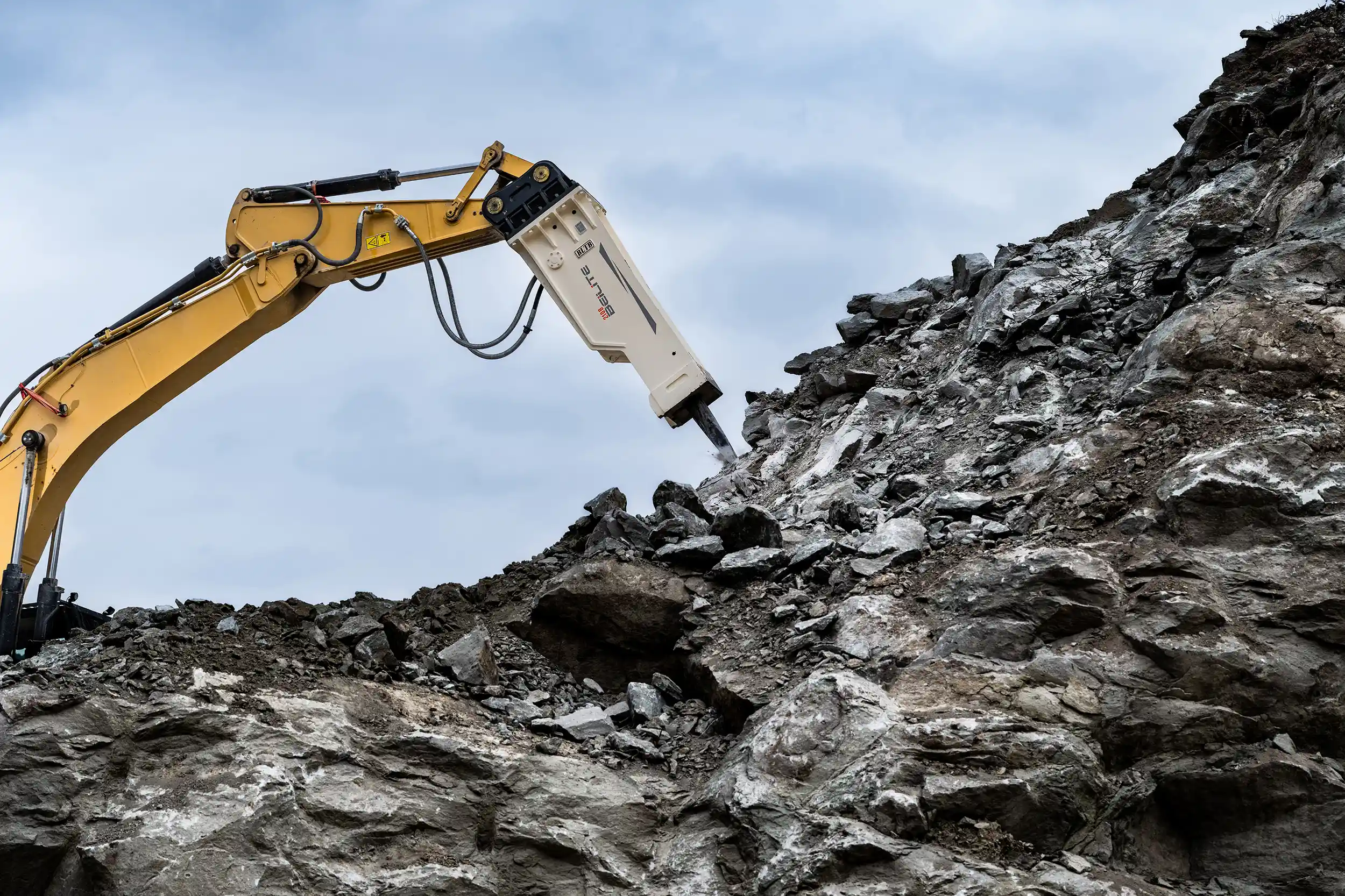
The performance ceiling of a Hydraulic Breaker Hammer for Demolition&Rock Breaking depends heavily on its hydraulic components. High-pressure hoses and fittings aren’t peripheral items—they’re integral to the system’s ability to handle the forces generated during breaking operations. Components that barely meet minimum specifications tend to fail earlier and more unpredictably than those built with margin.
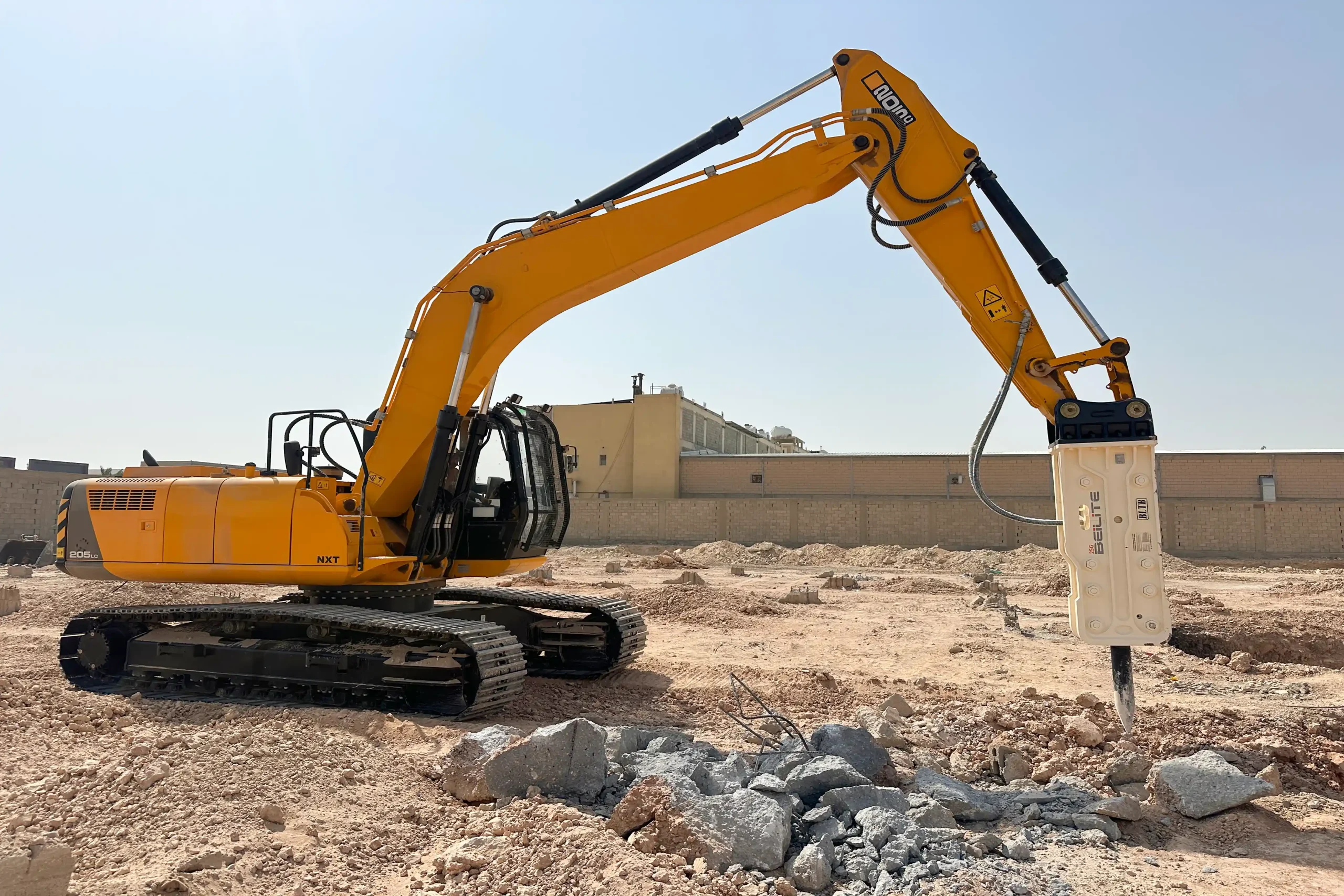
Beilite engineers BLT and BLTB brand products with premium hydraulic components that meet stringent OEM standards. This approach reflects an understanding that breaker attachment reliability in high-pressure applications depends on every component in the circuit performing as designed. The BLT-155 model, built for 27–33 t excavators, uses 1¼ inch oil pipes rated for working pressures up to 220 bar—specifications chosen to ensure the hydraulic system matches the breaker’s output capacity with room to spare.
Making Hydraulic Hose Management Part of Standard Operations
Treating hydraulic breaker hose management as a strategic priority rather than a reactive chore changes outcomes measurably. The practices involved—careful selection, correct installation, regular inspection, appropriate protection—aren’t complicated individually. Their value comes from consistent application over time. Operations that build these habits into their standard procedures see fewer unplanned stops, lower repair costs, and equipment that holds its value longer.
Quality components form the foundation, but management practices determine whether that foundation delivers its potential. The investment in getting this right pays returns through every shift the equipment runs without incident.
Frequently Asked Questions About Hydraulic Breaker Hose Management
What should operators look for during hydraulic breaker hose inspections?
Start with external damage—cuts, cracks, bulges, or flattened sections all indicate problems requiring attention. Check around fittings for any signs of fluid weeping or accumulation. Examine areas where hoses pass near other components for abrasion wear. Verify that routing hasn’t shifted and that hoses aren’t twisted or kinked. Pressure testing periodically can reveal internal degradation before external signs appear.
When should hydraulic breaker hoses be replaced even without visible damage?
Manufacturer guidelines provide baseline intervals, but operating conditions matter. Hoses on equipment running in harsh environments or accumulating high hours may need replacement sooner than calendar-based schedules suggest. Any visible damage warrants immediate replacement regardless of age. Preventative replacement at recommended intervals—even when hoses look fine—reduces the risk of failures during critical operations.
Which hose specifications matter most for heavy-duty hydraulic breakers?
Pressure rating must exceed the system’s maximum operating pressure with adequate safety margin. Temperature ratings should accommodate both operational heat and environmental extremes. Abrasion-resistant outer covers last longer in typical breaker applications. Flexibility matters for hoses that experience constant movement during operation. OEM specifications exist because the manufacturer has tested what works—following them eliminates compatibility issues.
Partner with Beilite for Uncompromised Hydraulic Performance
Ensure your hydraulic breakers operate at peak performance with uncompromising reliability. BEILITE Machinery Co., LTD, a national high-tech enterprise with decades of experience in high-end hydraulic breaker R&D and manufacturing, offers solutions built for durability and efficiency. Discover how our innovative designs and commitment to quality contribute to superior hydraulic system integrity. Contact us today for expert consultation or to explore our BLT and BLTB brand products, trusted in over 100 countries. [email protected] | 40008-40008