 English
 French
Hydraulic Breakers for Railway Work: Track Maintenance Solutions
Railway tracks take a beating. Between constant traffic loads, weather exposure, and the sheer age of some infrastructure, maintenance crews face demolition tasks that demand both power and precision. Hydraulic breakers have become the go-to solution for these jobs, replacing slower manual methods that used to keep sections of track out of service for days. The difference in project turnaround time is significant enough that most modern rail maintenance operations now consider these tools essential rather than optional.
Why Railway Infrastructure Demands Specialized Demolition Equipment
Railway systems present a unique maintenance challenge. Concrete sleepers, compacted rock ballast, and aging foundations all require periodic removal or replacement, and the work often happens within tight windows between scheduled train movements. Traditional breaking methods struggle with both the material hardness and the time constraints involved.
Hydraulic breakers address these limitations directly. They deliver concentrated impact energy that fractures concrete and rock efficiently, reducing the number of passes needed to clear material. This matters when every hour of track downtime affects freight schedules or passenger service. The precision aspect is equally important—controlled demolition minimizes damage to adjacent track components that need to remain in place.
For tasks like removing old concrete sleepers or preparing sites for new construction, the combination of speed and accuracy makes hydraulic breakers the practical choice. Rail networks stay functional longer, and maintenance crews can complete more work within allocated possession times.
Engineering Behind Railway Hydraulic Breaker Performance
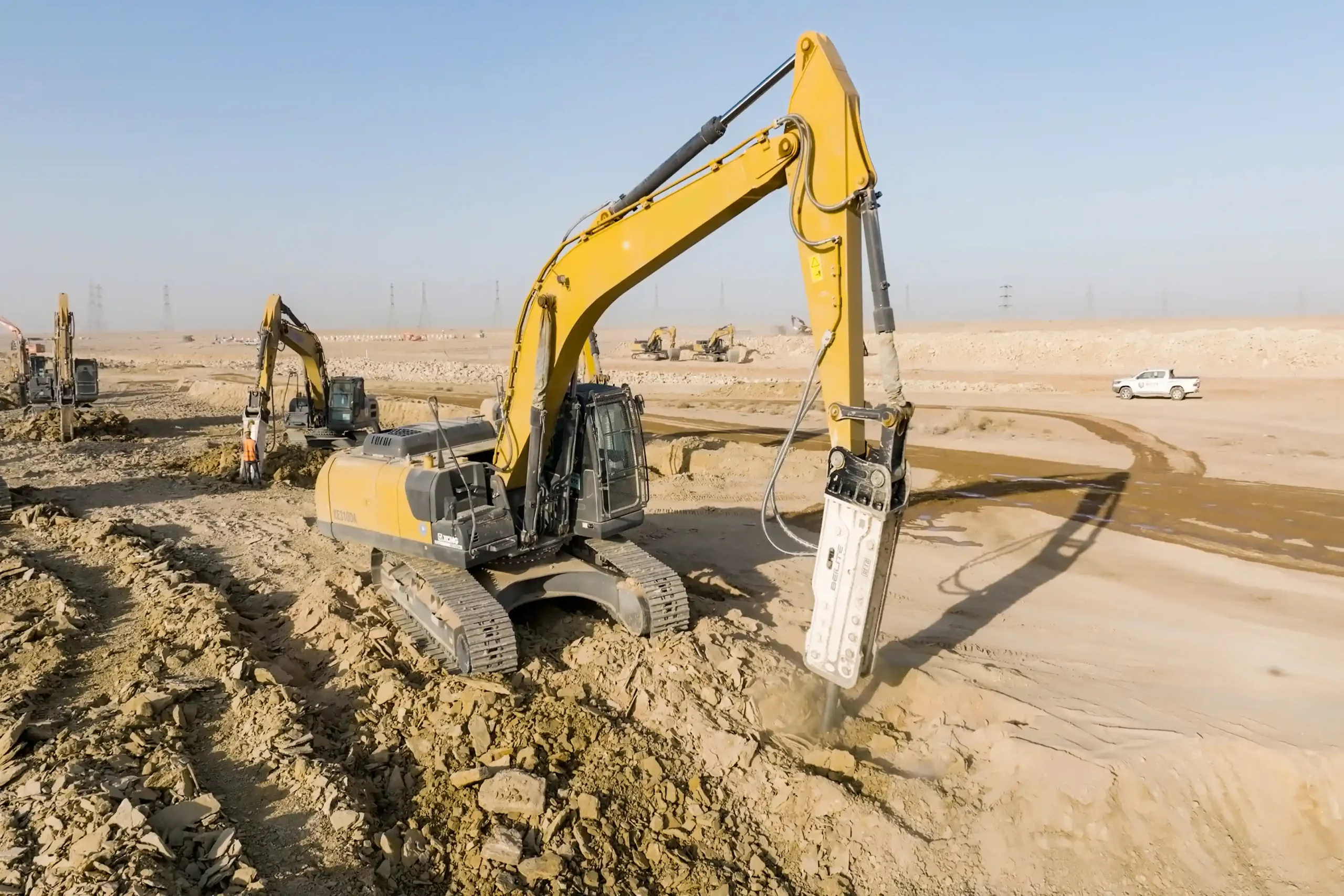
Rail applications push hydraulic breaker technology harder than most construction environments. The materials are often denser, access is frequently restricted, and the consequences of equipment failure extend beyond the immediate job site.
Beilite Machinery Co., LTD develops hydraulic breakers specifically engineered for these conditions. Our BLT and BLTB series incorporate optimized hydraulic power systems that maintain consistent impact energy even during extended operation. The internal components are designed to handle the thermal stress that accumulates during long demolition sessions—a common scenario in railway maintenance where crews work through entire possession windows.
Noise reduction and vibration control receive particular attention in our designs. Railway work often occurs near residential areas or active adjacent lines, making acoustic performance a practical requirement rather than a luxury feature. The dampening systems in our breakers reduce both operator fatigue and community disturbance without sacrificing breaking power.
We manufacture specialized chisel points for different railway materials. Pyramid points concentrate force for initial penetration of intact concrete, while conical designs excel at secondary breaking and material loosening. This tool selection directly affects productivity—the right chisel geometry can reduce breaking time by 20-30% compared to generic alternatives.
How Hydraulic Breakers Improve Railway Maintenance Productivity
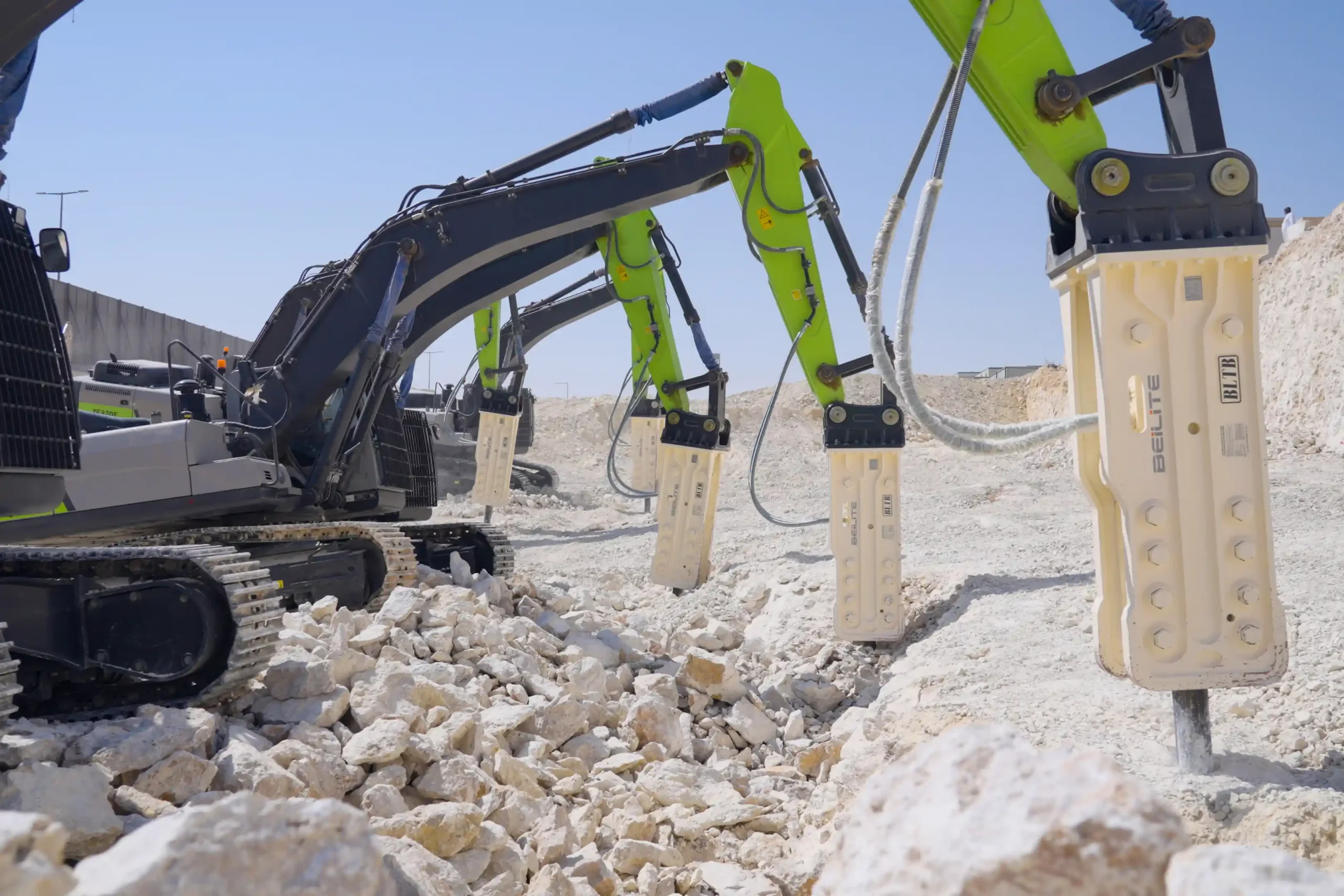
The productivity gains from hydraulic breakers come from multiple factors working together. Raw breaking speed is the obvious benefit—these tools fracture concrete and rock faster than manual methods or lighter equipment. But the efficiency improvements extend beyond simple demolition rate.
Precision control allows operators to remove specific materials without disturbing adjacent track components. This eliminates rework and reduces the scope of repair needed after demolition. When breaking concrete sleepers, for example, a skilled operator can fracture the sleeper while leaving the underlying ballast largely undisturbed.
The reduction in manual labor requirements also matters. Fewer workers needed per task means lower labor costs and reduced safety exposure. Personnel can focus on material handling and site preparation rather than physically demanding breaking work.
These factors combine to minimize track downtime significantly. Projects that once required multiple possession windows can often be completed in single sessions, improving operational flow across the entire rail network.
Selecting the Right Breaker for Concrete Sleeper Removal
Concrete railway sleepers present a specific breaking challenge. The material is dense, often reinforced, and needs to be removed without damaging the underlying track bed. Breaker selection directly affects both productivity and the condition of remaining infrastructure.
For standard concrete sleeper work, medium-duty breakers in the 10-18 ton excavator class provide the best balance of power and control. The BLT-100 model, designed for 10-14 ton carriers, handles most sleeper removal tasks efficiently. Heavier sleepers or reinforced concrete may require stepping up to the BLT-125 for 14-18 ton excavators.
Chisel selection matters as much as breaker size. Pyramid points work well for initial fracturing, concentrating impact energy into a small area to start cracks. Conical points then excel at secondary breaking, widening fractures and separating material for removal.
| Model | Applicable Excavator (t) | Chisel Diameter (mm) | Working Pressure (bar) | Blow Frequency (bpm) |
|---|---|---|---|---|
| BLT-100 | 10–14 | 100 | 150–170 | 350–700 |
| BLT-125 | 14–18 | 125 | 150–170 | 350–650 |
| BLT-135 | 18–22 | 135 | 160–180 | 350–500 |
| BLT-140 | 20–24 | 140 | 160–180 | 350–500 |
Matching Hydraulic Breakers to Railway Project Requirements
Choosing the right hydraulic breaker for railway work involves more than matching specifications to excavator size. The specific application, material characteristics, and site conditions all influence which equipment will perform best.
Carrier compatibility is the starting point. The breaker’s weight and hydraulic flow requirements must match the excavator’s specifications. Undersized breakers waste carrier capacity, while oversized units can damage hydraulic systems or create stability issues. Most manufacturers provide compatibility charts, but real-world performance sometimes differs from published specifications—especially with older excavators.
Impact energy determines how effectively the breaker handles tough materials. Railway concrete and compacted ballast require sustained high-energy output. Breakers with insufficient impact energy need multiple passes to fracture material, extending project timelines and increasing wear on both the tool and carrier.
Tool durability directly affects operating costs. Chisel points are consumable items, but quality varies significantly between manufacturers. Premium chisels with proper heat treatment last longer and maintain their geometry better, reducing replacement frequency and improving breaking consistency.
Safety features deserve careful evaluation. Anti-blank firing systems prevent damage when the chisel loses contact with material, extending equipment life and reducing maintenance needs. Robust housing protects internal components from debris and impact damage common in railway environments.
Performance Factors That Determine Railway Breaker Effectiveness
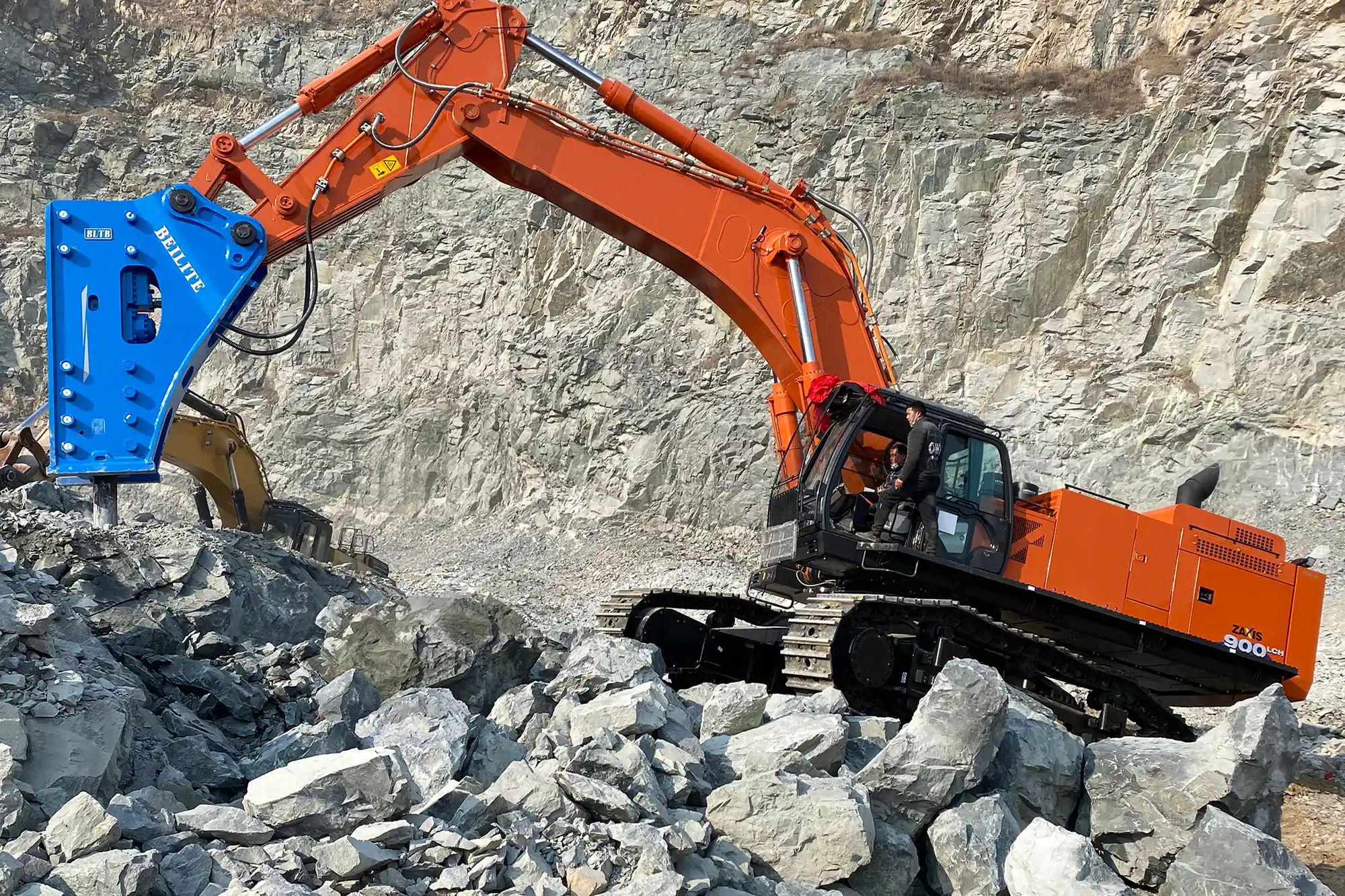
Several performance metrics separate effective railway hydraulic breakers from equipment that struggles in these applications. Impact energy and blow frequency are the primary specifications, but how these characteristics translate to actual breaking performance depends on design quality.
Reliability matters enormously in railway work. Equipment failures during possession windows can cascade into schedule disruptions affecting multiple projects. Breakers with robust construction and proven track records in similar applications reduce this risk.
Service network accessibility influences long-term operational costs. Even well-maintained equipment eventually needs parts or repairs. Manufacturers with established distribution networks and parts availability minimize downtime when issues arise.
Total cost of ownership provides a more accurate picture than purchase price alone. Fuel efficiency, maintenance requirements, consumable costs, and expected service life all factor into the real expense of operating hydraulic breakers over time. Equipment that costs more initially but requires less maintenance and lasts longer often proves more economical.
Safety Protocols for Railway Demolition Operations
Working with heavy equipment near active railway lines creates safety challenges that require systematic management. The consequences of incidents in these environments extend beyond immediate injury risk to include potential train delays and infrastructure damage.
Exclusion zones form the foundation of railway demolition safety. These clearly marked areas separate work activities from active track and define safe positions for personnel not directly involved in equipment operation. Zone boundaries should account for material ejection, equipment swing radius, and emergency evacuation routes.
Communication protocols connect operators with ground personnel, site supervisors, and railway control centers. Clear procedures for starting and stopping work, responding to approaching trains, and handling emergencies prevent confusion during critical moments. Radio communication typically supplements visual signals for redundancy.
Machine safety features provide additional protection layers. Automatic shutdown systems can halt operation when sensors detect unsafe conditions. Proximity alerts warn operators of personnel or obstacles in danger zones. These systems work best as supplements to proper procedures rather than replacements for situational awareness.
Operator certification ensures personnel understand both equipment operation and railway-specific safety requirements. Training should cover normal operation, emergency procedures, and the particular hazards present in railway environments. Refresher training maintains skill levels and incorporates lessons learned from incidents.
Managing Risk When Operating Near Active Railway Lines
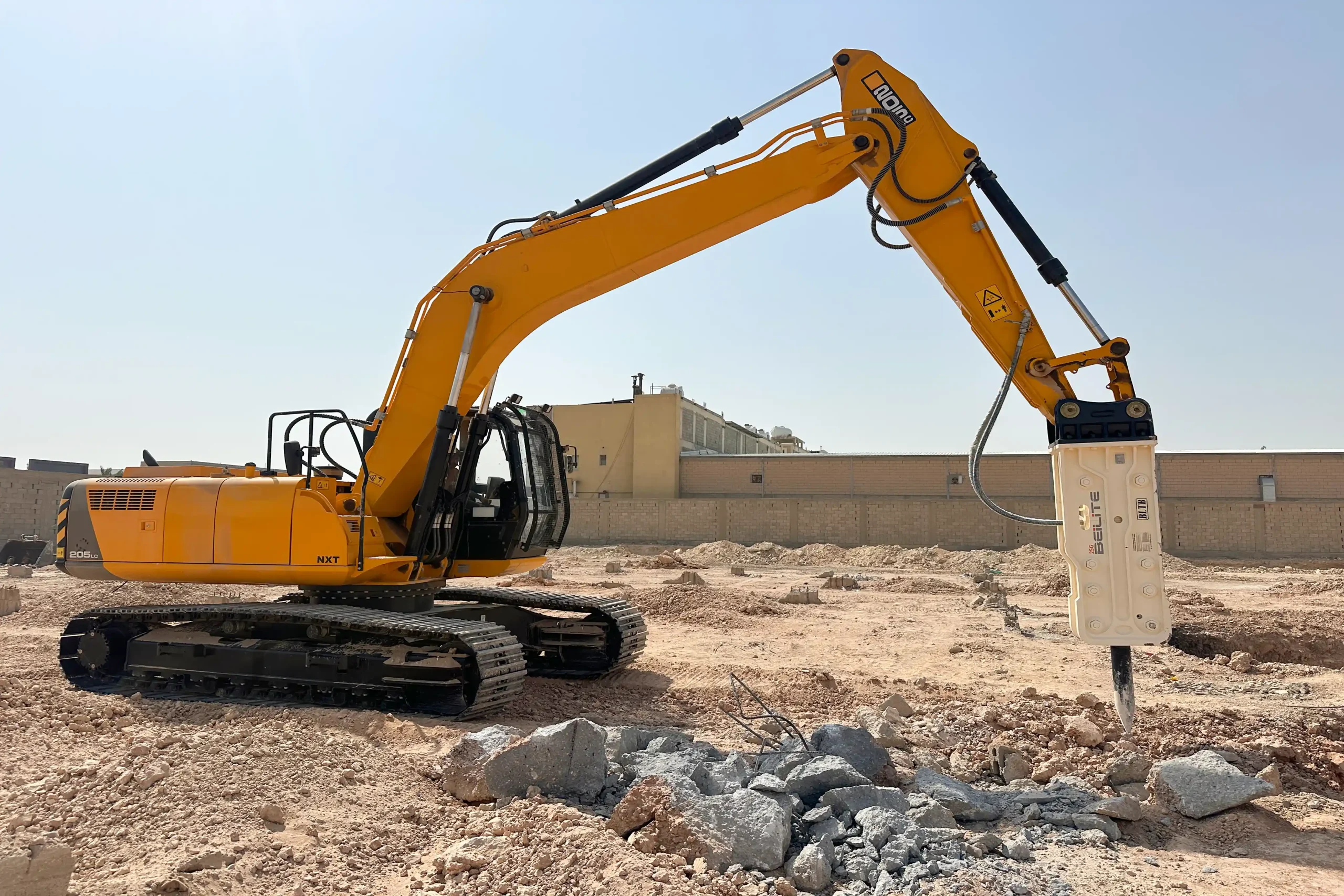
Proximity to active railway lines adds complexity to standard demolition safety practices. The combination of heavy equipment operation and train movements creates hazards that require specific mitigation strategies.
Strict exclusion zones around the work area must be clearly demarcated and continuously monitored. Physical barriers where practical, combined with trained spotters, prevent unauthorized entry into danger areas. Zone boundaries should account for worst-case scenarios including equipment malfunction or material ejection.
Communication with railway control centers ensures work activities coordinate with train schedules. Possession windows define when work can proceed safely, and clear protocols govern what happens if work extends beyond planned timelines. Real-time communication allows rapid response to schedule changes or emergency situations.
Equipment positioning matters for both productivity and safety. Operators should maintain awareness of escape routes and avoid positions where equipment could contact track infrastructure or interfere with train movements. Machine orientation should allow operators to see approaching trains and ground personnel simultaneously.
Maintaining Hydraulic Breakers for Railway Service
Hydraulic breakers operating in railway environments face demanding conditions that accelerate wear. Dust, debris, and the hard materials being broken all stress equipment components. Effective maintenance programs extend service life and prevent failures during critical work windows.
Daily inspections catch developing problems before they cause failures. Operators should check chisel points for wear patterns, cracks, or deformation. Hydraulic connections need visual inspection for leaks or damage. Lubrication points require attention according to manufacturer specifications—insufficient lubrication accelerates wear on bushings and pins.
Regular service intervals address components that wear gradually. Hydraulic system inspections verify oil condition, filter status, and system pressure. Nitrogen pressure in the accumulator affects impact energy and should be checked and adjusted as needed. Seal condition throughout the hydraulic system influences both performance and reliability.
Chisel replacement timing affects both productivity and equipment longevity. Worn chisels reduce breaking efficiency, requiring more passes and longer operation to accomplish the same work. Severely worn chisels can damage the breaker housing or allow debris entry. Establishing wear limits and replacing chisels before they reach critical condition protects both productivity and equipment.
Preventive Maintenance Requirements for Rail Applications
Railway hydraulic breaker maintenance follows a tiered schedule addressing different component wear rates. Daily, weekly, and periodic service tasks each target specific failure modes.
Daily checks focus on items that can change rapidly or indicate developing problems. Chisel point condition, lubrication levels, and visible hydraulic leaks all fall into this category. These inspections take minimal time but catch issues before they escalate.
Weekly service addresses components with moderate wear rates. Hydraulic hose connections should be inspected for wear, abrasion, or loosening. Mounting hardware needs verification, as vibration can loosen fasteners over time. Accumulator pressure checks ensure consistent impact energy.
Periodic maintenance covers major components and system-level inspections. Hydraulic oil analysis reveals contamination or degradation before it causes damage. Seal replacement at recommended intervals prevents leaks and maintains system pressure. Bushing and pin inspection identifies wear that could affect tool alignment or create safety hazards.
Why Generic Breakers Fall Short in Railway Applications
Railway demolition presents challenges that generic hydraulic breakers often cannot handle effectively. The materials, access constraints, and operational requirements differ significantly from typical construction applications.
Concrete sleepers and compacted ballast are harder and denser than most construction materials. Generic breakers designed for softer materials lack the impact energy to fracture railway concrete efficiently. They require more passes, longer operation, and more frequent chisel replacement—all of which extend project timelines and increase costs.
Access limitations in railway environments favor compact, maneuverable equipment. Generic breakers may not fit within the space constraints common around track infrastructure. Purpose-built railway equipment accounts for these limitations in its design.
Noise and vibration requirements in railway work often exceed standard construction limits. Work near residential areas or active adjacent lines demands equipment with effective dampening systems. Generic breakers typically lack the acoustic engineering needed for these sensitive environments.
Safety feature requirements in railway applications exceed those for general construction. Anti-blank firing systems, robust housing, and reliable operation under demanding conditions all matter more when failures could affect train operations or worker safety.
Beilite’s BLT and BLTB series address these railway-specific requirements through purpose-built design. Our participation in national standards development ensures our equipment meets the performance and safety expectations of modern rail infrastructure projects.
Explore Beilite Railway Hydraulic Breaker Solutions
Beilite Machinery Co., LTD brings national high-tech enterprise capabilities to railway hydraulic breaker development. Our BLT and BLTB series deliver the performance, reliability, and safety features that railway infrastructure projects demand.
Our engineering team understands the specific challenges of railway demolition work. We design equipment that handles tough materials efficiently while meeting noise, vibration, and safety requirements. Our global presence ensures parts availability and technical support wherever your projects operate.
Contact us to discuss your railway project requirements or arrange a product demonstration. Reach our team at 40008-40008 or [email protected].
Frequently Asked Questions About Railway Hydraulic Breakers
What specific challenges do hydraulic breakers face in railway environments?
Railway environments present several distinct challenges for hydraulic breaker operation. Uneven terrain and restricted access around track infrastructure limit equipment positioning options. The materials involved—concrete sleepers, compacted rock ballast, and various foundation elements—are often harder and denser than typical construction materials.
Precision requirements are particularly demanding. Breaking must occur without damaging adjacent track components that need to remain in service. Vibration control matters both for protecting nearby infrastructure and for meeting environmental regulations in populated areas. These combined factors make railway applications more challenging than most construction demolition work.
How does Beilite Machinery ensure the durability of its hydraulic breakers for rail work?
Durability in railway applications requires attention throughout the design and manufacturing process. Our R&D team selects materials specifically for the stress profiles encountered in railway demolition—high-impact loads, abrasive conditions, and extended operation cycles.
Manufacturing processes include heat treatment protocols that optimize hardness and toughness in critical components. Precision machining ensures proper fit and alignment, reducing wear from misalignment or excessive clearance. Our participation in national standards development drives continuous improvement in both design specifications and quality control procedures.
Field testing in actual railway applications validates laboratory performance predictions. Equipment that performs well in controlled conditions sometimes struggles in real-world railway environments. Our testing program identifies and addresses these gaps before products reach customers.
Can Beilite hydraulic breakers be adapted for various railway track materials?
The BLT and BLTB series offer significant adaptability for different railway materials. Interchangeable chisel points allow operators to optimize tool geometry for specific breaking tasks. Pyramid points work best for initial penetration of intact concrete, while conical designs excel at secondary breaking and material separation.
Adjustable impact energy settings provide additional flexibility. Lower energy settings work well for lighter materials or situations requiring more control. Higher settings handle dense concrete and rock ballast efficiently. This adjustability allows a single breaker to handle the range of materials encountered in typical railway maintenance projects.