 English
 French
Hydraulic Breakers for Pier and Harbor: Marine Demolition Power
Working on marine pier projects taught me something early: the sea doesn’t care about your equipment specifications. Saltwater finds every weakness, currents test every anchor point, and underwater conditions turn routine demolition into something far more demanding. Standard hydraulic breakers—the kind that perform reliably on land—simply weren’t built for this. They corrode faster, fail more often, and struggle with the material variations you encounter below the waterline. Marine-grade hydraulic breakers exist because the environment demanded them, and understanding what separates adequate equipment from purpose-built tools can determine whether a harbor project stays on schedule or spirals into costly delays.
Why Standard Hydraulic Breakers Struggle in Marine Environments
Pier and harbor construction involves demolishing existing structures, excavating seabed rock, and preparing foundations in conditions that actively work against your equipment. Standard hydraulic breakers were designed for terrestrial applications where the biggest concerns might be dust or occasional rain. Constant saltwater exposure changes everything.
Chloride ions in seawater attack metallic components aggressively. Unprotected steel develops pitting within weeks, not months. Seals degrade faster, allowing water into hydraulic systems where it contaminates oil and accelerates internal wear. The dynamic nature of marine sites adds another layer of difficulty—strong currents shift positioning, tidal changes alter water depth mid-operation, and reduced underwater visibility forces reliance on sonar or ROV guidance rather than direct observation.
The materials encountered vary dramatically too. One section might involve reinforced concrete piles, the next submerged granite formations. Breakers need both raw power and adaptability to handle these transitions without constant reconfiguration. Environmental regulations compound the challenge, imposing strict limits on noise and vibration that push toward more refined demolition techniques.
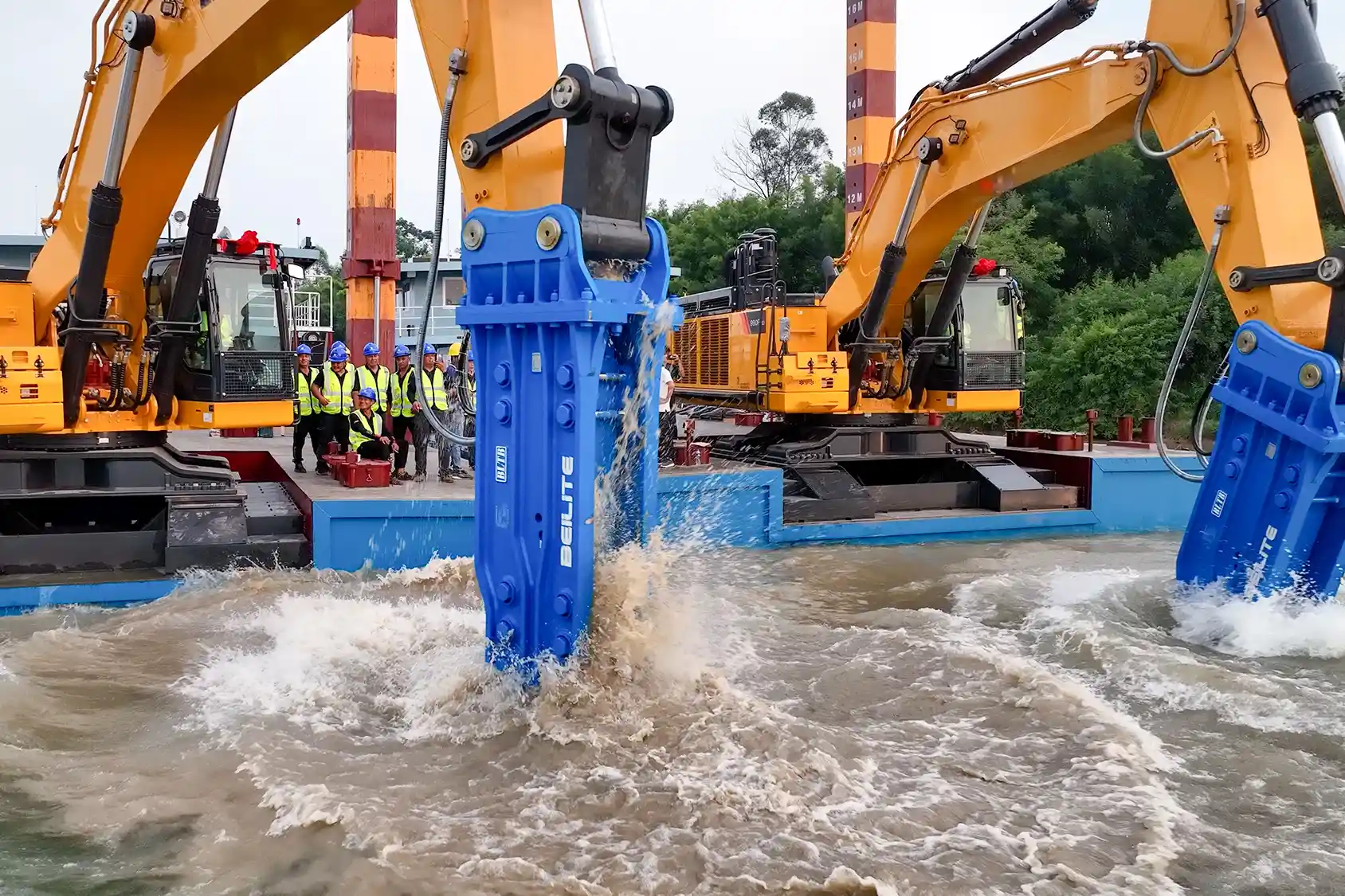
Specific Challenges of Underwater Hydraulic Breaker Demolition
Underwater demolition introduces problems that don’t exist on the surface. Visibility drops to near zero in turbid conditions, making precise positioning difficult without specialized guidance systems. Water pressure increases roughly one atmosphere every ten meters of depth, stressing equipment seals and hydraulic components in ways they weren’t originally designed to handle.
Material behavior changes when submerged. Concrete that would fracture predictably on land responds differently underwater, and breaking efficiency shifts accordingly. Specialized tools and operational techniques become essential rather than optional. Marine-grade hydraulic breakers address these factors through enhanced sealing systems and corrosion-resistant construction that prevents water ingress while maintaining consistent power delivery.
Engineering Features That Define Marine-Grade Hydraulic Breakers
Marine-grade hydraulic breakers aren’t standard units with a fresh coat of paint. Their engineering starts from different assumptions about operating conditions. High-strength alloys replace standard steel in critical components, and specialized coatings provide additional protection against saltwater degradation. Sealed hydraulic systems use multiple barrier layers to prevent water ingress, ensuring consistent power delivery even during extended underwater operation.
Housing designs account for the impacts and abrasions common in marine work. Internal mechanisms deliver superior breaking force capable of tackling dense concrete, steel reinforcement, and rock formations without the performance degradation that standard equipment experiences in these conditions. Vibration control and noise reduction features address environmental compliance requirements while improving operational safety.
The BLT and BLTB series from Beilite exemplify these design principles, incorporating decades of R&D specifically focused on challenging applications including saltwater environments.
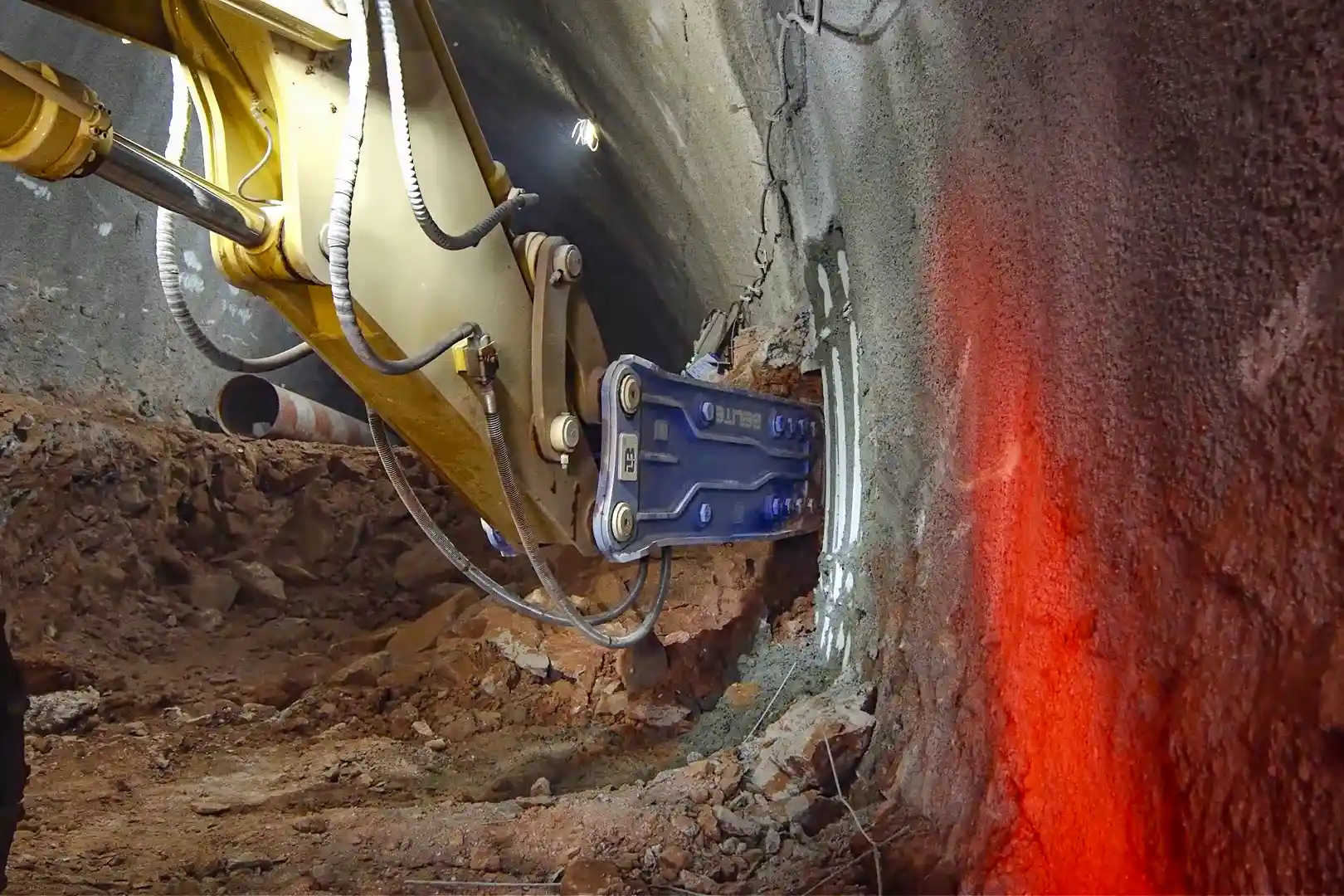
How Saltwater Corrosion Affects Hydraulic Breaker Performance
Saltwater corrosion doesn’t just shorten equipment lifespan—it degrades performance progressively. Chloride ions attack metallic surfaces, creating rust and pitting that weakens structural integrity. Compromised seals allow water into hydraulic systems, contaminating oil and causing internal component wear that reduces breaking force and operational precision.
Engineering countermeasures include marine-grade stainless steel for exposed components, multi-layer anti-corrosion coatings, and advanced sealed systems that maintain integrity under pressure differentials. These measures extend component longevity significantly while maintaining the consistent operational efficiency that marine projects demand.
Productivity and Safety Gains in Port Infrastructure Projects
Specialized marine-grade hydraulic breakers deliver measurable improvements in both productivity and safety. Consistent, powerful impacts accelerate demolition and excavation tasks, helping projects meet tight timelines while minimizing disruption to ongoing port operations. Robust construction and advanced features reduce mechanical failures, translating to less downtime and lower maintenance costs over project duration.
Safety considerations carry particular weight in marine environments where rescue and recovery operations are inherently more complex. Marine-grade breakers incorporate enhanced control systems that allow precise operation in challenging conditions, reducing risks to personnel and surrounding structures. Equipment that meets stringent safety standards contributes to safer working environments where margins for error are slim.
| Feature | Standard Breaker | Marine-Grade Breaker |
|---|---|---|
| Corrosion Resistance | Low | High (Specialized materials/coatings) |
| Sealing | Basic | Advanced (Water-tight systems) |
| Operational Environment | Dry/Terrestrial | Submerged/Saltwater |
| Maintenance Intervals | Standard | Extended |
| Lifespan in Marine Use | Shortened | Optimized |
| Breaking Force | Optimized for general use | High, consistent in varied materials |
Essential Safety Protocols for Heavy Hydraulic Equipment in Port Construction
Operating heavy hydraulic equipment in active port environments requires comprehensive safety protocols. Operator training and certification form the foundation, but site-specific safety plans with detailed risk assessments address the unique hazards of each project. Regular equipment inspections and pre-operation checks catch developing problems before they cause failures during critical operations.
Personal protective equipment requirements in marine settings often exceed standard construction specifications. Effective communication systems become essential when visibility is limited and team members may be working at different depths or locations. Established emergency procedures must account for the added complexity of water-based incidents.
Selecting the Right Hydraulic Breaker for Marine Project Requirements
Equipment selection for marine projects requires evaluating several interconnected factors. Material type—whether concrete, rock, or steel—determines the required breaking force and influences which size and power class will perform effectively. The carrier machine’s hydraulic capacity must match the attachment specifications, and compatibility issues that might be minor inconveniences on land become serious problems when equipment is deployed offshore.
Project timelines and site-specific conditions shape selection decisions. Water depth for underwater operations affects pressure requirements and sealing specifications. Operational costs including fuel efficiency and maintenance requirements matter more on projects where equipment access is limited and downtime carries higher penalties.
Reliability becomes paramount in remote or challenging marine environments where replacement parts aren’t readily available and weather windows for equipment changes may be narrow. Consulting with manufacturers who understand these constraints helps match equipment to actual project conditions rather than theoretical specifications.
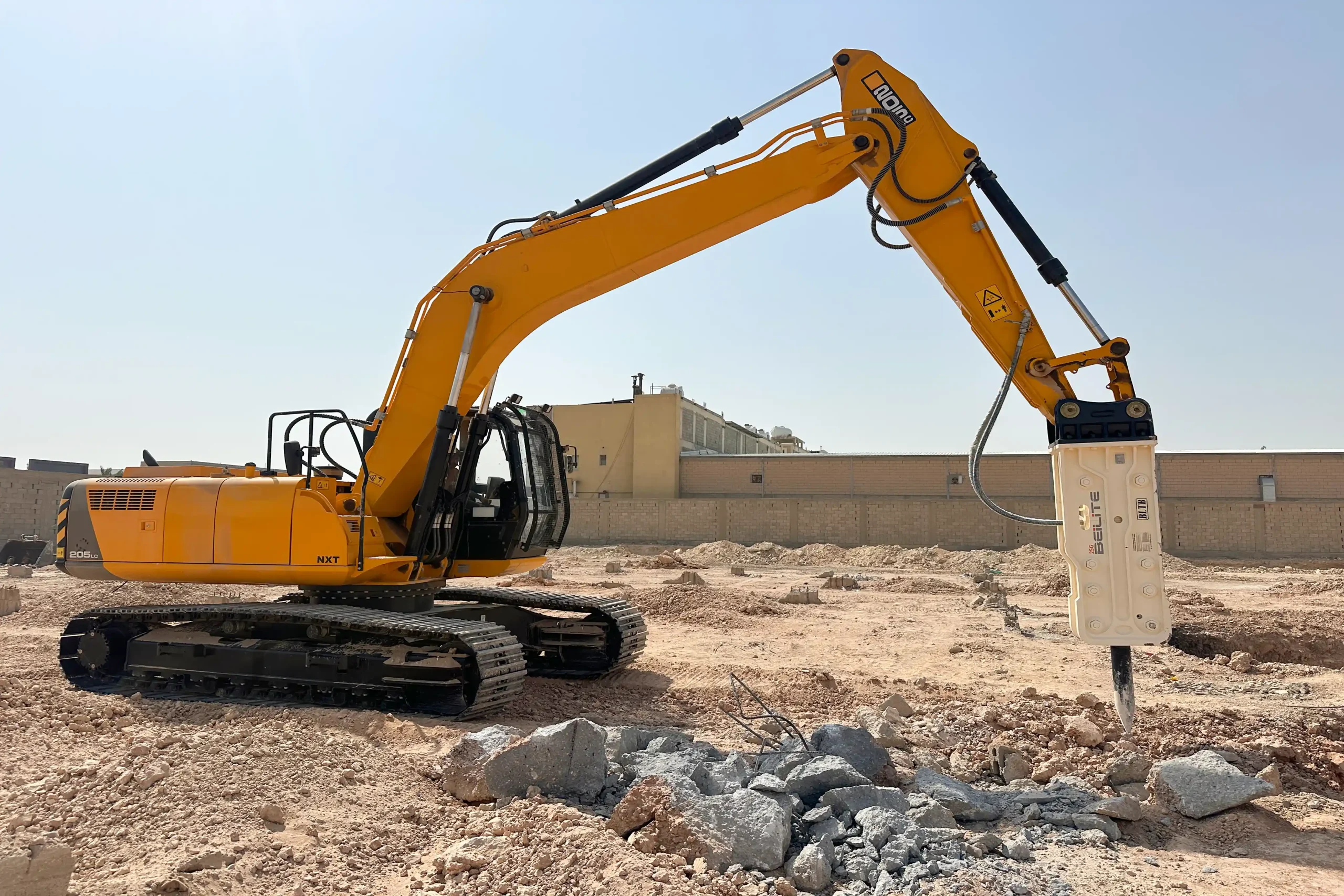
Beilite’s Approach to Marine Demolition Technology
Beilite Machinery Co., Ltd. has focused on hydraulic breaker R&D and manufacturing since 2002. Two decades of development have produced significant advances in core technologies, resulting in hundreds of patents and participation in formulating national standards for hydraulic breakers in China.
The BLT and BLTB product lines cover diverse working conditions including specialized marine applications. These solutions currently export to over 100 countries and regions, reflecting both global demand for marine-capable equipment and the reliability that international projects require.
Frequently Asked Questions About Marine Hydraulic Breakers
What pier and harbor tasks benefit most from specialized hydraulic breakers?
Concrete pile breaking, underwater rock excavation, quay wall demolition, removal of aging marine structures, and foundation preparation all demand equipment engineered for marine conditions. Standard breakers struggle with the combination of corrosive exposure and material density variations these tasks present. Marine-grade hydraulic breakers handle these challenges while maintaining the efficiency and precision that tight project schedules require.
How do Beilite hydraulic breakers maintain performance in corrosive saltwater?
The BLT and BLTB series incorporate advanced corrosion-resistant materials and sealed systems developed through extensive R&D. Innovative coatings protect exposed surfaces while robust component design withstands saltwater exposure over extended periods. This engineering focus extends operational lifespan and maintains consistent performance even under demanding marine conditions.
What safety considerations apply to heavy hydraulic equipment in port construction?
Comprehensive operator training, strict adherence to site-specific safety protocols, regular equipment inspections, proper PPE use, and effective communication systems all contribute to safe operations. Marine-grade hydraulic breakers often include features that enhance operational control in challenging environments, helping mitigate risks that are inherent to port construction work.
Can hydraulic breakers operate underwater, and what modifications do they need?
Specialized hydraulic breakers designed for underwater demolition require enhanced sealing to prevent water ingress, corrosion-resistant components throughout, and hydraulic systems capable of sustained submerged operation. Proper assessment of water depth, pressure conditions, and material type ensures effective and safe underwater breaking performance.
What factors determine hydraulic breaker size and power selection for marine projects?
Material type and density, required breaking force, excavator or carrier machine hydraulic capacity, project timelines, and site-specific conditions including water depth for underwater work all influence selection. Expert consultation helps match equipment specifications to actual project requirements rather than relying on general guidelines that may not account for marine-specific challenges.
Partner with Beilite for Your Marine Demolition Needs
Leverage Beilite Machinery Co., LTD’s two decades of innovation and expertise in high-end hydraulic breakers for your most demanding pier and harbor projects. Our BLT and BLTB series are engineered for unparalleled performance, durability, and safety in marine environments. Partner with a global leader trusted for quality and advanced technology. Contact us today for a consultation or to explore our specialized solutions: [email protected] or 40008-40008.