 English
 French
Hydraulic Breaker Use for Scaling Tunnel Walls: Best Practices
Loose rock doesn’t announce itself. It shifts, cracks, and sometimes falls without warning. In tunnel construction, that unpredictability makes scaling one of the most consequential tasks on any project. The work itself is straightforward in concept—remove unstable material before it becomes a hazard—but execution demands the right equipment, trained operators, and a clear understanding of what the rock is telling you. Hydraulic breakers have become the go-to tool for this work, offering the combination of power and precision that tunnel environments require. What follows covers the practical side of deploying these machines effectively, from selection through maintenance, with an emphasis on keeping people safe and projects moving.
Why Tunnel Scaling Demands Serious Attention
Tunnel scaling is the process of removing loose or unstable rock from tunnel walls and ceilings. The stakes are high. A single rockfall can injure workers, damage equipment, and halt operations for days. Beyond the immediate danger, poor scaling compromises the foundation for everything that follows—support systems, lining installation, and long-term structural integrity.
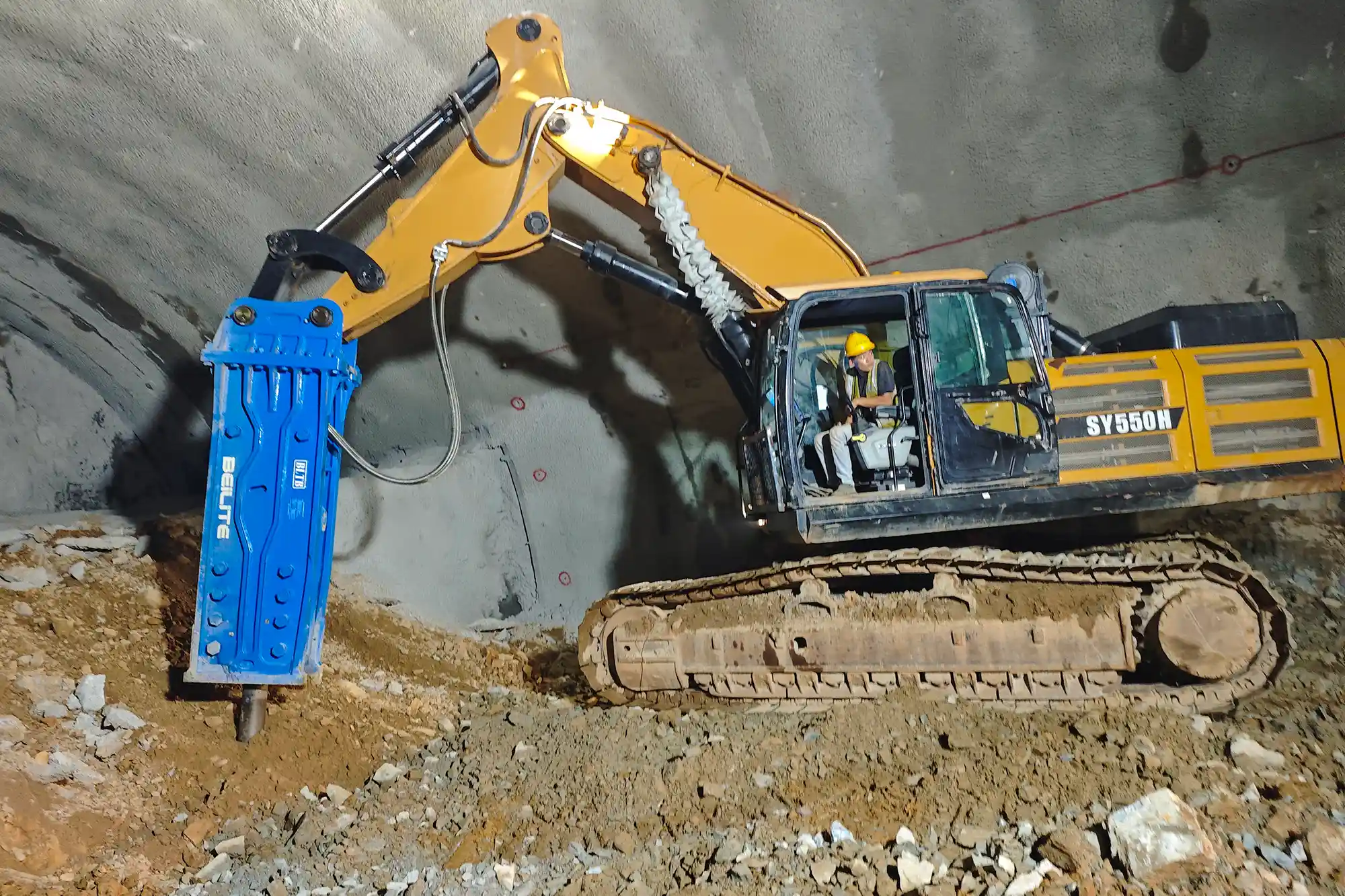
The difficulty varies with geology. Some formations fracture predictably along visible planes. Others hide instability beneath surfaces that look solid. Operators encounter everything from soft, weathered material that crumbles on contact to hard, competent rock with hairline fractures that only reveal themselves under stress. This variability means no single approach works everywhere. Effective scaling combines visual assessment, understanding of rock mechanics, and equipment capable of handling whatever the ground presents. The work continues throughout excavation and often resurfaces during rehabilitation phases when previously stable sections begin to deteriorate.
Matching the Hydraulic Breaker to the Job
Selecting the right hydraulic breaker isn’t a matter of grabbing the biggest unit available. The decision involves matching the breaker to the carrier machine, the rock properties, and the physical constraints of the tunnel itself.
Impact energy matters, but so does control. A breaker that’s too powerful for the carrier creates stability problems and accelerates wear on both machines. One that’s undersized struggles against harder formations, extending cycle times and frustrating operators. The carrier’s hydraulic flow and pressure capacity set the boundaries—exceed them, and you’re looking at premature failures and voided warranties.
Chisel selection adds another layer. Blunt chisels work well on fractured, softer rock where the goal is to pry loose material free. Pointed chisels concentrate force for penetrating harder, more intact formations. Getting this wrong doesn’t just slow the work; it damages equipment and can create new fractures in rock that should remain stable.
Beilite Machinery’s BLT and BLTB series cover a range of applications, from compact units for smaller carriers to heavy-duty models for large-scale tunnel projects. The table below shows how different models align with excavator sizes and operating parameters:
| Model | Applicable Excavator (t) | Chisel Diameter (mm) | Working Pressure (bar) | Impact Frequency (bpm) |
|---|---|---|---|---|
| BLT-60 | 3–5.5 | 60 | 100–130 | 500–1000 |
| BLT-85 | 7–11 | 85 | 130–160 | 400–800 |
| BLT-100 | 10–14 | 100 | 150–170 | 350–700 |
| BLT-135 | 18–22 | 135 | 160–180 | 350–500 |
| BLT-155 | 27–33 | 155 | 200–220 | 200–300 |
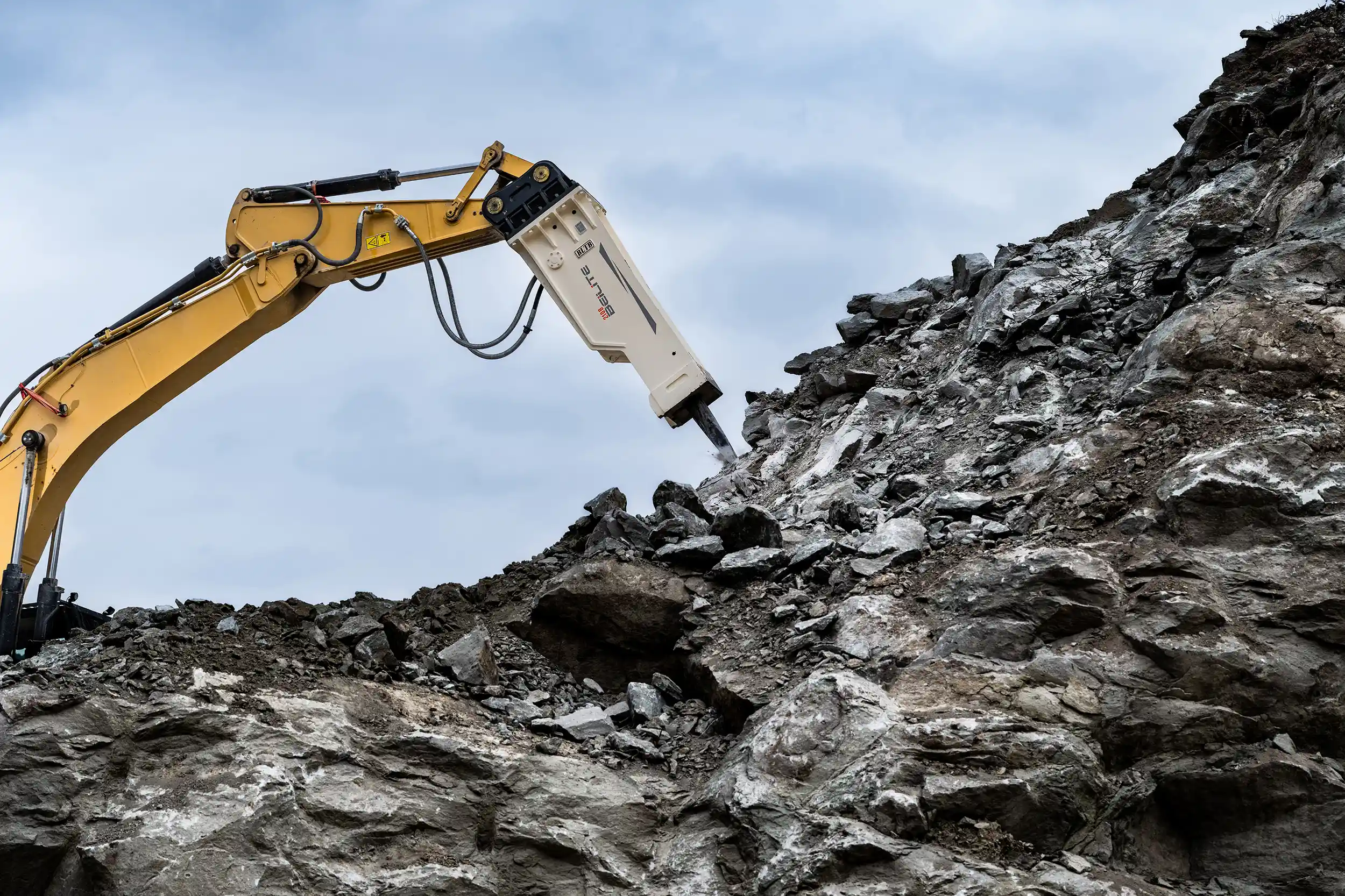
Are Standard Demolition Breakers Suitable for Tunnel Scaling?
Not really. Tunnel scaling places demands on equipment that standard demolition work doesn’t. The environment is abrasive, dusty, and confined. Breakers need robust housings that can withstand constant exposure to rock particles and moisture. Enhanced dust protection keeps contaminants out of seals and hydraulic components.
Noise and vibration also matter more underground. Operators work in enclosed spaces where sound reflects and amplifies. Lower vibration levels reduce fatigue during extended shifts. Extended reach capabilities help operators target unstable sections without positioning the carrier in hazardous zones. The BLT series includes models engineered specifically for these conditions, with features that standard units lack.
Operating Techniques That Actually Work
Equipment selection gets you partway there. The rest depends on how operators use the tools they’re given.
Skilled operators develop an intuition for rock behavior. They notice subtle signs—discoloration, moisture seepage, sound changes when the chisel contacts the surface—that indicate instability. This awareness guides targeting decisions and prevents the kind of aggressive hammering that creates more problems than it solves.
The basic sequence looks like this:
-
Assessment first. Walk the area. Look for visible fractures, overhangs, and sections that sound hollow when struck. Geological structures like bedding planes and joint sets indicate where failures are likely to occur.
-
Position carefully. The carrier needs stable footing and adequate reach. Rushing this step invites tip-overs and limits the operator’s ability to work effectively.
-
Target the weak points. Aim for fracture lines and the base of loose blocks rather than attacking solid rock. The goal is removal, not excavation.
-
Use controlled bursts. Short, deliberate impacts work better than continuous hammering. This approach minimizes overbreak, reduces vibration transmitted to surrounding rock, and extends equipment life.
-
Combine methods. Hydraulic breakers handle the heavy work, but scaling bars remain useful for smaller fragments and final cleanup. The two approaches complement each other.
-
Reassess constantly. Scaling exposes new surfaces. What looked stable before may reveal hidden fractures once the outer layer is removed.
-
Manage dust. Visibility matters for safety and precision. Water suppression or ventilation systems keep the air clear enough to work effectively.
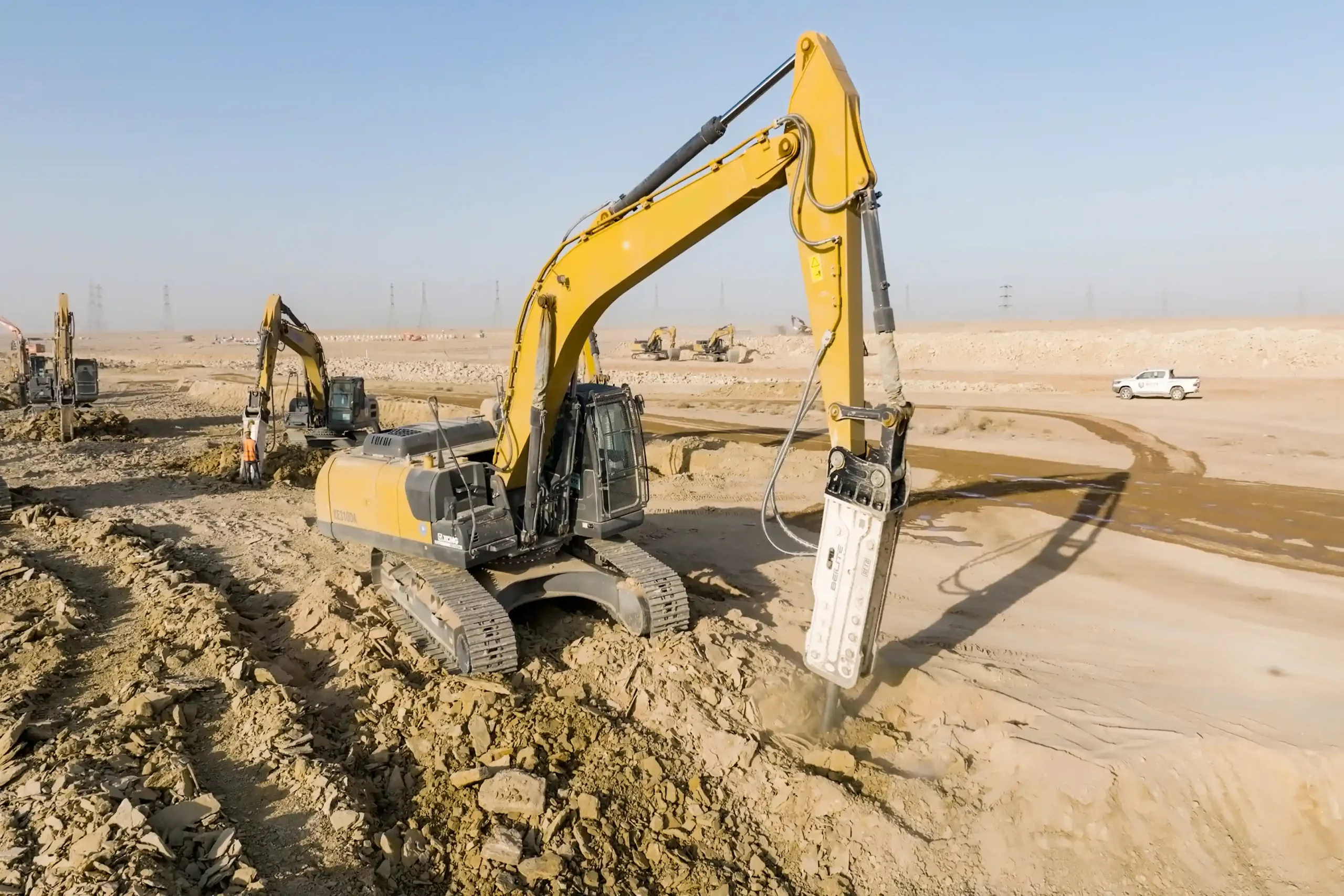
What Safety Measures Are Non-Negotiable?
The list is longer than most people expect. Personal protective equipment—hard hats, safety glasses, hearing protection, steel-toed boots—is mandatory. Exclusion zones keep unauthorized personnel away from falling debris and swinging equipment. Communication protocols between operators and ground crews prevent the kind of misunderstandings that lead to accidents.
Risk assessments aren’t paperwork exercises. They identify specific hazards for each section of tunnel and establish mitigation measures before work begins. Emergency procedures need to be practiced, not just posted. When something goes wrong underground, response time determines outcomes.
Building a Safety Culture Beyond the Checklist
Compliance with regulations establishes the baseline, but genuine safety requires more than checking boxes. Regulatory standards—whether local mining codes or construction safety requirements—dictate minimum procedures for ground support, ventilation, and emergency response. Meeting these requirements keeps projects legal. Exceeding them keeps people alive.
Hazard identification starts before the first machine enters the tunnel. Geological surveys and rock mass classification provide the foundation for understanding what the ground will do under stress. This information shapes everything from support system design to scaling procedures.
Training matters more than most organizations acknowledge. Operators who understand why procedures exist follow them more consistently than those who simply memorize steps. Supervision ensures that standards don’t erode under production pressure. Environmental considerations—dust control, noise limits, waste handling—add another layer of responsibility that competent operations integrate into daily routines.
Keeping Hydraulic Breakers Running
A hydraulic breaker that’s down for repairs isn’t generating value. Maintenance isn’t glamorous work, but it directly affects both productivity and safety.
Daily checks take minutes and catch problems before they escalate. Operators should inspect the chisel for wear, cracks, or blunting. Worn chisels don’t just perform poorly—they transmit shock loads back into the breaker housing, accelerating wear on internal components.
Lubrication follows manufacturer specifications. Too little creates friction and heat. Too much attracts contaminants. The chisel and bushings need particular attention since they absorb the most punishment.
Hydraulic system integrity determines whether the breaker delivers consistent power. Leaks waste energy and contaminate the work area. Damaged seals allow particles into the system, where they cause progressive damage to pumps and valves.
Nitrogen pressure in the accumulator affects impact characteristics. Low pressure reduces power and increases cycle times. Checking this according to the maintenance schedule prevents gradual performance degradation that operators might not notice until it becomes severe.
Fasteners loosen under vibration. Regular torque checks prevent the kind of sudden failures that strand equipment mid-shift.
How Often Should Inspection Happen?
The answer depends on operating intensity, but a tiered approach works for most applications. Daily visual checks by operators catch obvious problems—damaged hoses, loose fittings, chisel wear. Weekly inspections go deeper, examining mounting pins, bushings, and lubrication points. Monthly or every 200 operating hours, qualified technicians should conduct comprehensive reviews that include internal components, accumulator pressure verification, and seal replacement as needed.
This schedule isn’t arbitrary. It reflects the reality that small problems become expensive failures when ignored. Catching a worn seal early costs a few dollars and minimal downtime. Letting it fail contaminates the hydraulic system and can sideline equipment for days.
What Beilite Brings to Tunnel Projects
BEILITE Machinery Co., Ltd. has been manufacturing hydraulic breakers since 2002. The company holds hundreds of patents and has participated in developing national standards for hydraulic breakers in China. That technical foundation shows up in products engineered for demanding applications.
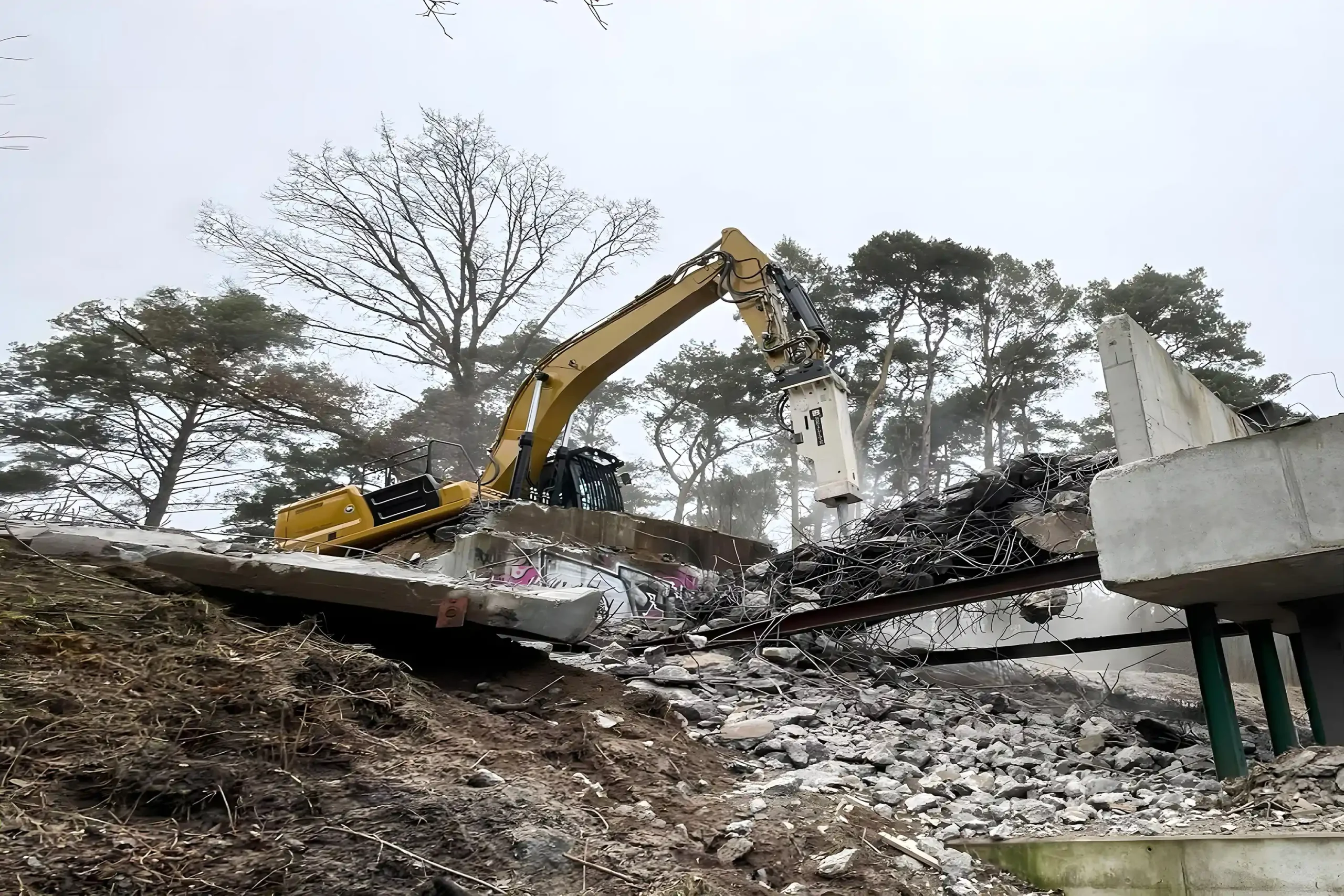
The BLT and BLTB product lines serve customers in over 100 countries. What distinguishes these hydraulic hammer applications from commodity alternatives is attention to the details that matter in harsh environments—seal quality, housing durability, and the precision of internal tolerances that determine long-term reliability. Tunnel scaling punishes equipment in ways that surface work doesn’t. Breakers designed for these conditions perform consistently where others fail prematurely.
Moving Forward with Your Tunnel Scaling Projects
Effective tunnel scaling combines the right equipment, trained operators, and systematic attention to safety and maintenance. The hydraulic breaker sits at the center of this system, but it’s only as good as the decisions surrounding its selection and use.
Beilite Machinery’s engineering team works with project managers to match equipment to specific requirements. Whether you’re dealing with hard rock formations, confined spaces, or aggressive production schedules, the conversation starts with understanding what you’re actually facing underground.
Email: [email protected]
Phone: 40008-40008
Frequently Asked Questions About Tunnel Scaling with Hydraulic Breakers
What Are the Primary Safety Measures for Operating Hydraulic Breakers in Tunnels?
Start with personal protective equipment for everyone in the area—hard hats, hearing protection, safety glasses, and appropriate footwear. Establish exclusion zones that keep unauthorized personnel away from both the operating equipment and potential fall zones. Dust control isn’t optional; visibility affects both safety and precision, and air quality matters for worker health over extended shifts. Risk assessments should happen before work begins and continue as conditions change. The rock doesn’t stay the same throughout a project, and neither should the safety approach.
How Does Geological Variation Impact Hydraulic Breaker Selection?
Rock properties drive equipment decisions. Harder, denser formations require higher impact energy and operating pressure. Fractured rock needs more precise control to avoid creating additional instability. Abrasive materials accelerate wear on chisels and bushings, affecting maintenance schedules and parts inventory. Chisel geometry matters too—pointed tools concentrate force for penetrating intact rock, while blunt profiles work better for prying loose fractured material. Ignoring these factors leads to either underpowered equipment that struggles or overpowered units that create collateral damage.
What Maintenance Practices Extend Hydraulic Breaker Lifespan in Tunnel Work?
Daily visual inspections catch problems early. Proper lubrication—following manufacturer specifications for type and quantity—reduces friction and wear on high-stress components. Hydraulic system integrity requires regular attention to lines, seals, and connections. Worn parts need replacement before they fail catastrophically; a chisel that’s past its service life damages the breaker housing and can create safety hazards. Accumulator pressure checks ensure consistent impact performance. None of this is complicated, but skipping steps creates cumulative damage that shortens equipment life and increases total cost of ownership.