 English
 French
Hydraulic Breaker Training Packages: Boost Safety & Performance
Running a hydraulic breaker looks straightforward until something goes wrong. The machine weighs several tons, the chisel strikes with thousands of joules of force, and the operator sits meters away from concrete shards flying at unpredictable angles. I’ve watched experienced excavator operators struggle with their first breaker attachment because the skills don’t transfer as cleanly as they expect. The hydraulic system behaves differently under impact loading, the timing feels counterintuitive, and the consequences of poor technique show up fast in maintenance bills and safety incidents. A proper hydraulic breaker training package addresses all of this, covering everything from basic safety protocols to advanced breaking patterns that most operators never learn on the job.
Why Untrained Operation Costs More Than Training Ever Will
Untrained operation of heavy machinery, particularly hydraulic breakers, introduces substantial financial and human costs. Inefficient practices lead to frequent breakdowns, increased operational costs, and significant safety incidents. Industry insights consistently show that a lack of comprehensive training contributes to higher accident rates and project delays. Investing in specialized training mitigates these risks, ensuring regulatory compliance and adherence to industry best practices. Certified operators reduce legal liabilities and minimize equipment downtime, directly translating to improved project timelines and overall profitability. Robust training programs are not merely an expense but a strategic investment in long-term operational resilience and safety.
What a Complete Hydraulic Breaker Training Package Actually Covers
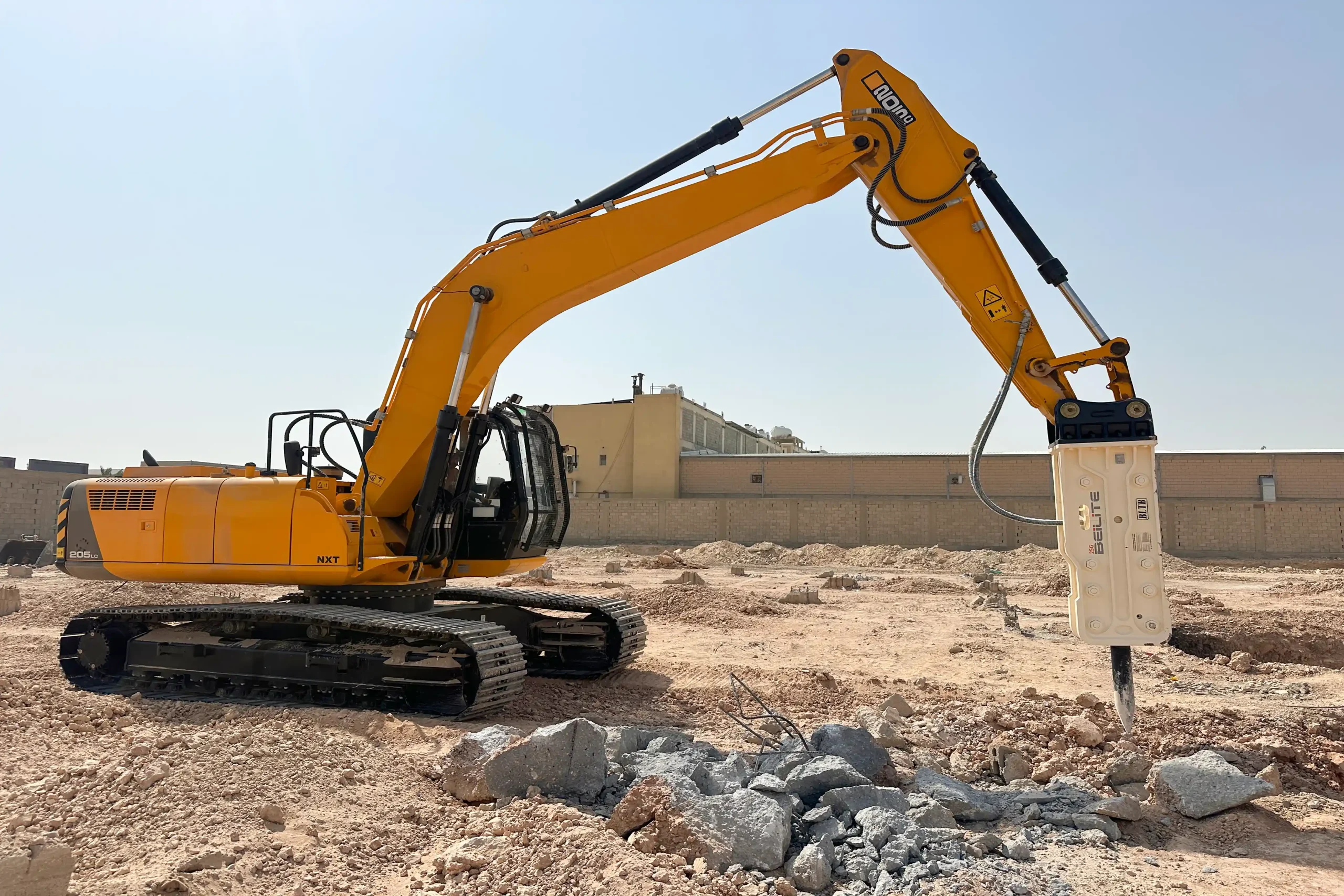
A comprehensive hydraulic breaker training package must encompass both theoretical knowledge and practical application to cultivate true expertise. Such a curriculum ensures operators understand the intricacies of excavator attachments and hydraulic systems. The complexity of modern hydraulic hammers demands this dual approach. A complete training solution covers safety protocols, equipment lifespan optimization, performance enhancement, troubleshooting, and preventative maintenance. This holistic approach prepares operators for diverse working conditions and maximizes the utility of high-end equipment.
Building the Foundation Through Safety and Maintenance
The foundational elements of any effective hydraulic breaker training package prioritize safety and operational competence. Modules include critical safety regulations such as lockout/tagout procedures and the correct use of personal protective equipment. Operators learn essential maintenance procedures, including daily checks, lubrication schedules, and identifying common wear parts. This knowledge is crucial for prolonging equipment lifespan and preventing costly repairs, ensuring that operators can troubleshoot minor issues efficiently and safely.
Moving Beyond Basics to Performance Optimization
Moving beyond basic operation, advanced training focuses on maximizing productivity and efficiency. This includes instruction on proper tool selection for various materials, optimal breaking patterns, and effective material handling techniques. Operators learn to adapt to different site management scenarios, enhancing overall performance optimization. These advanced skills contribute directly to increased return on investment by improving operational output and reducing cycle times.
How Training Changes Both Efficiency and Safety Outcomes
Specialized training profoundly impacts both operational efficiency and operator safety. Skilled operators exhibit improved safety records, significantly reducing the likelihood of accidents and injuries. This translates into fewer insurance claims and lower risk mitigation costs. Trained personnel operate equipment with greater precision, leading to enhanced project timelines and superior quality control. Reduced downtime is a direct benefit, as operators are adept at preventative maintenance and swift troubleshooting. This expertise extends the equipment lifespan, preserving the investment in heavy equipment. In demanding environments like Hydraulic Breaker Hammer for Mining and Quarrying, precise operation is critical for both safety and output. For Hydraulic Breaker Hammer for Demolition&Rock Breaking, trained operators ensure controlled and efficient material reduction.
| Training Aspect | Impact on Efficiency | Impact on Safety |
|---|---|---|
| Skill Proficiency | Faster task completion | Fewer operational errors |
| Maintenance Knowledge | Reduced breakdowns | Prevention of failures |
| Safety Protocols | Minimized incidents | Enhanced operator well-being |
| Tool Selection | Optimized material breakage | Reduced equipment stress |
| Troubleshooting | Quicker issue resolution | Avoidance of hazards |
Certification Sets a Standard That Protects Everyone
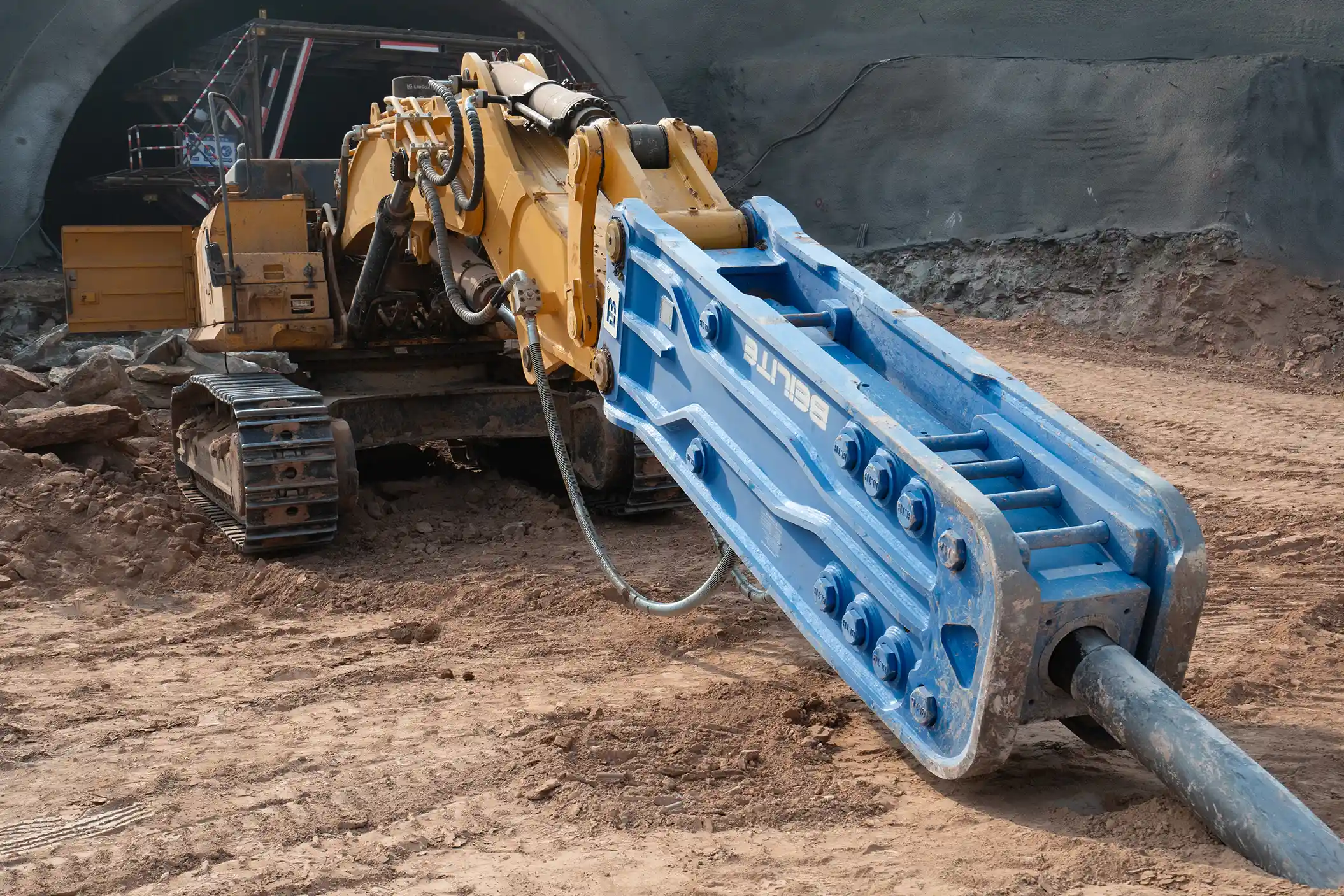
Certified training is crucial for hydraulic breaker operators because it establishes a recognized standard of competence and professionalism. This certification is often a prerequisite for regulatory compliance, ensuring operations meet national standards and industry accreditation requirements. For companies, employing certified personnel significantly reduces legal liabilities associated with workplace accidents. Certified operators contribute to a company’s reputation for safety and professionalism, attracting better contracts and improving public perception. Certification also fosters professional development, equipping operators with industry best practices and the confidence to operate advanced equipment effectively. This is particularly vital for specialized applications such as Hydraulic Breaker Hammer for Underwater Construction or when using a Hydraulic Breaker Hammer for Mini Compact Excavator.
What Certifications Matter for Hydraulic Breaker Operation
While specific requirements vary by region and project, most industry standards recommend operators complete certified hydraulic breaker training programs. These often include modules on safe operation, maintenance, and regulatory compliance. Reputable training packages ensure adherence to national and international safety guidelines, providing operators with recognized qualifications essential for heavy demolition equipment.
Finding a Training Provider That Delivers Real Results
Selecting a high-quality training partner is paramount for maximizing the benefits of hydraulic breaker training. Look for providers with experienced instructors who possess deep equipment knowledge and a proven track record. The curriculum should cover both theoretical principles and hands-on practical application, ideally incorporating advanced technology and real-world scenarios. Providers offering customized training options, including on-site training, can tailor programs to specific equipment models and operational environments. BEILITE, with its extensive R&D and manufacturing expertise, participates in formulating national standards, demonstrating commitment to industry best practices and advanced training methodologies. Global reach ensures that insights into high-end hydraulic breaker operation are informed by diverse working conditions.
When Operators Should Return for Refresher Training
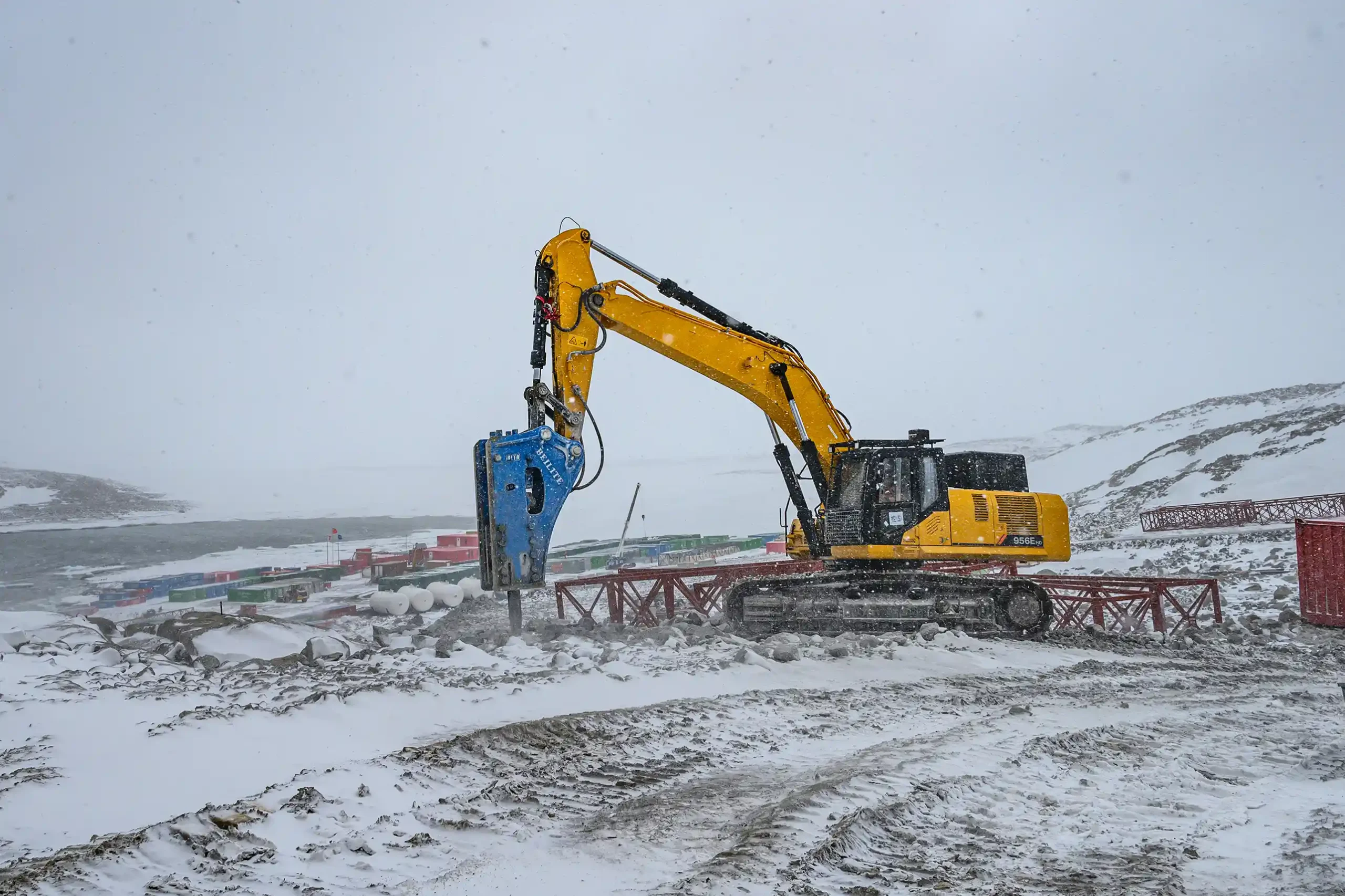
To maintain peak operational efficiency and stay updated on evolving safety protocols, hydraulic breaker operators should ideally undergo refresher training every 2-3 years. This ensures their skills remain sharp, they are aware of new equipment technologies or best practices, and they can effectively troubleshoot common issues, contributing to sustained productivity and reduced operational risks.
Why On-Site Training Works Better for Most Teams
On-site hydraulic breaker training offers numerous advantages, including customized curriculum tailored to your specific equipment and project environment, reduced travel costs and downtime for your team, and the ability to practice on actual job sites. This practical approach enhances real-world skill application, fosters team cohesion, and directly addresses the unique challenges of your construction operations.
Better Training Means Better Operations
Investing in expert hydraulic breaker training is a strategic decision that yields significant returns. Enhanced operator proficiency directly translates to superior equipment performance and extended equipment life. By fostering a culture of operational safety, businesses protect their most valuable assets: their personnel and their heavy machinery. BEILITE Machinery Co., Ltd. is committed to advancing the industry through high-end hydraulic breakers and the knowledge required to operate them safely and efficiently. Well-trained operators are the cornerstone of successful, sustainable operations, whether they are utilizing Hydraulic Hammer Breaker For Mini Excavator,Mini Excavator Breaker or larger units.
For more information on optimizing your hydraulic breaker operations, contact us today.
Email: [email protected]
Phone: 40008-40008
Frequently Asked Questions About Hydraulic Breaker Training
What certifications are required for hydraulic breaker operation?
Certification requirements depend on your region and the specific project scope. Most industry standards recommend completing a certified hydraulic breaker training program that covers safe operation, maintenance procedures, and regulatory compliance. These programs align with national and international safety guidelines and provide operators with credentials that many contractors now require before allowing work on demolition or excavation sites.
How often should hydraulic breaker operators receive refresher training?
Every 2-3 years is a reasonable interval for refresher training. Equipment technology evolves, safety protocols get updated, and even experienced operators develop habits that drift from best practices over time. Regular refresher courses keep skills sharp and ensure operators stay current with new troubleshooting techniques and maintenance procedures.
What are the benefits of on-site hydraulic breaker training for construction teams?
On-site training eliminates travel costs and reduces the time your team spends away from productive work. The real advantage, though, is context. Instructors can tailor the curriculum to your specific equipment models and site conditions. Operators practice on the actual machines they’ll use daily, which accelerates skill transfer and helps teams address the particular challenges of their working environment.