 English
 French
How to Create a Maintenance Schedule for Peak Equipment Performance
Getting equipment maintenance right isn’t about following a checklist blindly. It’s about understanding why certain tasks matter and when they actually need to happen. After years of working with heavy machinery, I’ve learned that the difference between operations that run smoothly and those constantly fighting fires comes down to how thoughtfully they approach their maintenance schedule. The principles here apply whether you’re running hydraulic breakers, excavators, or any equipment where downtime costs real money.
Why Reactive Maintenance Keeps Failing Operations
A solid maintenance schedule does more than prevent breakdowns. It fundamentally changes how an organization relates to its equipment. The old approach of fixing things after they fail sounds practical until you add up the costs: emergency part shipments, overtime labor, missed deadlines, and the cascading delays that ripple through an entire project.
Preventive maintenance catches problems through routine inspections and servicing at set intervals. Corrective maintenance steps in when something’s detected but hasn’t fully failed yet. Predictive maintenance uses actual data to forecast when components will need attention. Each approach serves a different purpose, and most successful operations blend all three.
The numbers support this shift. Planned maintenance typically reduces overall maintenance costs by 15-30% compared to purely reactive approaches. That’s not a theoretical estimate. It’s what operations consistently report when they make the transition. The savings come from better parts pricing, reduced emergency labor rates, and equipment that simply lasts longer when it’s properly cared for.
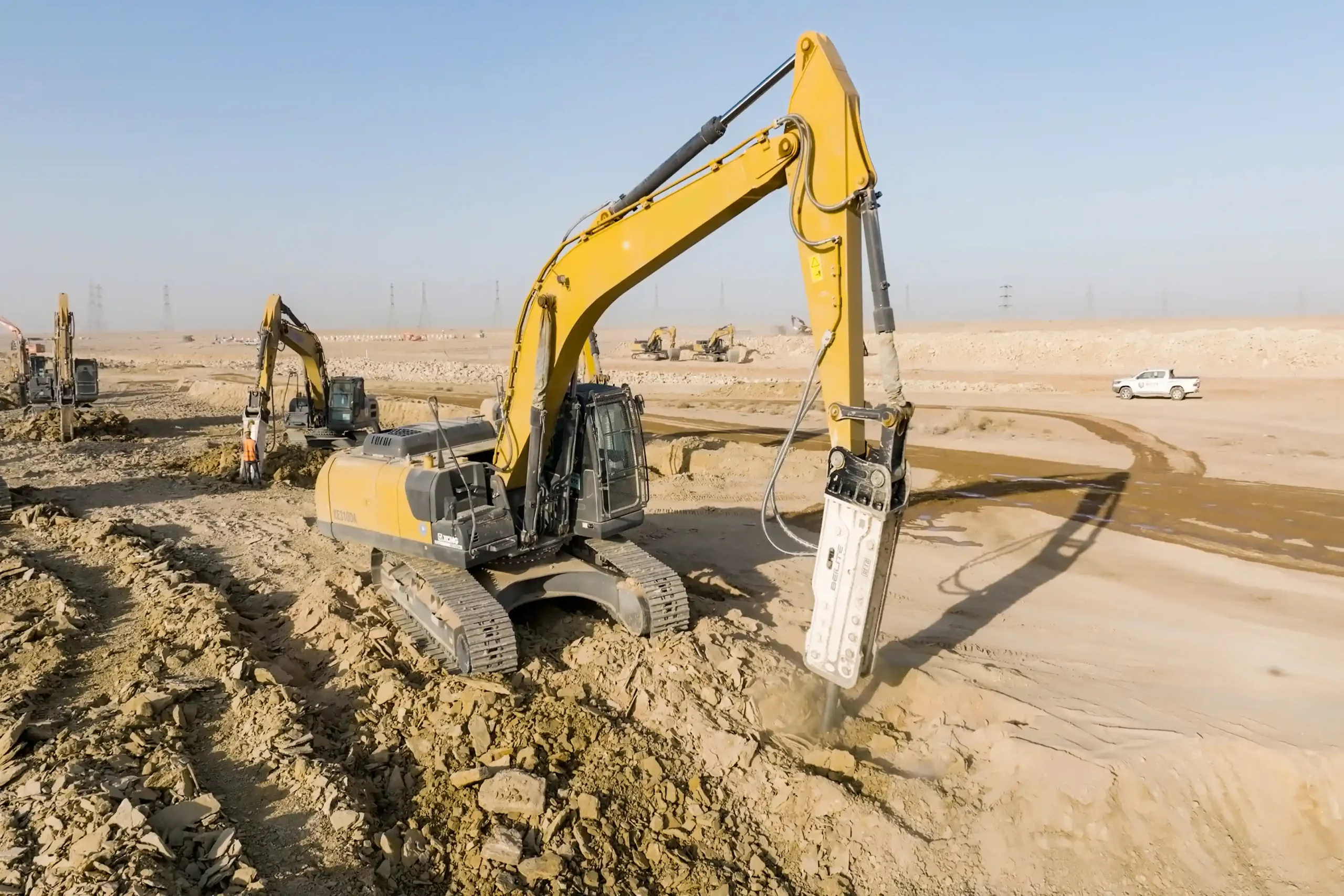
Building a Maintenance Schedule That Actually Works
Creating an effective maintenance planning process requires thinking through several interconnected elements. Skipping steps here leads to schedules that look good on paper but fall apart in practice.
Start with a genuine equipment assessment. Document every piece of critical machinery, noting its current condition, age, and how it’s actually been used. This baseline matters because two identical machines with different operational histories need different maintenance approaches.
Manufacturer specifications provide the foundation, but they’re starting points rather than final answers. The recommended service intervals assume certain operating conditions that may not match your reality. A hydraulic breaker working in dusty quarry conditions needs more frequent filter changes than one operating in cleaner environments.
Failure analysis reveals patterns that manufacturer guidelines can’t anticipate. Review your maintenance records and identify which components fail most often, what causes those failures, and how they affect operations. This historical data shapes how you prioritize tasks and allocate resources.
Define specific maintenance tasks for each piece of equipment. Categorize them clearly: inspections, lubrication, adjustments, component replacements. Then assign scheduling frequency based on manufacturer guidelines, operational hours, environmental conditions, and your failure analysis. Some tasks work best on time-based schedules. Others make more sense triggered by usage or condition monitoring.
Resource allocation determines whether your schedule stays theoretical or becomes operational. Identify the personnel, tools, and spare parts each task requires. A perfectly designed schedule means nothing if the right parts aren’t available when needed.
Inspection checklists standardize what technicians look for and ensure nothing gets overlooked. Work order management systems create accountability and generate the historical data you’ll need for continuous improvement. Training ensures everyone understands both the procedures and the reasoning behind them.
What Happens When Maintenance Schedules Work Well
A well-structured maintenance schedule delivers benefits across multiple dimensions. Emergency repairs become rare rather than routine, and spare parts usage becomes predictable rather than chaotic. Equipment lasts longer, pushing replacement costs further into the future and improving return on investment.
Safety improves because potential hazards get identified and addressed before they escalate. Productivity increases because equipment stays available when needed. These aren’t separate benefits. They compound each other, creating operations that run more smoothly and cost less to maintain.
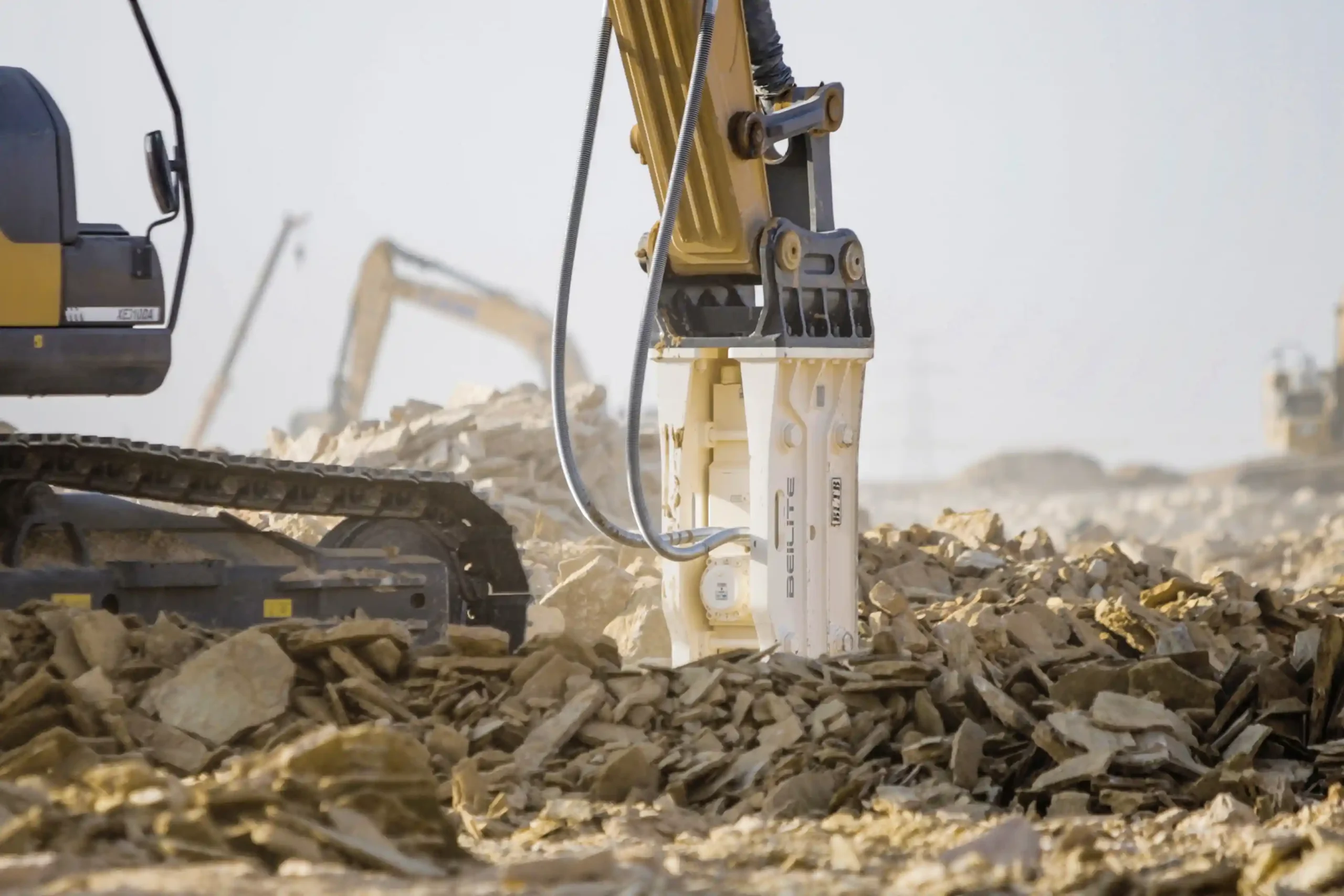
Where Technology Changes the Maintenance Game
Modern maintenance goes beyond scheduled checks into genuinely predictive territory. IoT sensors collect real-time data on vibration, temperature, fluid levels, and other parameters that indicate equipment health. This continuous monitoring catches problems that periodic inspections might miss.
Machine learning algorithms analyze these data streams, identifying patterns that suggest impending failures. The technology has matured enough that these predictions often prove more accurate than experienced technicians’ intuitions, particularly for subtle degradation patterns that develop over weeks or months.
Computerized Maintenance Management Systems centralize operations in ways that weren’t possible a decade ago. Work orders, asset tracking, spare parts inventory, and maintenance history all live in one accessible system. Enterprise Asset Management platforms extend this integration to finance and other business functions.
Condition monitoring systems represent the practical application of these technologies. Rather than maintaining equipment on fixed schedules regardless of actual condition, teams intervene precisely when the data indicates intervention is needed. This approach minimizes unnecessary downtime while catching problems before they cause failures.
Software That Makes Scheduling Manageable
Several categories of tools help create and manage maintenance schedules effectively. CMMS software handles work order generation, asset tracking, and preventive maintenance scheduling. These systems centralize data that would otherwise scatter across spreadsheets, notebooks, and individual memories.
Enterprise Asset Management systems provide broader integration, connecting maintenance activities with financial systems and inventory management. For field operations, mobile apps let technicians access checklists, update work orders, and log data directly from equipment locations.
The real value of these tools comes from the data they accumulate over time. Historical records enable better failure analysis, more accurate scheduling, and clearer understanding of which maintenance activities deliver the most value.
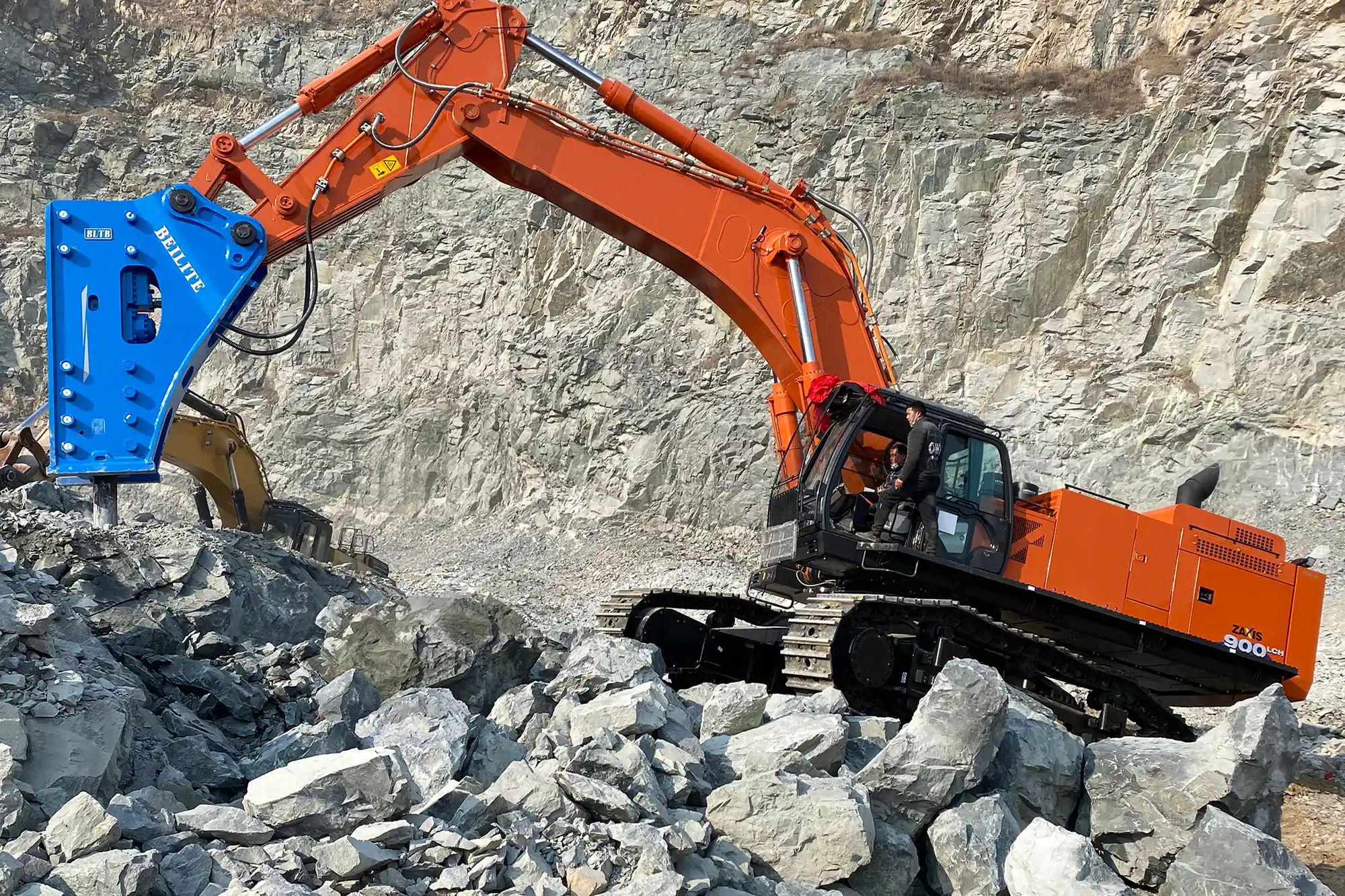
Keeping Hydraulic Breakers Running at Full Capacity
Heavy hydraulic equipment operates under conditions that demand specialized maintenance attention. Hydraulic breakers and rock breakers experience extreme stress with every impact, and their maintenance protocols reflect that reality.
Lubrication schedules for hydraulic systems prevent friction and wear on moving components. Pins, bushings, and impact-related parts need greasing according to specific intervals. Skipping or delaying lubrication accelerates wear in ways that become expensive quickly.
The hydraulic system itself requires particular attention. Filter replacement prevents contamination from damaging pumps, valves, and cylinders. Contaminated hydraulic fluid causes damage that spreads through the entire system. Seal inspection catches wear before it leads to leaks and pressure loss.
Wear parts quality directly affects both performance and longevity. Cheaper components might reduce upfront costs but often fail sooner and can damage other system components when they do. Regular hydraulic system diagnostics, including pressure and flow checks, identify issues while they’re still manageable.
The BLT series illustrates how specifications vary across equipment sizes. Each model has specific operating pressure and impact frequency ranges that maintenance must preserve:
| Model | Applicable Excavator | Chisel Diameter | Operating Pressure | Impact Frequency |
|---|---|---|---|---|
| BLT-40 | 0.5–1.2 t | 40 mm | 90–120 bar | 800–1400 bpm |
| BLT-70 | 4.5–6 t | 70 mm | 110–140 bar | 500–900 bpm |
| BLT-100 | 10–14 t | 100 mm | 150–170 bar | 350–700 bpm |
| BLT-135 | 18–22 t | 135 mm | 160–180 bar | 350–500 bpm |
| BLT-165 | 33–38 t | 165 mm | 210–230 bar | 150–300 bpm |
Hydraulic Breaker Hammer for Demolition&Rock Breaking and Hydraulic Breaker Hammer for Mining and Quarrying face particularly demanding conditions that make maintenance discipline even more critical.
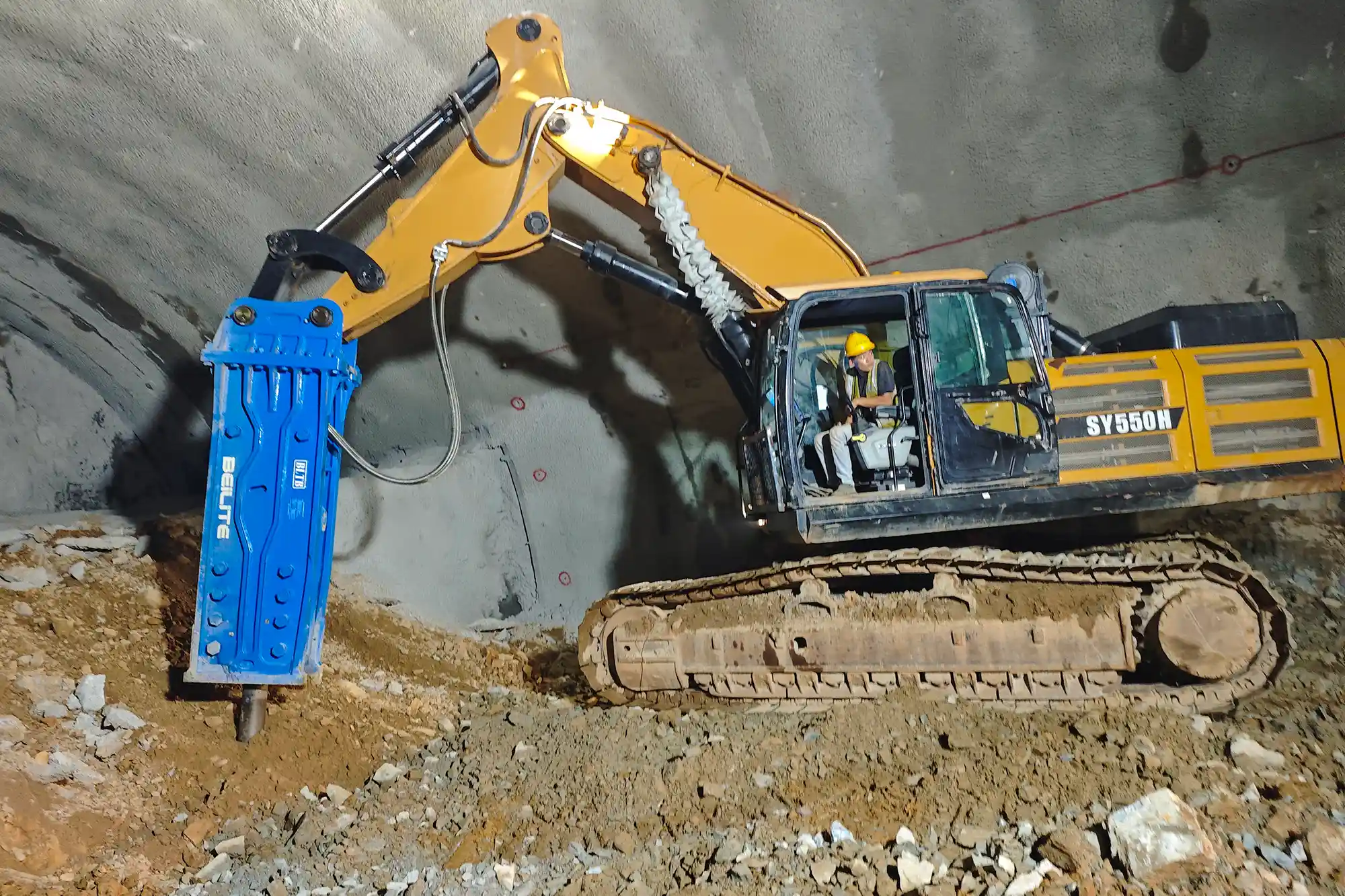
Finding the Right Maintenance Frequency
No single maintenance frequency works for all heavy machinery. The right intervals depend on manufacturer recommendations, equipment age, usage intensity, and operating conditions. Machinery working in harsh environments or underwater applications typically needs more frequent attention than equipment in cleaner, more controlled settings.
Historical failure data provides guidance that generic recommendations can’t match. If certain components consistently fail before their scheduled replacement, the schedule needs adjustment. Condition monitoring adds another dimension, triggering maintenance based on actual wear rather than calendar dates.
Usage-based scheduling makes particular sense for equipment with variable utilization. A hydraulic breaker Hammer that runs eight hours daily needs different maintenance timing than one used occasionally. Tracking operational hours rather than calendar time aligns maintenance with actual wear patterns.
Tracking What Matters and Improving Over Time
Measuring maintenance effectiveness requires tracking specific metrics consistently. Mean Time Between Failures indicates how reliably equipment operates. Mean Time To Repair shows how efficiently maintenance teams respond to problems. Overall Equipment Effectiveness combines availability, performance, and quality into a single comprehensive measure.
Cost analysis identifies where maintenance spending delivers value and where it doesn’t. Some preventive tasks might cost more than they save. Others might be underinvested relative to the failures they prevent. Only consistent tracking reveals these patterns.
Feedback from technicians and operators often catches issues that metrics miss. The people working with equipment daily notice changes in sound, vibration, or performance that don’t always show up in sensor data. Building channels for this feedback into the maintenance planning process improves scheduling accuracy over time.
Continuous improvement means treating the maintenance schedule as a living document rather than a fixed procedure. Conditions change, equipment ages, and better approaches emerge. The operations that maintain peak performance are those that keep refining their approach based on actual results.
Partner with Beilite for Unmatched Equipment Reliability
Elevate your operational efficiency and ensure the longevity of your heavy machinery. With over two decades of expertise in high-end hydraulic breaker R&D and manufacturing, Beilite Machinery Co., LTD is a trusted partner in equipment reliability. Discover how our commitment to innovation and quality can support your maintenance strategies and enhance the performance of your critical assets. Contact us today to discuss your specific needs or explore our range of world-class hydraulic breakers.
Email: [email protected]
Phone: 40008-40008
What is the primary goal of a maintenance schedule?
A maintenance schedule exists to keep equipment running reliably while controlling costs. The shift from reactive repairs to planned interventions prevents the expensive emergencies that disrupt operations and strain budgets. For heavy machinery like hydraulic breaker Hammer, this means consistent performance and longer service life. The goal isn’t just avoiding breakdowns but optimizing the entire relationship between maintenance effort and equipment output.
How do I determine the right maintenance frequency for my equipment?
Start with manufacturer recommendations, then adjust based on your specific conditions. Equipment age, operating environment, usage intensity, and your own failure history all influence optimal intervals. A hydraulic breaker Hammer working in abrasive conditions needs more frequent attention than one in cleaner applications. Condition monitoring technologies can further refine scheduling by triggering maintenance based on actual equipment state rather than fixed timeframes.
Can a maintenance schedule really save my company money?
The evidence consistently shows significant savings from well-implemented maintenance schedules. Preventing emergency repairs eliminates premium parts pricing and overtime labor costs. Minimizing unplanned downtime keeps projects on schedule. Extending equipment life defers major capital expenditures. Improved safety reduces liability exposure. The return on investment from maintenance comes from multiple sources, making it one of the more reliable ways to improve operational economics.