 English
 French
How to Bleed Air from Hydraulic Systems for Optimal Function
Air trapped in hydraulic lines has a way of announcing itself through symptoms you learn to recognize after enough time around heavy equipment. The pump starts whining differently. Cylinder movements feel sluggish or inconsistent. What should be a smooth, predictable response from the controls becomes something hesitant and unreliable. These signs point to a problem that, left unaddressed, accelerates wear and compromises the entire system’s ability to deliver consistent force. Bleeding air from hydraulic systems is one of those maintenance tasks that separates equipment that performs reliably from equipment that constantly fights against itself.
How Air Contamination Undermines Hydraulic System Function
Air entering a hydraulic fluid system creates a fundamental conflict with how these systems are designed to work. Hydraulic fluid resists compression almost entirely, which is precisely why it can transmit force so effectively. Air bubbles behave completely differently. They compress readily under pressure, absorbing energy that should be driving actuators and cylinders.
When air becomes entrained in hydraulic fluid, it forms compressible pockets that create spongy, unpredictable operation. The system loses efficiency because energy goes into compressing air rather than moving components. Pressure transmission becomes inconsistent, and the force delivered to the working end of the system drops noticeably.
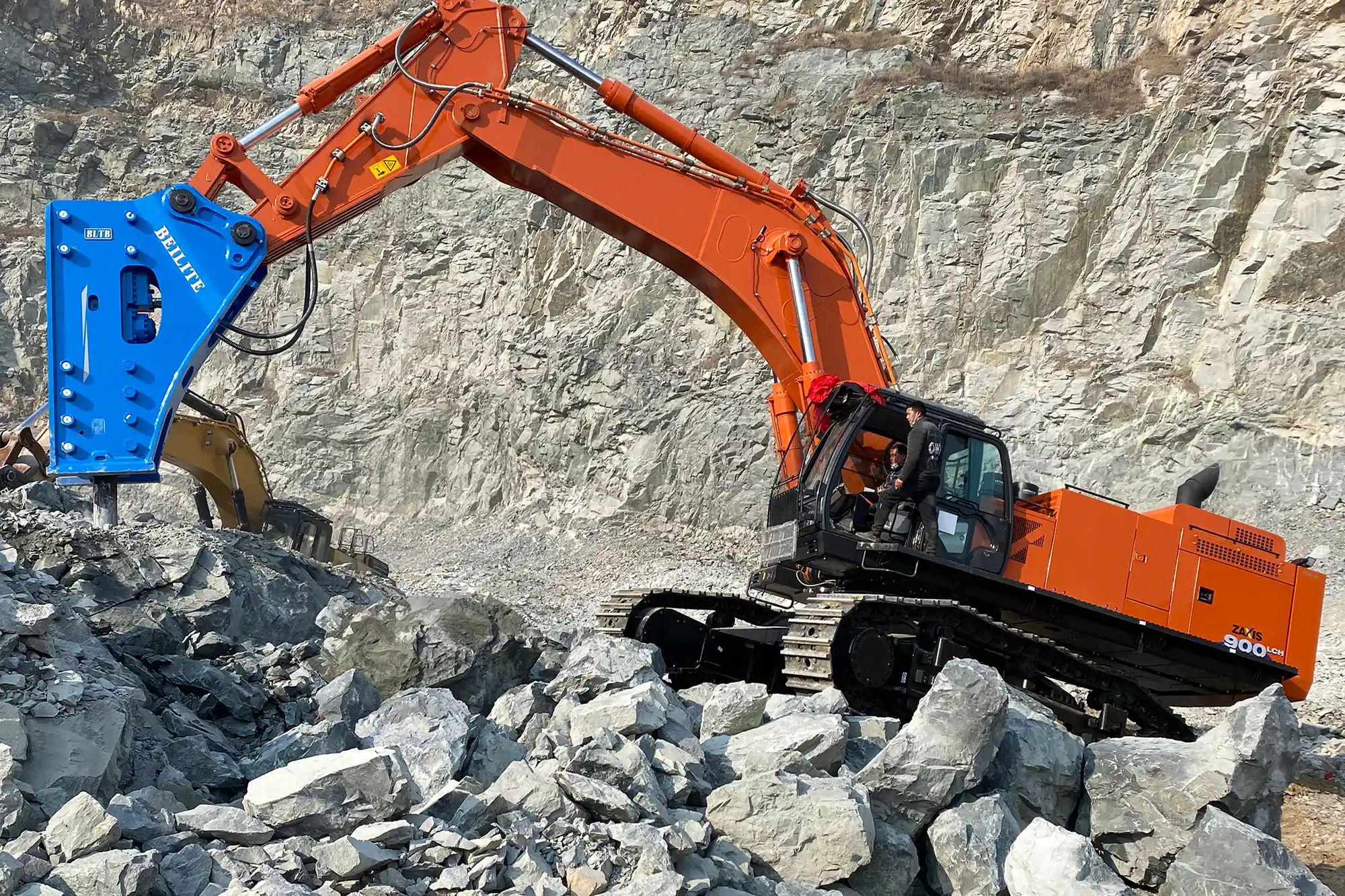
The damage goes beyond reduced performance. Air bubbles subjected to high pressure can collapse violently, generating localized shockwaves within the fluid. This cavitation phenomenon erodes metal surfaces inside pumps, valves, and cylinders. The erosion introduces metal particles into the fluid, creating a contamination cycle that accelerates component wear. Understanding how air bubbles interact with hydraulic fluid explains why bleeding air from hydraulic systems matters so much for long-term reliability.
Recognizing When Air Has Entered Your Hydraulic System
Catching air contamination early prevents the kind of cascading damage that turns a simple maintenance task into a major repair. Operators who spend time with their equipment develop an intuition for when something feels off, but specific symptoms provide clearer diagnostic guidance.
Erratic operation stands out as one of the most obvious indicators. A hydraulic cylinder that should extend smoothly instead moves in jerky increments. Controls that normally respond immediately develop a slow response or feel mushy under the hand. The system’s available power drops, requiring more effort to accomplish the same work.
A noisy pump often signals that cavitation is already occurring. The characteristic whining or groaning sound comes from air bubbles collapsing inside the hydraulic pump. This noise should prompt immediate investigation rather than continued operation.
Overheating can also indicate air contamination. Entrained air reduces the fluid’s ability to transfer heat efficiently, and the increased friction from inconsistent pressure adds thermal load to the system. In applications like construction equipment, operators sometimes report spongy brakes or a lack of firm resistance in hydraulic braking systems.
Developing systematic diagnostic steps for troubleshooting hydraulic issues helps maintenance personnel identify air contamination before it causes serious damage.
Proper Procedure for Bleeding Air From Hydraulic Systems
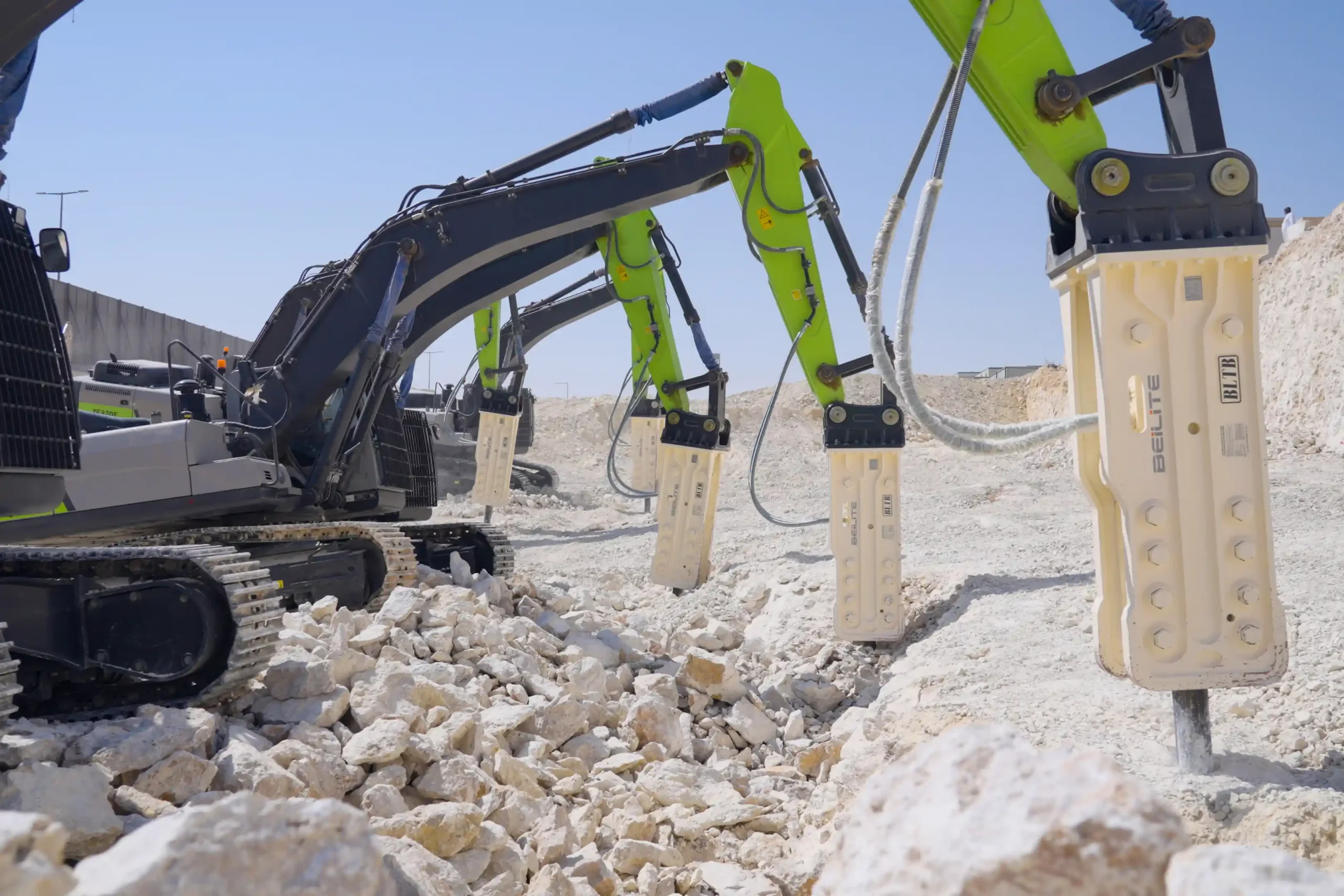
Effective air removal requires following a proper procedure that addresses the entire system rather than just the most accessible components. The bleeding sequence typically starts from the component furthest from the reservoir and works backward toward it, allowing air to migrate naturally toward exit points.
Preparation and Safety Requirements
Safety comes first in any hydraulic work. The pressures involved can cause serious injury if procedures are rushed or shortcuts taken.
Personal protective equipment including safety glasses and gloves should be worn throughout the process. The work area needs to be clean and unobstructed. System depressurization must follow the equipment manual’s specific instructions, as different systems store pressure in different ways.
Lockout/tagout procedures prevent accidental startup while someone is working on the system. Before beginning, verify that the fluid level in the hydraulic reservoir sits at the maximum mark. Starting with low fluid guarantees that air will be drawn into the system during the bleeding process.
Component-Specific Bleeding Techniques
Different hydraulic components require slightly different approaches to air removal.
For hydraulic pump bleeding, loosening the outlet fitting slightly allows trapped air to escape. Once air-free fluid emerges consistently, the fitting can be retightened. Rushing this step often means leaving air pockets that will cause problems later.
Cylinder bleeding involves fully extending and retracting the cylinder through its complete stroke multiple times. Pausing at each end of the stroke gives air time to migrate toward the bleed points. This process may need to be repeated several times before all air is expelled.
Control valves should be actuated through their full range of motion repeatedly. Air can become trapped in valve bodies and passages that only open during certain operating positions.
Hydraulic lines often have high points where air naturally collects. Loosening fittings at these locations allows air to escape before the fittings are retightened. Throughout the process, monitoring the hydraulic fluid replacement ensures that new air is not being introduced as old air is removed.
Verification Steps and Ongoing Prevention
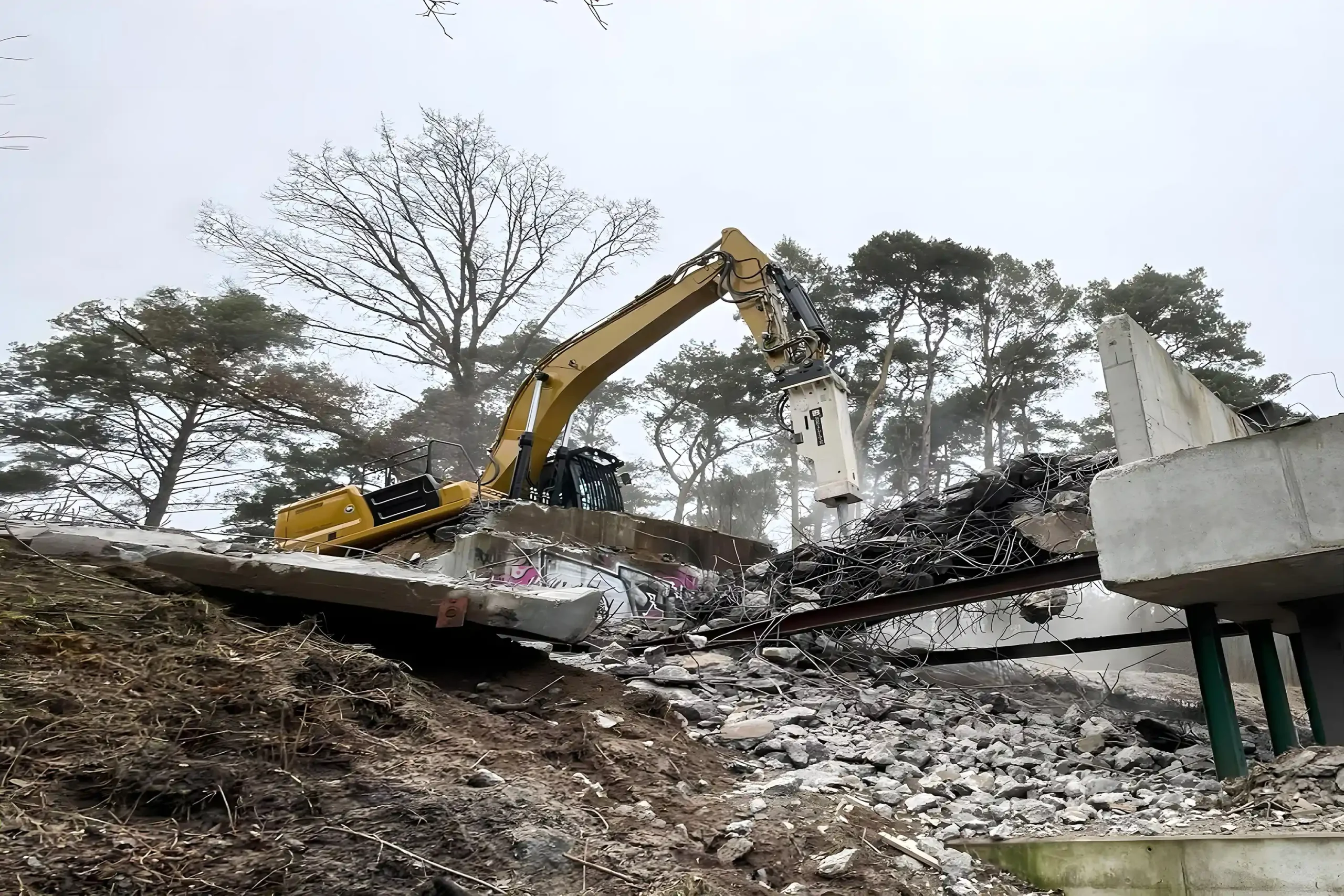
Completing the bleeding process is only half the task. Verification confirms that air removal was successful, and preventative measures reduce the likelihood of future contamination.
A fluid level check after bleeding often reveals that the reservoir needs topping off. Air that was occupying space in the system has been replaced by fluid, so the level naturally drops. Operating the system at low pressure while observing all functions provides the best test of operational reliability. Movements should be smooth and consistent.
System pressure gauges should show stable readings within the specified range. Fluctuating pressure often indicates that air remains in the system. Listening for unusual noises, particularly from the pump, helps identify remaining air pockets that may require additional bleeding cycles.
Preventative measures minimize future air ingress. Regular hose inspections catch deteriorating seals and connections before they allow air to enter. Timely filter replacement maintains fluid cleanliness and prevents the kind of contamination that can damage seals. Integrating these tasks into a consistent maintenance schedule keeps heavy equipment maintenance on track and supports long-term hydraulic system performance.
| Check Item | Action | Expected Outcome |
|---|---|---|
| Fluid Level | Top off if necessary | Stable, correct level |
| System Function | Operate at low pressure | Smooth, consistent operation |
| Pressure Gauges | Monitor readings | Stable, within specified range |
| Noise Levels | Listen for unusual sounds | Quiet operation, no cavitation noise |
| Leak Points | Inspect all fittings and hoses | No leaks or weeping |
Air Bleeding Requirements for High-Performance Hydraulic Breakers
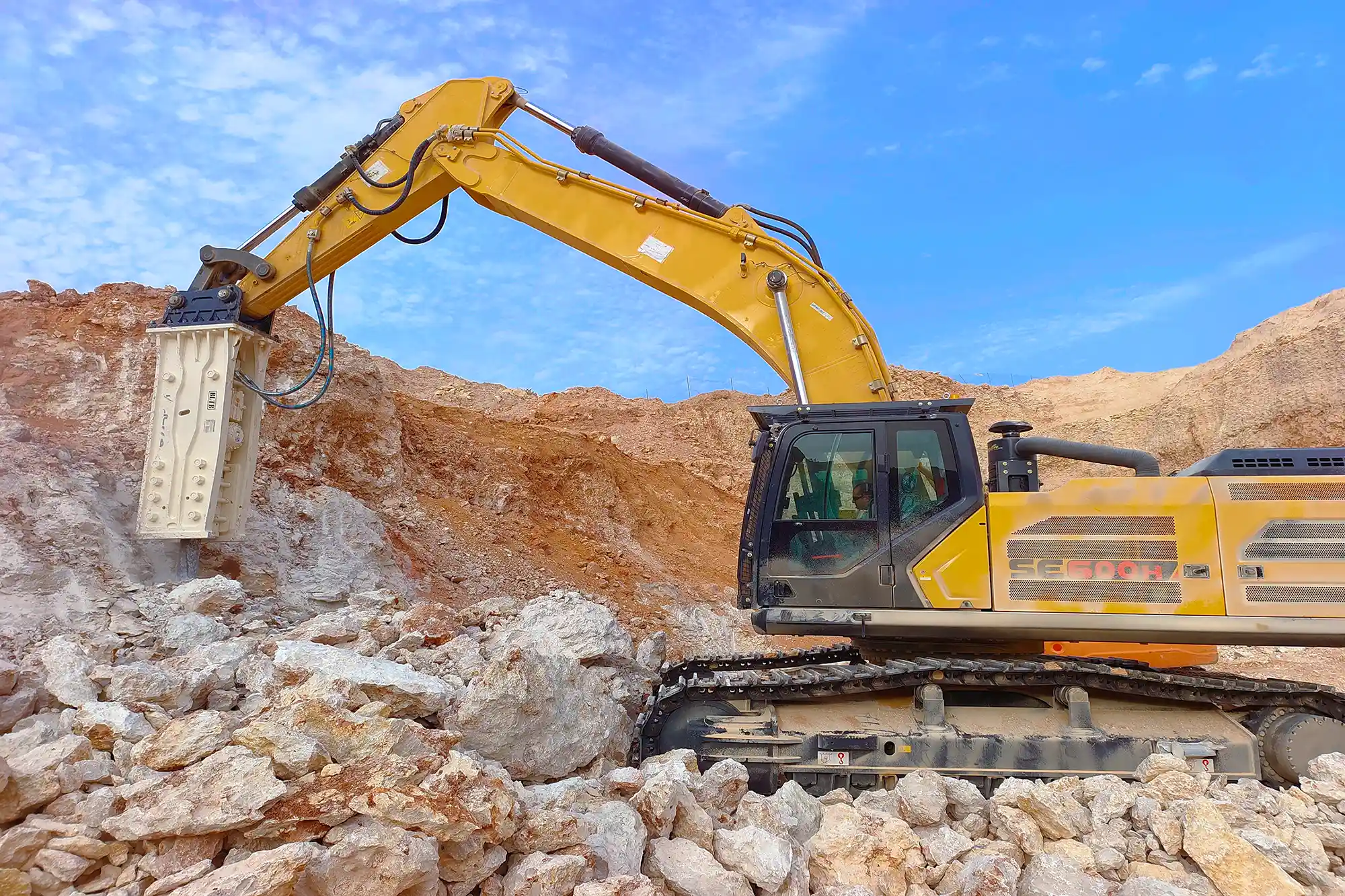
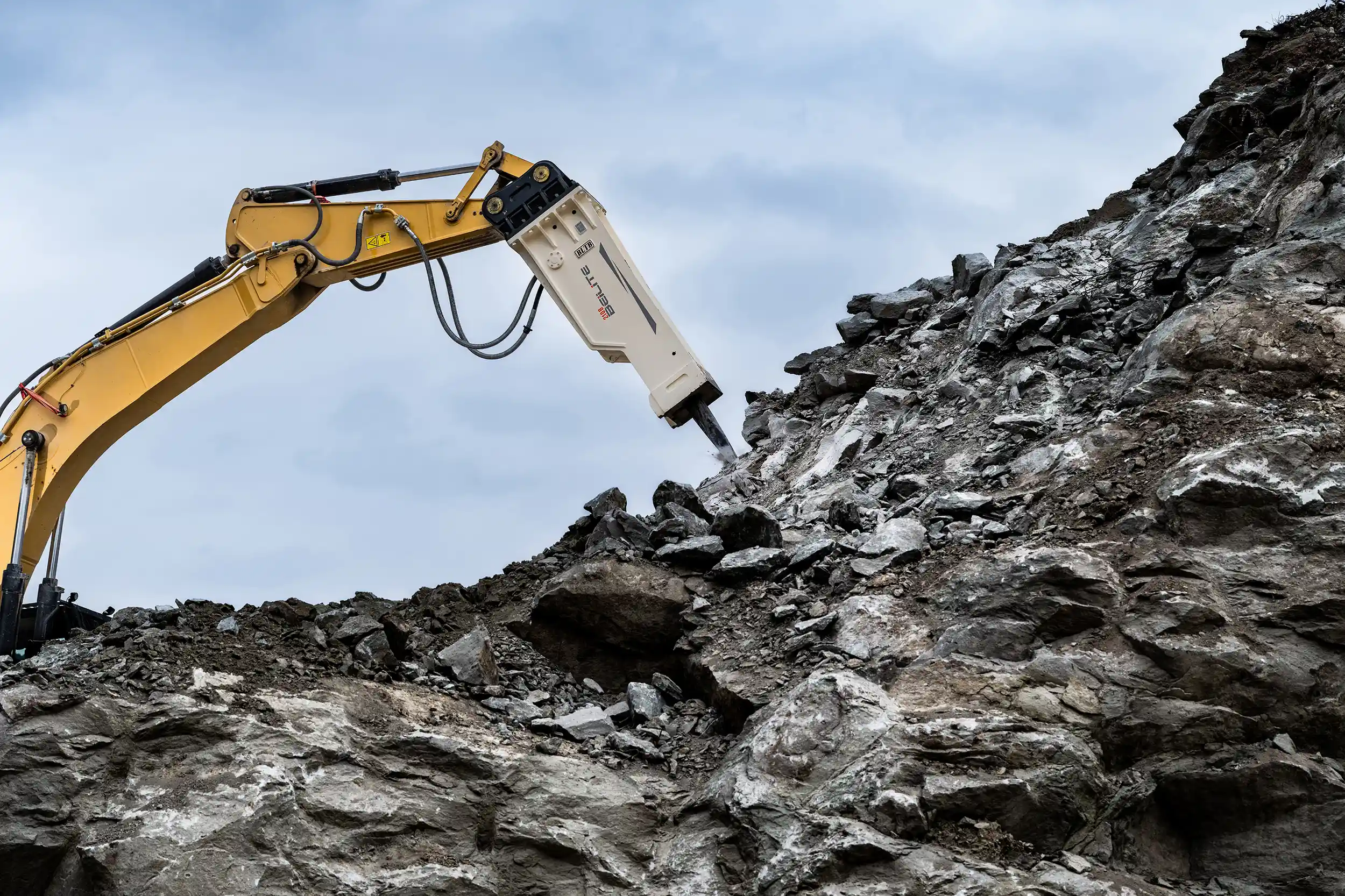
Hydraulic breaker performance depends heavily on the quality of air removal during maintenance. Equipment operating under extreme conditions cannot tolerate the efficiency losses and accelerated wear that air contamination causes. BEILITE Machinery Co., LTD engineers high-end hydraulic breakers to meet stringent national standards, but even the most advanced core technologies cannot compensate for air-contaminated hydraulic fluid.
Air in a breaker’s hydraulic system directly reduces impact force and striking frequency. The compressibility of entrained air absorbs energy that should be driving the chisel into rock or concrete. Work becomes inefficient, fuel consumption increases, and operators notice that the breaker simply is not hitting as hard as it should.
Cavitation damage inside the breaker’s internal mechanisms poses an even more serious concern. The violent collapse of air bubbles erodes seals, pistons, and other precision components. This premature wear translates into reduced downtime between repairs and higher maintenance costs over the equipment’s service life.
Meticulous bleeding air from hydraulic systems ensures that industrial machinery delivers consistent, powerful performance. The specifications below illustrate the range of BEILITE models and the operating parameters they are designed to achieve when properly maintained:
| Model | Total Length (mm) | Weight (kg) | Chisel Diameter (mm) | Working Pressure (bar) | Striking Frequency (bpm) | Applicable Excavator (t) |
|---|---|---|---|---|---|---|
| BLT-40 | 1115 | 86 | 40 | 90–120 | 800–1400 | 0.5–1.2 |
| BLT-70 | 1659 | 362 | 70 | 110–140 | 500–900 | 4.5–6 |
| BLT-100 | 2363 | 986 | 100 | 150–170 | 350–700 | 10–14 |
| BLT-135 | 2730 | 1736 | 135 | 160–180 | 350–500 | 18–22 |
| BLT-165 | 3456 | 3149 | 165 | 210–230 | 150–300 | 33–38 |
Optimize Your Hydraulic System Performance
Ensure your hydraulic systems operate at peak efficiency and extend the lifespan of your heavy machinery. For high-performance hydraulic breakers engineered for reliability and backed by decades of innovation, explore BEILITE Machinery Co., LTD’s advanced solutions. Contact us today for expert consultation or to learn more about our industry-leading products. Email us at [email protected] or call us at 40008-40008.
Frequently Asked Questions About Hydraulic System Bleeding
How often should I bleed my hydraulic system?
Bleeding frequency depends on usage intensity, operating environment, and system design. Equipment running in dusty conditions or subjected to frequent thermal cycling may need more frequent attention. For intensive applications involving a hydraulic breaker Hammer, inspecting for air contamination should happen regularly, with bleeding performed at the first sign of symptoms. Waiting until performance degrades noticeably means cavitation damage may already be occurring.
Can I bleed a hydraulic system without special tools?
Basic bleeding on many systems can be accomplished with standard hand tools. Loosening fittings, cycling actuators, and monitoring fluid levels requires nothing exotic. Complex hydraulic systems found in heavy equipment sometimes benefit from specialized gauges or vacuum pumps that make air removal more thorough and efficient. The equipment’s service manual provides the best guidance on what tools are actually necessary. Having the correct hydraulic fluid and appropriate safety gear matters more than specialized equipment for most bleeding procedures.
What are the risks of not bleeding air from hydraulics?
Neglecting air removal sets off a chain of problems that compound over time. Erratic operation and reduced power are the immediate consequences. Cavitation damage to pumps and motors follows as air bubbles collapse under pressure. Premature component wear affects seals, pistons, and valve surfaces. Eventually, the accumulated damage can cause complete system failure. For equipment like a Hydraulic Breaker Hammer for Mining and Quarrying, these failures translate directly into lost productivity and repair costs that far exceed the time required for proper bleeding air from hydraulic systems during routine maintenance.