 Anglais
 Français
Precision & Quiet: Hydraulic Breakers for Sensitive Environments
Hydraulic Breakers for Sensitive Environments: Precision Demolition Without the Disruption
Working in tight urban spaces or near structures that can’t tolerate vibration changes everything about how you approach demolition. The margin for error shrinks dramatically when there’s a hospital next door or a century-old facade that needs to survive the project. Beilite Machinery Co., LTD has spent years developing hydraulic breakers that address exactly these conditions—equipment built for situations where standard demolition methods simply aren’t an option. As a national high-tech enterprise with extensive patented technologies, our focus has been creating tools that let operators work confidently in environments where noise complaints, vibration damage, or regulatory violations could shut down a project overnight.
Why Sensitive Environments Demand Different Demolition Approaches
Demolition near occupied buildings, historical structures, or critical infrastructure isn’t just harder—it’s fundamentally different work. Regulatory bodies don’t set noise and vibration limits arbitrarily. These thresholds exist because exceeding them can crack foundations, disturb medical equipment, or trigger structural failures in aging buildings. The consequences of getting it wrong extend far beyond fines.
Defining What Makes an Area “Sensitive”
Several factors push a demolition site into the sensitive category. Vulnerable populations nearby—patients in hospital zones, residents in apartment buildings, students in schools—require operational control that standard equipment can’t provide. Historical structures often lack the reinforcement to absorb vibration without damage. Underground utilities and adjacent infrastructure add another layer of complexity.
| Type of Sensitive Area | Key Demolition Considerations |
|---|---|
| Urban Construction | Noise, vibration, dust, traffic disruption |
| Historical Preservation | Structural integrity, minimal vibration, precision |
| Hospital Zones | Noise, vibration, dust, air quality, minimal disruption |
| Residential Areas | Noise, vibration, dust, public safety, community impact |
| Infrastructure | Structural stability, service continuity, precision |
How Advanced Hydraulic Breaker Technology Reduces Environmental Impact
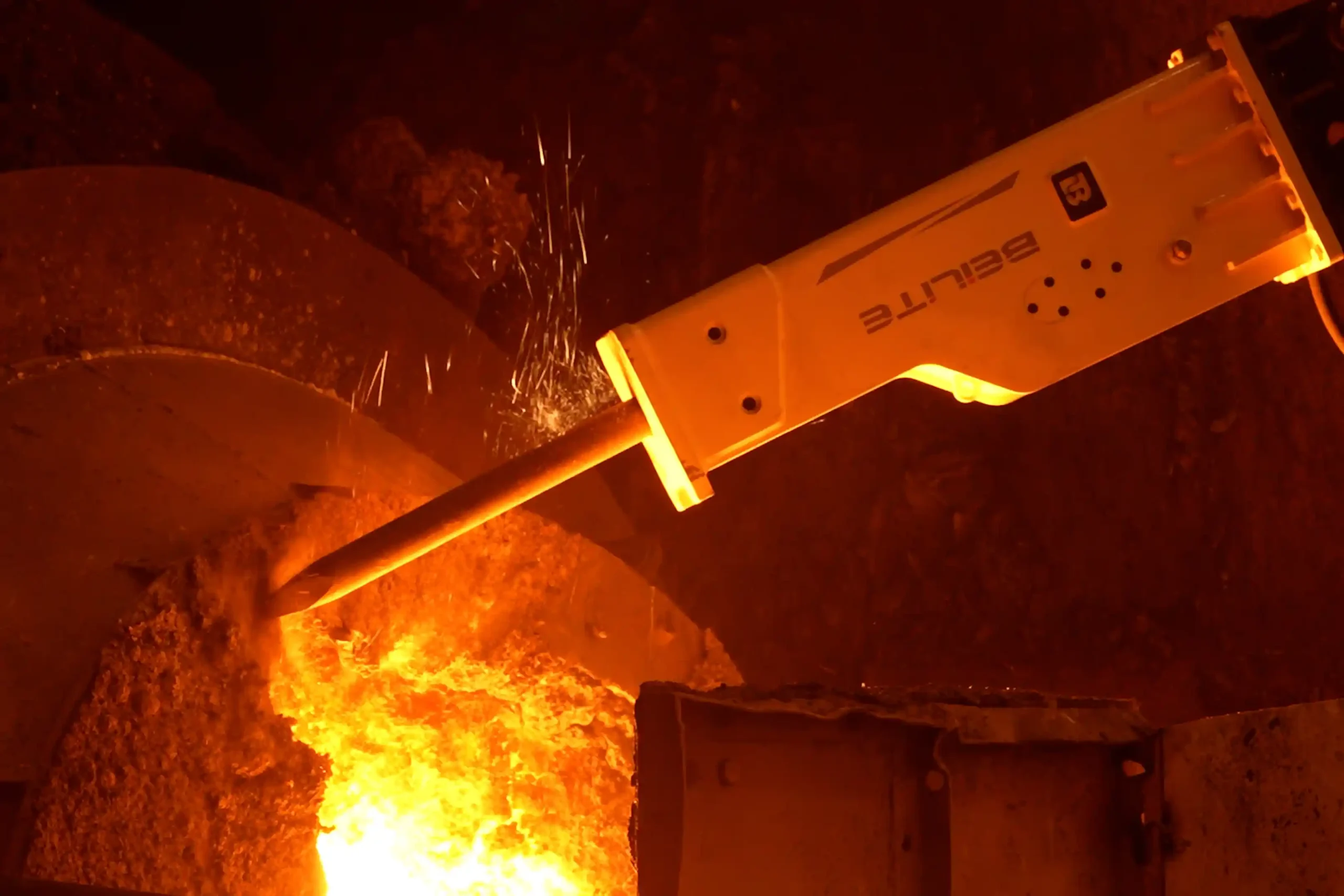
The difference between standard hydraulic breakers and equipment designed for sensitive work comes down to engineering specifics. Beilite’s R&D team has developed low noise hydraulic breaker models that incorporate soundproof casing and vibration damping technology capable of achieving what many operators would consider silent demolition in populated areas.
The hydraulic cushioning systems in these breakers absorb recoil forces that would otherwise transfer through the excavator arm and into surrounding ground. This matters because vibration travels—sometimes hundreds of meters through certain soil types. Adjustable impact energy settings give operators precise control over how much force reaches the material. There’s no reason to hit concrete with maximum power when half that energy will break it just as effectively with far less noise and ground movement.
Specialized chisel types optimize breaking efficiency for specific materials. A chisel designed for reinforced concrete behaves differently than one engineered for masonry, and using the right tool reduces the number of impacts needed to complete the work. Quick change attachments minimize downtime when switching between tasks. Remote monitoring systems track performance metrics in real-time, allowing predictive maintenance that prevents unexpected failures mid-project.
Identifying the Right Features in Low-Noise Equipment
Selecting a low-noise hydraulic breaker requires attention to specific engineering details. Fully enclosed soundproof casing contains operational noise at the source rather than letting it radiate outward. Hydraulic cushioning systems must be robust enough to handle continuous operation without degrading. Adjustable impact energy isn’t just a convenience feature—it’s essential for matching power output to actual material requirements. For compact hydraulic hammers working in confined spaces, these features become even more critical because there’s less distance between the breaker and whatever you’re trying to protect.
Planning Controlled Demolition When Precision Is Non-Negotiable
Delicate structures don’t forgive mistakes. Controlled demolition in these environments requires understanding exactly what you’re working with before the first impact. Structural blueprints reveal load paths and weak points. Material composition determines how concrete or masonry will fracture. Environmental factors like soil conditions affect how vibration propagates away from the work zone.
Phased demolition often makes more sense than aggressive removal. Smaller, more frequent impacts create less cumulative stress than fewer heavy blows. Real-time monitoring systems track vibration levels and structural responses, providing data that allows immediate parameter adjustments. A recent project using a Beilite breaker for historic renovation demonstrated this approach—removing a concrete foundation adjacent to a protected facade required constant attention to vibration readings, but the facade survived without a single new crack.
Protecting Adjacent Structures During Active Demolition
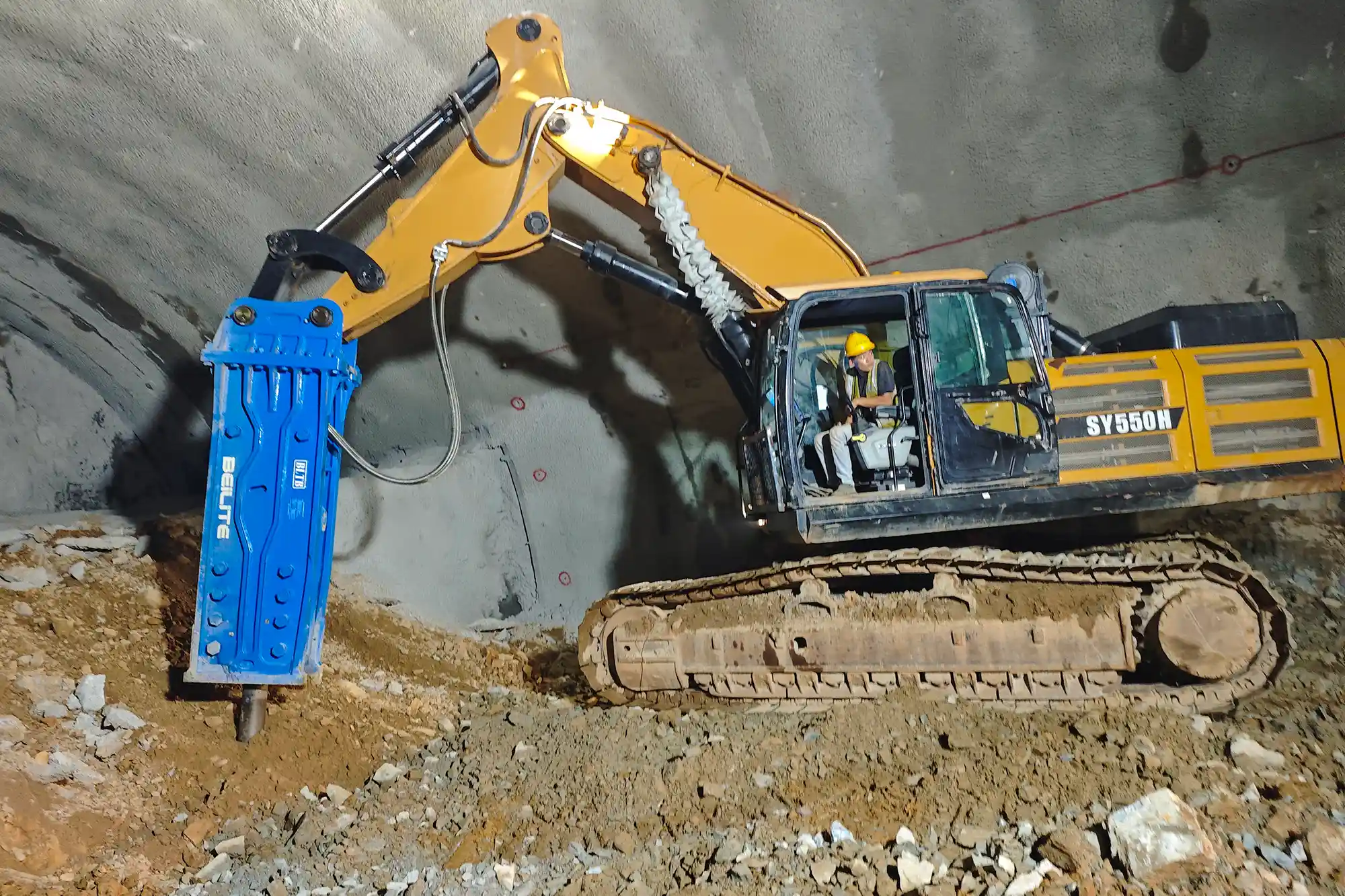
The mechanisms that protect structural integrity during hydraulic breaker operation work together rather than independently. Adjustable power and frequency settings prevent over-stressing surrounding materials by limiting impact energy to what’s actually necessary. Specialized chisels—pyramid or conical types—concentrate force at precise points rather than spreading shock waves through connected structures. Monitoring systems close the feedback loop, turning raw vibration data into actionable information. Operators who understand these relationships can work confidently even when the margin between success and damage measures in millimeters.
Meeting Regulatory Requirements Without Slowing Down Projects
Noise regulations and environmental compliance requirements aren’t obstacles to work around—they’re constraints that define how work must proceed. Securing permits and approvals before breaking ground prevents costly shutdowns. Local ordinances typically specify permissible decibel limits during certain hours and within certain distances of sensitive receptors. National standards from environmental protection agencies set maximum vibration levels designed to prevent structural damage.
Best practices extend beyond legal minimums. Environmental impact assessments identify potential problems before they become actual problems. Noise and vibration management plans document how you’ll stay within limits and what you’ll do if monitoring shows you’re approaching thresholds. Equipment that meets or exceeds international standards—including ISO standards for noise and vibration—provides a margin of safety that protects both the project and the surrounding community.
Understanding the Regulatory Framework for Sensitive Zones
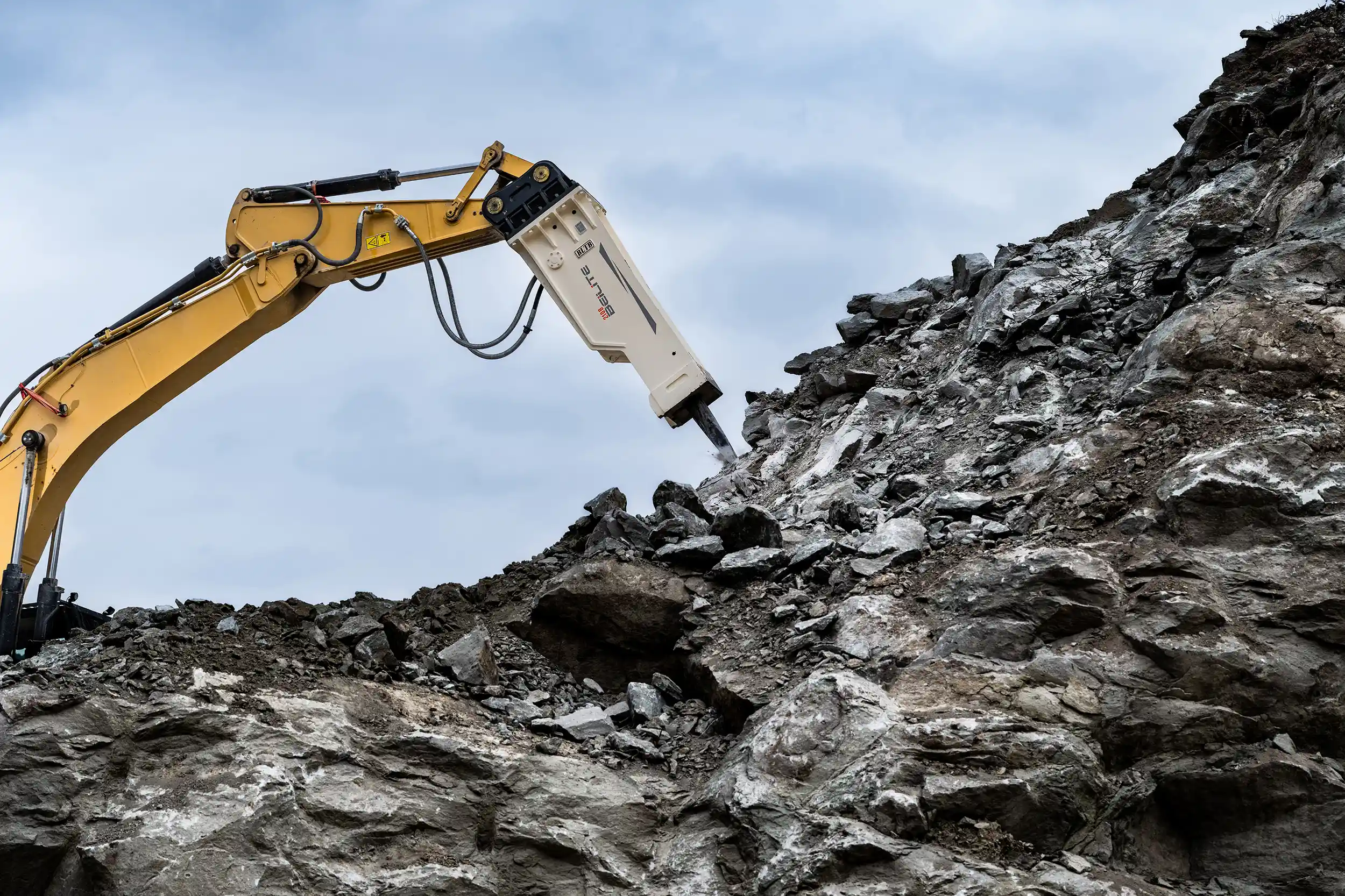
Jurisdictional variation in noise and vibration regulations means every project requires location-specific research. Local ordinances often set stricter limits near hospitals, schools, and residential areas than general construction zones. National standards provide baseline requirements that local rules typically build upon. ISO standards offer measurement and evaluation guidelines that help ensure consistent monitoring across different equipment and conditions. Pre-project assessments and continuous monitoring aren’t optional extras—they’re how you demonstrate compliance when regulators ask questions.
Matching Beilite Equipment to Sensitive Application Requirements
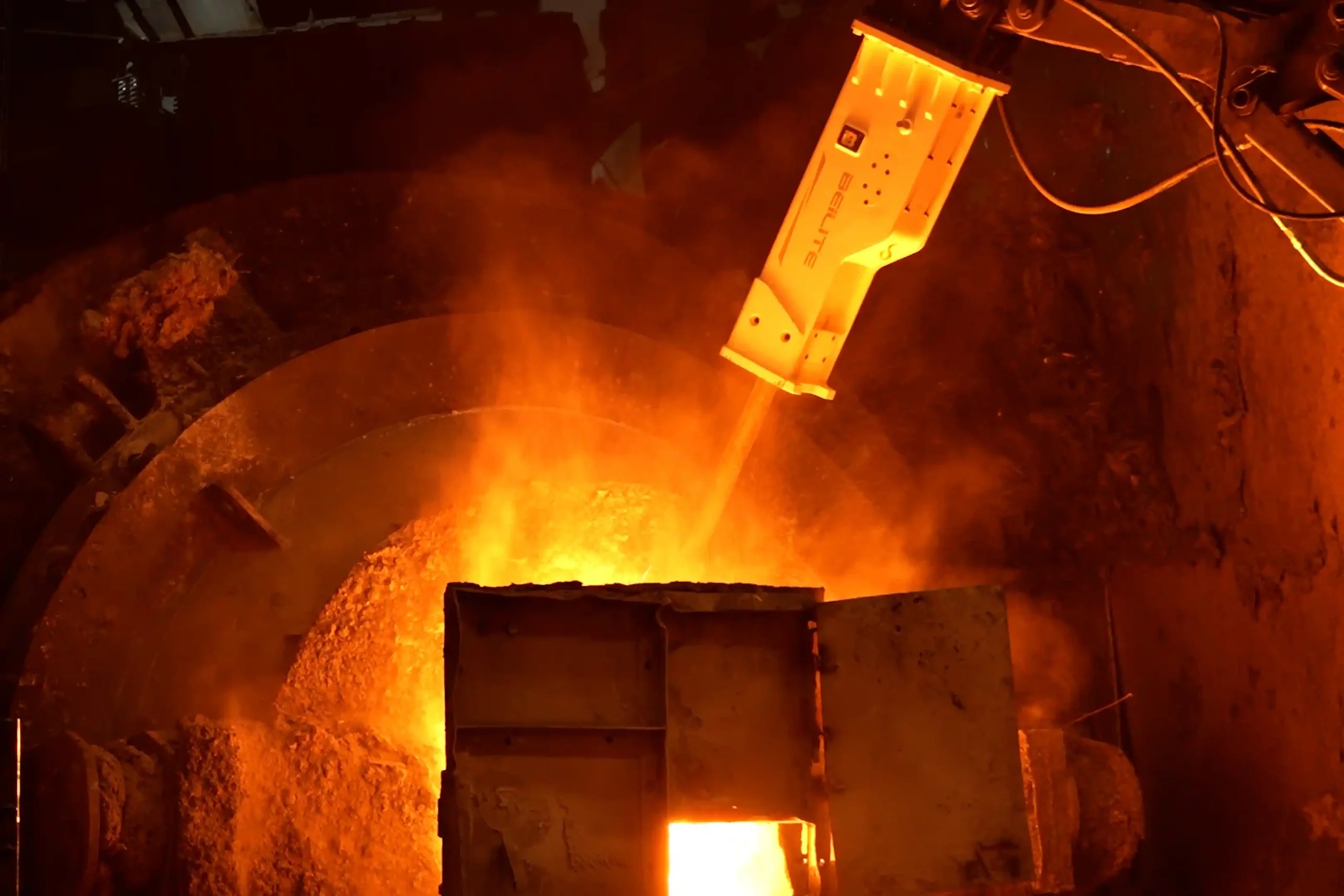
The right brise-roche hydraulique Hammer for sensitive work depends on the specific constraints of each project. Beilite Machinery Co., LTD manufactures BLT and BLTB series breakers with the precision and low-impact characteristics these applications demand. Decades of R&D and manufacturing experience, combined with hundreds of patented technologies, have produced equipment that performs reliably under conditions where failure isn’t acceptable. Our participation in formulating national standards for hydraulic breakers in China reflects the technical depth behind these products.
Compact hydraulic hammers in the BLT series deliver exceptional control with reduced noise output. Anti-vibration systems and sound-dampening components are standard rather than optional upgrades. From Marteau brise-roche hydraulique pour mini-pelle compacte applications to larger units for more substantial demolition work, the range covers sensitive project requirements across the full spectrum of excavator sizes.
| Beilite BLT Series for Sensitive Applications | Excavator Weight (t) | Diamètre du ciseau (mm) | Pression de fonctionnement (bar) | Fréquence du souffle (bpm) | Key Feature for Sensitive Use |
|---|---|---|---|---|---|
| BLT-40 | 0.5-1.2 | 40 | 90-120 | 800-1400 | Ultra-compact, precision |
| BLT-45 | 0.8-1.5 | 45 | 90-120 | 700-1200 | Low vibration, versatile |
| BLT-53 | 1.5-3.5 | 53 | 90-120 | 600-1100 | Balanced power, quiet |
| BLT-60 | 3-5.5 | 60 | 100-130 | 500-1000 | Enhanced damping |
| BLT-70 | 4.5-6 | 70 | 110-140 | 500-900 | Optimized for urban sites |
Partner with Beilite for Your Next Sensitive Demolition Project
Discover how Beilite Machinery Co., LTD’s advanced hydraulic breakers can elevate your sensitive demolition projects. With decades of innovation, patented technologies, and a commitment to global standards, our BLT and BLTB series offer the precision, quiet operation, and reliability you need. Contact our experts today for a personalized consultation or to explore our high-end solutions. Email: [email protected], Phone: 40008-40008.
Frequently Asked Questions About Sensitive Area Demolition
What are the key features to look for in a low-noise hydraulic breaker?
A fully enclosed soundproof casing makes the biggest difference in containing operational noise. Beyond that, look for hydraulic cushioning systems that absorb recoil and prevent vibration from transferring to the excavator and surrounding ground. Adjustable impact energy settings let operators match power output to actual material requirements rather than always running at maximum force. Specialized chisel types designed for specific materials reduce the number of impacts needed, which directly reduces both noise duration and cumulative vibration exposure.
How can hydraulic breakers ensure structural integrity in delicate structures?
Variable speed and power settings allow operators to apply only the force necessary for the material at hand. This prevents the kind of over-impact that sends shock waves through connected structures. Chisel selection matters too—tools designed for specific break patterns concentrate force where it’s needed rather than spreading it unpredictably. Real-time monitoring systems provide continuous feedback on how surrounding structures are responding, giving operators the information they need to adjust parameters before problems develop.
What regulations govern noise and vibration in sensitive construction zones?
Regulations typically layer from local to international. Local ordinances set specific decibel limits and restricted hours, often with stricter requirements near hospitals, schools, and residential areas. National standards from environmental agencies establish vibration limits measured in peak particle velocity to prevent structural damage. ISO standards provide measurement protocols and exposure guidelines that ensure consistent evaluation across different equipment and jurisdictions. Compliance requires both pre-project assessment and continuous monitoring throughout demolition activities.