 Anglais
 Français
Hydraulic Breaker Procurement: Online vs. Offline Strategies
Buying a hydraulic breaker sounds straightforward until you actually start sourcing one. The choice between clicking through online catalogs and walking into a dealer’s yard carries more weight than most procurement guides suggest. Each path shapes not just the purchase price but the years of service that follow. Getting this decision right means understanding what each channel actually delivers—and where it falls short.
What Online Sourcing Actually Offers
Digital marketplaces have reshaped how companies find hydraulic breakers. The reach is undeniable: a buyer in one country can compare models from manufacturers across three continents before lunch. Pricing often runs leaner because online sellers operate without showroom overhead. E-commerce platforms also compress timelines—what once took weeks of phone calls and faxes now happens in a few browser sessions.
But the convenience comes with friction points that matter. Verifying whether a supplier actually stocks what they list, confirming that specifications match real-world performance, and sorting genuine products from knockoffs all require effort that the platform itself won’t do for you.
Where Online Buying Works Well
The strongest case for online hydraulic breaker procurement is access. Smaller contractors who need specialized equipment—say, a compact breaker for tight urban sites—can find options that no local dealer carries. Global distribution networks mean parts and models that would otherwise require international travel are now a shipping label away.
Price transparency helps too. When multiple sellers list comparable units, buyers can benchmark quickly. Reduced overhead often translates to lower asking prices, though the final cost depends heavily on what happens after checkout.
Managing the Real Risks
Online procurement of heavy machinery demands more skepticism than buying office supplies. Supplier reputation varies wildly, and product authenticity isn’t guaranteed by a listing photo. Before committing, dig into the seller’s track record—look for verified transaction histories, independent reviews, and any red flags in their communication patterns.
Secure payment gateways matter, but so do clearly written payment terms that specify what happens if the equipment arrives damaged or doesn’t match the description. Confirm warranty coverage in writing, and verify that after-sales support actually exists before the invoice is paid. Import duties, shipping logistics, and customs delays can quietly inflate what seemed like a competitive price into something less attractive.
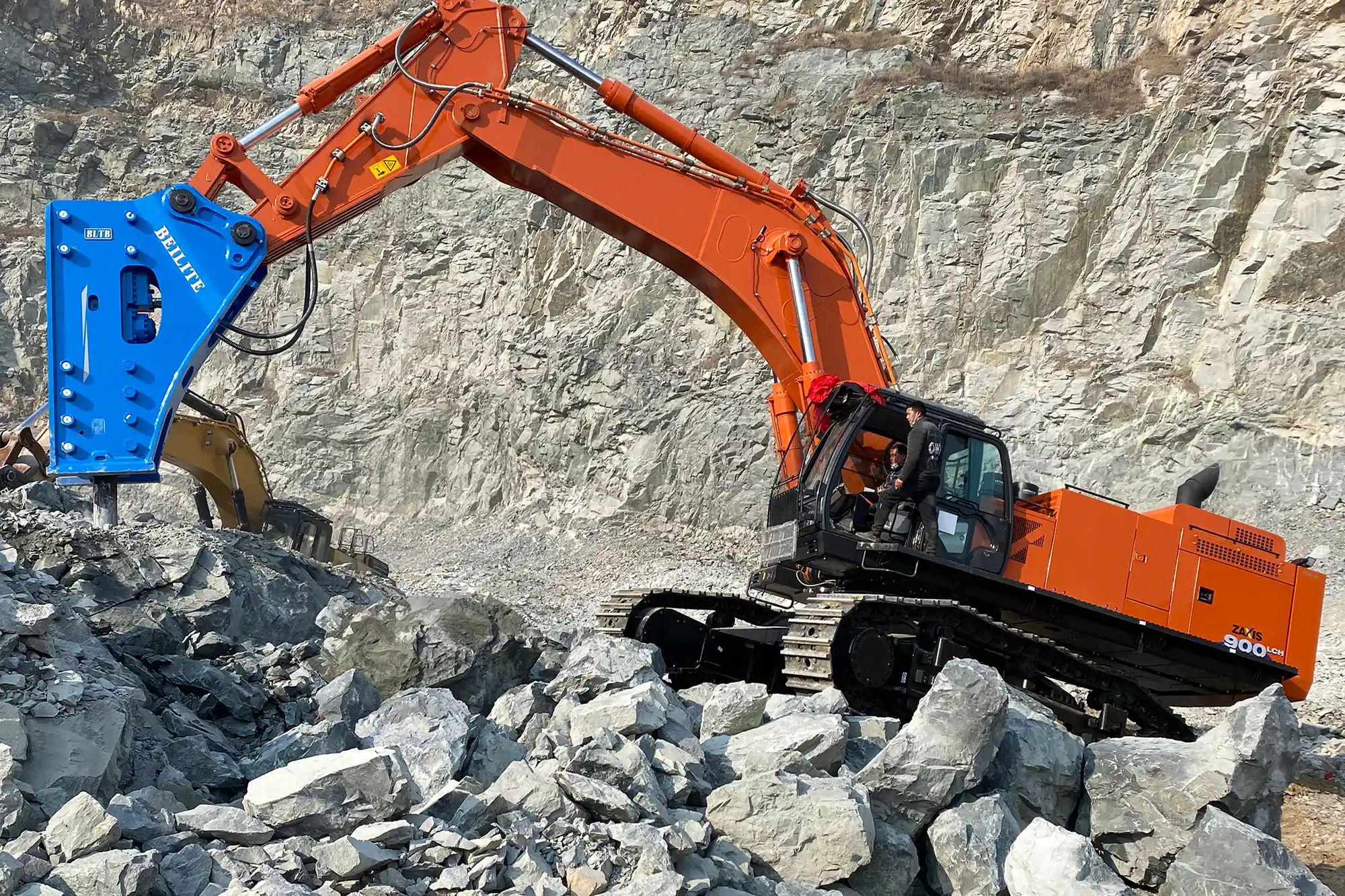
| Fonctionnalité | Online Purchase Pros | Online Purchase Cons |
|---|---|---|
| Reach | Global access to diverse suppliers and models | Potential for communication barriers (time zones) |
| Pricing | Often more competitive due to lower overhead | Hidden costs (shipping, duties, taxes) |
| Selection | Vast array of options, including specialized equipment | Difficulty in verifying specifications and quality |
| Convenience | 24/7 access, streamlined ordering process | Reliance on digital information, no physical inspection |
| Transparency | Online reviews, detailed product descriptions | Risk of counterfeit products, misleading information |
What Local Dealers Bring to the Table
Walking into a dealer’s yard offers something no website can replicate: the chance to see the machine before buying it. For hydraulic breakers—equipment that will absorb thousands of impacts—physical inspection reveals wear patterns, weld quality, and fit that photos obscure.
Local dealers also carry institutional knowledge about regional conditions. They know which breaker models hold up in local soil types, which configurations meet area regulations, and which service issues crop up most often. That expertise has value, even if it doesn’t show up on a spec sheet.
The Case for Face-to-Face Sourcing
Direct engagement with a dealer allows for negotiation that goes beyond price. Bundled service agreements, operator training, and installation support often emerge from conversations that wouldn’t happen through a checkout form. When a specific model sits in stock, delivery can happen within days rather than weeks.
Regional sales networks also build relationships that pay off when something goes wrong. A dealer who knows your operation is more likely to prioritize your service call than a remote seller handling thousands of anonymous transactions.
After-Sales Support That Actually Functions
The real test of any equipment purchase comes after the sale. Local service centers with parts inventory mean repairs happen faster. Maintenance contracts with nearby technicians reduce the logistical headaches of keeping a hydraulic breaker running. Warranty claims process more smoothly when the dealer has a stake in the ongoing relationship.
This support infrastructure directly affects total cost of ownership. A slightly higher purchase price from a local dealer can look like a bargain if it prevents a week of downtime waiting for parts to clear customs.
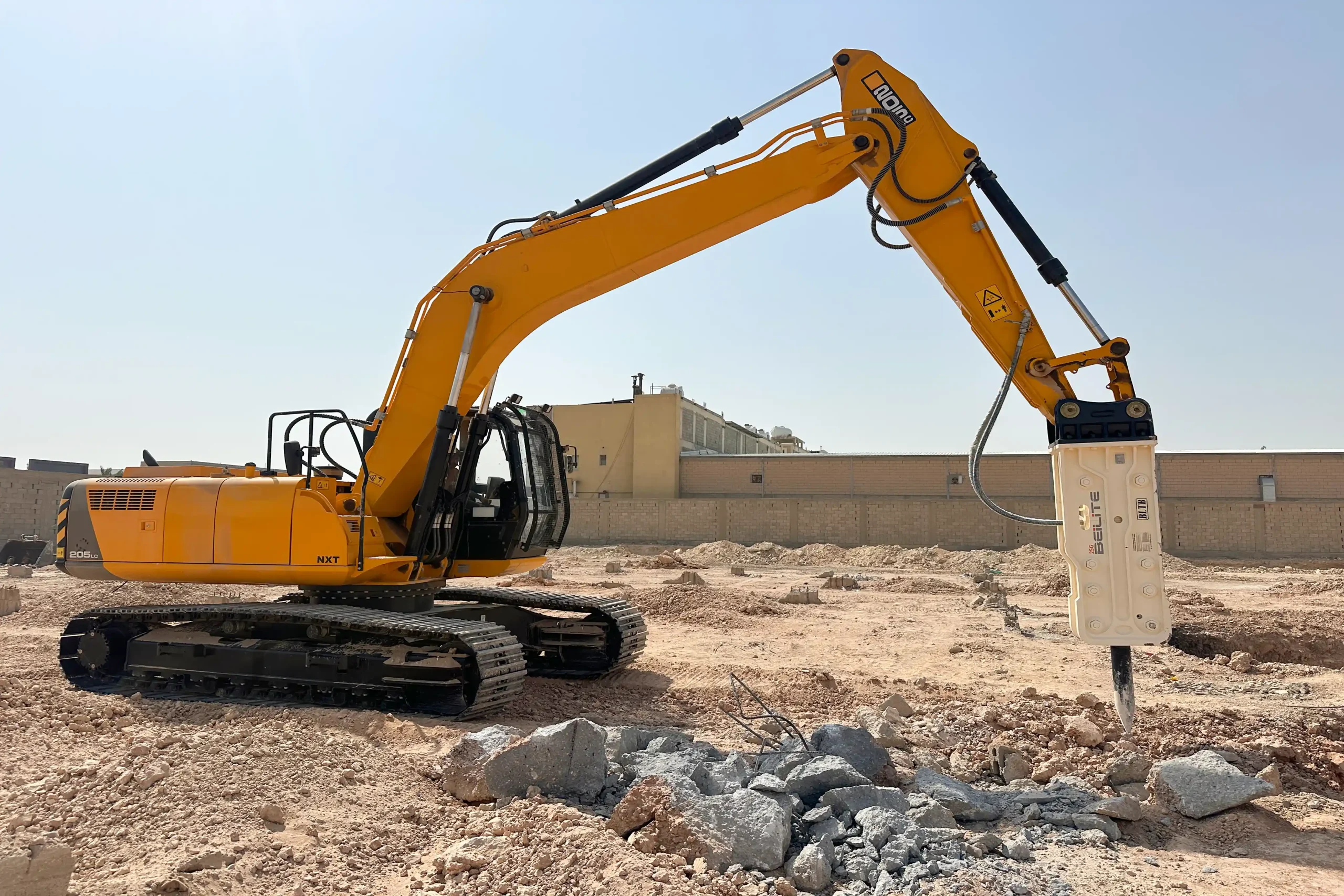
| Fonctionnalité | Offline Purchase Pros | Offline Purchase Cons |
|---|---|---|
| L'inspection | Physical inspection and equipment demonstration possible | Limited geographic reach, fewer options |
| Support | Localized after-sales service, parts, and technical support | Higher overheads may lead to higher prices |
| Relationship | Direct interaction, personalized service, trust building | Slower sourcing process if specific model is unavailable |
| Availability | Immediate delivery often possible for in-stock items | Inventory limitations, potential for regional monopolies |
| Training | On-site operator training and installation support | May lack direct manufacturer insights |
Making the Decision That Fits Your Operation
The online-versus-offline question matters less than the strategic thinking behind it. Total cost of ownership extends well beyond the invoice amount. Equipment lifespan, performance under your specific conditions, and the reliability of support networks all factor into whether a purchase delivers value over years of service.
Operator safety requirements, environmental compliance, and available financing options shape the decision differently for each buyer. Brand reputation and documented durability records provide some guidance, but the best evaluation framework accounts for how the equipment will actually be used. A Marteau brise-roche hydraulique pour mini-pelle compacte like the BLT-40, built for 0.5-1.2t excavators, serves different operational needs than heavy-duty units designed for large-scale demolition.
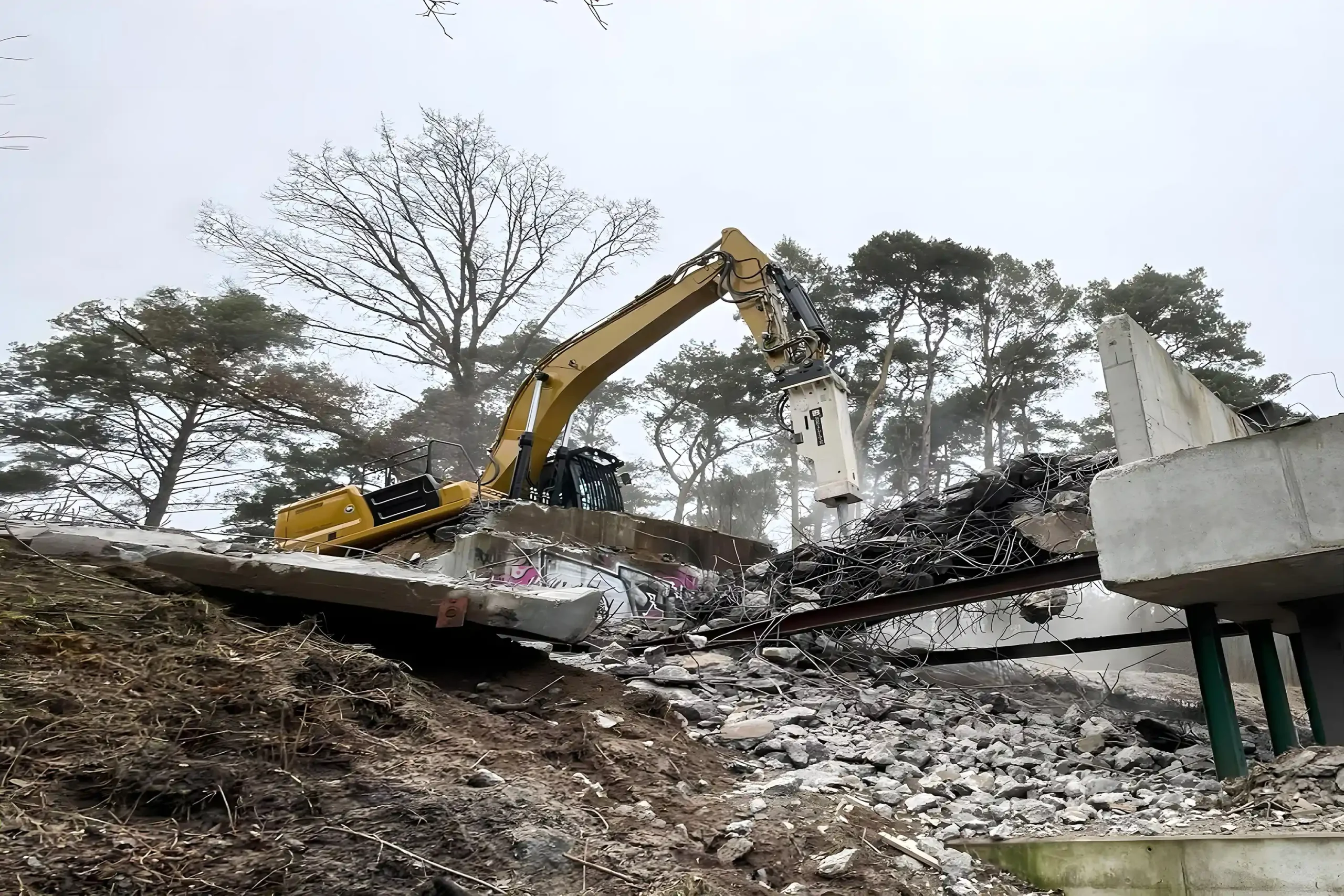
Specialized applications demand even more careful matching. Whether the work involves Marteau brise-roche hydraulique pour la démolition et le cassage de roches ou Marteau brise-roche hydraulique pour les mines et les carrières, the right tool selection determines productivity and maintenance costs for years.
| Decision Factor | Online Procurement Emphasis | Offline Procurement Emphasis | Direct Manufacturer Emphasis |
|---|---|---|---|
| Cost Efficiency | Competitive pricing, global market comparisons | Negotiation with local dealer, bundled service deals | Factory-direct pricing, long-term value |
| Assurance qualité | Supplier vetting, third-party inspections, online reviews | Physical inspection, dealer reputation, local warranties | Stringent quality control, national standards, patent portfolio |
| After-Sales Support | Remote support, international logistics for parts | Local service centers, readily available parts, on-site support | Expert technical support, genuine parts, direct factory assistance |
| Gamme de produits | Broadest global selection | Regional inventory, specific brand offerings | Full product line, customized solutions |
| Relationship | Transactional, digital communication | Personalized, local contact, trust building | Strategic partnership, direct R&D insights |
Why Direct Manufacturer Partnerships Work
Sourcing directly from a manufacturer like Beilite Machinery Co., LTD sidesteps many of the tradeoffs between online and offline channels. As a national high-tech enterprise, Beilite maintains R&D investment that shows up in hundreds of patents and participation in formulating national standards for hydraulic breakers in China. Quality control runs through every stage of production rather than being delegated to intermediaries.
BLT and BLTB brand products are engineered for conditions that would challenge generic equipment—from Marteau brise-roche hydraulique pour la construction sous-marine to extreme cold environments. Customization options allow buyers to match equipment precisely to project requirements. Direct purchase means access to genuine parts and technical support without the uncertainty of third-party sourcing. The BLT-155 model, designed for 27-33t excavators, reflects this approach: built for demanding applications with the backing of factory expertise.
Where Hydraulic Breaker Procurement Is Heading
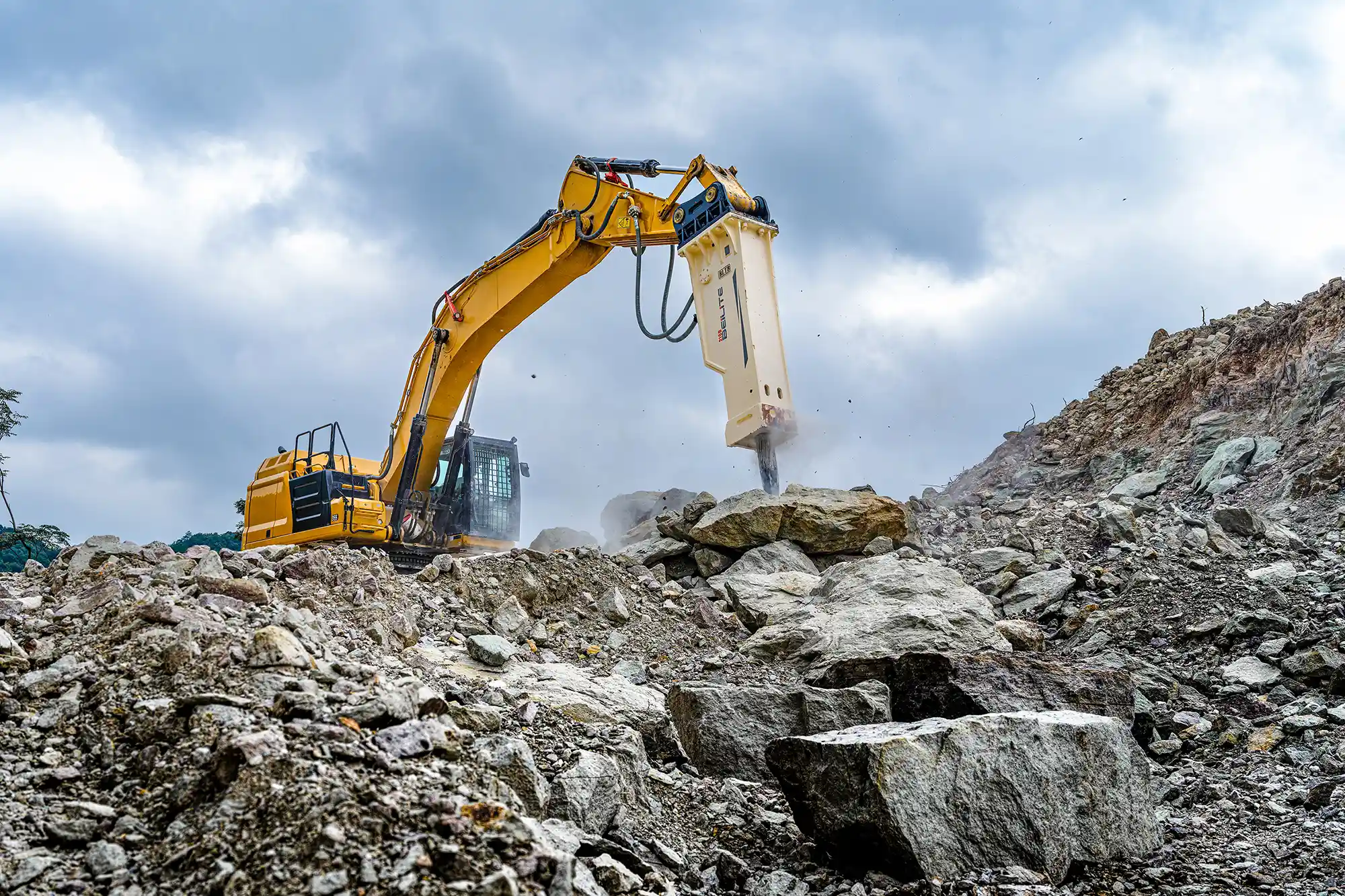
The heavy equipment industry continues to shift toward digital tools, and hydraulic breaker sourcing will follow. E-commerce platforms are developing better remote inspection capabilities and more sophisticated verification systems. IoT integration is making real-time equipment monitoring practical, enabling predictive maintenance that catches problems before they cause downtime.
Sustainability considerations are gaining weight in procurement decisions. Manufacturers committed to environmentally responsible production and energy-efficient designs will have advantages as regulations tighten and buyers prioritize long-term operational costs. Equipment-as-a-Service models may reshape ownership patterns, shifting focus from purchase price to performance outcomes.
AI-driven procurement tools and supply chain automation will improve efficiency for buyers who adopt them. These trends favor manufacturers who invest in innovation and maintain the flexibility to adapt—qualities that matter more as the market evolves.
What are the primary risks associated with buying hydraulic breakers online from unverified sources?
The most immediate risk is receiving counterfeit equipment that fails to meet safety and quality standards. Knockoff hydraulic breakers often void warranties and create liability exposure on job sites. Beyond the product itself, unverified sellers frequently lack the infrastructure for after-sales support, genuine spare parts, or reliable technical assistance. Shipping complications, customs issues, and payment security problems add financial risk. Verifying supplier credentials and product authenticity before purchase prevents most of these issues.
How does direct purchase from a manufacturer like Beilite compare to buying through a local dealer?
Direct manufacturer purchase provides access to R&D insights, factory-level quality control, and guaranteed genuine parts. Pricing often runs lower because there are fewer intermediaries taking margins. Local dealers offer convenience, regional expertise, and the ability to inspect equipment before buying. The tradeoff depends on priorities: for long-term reliability, customization options, and deep product knowledge, direct manufacturer relationships typically deliver more value. Beilite provides technical support globally, bridging the gap that sometimes exists with remote purchasing.
What essential factors should I consider to ensure the longevity and performance of my hydraulic breaker investment?
Start with compatibility—the breaker must match your excavator’s specifications and your application requirements. Material quality and manufacturing standards directly affect how long the equipment lasts under repeated impact. Access to genuine spare parts and comprehensive after-sales support, including maintenance contracts and technical assistance, determines how quickly you can address problems when they arise. Regular maintenance schedules and proper operator training extend service life significantly. Choosing a manufacturer with a documented track record for durability reduces the risk of premature failure.
Connect with Beilite Machinery for Advanced Solutions
Beilite Machinery Co., LTD engineers hydraulic breakers for demanding applications, backed by continuous R&D investment and participation in national standard formulation. BLT and BLTB brand products deliver the performance and reliability that serious operations require. Direct partnership with a manufacturer means superior quality, genuine parts, and expert service without intermediary complications. Contact our specialists for a consultation tailored to your project requirements. Email us at [email protected] or call us at 40008-40008.