 Anglais
 Français
Hydraulic Breaker for Tunneling: Maximizing Efficiency Underground
Underground work strips away the margin for error. Every swing of a hydraulic breaker echoes through confined rock, and the tool either performs or the schedule slips. Tunneling projects taught me that lesson early—geological surprises don’t wait for equipment adjustments, and the breaker you bring underground becomes the pace-setter for everything that follows.
Shaping Tunnel Profiles Demands Precision and Power in Equal Measure
Tunneling excavation requires rock breaking capabilities that balance precision with raw force. The cross-section you’re cutting—whether circular, horseshoe, or rectangular—depends on how accurately your hydraulic breaker can fragment material without damaging surrounding rock mass.
Geological conditions underground shift constantly. Hard rock formations demand high impact energy and sustained frequency for effective material removal. Softer or fractured ground calls for controlled power to prevent over-break and preserve structural integrity. The difference between these approaches determines whether you advance on schedule or spend hours on secondary breaking.
Advanced hydraulic breakers adapt across this spectrum. In hard rock, the focus shifts to penetration rate and chisel durability. In mixed ground, operators adjust impact frequency to match changing conditions without stopping to swap equipment. This adaptability directly affects project timelines and safety margins in underground construction.
The ability to shape various tunneling profiles without compromising the surrounding rock mass separates adequate equipment from tools that actually accelerate progress. Precise breaking force control allows excavation teams to maintain design specifications while minimizing remediation work downstream. 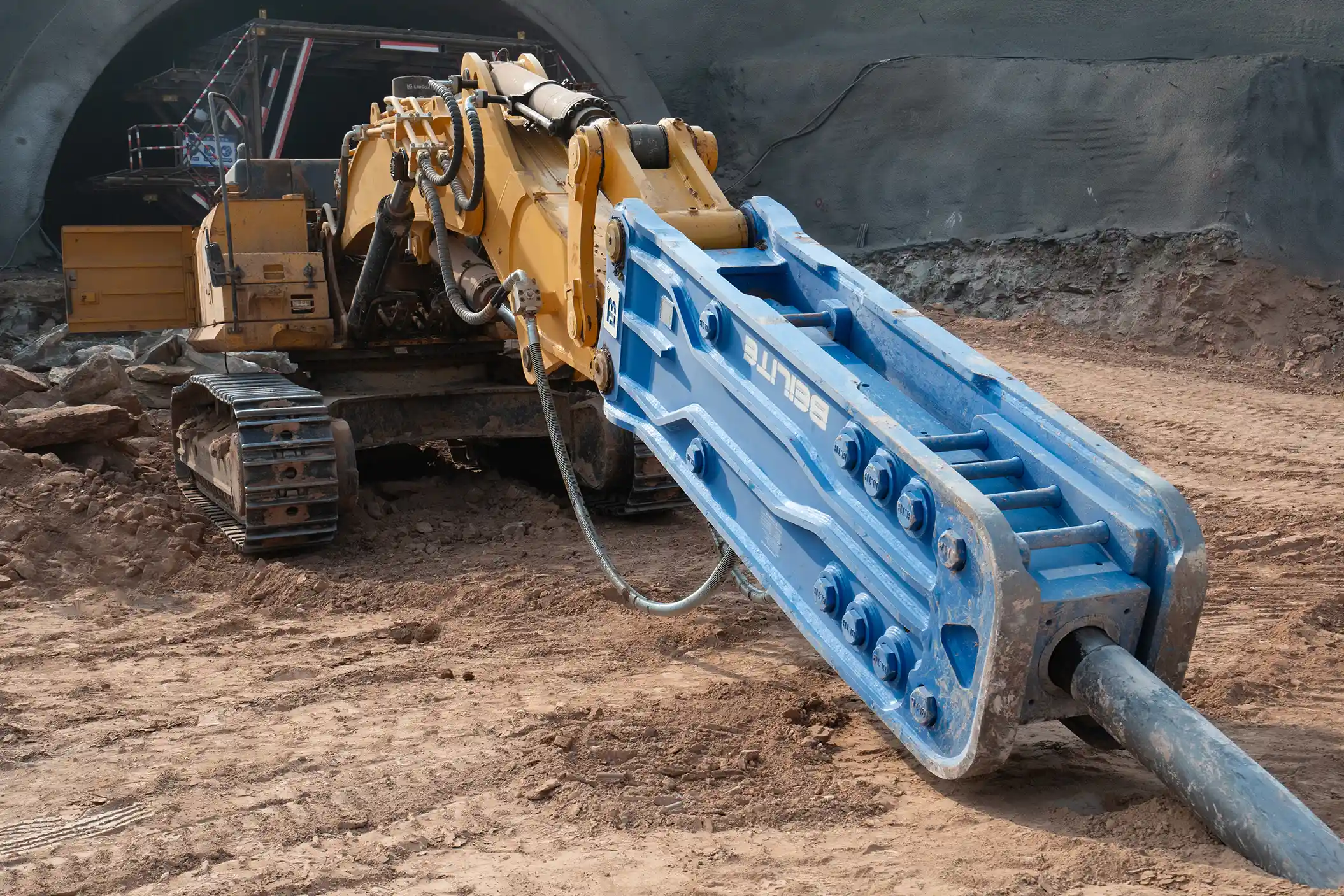
Underground Environments Push Hydraulic Breaker Technology to Its Limits
Modern tunneling operations require hydraulic breakers built specifically for underground challenges. The BLT and BLTB brand breakers incorporate patented innovations addressing the realities of confined, harsh working conditions.
Energy recovery systems reclaim recoil energy and redirect it into impact force. This approach increases productivity while reducing fuel consumption—a meaningful advantage when equipment runs continuously for extended shifts. The efficiency gains compound over weeks and months of operation.
Operator welfare matters underground. Noise reduction and vibration damping mechanisms protect workers in environments where exposure accumulates quickly. Specialized chisel types—conical, blunt, and pyramidal—match different rock hardness levels and breaking tasks. Each design optimizes energy transfer for its intended application.
The power-to-weight ratio requires careful calibration for carrier compatibility. Maximum impact force means nothing if it overloads the excavator or creates handling problems in tight spaces. Hydraulic system designs maintain consistent operating pressure and flow under continuous heavy loads, translating to reliable performance when stopping isn’t an option.
Integrated dust suppression proves essential in confined spaces. Air quality and visibility directly affect both safety and productivity. These technological elements work together to deliver superior rock breaking efficiency where conditions are least forgiving. 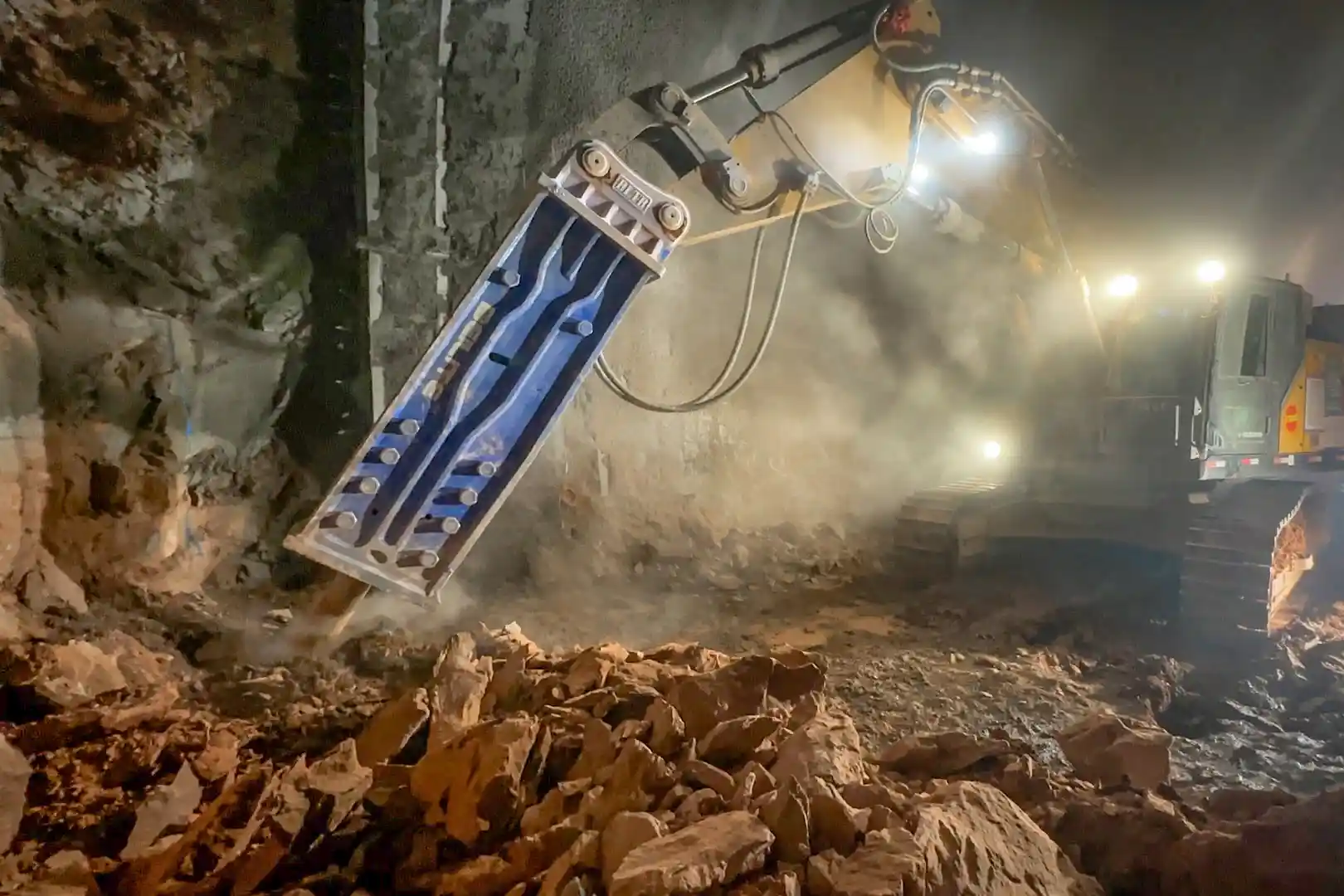
Matching Breaker Settings to Rock Conditions
Optimizing hydraulic breaker performance in tunneling means matching the tool to the material in real time. Hard rock tunneling demands robust, wear-resistant chisels and adjusted impact frequency to maximize penetration. Softer formations require lower impact frequency and controlled energy to prevent excessive fragmentation and maintain tunnel stability.
Chisel selection based on rock hardness influences both efficiency and tool longevity. Regular rock condition assessment allows dynamic adjustments that keep breaking force optimized as geology changes. This responsiveness separates operators who struggle from those who maintain consistent advance rates.
Selecting the Right Hydraulic Breaker Shapes Project Outcomes
Choosing the appropriate brise-roche hydraulique Hammer ranks among the most consequential decisions for any tunneling project. The selection directly impacts operational efficiency, cost-effectiveness, and daily productivity numbers.
The evaluation process starts with project requirements and geological conditions. Impact energy needs, operating pressure ranges, and chisel types suited for prevalent rock hardness all factor into the decision. Carrier machine specifications—particularly excavator tonnage—determine compatibility boundaries. Mismatched equipment creates damage risks and performance limitations that compound over time.
Safety protocols and environmental regulations guide technology choices as well. Noise control requirements and dust management standards vary by jurisdiction and project type, influencing which breaker features become essential rather than optional.
The BLT series offers options across tunneling applications:
| Modèle | Excavateur applicable (t) | Diamètre du ciseau (mm) | Pression de service (bar) | Fréquence d'impact (bpm) | Key Application Consideration |
|---|---|---|---|---|---|
| BLT-40 | 0.5-1.2 | 40 | 90-120 | 800-1400 | Precision work, small profiles |
| BLT-70 | 4.5-6 | 70 | 110-140 | 500-900 | Medium-scale excavation, varied rock |
| BLT-100 | 10-14 | 100 | 150-170 | 350-700 | General tunneling, hard rock |
| BLT-140 | 20-24 | 140 | 160-180 | 350-500 | Heavy-duty breaking, large cross-sections |
| BLT-165 | 33-38 | 165 | 210-230 | 150-300 | Extreme hard rock, mass excavation |
This framework emphasizes matching breaker capabilities with specific tunneling demands. Careful hydraulic breaker selection ensures maximum productivity and protects the investment over the equipment’s working life.
Durability and Uptime Determine Underground Project Success
Underground environments punish equipment relentlessly. Constant impact, abrasive conditions, and continuous operation cycles test every component. Breaker durability and uptime become critical metrics for project success.
Robust materials and advanced manufacturing processes build resistance to these conditions. Maximizing uptime requires a comprehensive approach: preventative maintenance, regular inspections, and timely service interventions. Wear parts like chisels and bushings need routine monitoring and replacement before failures cascade into larger problems.
Adhering to recommended service intervals significantly extends service life and reduces operational costs. Equipment designed for long-term performance and reliability meets global standards for quality and endurance. This commitment minimizes unexpected downtime, keeping progress continuous in demanding tunneling operations. 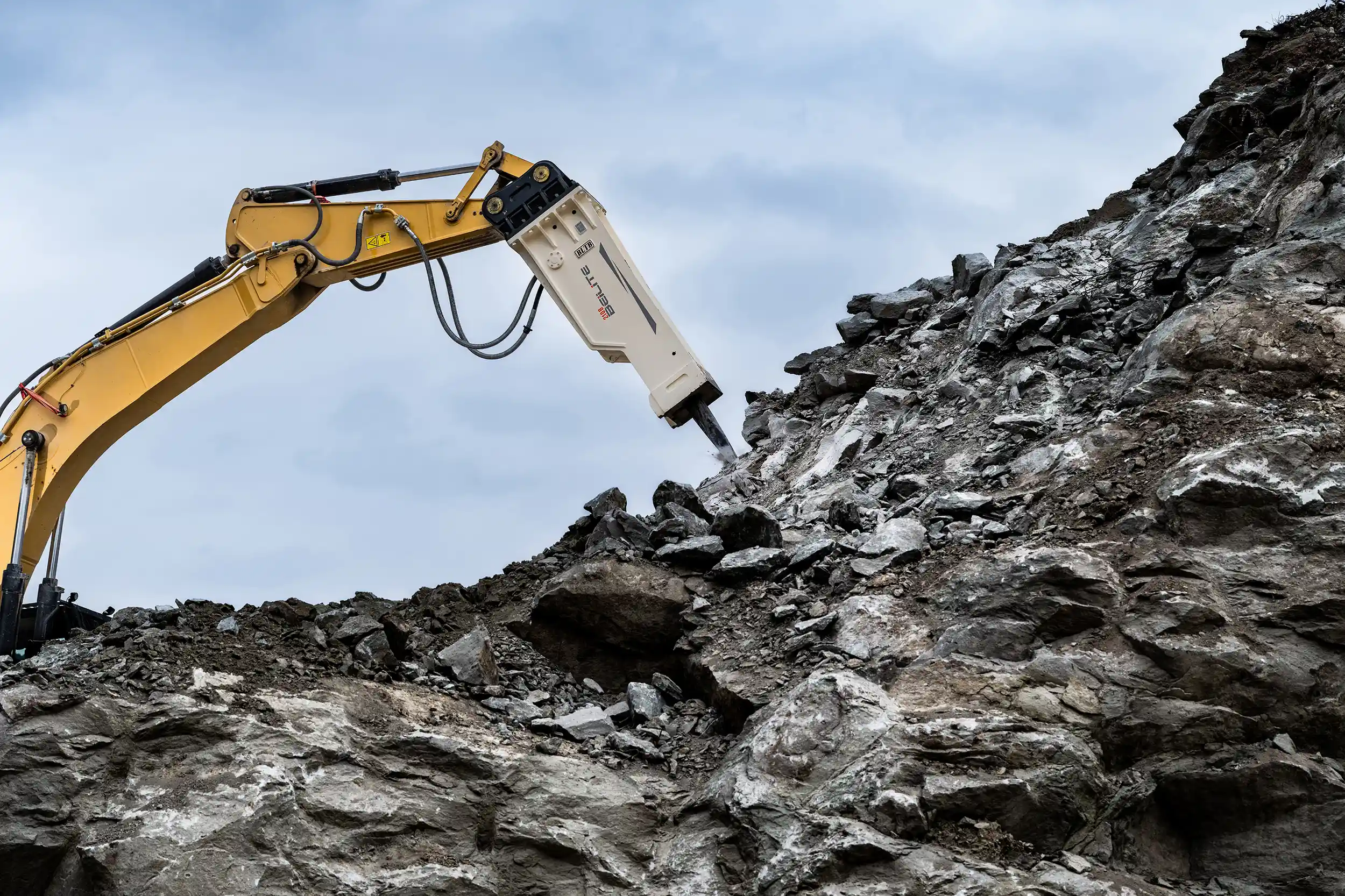
Maintenance Practices That Keep Operations Moving
Effective underground maintenance prevents small issues from becoming shift-stopping problems. Routine inspection of the breaker for cracks, leaks, and loose fasteners catches developing failures early. Proper lubrication of all moving parts, including the chisel and bushings, reduces friction and extends component life.
Hydraulic fluid requires regular checking and replacement according to manufacturer specifications. The hydraulic system’s efficiency depends on fluid condition. Timely chisel replacement—before excessive wear occurs—maintains breaking power and protects the breaker body from damage. These practices form the foundation of maximizing service life and operational continuity.
Underground Safety Requires Systematic Attention
Safety in underground operations demands more than good intentions. Comprehensive operator training covers correct breaker usage, hazard recognition, and emergency procedures. Confined spaces require adequate ventilation and hazardous gas monitoring as baseline requirements.
Effective dust control through water spraying minimizes airborne particulate matter that threatens respiratory health and reduces visibility. Managing operator vibration exposure through ergonomic design and scheduled breaks addresses long-term health risks. Noise levels require control measures, and hearing protection remains mandatory.
A thorough risk assessment must precede any underground hydraulic breaker operation. The consequences of skipping this step become apparent only after incidents occur. 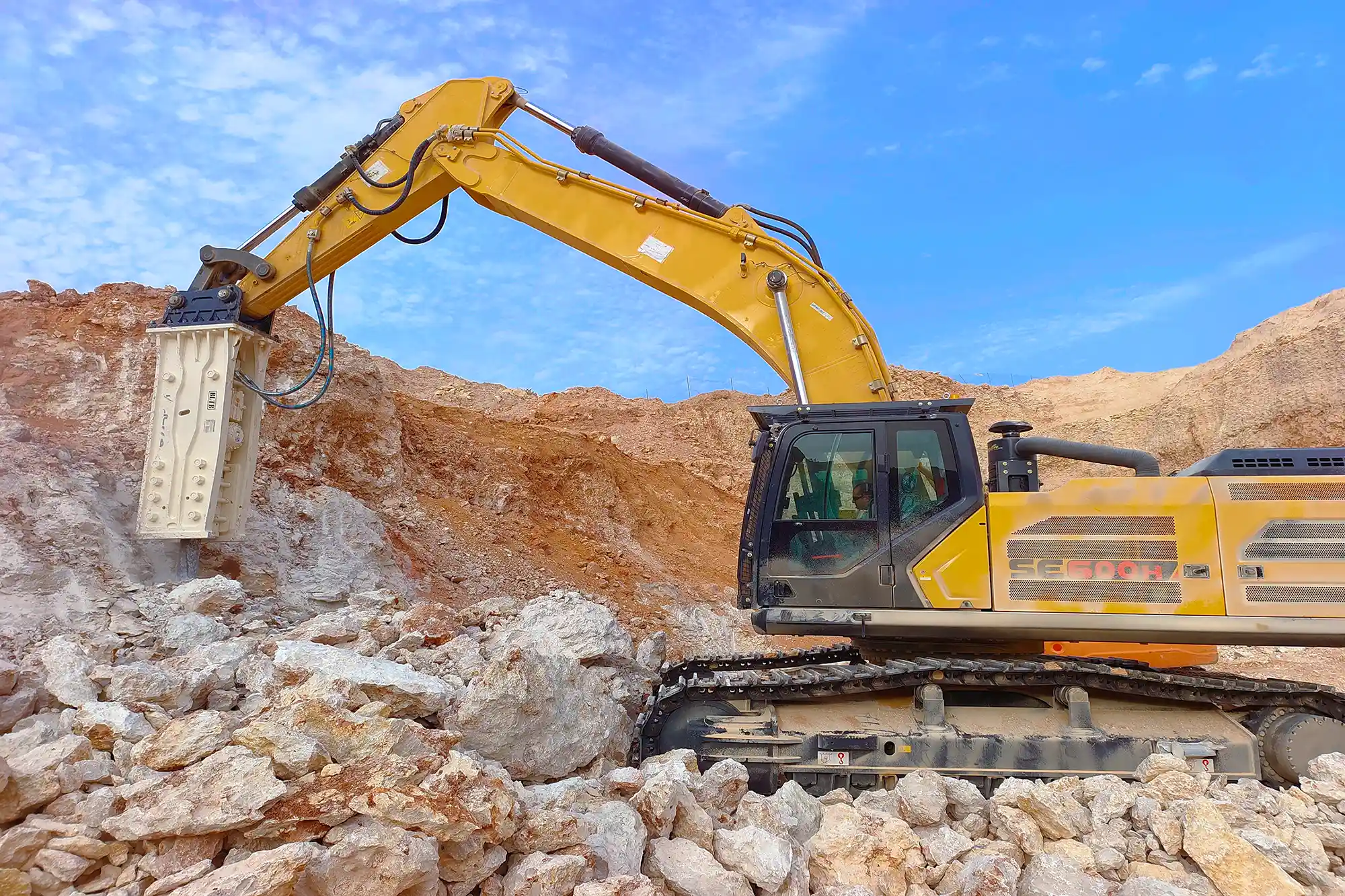
Engineering Excellence Drives Tunneling Performance
BEILITE Machinery Co., Ltd. operates as a national high-tech enterprise focused on high-end hydraulic breakers for challenging applications, including tunneling. Since 2002, continuous innovation has produced hundreds of patents in core technologies. Participation in formulating national standards for hydraulic breakers in China reflects accumulated expertise and industry leadership.
The BLT and BLTB brand products deliver superior performance, durability, and efficiency across diverse working conditions. Extensive R&D addresses specific underground excavation demands, from optimizing impact energy to enhancing operator safety features. Global exports to over 100 countries demonstrate the trust earned through quality and service.
Advancing rock breaking solutions means ensuring partners achieve maximum efficiency in their tunneling projects. The equipment performs because the engineering anticipated the conditions it would face. 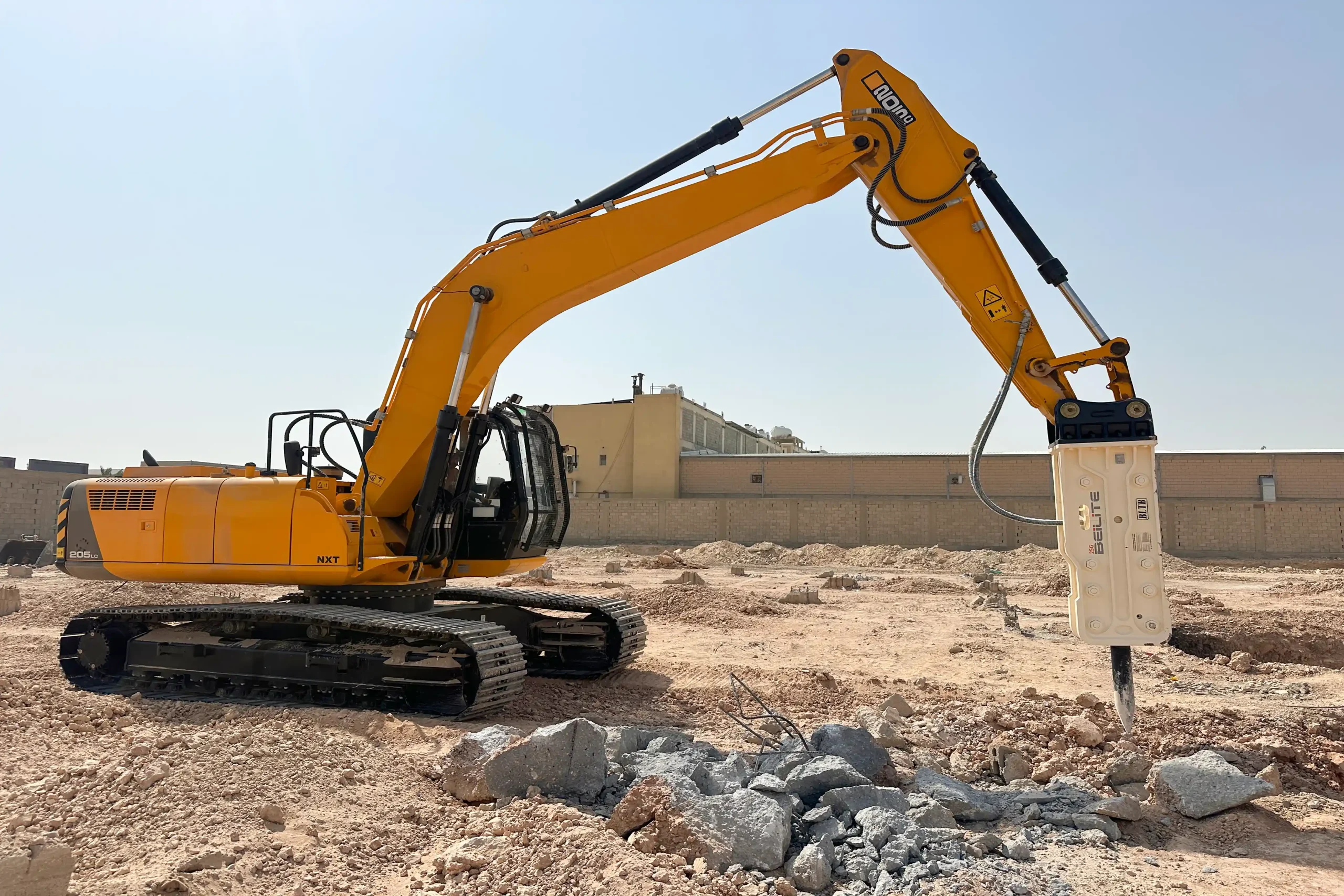
Frequently Asked Questions About Tunneling Hydraulic Breakers
What factors most influence hydraulic breaker selection for different tunneling profiles?
Hydraulic breaker selection centers on rock hardness, tunneling profiles, and carrier machine compatibility. The required impact energy for the material, the breaker’s weight relative to the excavator, and chisel types needed for efficient rock breaking all require evaluation. Matching these elements ensures optimal performance and safety in underground excavation. Project-specific conditions like water infiltration or gas presence may also influence equipment specifications.
How do advanced technologies increase productivity in underground excavation?
Advanced hydraulic breaker technologies like energy recovery systems maximize impact energy while reducing operational costs. Optimized hydraulic system designs, superior power-to-weight ratios, and specialized chisel types enhance breaking efficiency. These features translate to faster advance rates in underground excavation. The productivity gains become most apparent during extended operations where cumulative efficiency differences add up.
What lifespan should operators expect from hydraulic breakers in challenging tunneling conditions?
The expected hydraulic breaker lifespan in challenging tunneling conditions depends heavily on maintenance practices. Routine inspection, proper lubrication, and timely replacement of wear parts extend service life significantly. Adhering to maintenance schedules ensures long-term performance. Under proper care, quality hydraulic breakers deliver years of reliable service even in demanding underground applications.
Can hydraulic breakers adapt to various carrier machines used in tunneling?
Hydraulic breaker compatibility extends across various carrier machines including excavators and specialized tunneling equipment. Different mounting brackets and hydraulic configurations ensure seamless integration. This versatility supports efficient fleet management and allows application-specific solutions without requiring dedicated equipment for each carrier type.
What safety features matter most for hydraulic breakers in confined underground spaces?
For confined underground spaces, hydraulic breaker safety features should include noise reduction and vibration damping to protect operators during extended exposure. Dust suppression systems prove essential for air quality. Robust construction, clear operational guidelines, and comprehensive operator training contribute to overall underground safety. These features work together rather than independently.
Maximize Your Underground Efficiency with Beilite
Contact our experts today for a tailored consultation on how BLT and BLTB hydraulic breaker solutions can enhance your operational efficiency and safety in demanding underground environments. Reach us at 40008-40008 or [email protected].