 Anglais
 Français
Hydraulic Breaker Data Monitoring: Optimize Performance & Uptime
Hydraulic Breaker Data Monitoring: Optimize Performance & Uptime
Anyone who has watched a hydraulic breaker sit idle while waiting for parts knows the real cost of reactive maintenance. It’s not just the repair bill—it’s the excavator tied up, the crew standing around, and the project timeline slipping. Hydraulic breaker data monitoring changes that equation entirely. By pulling real-time operational data from the attachment itself, this approach lets you see problems forming before they become failures. The shift from guessing at maintenance intervals to knowing exactly when components need attention represents one of the more practical advances in heavy equipment management. For operations running high-end hydraulic breakers, including those from Beilite Machinery, this kind of visibility turns equipment management from a reactive scramble into something closer to strategic planning.
How Hydraulic Breaker Data Monitoring Actually Works
Hydraulic breaker data monitoring collects and analyzes real-time operational data from the attachment to reveal what’s happening inside the machine during actual work. The system mounts IoT sensors et telematics systems directly on the hydraulic breaker, where they capture real-time data across multiple performance metrics et operational data streams.
The sensors track several parameters that matter for breaker health. Impact count logs how many blows the breaker delivers during a shift or over its service life. Operating pressure readings show the hydraulic force moving through the system. Temperature monitoring watches the hydraulic oil and internal components for overheating, which often signals trouble before anything visibly fails. Vibration analysis picks up irregular patterns that indicate mechanical wear or alignment issues developing. GPS tracking adds location data for fleet management and theft recovery.
The system handles data acquisition continuously, building a complete operational record. This data logging supports remote diagnostics and deeper analysis without requiring someone to physically inspect the breaker. The accuracy of modern sensor technology means the data actually reflects what’s happening in the field, not just approximations. Understanding these fundamentals matters because the value of any monitoring system depends entirely on what it can reliably measure.
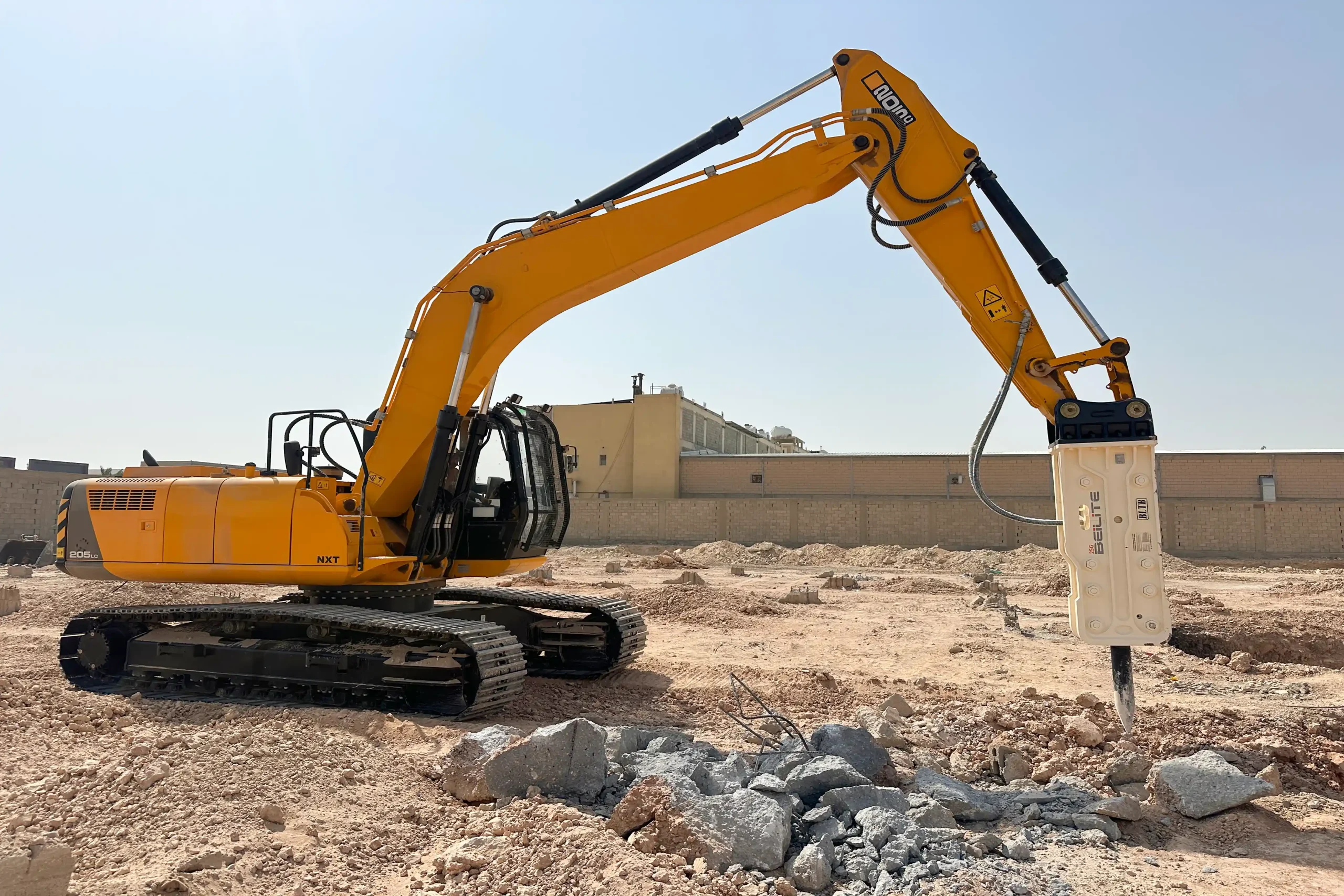
Predictive Maintenance Becomes Possible With Real Data
Data monitoring reshapes how heavy equipment gets maintained by making predictive maintenance practical rather than theoretical. Instead of changing oil every 500 hours regardless of condition or waiting until something breaks, operators can base maintenance scheduling on what the equipment actually needs.
This shift directly increases equipment uptime and delivers reduced downtime because work happens on your schedule, not the breaker’s. The monitoring system watches for anomalies constantly, functioning as an early warning systems for fault detection. When oil temperature climbs unexpectedly or vibration patterns shift from baseline, the system flags it. That alert creates time for proactive repairs before a worn seal becomes a seized piston.
Maintenance intervals stretch when data shows components are still healthy, which extends component lifespan and cuts cost savings from unnecessary service. Condition-based monitoring means you’re not paying for maintenance the equipment doesn’t need yet. The data also reveals patterns in fuel consumption et asset utilization that fleet management software can use to adjust how and where breakers get deployed. This kind of informed maintenance planning compounds into measurable gains in operational efficiency.
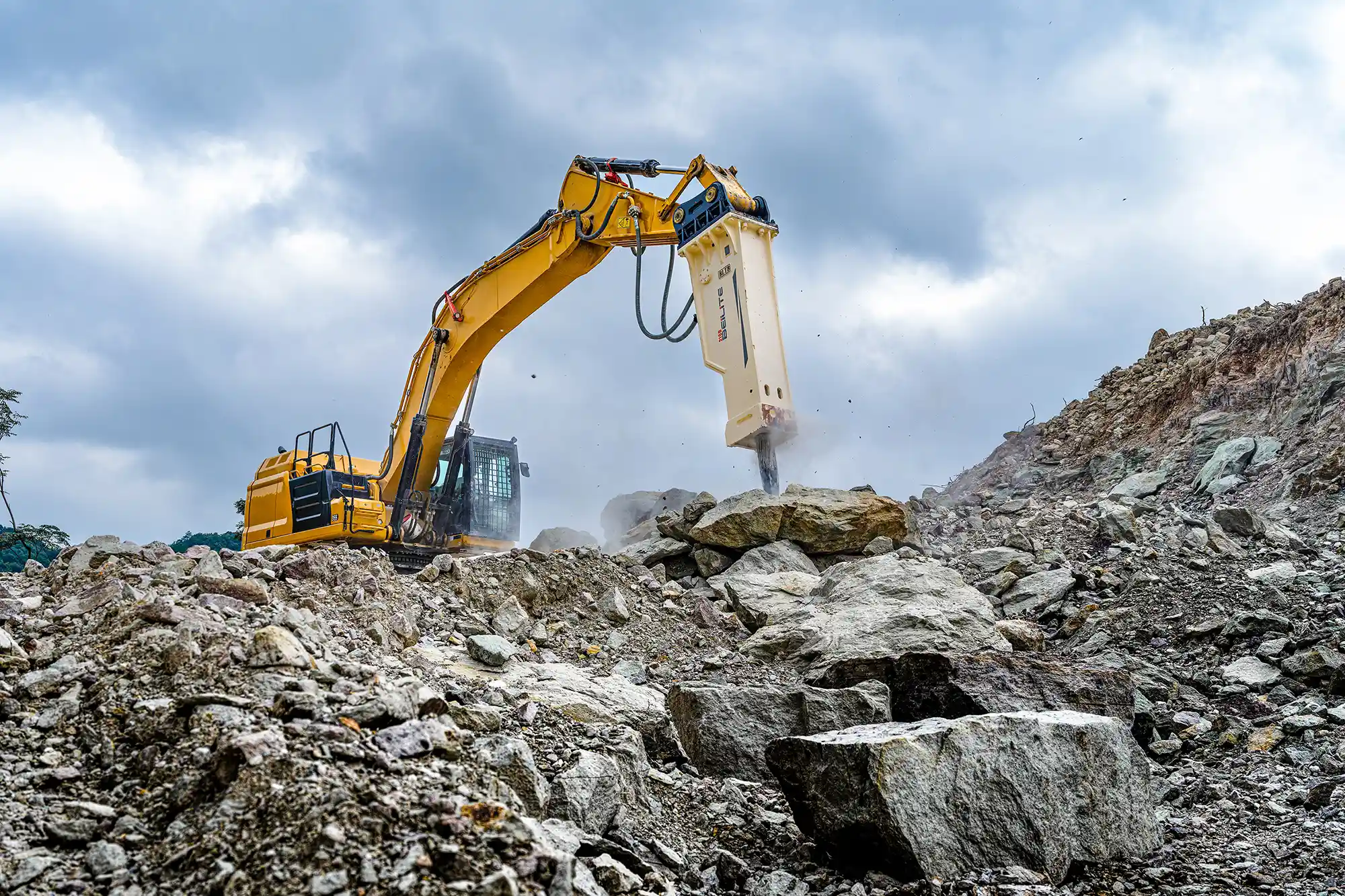
Financial Returns From Extended Asset Life
Predictive maintenance driven by monitoring data produces financial results that show up clearly in operating budgets. Catching failures early eliminates the premium costs of emergency repairs and rush-shipped parts. The extended component lifespan from proper maintenance timing means fewer replacements over the breaker’s working life.
These factors combine to lower the total cost of ownership (TCO) for each unit in the fleet. Spare parts management improves because usage data shows actual consumption rates rather than estimates, keeping inventory lean without risking stockouts. When warranty questions arise, detailed operational records support warranty claims with objective evidence of how the equipment was used.
Better reliability also affects how accountants treat the equipment. Slower equipment depreciation and more predictable capital expenditure planning become possible when machines consistently reach or exceed expected service life. The return on investment (ROI) from monitoring systems typically comes through budget optimization and sustained output rather than any single dramatic savings.
| Maintenance Type | Caractéristique | Cost Impact | Downtime Impact | Component Lifespan |
|---|---|---|---|---|
| Réactif | Unplanned | Haut | High, Unscheduled | Shortened |
| Predictive | Data-driven | Low-Medium | Low, Scheduled | Extended |
Operator Behavior and Safety Show Up in the Data
Data monitoring reveals patterns in operator performance et site safety that would otherwise stay hidden. The systems track operator behavior indicators like extended idle time, incorrect impact energy settings, or running the breaker in conditions it wasn’t designed for.
This information identifies specific training needs rather than generic refresher courses. When misuse detection shows one operator consistently running at excessive pressure, that’s a targeted coaching opportunity. Addressing these patterns improves operator efficiency while reducing the accelerated wear that comes from improper technique.
The safety implications matter just as much. Data monitoring supports risk mitigation by catching dangerous operating patterns before they cause injuries. Unusual vibration signatures or strain readings can trigger alerts that prompt immediate checks. The system also documents adherence to operational guidelines et regulatory standards, strengthening safety compliance records. This approach to accident prevention protects workers while creating documentation that matters for insurance and regulatory purposes.
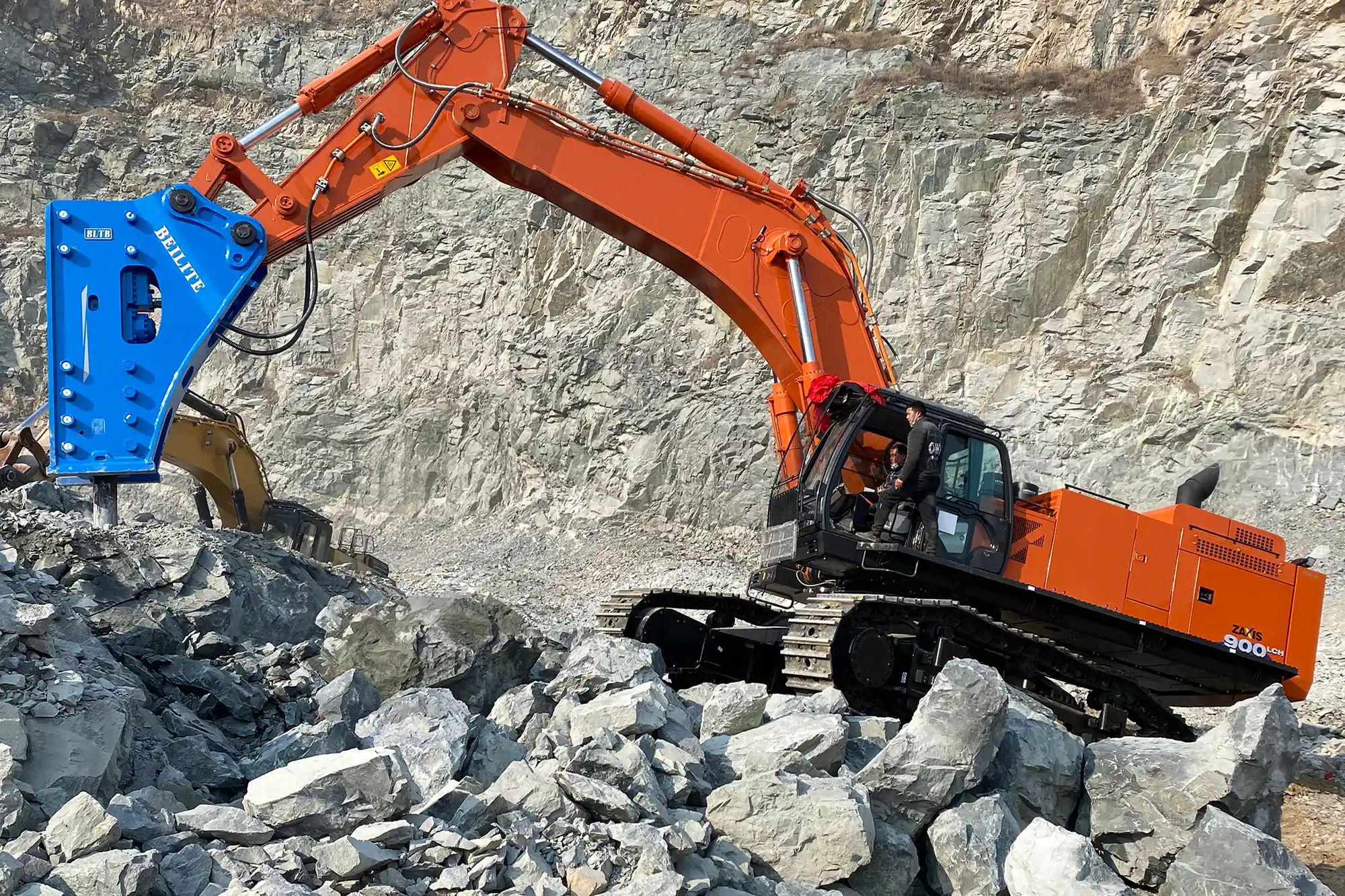
Steps for Getting a Monitoring System Running
Implementing hydraulic breaker data monitoring follows a logical sequence that starts with clarity about what you’re trying to accomplish. Define specific objectives first, then evaluate telematics providers against those requirements.
Sensor installation on the hydraulic breakers requires attention to calibration and connectivity. Many installations integrate with existing CAN bus data systems on the excavator, which can simplify some aspects while adding complexity in others. Wireless sensors transmit data to centralized data platforms ou cloud analytics systems where the actual analysis happens.
Data security deserves serious attention because operational data has competitive value and privacy implications. API integration connects the monitoring data to fleet management software and other business systems where it becomes actionable. Starting with a pilot program on a subset of equipment allows troubleshooting before full deployment. Plan for scalability from the beginning—retrofitting a system that can’t grow costs more than building in capacity upfront. Staff training and adoption determines whether the system actually gets used or becomes expensive shelf-ware. A solid implementation strategy addresses data management workflows and ensures the organization captures the full value of heavy machinery IoT solutions.
Matching Technology Choices to Fleet Requirements
The right monitoring technology depends on what your fleet actually needs, what infrastructure already exists, and realistic budget constraints. Basic GPS tracking handles location and hour tracking at low cost and complexity. Advanced wireless sensors capture the detailed performance metrics needed for predictive maintenance. CAN bus data integration pulls information directly from the excavator’s systems for a more complete picture.
The choice between third-party solutions with broad equipment compatibility and proprietary systems from manufacturers involves tradeoffs. Third-party options typically work across mixed fleets but may lack deep integration. Manufacturer systems often provide richer data for their specific equipment but create complications for diverse fleets.
Evaluate hardware compatibility with your current breakers and carriers before committing. Understand the system requirements for data storage and processing—some solutions handle this in the cloud while others require on-premise infrastructure. The quality of data visualization tools determines whether insights reach the people who need them. Good monitoring software presents information clearly without requiring data science expertise. Thorough vendor selection that considers support quality and company stability matters because you’re entering a long-term relationship, not making a one-time purchase.
| Technology Type | Data Points Collected | Installation Complexity | Coût | Key Benefit |
|---|---|---|---|---|
| Basic Telematics | GPS, Engine Hours | Faible | Faible | Asset Tracking |
| Advanced Sensor | Impact Count, Pressure, Temp, Vibration | Medium | Medium | Predictive Maintenance |
| CAN Bus Integration | Machine Parameters | Haut | Haut | Holistic View |
Where Hydraulic Breaker Monitoring Technology Is Heading
Hydraulic breaker data monitoring continues advancing toward systems that do more than collect and display information. The integration of AI-driven analytics et machine learning algorithms will extract patterns from data that human analysts would miss or take too long to find.
These systems are moving past simple threshold alerts toward predictive modeling that forecasts component wear rates and suggests optimal operating parameters for specific conditions. Digital twins for hydraulic breakers will enable virtual testing of maintenance approaches and operational changes before implementing them on actual equipment.
Capabilities for remote control et autonomous operations in certain applications are developing, though full autonomy remains distant for most breaking work. This trajectory aligns with Industry 4.0 et smart construction concepts where IoT for heavy equipment creates a connected jobsite with coordinated data flows across machines and systems.
Future development will likely emphasize sustainability through energy optimization and environmental monitoring as regulatory and customer pressure increases on these fronts. The technology is moving toward equipment that not only reports its condition but actively participates in optimizing its own operation.
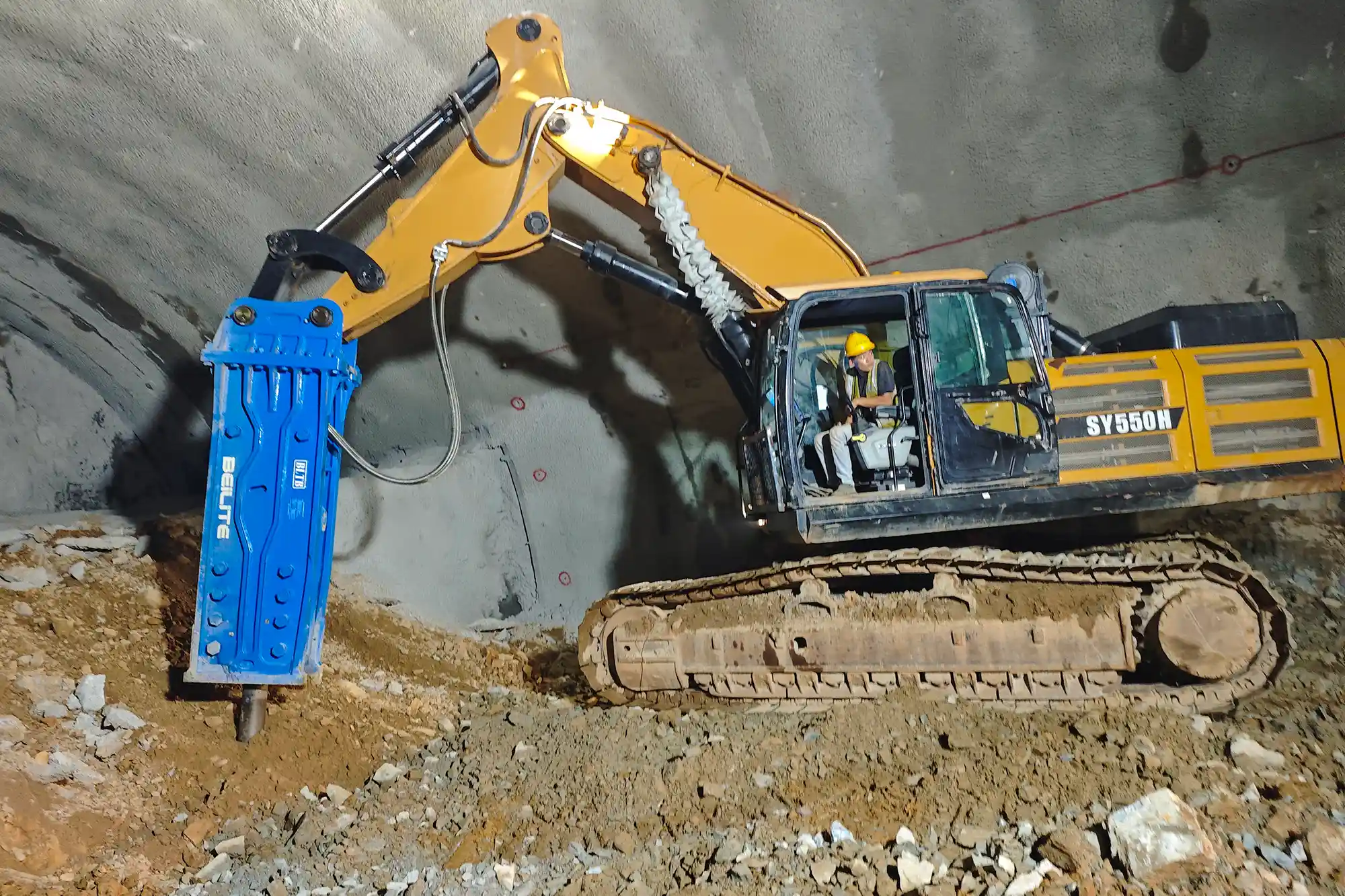
Conclusion
Hydraulic breaker data monitoring has moved from nice-to-have technology to a practical necessity for operations that take equipment management seriously. The shift from reactive to proactive maintenance directly improves operational efficiency and protects equipment uptime. The insights into machine health, operator behavior, and fleet utilization drive real cost savings and extend how long assets remain productive.
This data-driven approach supports strategic asset management that creates measurable advantages over competitors still guessing at maintenance intervals. BEILITE Machinery Co., LTD, operating as a national high-tech enterprise, builds high-end hydraulic breakers in our BLT and BLTB series with monitoring integration in mind. The equipment is designed to work with advanced monitoring solutions so customers can make data-driven decisions about their operations.
Unlock Your Equipment’s Full Potential
BEILITE Machinery Co., LTD stands at the forefront of high-end hydraulic breaker innovation, ensuring unparalleled performance and reliability. Discover how our advanced BLT and BLTB series hydraulic breakers, designed for seamless integration with cutting-edge data monitoring systems, can transform your operations. Contact our experts today for a personalized consultation and unlock the full potential of your heavy machinery assets.
Courriel : [email protected]
Téléphone : 40008-40008
Frequently Asked Questions about Hydraulic Breaker Data Monitoring
Which data points matter most for hydraulic breaker performance optimization?
Impact count, operating pressure, oil temperature, vibration levels, and GPS location form the core metrics for meaningful analysis. Tracking these parameters enables accurate performance assessment, supports predictive maintenance decisions, and reveals operational inefficiencies that affect hydraulic breaker performance and service life. Together they provide a working picture of breaker condition during actual operation.
How does real-time monitoring actually prevent unexpected breakdowns?
Real-time data monitoring catches anomalies like abnormal vibrations or temperature spikes the moment they appear, often indicating component problems developing. This early detection creates time for preventive maintenance scheduling before the issue causes unexpected hydraulic breaker downtime or requires expensive emergency repairs. The value lies in converting surprises into planned service events.
Is it possible to add monitoring to breakers already in service?
Most existing hydraulic breakers can be retrofitted with data monitoring technology through external sensor packages and telematics units. Compatibility depends on the specific breaker model and carrier equipment, so checking with a knowledgeable supplier like BEILITE Machinery before purchasing makes sense. We evaluate current equipment to confirm data monitoring integration will work as expected.
What kind of payback period should operations expect from monitoring systems?
Le ROI for hydraulic breaker data monitoring systems varies by operation but typically shows payback within 12-24 months. The returns come from lower maintenance costs, better uptime, reduced fuel waste, and longer asset life. Operations with higher utilization rates or more expensive downtime consequences often see faster returns through improved operational efficiency and smarter asset management.
How does Beilite design breakers for monitoring system compatibility?
BEILITE Machinery Co., LTD builds our BLT and BLTB brise-roche hydrauliques with standardized interfaces and robust construction that accommodates various advanced data monitoring solutions. As a national high-tech enterprise, we design equipment anticipating integration with smart construction systems and data-driven fleet management approaches.