 Anglais
 Français

Hydraulic Breaker Carrier Compatibility: Mastering System Integration
Getting the right hydraulic breaker matched to your carrier isn’t just about fitting the pieces together—it’s about making sure the whole system works as a unit. I’ve seen jobs stall for days because someone assumed a breaker would “probably work” with their excavator. The reality is more demanding. When the hydraulic parameters, weight distribution, and mounting geometry all align correctly, you get efficient breaking with minimal stress on both machines. When they don’t, you’re looking at overheated hydraulics, premature seal failures, and operators dealing with equipment that fights them instead of working with them.
What Actually Happens When You Match a Hydraulic Breaker to Its Carrier
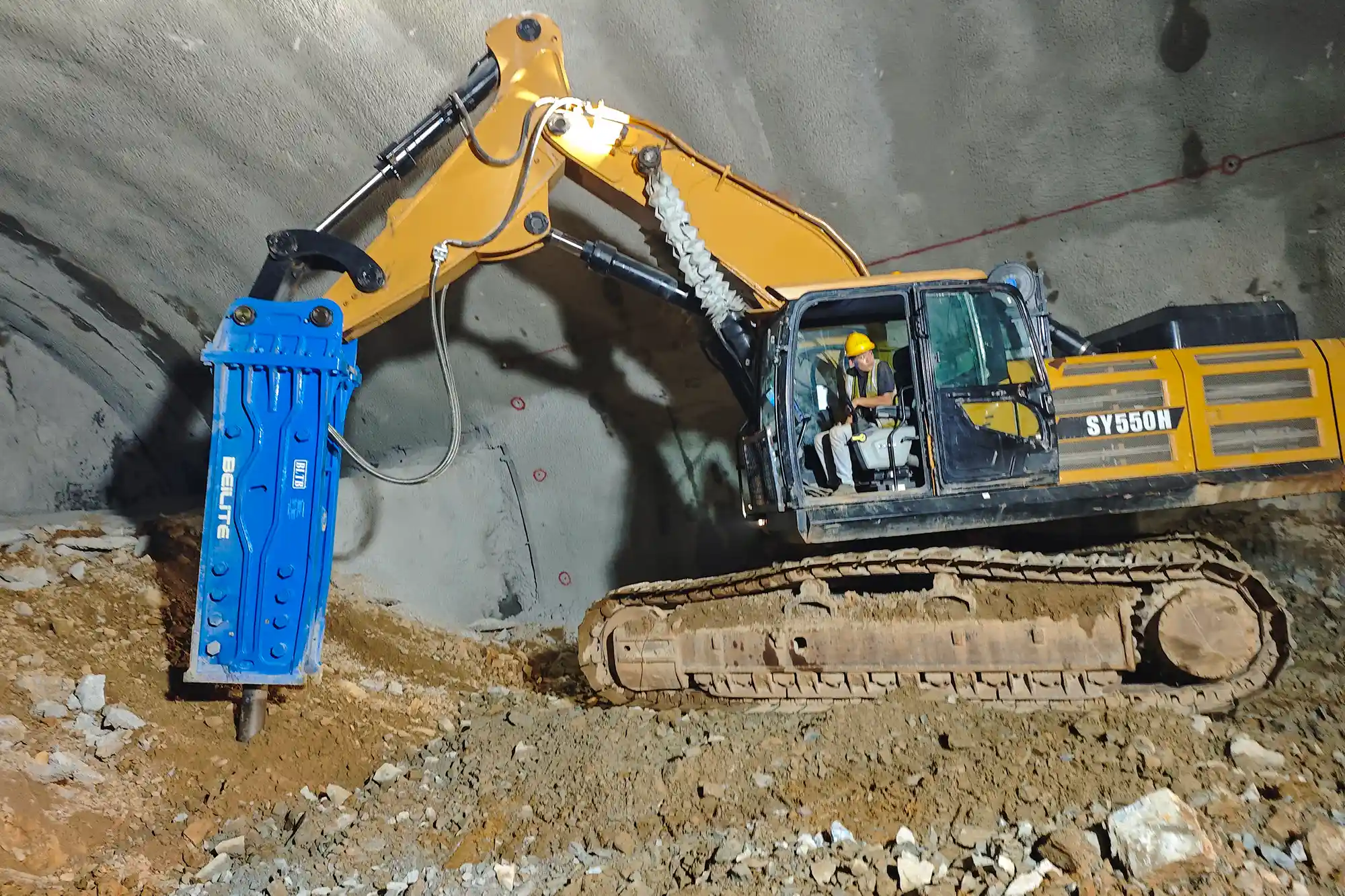
Proper matching between a hydraulic breaker and its carrier, whether that’s an excavator attachment or backhoe loader, comes down to engineering fundamentals. The carrier’s operating weight serves as a primary indicator for stability and safe handling of the attachment. For smaller applications, selecting the correct hydraulic breaker hammer for mini excavator or skid steer requires careful attention to avoid imbalance or structural strain. Effective attachment selection directly influences operational longevity and prevents premature wear across the entire system.
The relationship works both ways. An undersized breaker wastes the carrier’s potential. An oversized one creates leverage problems that stress the boom and can make the whole machine unstable during operation.
Why Mismatched Systems Lead to Expensive Problems
Incompatibility between a hydraulic breaker and its carrier creates problems that compound over time. Mismatched systems often result in severe equipment damage, including stress fractures on the excavator boom or premature failure of the breaker’s internal components. This directly causes reduced productivity due to frequent breakdowns and necessitates costly repairs, increasing overall operational costs.
Beyond the financial impact, improper matching creates significant safety hazards for operators and personnel on site. The stresses from an ill-suited breaker can cause instability, uncontrolled movements, and component failures. These aren’t theoretical risks—they’re the kind of incidents that shut down job sites.
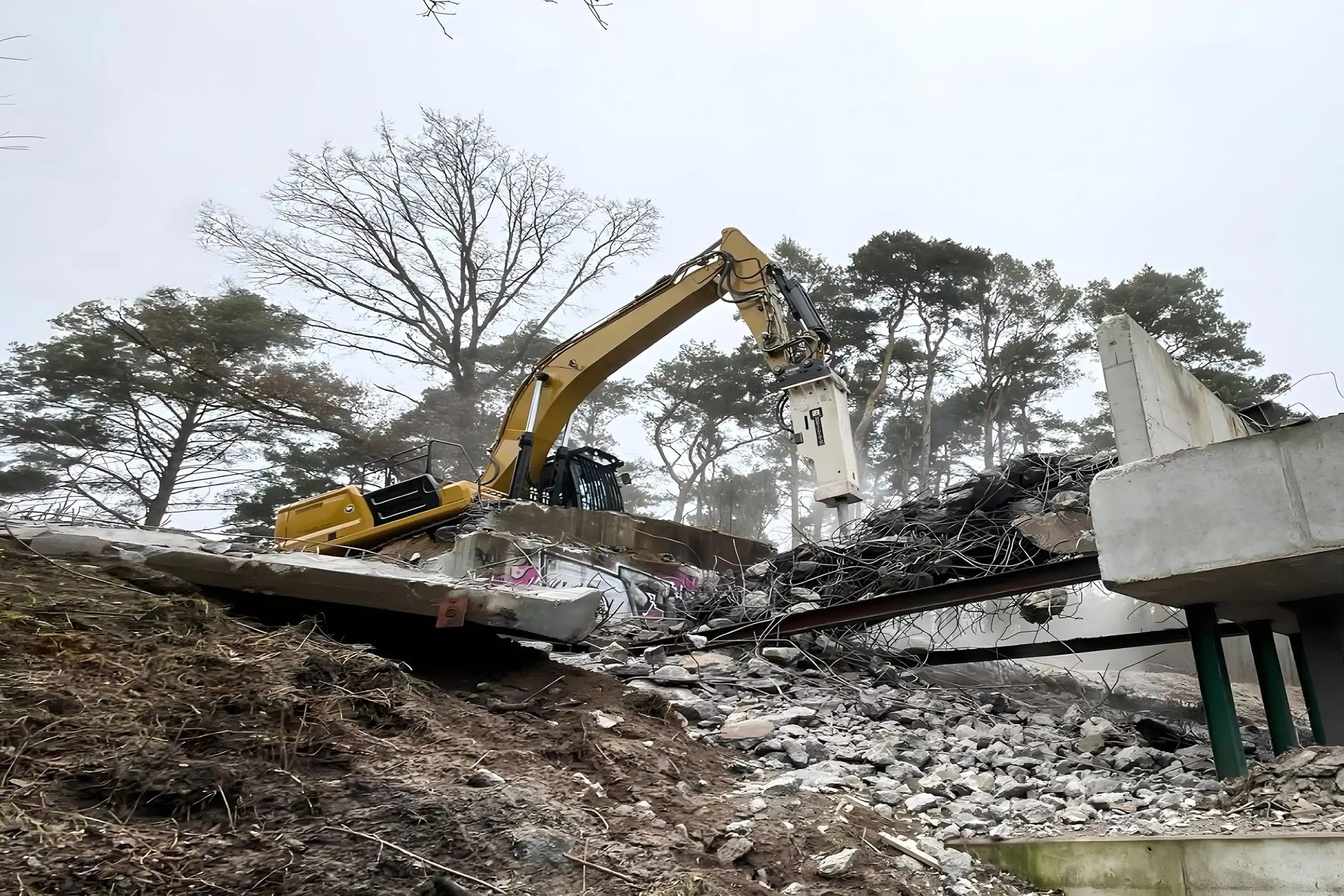
Hydraulic Parameters That Determine Whether Integration Works
The hydraulic system is where compatibility either succeeds or fails. Precise alignment of hydraulic flow, hydraulic pressure, and back pressure is essential for efficient operation. Each parameter must fall within the manufacturer’s specified ranges to ensure the breaker functions correctly without overstressing the carrier’s hydraulic system. Auxiliary hydraulics need correct configuration, including the relief valve setting and appropriate hose diameter, to prevent overheating and power loss.
Getting Flow and Pressure Numbers Right
Determining the correct hydraulic flow (LPM) and hydraulic pressure (bar/psi) for your breaker requires checking actual specifications rather than making assumptions. Every hydraulic breaker has specific requirements outlined in its technical documentation.
The BLT series illustrates how these requirements vary by model. The BLT-70 requires 40-70 L/min of flow and 110-140 bar of pressure, while the larger BLT-125 needs 90-120 L/min and 150-170 bar. Cross-reference these figures with your carrier machine’s pump capacity and auxiliary hydraulic output. Adjusting the flow rate and pressure settings on the carrier ensures the breaker receives the exact power it needs for optimal performance.
Running a breaker below its required flow makes it sluggish and ineffective. Running it above specification generates excess heat and accelerates wear on seals and internal components.
Back Pressure Causes More Problems Than Most Operators Realize
Back pressure in the return line often gets overlooked until something fails. Excessive back pressure causes hydraulic fluid to overheat, leading to seal damage, premature wear of hydraulic components, and reduced striking power. This happens when the return line is too restrictive, too long, or has an insufficient hose diameter.
Monitoring back pressure is vital—it should remain below the manufacturer’s specified limit. Mitigation strategies include ensuring the correct hose diameter, checking for kinks or blockages in the return line, and verifying the proper function of the hydraulic cooler. Managing back pressure proactively extends the life of both the breaker and the carrier while maintaining consistent performance.
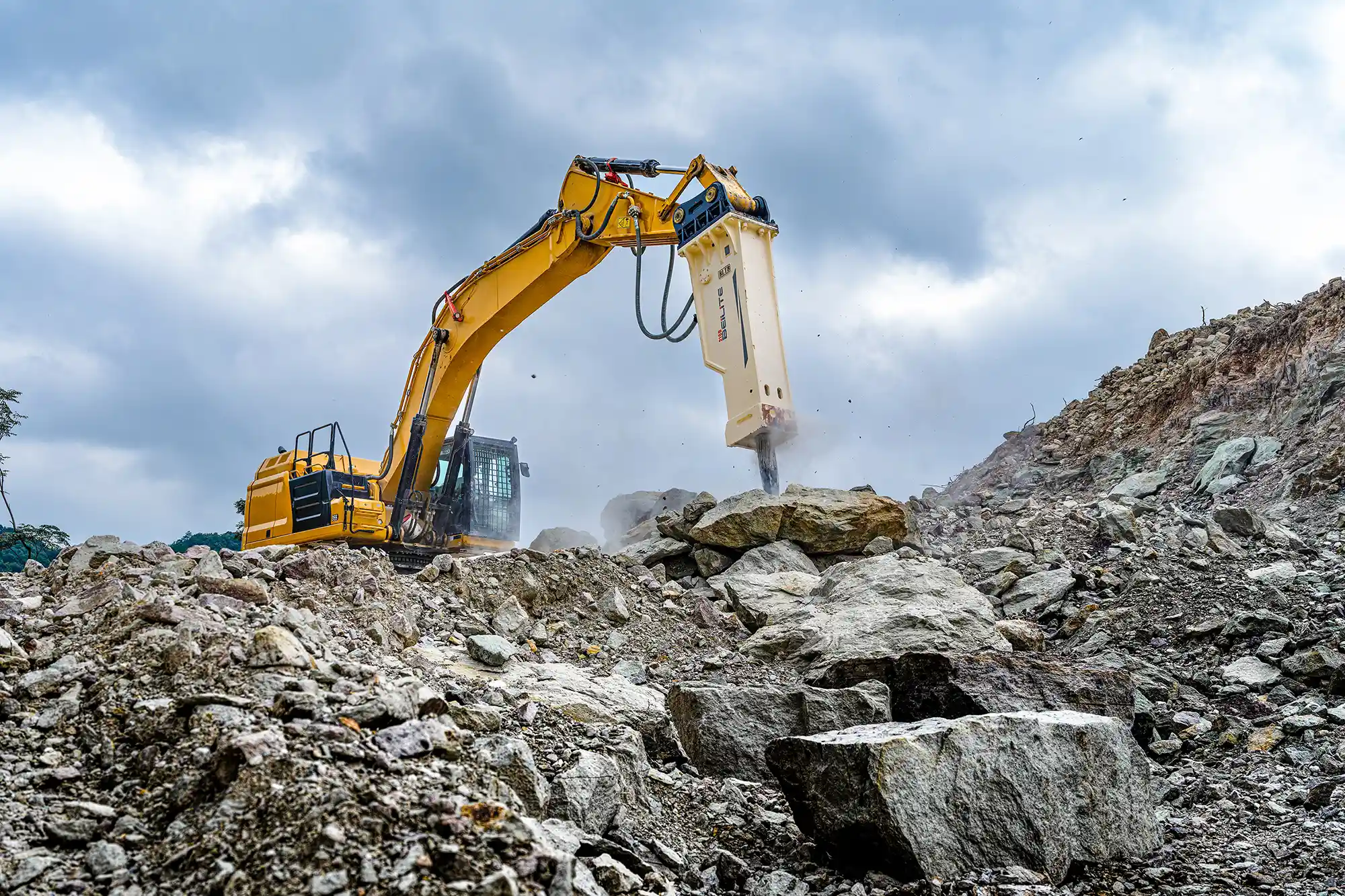
Physical Fit and Mechanical Compatibility
Beyond hydraulics, mechanical and physical compatibility determines whether a system operates safely and effectively. This involves assessing the mounting bracket, pin size, and the type of quick coupler used. The physical dimensions and breaker weight must align with the carrier’s capabilities, including its boom geometry and lifting capacity.
An oversized breaker can compromise stability and damage the excavator arm, while an undersized one may not provide adequate breaking force. Adherence to OEM specifications for attachment pins and mounting ensures a secure connection and proper force transmission during operation.
Choosing Between OEM and Aftermarket Breakers
The decision to use an OEM or aftermarket hydraulic breaker involves several practical considerations. OEM breakers are designed for integration with their brand’s carriers, which simplifies the matching process. High-quality aftermarket options, like the BLT and BLTB series, offer comparable performance and often greater versatility across different carrier brands.
When considering aftermarket components, verify that the manufacturer’s specifications meet or exceed those required by your carrier. Pay attention to warranty implications and ensure the aftermarket product adheres to industry standards. Reputable manufacturers provide detailed technical data, enabling confident matching and ensuring long-term reliability without the premium pricing of OEM-only solutions.
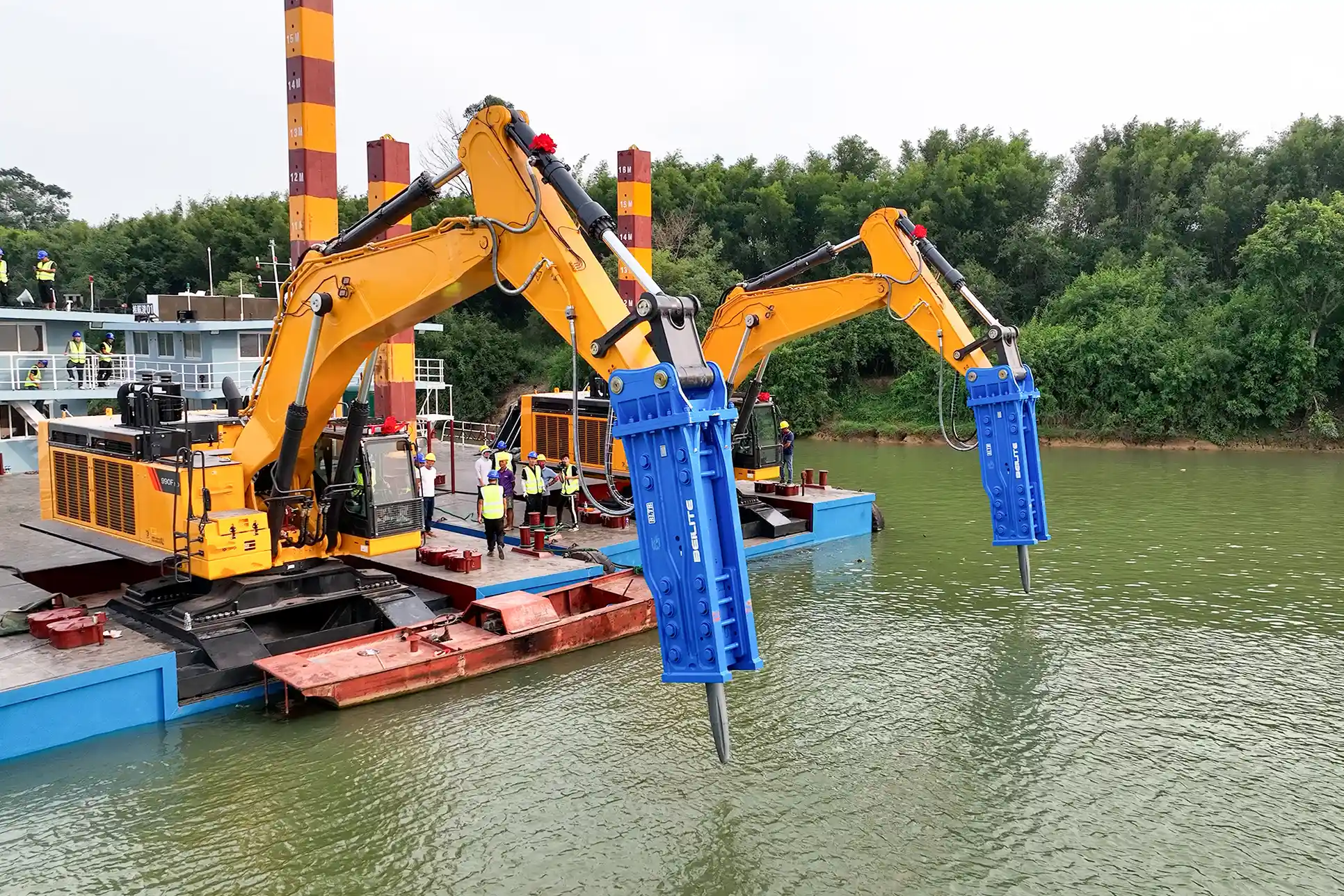
Running a Matched System the Right Way
Even with a perfectly matched system, operational best practices and stringent safety guidelines determine whether you get the performance and lifespan the equipment is capable of delivering. Regular maintenance, including checking hydraulic fluid levels, hose integrity, and chisel condition, is fundamental to sustained operation.
Operators must receive comprehensive operator training on the specific breaker-carrier combination, understanding both its capabilities and limitations. Monitoring key performance indicators like vibration and noise levels can indicate potential issues before they escalate into failures. A proactive maintenance schedule reduces downtime and enhances overall productivity and cost efficiency across the equipment’s service life.
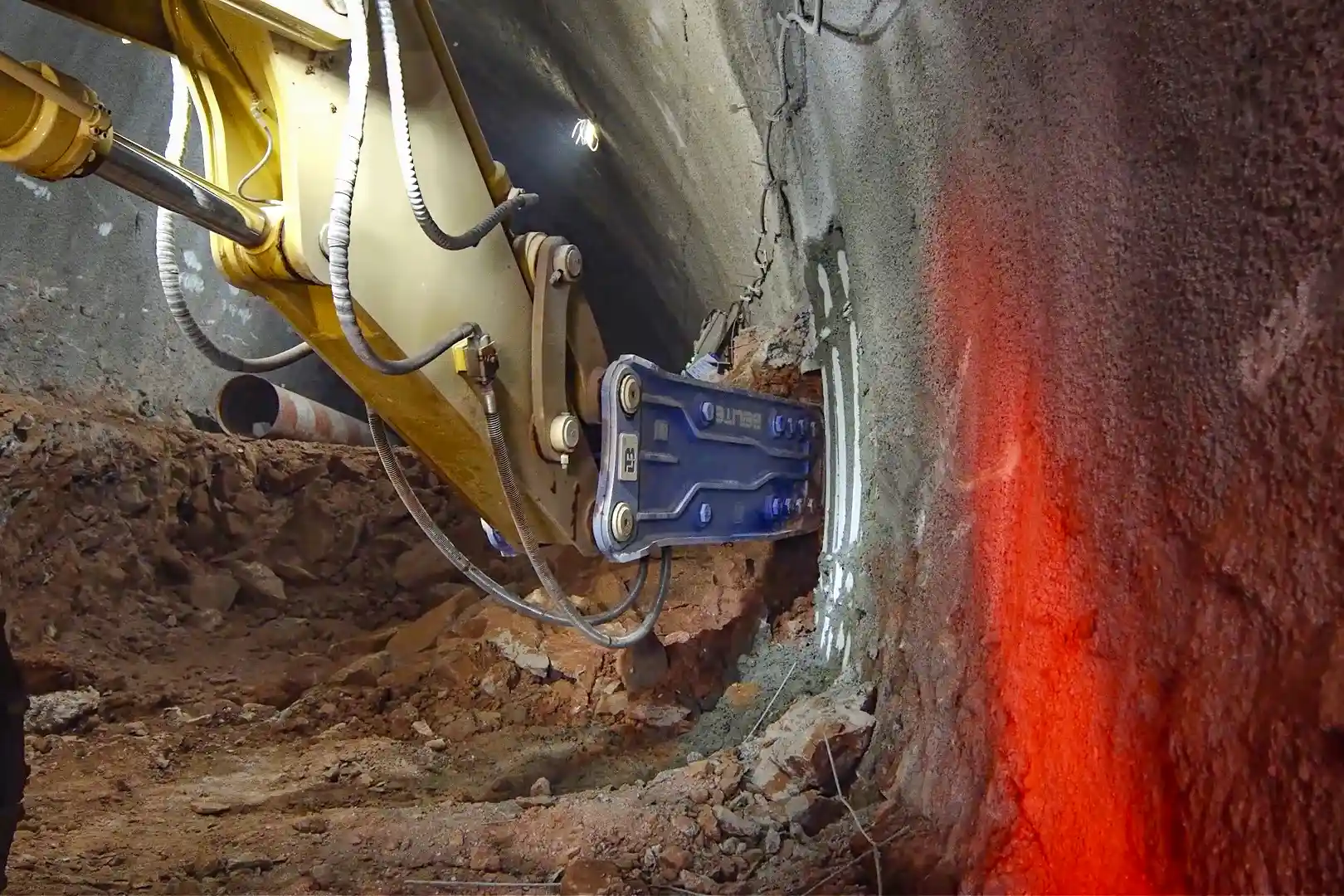
Technology That Improves Breaker-Carrier Performance
The evolution of hydraulic technology offers practical solutions for optimizing breaker-carrier performance beyond basic matching. Modern advanced hydraulic systems incorporate features like automatic pressure regulation and energy recovery, enhancing efficiency and reducing fuel consumption during extended operation.
Remote monitoring and remote diagnostics systems allow for real-time performance monitoring and predictive maintenance, minimizing unexpected downtime. For complex applications or unique carrier specifications, expert consultation provides value that generic guidelines cannot. Specialists can provide custom solutions and fine-tune systems for specific tasks, ensuring the optimal tool for every application specific challenge.
Frequently Asked Questions on Breaker-Carrier Compatibility
What are the primary risks of using an incompatible hydraulic breaker with an excavator?
Using an incompatible hydraulic breaker leads to equipment damage, reduced operational efficiency, and safety hazards for operators. Issues typically stem from mismatched hydraulic flow, pressure, or physical mounting specifications. The consequences include premature wear of both the breaker and carrier, increased repair costs, and project delays that affect overall profitability.
How can I verify the hydraulic flow and pressure requirements for my specific hydraulic breaker?
Consult the hydraulic breaker manufacturer’s specifications manual for precise flow (LPM) and pressure (bar/psi) requirements. Cross-reference these with your carrier machine’s auxiliary hydraulic output capabilities, found in the excavator’s operator manual or technical data sheet. This verification process prevents hydraulic system overload or underperformance.
Is it possible to adapt a hydraulic breaker to a carrier with slightly different specifications?
Minor adaptations are sometimes possible, such as adjusting relief valve settings or using adapter plates. Significant mismatches can compromise performance and safety. Consult with a hydraulic breaker specialist to assess feasibility and ensure any modifications maintain operational integrity and warranty coverage. Engineers can guide you through safe and effective adaptation strategies when the gap between specifications is manageable.
What role does carrier operating weight play in hydraulic breaker compatibility?
The carrier’s operating weight dictates the maximum permissible weight of the hydraulic breaker to maintain stability, balance, and safe operation. Using a breaker too heavy or too light for the carrier leads to instability, reduced control, and potential damage to the excavator’s boom and arm. Manufacturer guidelines exist for good reason—they reflect the structural limits of the equipment.
How does Beilite Machinery ensure optimal hydraulic breaker and carrier compatibility for its BLT/BLTB series?
Beilite Machinery designs its BLT and BLTB hydraulic breaker hammer series with a wide range of carrier compatibility in mind, adhering to international standards. Detailed technical specifications and expert consultation services help customers precisely match high-performance breakers with their specific excavators, ensuring maximum efficiency, safety, and longevity.
Optimize Your Breaking Operations with Beilite Machinery
Ensure your operations achieve peak performance and safety. As a national high-tech enterprise with decades of expertise in hydraulic breaker R&D and manufacturing, Beilite Machinery Co., LTD offers solutions backed by real engineering experience. Contact our specialists today at [email protected] or call 40008-40008 for a personalized consultation on optimal hydraulic breaker and carrier compatibility, and discover how our BLT and BLTB series can enhance your productivity.