 Anglais
 Français

Hydraulic Breaker Carrier Compatibility: A Technical Guide
Proper hydraulic breaker carrier compatibility is paramount for operational efficiency, safety, and equipment longevity in demanding applications. Mismatched components lead to reduced performance, increased wear, and potential catastrophic failures. This technical guide provides essential insights into selecting and integrating hydraulic breakers with their carrier machines, ensuring optimal productivity and safeguarding your investment. We address critical technical specifications and best practices for seamless integration.
Foundations of Hydraulic Breaker and Carrier Matching
The integration of a hydraulic breaker with its carrier machine, typically an excavator or backhoe, forms a single operational system. This system’s effectiveness hinges on precise compatibility between the two components. Understanding this fundamental relationship prevents operational inefficiencies and extends equipment lifespan. We consider carrier machine types, including excavators, skid steers, and Marteau brise-roche hydraulique pour pelleteuse,Prix direct d'usine, alongside diverse breaker applications like demolition, mining, and tunneling. Successful system integration ensures the carrier’s hydraulic power output perfectly matches the breaker’s input requirements. This synergy is crucial for achieving optimal operational efficiency and maximizing the equipment’s lifespan. Selecting the correct hydraulic breaker requires a holistic assessment of both components.

Decoding Critical Technical Specifications for Perfect Match
Achieving a perfect match between a hydraulic breaker and its carrier demands meticulous attention to critical technical specifications. These parameters dictate the operational synergy and prevent costly errors. Key specifications include hydraulic flow requirements, operating pressure range, carrier weight class, and breaker operating weight. Mounting bracket dimensions, pin diameter, and quick coupler systems are also essential for secure attachment. Furthermore, auxiliary hydraulic lines and back pressure limits directly impact the breaker’s performance and the carrier’s hydraulic system health. Beilite Machinery provides detailed BLT hydraulic breaker specifications to facilitate informed decisions.
| Paramètres | Breaker Requirement | Carrier Specification | Compatibility Check |
|---|---|---|---|
| Operating Weight | BLT-75: 466 kg | 6-8.5 t excavator | Carrier > Breaker |
| Hydraulic Flow | BLT-75: 50-90 L/min | Carrier output | Match range |
| Pression de fonctionnement | BLT-75: 120-150 bar | Carrier output | Match range |
| Pin Diameter | Specific | Carrier pins | Exact match |
| Back Pressure Limit | Max 10 bar (example) | Carrier return line | Carrier < Breaker |
How to Determine the Correct Hydraulic Flow and Pressure for Your Breaker
Determining the correct hydraulic flow and pressure is vital for a hydraulic breaker’s performance and the carrier’s hydraulic system integrity. First, identify the breaker’s specified operating flow rate (L/min) and operating pressure range (bar) from the manufacturer’s data sheet. Next, consult your carrier machine’s specifications for its auxiliary hydraulic pump capacity and system relief pressure settings. Ensure the carrier’s hydraulic pump capacity can supply the required breaker flow rate within the optimal operating pressure range. Verify that the carrier’s system relief pressure is set appropriately to avoid over-pressurizing the breaker. This prevents stress on the carrier hydraulic system and ensures the breaker receives optimal power.
Mounting Systems: Are Universal Solutions Feasible?
Universal mounting solutions for hydraulic breakers are generally not feasible due to the precise engineering required for secure attachment. While some manufacturers offer adapter plates, direct pin-on mounts or dedicated quick attach systems provide superior stability and safety. Custom brackets are often necessary to ensure a perfect fit with specific carrier lugging dimensions. Attempting to force an ill-fitting mount compromises structural integrity and can lead to dangerous operational conditions. Always prioritize secure, manufacturer-approved mounting methods for optimal attachment versatility and operational safety.
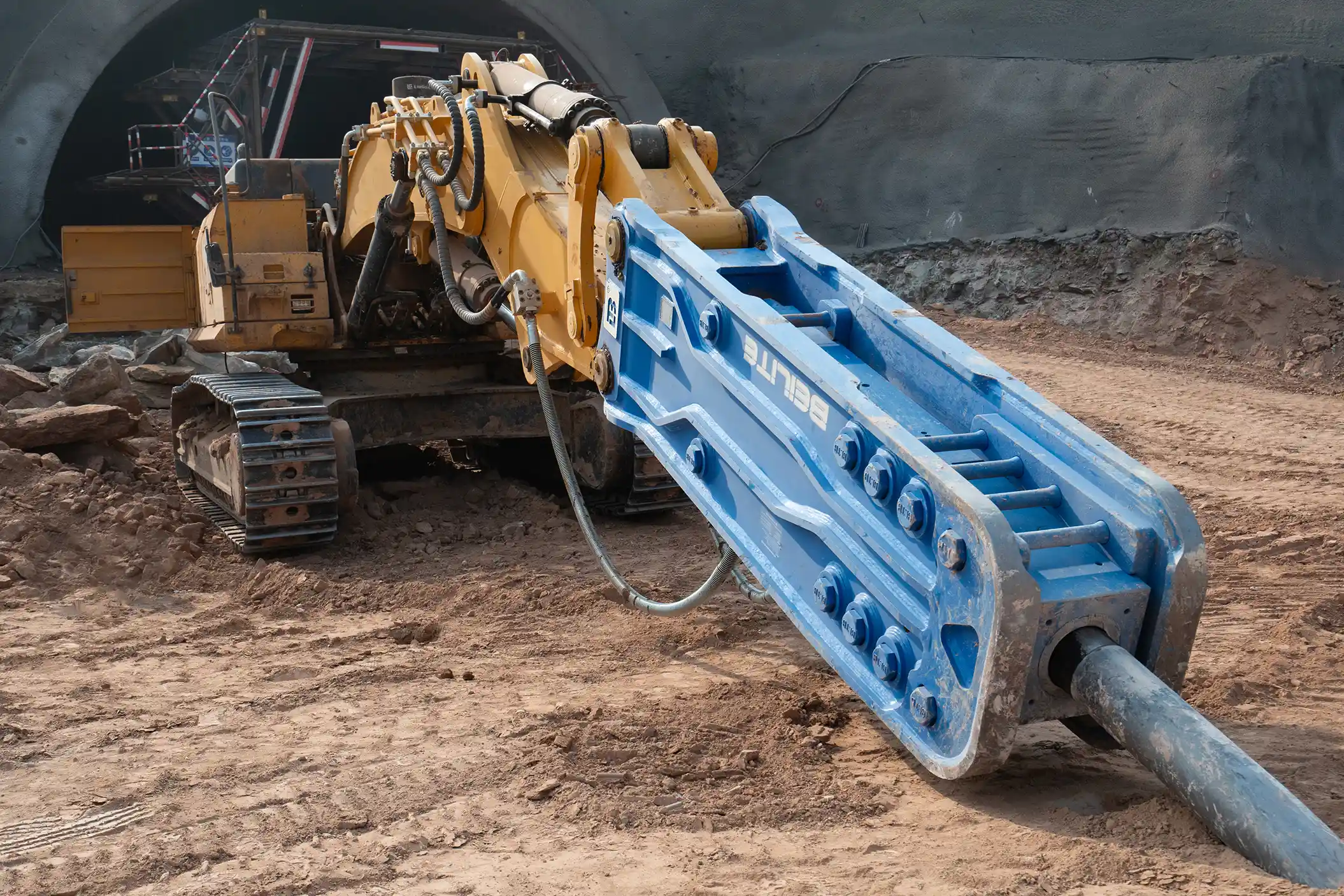
The High Costs of Incompatibility: Risks and Consequences
The financial and operational repercussions of hydraulic breaker incompatibility are substantial. Equipment damage is a primary concern, leading to premature wear on both the breaker and the carrier. This often results in reduced productivity and significant operational downtime, directly impacting project timelines and profitability. Safety risks escalate with mismatched equipment, endangering operators and ground personnel. Furthermore, using incompatible attachments can invalidate equipment warranties, leaving operators responsible for costly repairs. The strain on the carrier hydraulic system can lead to hydraulic system failure, incurring high maintenance costs.
What Happens if a Hydraulic Breaker is Mismatched with its Carrier?
When a hydraulic breaker is mismatched with its carrier, several negative effects manifest. An undersized breaker on a large carrier delivers insufficient impact energy, reducing breaking efficiency. Conversely, an oversized breaker on a smaller carrier causes excessive vibration, structural fatigue, and potential damage to the excavator’s boom and stick. The carrier’s hydraulic system may overheat, leading to premature component wear and reduced lifespan. This can also result in operator discomfort and, in severe cases, catastrophic equipment failure. For example, a BLT-155 breaker designed for 27-33t excavators would severely overload a 10t carrier, causing rapid damage.
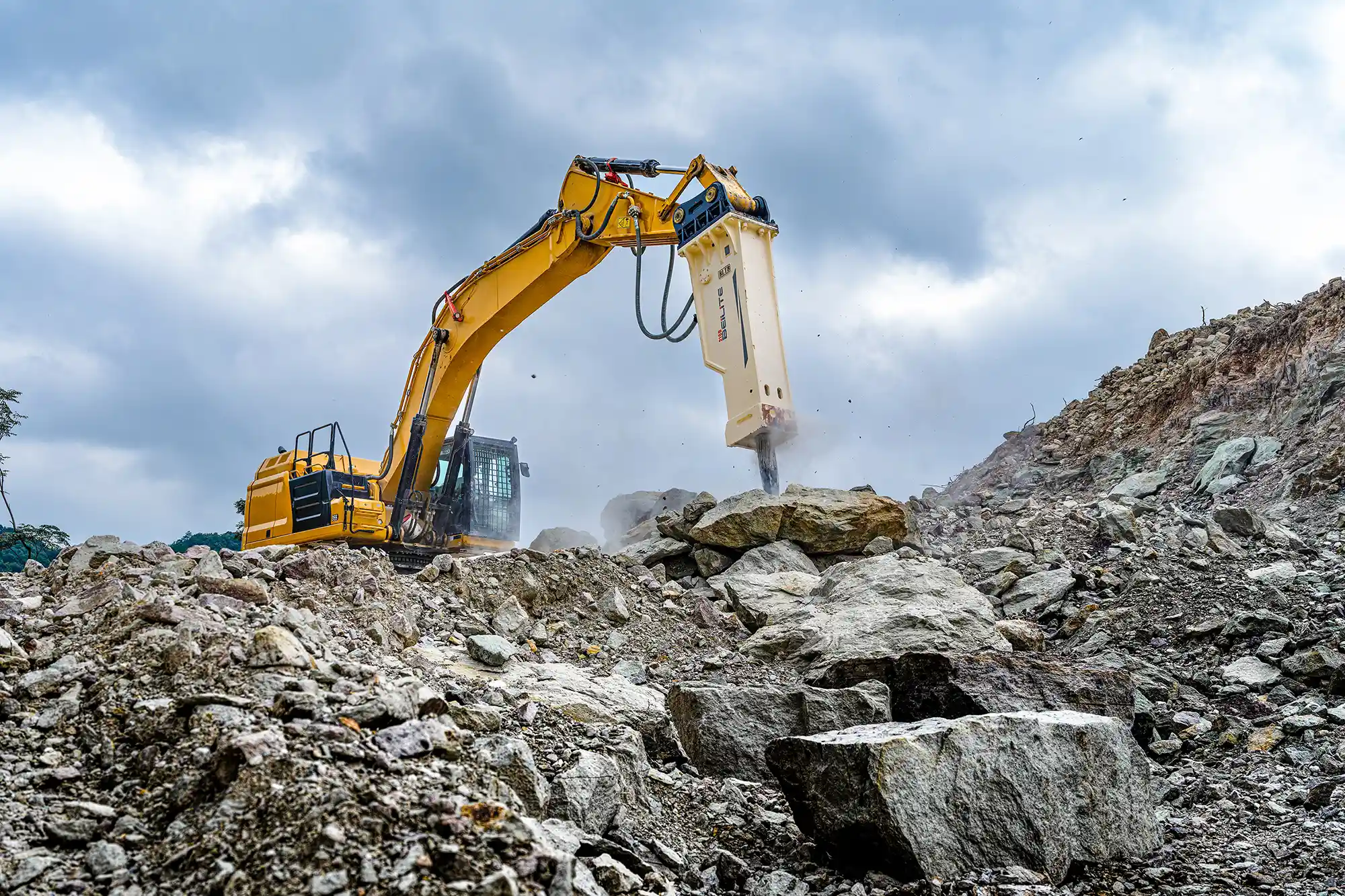
Best Practices for Ensuring Flawless Breaker-Carrier Integration
Ensuring flawless breaker-carrier integration requires adherence to established best practices throughout the selection and installation process. Always begin by consulting manufacturer guidelines for both the hydraulic breaker and the carrier machine. Engage in dealer consultation early to leverage expert knowledge and ensure accurate compatibility assessments. Conduct a thorough pre-purchase assessment of all technical specifications. Upon acquisition, perform on-site testing to verify operational parameters. Calibrate the hydraulic system to match the breaker’s specific flow and pressure requirements. Utilize a comprehensive breaker installation checklist to prevent oversight. Beilite expert support is available to assist with compatibility verification, ensuring a safe and efficient setup.
Optimizing Performance Beyond Basic Compatibility
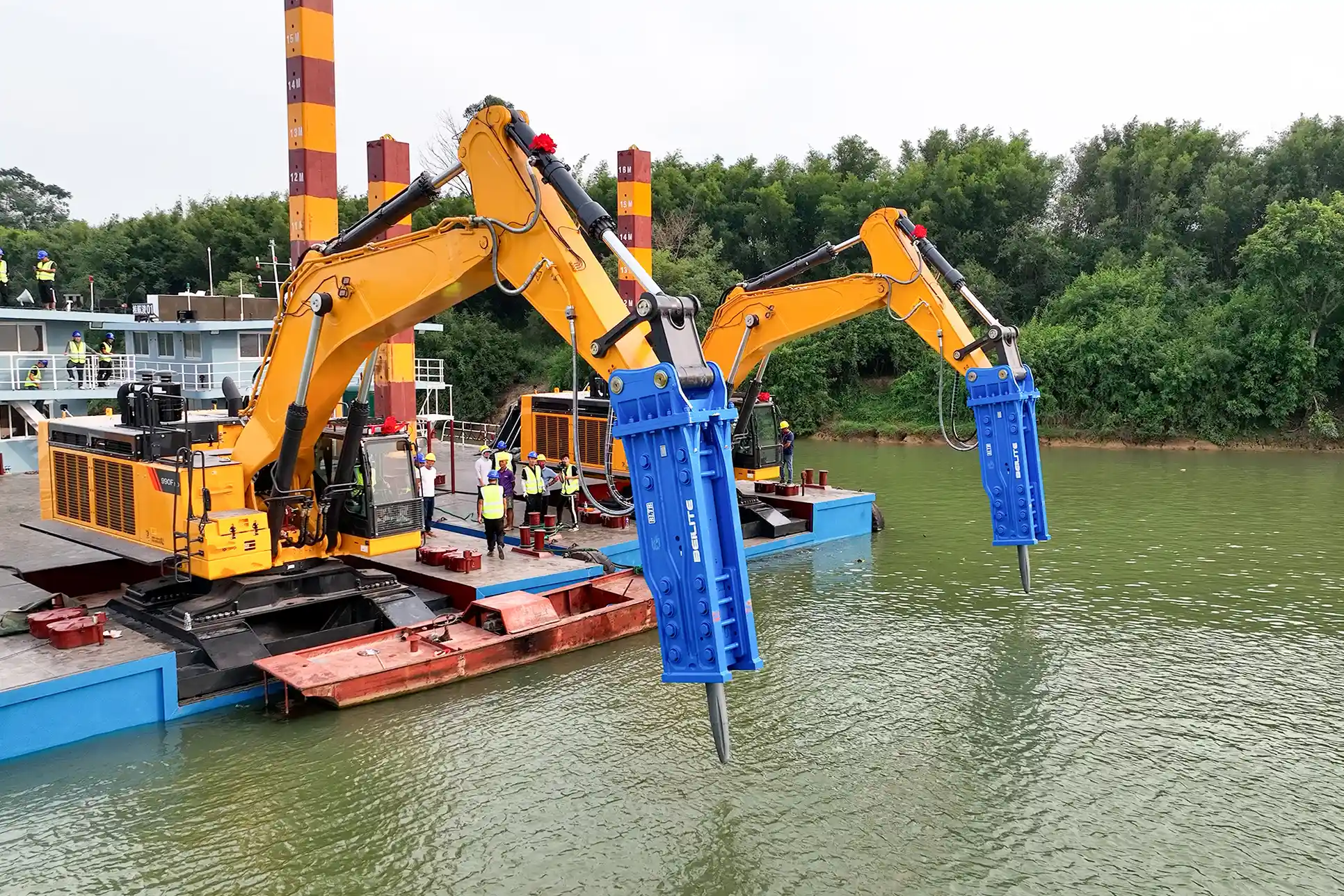
Beyond achieving basic compatibility, optimizing hydraulic breaker performance involves integrating advanced features that enhance efficiency, longevity, and return on investment. Consider breakers with energy recovery systems, which minimize energy loss and improve fuel efficiency. Auto-lube systems provide continuous lubrication, reducing wear and extending component life. Vibration dampening technology protects both the carrier and operator from excessive shock. Noise reduction features are crucial for urban and environmentally sensitive projects. Selecting appropriate chisel types for specific materials maximizes breaking power. Application-specific breakers, such as those for Marteau brise-roche hydraulique pour la démolition et le cassage de roches ou Marteau brise-roche hydraulique pour les mines et les carrières, ensure specialized performance. The BLTB series, for instance, offers advanced hydraulic breaker features designed for extreme working conditions, contributing to a lower total cost of ownership (TCO).
Partenariat avec Beilite pour des solutions de brise-roche hydrauliques de qualité supérieure
For unparalleled expertise in hydraulic breaker technology and precise compatibility solutions, trust Beilite Machinery Co., LTD. Our BLT and BLTB series breakers are engineered for optimal performance across diverse carrier machines and working conditions, including Marteau brise-roche hydraulique pour la construction sous-marine et Brise-roche hydraulique pour le génie municipal, les routes urbaines et les travaux d'utilité publique. We participate in national standards formulation and hold hundreds of patents, ensuring our products meet the highest quality benchmarks. Contact our specialists today for a personalized consultation or to explore our high-tech product range designed for your specific operational needs. Reach out at [email protected] or call 40008-40008.
Frequently Asked Questions on Breaker-Carrier Compatibility
How often should I re-evaluate hydraulic breaker compatibility if I change carriers?
Every time you change the carrier machine, a full compatibility re-evaluation is critical. Even seemingly minor differences in carrier weight, hydraulic flow, or mounting dimensions can significantly impact breaker performance, safety, and lifespan. Always consult manufacturer specifications for both the hydraulic breaker and the new carrier to ensure proper hydraulic breaker compatibility.
Can I use a hydraulic breaker designed for a larger excavator on a smaller one?
No, this is highly inadvisable and dangerous. Using an oversized hydraulic breaker on a smaller carrier can lead to severe structural damage to the excavator, hydraulic system overload, reduced stability, and significant safety risks for the operator. Always match the breaker’s operating weight and hydraulic requirements to the carrier’s specified capacity for safe operation and optimal performance.
What role does back pressure play in hydraulic breaker compatibility?
Back pressure is a crucial factor. Excessive back pressure in the carrier’s hydraulic return line can cause overheating, cavitation, and premature wear in the hydraulic breaker’s internal components. It’s essential that the carrier’s hydraulic system can handle the breaker’s return flow without exceeding the breaker manufacturer’s maximum allowable back pressure for proper hydraulic breaker function.
Where can I find reliable compatibility charts for Beilite hydraulic breakers?
For the most accurate and up-to-date compatibility charts for BLT and BLTB hydraulic breakers, it is best to consult directly with Beilite Machinery Co., LTD. Our technical support team can provide detailed specifications and guidance based on your specific carrier machine and application requirements, ensuring optimal performance and longevity for your Beilite hydraulic breaker.