 English
 French
Excavator Hydraulic Flow: Optimizing Performance and Attachment Control
Getting excavator hydraulic flow right makes the difference between an attachment that performs and one that fights you all day. I’ve watched operators struggle with sluggish breakers or overheating systems, and nine times out of ten, the root cause traces back to flow settings that don’t match what the attachment actually needs. The relationship between your machine’s hydraulic output and your tool’s requirements isn’t complicated once you understand the mechanics, but getting it wrong costs real money in repairs, downtime, and shortened equipment life.
How Excavator Hydraulic Systems Actually Work
Excavator hydraulic systems convert engine power into mechanical force through pressurized fluid. Every attachment you run depends on precise control of this hydraulic flow to function properly. The flow rate determines how fast an attachment operates—pump draws fluid from the reservoir, pressurizes it, and sends it through hoses, valves, and cylinders to where the work happens.
The flow control valve regulates how much fluid reaches specific components or auxiliary circuits. Think of it as the throttle for your attachment. Proportional control systems in modern excavators let you fine-tune both flow and pressure, matching hydraulic output exactly to what each tool requires.
Different attachments have wildly different needs. A hydraulic breaker demands high, consistent flow to deliver powerful impacts. A rotating grapple might need lower flow but precise directional control. Understanding this relationship is where effective excavator hydraulic flow management starts.
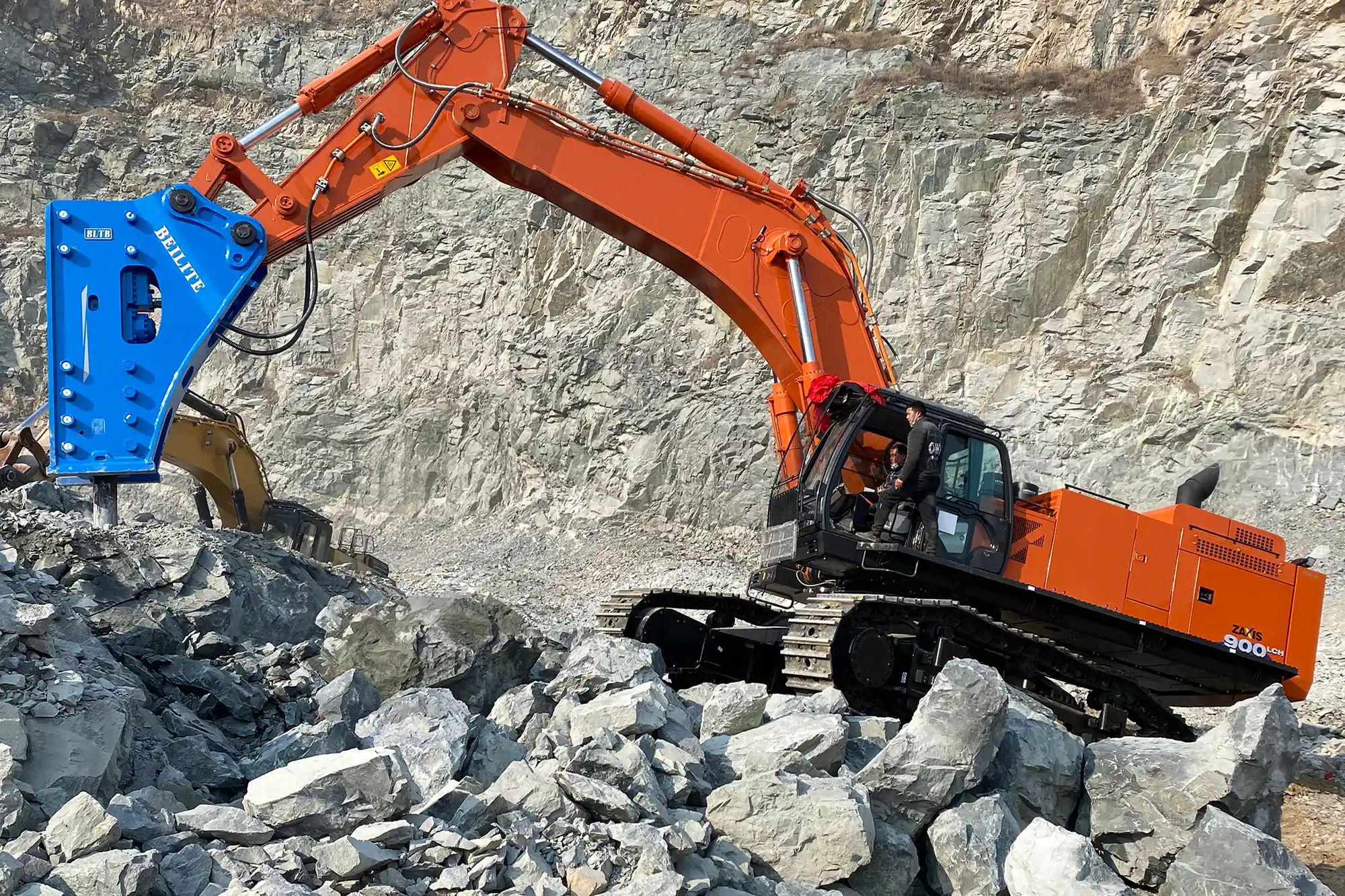
Setting Excavator Hydraulic Flow With Precision
Adjusting excavator hydraulic flow precisely protects both your attachment and your machine. Most operators can manage these settings through manual controls or electronic interfaces accessible from the cab display. The operator manual for both excavator and attachment should be your first reference—OEM specifications exist for good reasons.
Modern diagnostic tools let technicians monitor and adjust flow rates with accuracy that wasn’t possible a decade ago. Specialized software can read system parameters in real time. For field verification when you don’t have access to advanced diagnostics, a flow meter gives you actual data on hydraulic output rather than relying on gauge readings alone.
Calibrating Flow for Different Attachments
Calibrating excavator hydraulic flow for different attachments means matching your machine’s output to each tool’s specific requirements. Start by reviewing the attachment specifications for recommended flow and pressure ranges. Then access your excavator’s hydraulic settings through the digital interface to adjust auxiliary flow.
For attachments like a Hydraulic Breaker Hammer for Demolition&Rock Breaking or hydraulic shears, precise calibration ensures optimal impact energy or cutting force without overstressing the system. Auger attachments need consistent torque and speed, which requires different flow parameters entirely. Each tool has its sweet spot, and finding it matters.
Why Correct Flow Settings Determine Attachment Performance
Correct excavator hydraulic flow settings directly influence both productivity and equipment longevity. When flow matches OEM specifications, the tool operates at intended speed and power. The work gets done efficiently.
The consequences of incorrect flow are severe in both directions. Too much flow causes overheating, accelerates wear on hydraulic components, and can structurally damage the attachment or excavator. Too little flow results in sluggish operation, reduced power, and inefficient work cycles that drag out every task.
Regular checks and adjustments fall under preventative maintenance that pays for itself. Attachments that consistently perform at their best reduce downtime and avoid costly repairs that come from running equipment outside its design parameters.
Risks of Operating With Wrong Flow Settings
Operating an excavator with incorrect hydraulic flow settings creates multiple problems. Equipment damage accelerates—the hydraulic pump, control valves, and attachment itself all suffer from excessive pressure or insufficient lubrication. Safety becomes compromised when attachment behavior turns unpredictable.
Beyond the mechanical risks, suboptimal attachment performance hits project timelines and operational costs directly. You’re paying for equipment that isn’t delivering its full capability, and that inefficiency compounds across every hour of operation.
Diagnosing and Fixing Hydraulic Flow Problems
Troubleshooting excavator hydraulic flow issues and maintaining the system properly keeps your equipment productive. Common symptoms include reduced attachment speed, inconsistent power delivery, or excessive heat generation in the hydraulic system.
Start diagnosis by checking hydraulic fluid levels and quality. Inspect hoses and connections for leaks. Verify control settings against OEM specifications. Modern excavators often have onboard diagnostics that can identify system anomalies before they become failures. For complex issues, a qualified technician may need to assess the flow control valve or other critical components.
Regular maintenance—filter changes, pressure checks, fluid analysis—prevents many flow-related problems before they develop. The cost of prevention is always lower than the cost of repair.
Does Improper Flow Shorten Equipment Life
Improper excavator hydraulic flow significantly reduces lifespan for both the excavator and its attachments. Operating consistently outside recommended flow parameters stresses hydraulic components in ways they weren’t designed to handle. Pumps, motors, and seals fail prematurely.
Excessive flow generates damaging heat that degrades hydraulic fluid and seals over time. Insufficient flow causes cavitation and strain on the system. Either condition accelerates wear that shows up as expensive repairs and early replacement. Maintaining correct flow settings protects your investment in ways that show up on the balance sheet.
Specialized Attachments Require Precise Flow Management
Specialized hydraulic attachments like Hydraulic Breaker Hammer for Mining and Quarrying and shears demand meticulous attention to excavator hydraulic flow. Beilite Machinery Co., LTD., a national high-tech enterprise, engineers BLT and BLTB brand products with specific working oil volumes and pressures to ensure maximum impact energy and efficiency.
The BLT-155 hydraulic breaker, designed for 27–33 t excavators, requires a working oil volume of 180–240 L/min and a working pressure of 200–220 bar, with an overflow valve pressure of 250 bar. These specifications ensure the breaker operates effectively without overloading the carrier machine.
| Model | Applicable Excavator (t) | Working Oil Volume (L/min) | Working Pressure (bar) | Blow Frequency (bpm) |
|---|---|---|---|---|
| BLT-40 | 0.5–1.2 | 15–30 | 90–120 | 800–1400 |
| BLT-75 | 6–8.5 | 50–90 | 120–150 | 400–800 |
| BLT-125 | 14–18 | 90–120 | 150–170 | 350–650 |
| BLT-155 | 27–33 | 180–240 | 200–220 | 200–300 |
| BLT-165 | 33–38 | 200–260 | 210–230 | 150–300 |
These specifications matter for achieving optimal performance in demanding environments like mining, demolition, and tunneling. Beilite’s participation in formulating national standards for hydraulic breaker Hammer in China reflects the company’s commitment to precision engineering and reliability.

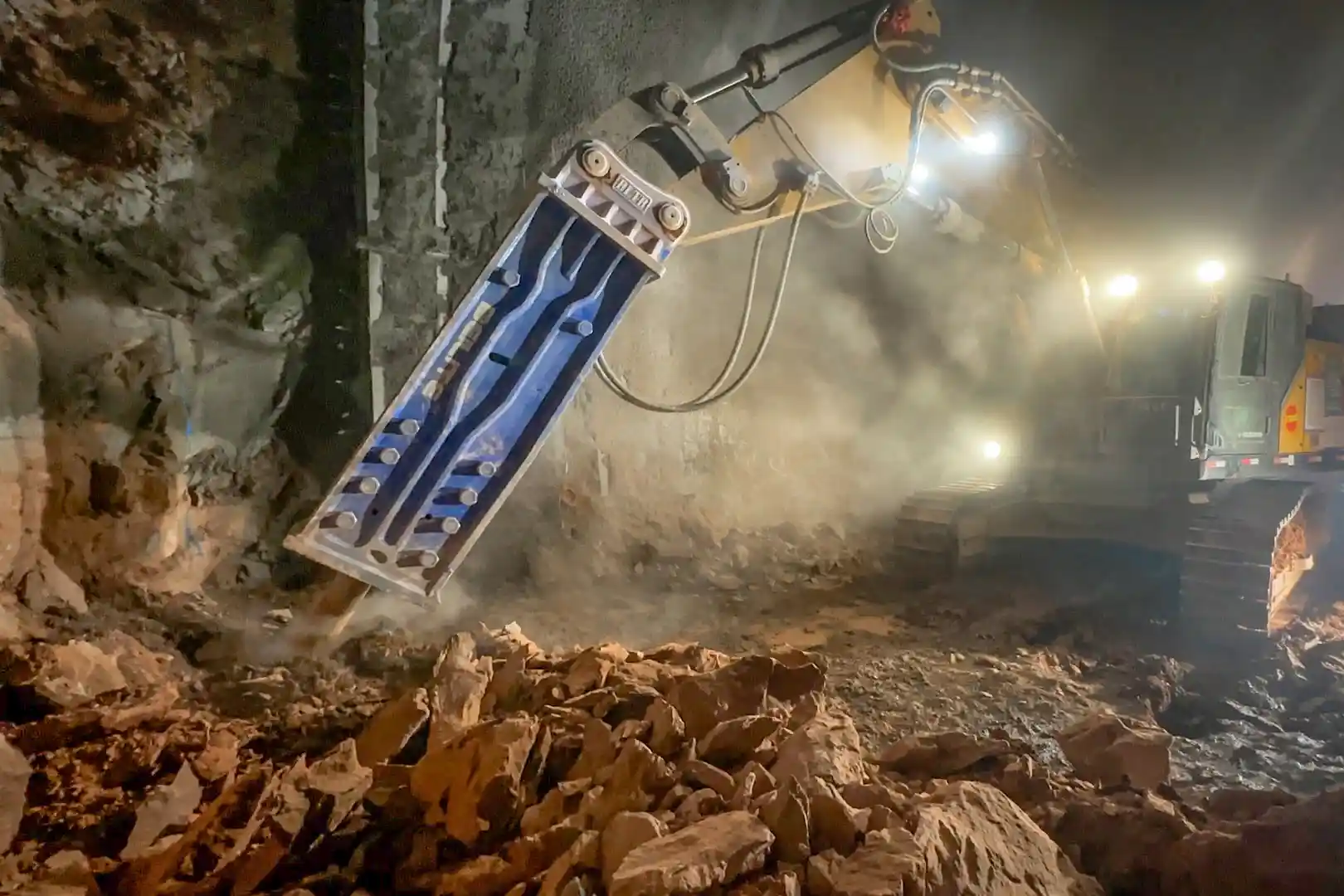
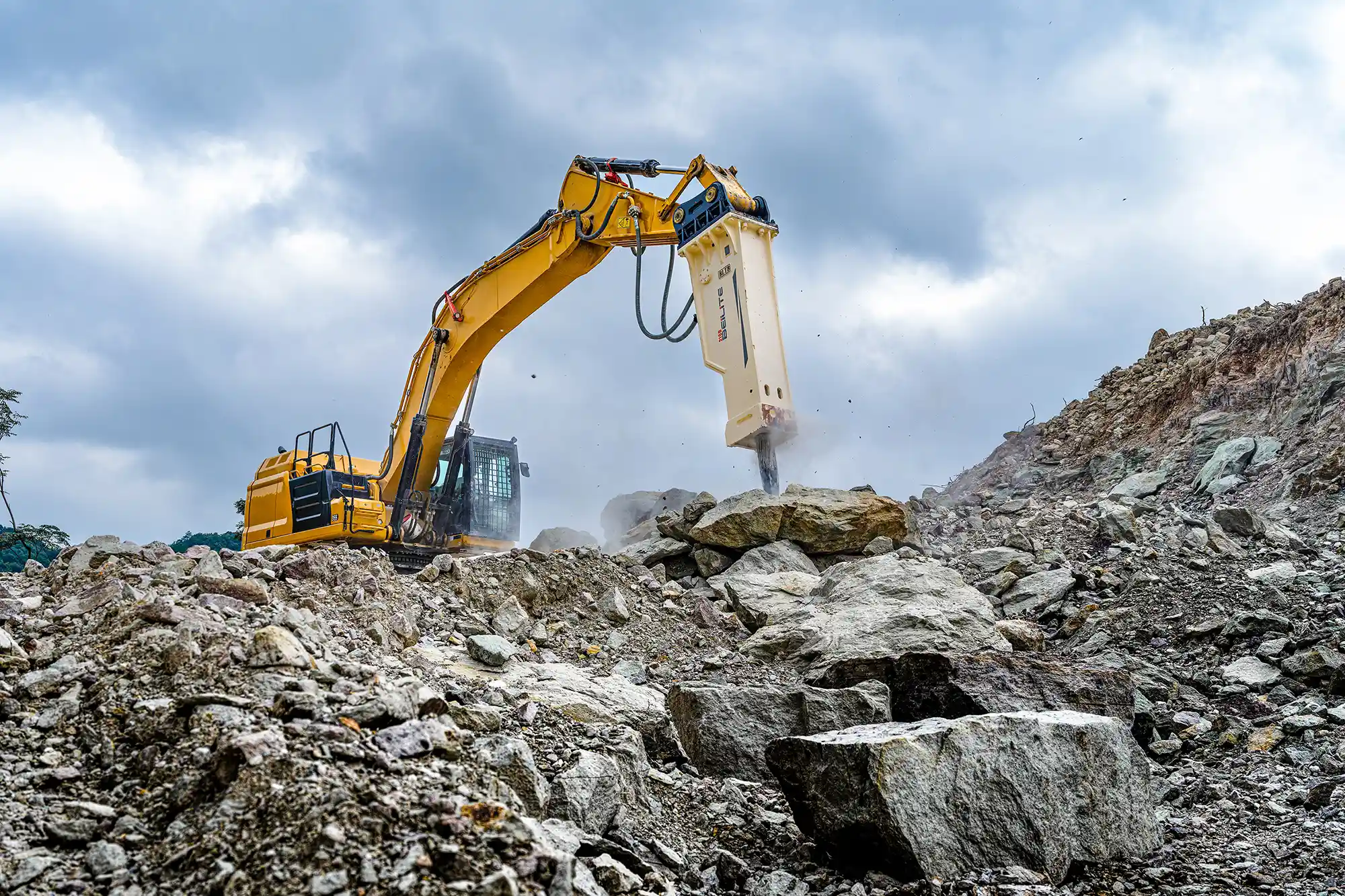
For expertise in high-performance hydraulic attachments and guidance on optimizing your excavator’s hydraulic flow, explore Beilite Machinery Co., LTD’s solutions. Contact us at 40008-40008 or [email protected] for a consultation on matching the right equipment to your operation.
Frequently Asked Questions About Excavator Hydraulic Flow
What is the ideal hydraulic flow setting for a Beilite hydraulic breaker?
The ideal excavator hydraulic flow setting for a Beilite breaker depends on the specific model and excavator size. The Beilite product manual provides precise specifications for each model. Generally, these breakers perform optimally within a defined flow range that delivers maximum impact energy while protecting the excavator’s hydraulic system from overload.
How often should I check and adjust my excavator’s auxiliary hydraulic flow?
Check auxiliary hydraulic flow whenever you change attachments or notice declining performance. Verification during routine maintenance catches drift before it causes problems. Before starting any project with specific hydraulic demands, confirming settings ensures efficient and safe operation from the first hour.
Can incorrect hydraulic flow lead to premature wear of excavator components?
Incorrect excavator hydraulic flow accelerates wear on the hydraulic pump, control valves, and the attachment itself. Excessive flow causes overheating and pressure spikes. Insufficient flow creates inefficient operation and system strain. Both conditions reduce overall equipment lifespan and increase maintenance costs over time.