 English
 French
Choosing the Right Grease: Essential for Hydraulic Breaker Longevity
Getting grease selection right for a hydraulic breaker feels like one of those maintenance decisions that separates equipment that lasts from equipment that drains your budget. The wrong lubricant choice shows up fast—worn bushings, overheated components, unplanned downtime. The right choice barely announces itself, just steady operation and parts that hold up season after season. This matters more than most operators realize because the forces inside a breaker during operation push lubrication systems to their limits. What follows covers the fundamentals of grease composition, the specific demands hydraulic breakers place on lubricants, and practical guidance for keeping these machines running efficiently across different working conditions.
How Grease Composition Determines Performance
Grease is a semi-solid lubricant built from three core components: a base oil, a thickener, and additives. Each element shapes how the lubricant behaves under stress. The base oil—either mineral or synthetic—handles the actual lubrication work. Its viscosity controls film strength and how readily it flows into tight clearances. Thickeners like lithium, calcium, or polyurea give grease its body and act as a reservoir, releasing base oil gradually during operation. Additives round out the formula by boosting specific capabilities: extreme pressure resistance, anti-wear protection, corrosion inhibition, and water resistance. Knowing what each component does helps explain why certain greases succeed where others fail.
Common Grease Thickeners and Their Characteristics
| Thickener Type | Key Characteristics | Common Applications |
|---|---|---|
| Lithium | Multi-purpose, good water resistance | General industrial, automotive |
| Calcium | Excellent water resistance, good adhesion | Wet environments, marine |
| Polyurea | High temperature, long life, shear stability | Electric motors, high-speed bearings |
| Aluminum Complex | Good water resistance, high temperature | Food machinery, heavy equipment |
| Clay (Bentonite) | High temperature, no dropping point | High-temperature furnaces |
What Hydraulic Breakers Demand From Lubricants
Selecting grease for a hydraulic breaker means accounting for conditions that would overwhelm general-purpose lubricants. The National Lubricating Grease Institute (NLGI) consistency grade indicates hardness—breakers typically need stiffer formulations (NLGI 2 or 3) that stay put under repeated impact rather than migrating away from critical surfaces. Operating temperature range matters because the grease must perform from cold morning startups through sustained high-output operation. Load-carrying capacity, usually enhanced through extreme pressure additives, protects components from the metal-to-metal contact that impact forces can cause. Shear stability keeps the grease from breaking down under mechanical stress, while oxidation stability prevents degradation during storage and extended use. The chisel paste area presents particular challenges, requiring specialized greases formulated for high impact and contamination resistance.
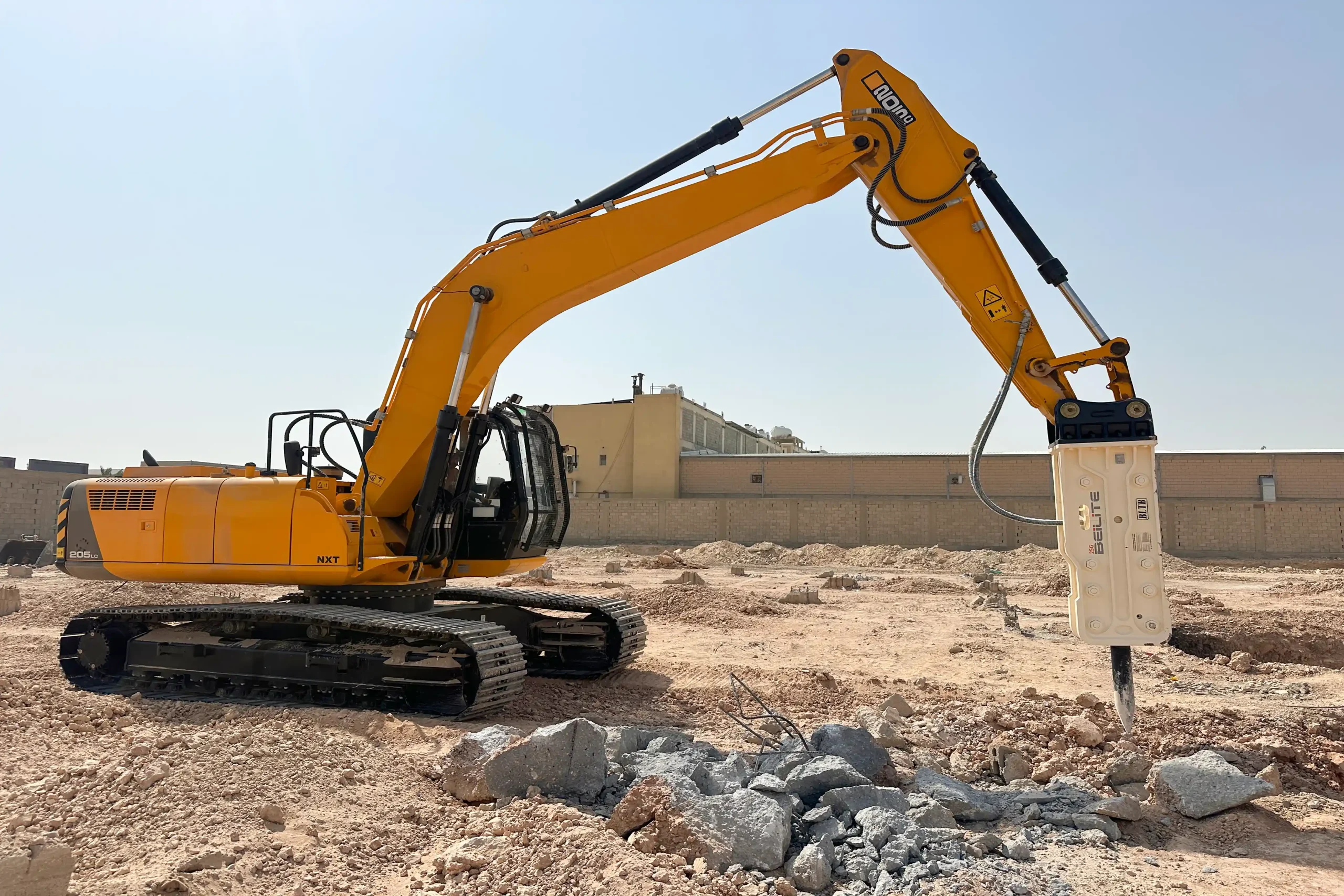
Greases with high dropping points and strong adhesion properties resist running out of critical areas when heat and vibration combine. Base oil viscosity needs to match the operating speed and load profile—too thin and the protective film fails, too thick and distribution suffers. A heavy-duty equipment grease designed for construction applications provides the foundation for reliable protection.
Handling Extreme Operating Conditions
Hydraulic breakers working in extreme conditions need grease formulations matched to specific challenges. High-temperature environments like foundries or steel mills call for greases with elevated dropping points and thermal stability—often synthetic or clay-thickened types that maintain their structure when ambient heat compounds operational temperatures. Wet or underwater applications favor calcium sulfonate greases, which offer superior water resistance and corrosion protection that other thickener types cannot match. Quarrying and demolition work subjects breakers to severe impact and heavy loads, making greases fortified with molybdenum disulfide or graphite valuable for their enhanced anti-wear and extreme pressure characteristics. Matching the grease to the environment keeps critical components protected when conditions push equipment hardest.
Applying Grease Correctly Makes the Difference
The best grease fails when application goes wrong. Proper technique means using the right grease gun method to reach all lubrication points without over-greasing or under-greasing. A consistent schedule based on operating hours, environmental exposure, and manufacturer guidance keeps protection continuous rather than sporadic. Over-greasing damages seals, increases friction, and wastes lubricant. Under-greasing accelerates wear and causes overheating. When switching between grease types, compatibility matters—some combinations react poorly, breaking down or hardening in ways that compromise protection. Protecting seals during greasing prevents contamination from entering the system. These practices directly influence equipment reliability and service life.
Determining Application Frequency
How often a hydraulic breaker needs fresh grease depends on operating hours, environmental conditions, and the specific lubricant in use. Standard applications typically call for lubrication every 2-4 operating hours. Demanding environments—dusty quarries, underwater work, extreme temperatures—often require more frequent attention. Manufacturer manuals provide recommendations tailored to each breaker’s design and expected stresses. Regular preventive maintenance checks reveal whether the current schedule needs adjustment based on actual wear patterns and grease condition.
Article Recommendation: If you’re looking to understand more about the applications of these powerful tools, check out our insights on 《Hydraulic Breaker Hammer for Mining and Quarrying》.
Recognizing and Addressing Lubrication Problems
Wrong grease selection or poor application creates problems that show up in predictable ways. Premature wear on pins, bushings, and moving parts often signals insufficient lubrication or an unsuitable grease type. Components running hotter than normal can indicate the lubricant isn’t dissipating frictional heat effectively. Seal damage—visible as grease leakage or contaminant ingress—points to compatibility issues or over-greasing that pressurized the seal beyond its limits. Catching these symptoms early allows for corrective action before damage spreads. Addressing lubrication issues promptly protects component integrity and keeps operations running.
The Real Cost of Wrong Grease Selection
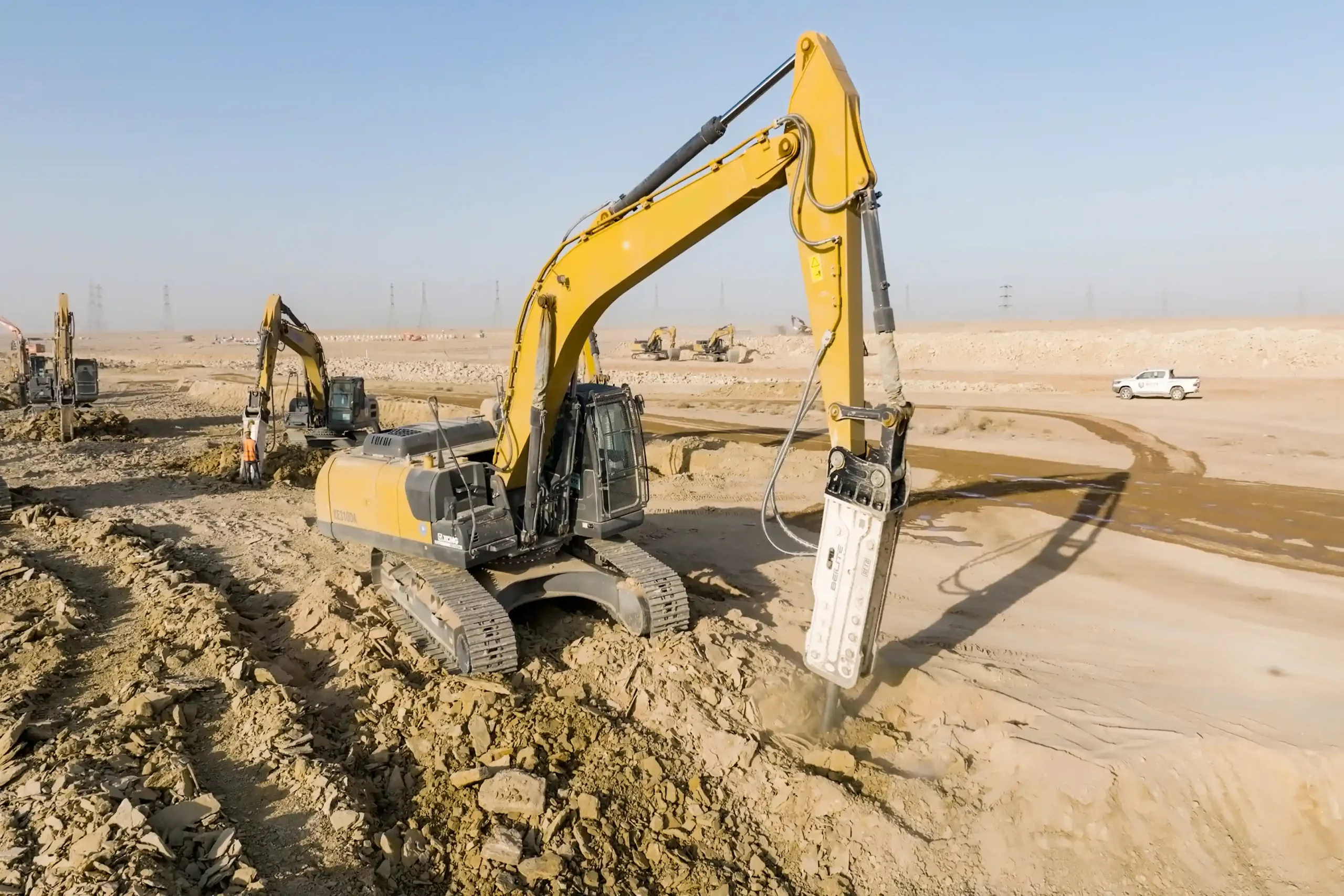
Using the wrong grease causes measurable damage to heavy machinery components, particularly in high-stress applications like those involving a hydraulic breaker Hammer. Grease lacking sufficient load-carrying capacity fails to prevent metal-to-metal contact under impact, accelerating wear dramatically. Poor temperature stability causes grease to thin at high temperatures, losing its protective film, or harden in cold conditions, blocking flow to critical surfaces. Incompatible greases can react chemically, breaking down, hardening, or liquefying in ways that destroy lubrication effectiveness and damage seals. These failures translate directly into repair costs and lost productivity.
Engineering That Supports Proper Lubrication
BEILITE Machinery Co., Ltd., established in 2002, is a national high-tech enterprise focused on R&D and manufacturing of high-end hydraulic breakers. Equipment longevity and efficiency depend on proper maintenance, including lubrication that matches the design. BLT and BLTB brand products cover a range of working conditions, engineered for durability and sustained performance. The BLT-155, designed for 27-33t excavators, features a 155mm chisel diameter and operates at 200-220 bar—its 200-300 bpm strike frequency demands precise lubrication to manage the forces involved. The BLT-75, suitable for 6-8.5t excavators with its 75mm chisel and 400-800 bpm, requires grease properties matched to its operating profile.
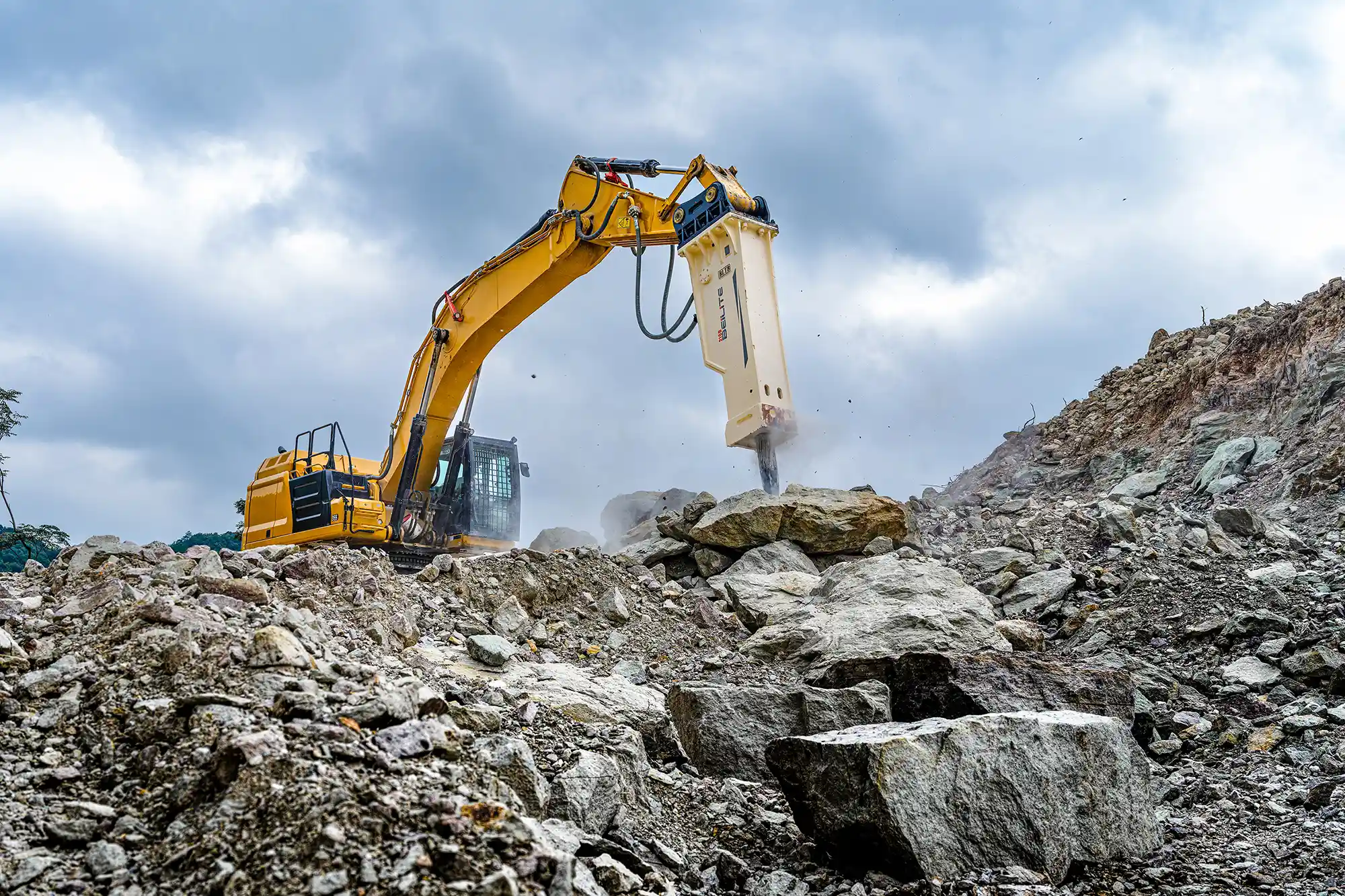
Breakthroughs in core technologies and participation in formulating national standards for hydraulic breakers in China, along with hundreds of patents, inform designs that minimize wear points and facilitate effective lubrication. When paired with appropriate grease selection, these hydraulic breakers deliver optimized performance and extended service life across applications from mining and quarrying to municipal engineering. Equipment serving over 100 countries and regions reflects this commitment to reliability.
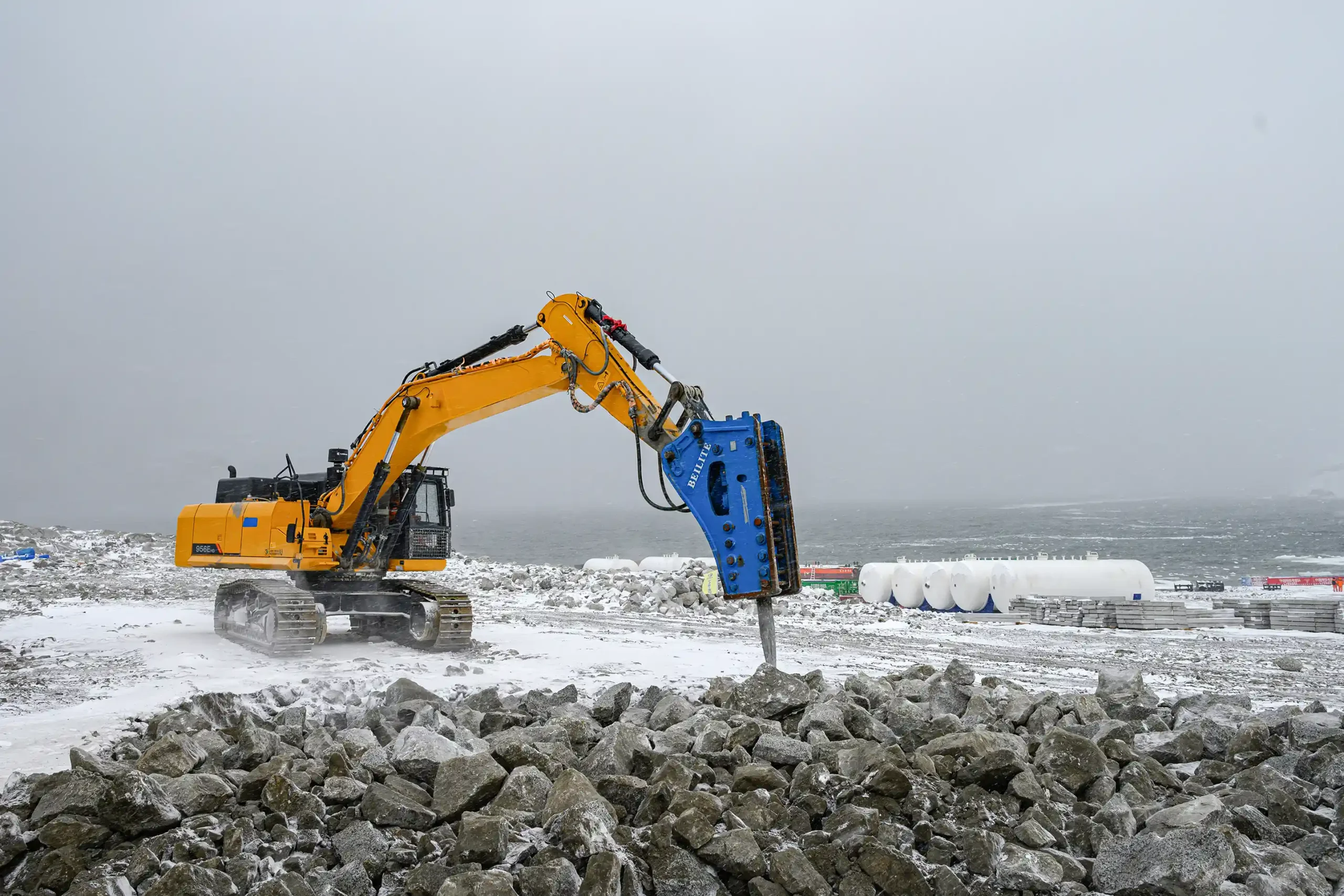
Partner with Beilite for Unmatched Hydraulic Breaker Performance
Ensure the peak performance and longevity of your heavy machinery. Partner with Beilite Machinery Co., LTD, a leader in hydraulic breaker innovation since 2002. Our expertise extends beyond manufacturing to comprehensive support, ensuring your equipment operates at its best. Contact us today at [email protected] or call 40008-40008 for expert consultation and to explore our range of high-performance hydraulic breakers.
Why does grease selection matter so much for hydraulic breakers?
Hydraulic breakers operate under extreme pressure, impact, and temperature variation. The right grease minimizes friction, prevents wear, dissipates heat, and protects against corrosion and contamination. These factors directly determine how long the breaker lasts and how efficiently it operates. Without suitable lubrication, components like the chisel and bushings degrade quickly, leading to expensive repairs and significant downtime.
How does grease viscosity affect breaker operation?
Grease viscosity, measured by NLGI grade, determines how well the lubricant flows and protects. Too thin and it cannot form an adequate protective film. Too thick and it creates drag while failing to distribute properly to all surfaces. The correct viscosity ensures optimal film strength and reaches all critical lubrication points, which matters especially under the high-impact conditions hydraulic breakers face.
What greasing mistakes cause the most problems?
Using incompatible greases, over-greasing or under-greasing, skipping cleaning before application, ignoring manufacturer specifications, and failing to adjust grease types for environmental conditions all cause preventable damage. These errors lead to premature component failure and inflate maintenance costs. Following manufacturer guidelines and established best practices avoids most of these pitfalls.