 English
 French
Advanced Hydraulic Breakers for Efficient Asphalt Cutting
Road surfaces don’t wait for convenient repair schedules. When asphalt fails, traffic backs up, budgets stretch, and every hour of delay compounds the problem. Having spent years watching crews struggle with underpowered equipment or mismatched tools, the difference between a well-chosen hydraulic breaker and a poor fit becomes obvious within the first hour of operation. The right pavement demolition tool doesn’t just speed things up—it changes the entire rhythm of a project, from initial cuts through final cleanup.
How Hydraulic Breakers Actually Work on Pavement
Hydraulic breakers convert fluid pressure into raw percussive force through a surprisingly elegant mechanism. Pressurized hydraulic fluid drives a piston forward, which then slams into the working tool—typically a chisel bit for asphalt work. The core assembly consists of a power cell, piston, and tool housed within heavy-duty casing designed to absorb tremendous stress cycles.
The choice of tool geometry matters more than many operators realize. Chisel bit technology optimized for asphalt produces cleaner cuts and more efficient material removal compared to general-purpose attachments. Moil points, while excellent for concrete and rock, tend to punch through asphalt rather than shear it cleanly. Blunt tools serve crushing applications but create unnecessary fragmentation in pavement work.
Two specifications define a breaker’s character: impact energy and blow frequency. Impact energy, measured in joules or foot-pounds, determines how much force each strike delivers. Hydraulic flow rate controls piston speed, which directly affects how many blows per minute the unit produces. A nitrogen accumulator stores energy between cycles, smoothing out pressure fluctuations and maintaining consistent strike power even under varying load conditions.
Modern hydraulic breaker design has moved toward task-specific optimization rather than one-size-fits-all approaches. Units engineered specifically for asphalt cutting deliver better control and more predictable material behavior than general demolition tools.
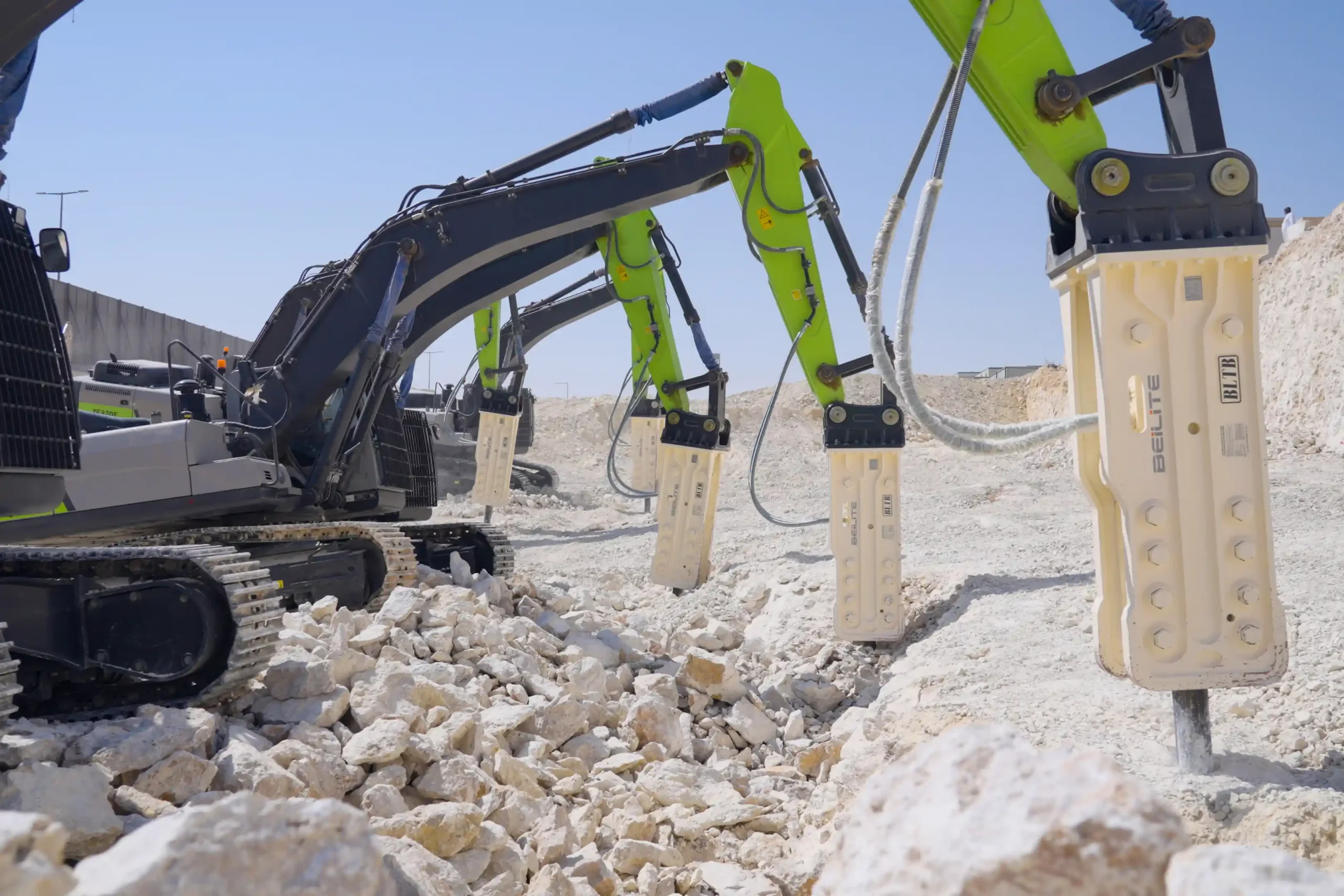
Balancing Impact Energy and Frequency for Different Asphalt Conditions
The relationship between impact energy and breaker frequency determines how effectively a unit handles specific asphalt conditions. Higher impact energy drives deeper penetration—essential for thick asphalt cutting or sections reinforced with mesh or rebar. Higher frequency, measured in blows per minute, accelerates material breakdown across larger surface areas.
Finding the right balance depends on what you’re actually cutting. Asphalt thickness, aggregate composition, binder type, and even ambient temperature all influence optimal settings. Cold asphalt behaves differently than warm asphalt; aged, oxidized surfaces fracture differently than fresh overlays.
A unit like the Beilite BLT-75, operating at 400-800 bpm, provides enough flexibility to handle varied asphalt conditions without constant reconfiguration. Proper calibration prevents two common problems: excessive tool wear from overdriving soft material, and carrier strain from forcing inadequate power through resistant pavement.
Matching Equipment to the Actual Job
Equipment selection mistakes cost more than the price difference between breaker models. Mismatched hydraulic breakers create cascading problems—reduced productivity, accelerated wear, frustrated operators, and blown schedules. The cost implications compound quickly on multi-day projects.
Carrier machine type fundamentally shapes breaker selection. An excavator hydraulic breaker delivers superior power for heavy-duty pavement removal, while a skid steer attachment or mini excavator breaker suits confined spaces and lighter work. Backhoe breaker selection requires particular attention to hydraulic capacity, as backhoes often have more limited flow than dedicated excavators.
Three factors drive proper matching: carrier compatibility, flow rate alignment, and project scope. The breaker’s weight class must suit the carrier’s lifting capacity and stability envelope. Operating pressure requirements need to fall within the carrier’s hydraulic system capabilities. Flow rate matching is non-negotiable—too little flow starves the breaker, too much can damage internal components.
| Beilite Breaker Model | Carrier Weight (t) | Chisel Diameter (mm) | Working Pressure (bar) | Blow Frequency (bpm) | Application Suitability |
|---|---|---|---|---|---|
| BLT-45 | 0.8–1.5 | 45 | 90–120 | 700–1200 | Light asphalt, small repairs |
| BLT-75 | 6–8.5 | 75 | 120–150 | 400–800 | Medium asphalt, urban roads |
| BLT-100 | 10–14 | 100 | 150–170 | 350–700 | Thick asphalt, road reconstruction |
| BLT-140 | 20–24 | 140 | 160–180 | 350–500 | Heavy-duty asphalt, highway demolition |
| BLT-155 | 27–33 | 155 | 200–220 | 200–300 | Reinforced asphalt, large-scale projects |
Sizing a Hydraulic Breaker for Asphalt Applications
The ideal breaker size for asphalt depends on material thickness, composition, and carrier capacity working together. Light duty pavement overlays or small patches respond well to smaller units—Beilite’s BLT-45, designed for 0.8-1.5t excavators, handles these applications efficiently without overkill.
Medium duty breakers like the BLT-75, matched to 6-8.5t excavators, tackle standard road asphalt with good productivity. Heavy duty asphalt removal—reinforced sections, thick base courses, or aged pavement with significant aggregate content—demands larger units. The BLT-140 and BLT-155, designed for 20-33t excavators, provide the impact energy these challenging conditions require.
Manufacturer guidelines and carrier specifications should always inform the final decision. Oversizing wastes fuel and creates unnecessary stress on the carrier. Undersizing creates bottlenecks that no amount of operator skill can overcome.
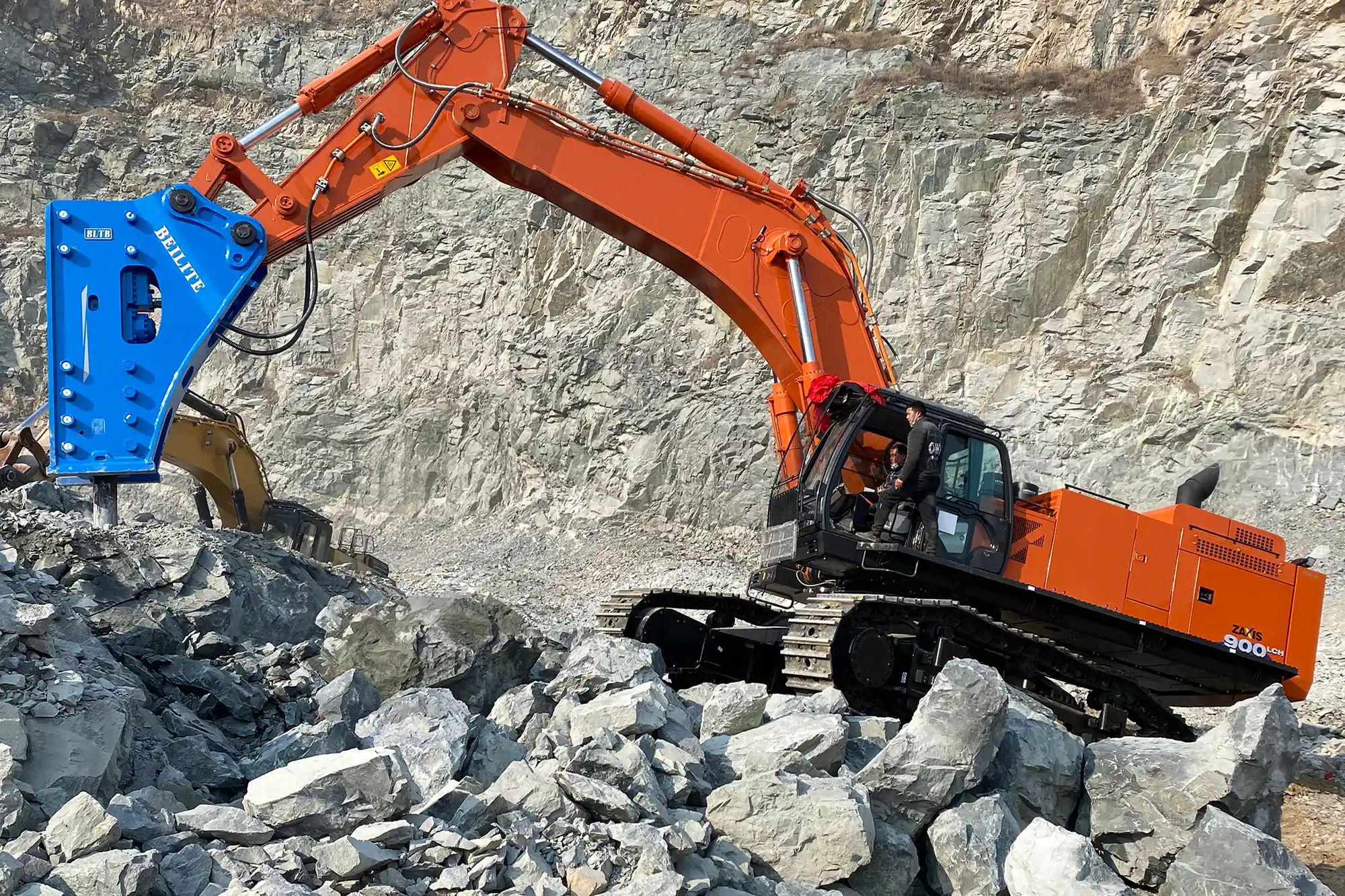
Getting More Done While Keeping Everyone Safe
Operational efficiency and hydraulic breaker safety aren’t competing priorities—they reinforce each other. Rushed, unsafe operations create delays through accidents, equipment damage, and rework. Methodical, safety-conscious approaches actually complete projects faster.
Operator training forms the foundation. Skilled operators extract significantly more productivity from identical equipment while experiencing fewer breakdowns and accidents. Proper asphalt demolition techniques—correct attack angles, appropriate downward pressure, avoiding blank firing—make visible differences in daily output.
Dust suppression systems improve visibility and protect respiratory health. Noise reduction technology and vibration control reduce operator fatigue, maintaining productivity through longer shifts. Site preparation, particularly utility marking, prevents the catastrophic delays that come from striking underground infrastructure.
Cutting patterns matter more than many realize. Strategic sequencing optimizes material breakdown and reduces repeated strikes on the same area. Precision asphalt cutting minimizes over-breakage, which reduces both material waste and subsequent repair scope.
Environmental compliance requirements vary by jurisdiction but generally address dust, noise, and debris management. Building these considerations into standard procedures avoids costly work stoppages.
Practical Steps for Efficient and Safe Asphalt Demolition
Efficient asphalt removal starts with comprehensive operator training covering proper techniques and equipment handling. Operators who understand their equipment’s capabilities and limitations make better real-time decisions.
A strict preventative maintenance schedule prevents the unplanned downtime that destroys project schedules. Appropriate cutting patterns—working systematically rather than randomly—optimize material breakage and minimize wasted strikes.
Daily site safety protocols, including equipment checks and clear team communication, catch problems before they escalate. These demolition safety tips collectively reduce downtime, extend equipment life, and protect workers.
Road Work Safety Requirements
Roadwork safety demands specific precautions beyond general construction site requirements. Personal protective equipment must include hard hats, safety glasses, hearing protection, and steel-toed boots at minimum.
Traffic management protects both workers and the public. Proper cordoning, signage, and flagging create the buffer zone that allows focused work. Before operation, check all hydraulic connections for leaks and inspect the chisel for wear that could affect performance or create flying debris.
Underground utility awareness prevents the most serious hydraulic breaker hazards. Gas lines, electrical cables, and communications infrastructure can turn a routine pavement cut into a major incident. Regular equipment inspections and adherence to manufacturer guidelines complete the safety picture.
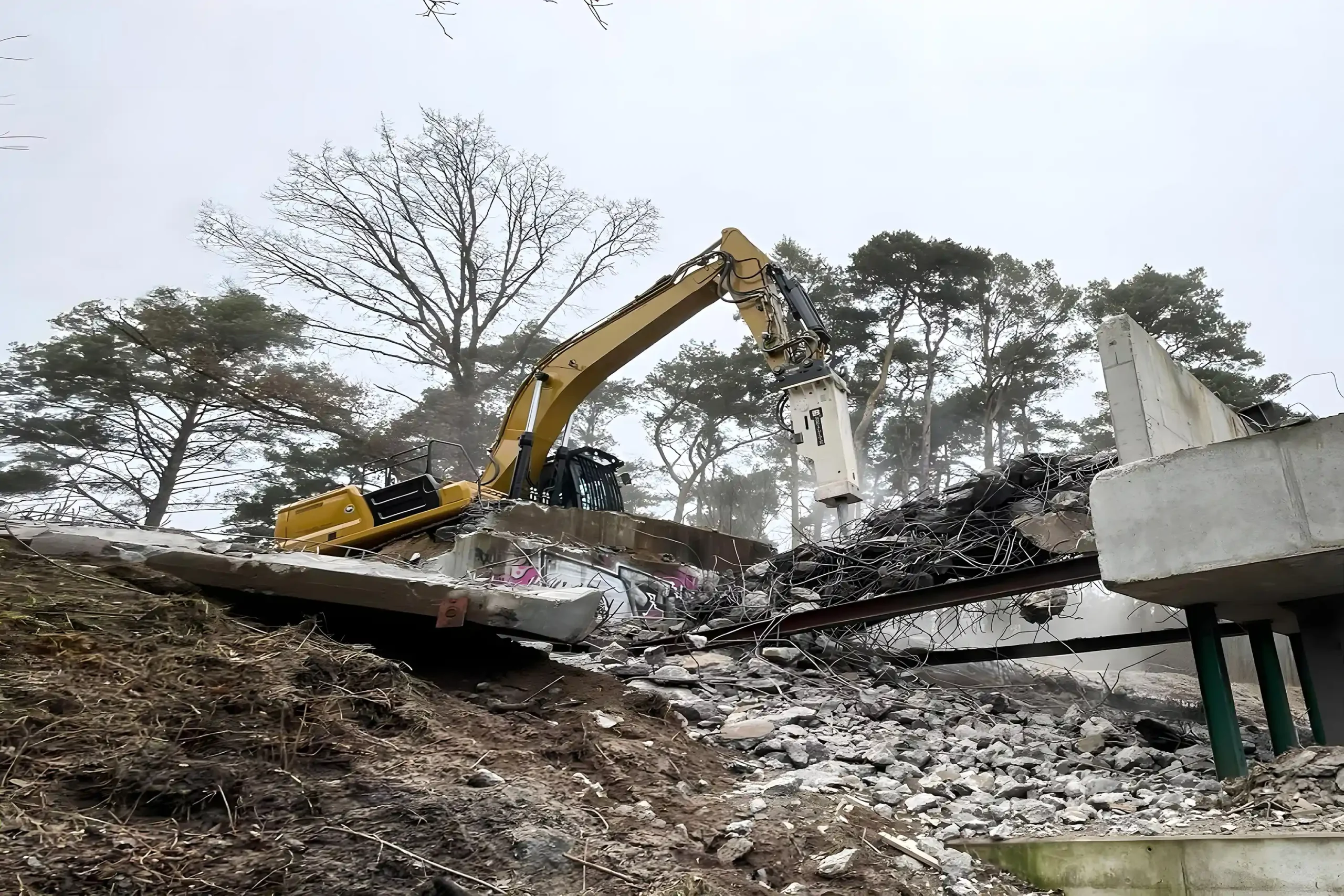
Keeping Equipment Running Through Consistent Maintenance
Proactive hydraulic breaker maintenance determines whether equipment delivers years of reliable service or becomes a constant source of frustration. The investment in routine care pays returns through avoided emergency repairs and consistent performance.
Regular wear parts replacement—seals, bushings, and other consumables—prevents minor wear from cascading into major failures. These components are designed to be replaced; running them past their service life damages more expensive parts.
Effective hydraulic oil management protects internal components from contamination. Timely oil changes and proper filtration remove the particles that accelerate wear. Daily greasing procedures reduce friction on moving parts, preventing the metal-on-metal contact that destroys components.
Chisel bit sharpening or replacement maintains optimal breaking power. A worn chisel requires more energy to achieve the same penetration, stressing the entire system. Nitrogen gas charging in the accumulator requires periodic checking to maintain consistent impact power.
Manufacturer-specified preventative maintenance schedules exist for good reason. Following them costs far less than the repairs that result from deferred maintenance. Troubleshooting common issues promptly—unusual sounds, reduced power, erratic operation—prevents small problems from becoming expensive ones.
Where Asphalt Cutting Technology Is Heading
Innovation in hydraulic breakers continues to address the industry’s persistent challenges: noise, vibration, emissions, and operational complexity. Emerging technologies focus on making equipment more effective while reducing environmental impact.
Noise emission standards have driven significant engineering improvements. Modern units operate at substantially lower decibel levels than previous generations, reducing community impact and improving operator comfort. Vibration reduction technology addresses both operator health and equipment longevity.
Smart breaker systems represent a significant advancement. Integrated sensors enable real-time performance monitoring, flagging developing problems before they cause failures. Remote monitoring capabilities allow fleet managers to track utilization, schedule maintenance, and diagnose issues without site visits.
Electric hydraulic breakers are emerging as the industry moves toward eco-friendly construction equipment. These units eliminate direct emissions and often operate more quietly than hydraulic equivalents, though current battery technology limits their application to shorter duty cycles.
Beilite R&D contributes actively to these developments, participating in national standards formulation for hydraulic breakers in China and holding hundreds of patents. This commitment ensures products evolve with the changing demands of road construction and pavement demolition.
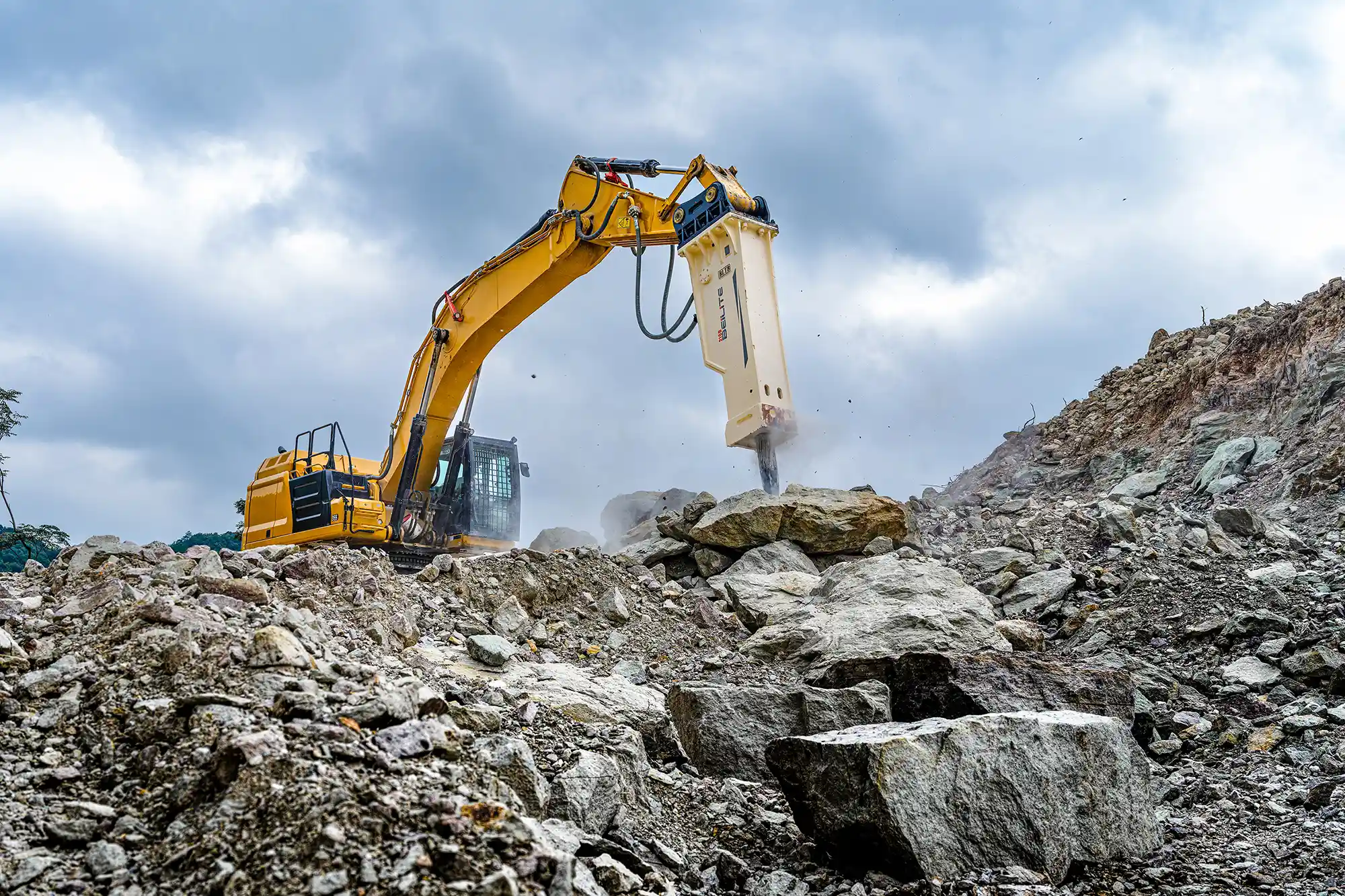
Working with Beilite on Demolition Projects
Beilite Machinery’s hydraulic breakers bring decades of engineering refinement to demanding asphalt cutting applications. As a national high-tech enterprise with extensive patent portfolios, the BLT and BLTB brand products deliver the reliability that challenging working conditions require.
Contact [email protected] or 40008-40008 to discuss specific project requirements and equipment recommendations.
Frequently Asked Questions About Hydraulic Breakers for Asphalt Cutting
What determines the right hydraulic breaker size for asphalt work?
Asphalt thickness, composition, and carrier machine capacity all factor into proper sizing. Lighter breakers in the 500-1000 ft-lb class handle thin overlays effectively. Thick pavement or reinforced asphalt requires heavier models in the 1500-3000 ft-lb range. The carrier’s hydraulic flow and pressure capabilities set hard limits on what breaker sizes will function properly. Equipment suppliers like Beilite Machinery can provide specific recommendations based on actual project conditions rather than general guidelines.
Will a hydraulic breaker handle thick or reinforced asphalt?
A properly sized hydraulic breaker cuts through thick asphalt, including reinforced sections, without difficulty. The critical factors are sufficient impact energy and appropriate chisel selection. Reinforced pavement requires more impact force per blow to fracture both the asphalt matrix and the embedded steel. Beilite’s BLT and BLTB series include models engineered specifically for these challenging pavement demolition applications, with robust designs that sustain high impact forces over extended operation.
What safety measures apply specifically to road-based hydraulic breaker work?
Road cutting operations require layered safety measures. PPE basics—hard hat, eye protection, hearing protection, steel-toed boots—apply to all operators and nearby workers. Proper training ensures operators understand both equipment operation and hazard recognition. Traffic management plans protect workers from vehicle intrusion and protect motorists from work zone hazards. Pre-operation checks should verify hydraulic connection integrity and chisel condition. Underground utility awareness prevents the most serious incidents. Regular equipment inspections catch developing problems before they create dangerous conditions.