 English
 French
Optimizing Hydraulic Breaker Performance for Summer Operations
Running hydraulic breakers through summer heat feels like pushing equipment into a slow-motion stress test. The ambient temperature climbs, and suddenly every component seems to work a little harder, wear a little faster, and complain a little louder. I’ve watched crews lose entire shifts to overheating issues that could have been prevented with better preparation. What follows covers the practical steps that keep hydraulic breakers productive when temperatures peak, from cooling system management to operator safety protocols.
How Summer Heat Stresses Hydraulic Breaker Systems
High temperatures create a cascade of problems inside hydraulic breaker systems. The most immediate concern is breaker oil temperature. When hydraulic fluid heats up, its viscosity drops. Thinner oil means less effective lubrication, more metal-on-metal contact, and accelerated wear throughout the system. This often triggers hydraulic hammer overheating, which then attacks seals. Seal degradation high temperatures is one of the most expensive summer failures because it leads to fluid leaks, pressure loss, and contamination all at once.
Maintaining an optimal operating temperature isn’t just about comfort. It’s about keeping the entire hydraulic system within the range where components can actually do their jobs. Poor hydraulic system cooling during summer months accounts for a significant portion of unplanned downtime. The financial impact adds up quickly.
| Issue | Symptoms | Financial Impact (Estimated) |
|---|---|---|
| Overheating | Reduced impact energy, discolored oil | $500 – $2000 per incident |
| Seal Failure | Oil leaks, loss of pressure | $300 – $1500 per incident |
| Fluid Degradation | Sludge formation, component wear | $1000 – $3000 per incident |
| Premature Component Wear | Increased vibration, unusual noises | $2000 – $5000+ per incident |
| Reduced Impact Energy | Slower breaking, increased cycle times | $100 – $500 per day |
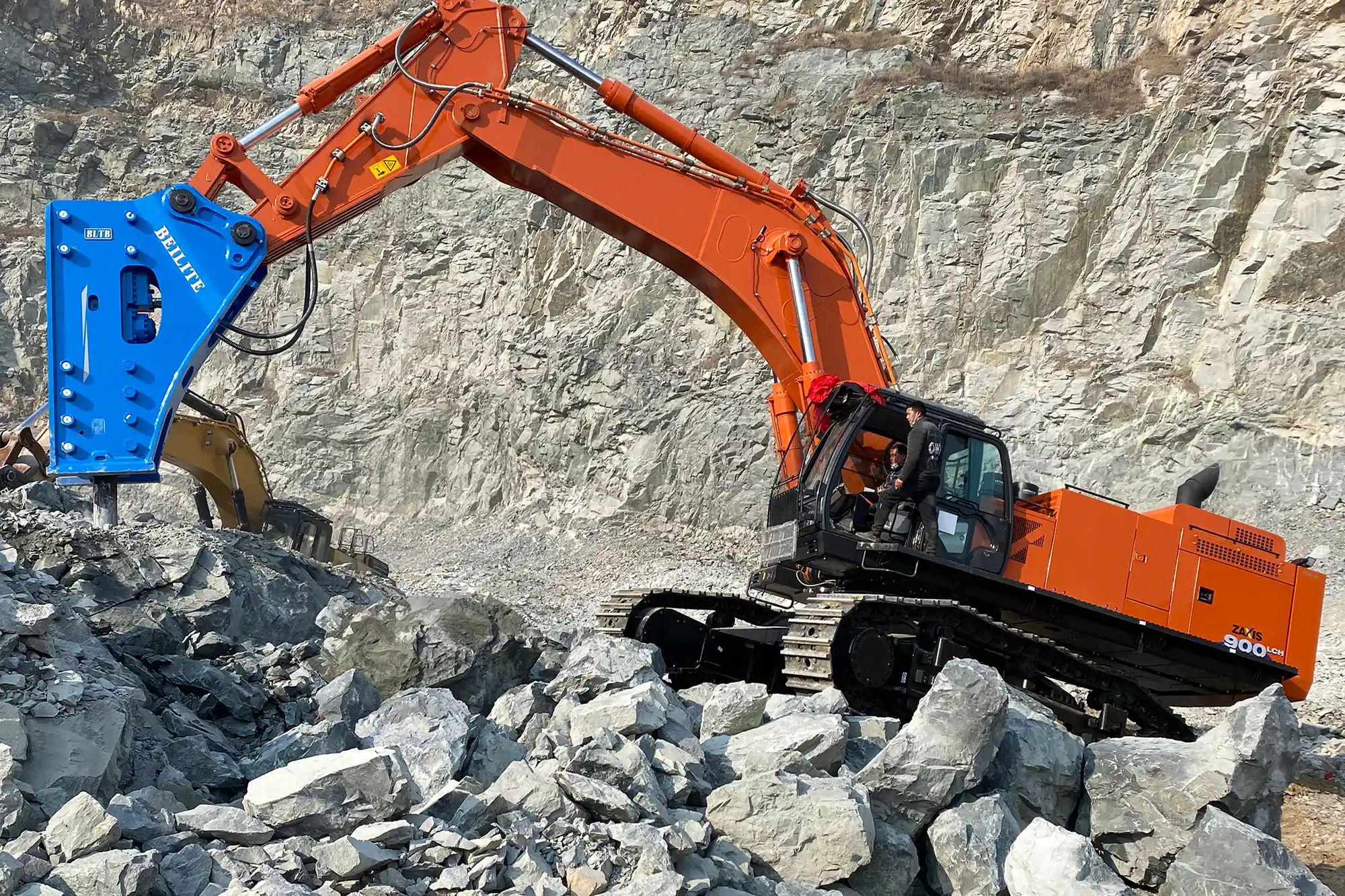
Cooling Strategies That Actually Work in Summer Conditions
Effective cooling determines whether your excavator hydraulic system protection holds up or fails when temperatures spike. Start with the basics: inspect radiators, oil coolers, and cooling fans for blockages or damage. Debris accumulation happens faster in dusty summer conditions, and a partially blocked cooler can’t dissipate heat efficiently.
Hydraulic fluid viscosity selection matters more in summer than any other season. Fluids with higher thermal stability resist breakdown at elevated temperatures. If you’re running standard fluid in a hot climate, you’re essentially gambling with component life. Hydraulic filter replacement frequency should increase during summer months because contamination accelerates heat buildup. Dirty fluid runs hotter, and hotter fluid degrades faster.
Troubleshooting overheating requires consistent monitoring. Temperature gauges exist for a reason. When readings climb above normal, investigate immediately rather than hoping the problem resolves itself. Compressor maintenance summer also plays an indirect role. If your equipment has climate control systems, keeping them functional reduces heat transfer to hydraulic components from the surrounding environment.
How Extreme Heat Affects Hydraulic Breaker Performance
The physics of extreme heat create multiple performance problems simultaneously. Thermal expansion causes critical clearances to shrink. Parts that fit together properly at normal temperatures start binding when everything expands. This increases friction, generates more heat, and creates a feedback loop that accelerates wear.
Hydraulic fluid at elevated temperatures loses its lubricating effectiveness. The molecular structure that allows oil to form protective films between moving surfaces breaks down. This increases the risk of cavitation, where vapor bubbles form and collapse violently inside the hydraulic system. Impact energy consistency suffers because the system can’t maintain stable pressure. Performance degradation heat becomes visible in slower cycle times and reduced breaking effectiveness. Sustained high temperatures cause material fatigue that shortens breaker attachment lifespan even when no single failure event occurs.
Preventative Maintenance Protocols for Hot Weather Operations
A preventative maintenance schedule designed for summer conditions looks different from standard protocols. The intervals tighten, and the inspection points expand.
Nitrogen pressure checks on the accumulator become more critical because heat causes pressure fluctuations. An accumulator that was properly charged in spring may be running low by midsummer. Greasing frequency hot weather should increase substantially. Tool bit lubrication prevents friction buildup at the point of impact, where temperatures already run highest during normal operation.
Accumulator charging summer should follow manufacturer specifications exactly. Guessing at pressure settings invites problems. Pre-operation checks heat need to happen daily, covering fluid levels, hose integrity, and overall system cleanliness. These seasonal maintenance tips aren’t optional extras. They’re the baseline for preventing expensive failures.
Managing Chisel Wear and Dust During Summer Demolition
Chisel wear in heat accelerates because the tool bit operates at higher baseline temperatures. Abrasive materials compound the problem. When you’re breaking concrete or rock in summer conditions, the chisel faces thermal stress from both the impact work and the ambient environment.
Dust control demolition becomes a maintenance issue, not just a safety concern. Airborne particles infiltrate hydraulic systems through seals and breathers. Once inside, they act as abrasives that wear down precision components. Dust suppression techniques protect both operators and equipment.
Consistent tool bit lubrication reduces friction at the working end of the chisel. Less friction means less heat generation at the point where temperatures already peak. Spare parts availability for chisels and wear components prevents extended downtime when replacements become necessary. Heat-resistant chisel materials cost more upfront but often prove economical over a full summer season.
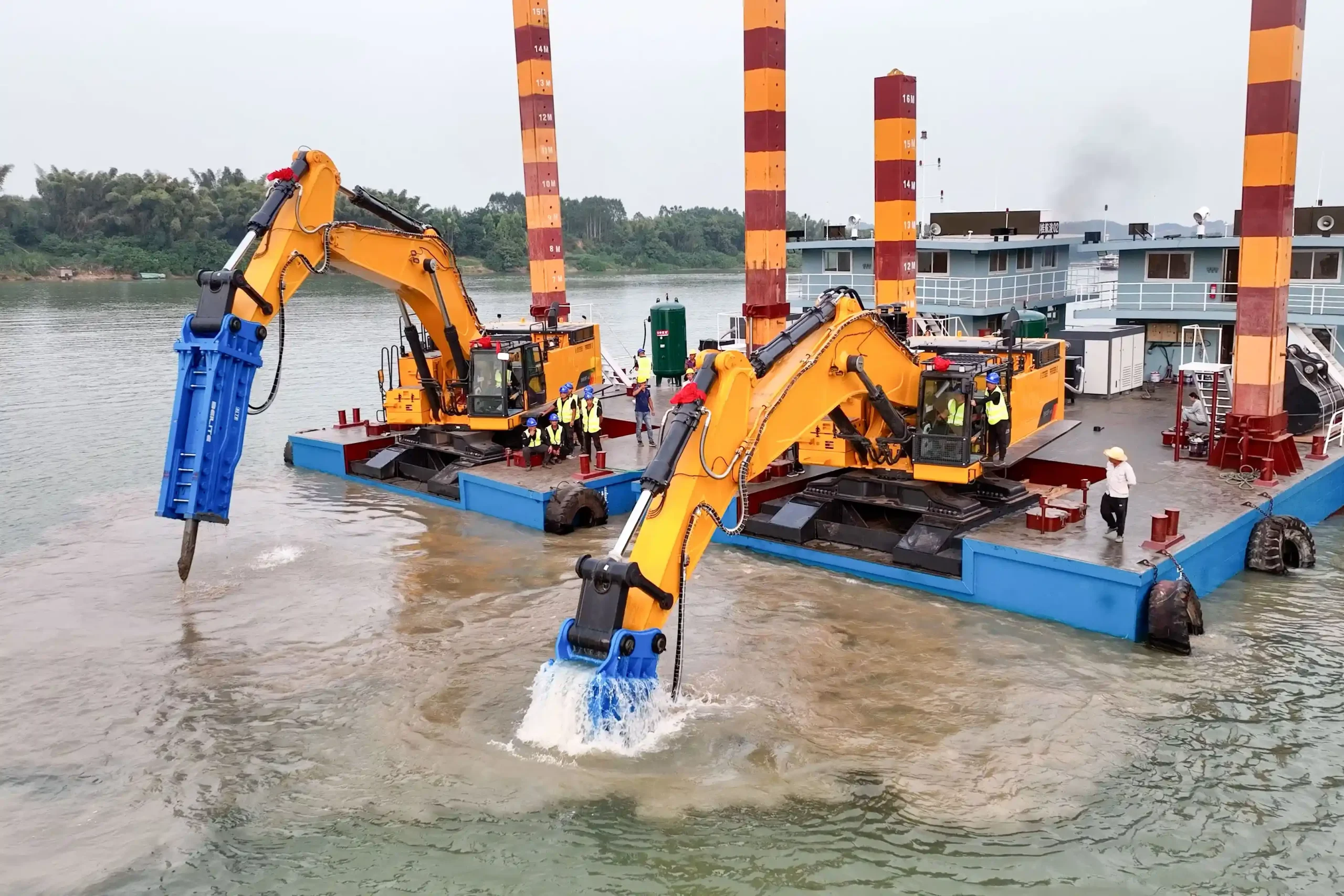
Operator Safety and Comfort in High-Temperature Work
Equipment performance depends on operator performance. Heat stress degrades decision-making, reaction time, and attention to detail. Operator training heat stress should cover recognition of early warning signs like excessive sweating, dizziness, and confusion.
Practical measures for operator comfort summer include adequate hydration stations, shaded rest areas, and mandatory break schedules. Pushing through heat exposure doesn’t demonstrate toughness. It creates safety risks and reduces productivity.
Noise reduction summer operation and vibration dampening solutions address fatigue factors that compound heat stress. An operator dealing with excessive noise and vibration while also managing heat exposure will make mistakes. Those mistakes damage equipment and endanger people.
Why Summer Hydraulic Breaker Operation Requires Specialized Maintenance
The stresses that summer heat imposes on hydraulic breakers differ from normal operating conditions. Hydraulic fluid degrades faster. Seals lose elasticity and fail sooner. Internal components wear at accelerated rates. Standard maintenance intervals assume moderate temperatures.
Tailored practices address these specific challenges. More frequent fluid checks catch degradation before it causes damage. Enhanced cooling system inspections identify problems while they’re still fixable. Specialized lubrication maintains protection under thermal stress.
This proactive approach directly affects reducing downtime summer. Equipment that receives appropriate summer maintenance stays operational. Equipment maintained on standard schedules often doesn’t. Breaker attachment lifespan extends when maintenance matches actual operating conditions. Warranty considerations hot climate may also require documented maintenance practices to remain valid.
Post-Operation Care and Long-Term Asset Protection
Post-operation cooling procedures prevent heat-related damage after the work stops. Shutting down a hot hydraulic breaker and immediately parking it in direct sunlight traps heat inside the system. Allow gradual cooling before storage.
Long-term storage hot weather requires attention to environmental protection. Clean the hydraulic system, fill it with appropriate fluid, and shield it from sun exposure and temperature extremes. Asset protection strategies should include corrosion prevention and regular seal inspections even during storage periods.
Seasonal maintenance tips for stored equipment include periodic fluid checks, protective coating applications, and seal condition assessments. Equipment that sits through summer without attention often emerges with problems that could have been prevented.
Partner with BEILITE for Peak Performance
As a national high-tech enterprise with decades of experience, BEILITE Machinery Co., LTD. engineers high-end hydraulic breaker Hammer designed for peak performance in the most demanding conditions, including extreme summer heat. Our commitment to innovation and quality ensures your operations remain productive and reliable. Explore BEILITE’s BLT and BLTB series for robust solutions tailored to your specific needs. Contact us today at [email protected] or 40008-40008 for expert consultation and to discover how our advanced hydraulic breakers can enhance your operational efficiency and longevity.
What are the most common hydraulic breaker failures in summer?
Overheating drives most summer failures. When hydraulic fluid gets too hot, it degrades and loses lubricating properties. Seals dry out and crack. Internal components wear faster than they should. The visible symptoms include reduced impact energy, premature chisel wear, and inconsistent system pressure. These problems share a common root cause: the hydraulic breaker is running hotter than its components can handle. Proper cooling and maintenance address the underlying issue rather than just treating symptoms.
How can I prevent my hydraulic breaker from overheating during summer work?
Prevention starts with cooling capacity. Verify that your hydraulic system can actually dissipate the heat generated during summer operation. Clean coolers regularly because debris accumulation reduces efficiency. Check hydraulic fluid levels and viscosity. Fluid that’s low or degraded can’t carry heat away effectively. Increase greasing frequency to reduce friction-generated heat. Monitor operating temperature throughout the workday. When readings climb, investigate immediately. Waiting until something breaks costs more than stopping to diagnose a temperature spike.
What kind of hydraulic fluid is best for summer hydraulic breaker operation?
Hydraulic fluid selection for summer operation should prioritize viscosity stability at elevated temperatures. Fluids designed for high-temperature applications maintain their lubricating properties when standard fluids would thin out and fail. Look for products with a wide operating temperature range and high viscosity index. Your breaker’s manufacturer specifications should guide the final selection. Change intervals may need to shorten during summer months because heat accelerates fluid degradation. Testing fluid condition periodically provides better guidance than relying solely on calendar-based replacement schedules.