 English
 French
Mastering Hydraulic Breaker Operation: Essential Training for Safety
Working with hydraulic breakers teaches you something quickly: the gap between adequate and excellent operation shows up in every metric that matters. Equipment lifespan, job site safety, project timelines—all of them respond directly to how well an operator understands the machine. This isn’t about checking boxes on a training form. It’s about building the kind of knowledge that prevents a $15,000 repair bill or, far more seriously, keeps someone from getting hurt.
What Separates Competent Operators from Skilled Ones
Real proficiency with hydraulic breakers goes well beyond knowing which lever does what. The operators who consistently deliver results have internalized how these machines behave under different conditions—how concrete density changes the feedback through the controls, why certain striking patterns preserve tool life while others destroy it.
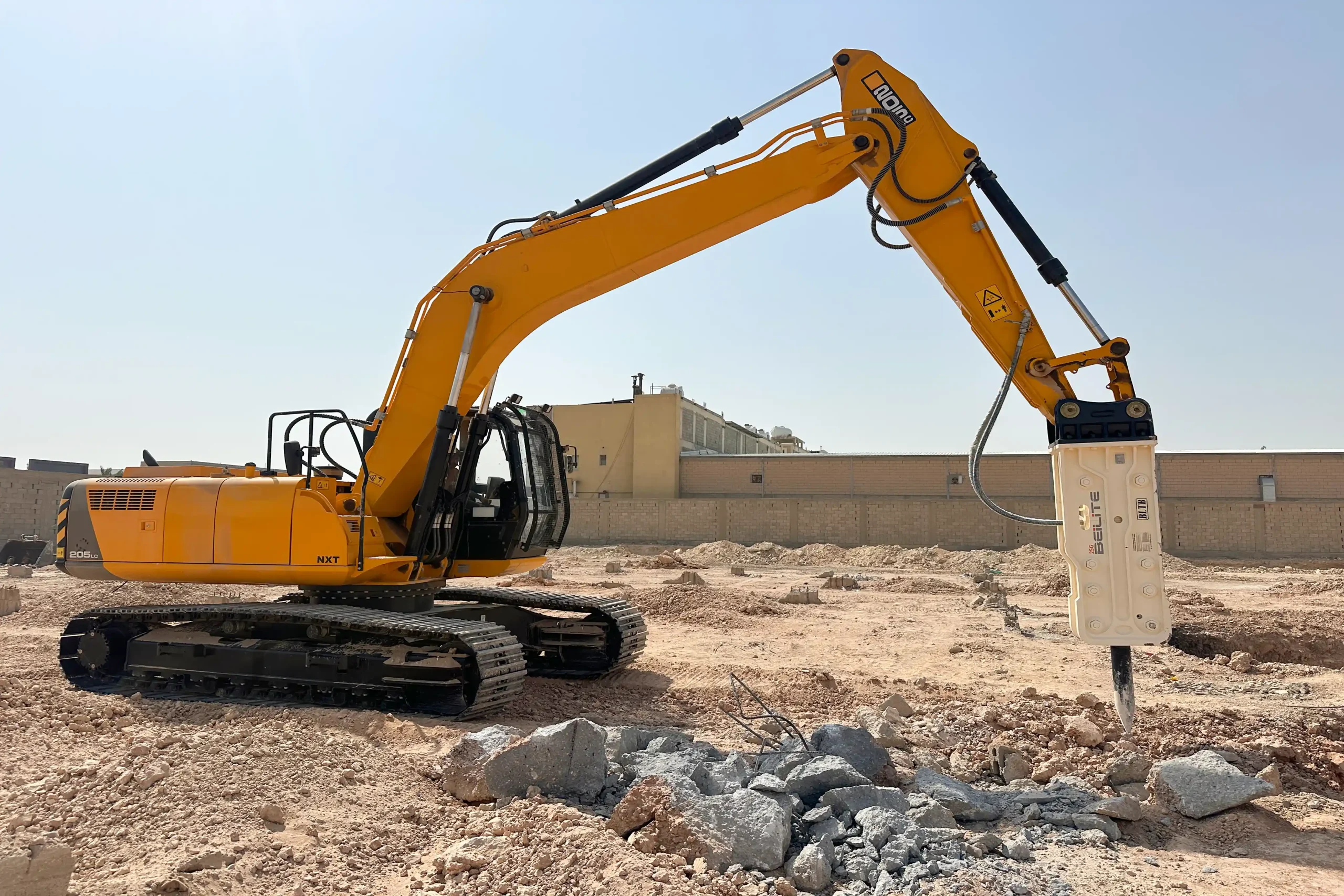
The numbers bear this out. Operators who complete structured hydraulic breaker training programs tend to reduce equipment downtime by roughly 25% and push productivity up by about 15%. Those aren’t marginal gains. On a large demolition project, that difference can mean finishing days ahead of schedule.
Consider tool bit selection. Matching the right bit to rock hardness or concrete composition isn’t intuitive—it’s learned. An operator running a BLT-150 on a 24-27t excavator at 180–200 bar working pressure needs to recognize when the material calls for a different approach. The same applies to blank firing prevention. Striking air instead of material damages internal components in ways that accumulate quietly until something fails catastrophically.
Advanced excavator breaker operation also means reading the machine. Subtle changes in sound, vibration patterns, or hydraulic response often signal problems before they become expensive. Catching these early is a skill that develops through focused heavy machinery operator courses and time on the equipment.
Safety Protocols That Actually Prevent Incidents
OSHA data puts it starkly: 70% of heavy equipment accidents could be prevented with proper safety training. That statistic should shape how every organization approaches hydraulic breaker safety.
Pre-operation checks form the foundation. Before the breaker touches anything, operators need to verify hydraulic line integrity, confirm proper breaker attachment safety, and inspect the tool bit for wear or damage. These aren’t formalities—they’re the moments where potential failures get caught.
Site assessment matters just as much. Unstable ground conditions, overhead power lines, underground utilities—each presents distinct risks that require specific responses. Construction safety training that covers real-world scenarios prepares operators to recognize hazards before they become emergencies.
PPE requirements exist for good reasons. Hard hats, safety glasses, hearing protection, and steel-toed boots aren’t optional. Neither is maintaining safe operating distances or establishing clear communication with ground personnel. When a hydraulic breaker is running, everyone on site needs to know where the danger zones are.
Regular safety drills reinforce these practices. Knowledge fades without reinforcement, and complacency develops gradually. Refresher training keeps risk mitigation strategies fresh and ensures that safety protocols remain habits rather than afterthoughts.
Maintenance Practices That Extend Equipment Life
A hydraulic breaker that receives proper preventative maintenance can last 30% longer than one that doesn’t. Unscheduled repairs drop by about 40% with consistent attention to the basics. Those figures translate directly to lower operating costs and more reliable project timelines.
Daily visual inspections catch problems early. Checking hydraulic system components, monitoring for leaks, and ensuring correct greasing procedures should happen before every shift. The BLT-165, designed for 33-38t excavators with a 150-300 bpm strike frequency, depends on precise lubrication to maintain that performance.
Recognizing hydraulic breaker malfunctions early requires training. Unusual noises often indicate internal wear. Reduced impact power suggests hydraulic issues. Excessive heat points to friction problems or inadequate oil flow. Each symptom has causes, and operators who understand those connections can address issues before they escalate.
Tool bit replacement timing matters more than many operators realize. Running a worn bit doesn’t just reduce efficiency—it transmits stress to internal components that weren’t designed to absorb it. The BLT-100, requiring 80–110 L/min oil flow, performs optimally only when all components are within specification.
Understanding the relationship between working pressure, oil flow, and strike frequency for specific models is essential for maximizing breaker efficiency. These parameters aren’t arbitrary—they reflect engineering decisions about how the machine should operate.
Certification Requirements and Regulatory Compliance
Operating hydraulic breakers legally requires meeting regulatory standards for heavy machinery that vary by jurisdiction. In most regions, this means completing certified training programs that validate both theoretical knowledge and practical competency.
The certification pathway typically includes general heavy equipment licensing plus specific endorsements for breaker attachments. Some projects require additional documentation, particularly in mining or infrastructure work where regulatory oversight is more intensive.
Certification renewal isn’t just bureaucratic procedure. Standards evolve, safety protocols improve, and technology advances. Regular recertification ensures operators remain current with these changes. It also provides documentation that protects both operators and employers if questions arise about training adequacy.
BEILITE’s involvement in formulating national standards in China reflects the industry’s recognition that consistent training requirements benefit everyone. When operators across different companies and regions share common competency baselines, job sites become safer and equipment performs more reliably.
If you’re interested in specialized equipment, check out 《Hydraulic Breaker Hammer for Underwater Construction》.
Troubleshooting Skills That Minimize Downtime
Skilled troubleshooting can cut diagnostic time in half. When a breaker starts behaving oddly mid-shift, the operator who can quickly identify the cause keeps the project moving. The one who can’t waits for a technician while the schedule slips.
Common symptoms have predictable causes. Loss of power often traces to hydraulic pressure issues or worn internal components. Excessive vibration may indicate improper tool bit seating or damaged bushings. Oil leaks require immediate attention to prevent system contamination and further damage.
New operators tend to make certain mistakes repeatedly. Incorrect tool bit selection tops the list, followed by neglecting daily maintenance and failing to recognize early warning signs. Training programs that include practical scenarios help operators learn from simulated problems rather than expensive real ones.
Advanced hydraulic system diagnostics involves using pressure gauges and flow meters to verify that actual operating parameters match manufacturer specifications. When the numbers don’t align, the diagnostic process narrows down potential causes systematically. This approach beats guessing, which often leads to replacing parts that weren’t actually the problem.
Why Ongoing Training Delivers Measurable Returns
Companies that invest in continuous operator training see roughly 20% improvement in project efficiency and 10% reduction in operational costs. Those returns compound over time as operators become more capable and equipment lasts longer.
The recommended interval for refresher training falls between two and three years, though new equipment introductions or significant operational changes should trigger additional sessions. Technology in hydraulic breakers continues advancing, and operators need exposure to new capabilities and techniques.
Continuous training also addresses skill decay. Even experienced operators benefit from periodic reinforcement of safety protocols and efficiency practices. The habits that prevent accidents and maximize performance require regular attention to remain sharp.
Building a culture of ongoing development signals to operators that their expertise matters. It attracts skilled workers and retains them. In an industry where experienced operators are increasingly valuable, that cultural commitment provides competitive advantage.
Frequently Asked Questions About Hydraulic Breaker Training
What certifications are required to operate a hydraulic breaker safely?
Most jurisdictions require general heavy equipment operator certification as a baseline, with specific training for breaker attachments added on top. OSHA compliance documentation is standard in the United States. Manufacturer-specific training programs, including those offered by BEILITE Machinery, provide additional credentials that many employers prefer or require. Local regulations vary, so operators should verify requirements for their specific region and project type.
How often should hydraulic breaker operators receive refresher training?
Every two to three years works as a general guideline, but several factors can shorten that interval. New equipment models require familiarization training. Significant changes to operational procedures or safety regulations warrant immediate updates. Any safety incident should trigger a review of training adequacy. The goal is maintaining current knowledge rather than following a rigid schedule.
What are the most common mistakes new hydraulic breaker operators make?
Incorrect tool bit selection causes problems frequently—operators underestimate how much material characteristics affect optimal bit choice. Skipping daily maintenance checks, particularly greasing, leads to accelerated wear. Operating at improper pressures stresses components unnecessarily. Failing to recognize early malfunction symptoms allows minor issues to become major repairs. Poor positioning creates excessive vibration that damages both the breaker and the carrier machine. Structured training that emphasizes these specific areas helps new operators avoid learning these lessons the expensive way.
Partner with BEILITE for Advanced Breaker Solutions
BEILITE Machinery Co., LTD brings both manufacturing expertise and training resources to hydraulic breaker operations. As contributors to national standards in China, we understand what effective operator development requires. Contact us at [email protected] or call 40008-40008 to discuss training solutions, equipment specifications, or how our BLT and BLTB product lines can serve your operational needs.