 English
 French
Hydraulic Breaker Transport: Safe Logistics for Heavy Equipment
Moving a hydraulic breaker from one site to another sounds straightforward until you actually do it. The weight alone demands respect—some units push past 3,000 kg—and the dimensions mean you’re dealing with oversized load regulations before you even leave the yard. I’ve seen projects delayed by weeks because someone skipped a permit application or didn’t account for a low bridge on the planned route. The real work happens before the breaker ever touches a trailer. Getting this right means fewer surprises, lower costs, and equipment that’s ready to perform the moment it arrives.
What Pre-Transport Planning Actually Involves
Effective pre-transport planning determines whether your hydraulic breaker transport goes smoothly or turns into an expensive headache. This phase covers detailed equipment inspection, risk assessment, and route selection for oversized loads. Skipping any of these steps invites delays, fines, and potential equipment damage.
Start with a thorough inspection that documents the breaker’s current condition. Note any existing wear, scratches, or hydraulic leaks—this creates accountability and prevents disputes later. Check all hydraulic lines, connections, and mounting pins. Detachable components should either be secured firmly or removed and packed separately.
Consider the BLT-155 as an example. At 2610 kg with a total length of 3199 mm, this unit requires careful attention to weight distribution during loading. Knowing these specifications upfront shapes every subsequent decision.
Pre-Transport Checklist for Hydraulic Breakers
| Item | Description | Status (Y/N) |
|---|---|---|
| Visual Inspection | Check for leaks, cracks, or loose parts | |
| Component Securing | Ensure all hoses, pins, and tools are fastened | |
| Fluid Levels | Verify hydraulic fluid and grease levels | |
| Documentation | Collect serial numbers, model, and owner information | |
| Cleaning | Remove dirt, debris, and excess grease | |
| Attachment Removal | Detach chisels or other working tools |
Route planning for oversized loads requires evaluating road restrictions, bridge clearances, and active construction zones. A detailed route survey identifies the best paths and necessary detours. Understanding heavy equipment hauling regulations for each jurisdiction you’ll cross prevents unpleasant surprises at weigh stations or border crossings. This groundwork reduces risks and keeps your hydraulic hammer transport compliant from start to finish.
Loading and Unloading Without Incident
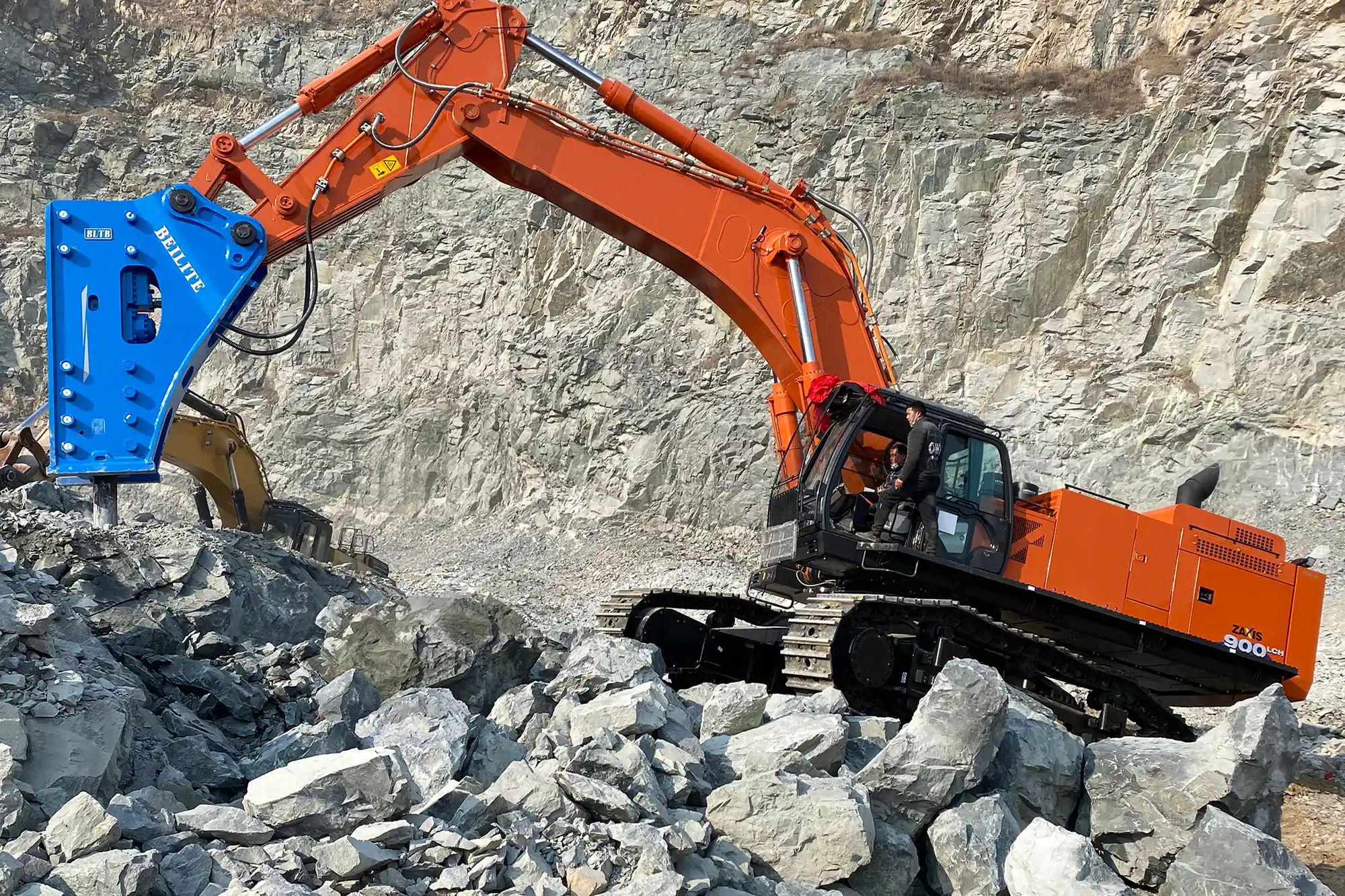
Loading and unloading represent the highest-risk moments in hydraulic breaker transport. Proper execution here directly prevents damage and protects personnel. These procedures demand specialized equipment and trained operators who understand the weight and dimensions involved.
The BLT-165 illustrates the challenge well. Designed for 33–38 ton excavators, it weighs 3149 kg with a total length of 3456 mm. Handling this unit safely requires precise crane lifting procedures or a heavy-duty forklift with adequate capacity. Ground conditions matter too—the surface must be stable and level enough to support the combined weight of lifting equipment, breaker, and transport vehicle.
Steps for Safe Loading
- Position the transport vehicle: Place the trailer on stable, level ground with brakes engaged and wheels chocked.
- Prepare the breaker: Attach lifting slings or chains to the designated lifting points on the hydraulic breaker.
- Operate lifting equipment: Use a crane or forklift with sufficient capacity. Smooth, controlled movements prevent swinging.
- Load onto trailer: Lower the breaker onto the designated area, maintaining even weight distribution across the deck.
- Secure the attachment: Use heavy-duty chains, binders, and straps to lock the breaker in place. Proper tension eliminates movement during transit.
- Verify security: Check all securing points and tensioners before departure. A second set of eyes catches what the first might miss.
Unloading follows the same principles in reverse. The objective remains constant: prevent shifting or drops that could damage equipment or injure workers. Breaker attachment shipping protocols exist precisely because these moments carry the most risk.
Permits and Regulations That Govern Heavy Haulage
Regulatory compliance isn’t optional when transporting hydraulic breakers. Ignoring heavy equipment hauling regulations leads to fines, impounded loads, and project delays that far exceed the cost of doing things properly. Operations managers need to understand transport permits for oversized loads and the road restrictions that apply to their specific routes.
Regulations vary significantly between regions and countries. Vehicle dimensions, weight limits, and escort requirements all differ depending on jurisdiction. International shipping of heavy equipment adds customs clearance requirements on top of transport permits. A BLT-140 hydraulic breaker—1910 kg total weight, 2782 mm total length—will likely trigger permit requirements when crossing state or national borders.
Common Road Restrictions for Heavy Equipment Transport
| Restriction Type | Description | Impact on Transport |
|---|---|---|
| Weight Limits | Maximum allowable weight on specific roads or bridges | May require specialized trailers or route adjustments |
| Height Restrictions | Maximum vertical clearance under bridges, tunnels, or overhead lines | Requires specific route planning and possible escorts |
| Width Restrictions | Maximum allowable width of vehicle and load | Often necessitates escort vehicles and specific routes |
| Time of Day Restrictions | Limitations on transport during peak hours or specific days | Affects scheduling and delivery timelines |
| Route Restrictions | Designated routes for oversized or overweight loads | Requires adherence to approved pathways |
| Escort Requirements | Need for pilot cars or police escorts for safety and traffic management | Adds to cost and logistical planning |
The question of what permits are required for transporting heavy hydraulic breakers depends on the specific unit dimensions and your planned route. Applications typically go through regional transport authorities, and processing times vary. Submit early—last-minute permit issues have derailed more projects than equipment failures.
Managing Costs Without Cutting Corners
Transport costs for hydraulic breaker transport fluctuate based on distance, equipment size, and the method you choose. Smart logistics decisions reduce expenses without compromising safety or equipment condition. The goal is efficiency, not cheapness.
Carrier selection matters significantly. Larger units like the BLT-150 (2310 kg, 3099 mm length) require specialized transport vehicles—low-loaders or flatbed trailers designed for heavy equipment. These provide proper support and stability that standard trailers cannot match. Smaller units present different options. A Hydraulic Hammer Breaker For Mini Excavator,Mini Excavator Breaker like the BLT-40 (86 kg, 1115 mm length) might work on a standard flatbed, though proper securing remains non-negotiable regardless of size.
Reducing transport damage comes down to robust packaging, correct securing techniques, and drivers experienced with oversized loads. Comprehensive insurance for equipment transit protects against incidents that proper planning can’t prevent. Consolidating shipments when possible and negotiating rates with carriers who specialize in heavy equipment both contribute to cost control.
Effective excavator attachment logistics treats the entire package—main breaker, tools, and components—as a single coordinated shipment. This approach prevents situations where the breaker arrives but critical accessories don’t.
Confirming Equipment Condition After Delivery
Post-transport inspection closes the loop on hydraulic breaker transport. This step verifies equipment integrity after transit and confirms readiness for immediate use.
A thorough post-transport maintenance inspection should happen before the breaker gets attached to any excavator. Check for new damage, loose connections, or fluid leaks that may have developed during transit. Pay particular attention to the chisel and retainer pins, hydraulic hoses, and the main body. A BLT-125 hydraulic breaker, with its 125 mm chisel diameter and 1357 kg weight, needs careful examination of its impact mechanism and hydraulic system before operation.
Post-Delivery Inspection Checklist
| Item | Description | Status (Y/N) |
|---|---|---|
| Visual Damage Check | Inspect for dents, scratches, or structural damage | |
| Fluid Leak Detection | Check all hydraulic lines and seals for leaks | |
| Fastener Tightness | Verify all bolts and mounting hardware are secure | |
| Chisel Condition | Examine chisel for wear or damage | |
| Greasing Points | Ensure all greasing points are accessible and functional | |
| Hydraulic Connection | Confirm proper connection to the excavator |
Equipment operational readiness extends beyond the breaker itself. Site preparation for breaker delivery means having the appropriate excavator ready, along with necessary tools and personnel for installation and initial testing. Preventative maintenance immediately after transport—re-greasing and a brief functional test—confirms everything works as expected. This diligence pays off when the breaker performs reliably from the first strike.
Enhance Your Project Efficiency with BEILITE
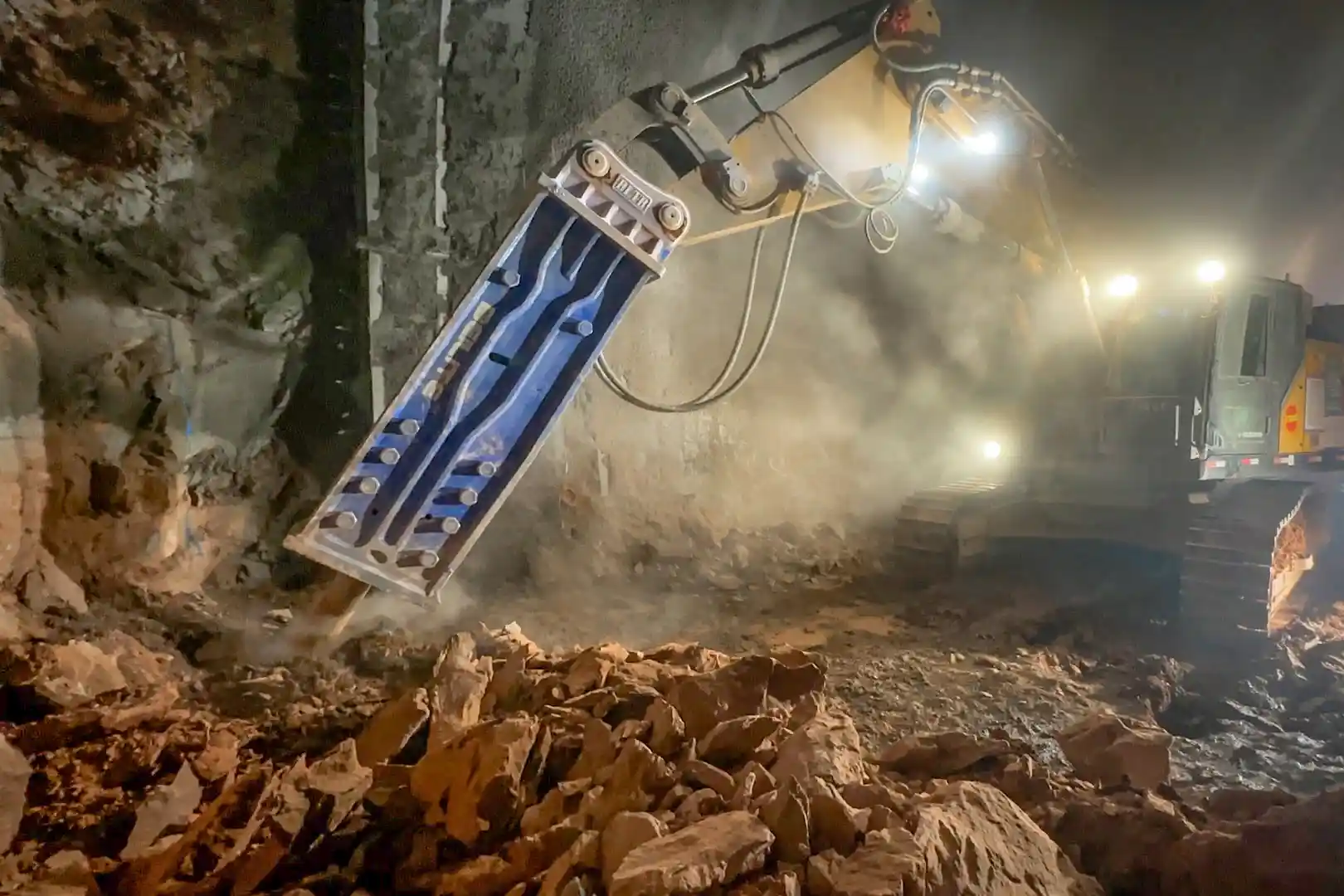
As a national high-tech enterprise with decades of expertise, BEILITE Machinery Co., LTD provides high-end hydraulic breakers engineered for durability and performance, simplifying your transport logistics and ensuring reliable operation. Discover how our innovative BLT and BLTB brand products, trusted in over 100 countries, can enhance your project efficiency. Contact us today at [email protected] or call 40008-40008 for a consultation.
FAQ
What risks come with hydraulic breaker transportation and how do you address them?
The primary risks include damage from improper securing, accidents involving oversized loads, and regulatory violations. Addressing these requires thorough pre-transport inspections, specialized transport vehicles matched to the equipment size, strict adherence to weight and dimension limits, and obtaining all necessary permits before departure. Experienced operators for loading and unloading reduce handling incidents. Comprehensive insurance provides financial protection when prevention isn’t enough.
What does safe loading and unloading of a hydraulic breaker look like in practice?
Safe loading starts with positioning the trailer on stable, level ground with brakes set and wheels chocked. Attach lifting equipment to the breaker’s designated lifting points—never improvise attachment points. Use cranes or forklifts with capacity ratings that exceed the breaker’s weight. Lower the unit onto the trailer with controlled movements, then secure it with chains and straps tensioned to prevent any movement. Unloading reverses this sequence with equal care. The breaker attachment shipping process prioritizes balance and security throughout.
Why does pre-transport inspection matter so much for hydraulic breakers?
Pre-transport inspection identifies existing damage before the breaker leaves your control, which prevents disputes about when damage occurred. It confirms all components are secured or properly packed, verifies fluid levels, and ensures the unit meets transport regulations. This step catches problems while they’re still easy to fix. Skipping it risks compounding damage during transit and delays at the destination. Proper inspection reduces overall hydraulic hammer transport costs by preventing problems rather than reacting to them.