 English
 French
Hydraulic Breaker Seal Kit Replacement: Expert Guide for Performance
Working with hydraulic breakers long enough, you start to notice patterns. The machines that keep running smoothly share one thing in common: someone paid attention to the seals before they became a problem. It sounds simple, but seal kit maintenance separates operations that hum along from those constantly chasing leaks and lost pressure. The hydraulic breaker seal kit sits at the heart of system integrity, and understanding how to diagnose, replace, and maintain these components makes the difference between predictable performance and unexpected shutdowns.
Why Seal Kits Matter More Than Most Realize
Seal kits do the unglamorous work of keeping hydraulic systems closed and pressurized. Without them functioning properly, fluid escapes, pressure drops, and impact force weakens. The energy that should transfer into breaking rock or concrete dissipates instead through gaps that shouldn’t exist.
Each component in a hydraulic breaker seal kit handles a specific job. Rod seals prevent fluid from weeping along the piston rod where it exits the cylinder. Piston seals create the pressure differential that generates force. Buffer rings absorb the shock of pressure spikes that would otherwise hammer primary seals into early failure. Wiper seals act as the first line of defense against dirt, dust, and debris trying to infiltrate the system.
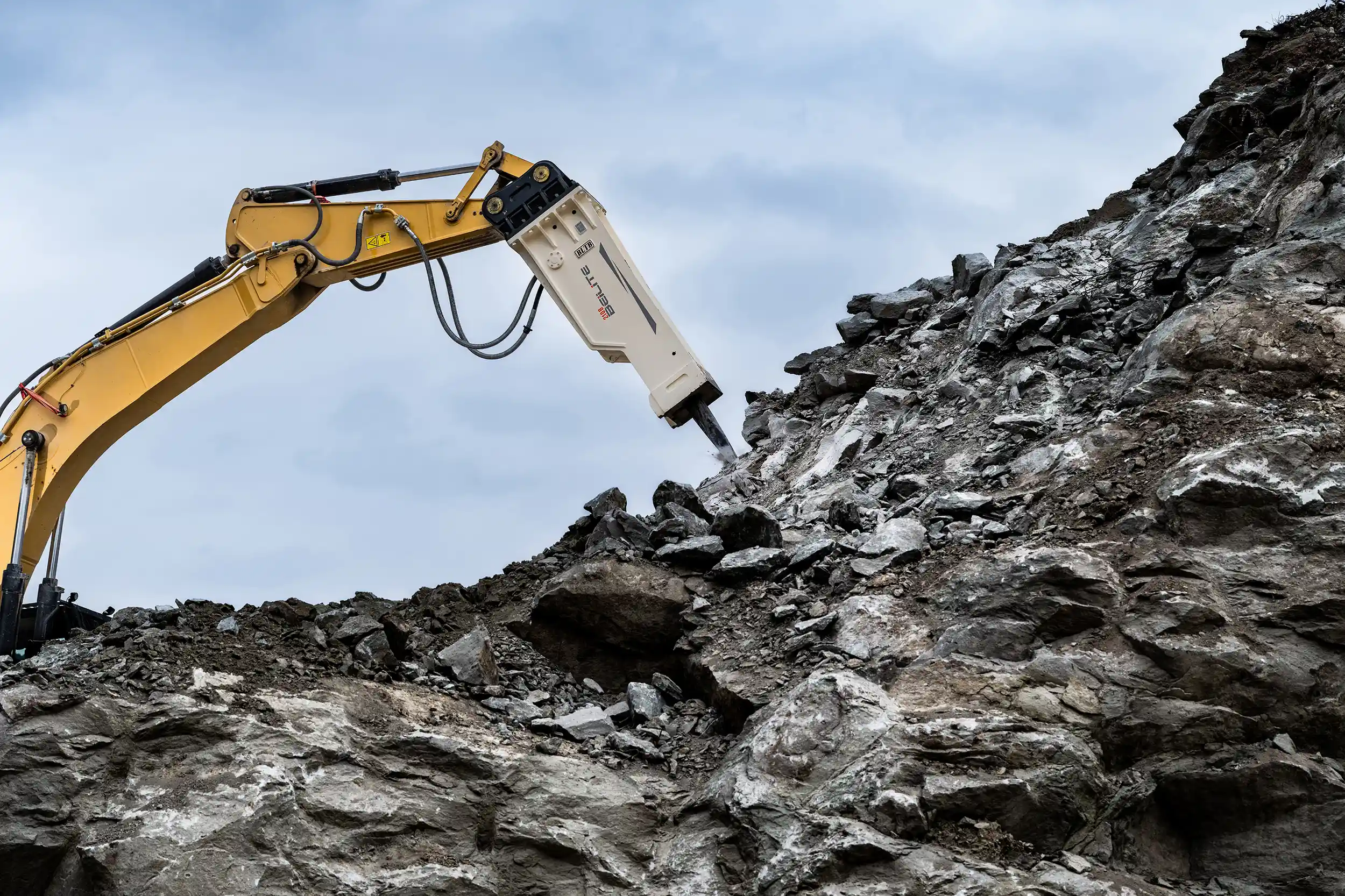
When any of these elements degrade, the effects cascade. A compromised rod seal allows external leakage. A worn piston seal bleeds pressure between chambers. A failed wiper lets abrasive particles inside, accelerating wear on everything else. The system works as a unit, and weakness anywhere creates problems everywhere.
| Component | Function | Material (Common) |
|---|---|---|
| Rod Seal | Prevents external leakage along the piston rod | Polyurethane |
| Piston Seal | Separates high and low-pressure sides within the cylinder | PTFE, NBR |
| Buffer Ring | Absorbs pressure spikes, protects primary seals | Polyurethane |
| Wiper Seal | Prevents contaminants from entering the hydraulic system | NBR, FKM |
| O-Ring | Static sealing in various internal connections | NBR, Viton |
| Back-up Ring | Prevents extrusion of O-rings and other seals under high pressure | PTFE, POM |
Recognizing Seal Failure Before It Becomes Expensive
Catching seal wear early can cut repair costs by roughly 30% and prevent the kind of cascading damage that sidelines equipment for extended periods. The signs are there if you know what to look for.
Operational stress, fluid contamination, and installation errors cause most seal kit problems. Continuous friction wears material away. High temperatures accelerate degradation. Hydraulic fluid additives can attack certain seal compounds over time. These factors combine to produce symptoms that signal trouble.
What are the signs that a hydraulic breaker seal kit needs replacing?
Oil appearing where it shouldn’t is the most obvious indicator. Look for fluid around the piston rod, hose connections, or accumulator housing. Reduced impact power suggests internal pressure bleeding away through worn seals. The breaker still cycles, but each strike carries less force than it should.
Excessive heat during operation points toward increased friction from degraded seals. The system works harder to compensate, generating thermal energy that further accelerates wear. Nitrogen charging issues, particularly rapid pressure drops in the accumulator, also indicate seal compromise.
Monitoring operating pressure provides objective data. A BLT-100 hydraulic breaker designed for 10-14 ton excavators should maintain 150-170 bar during operation. Consistent readings below this range suggest internal leakage. The BLT-40, built for 0.5-1.2 ton machines, operates at 90-120 bar. Deviations from specified parameters warrant investigation.
For further insights into maintaining your equipment, consider reading our article on 《Hydraulic Hammer Breaker For Mini Excavator,Mini Excavator Breaker》.
Installing a Hydraulic Breaker Seal Kit Correctly
Proper installation determines whether new seals deliver their full service life or fail prematurely. Following OEM specifications ensures correct fit and function. Rushing this process or cutting corners creates problems that appear weeks or months later.
- Preparation: Disassemble the hydraulic breaker following the manufacturer’s manual. Clean every component thoroughly, removing old fluid, accumulated debris, and any corrosion.
- Inspection: Examine all metal surfaces for wear, scoring, or damage. Scratched cylinder walls or worn grooves compromise new seals from the start. Replace damaged components before proceeding.
- Seal Removal: Remove old seals carefully using appropriate tools. Avoid gouging grooves or sealing surfaces during extraction.
- Lubrication: Apply clean hydraulic fluid or recommended assembly lubricant to new seals. This prevents damage during installation and helps seals seat properly.
- Installation: Install each seal in its correct orientation. Twisted or pinched seals fail quickly. Specialized installation tools guide seals into place without distortion.
- Torque Settings: Reassemble the breaker using correct torque specifications for all bolts and fasteners. Over-tightening distorts components; under-tightening allows movement.
- Testing: Run a functional test after reassembly. Check for leaks and verify proper operation. Monitor operating pressure and impact force against specifications.
Safety procedures matter throughout this process. Depressurize the system completely before starting any work. Wear appropriate protective equipment. Keep the work area clean to prevent contamination. Proper tool lubrication minimizes friction and protects delicate seal surfaces during installation.
Extending Seal Kit Life Through Smart Practices
High-quality seal materials combined with diligent maintenance habits can extend hydraulic breaker seal kit life by up to 50%. This translates directly into reduced operational costs and fewer unplanned interruptions.
Preventative maintenance scheduling forms the foundation. Regular checks of hydraulic fluid contamination levels catch problems before they cause damage. Contaminated fluid ranks among the leading causes of premature seal wear. Abrasive particles score sealing surfaces, creating leak paths that worsen over time. Fluid analysis identifies contaminants and degradation, prompting timely changes before damage occurs.
Seal material selection affects longevity significantly. NBR, FKM, and polyurethane each offer different resistance profiles to temperature, pressure, and chemical exposure. Matching material to operating conditions and fluid types matters. High-temperature applications demand FKM or similar compounds that maintain elasticity under thermal stress.
Temperature effects on seals deserve attention. Excessive heat accelerates material degradation, causing hardening, cracking, and loss of flexibility. Operating within recommended temperature ranges prevents thermal breakdown. Proper cooling systems and avoiding prolonged extreme-condition operation contribute to seal health.
Storage conditions affect seal quality before installation even occurs. Store seal kits in cool, dry locations away from direct sunlight and ozone-generating equipment. Premature aging and material degradation can occur during storage, compromising seals before they enter service.
The choice between OEM and aftermarket seals involves tradeoffs. Aftermarket options cost less initially, but OEM Beilite hydraulic breaker parts guarantee compatibility and performance backed by rigorous testing and quality control.
| Feature | OEM Seal Kits (Beilite) | Aftermarket Seal Kits (Generic) |
|---|---|---|
| Material Quality | High-grade, tested materials (e.g., specialized polyurethane) | Variable, often lower-grade materials |
| Precision Fit | Engineered to exact specifications for Beilite breakers | General fit, may not be perfectly matched |
| Performance | Guaranteed optimal performance and efficiency | Performance can vary, potential for reduced efficiency |
| Durability | Extended lifespan, resistance to harsh conditions | Shorter lifespan, susceptible to premature failure |
| Warranty | Typically covered by manufacturer’s warranty | Limited or no warranty |
| Cost | Higher initial investment | Lower initial cost, but higher long-term operational costs possible |
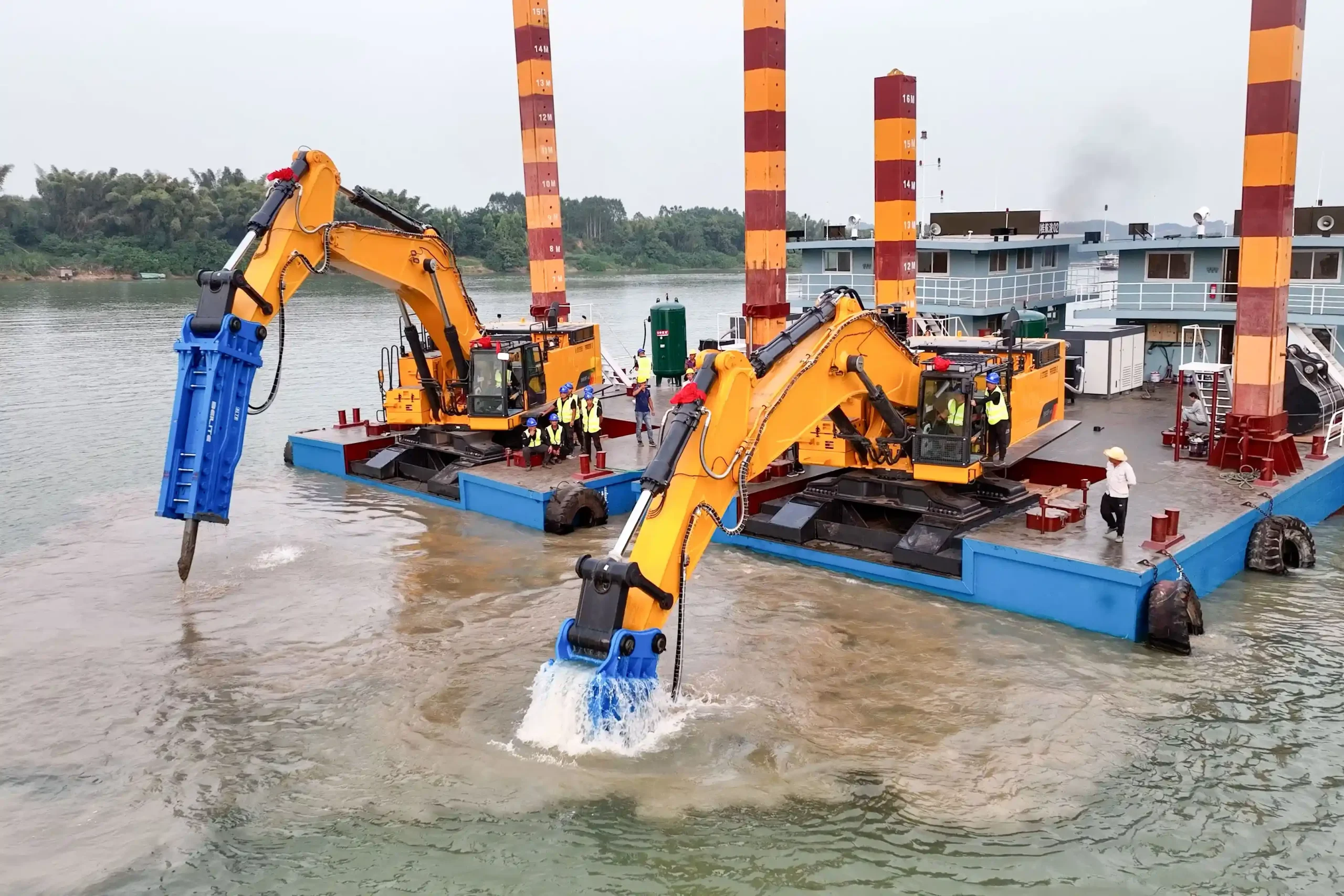
Regular inspection and servicing remain essential regardless of seal quality. For operations involving Hydraulic Breaker Hammer for Underwater Construction, specialized seals may be required to withstand unique environmental challenges.
How often should hydraulic breaker seals be replaced to prevent downtime?
Replacement frequency depends on usage intensity, operating conditions, and the quality of seals and hydraulic fluid in use. Inspect seals during routine maintenance, typically every 250-500 operating hours. Preventative replacement annually or bi-annually makes sense even without visible major leaks, avoiding unexpected failures that halt operations. Heavy-duty applications or extreme environments may require more frequent attention.
Finding a Reliable Seal Kit Supplier
Supplier selection affects more than just component cost. Partnering with a reputable manufacturer like Beilite ensures access to R&D-backed, high-quality components meeting national standards. Beilite Machinery Co., LTD, established in 2002, operates as a national high-tech enterprise involved in formulating national standards for hydraulic breakers in China. BLT and BLTB brand products serve customers globally.
Evaluate suppliers based on their commitment to quality and technological innovation. Beilite’s extensive experience and hundreds of patents reflect dedication to high-end hydraulic breakers. This expertise extends to seal kits engineered for maximum durability and performance. Authorized service centers provide expert support and genuine Beilite hydraulic breaker parts, ensuring proper fit and function.
| Criterion | Beilite Machinery Co., LTD | Generic Aftermarket Supplier |
|---|---|---|
| Quality Assurance | National high-tech enterprise, national standard participation | Varies widely, often unregulated |
| R&D and Innovation | Continuous R&D, hundreds of patents, advanced materials | Limited or no R&D, basic materials |
| Product Range | BLT and BLTB brands, cover diverse working conditions | Often limited, focus on common models |
| Global Reach | Exported to over 100 countries and regions | Typically local or regional |
| Technical Support | Expert support, authorized service centers | Varies, often minimal |
| Warranty & Reliability | Strong warranty, proven reliability | Often limited or non-existent |
| Compliance with Standards | Meets national standards | May not meet industry standards |
Warranty implications factor into supplier decisions. Genuine parts from reputable suppliers typically include warranties providing protection against defects. Low-quality or incompatible aftermarket parts can void equipment warranties and increase long-term maintenance costs. Quality seal kits China from established manufacturers meet stringent performance criteria.
Enhance Your Breaker’s Performance with Beilite
Ensure your hydraulic breakers operate at peak performance with Beilite Machinery Co., LTD’s precision-engineered seal kits and expert support. As a national high-tech enterprise with decades of innovation and national standard participation, we deliver reliable solutions trusted in over 100 countries. Contact us today at [email protected] or 40008-40008 for unparalleled quality and service.
Can I replace a hydraulic breaker seal kit myself, or do I need a professional?
Experienced technicians can handle hydraulic breaker seal kit replacement, but professional assistance is generally recommended. The process requires specialized tools, precise installation techniques, and thorough understanding of hydraulic systems. Improper installation leads to premature failure, costly downtime, and potential safety hazards. Beilite provides detailed manuals, and authorized service centers offer expert assistance for all hydraulic breaker maintenance.
What are the common causes of premature hydraulic breaker seal kit failure?
Hydraulic fluid contamination, improper installation, excessive operating temperatures, incorrect operating pressure, and low-quality or incompatible seal materials all contribute to premature failure. Regular maintenance, clean hydraulic fluid, and high-quality seal kits from manufacturers like Beilite Machinery Co., LTD extend seal lifespan and maintain optimal performance.
How does Beilite Machinery ensure the quality of its hydraulic breaker seal kits?
Beilite Machinery Co., LTD, established in 2002, operates as a national high-tech enterprise known for R&D and manufacturing of high-end hydraulic breakers. Quality commitment extends to every component, including hydraulic breaker seal kits. Advanced materials, national standard formulation participation, and rigorous testing ensure BLT and BLTB brand products meet the highest performance and durability standards. This dedication guarantees seal kits provide superior protection and longevity, minimizing downtime and maximizing productivity.