 English
 French
Hydraulic Breaker Safety Protocols for Optimal Site Performance
Mastering Hydraulic Breaker Safety for Uninterrupted Operations
Running hydraulic breakers on a busy site means accepting that one overlooked check or one moment of inattention can shut everything down. The equipment doesn’t forgive shortcuts. Beilite Machinery Co., Ltd. has been building high-end hydraulic breakers since 2002, and our involvement in national standard formulation comes from watching what goes wrong when safety gets treated as an afterthought. What follows covers the practices that actually keep sites running and people intact.
Pre Operation Safety Checks and Site Preparation
The work starts before the breaker ever fires. Comprehensive pre-operation checks and careful site preparation function as your first line of defense against the accidents that seem obvious only after they happen. Daily equipment inspection and honest worksite hazard assessment create the foundation for everything else. Ground conditions analysis and hydraulic hammer pre-use protocols aren’t bureaucratic exercises. They’re what separates a productive shift from an incident report.
Essential Daily Inspection Routines
Beilite recommends specific daily inspection points based on what we’ve learned manufacturing these machines for over two decades.
- Visual Inspection: Walk around the hydraulic breaker looking for visible damage or leaks. Anything that looks wrong probably is.
- Hose Integrity Check: Verify all hydraulic hoses are securely connected and free from cracks or abrasions. A weak hose under pressure becomes a serious problem fast.
- Chisel Condition Assessment: Inspect the chisel for wear, cracks, or improper seating. A compromised chisel affects both performance and safety.
- Pin and Bushing Check: Confirm all pins and bushings are properly lubricated and show no excessive play.
- Nitrogen Pressure: Check that nitrogen pressure falls within the manufacturer’s specified range. This affects impact performance and prevents internal damage.
Worksite Hazard Identification and Mitigation
Every site presents its own risks. Our experience across operations in more than 100 countries has shown that effective site safety planning requires attention to underground utility location and proper exclusion zone setup. The hazards you identify before starting are the ones that won’t surprise you later. Thorough assessment protects both operators and ground personnel from incidents that seemed impossible until they happened.
Operator Training and Personal Protective Equipment
Equipment quality matters, but the person running the machine determines outcomes. Certified training and proper PPE aren’t optional considerations. Comprehensive safety training programs ensure operators understand what the equipment can and cannot do. Hearing protection requirements and other PPE specifications exist because the consequences of ignoring them accumulate over time.
Mandatory PPE for Hydraulic Breaker Operators
The following items are required for operator protection during hydraulic breaker operation.
- Head Protection: A hard hat meeting current head protection standards guards against falling objects.
- Eye and Face Protection: Safety glasses or a face shield provide necessary eye protection from debris.
- Hearing Protection: Earplugs or earmuffs mitigate noise exposure from the hydraulic breaker. Hearing damage is cumulative and permanent.
- Hand Protection: Heavy-duty work gloves protect hands from abrasions, impacts, and vibrations.
- Foot Protection: Steel-toed safety boots offer protection against heavy objects.
- High-Visibility Clothing: Makes the operator visible to other personnel and equipment operators on site.
Operational Best Practices to Prevent Accidents
The way you run the equipment determines whether you finish the shift without incident. Beilite’s experience in high-end hydraulic breaker manufacturing informs the techniques that minimize risks while maintaining productivity. Our core technology developments contribute to safer breaking methods and practical accident prevention.
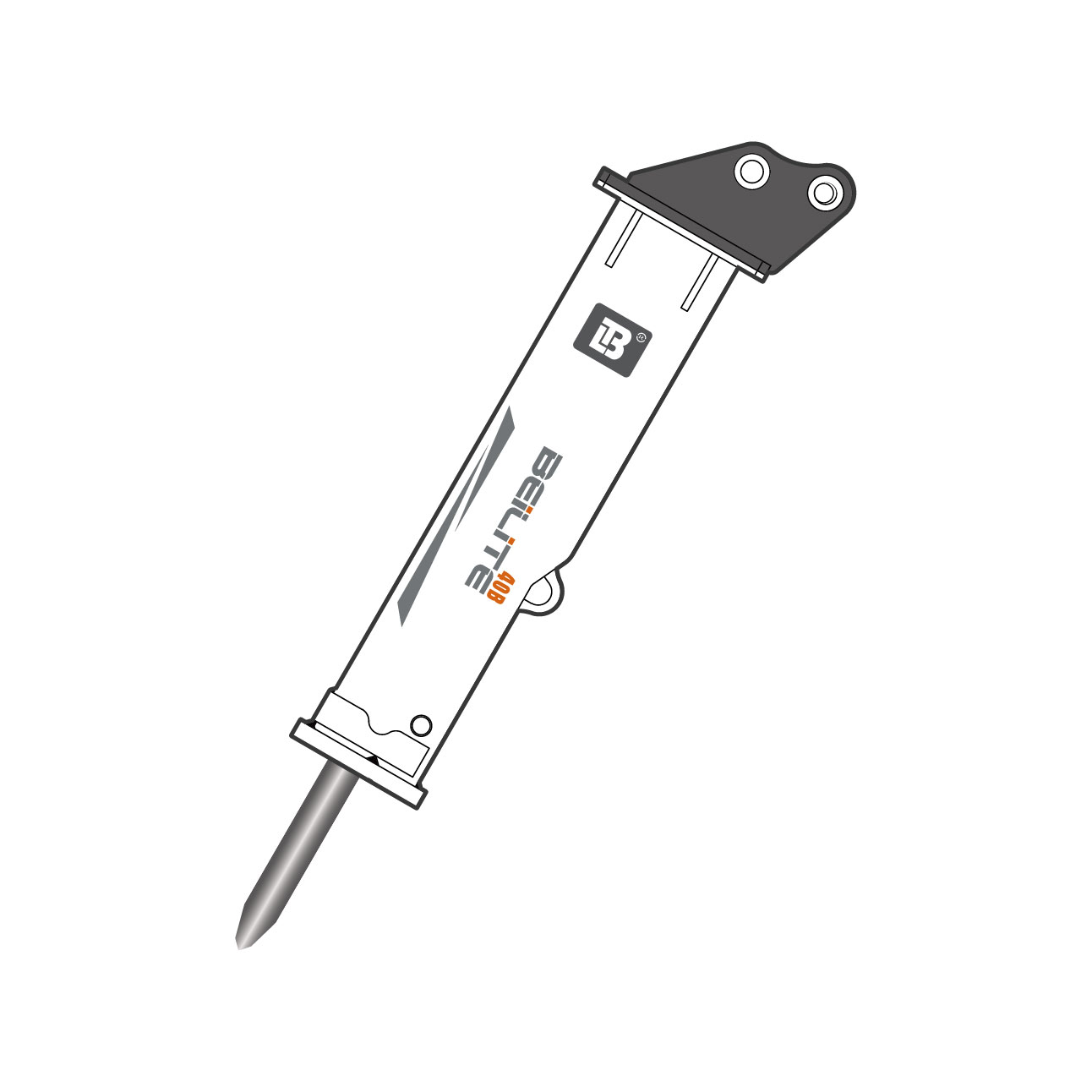
!Hydraulic breaker
 ### Common Hydraulic Breaker Accidents and Prevention Strategies
The accidents that happen most often follow predictable patterns. Understanding them makes prevention possible.
- Tool Bit Ejection: Verify retaining pins are correctly installed and the tool bit is properly seated before each use.
- Hydraulic Hose Ruptures: Regular hose inspection catches wear and damage early. Avoid sharp bends or crushing that weakens hose integrity.
- Operator Injury from Kickback: Maintain the correct attachment angle and apply steady, consistent pressure. Rushing increases kickback risk.
- Falling Debris: Establish clear exclusion zones. Make sure all personnel know about overhead hazards.
- Operator Fatigue: Implement fatigue management protocols including regular breaks and job rotation. Tired operators make mistakes.
- Minimizing Vibration Exposure: Use anti-vibration handles and limit continuous operating periods. Long-term vibration exposure causes real damage.
Routine Maintenance for Enhanced Safety and Longevity
Regular maintenance prevents the failures that lead to accidents. Consistent hydraulic breaker service intervals directly affect both safety and site performance. A solid preventative maintenance schedule keeps equipment operating the way it should.
| Maintenance Task | Frequency | Safety Benefit |
|---|---|---|
| Chisel Greasing | Daily | Prevents seizing, reduces wear |
| Hose Inspection | Daily | Prevents leaks, avoids rupture |
| Nitrogen Check | Weekly | Ensures proper impact, prevents damage |
| Seal Replacement | 250-500 hrs | Maintains hydraulic integrity |
| Bolt Torquing | 50-100 hrs | Prevents component loosening |
Proper lubrication and adherence to seal replacement guidelines maintain equipment integrity over time. This approach minimizes unexpected downtime and the safety hazards that come with equipment operating outside normal parameters.
Emergency Procedures and Accident Response
Even with strong protocols, things go wrong. Clear guidelines for managing unforeseen events reinforce a proactive safety culture. Preparation ensures rapid and effective action when it matters most.
Emergency shutdown procedures must be understood by every operator before they start working. Training in first aid for construction injuries enables immediate response. Detailed accident reporting protocols support investigation and prevent recurrence. Well-rehearsed site evacuation plans protect all personnel during major incidents.
Partner with Beilite for Superior Hydraulic Breaker Solutions
BEILITE Machinery Co., Ltd. brings decades of innovation and participation in national standard-setting to every hydraulic breaker we manufacture. Our BLT and BLTB brands operate in over 100 countries because they deliver both power and operator protection. Contact us to discuss your specific hydraulic breaker needs and learn how our solutions can support your project’s efficiency and safety requirements. Reach out at [email protected] or call 40008-40008.
Frequently Asked Questions About Hydraulic Breaker Safety
What are the most common hydraulic breaker accidents and how can they be prevented?
Tool bit ejection, hydraulic hose ruptures, and operator injury from kickback or falling debris account for most incidents. Prevention requires rigorous pre-operation checks, proper operator training, maintaining correct operating angles, and using appropriate Personal Protective Equipment. Regular maintenance of your hydraulic breaker significantly reduces these risks.
How often should hydraulic breakers be inspected for safety compliance?
Daily visual and functional inspection before operation is the baseline. A detailed preventative maintenance inspection should follow manufacturer guidelines, typically every 250-500 operating hours, to ensure ongoing safety compliance and optimal performance.
What specific PPE is mandatory for hydraulic breaker operators?
Required PPE includes a hard hat, safety glasses or face shield, hearing protection, heavy-duty work gloves, steel-toed safety boots, and high-visibility clothing. Depending on worksite conditions and specific tasks, additional protection such as respiratory masks or specialized protective suits may be necessary.
Can improper hydraulic oil affect breaker safety and performance?
Using the wrong hydraulic oil can cause overheating, premature wear of internal components, reduced striking power, and potential catastrophic failure. This increases the risk of unexpected malfunctions and safety hazards. Always use the hydraulic oil specified by the manufacturer to maintain operational safety and equipment longevity.
What are the key considerations for safe transportation of hydraulic breakers?
Secure the attachment properly to prevent movement during transport. Lower and lock the excavator’s boom. Verify the transport vehicle can handle the combined weight. Remove or secure the tool bit and cap all hydraulic lines to prevent contamination or leakage. Following these guidelines prevents accidents during transit.