 English
 French
Hydraulic Breaker Pre-Operation Check: Safety & Efficiency
Operating a hydraulic breaker demands meticulous attention to safety and operational efficiency. A comprehensive pre-operation check is not merely a routine; it is a critical safeguard against unexpected failures and costly downtime. This systematic inspection ensures all components function optimally, protecting both personnel and investment. Beilite Machinery emphasizes these protocols to maximize the longevity and performance of our advanced BLT and BLTB series.
Mastering Your Hydraulic Breaker: The Daily Pre-Start Ritual
Implementing a diligent daily maintenance routine for your hydraulic breaker is fundamental to operational success. Neglecting these pre-start checks significantly increases the risk of equipment failure, leading to substantial financial losses and project delays. Industry data indicates that a high percentage of equipment breakdowns are directly attributable to overlooked daily inspections. A structured pre-start checklist is essential for identifying potential issues before they escalate into major problems, thereby preventing downtime and ensuring excavator breaker safety. This proactive approach safeguards your investment and maintains project timelines.
Visual Inspection: Identifying Wear and Tear on Critical Components
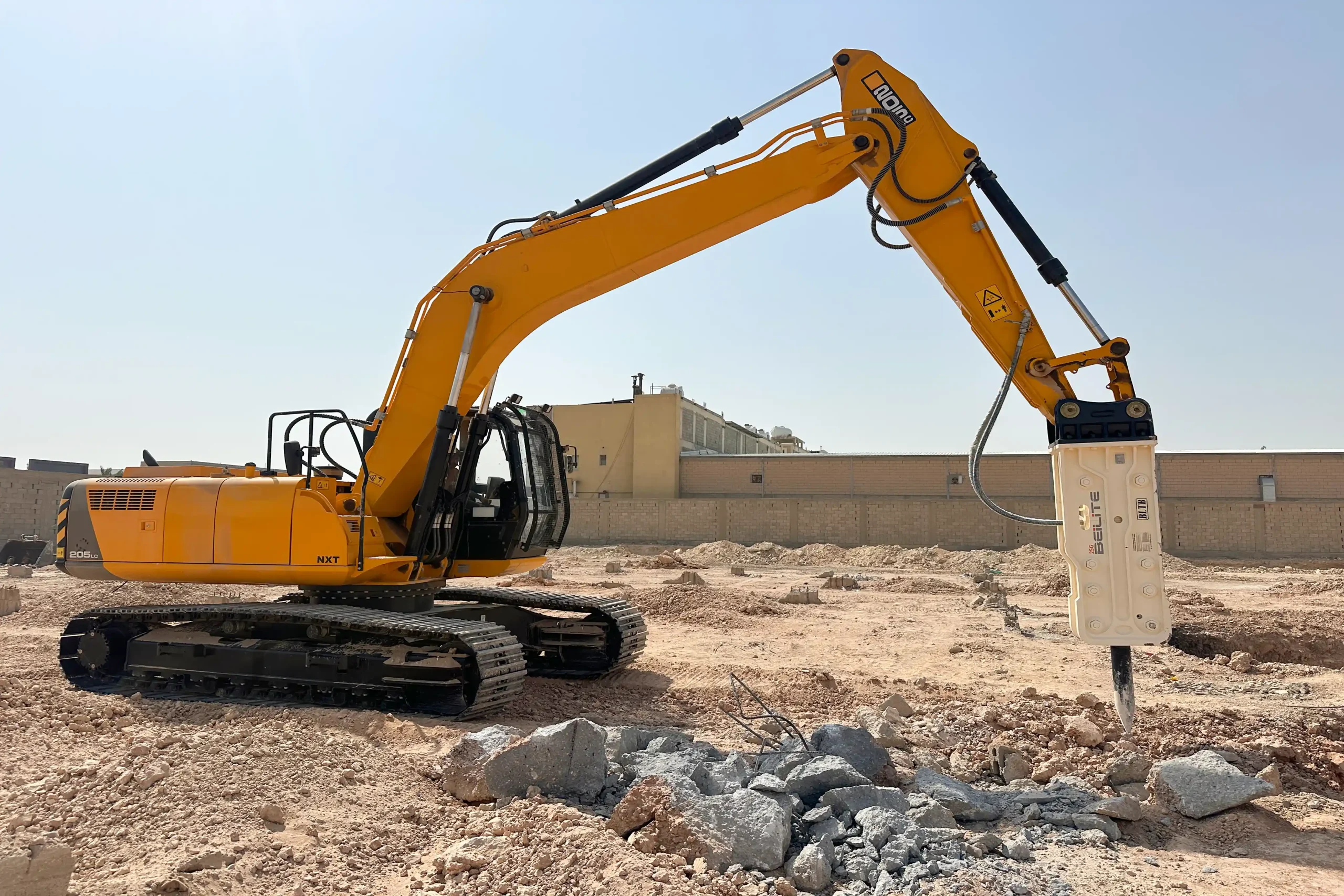
A thorough visual inspection is paramount for identifying wear parts and ensuring the structural integrity of your hydraulic breaker. Operators must meticulously examine the chisel condition, mounting bracket security, and inspect for pin and bush wear. Beilite’s engineering focus on durable components means our breakers are designed for resilience, but even the highest quality materials are subject to operational stress. Early detection of oil leakage detection or excessive wear patterns can prevent catastrophic failures and minimize the need for extensive tool bit replacement. This systematic visual assessment forms the backbone of effective preventive maintenance.
What happens if you skip a pre-operation check on a hydraulic breaker?
Skipping a pre-operation check on a hydraulic breaker carries significant risks, including substantial equipment downtime costs and severe safety hazards. Neglecting these checks can lead to premature component failure, such as a worn chisel breaking mid-operation, or hydraulic leaks causing system damage. Case studies consistently show that minor issues, easily identified during a routine inspection, can escalate into major repairs costing thousands of dollars and delaying projects for days or weeks. This oversight compromises both operational efficiency and personnel safety.
Hydraulic System Integrity: Verifying Pressure and Fluid Levels
Maintaining hydraulic system integrity is crucial for optimal breaker performance and longevity. Correct hydraulic pressure and fluid levels directly impact the breaker’s efficiency and prevent premature wear of internal components. Beilite’s precision engineering ensures our BLT and BLTB series operate within specific parameters, making accurate monitoring essential. A thorough check includes verifying hydraulic hose integrity, performing a nitrogen pressure check, and confirming hydraulic oil level. Correct operating pressure settings and accumulator function are vital for consistent impact power.
How do you check the nitrogen pressure on a hydraulic hammer?
Checking the nitrogen pressure on a hydraulic hammer requires a specialized nitrogen charging kit and a calibrated pressure gauge. First, ensure the breaker is disconnected from the excavator and positioned safely. Locate the nitrogen charging valve, typically on the accumulator or rear head. Attach the charging kit, then slowly open the valve to read the accumulator pressure. Compare this reading to the manufacturer’s specifications. For instance, Beilite BLT-70 and BLT-75 models require an accumulator nitrogen pressure of 55–60 bar. Adjust pressure as needed, ensuring accuracy and safety throughout the process.
Greasing and Lubrication: Extending Breaker Lifespan and Performance
Proper greasing and lubrication are indispensable for extending the lifespan and enhancing the performance of your hydraulic breaker Hammer. Regular application of grease to designated greasing points reduces friction and prevents premature wear of critical components. Adhering to a consistent lubrication schedule minimizes heat buildup and protects internal mechanisms from abrasive particles. Beilite’s commitment to durable products is complemented by optimal maintenance practices, ensuring our breakers deliver sustained power and reliability. This preventive maintenance step is a simple yet highly effective way to safeguard your investment.
Operator Safety and Site Protocols: A Non-Negotiable Priority
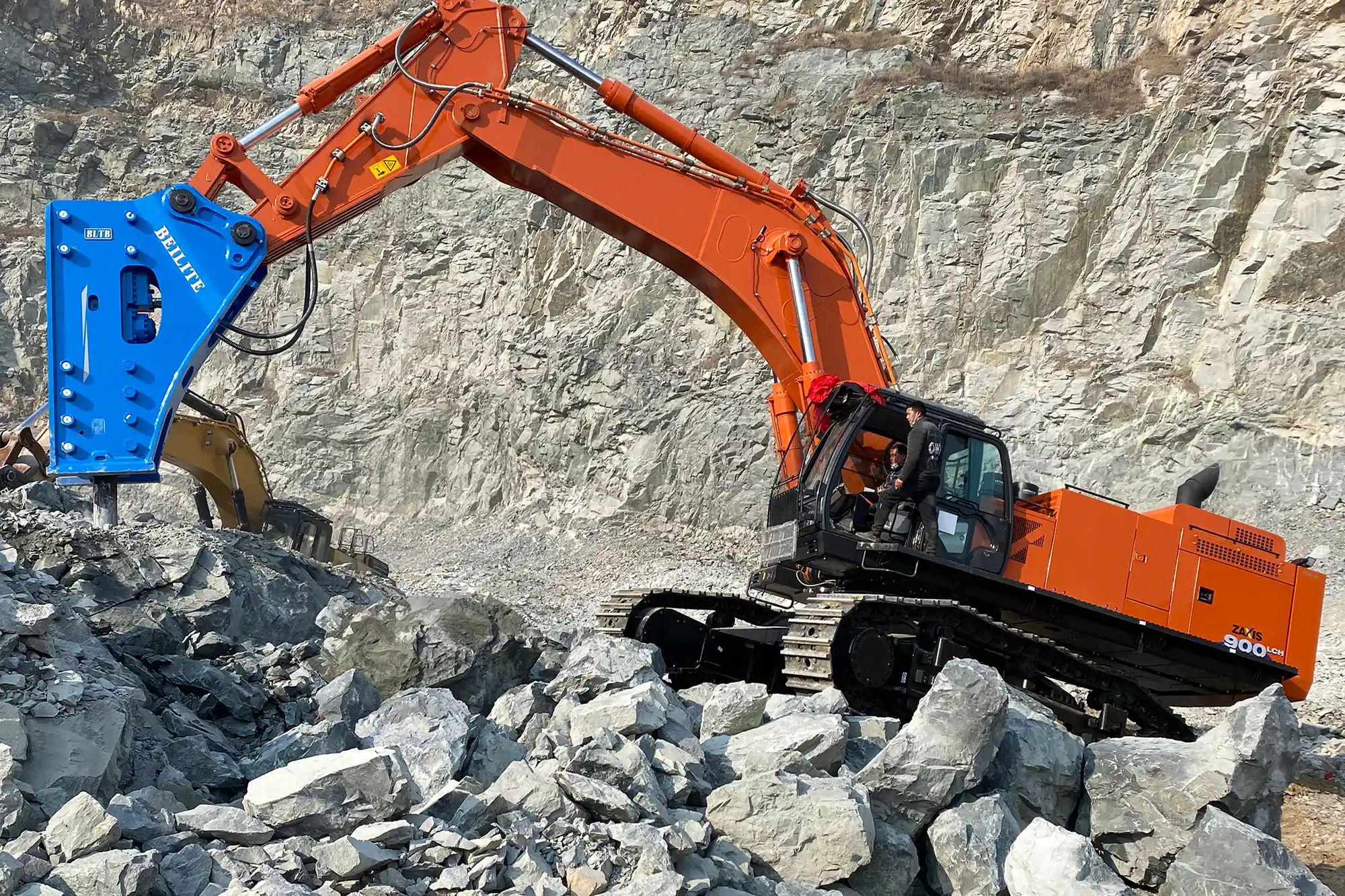
Operator training is fundamental to safe and efficient hydraulic breaker operation. Comprehensive training ensures personnel understand the equipment’s capabilities and limitations, fostering adherence to strict safety precautions. Personal protective equipment (PPE), including hard hats, safety glasses, and hearing protection, must be worn at all times. Establishing clear site safety protocols and considering environmental factors, such as dust control and noise reduction, are non-negotiable. These measures collectively prevent accidents and ensure compliance with industry standards, safeguarding both operators and the worksite.
Troubleshooting Common Issues: Proactive Problem Solving
Proactive troubleshooting of common issues discovered during pre-operation checks directly contributes to operational efficiency. Addressing minor problems promptly prevents them from escalating into major failures. Operators should be proficient in diagnosing breaker problems, such as reduced impact power or unusual noises. Simple minor repair tips, like tightening loose bolts or replacing worn seals, can prevent significant operational failures. Beilite’s comprehensive understanding of real-world operational challenges informs our design, making our breakers robust and easier to maintain.
What are the signs of a worn chisel on a hydraulic breaker?
Signs of a worn chisel on a hydraulic breaker include excessive blunting, mushrooming of the tip, or visible cracks along the shaft. A severely blunted tip reduces impact efficiency, while mushrooming indicates material fatigue and potential fracturing. Cracks are critical safety concerns, as they can lead to sudden tool bit damage and pose a hazard. Operators should also inspect for uneven wear patterns, which might suggest improper alignment or operational techniques. These indicators signal the need for replacement to maintain performance and safety.
Enhance Your Project with Beilite Machinery
Elevate your operational efficiency and safety with Beilite Machinery’s high-performance hydraulic breakers. As a national high-tech enterprise with decades of innovation and global reach, we engineer solutions you can trust. Contact us today at [email protected] or 40008-40008 for expert consultation and discover how our BLT and BLTB series can enhance your project’s productivity and reliability.
FAQ
Why is a consistent hydraulic breaker pre-operation check crucial for project timelines?
A consistent hydraulic breaker pre-operation check is crucial because it identifies potential issues before they escalate into major failures, preventing unexpected downtime. This proactive approach ensures your equipment remains operational, keeping projects on schedule and avoiding costly delays. Regular checks, as recommended by manufacturers like Beilite, significantly contribute to uninterrupted workflow and project success.
How does proper hydraulic breaker maintenance impact equipment resale value?
Proper hydraulic breaker maintenance, including diligent pre-operation checks, significantly preserves the equipment’s condition and operational integrity. Well-maintained breakers demonstrate a history of responsible ownership, leading to higher resale values. Documented maintenance records, often a result of consistent checks, provide buyers with confidence in the equipment’s longevity and performance.
What role does operator training play in effective hydraulic breaker inspection?
Operator training is paramount for effective hydraulic breaker inspection. Properly trained operators understand the nuances of the equipment, recognize early warning signs of wear or malfunction, and can accurately perform pre-operation checks. Their expertise ensures that critical components are not overlooked, enhancing overall safety, efficiency, and extending the lifespan of the Hydraulic Breaker Hammer for Demolition&Rock Breaking.