 English
 French
Hydraulic Breaker Piston: Engineering, Performance, and Longevity
The hydraulic breaker piston sits at the heart of every breaker’s function, turning hydraulic energy into raw percussive force. Getting a handle on how these components work, what makes them perform, and why some last longer than others pays off in real equipment decisions. At Beilite, we’ve spent years in high-end hydraulic breaker R&D and manufacturing, contributing to national standards and developing patented core technologies that push these critical components further.
How Hydraulic Breaker Pistons Are Engineered
Building a hydraulic breaker piston demands careful design work and serious material science. We spend considerable effort optimizing piston geometry, weight, and surface characteristics to squeeze out maximum energy transfer while keeping durability high. This approach shapes what sets our BLT and BLTB product lines apart.
Material Properties That Determine Piston Life
A piston’s survival depends on choosing materials with the right characteristics. We work with specialized alloy steels and put them through precise heat treatment cycles to build wear resistance and impact toughness. The result handles the brutal stresses that show up across different job sites.
| Property | Description | Beilite Standard (Example) |
|---|---|---|
| Hardness (HRC) | Resistance to indentation and abrasion | 58-62 |
| Tensile Strength | Resistance to breaking under tension | >1800 MPa |
| Impact Toughness | Ability to absorb energy and deform without fracturing | >150 J/cm² |
| Fatigue Limit | Resistance to failure under cyclic loading | >1000 MPa |
Precision Manufacturing and Quality Control
Getting pistons right means precision manufacturing. Our processes use advanced CNC machining to hold tight tolerances, which keeps fit and function where they need to be inside the breaker. Material inspection and dimensional checks happen at every stage. These protocols protect the longevity of our hydraulic breaker pistons.
Piston Movement and How Impact Force Gets Generated
The piston’s motion creates the breaker’s striking power. Hydraulic pressure, nitrogen accumulator behavior, and valve timing all work together to control stroke and energy transfer. Our patented designs target these dynamics specifically for better performance.
Flowchart: Piston Impact Cycle
1. Upward Stroke: Hydraulic pressure lifts the piston.
2. Nitrogen Accumulator Compression: Piston compresses nitrogen gas in the accumulator, storing energy.
3. Downward Stroke Initiation: Valve shifts, releasing stored energy and hydraulic pressure.
4. Impact: Piston strikes the tool, transferring kinetic energy.
5. Recoil: Piston rebounds, and the cycle repeats.
Getting More Efficiency and Power From Piston Design
Our R&D work keeps refining piston geometry and weight distribution. These refinements boost efficiency and impact force across various job conditions. The BLT-150, built for 24-27t excavators, delivers solid impacts with a 150mm chisel diameter at 180-200 bar operating pressure. This focus translates to better productivity and lower costs for operators.
For more information on selecting the right tools for challenging tasks, consider reading 《Hydraulic Breaker Hammer for Demolition&Rock Breaking》.
What Affects Piston Wear and How Long They Last
Multiple factors shape piston longevity and wear patterns, which ripple through overall breaker performance. Seal integrity, lubrication effectiveness, abrasive wear, and cavitation erosion all play roles. Paying attention to these areas extends operational life.
| Common Piston Failures | Causes | Beilite Engineering Solutions |
|---|---|---|
| Scoring | Insufficient lubrication, abrasive contaminants | Advanced surface treatments, optimized lubrication channels |
| Cracking | Material fatigue, excessive impact stress | High-strength alloy steels, optimized stress distribution design |
| Pitting/Cavitation | Hydraulic fluid aeration, pressure fluctuations | Improved hydraulic circuit design, specialized material coatings |
| Seal Wear | Contamination, improper installation | High-quality, durable seals, stringent assembly processes |
Maintenance Practices That Keep Pistons Working Longer
Good maintenance habits make a real difference in piston life and operating costs. Regular greasing, seal replacement when needed, and keeping operating pressure in spec are the basics. Following manufacturer recommendations on greasing intervals and operational practices adds years to hydraulic breaker Hammer.
Beilite’s Work in Piston Technology
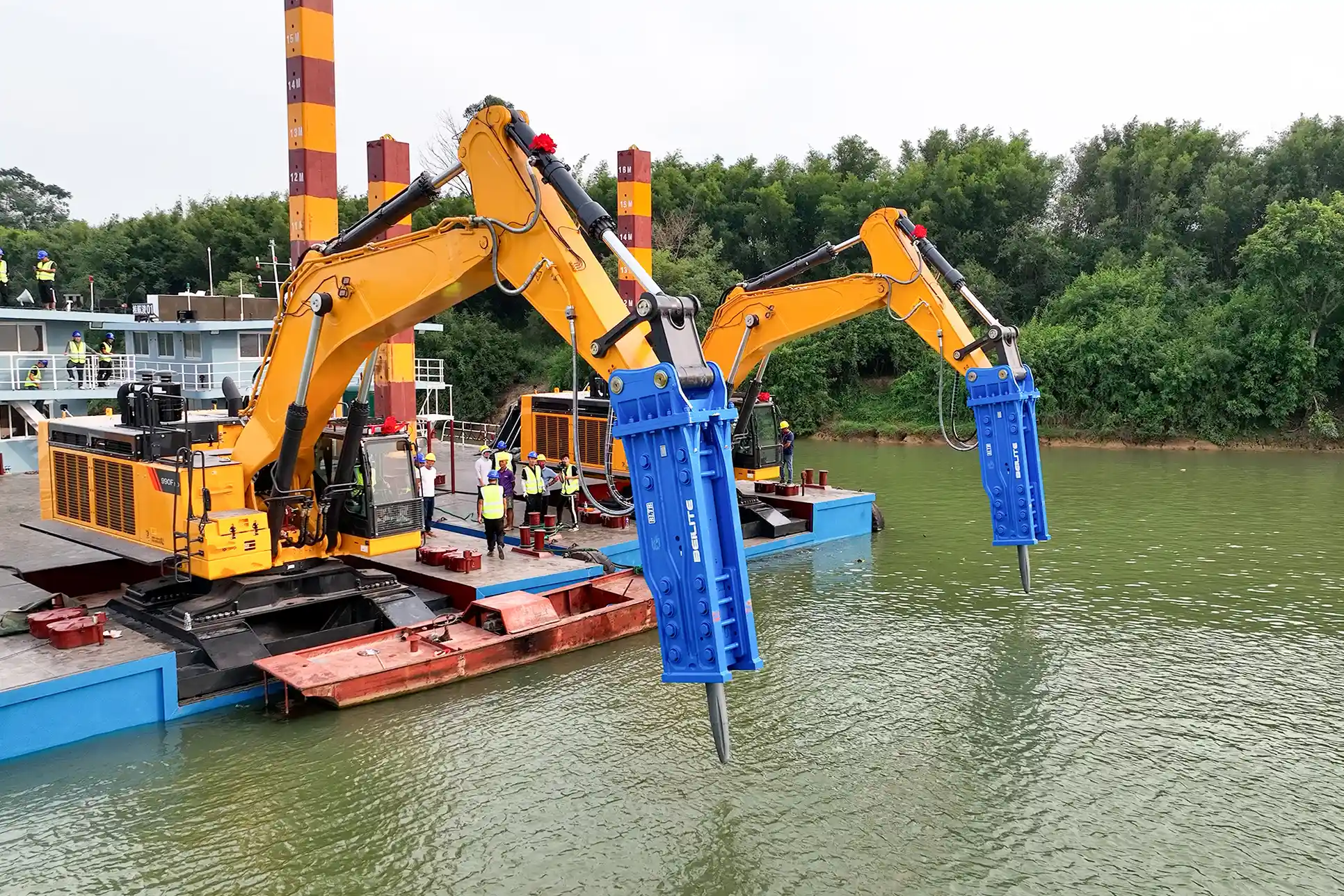
BEILITE Machinery Co., Ltd., a national high-tech enterprise founded in 2002, keeps pushing hydraulic breaker piston technology forward. Our work has produced numerous core technologies and hundreds of patents. We’ve also participated in developing national standards for hydraulic breakers in China.
Our BLT and BLTB products handle diverse conditions, from mining and quarrying to municipal work. The BLT-165, designed for 33-38t excavators, uses a 165mm chisel diameter and runs at 210-230 bar working pressure. This kind of robust design reflects ongoing R&D and a focus on quality that’s earned trust across more than 100 countries and regions.
Experience Beilite’s Superior Hydraulic Breakers
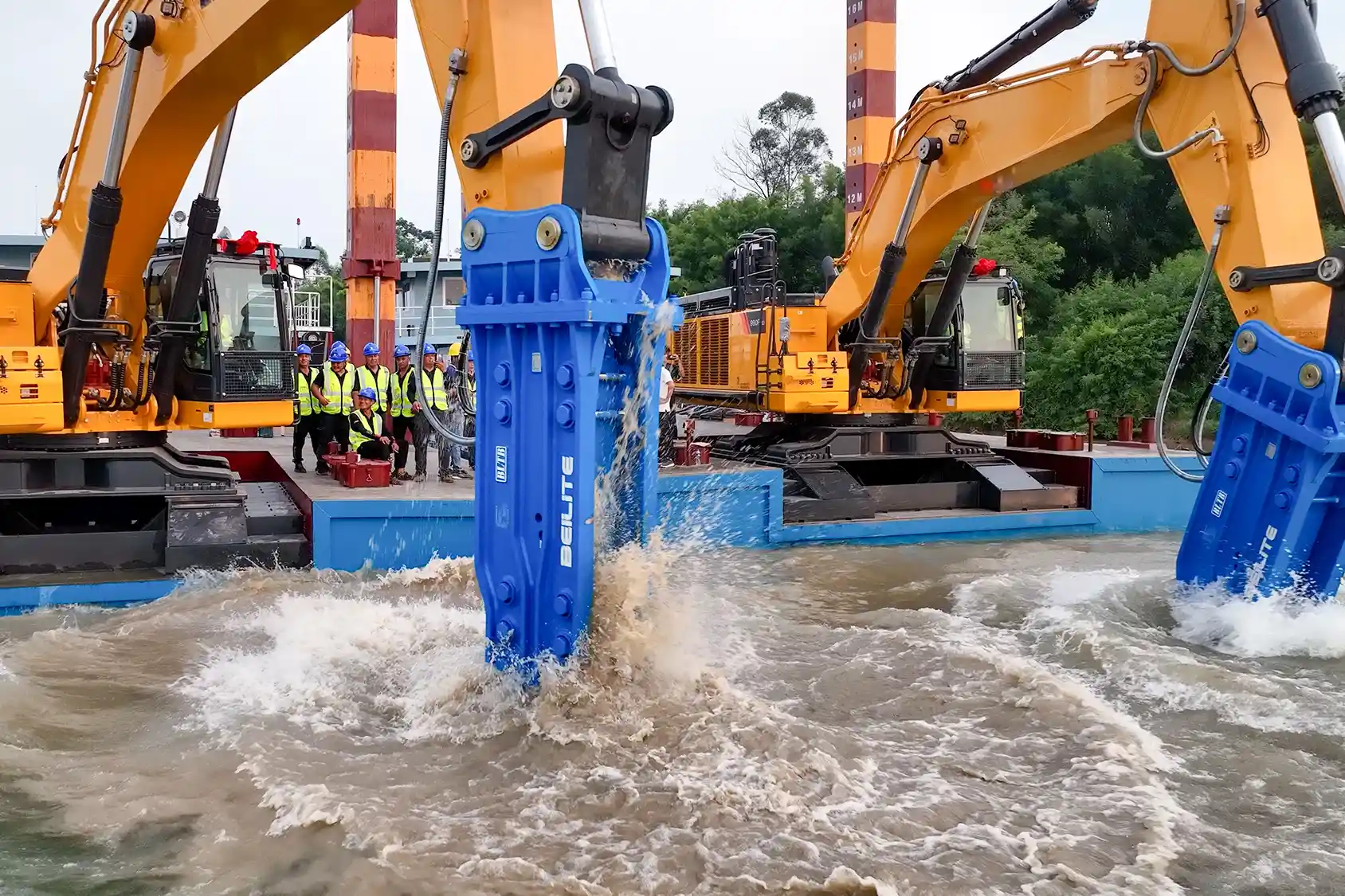
Discover the difference Beilite’s advanced engineering and commitment to quality make in hydraulic breaker performance. Our high-end solutions are designed for durability and efficiency, ensuring reliable operation in the most demanding environments. Contact us today to learn more about our product range and how we can meet your specific needs.
Email: [email protected]
Phone: 40008-40008
Frequently Asked Questions About Hydraulic Breaker Pistons
What are the critical material properties for a hydraulic breaker piston?
A hydraulic breaker piston needs high strength steel, strong wear resistance, and good toughness. Getting these properties right requires careful alloy selection and proper heat treatment so the piston can handle continuous high-impact forces. Beilite’s material work targets these characteristics for long-term durability.
How does piston design influence hydraulic breaker efficiency and impact force?
Piston diameter, stroke length, and weight all affect how efficiently energy moves from the hydraulic system to the tool. When geometry and weight distribution are optimized, more impact energy reaches the work surface. Beilite’s patented designs focus on these parameters to maximize delivered force while maintaining hydraulic efficiency.
What maintenance practices extend the lifespan of a hydraulic breaker piston?
Regular lubrication, seal inspections, and keeping operating pressure within spec are the foundation. A preventative schedule that includes timely seal replacement and proper greasing intervals makes a measurable difference. Beilite’s maintenance guidelines emphasize these practices for reliable long-term performance.