 English
 French
Hydraulic Breaker Parts Maintenance: Extend Equipment Life
Keeping a hydraulic breaker running well takes more than just fixing things when they break. After years of working with these machines across demolition sites, quarries, and underground tunnels, one pattern stands out clearly: the operators who treat maintenance as routine rather than reaction get dramatically more life from their equipment. The difference between a breaker that lasts five years and one that struggles past two often comes down to habits formed in the first few months of ownership.
Why Preventive Maintenance Pays Off
Hydraulic breakers operate under conditions that would destroy most equipment. Each impact cycle subjects internal components to extreme pressure spikes, while external surfaces face constant exposure to dust, debris, and vibration. This combination accelerates wear in ways that compound over time.
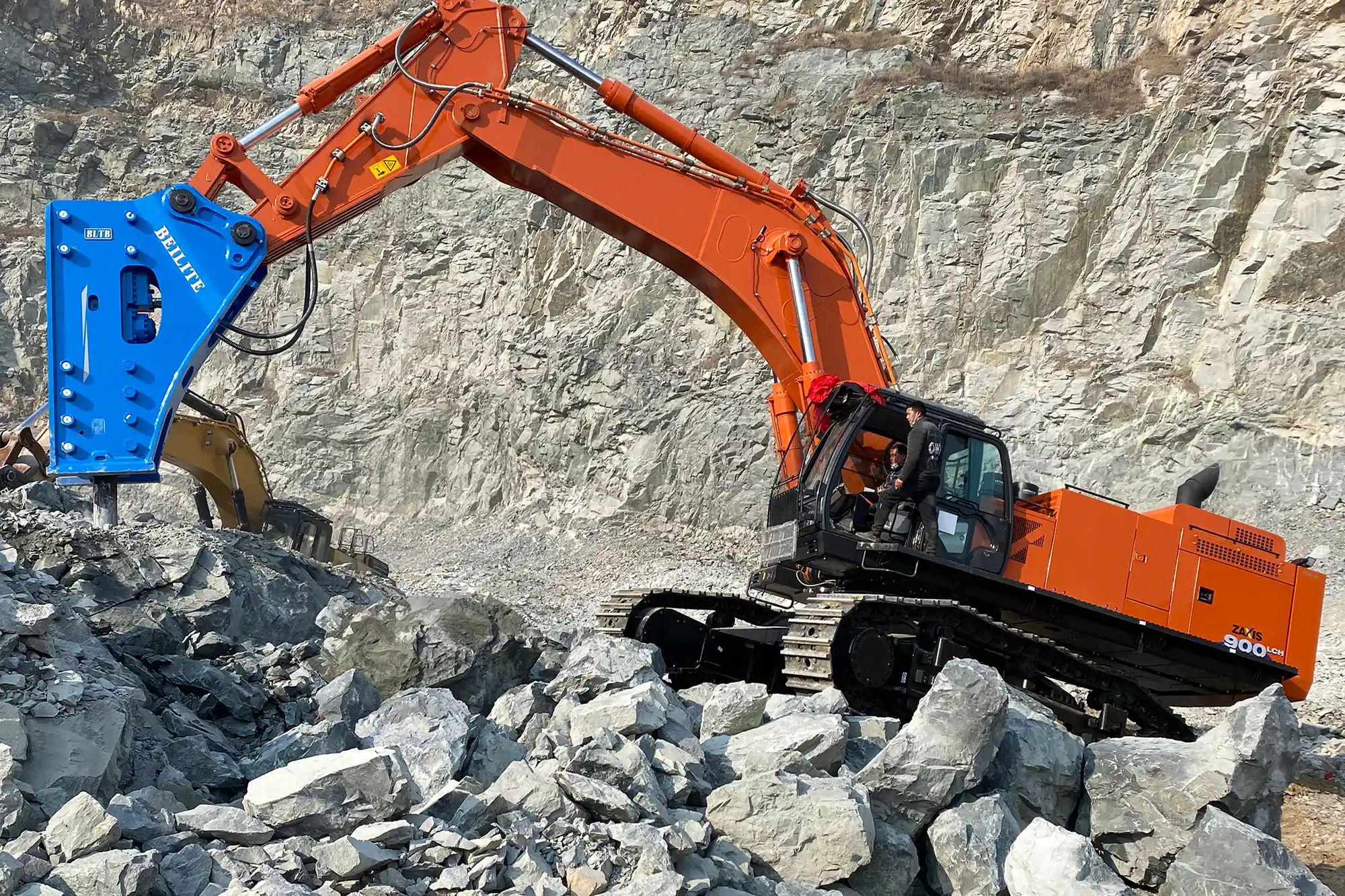
A structured preventive maintenance approach catches problems early, before a worn bushing becomes a seized piston or a slow leak becomes a catastrophic hose failure. The math works out consistently: spending a few hours each week on inspections and lubrication prevents days of unplanned downtime. Beyond the direct repair costs, consider what a broken breaker means for project timelines, crew scheduling, and equipment rental fees if a backup becomes necessary.
Effective hydraulic hammer maintenance involves systematic inspections, scheduled lubrication, and prompt replacement of worn components. These practices keep the breaker operating within its designed parameters. When components stay within spec, they wear predictably rather than failing suddenly.
Critical Components That Demand Attention
Every hydraulic breaker contains parts that wear faster than others. Knowing which components need frequent attention and which can be checked less often makes maintenance more efficient without sacrificing thoroughness.
What Causes Premature Wear in Hydraulic Breaker Parts?
Several factors accelerate component degradation beyond normal operating wear. Insufficient lubrication tops the list, creating metal-on-metal contact that generates excessive heat and friction. Running at incorrect operating pressure overstresses seals and internal surfaces. Contaminated hydraulic oil introduces abrasive particles that score precision-machined surfaces. Poor dust prevention allows grit into areas where tight tolerances matter most.
How Can I Extend the Service Life of My Hydraulic Breaker’s Chisel?
The chisel takes the most direct abuse of any component, absorbing impact energy while contacting abrasive materials. Daily inspection for cracks and wear patterns catches problems before they propagate. Proper grinding technique maintains the working edge without creating stress concentrations. Adequate lubrication between the chisel and its bushings reduces friction that would otherwise accelerate wear on both parts. Matching the tool bit to the material being broken also matters. Using a blunt point on reinforced concrete when a moil point would work better creates unnecessary stress throughout the system.
| Component | Inspection Frequency | Lubrication Frequency | Key Checks |
|---|---|---|---|
| Chisel/Tool Bit | Daily | Every 2-4 hours | Wear, cracks, sharpness, proper seating |
| Retainer Pins | Daily | Weekly | Wear, damage, secure fit |
| Bushings | Weekly | Every 2-4 hours | Wear, play, signs of scoring |
| Housing | Weekly | N/A | Cracks, deformation, secure bolts |
| Hydraulic Hoses | Daily | N/A | Leaks, chafing, proper connection |
| Tie Rods | Monthly | N/A | Torque, signs of stretching or damage |
| Seal Kits | Annually | N/A | Leaks, degradation, proper function |
A typical hydraulic breaker parts maintenance schedule involves daily visual inspections, weekly greasing and chisel checks, monthly hydraulic system and accumulator pressure verification, and annual comprehensive overhauls. Usage intensity affects these intervals. A breaker running eight hours daily in a quarry needs more frequent attention than one used occasionally for light demolition work.
Accumulator and Nitrogen Charging
The accumulator serves a specific purpose in the hydraulic circuit: it absorbs pressure spikes and stores energy to enhance impact force. Without proper nitrogen charging, the breaker either hits weakly or subjects the hydraulic system to damaging pressure fluctuations.
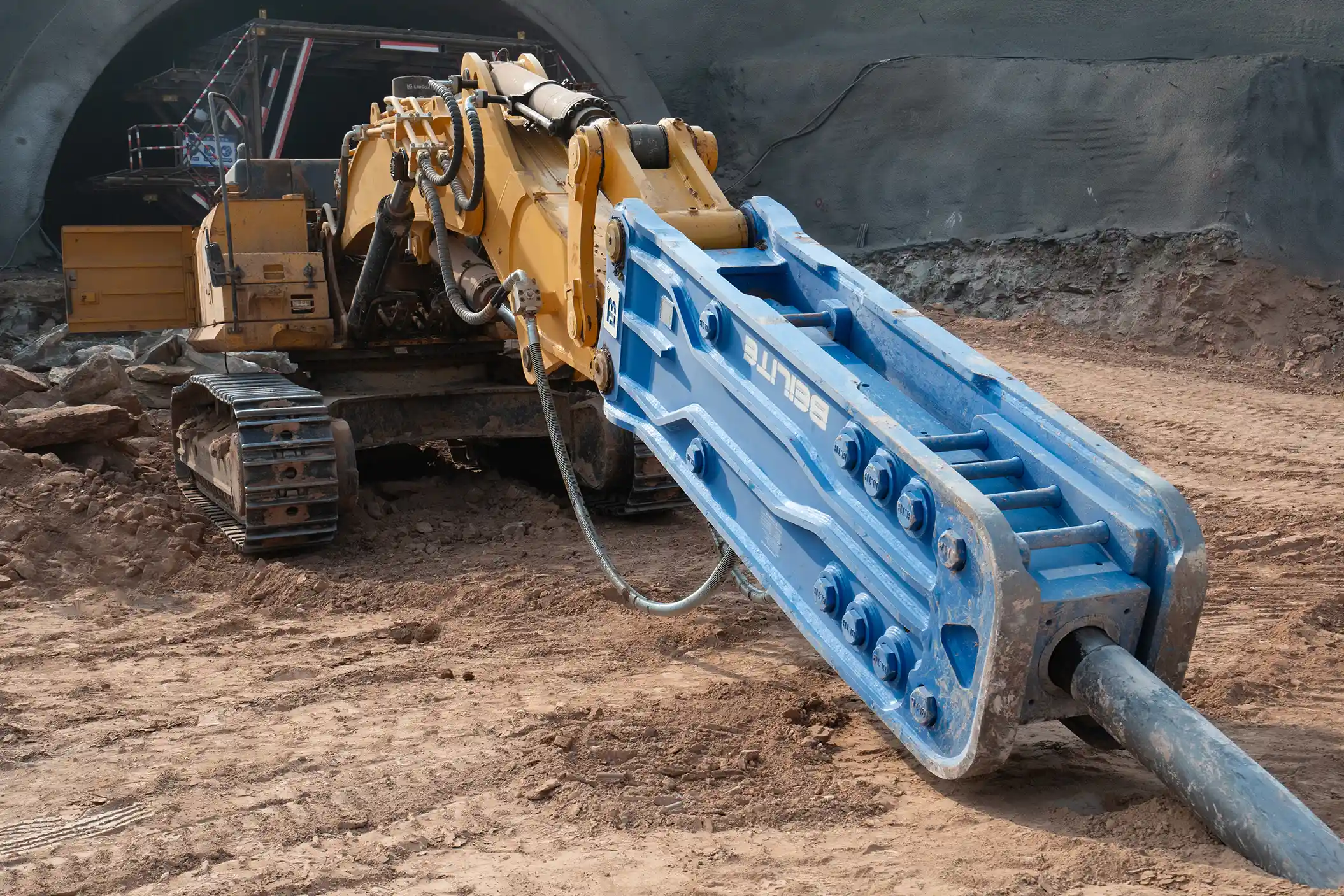
Checking nitrogen pressure requires a specialized gauge and should be performed by someone trained in the procedure. The consequences of getting it wrong run in both directions. Undercharged accumulators reduce impact energy and force the hydraulic pump to work harder. Overcharged accumulators create excessive stress on seals and can cause erratic operation. For reference, models like the BLT-70, BLT-75, and BLT-85 specify accumulator pressure between 55-60 bar. Other models have different requirements, so always verify against manufacturer specifications.
Hydraulic oil contamination during charging is a real risk. Even small amounts of moisture or debris introduced during the process can cause problems that show up weeks later as seal failures or valve malfunctions.
For more information on specialized equipment, you might find our article on 《Models for Scaling Machine》 insightful.
Troubleshooting Common Problems
When a hydraulic breaker starts acting up, systematic diagnosis prevents wasted time and unnecessary part replacements. Most symptoms point to a limited set of causes.
| Symptom | Possible Causes | Recommended Action |
|---|---|---|
| Low Impact Power | Low nitrogen pressure, worn chisel, incorrect oil | Check accumulator pressure, inspect chisel, verify oil flow/pressure |
| Overheating | Contaminated hydraulic oil, insufficient flow | Replace hydraulic oil, check oil cooler, inspect pump |
| Excessive Noise | Loose components, worn bushings, air in system | Tighten bolts, replace worn bushings, bleed hydraulic system |
| Oil Leaks | Damaged seal kits, loose fittings | Replace seal kits, tighten fittings, inspect hoses |
| Chisel Not Moving | Clogged filter, piston seizure, valve malfunction | Check filter, inspect piston, consult service manual for valve diagnostics |
Low power issues frequently trace back to nitrogen charging or worn tool bits. An overheating hydraulic breaker usually indicates contaminated oil or cooling system problems. Strange noises deserve immediate attention because they often signal loose components or worn bushings that will cause more serious damage if ignored.
Operational Habits That Extend Equipment Life
Maintenance schedules matter, but daily operating practices have just as much influence on long-term reliability. How operators handle the equipment during normal use determines whether components wear gradually or fail prematurely.
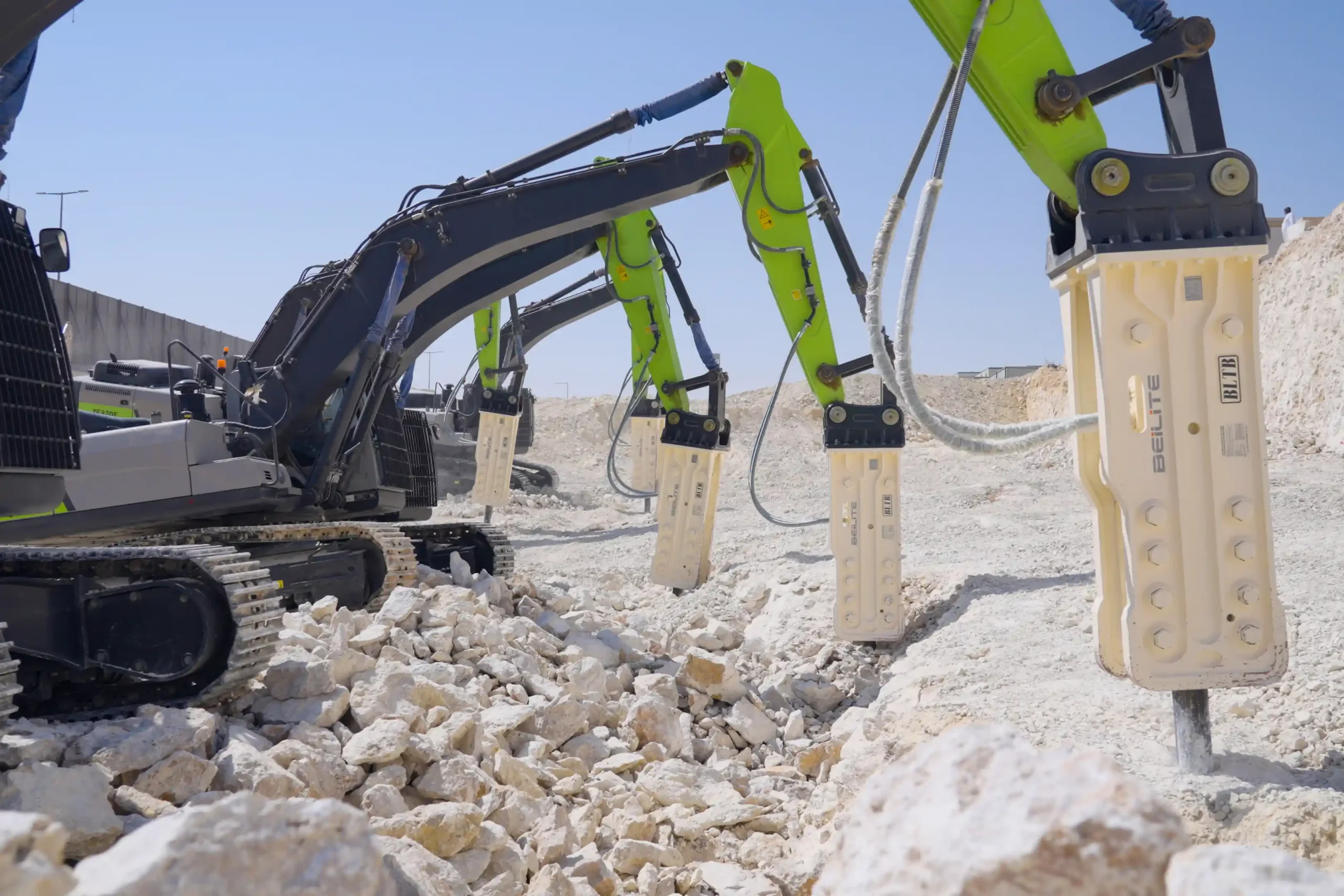
Proper training makes a measurable difference. Operators who understand how the breaker works tend to avoid practices that stress components unnecessarily. Blank firing, for example, damages internal parts rapidly. Operating at incorrect angles puts side loads on the chisel and bushings.
Storage conditions affect the equipment even when it sits idle. Protecting the breaker from moisture and temperature extremes prevents corrosion and seal degradation. Cold weather operation requires warming the hydraulic system before full-power use to prevent seal damage from stiff, cold oil.
Dust prevention through regular cleaning and proper greasing reduces abrasive wear on critical surfaces. The grease does more than lubricate; it also seals out contaminants that would otherwise work their way into precision fits.
For applications requiring specialized tools, consider exploring Hydraulic Breaker Hammer for Mining and Quarrying.
Genuine Parts and Professional Service
The temptation to save money with aftermarket parts is understandable, but the economics rarely work out favorably. Non-genuine parts often have dimensional variations or material differences that affect fit and durability. A bushing that costs 30% less but wears out twice as fast is no bargain, especially when you factor in the labor to replace it again.
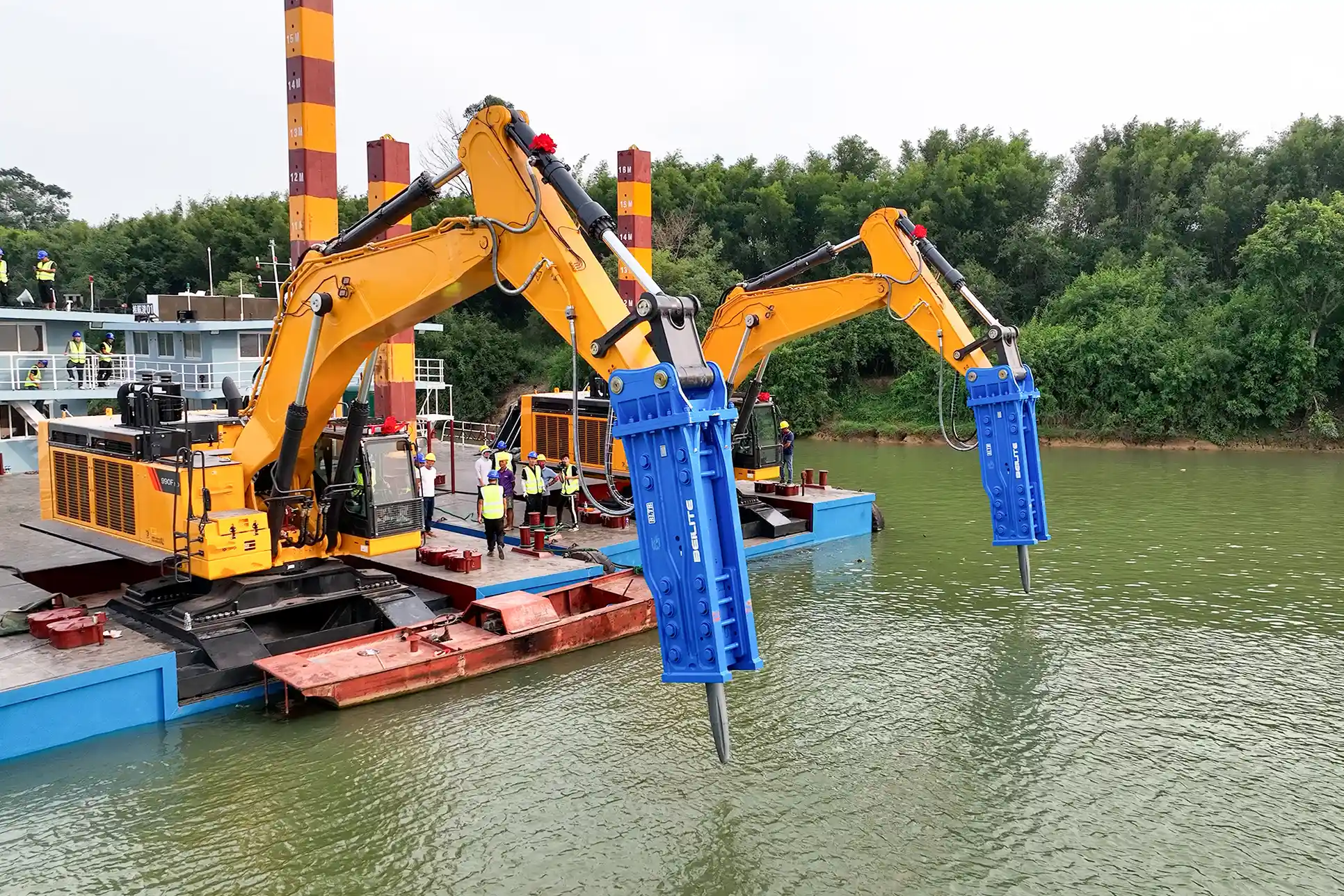
Warranty coverage adds another consideration. Installing non-genuine parts typically voids manufacturer warranties, leaving owners exposed to full repair costs if something fails. Authorized service centers have access to current technical information and specialized diagnostic equipment that general repair shops lack. Their technicians receive training specific to the equipment they service.
Quality hydraulic breaker parts engineered to original specifications ensure proper fit and predictable performance. When a seal kit matches the original design exactly, it seals correctly and lasts as long as expected. When a replacement chisel has the correct hardness and heat treatment, it wears at the anticipated rate.
Partner with Beilite for Unmatched Hydraulic Breaker Performance
As a national high-tech enterprise specializing in high-end hydraulic breakers since 2002, Beilite Machinery Co., LTD is dedicated to ensuring your equipment’s peak performance. For expert consultation, genuine parts, or advanced maintenance solutions that leverage our patented technologies and global expertise, contact us today at [email protected] or 40008-40008.
Frequently Asked Questions About Hydraulic Breaker Maintenance
What is the recommended maintenance schedule for hydraulic breakers?
Daily visual inspections catch obvious problems like leaks or loose fittings. Weekly greasing and chisel checks prevent wear-related failures. Monthly verification of hydraulic system pressure and accumulator charge keeps the breaker operating at full power. Annual comprehensive overhauls address wear that accumulates gradually. Heavy-use applications may need shorter intervals between service points.
Why is regular maintenance essential for hydraulic breaker lifespan?
Components that wear gradually can be replaced during scheduled service at predictable costs. Components that fail suddenly often damage adjacent parts, turning a simple repair into a major overhaul. Regular hydraulic hammer maintenance also maintains operating efficiency, meaning the same fuel and hydraulic power produces more useful work. The safety implications matter too. A breaker with worn components behaves less predictably than one in good condition.
What are the most critical hydraulic breaker parts to inspect regularly?
The chisel and its associated bushings see the most wear and need the most frequent attention. Retainer pins keep the chisel in place and can fail suddenly if worn. Housing integrity matters because cracks propagate under repeated stress. Hydraulic hoses develop wear from flexing and abrasion. Accumulator nitrogen pressure directly affects impact energy and hydraulic system stress. These components form the core of any hydraulic breaker parts maintenance program.