 English
 French
Hydraulic Breaker Noise Level: Advanced Mitigation Strategies
The relentless hammering of hydraulic breakers creates problems that extend far beyond the noise itself. Operators deal with fatigue and hearing risks. Neighbors file complaints. Project managers juggle compliance paperwork while trying to keep schedules on track. Getting the hydraulic breaker noise level under control touches everything from worker health to whether a project finishes on time and under budget.
How Hydraulic Breakers Generate So Much Noise
Hydraulic breakers produce their characteristic racket through a straightforward but powerful mechanism. A piston slams into the tool, the tool fractures material, and both events release substantial acoustic energy. The sound pressure levels climb quickly, and vibration travels through the breaker, into the carrier, and out into the surrounding area. Hydraulic system pulsations add another layer of noise on top of the mechanical impacts. Grasping these physics matters because effective mitigation starts with understanding what you’re actually trying to quiet down.
Regulatory Standards and What They Mean for Your Site
Construction noise regulations differ dramatically depending on where you’re working. Some jurisdictions measure average exposure over an eight-hour shift. Others focus on peak levels during specific time windows. OSHA sets worker exposure limits in the US, while European directives target environmental noise reaching residential areas. Local municipal codes often impose stricter requirements than national standards.
| Region/Authority | Typical Permissible dB Limit (Leq) | Notes |
|---|---|---|
| OSHA (USA) | 90 dBA (8-hour TWA) | Worker exposure limits |
| EU Directive | 55-65 dBA (Daytime, residential) | Environmental noise limits, site-specific |
| Local Municipal | Varies | Often stricter than national standards |
Monitoring equipment on site isn’t optional if you want to stay compliant. Penalties for violations add up fast, and the paperwork headaches multiply.
What Sustained Noise Does to Workers
The health consequences of prolonged exposure to high hydraulic breaker noise levels go beyond temporary ringing in the ears. Permanent hearing loss develops gradually, often before workers realize the damage. Fatigue sets in faster when the acoustic environment stays punishing. Stress hormones stay elevated. Concentration suffers, and accident rates climb. These aren’t abstract concerns. They show up in incident reports, workers’ compensation claims, and crew turnover. Hearing loss prevention programs and proper safety protocols earn their keep many times over.
Engineering Approaches That Actually Reduce Noise
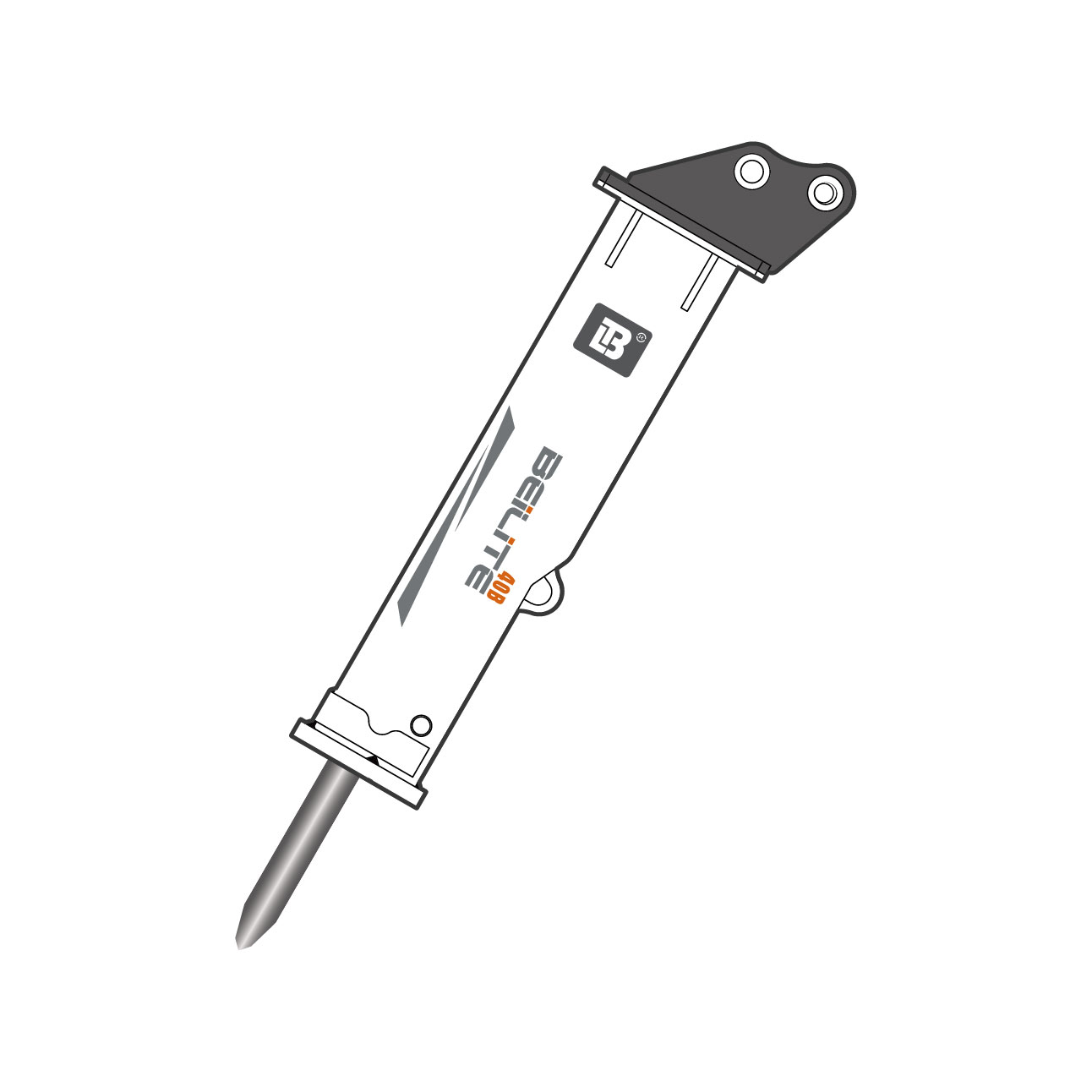
Manufacturers have made real progress building quieter breakers without sacrificing breaking power. The BLT and BLTB series from Beilite incorporate noise dampening technology, sound insulated housings, and vibration isolation systems. These aren’t marketing claims. The engineering changes produce measurable reductions in acoustic output while maintaining the performance specifications that matter for production.
Materials and Hydraulic System Design
Specialized alloys and polymer composites absorb impact energy that would otherwise radiate as sound. These materials also reduce vibration transfer through the breaker body. On the hydraulic side, pulsation dampening and optimized circuit designs quiet the flow noise and pressure fluctuations that contribute to overall sound levels. The metallurgy advances serve double duty, improving both durability and acoustic performance.
Operational Choices That Lower Site Noise
Equipment design only gets you partway there. How and where you operate the breaker matters too. Positioning noisy machinery to take advantage of natural barriers, or simply putting distance between the breaker and sensitive areas, cuts ambient noise reaching neighbors. Operator training programs that build noise awareness help crews adopt techniques that reduce unnecessary acoustic output.
Our range of Hydraulic Breaker Hammer for Demolition&Rock Breaking offers options designed for various site conditions and performance requirements.
Choosing and Maintaining Equipment for Acoustic Performance
Selecting breakers with certified low noise emissions puts you ahead from the start. But acoustic performance degrades if maintenance slips. Regular checks of seals, bushings, and hydraulic lines catch problems before they become noise sources. Periodic acoustic testing should be part of routine equipment audits. A breaker that met specifications when new might not stay quiet if components wear or connections loosen.
How Noise Levels Affect Project Outcomes
The connection between hydraulic breaker noise levels and project success runs through multiple channels. Excessive noise triggers work stoppages when complaints pile up. Fines eat into margins. Community opposition can delay permits for future phases. Projects that manage noise proactively tend to maintain better relationships with neighbors and avoid the schedule disruptions that come from regulatory intervention.
For tighter spaces or smaller carriers, our Hydraulic Breaker Hammer for Mini Compact Excavator provides appropriate sizing without compromising on noise control features.
Operator Comfort and Crew Productivity
Quieter equipment makes a tangible difference in how operators feel at the end of a shift. Less noise means better concentration and slower fatigue accumulation. The productivity gains show up in output numbers, and the safety improvements show up in reduced incident rates. Ergonomic considerations extend beyond seat cushions and control layouts. The acoustic environment shapes how effectively crews can work and how long they can sustain that effectiveness.
Where Noise Control Technology Is Heading
Development work continues on multiple fronts. Smart systems that predict noise output based on operating conditions are moving from research into practical applications. Active noise cancellation, long familiar in consumer electronics, is being adapted for construction equipment. Advanced materials keep improving. The trajectory points toward hydraulic hammers that run substantially quieter than current models while delivering equivalent or better breaking performance.
Frequently Asked Questions About Hydraulic Breaker Noise
What are the regulatory limits for hydraulic breaker noise on construction sites?
Regulatory limits for hydraulic breaker noise vary significantly by region and country, often measured in decibels (dB) over specific time frames. For instance, OSHA in the US sets permissible exposure limits for workers, while European directives focus on environmental noise. Understanding these specific hydraulic breaker noise level regulations is crucial for site compliance and avoiding penalties. Beilite hydraulic breakers are designed with these global standards in mind.
How can hydraulic breaker noise be effectively reduced without compromising performance?
Effective hydraulic breaker noise reduction involves a multi-faceted approach, combining engineering advancements and operational best practices. This includes utilizing breakers with sound-insulated housings, vibration dampening systems, and optimized hydraulic circuits. On-site strategies like strategic equipment placement, noise barriers, and operator training also contribute significantly to lowering the overall hydraulic breaker noise level without sacrificing demolition power.
What impact does excessive hydraulic breaker noise have on operator health and equipment lifespan?
Excessive hydraulic breaker noise levels pose significant risks to operator health, including permanent hearing damage, increased stress, and fatigue, which can lead to reduced concentration and accidents. For equipment, high vibration and noise can indicate undue stress on components, potentially accelerating wear and tear and shortening the hydraulic breaker’s lifespan. Prioritizing noise reduction directly contributes to both operator well-being and equipment longevity.
Are there specific hydraulic breaker models designed for low noise operation?
Yes, leading manufacturers like BEILITE Machinery Co., LTD. develop specific hydraulic breaker models engineered for reduced noise output. These models often incorporate advanced features such as fully enclosed sound-dampening casings, specialized internal components to minimize impact noise, and anti-vibration systems. When selecting a hydraulic breaker, look for specifications that detail its acoustic performance and adherence to low hydraulic breaker noise level standards.
Beilite’s Approach to Quieter, More Effective Breaking
BEILITE Machinery Co., LTD. has been developing hydraulic breakers since 2002, earning national high-tech enterprise recognition along the way. The BLT and BLTB series products reflect ongoing investment in noise reduction technologies alongside performance and durability improvements. For projects where noise compliance matters, or where you simply want to reduce the acoustic burden on crews and communities, these breakers offer a practical path forward. Reach out at [email protected] or call 40008-40008 to discuss your specific requirements and explore what’s available for your application.