 English
 French
Hydraulic Breaker Nitrogen Chamber: Advanced Performance Guide
Hydraulic breakers live or die by their internal components, and the nitrogen chamber sits at the heart of that equation. This accumulator does more than store gas—it determines whether your breaker delivers consistent power or gradually loses its punch over hundreds of operating hours. Getting this component right means better output and fewer surprises on the job site.
Why Nitrogen Matters for Breaker Performance
Nitrogen gas inside a hydraulic breaker works as both an energy reservoir and a shock absorber. The gas pressure system directly shapes how much impact energy reaches the tool and how stable the operation feels throughout a shift.
Here’s what actually happens during each cycle: when the piston retracts, hydraulic oil compresses the nitrogen gas in the accumulator, storing potential energy. That stored energy releases on the forward stroke, adding force to the hydraulic pressure already driving the piston. The result is a harder, more consistent blow against whatever material you’re breaking.
The nitrogen chamber also buffers the hydraulic system against pressure spikes. Every time the piston recoils after impact, it generates a surge that could damage the excavator’s pump and seals over time. The nitrogen absorbs that surge before it reaches sensitive components.
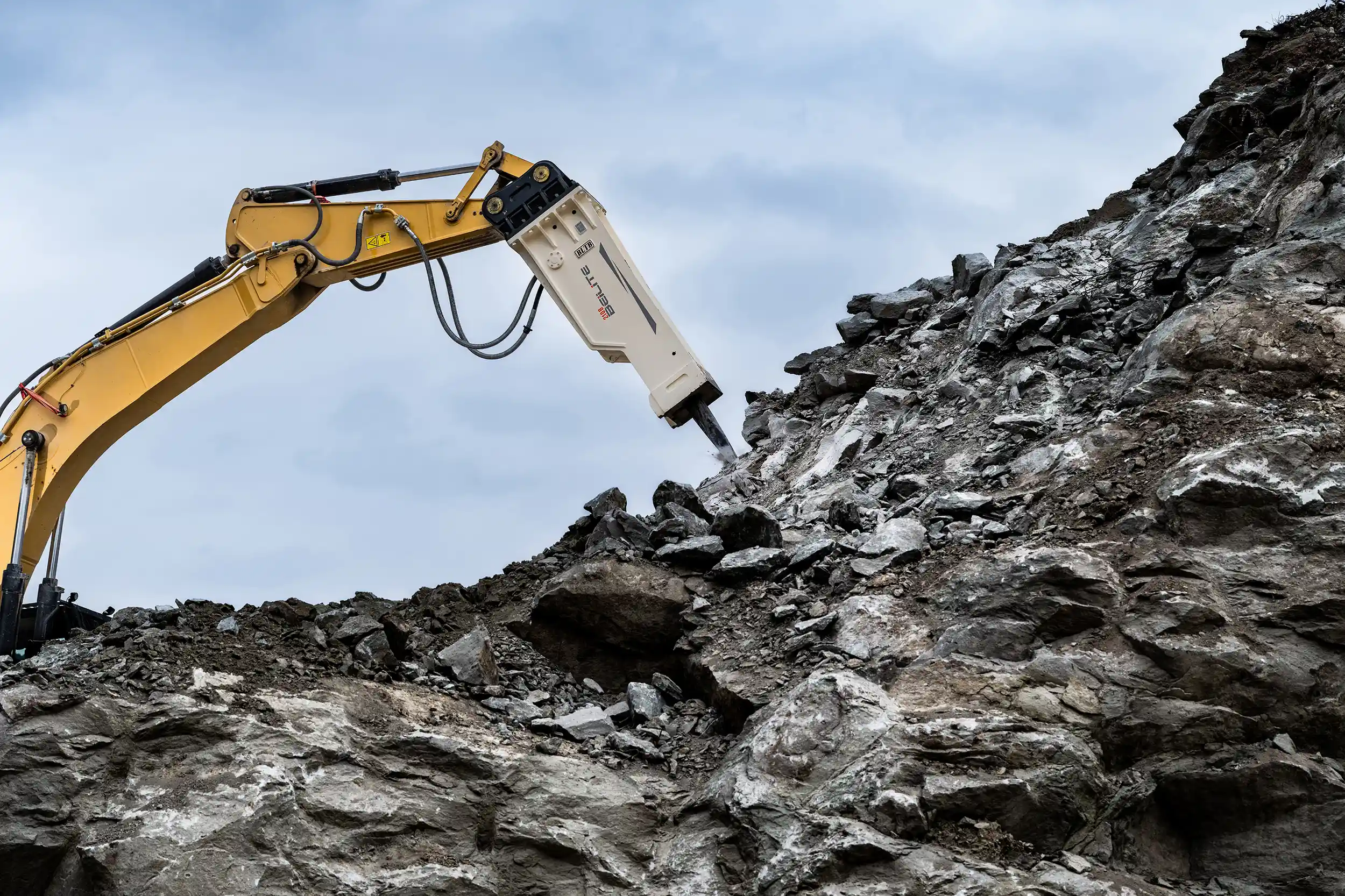
When nitrogen pressure drops below spec, the problems compound quickly. Breaking power falls off. Component wear accelerates. The excavator’s hydraulic system takes hits it wasn’t designed to handle. Maintaining proper nitrogen levels isn’t optional maintenance—it’s the baseline for keeping everything running.
The physics here matter: hydraulic energy converts to kinetic energy through the interplay between oil pressure and compressed gas. Understanding that relationship helps explain why small pressure deviations create noticeable performance changes.
Inside the Nitrogen Accumulator
The accumulator packs sophisticated engineering into a relatively compact package. A robust housing contains nitrogen gas on one side and hydraulic oil on the other, separated by a flexible diaphragm or bladder. That diaphragm—typically made from durable, elastic material—handles high pressures and thousands of compression cycles without failing.
A charging valve provides access for initial pressurization and subsequent adjustments. This valve needs to seal perfectly; even minor leaks gradually degrade performance. The diaphragm itself prevents any mixing between nitrogen and hydraulic oil, which would compromise both systems immediately.
During operation, hydraulic oil enters the accumulator as the piston returns upward. This compresses the nitrogen against the diaphragm, storing energy that releases rapidly on the downstroke. The stored energy augments hydraulic force, delivering more impact than hydraulic pressure alone could generate.
These internal components work together in a precise sequence. When everything functions correctly, energy transfer stays efficient and shock absorption protects the broader hydraulic system. When components degrade, the effects show up as inconsistent power and increased stress throughout the machine.
Regular inspection of the diaphragm and charging valve catches problems before they cascade. A well-maintained accumulator extends operational life and keeps efficiency high.
What Does Nitrogen Actually Do in a Hydraulic Breaker
Nitrogen serves two distinct purposes inside the breaker. First, it acts as a gas spring—storing hydraulic energy during the upward stroke, then releasing that energy to boost the downward impact. This augmentation makes the breaker significantly more powerful than hydraulic force alone would allow.
Second, nitrogen provides shock absorption by cushioning pressure spikes after each impact. This dual function protects hydraulic components from excessive stress while delivering smoother, more consistent operation. The energy stored in the nitrogen chamber contributes directly to overall breaking power.
Getting Nitrogen Pressure Right
Correct nitrogen pressure separates efficient breakers from problematic ones. Pressure that’s too low produces weak impacts and strains the hydraulic system. Pressure that’s too high accelerates component wear and reduces efficiency. Either direction creates problems.
Accurate charging requires a specialized kit: nitrogen pressure gauge, charging hose, and an adapter that fits your breaker’s valve. Before connecting anything, depressurize the breaker and shut down the engine. Connect the hose securely, then introduce nitrogen slowly from a certified cylinder until you reach the specified pressure.
Pressure specifications vary significantly by model. Smaller breakers like the BLT-40 and BLT-45 typically need rear cylinder nitrogen pressure between 14–17 bar. Larger models—BLT-70, BLT-75, BLT-85, BLT-100, BLT-125, BLT-140, BLT-150, BLT-155, and BLT-165—often use accumulator nitrogen pressure of 55–60 bar alongside rear cylinder pressure of 14–22 bar. The BLT-135 specifies a different rear cylinder pressure of 6–8 bar.
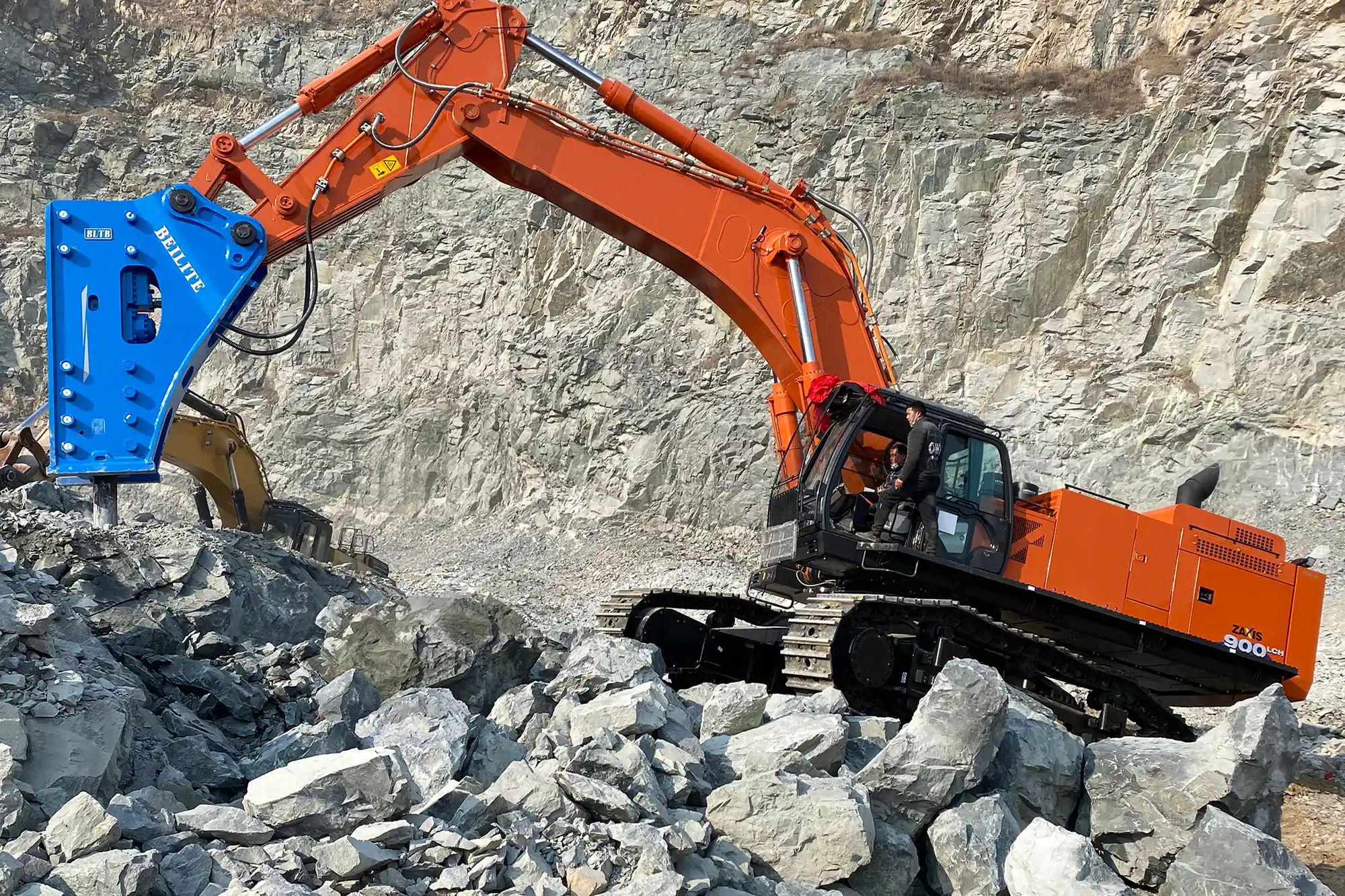
These numbers aren’t suggestions. Manufacturer pressure charts exist because each model’s hydraulic system expects specific gas behavior. Checking and adjusting pressure during routine maintenance prevents the gradual performance decline that catches operators off guard.
Recharging Frequency
Usage intensity and operating conditions determine how often you should check nitrogen pressure. A reasonable baseline is every 100-200 operating hours, or during scheduled maintenance intervals. Breakers working in demanding applications warrant more frequent checks.
Monitoring pressure regularly prevents the slow degradation that eventually shows up as weak impacts or excessive recoil. Following the maintenance schedule in your operator’s manual minimizes unexpected downtime and avoids repairs that could have been prevented.
When Things Go Wrong
Troubleshooting nitrogen chamber issues requires systematic diagnosis. Pressure loss, diaphragm failure, and seal leaks each present differently, and identifying the actual problem saves time and parts.
Pressure loss typically shows up as decreased impact force or increased recoil. The breaker still operates, but something feels off. A pressure gauge check confirms whether you’re below spec. The cause might be a leaking charging valve, a compromised diaphragm, or worn accumulator seals.
Diaphragm failure creates more obvious symptoms: erratic blow frequency, excessive vibration, or hydraulic oil contaminated with nitrogen. A ruptured diaphragm allows oil and gas to mix, which causes severe operational problems and risks damage throughout the hydraulic system. Visual inspection or pressure testing can identify diaphragm integrity issues.
Seal leaks around the charging valve or accumulator housing show up as visible oil seepage. These leaks cause gradual pressure loss and reduced performance over time.
For diagnosing pressure loss, start with the charging valve. Apply soapy water and watch for bubbles—they indicate a leak. If the valve checks out, internal components are likely compromised, and you’re looking at accumulator repair. Replacing seals and diaphragms requires proper tools and technique to ensure correct reassembly.
Early detection matters. Catching these issues before they cascade reduces repair costs and keeps the breaker operational.
Recognizing Accumulator Problems
Several operational signs point toward accumulator trouble. Weak impacts—where the breaker struggles with material it previously handled easily—often indicate low nitrogen pressure or diaphragm damage. Erratic blow frequency, where the rhythm becomes irregular, suggests similar issues.
Excessive recoil transmitted to the excavator signals that the accumulator isn’t absorbing pressure spikes properly. Increased oil temperature and unusual operating noises also warrant investigation. These symptoms call for immediate inspection to prevent further damage.
Materials and Design That Last
High-performance accumulators start with material selection. Diaphragms made from specialized elastomers resist extreme pressures, temperature swings, and hydraulic fluid degradation. These materials maintain elasticity and tear strength over thousands of cycles, extending service life even under demanding conditions.
Accumulator housings benefit from forged steel construction, providing strength and impact resistance. Internal surfaces receive precision machining and treatment to minimize friction and wear. Advanced sealing technologies—multi-lip seals and O-rings from high-grade compounds—prevent nitrogen and oil leakage effectively.
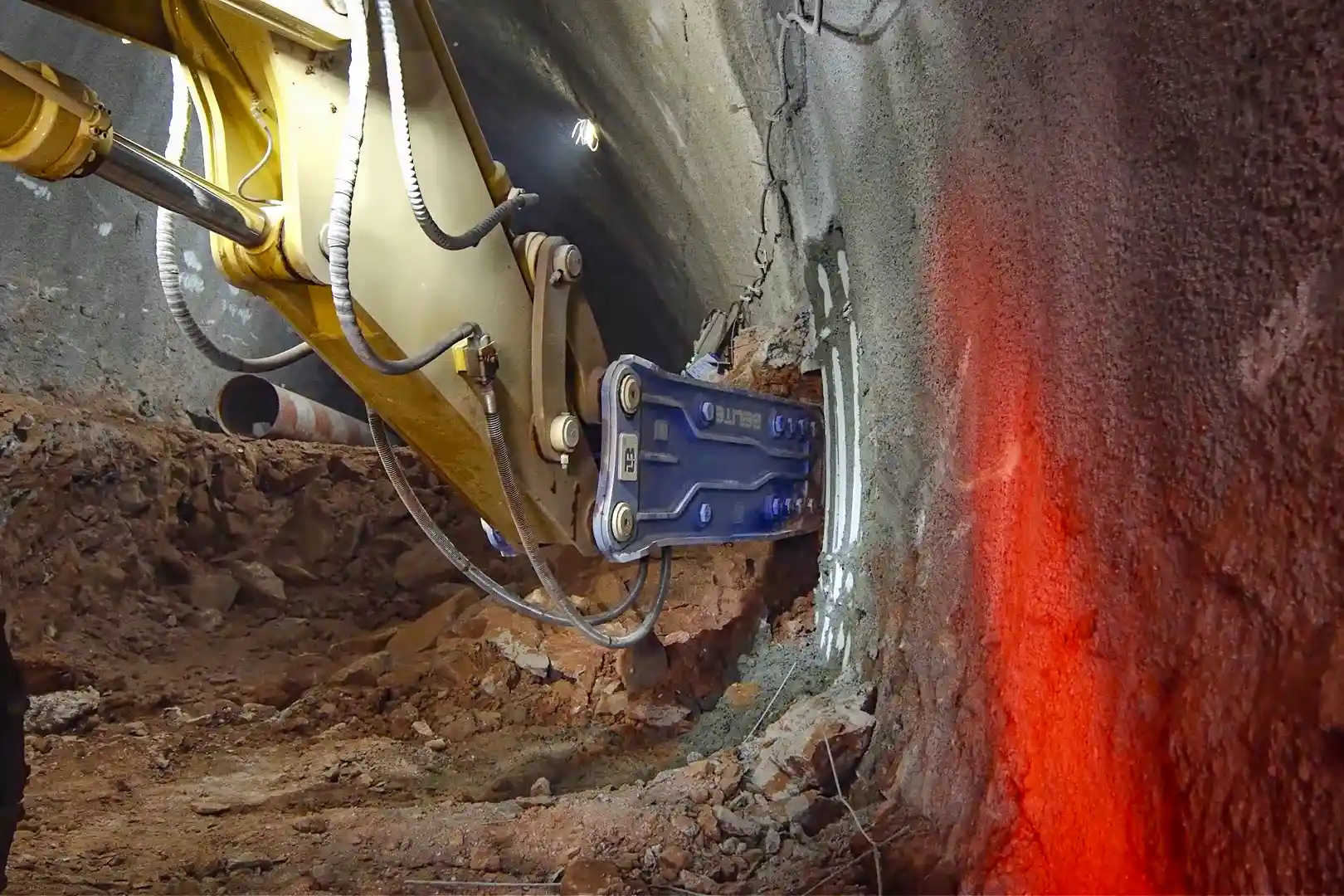
This attention to materials and manufacturing translates directly to consistent performance and reliability. Better components mean less maintenance and lower operating costs over the equipment’s lifetime.
BEILITE’s Approach to Nitrogen Systems
BEILITE Machinery Co., Ltd. has focused on hydraulic breaker development since 2002, with nitrogen chamber technology representing a core area of expertise. The company’s involvement in formulating national standards for hydraulic breakers in China reflects deep technical knowledge in this field.
BLT and BLTB brand products operate in over 100 countries, featuring nitrogen systems engineered for varied working conditions. From compact models like the BLT-40 and BLT-45 designed for 0.5–1.5 t excavators, to heavy-duty units such as the BLT-165 for 33–38 t machines, each breaker integrates precisely calibrated nitrogen accumulators. These systems deliver consistent impact energy across the product range.
Hundreds of patents reflect ongoing development work, and the company’s position as a high-tech enterprise supports continued innovation in hydraulic breaker technology.
Get More From Your Equipment
BEILITE’s hydraulic breaker technology builds on decades of development and hundreds of patents. The BLT and BLTB series deliver advanced nitrogen chamber designs for superior impact performance and extended service life. For consultation and solutions tailored to your applications, reach out at [email protected] or call 40008-40008.
Frequently Asked Questions
What is the primary function of the hydraulic breaker nitrogen chamber
The nitrogen chamber, or accumulator, handles two jobs: storing energy from the hydraulic system to boost impact force, and absorbing recoil pressure spikes to protect hydraulic components. This gas spring effect keeps breaking performance consistent and powerful.
How often should the nitrogen in a hydraulic breaker’s accumulator be checked and recharged
Check nitrogen pressure every 100-200 operating hours or during routine maintenance. Usage intensity and operating conditions affect the schedule—demanding applications warrant more frequent checks. Regular monitoring prevents performance degradation and potential damage.
What are the common indicators of a faulty nitrogen accumulator in a hydraulic breaker
Watch for reduced impact power, erratic blow frequency, excessive recoil or vibration, increased oil temperature, and unusual operating noises. These symptoms typically indicate low nitrogen pressure or diaphragm damage, requiring immediate inspection and service.