 English
 French
Hydraulic Breaker Log Book: Essential for Performance and Longevity
Managing heavy equipment well can make or break operations in construction, mining, and demolition. One tool that often gets overlooked but delivers real value is a properly maintained hydraulic breaker log book. This isn’t paperwork for the sake of paperwork. It’s a practical system that directly affects how long your equipment lasts, how smoothly your operations run, and what kind of return you actually see on your investment. When you document everything from daily inspections to major overhauls, you catch problems before they become expensive, keep maintenance on track, and protect the value of your assets over time.
What Goes Into a Hydraulic Breaker Log Book That Actually Works
A hydraulic breaker log book functions as the complete historical record for each unit. It captures everything that matters about how the equipment has been used and maintained. Getting the right information into these records consistently makes the difference between useful documentation and wasted effort.
Daily Checks and Pre-Operational Inspections
Daily checks form the foundation of proactive maintenance and keep operators safe. These routine inspections stop small problems from turning into major failures that shut down work unexpectedly. The log book needs to capture specific details from these checks.
Record the date and time of each inspection along with the operator’s name or ID. Document the current hour meter reading. Note any visible damage, leaks, or unusual wear on the breaker body, hoses, and chisel during visual inspection. Check the chisel for cracks, excessive wear, or bluntness. Confirm that grease has been properly applied to the tool bushing. Examine hydraulic hoses for abrasions, kinks, or leaks. Verify the nitrogen gas pressure in the accumulator. For a BLT-70, this should read 55–60 bar. Make sure the carrier’s hydraulic oil sits at the correct level. Record any unusual noises or vibrations observed during a brief test run. Confirm that all safety protocols have been followed.
Scheduled Maintenance and Component Replacements
Detailed records of scheduled maintenance help extend equipment lifespan and keep spare parts inventory under control. These entries track planned work and component changes.
Record the exact date of each service along with the type of maintenance performed, whether that’s a 250-hour service, 500-hour service, or another interval. List all parts that were changed, including seals, bushings, and chisels. Include part numbers for accurate inventory management and future ordering. Document when the rear head nitrogen gas pressure was checked and recharged. For a BLT-150, this pressure should be 17–20 bar. Record dates of hydraulic oil filter replacements. Note which technician performed the work. Track adherence to manufacturer-recommended service schedules. Record chisel wear measurements to predict when replacements will be needed. Document dates and types of seal kits installed.
| Category | Key Information to Record | Purpose |
|---|---|---|
| Daily Checks | Date, Operator, Hours, Visual Status | Proactive issue detection, safety |
| Maintenance | Service Date, Type, Parts Replaced | Longevity, compliance, inventory |
| Repairs | Date, Issue, Resolution, Cost | Troubleshooting, cost analysis |
| Performance | Operating Hours, Impact Rate, Pressure | Efficiency tracking, optimization |
| Consumables | Grease Usage, Chisel Life | Resource management |
Why Detailed Records Actually Matter for Breaker Performance
Detailed logbook keeping functions as a strategic asset rather than just administrative overhead. The systematic approach to hydraulic hammer maintenance produces actionable data that translates directly into less downtime, better efficiency, and lower total ownership costs. Without accurate records, operators and maintenance teams work with incomplete information. They end up reacting to problems instead of preventing them. This leads to faster wear, unexpected failures, and significant disruptions to operations. Consistent monitoring of operating hours and proper tool lubrication prevents premature wear on critical components. Tracking nitrogen gas pressure and hydraulic oil contamination helps maintain optimal rock breaker efficiency.
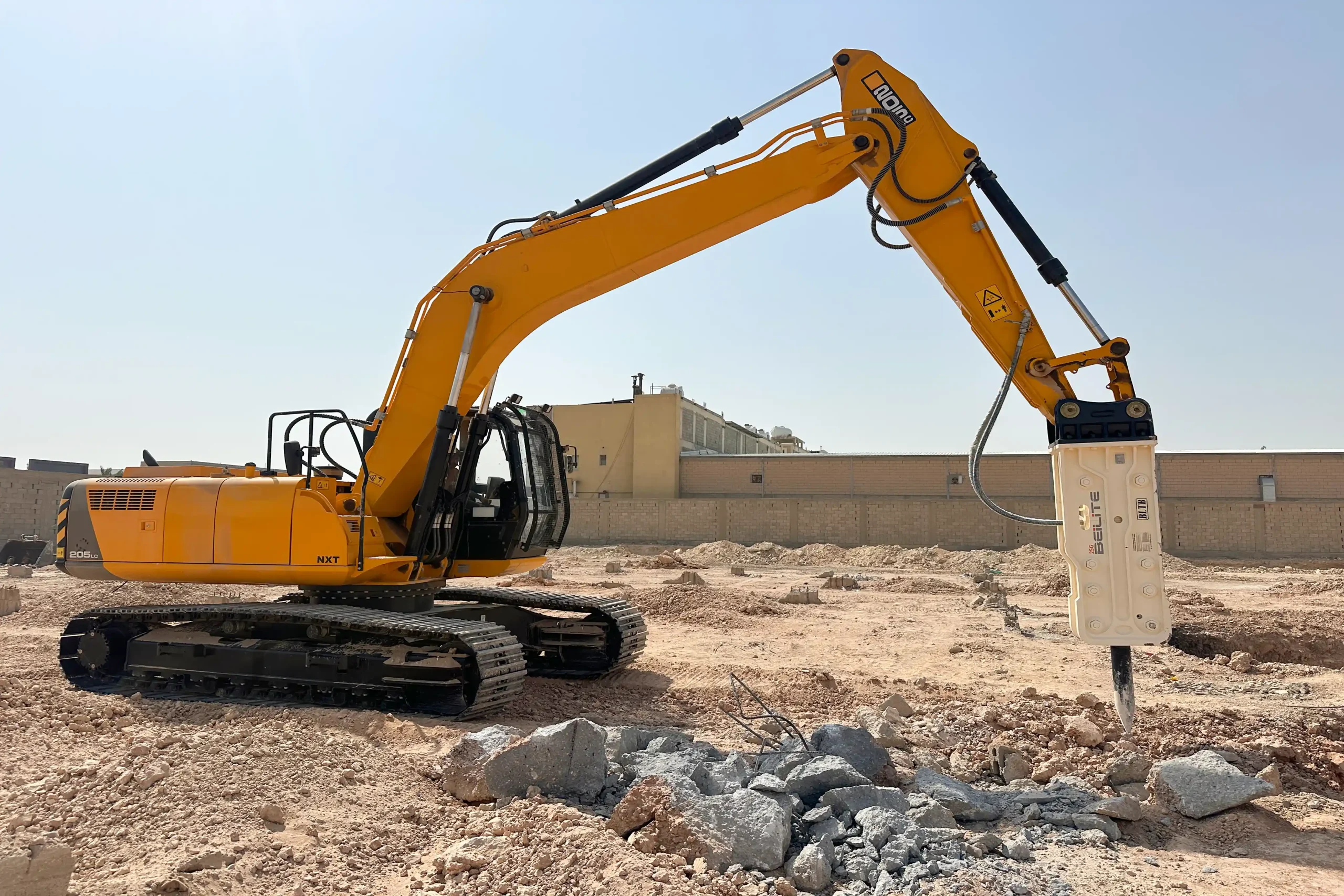
Comprehensive logbooks enable thorough equipment performance tracking. Analyzing trends in operating hours, impact rates, and repair frequencies reveals patterns that would otherwise stay hidden. These insights support predictive maintenance, allowing for timely interventions before minor issues become major breakdowns. This proactive approach keeps productivity high and avoids costly emergency repairs. If a BLT-100 hydraulic breaker designed for 10–14 t excavators with a working pressure of 150–170 bar consistently shows performance deviations, the log book data can pinpoint exactly which operational conditions or maintenance gaps contributed to the problem. This data-driven approach supports effective troubleshooting and ensures each hydraulic breaker Hammer operates within its optimal parameters.
Warranty Protection, Resale Value, and Compliance
A well-maintained log book provides verifiable proof of proper maintenance and operational history. Manufacturers often require detailed service records to honor warranties. Without them, costly repairs fall entirely on the owner. A comprehensive logbook also significantly increases resale value. Buyers pay more for equipment with a transparent, well-documented history of care because it signals reliability and longer remaining service life. This documentation also ensures compliance with industry standards and regulatory requirements, reducing legal and safety risks.
Moving to Digital Solutions for Hydraulic Breaker Log Books
The shift from paper log books to digital solutions represents a significant step forward in heavy equipment management. Digital platforms offer better data accuracy, real-time tracking, and sophisticated analytics capabilities. These systems can integrate with broader fleet management platforms, providing a complete view of equipment status and performance. Digital tools streamline data entry, reduce human error, and make information instantly accessible to everyone who needs it. This shift enables more dynamic and responsive maintenance planning that moves beyond fixed schedules to condition-based approaches.
Digital platforms collect richer data sets including sensor readings, GPS tracking, and automated fault codes. This information can be analyzed to identify operational inefficiencies, predict potential failures, and optimize how resources get allocated. Monitoring the performance of a Hydraulic Breaker Hammer for Mini Compact Excavator like the BLT-45, which works with 0.8–1.5 t excavators, can reveal specific operational patterns that increase wear. This allows for adjustments in operator training or procedures. Quick and reliable access to historical data proves invaluable for diagnostics and continuous improvement.
| Feature | Manual Log Book | Digital Log Book |
|---|---|---|
| Data Entry | Handwritten, prone to errors | Digital input, often automated |
| Accessibility | Limited, physical location | Cloud-based, real-time access |
| Data Analysis | Time-consuming, manual | Automated reports, trend analysis |
| Storage | Physical space, wear & tear | Secure cloud storage, scalable |
| Cost | Low initial, high long-term (errors) | Higher initial, lower long-term (efficiency) |
| Integration | None | Seamless with other systems |
What Makes a Digital Maintenance Platform Effective
Effective digital maintenance platforms for hydraulic breakers share several core features. They should offer real-time tracking of operating parameters including impact hours, pressure readings, and temperature. Robust reporting tools generate customized reports on maintenance history, repair costs, and performance trends. Automated scheduling features alert teams to upcoming maintenance tasks. User-friendly interfaces ensure widespread adoption among operators and technicians. Mobile access allows on-site personnel to update records and access information from the field.
Connecting Log Book Data to Fleet Management
Integrating logbook data with comprehensive fleet management systems creates significant strategic advantages. This integration provides a unified view of all assets, enabling holistic fleet optimization. Combining hydraulic breaker data with information from other heavy equipment helps managers identify interdependencies, optimize equipment utilization, and streamline maintenance workflows across the entire fleet. This leads to more accurate predictive maintenance where work gets done based on actual equipment condition rather than fixed schedules. Understanding attachment compatibility and usage patterns across different machines informs better procurement decisions and ensures optimal resource deployment.
Practices That Keep Your Log Book Accurate and Useful
Maintaining an accurate and actionable log book requires consistent processes and ongoing training. The value of a log book depends directly on the quality and completeness of its entries.
Implement clear, step-by-step standardized maintenance procedures for all routine checks and service tasks. This ensures consistency in data collection and execution. Provide comprehensive operator training on the importance of log book entries and correct recording methods. Assign responsibility for overseeing log book integrity to a specific individual or team. Emphasize making entries immediately after tasks are completed rather than delaying. Encourage descriptive notes for any observations, issues, or repairs since vague entries diminish the log book’s troubleshooting value. Require a second party or supervisor to verify and sign off on critical entries, especially after major maintenance or repairs. For physical log books, implement regular digital backups to prevent data loss. Conduct periodic audits of log book entries to identify discrepancies and ensure compliance with protocols. Establish a feedback mechanism where insights from log book data get shared with operators and maintenance teams. Keep the log book easily accessible to authorized personnel who need to consult or update it.
Using Log Book Data to Improve Hydraulic Breaker Performance
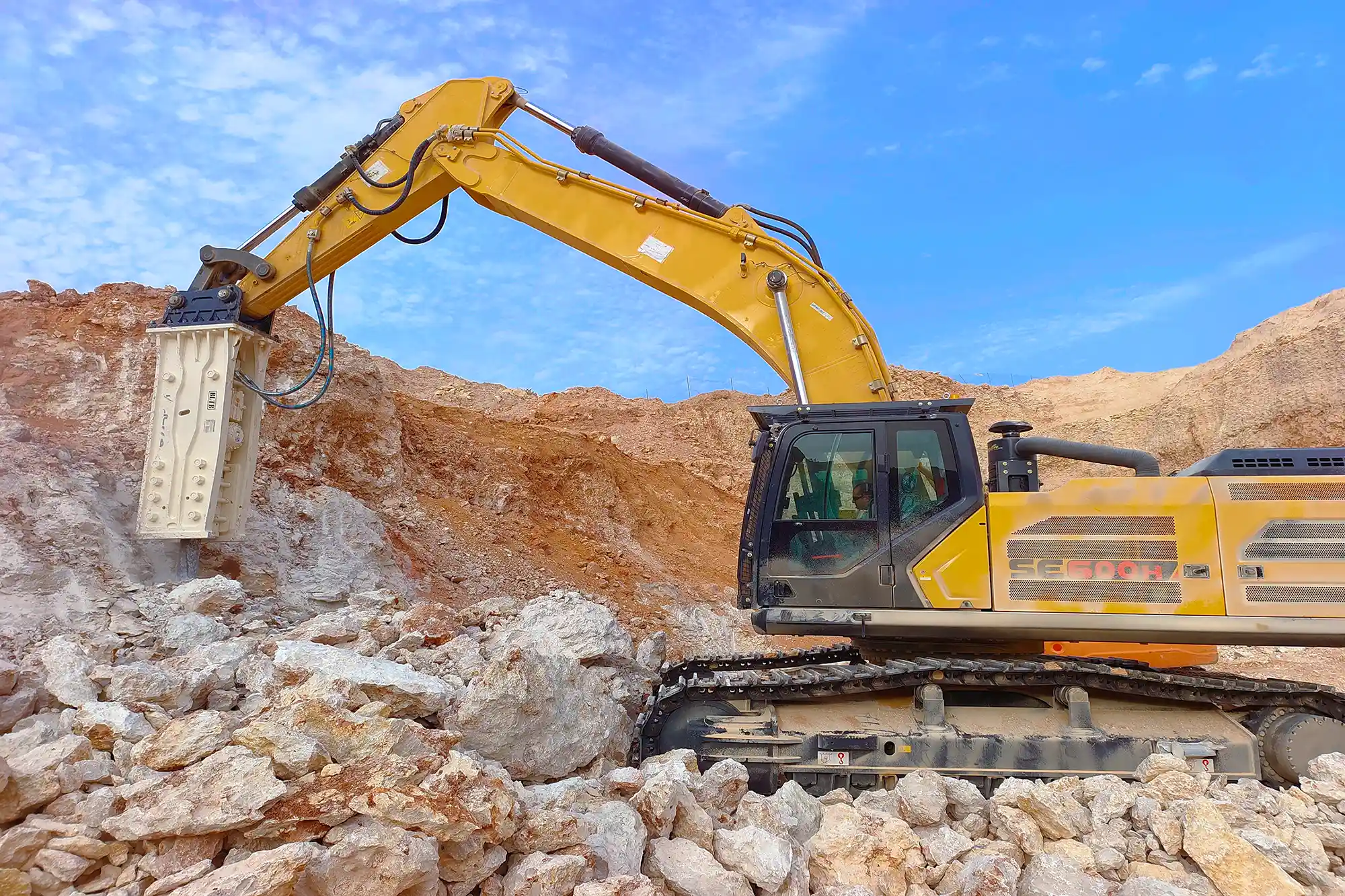
The real power of a well-maintained hydraulic breaker log book lies in generating insights that lead to measurable performance improvements. Systematic analysis of accumulated data moves operations beyond reactive maintenance toward proactive optimization. This involves identifying trends, understanding performance metrics, and making informed decisions that improve efficiency and extend equipment life.
Analyzing log book data reveals equipment utilization and wear patterns. Consistent records of operating hours, material broken, and parts replaced can show optimal service intervals specific to your operational environment. This data can inform adjustments to lubrication practices or highlight the need for more frequent nitrogen gas pressure checks for certain models. The BLT-135, for example, has a rear cylinder nitrogen pressure of 6-8 bar. Such detailed insights enable tailored maintenance plans that maximize uptime and minimize unnecessary costs.
Performance trend analysis from log book entries helps identify early indicators of potential component failure. A gradual decrease in impact frequency or an increase in hydraulic oil contamination, when consistently logged, can signal an impending issue. This allows for scheduled maintenance rather than emergency repairs, significantly reducing downtime and associated costs. Data-driven decisions also extend to procurement. Understanding which components wear fastest and why leads to better choices about spare parts inventory and future equipment purchases. This strategic use of log book data transforms records into a powerful tool for continuous improvement and equipment optimization.
BEILITE: Supporting Your Hydraulic Breaker Operations
A meticulously maintained hydraulic breaker log book serves as an indispensable tool for achieving operational excellence, extending equipment longevity, and maximizing return on investment. From daily inspection checklists to detailed records of parts replacement and nitrogen gas pressure, every entry contributes to a comprehensive history that supports informed decision-making. This systematic approach, whether through traditional log books or advanced digital solutions, ensures your hydraulic breakers perform optimally, reliably, and cost-effectively throughout their lifespan.
BEILITE Machinery Co., LTD provides high-end hydraulic breakers designed for durability and performance. Contact us to discuss how our solutions can enhance your fleet’s productivity. Email: [email protected] Phone: 40008-40008
Frequently Asked Questions
Q: What essential information should be included in a hydraulic breaker log book?
A: A comprehensive hydraulic breaker log book should include daily inspection records, operating hours, maintenance dates, parts replaced, fluid levels, nitrogen gas pressure checks, operator notes, and any reported issues or repairs. These details help identify trends and ensure timely preventative maintenance.
Q: How does a well-maintained log book impact hydraulic breaker warranty and resale value?
A: A meticulously maintained log book provides verifiable proof of proper maintenance and operational history. Manufacturers often require such records to honor warranty claims. It also increases resale value by demonstrating the equipment’s care and reliability to potential buyers.
Q: Are there digital solutions available for managing hydraulic breaker maintenance records?
A: Several digital solutions and maintenance software platforms streamline hydraulic breaker record-keeping. These systems offer automated scheduling, real-time data tracking, performance analytics, and integration with broader fleet management systems for enhanced efficiency and accessibility.