 English
 French
Hydraulic Breaker Industry Standards for Global Performance Excellence
Selecting the right hydraulic breaker goes beyond matching size to your excavator. The real work happens before that, in understanding the standards that separate reliable equipment from liability waiting to happen. These benchmarks exist because failures in this industry cost more than money. They cost time, safety, and sometimes projects themselves.
Foundational International Standards for Hydraulic Breaker Manufacturing
Global manufacturing of hydraulic breakers operates under stringent international standards. These frameworks ensure consistent product quality and market accessibility. ISO 9001 specifies requirements for a quality management system. This certification demonstrates an organization’s ability to consistently provide products and services that meet customer and regulatory requirements. For heavy equipment, ISO standards remain critical.
CE certification is mandatory for hydraulic tools sold within the European Economic Area. This marking indicates compliance with EU health, safety, and environmental protection directives. Achieving global manufacturing compliance demands adherence to these and other regional regulations. Quality management systems, such as those defined by ISO, underpin the entire production process. They cover design, development, production, installation, and servicing.
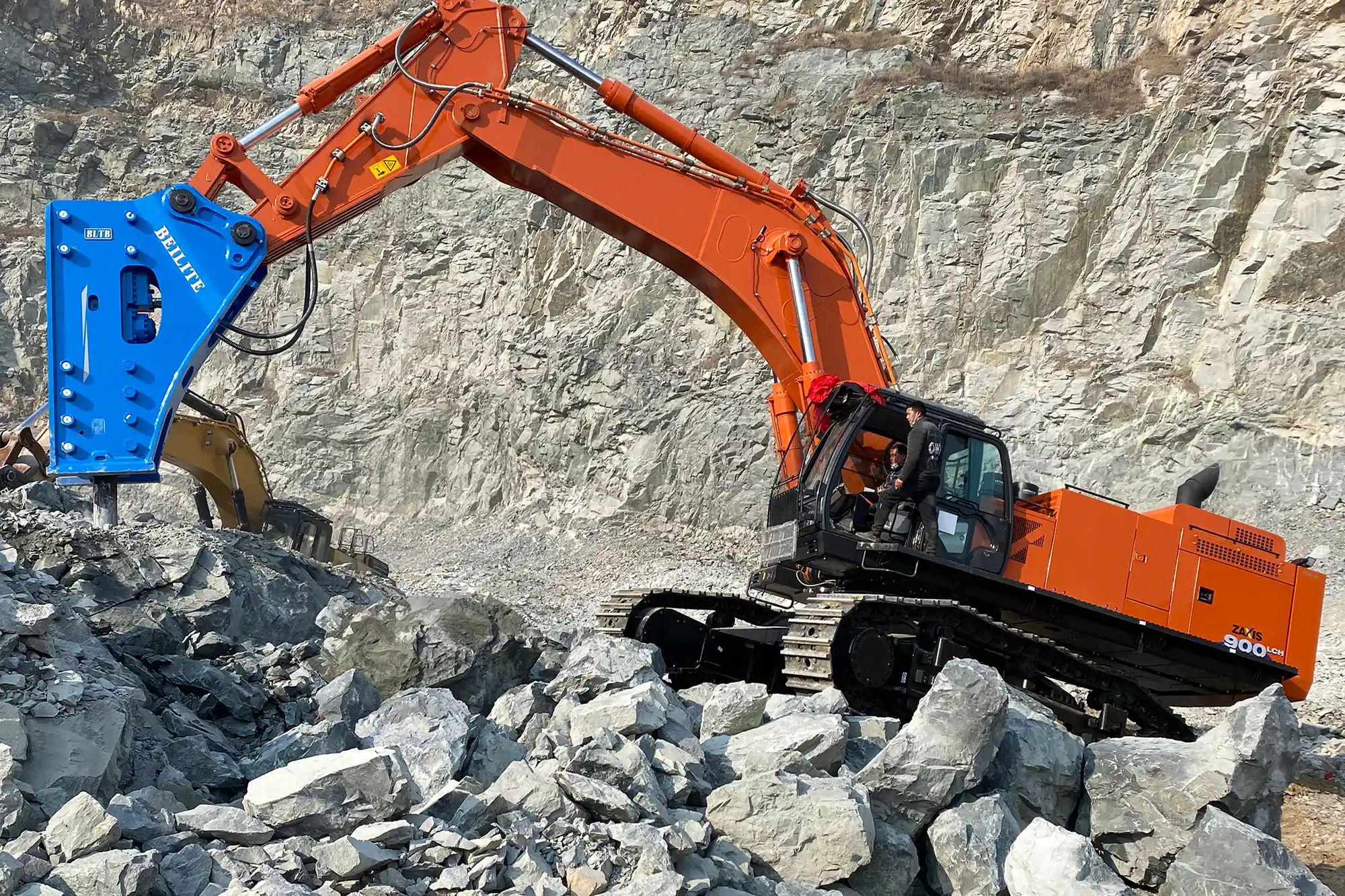
Key International Certifications and Their Scope
| Certification | Scope | Key Focus |
|---|---|---|
| ISO 9001 | Quality Management System | Customer satisfaction, process efficiency |
| CE Marking | European Economic Area product compliance | Health, safety, environmental protection |
| ISO 12100 | Machinery safety, risk assessment | Operator protection, accident prevention |
| Country-Specific | National regulatory requirements | Local market access, specific regulations |
These certifications are not bureaucratic hurdles. They represent a commitment to excellence and reliability in the hydraulic breaker industry. Products lacking these certifications may face market entry barriers or pose significant operational risks.
Performance and Safety Regulations for Hydraulic Breaker Operation
Operational performance and safety are paramount in the hydraulic breaker sector. Regulations govern everything from noise emissions to structural integrity. Breaker attachment regulations define the safe integration of hydraulic breakers with various carrier machines. This ensures stability and prevents damage to both the excavator and the attachment.
Safety guidelines for hydraulic tools include directives on vibration control and dust suppression. These measures protect operators from long-term health issues. Performance testing evaluates impact energy, frequency, and overall efficiency. This ensures the equipment delivers consistent power in demanding applications. Noise emission standards are increasingly strict, particularly in urban construction environments. Manufacturers must design breakers to minimize acoustic output without compromising performance.
What are the key international standards governing hydraulic breaker manufacturing?
Key international standards for hydraulic breaker manufacturing include ISO 9001 for quality management systems, ensuring consistent product quality. ISO 12100 focuses on machinery safety, guiding risk assessment and reduction during design and production. Regional directives, such as the CE marking for Europe, mandate compliance with specific health, safety, and environmental protection requirements. These standards collectively guarantee product reliability and user safety.
For more information on specific applications, consider reading 《Hydraulic Breaker Hammer for Mining and Quarrying》 to understand how these standards apply in demanding environments.
Material Science and Component Durability Standards in Breaker Design
The longevity and efficiency of a hydraulic breaker heavily rely on its material science and component durability. Standards dictate the selection of materials, heat treatment processes, and testing protocols. High-strength steel alloys are mandatory for components like chisels and tool holders. These materials must withstand extreme impact forces and abrasive conditions.
Heat treatment standards ensure components achieve optimal hardness and toughness. This prevents premature wear and fatigue failure. Component durability testing involves rigorous simulations of operational stresses. This verifies the structural integrity and expected lifespan of critical parts. The piston and cylinder in a hydraulic breaker undergo extensive testing to confirm their resistance to repeated high-pressure impacts. Proper material selection and processing directly contribute to the breaker’s overall reliability and reduced downtime.
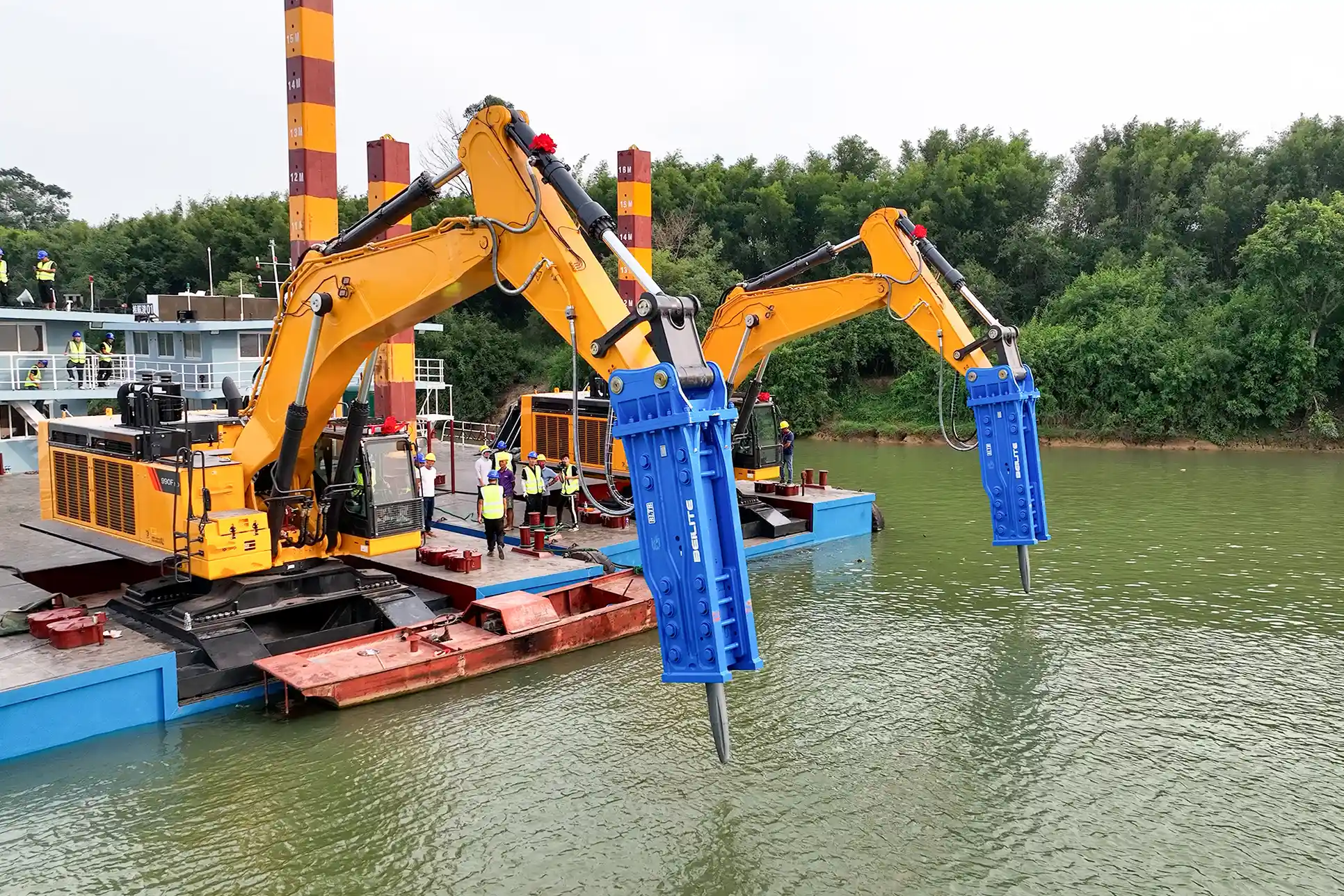
Technological Innovation Driving Future Hydraulic Breaker Standards
Technological innovation continuously reshapes the hydraulic breaker industry, influencing future standards. Advancements in smart hydraulic breakers incorporate sensors for real-time performance monitoring and predictive maintenance. This allows for optimized operation and reduced unexpected failures. Automation in construction is also driving the development of breakers with enhanced precision and remote operation capabilities.
Eco-friendly heavy equipment designs are becoming a focal point. This includes developing breakers with lower fuel consumption and reduced emissions. Future breaker technology will likely integrate more advanced materials and hydraulic systems. These innovations aim to improve efficiency, minimize environmental impact, and enhance operator comfort. The evolution of standards will reflect these technological shifts. This ensures new products meet emerging performance and sustainability criteria.
What role does innovation play in shaping future hydraulic breaker industry standards?
Innovation shapes future hydraulic breaker industry standards by introducing new technologies that demand updated benchmarks. The development of smart hydraulic breakers with integrated sensors requires new standards for data communication and predictive maintenance. The push for eco-friendly heavy equipment necessitates revised environmental standards for noise, vibration, and emissions. These advancements drive the evolution of safety, efficiency, and environmental regulations, ensuring that new products meet contemporary performance and sustainability requirements.
Adherence to Standards for Competitive Advantage and Customer Trust
Adherence to industry standards is not merely a regulatory obligation. It is a strategic imperative. Compliance builds a strong brand reputation in heavy equipment. It signals a commitment to quality and reliability. This commitment facilitates market entry strategies into highly regulated regions. It also fosters long-term customer relationships, as clients trust certified products.
Certified products offer a competitive advantage by reducing warranty claims and increasing operational efficiency. Customers prioritize equipment that guarantees safety and consistent performance. This translates into greater confidence and repeat business. Investing in compliance positions a company as a leader in the global market. It differentiates its offerings from non-certified alternatives.
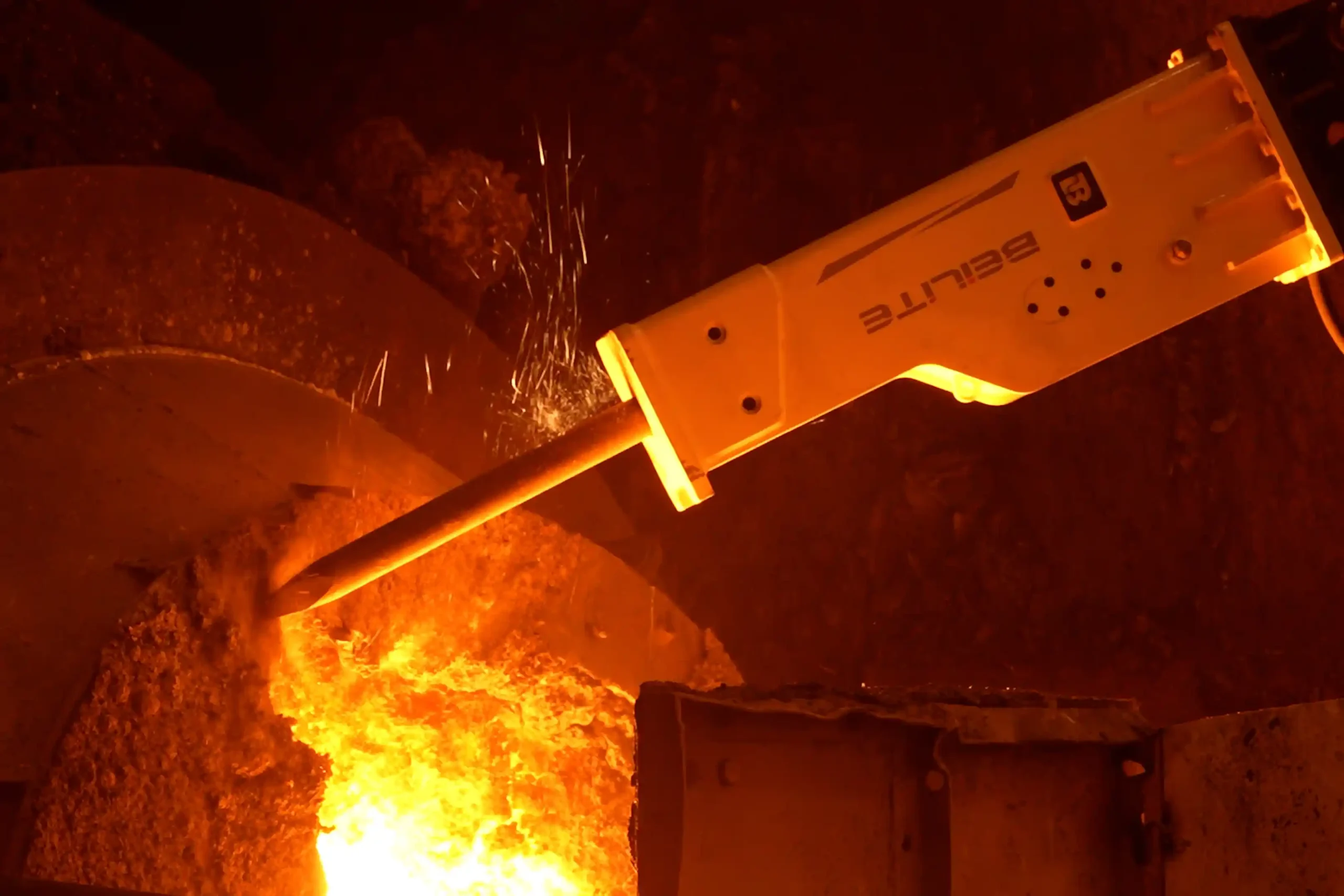
Benefits of Certified vs. Non-Certified Breakers
| Feature | Certified Breakers | Non-Certified Breakers |
|---|---|---|
| Reliability | High, consistent performance | Variable, potential for frequent breakdowns |
| Safety | Meets stringent safety regulations, lower accident risk | Higher risk of operational hazards |
| Market Access | Global acceptance, easier market entry | Limited to unregulated markets, compliance issues |
| Longevity | Extended lifespan, reduced wear | Shorter operational life, increased maintenance |
| Resale Value | Higher | Lower |
Beilite Machinery’s Commitment to Global Hydraulic Breaker Standards
BEILITE Machinery Co., LTD., established in 2002, exemplifies dedication to global hydraulic breaker standards. As a national high-tech enterprise in China, we actively participate in the formulation of national standards for hydraulic breakers. This involvement ensures our products meet and often exceed industry benchmarks. Our commitment extends to high-end hydraulic breaker R&D, focusing on innovation and quality.
We hold hundreds of patents, reflecting our leadership in technological advancements. Our BLT and BLTB brand products are trusted in over 100 countries worldwide. This global export presence is a testament to our adherence to international quality and safety protocols. We strive to be a hydraulic breaker brand worthy of trust from customers globally.
How do hydraulic breaker certifications impact operational safety and efficiency?
Hydraulic breaker certifications significantly impact operational safety and efficiency by ensuring products meet rigorous performance and safety criteria. Certifications guarantee consistent quality, reducing the likelihood of equipment failure and associated downtime. This enhances operational efficiency. Certified products adhere to safety guidelines, minimizing risks to operators and preventing accidents. This directly contributes to a safer working environment and improved overall productivity.
Partner with BEILITE Machinery
Operational excellence starts with hydraulic breakers engineered to the highest global standards. BEILITE Machinery Co., LTD.’s commitment to innovation and rigorous compliance ensures unparalleled performance and reliability for your most demanding projects. Contact us today to explore our advanced BLT and BLTB product lines, trusted in over 100 countries worldwide. Reach out at [email protected] or call 40008-40008.
Frequently Asked Questions About Hydraulic Breaker Standards
Why is adherence to hydraulic breaker industry standards so important for project success?
Adherence to hydraulic breaker industry standards is paramount for project success as it guarantees equipment reliability, operational safety, and consistent performance. Standards minimize risks, ensure compatibility with other machinery, and often lead to lower long-term maintenance costs, ultimately contributing to project efficiency and profitability. It also ensures compliance with regional and international regulations.
What specific certifications should I look for when selecting a hydraulic breaker?
When selecting a hydraulic breaker, look for key certifications such as ISO 9001 for quality management, CE marking for European market compliance, and country-specific certifications like China’s national standards, which BEILITE Machinery Co., LTD. actively participates in formulating. These certifications indicate that the product meets stringent hydraulic hammer specifications and safety requirements.
How do environmental regulations influence the design of modern hydraulic breakers?
Environmental regulations significantly influence the design of modern hydraulic breakers by driving innovation towards reduced noise emissions, lower vibration levels, and more energy-efficient operation. Manufacturers like BEILITE are developing advanced designs that comply with strict environmental standards for heavy equipment, minimizing ecological impact while maintaining powerful performance, aligning with sustainable construction practices.