 English
 French
Hydraulic Breaker Hoses: Advanced Selection for Peak Performance
Hydraulic hoses do more work than most people give them credit for. They’re the link between your power source and the business end of a hydraulic breaker, and when they fail, everything stops. Getting the right hose isn’t complicated, but it does require paying attention to a few things that matter more than others.
Critical Factors for Hydraulic Hose Selection
Selecting appropriate hydraulic hoses for hydraulic breakers requires careful consideration of several technical specifications. Our engineering expertise at Beilite emphasizes that precise hose characteristics are vital for optimal power transfer and longevity. This ensures our breakers, like the BLT-155 with its 200–220 bar working pressure, maintain maximum impact energy and minimal energy loss.
What are the critical factors for selecting hydraulic hoses for heavy-duty breakers?
Pressure rating comes first. The hose needs to handle not just your working pressure but the spikes that happen during operation. Material matters too, both the inner tube that contacts the fluid and the outer cover that takes the beating from the environment. Temperature swings will stress any hose, so you need something that stays flexible when it’s cold and doesn’t soften when things heat up. Abrasion resistance keeps the outer layer intact when hoses rub against metal or drag across rough surfaces. Size and length affect flow rates and pressure drop in ways that show up in breaker performance. Our BLT-125 breaker operates with a 1-inch oil pipe diameter, and hoses that don’t match this specification create bottlenecks that waste energy.
| Characteristic | Description | Impact on Breaker Performance |
|---|---|---|
| Pressure Rating | Maximum allowable working pressure and burst pressure. | Prevents hose rupture, ensures consistent power delivery. |
| Temperature Range | Operating temperature limits for fluid and ambient conditions. | Maintains hose flexibility and material integrity. |
| Abrasion Resistance | Outer cover’s ability to withstand external wear. | Extends hose lifespan in harsh environments. |
| Fluid Compatibility | Compatibility with hydraulic fluid type. | Prevents material degradation and system contamination. |
| Bend Radius | Minimum radius a hose can bend without damage. | Ensures proper routing and avoids kinking, maintaining flow. |
| Size & Length | Inner diameter and overall length. | Optimizes hydraulic flow, minimizes pressure loss, and reduces heat. |
Preventing Hydraulic Hose Failures and Downtime
A blown hose at the wrong moment can shut down a job site for hours. The cost goes beyond the replacement part. You’re looking at lost productivity, potential safety incidents, and the mess of cleaning up hydraulic fluid. Most failures are preventable with some attention to detail.
How can hydraulic hose failures in breakers be prevented to minimize downtime?
Look at your hoses regularly. Cracks, bulges, weeping fluid around fittings, soft spots in the cover. These signs show up before complete failure if you’re watching for them. Installation matters more than people realize. A twisted hose or one bent tighter than its minimum radius will fail faster than it should. Crimping quality determines whether fittings stay attached under pressure. Contaminated fluid accelerates wear on the inside of the hose where you can’t see it, so keep your system clean. The smartest approach is replacing hoses based on hours of operation rather than waiting for them to give out. Scheduled replacement during planned maintenance beats emergency repairs every time.
Advancements in Hydraulic Hose Technology
Hose technology has moved forward considerably in recent years. Better materials, smarter construction methods, and monitoring capabilities that didn’t exist a decade ago. These improvements translate directly to longer service life and better performance in conditions that would have destroyed older hose designs.
What are the latest advancements in hydraulic hose technology for extreme operating conditions?
Reinforcement has improved significantly. Multiple layers of high-tensile wire or synthetic fibers push pressure ratings well beyond what was possible with traditional braided designs. Thermoplastic hoses handle chemicals and maintain flexibility in ways rubber compounds struggle to match. Cold weather performance has gotten better with materials that resist becoming brittle at low temperatures. Some newer hoses include embedded sensors that track pressure and temperature in real time, giving operators warning before problems develop. These advances fit well with demanding applications where breakers run hard day after day.
| Feature | Traditional Hydraulic Hoses | Advanced Hydraulic Hoses |
|---|---|---|
| Reinforcement | Steel wire braid (2-4 layers) | Multi-spiral high-tensile wire, synthetic fiber braids |
| Material Durability | Standard rubber compounds | Synthetic elastomers, thermoplastic, specialized compounds |
| Pressure Capacity | Up to 400 bar | Up to 700 bar (or higher) |
| Temperature Range | -40°C to +100°C | -55°C to +150°C |
| Abrasion Resistance | Moderate | High, with specialized outer covers |
| Flexibility | Moderate | Improved, smaller bend radii |
Installation and Maintenance Best Practices
How you install a hose affects how long it lasts. Proper routing prevents the rubbing and kinking that cause premature failure. Clean fittings before assembly. Lubricate them properly. Tighten to specification without overdoing it. Check that your hydraulic fluid is compatible with the hose materials. Use protective sleeves or clamps where hoses pass near abrasive surfaces. These steps take a few extra minutes during installation but pay back many times over in extended service life.
Beilite’s Commitment to Hydraulic System Excellence
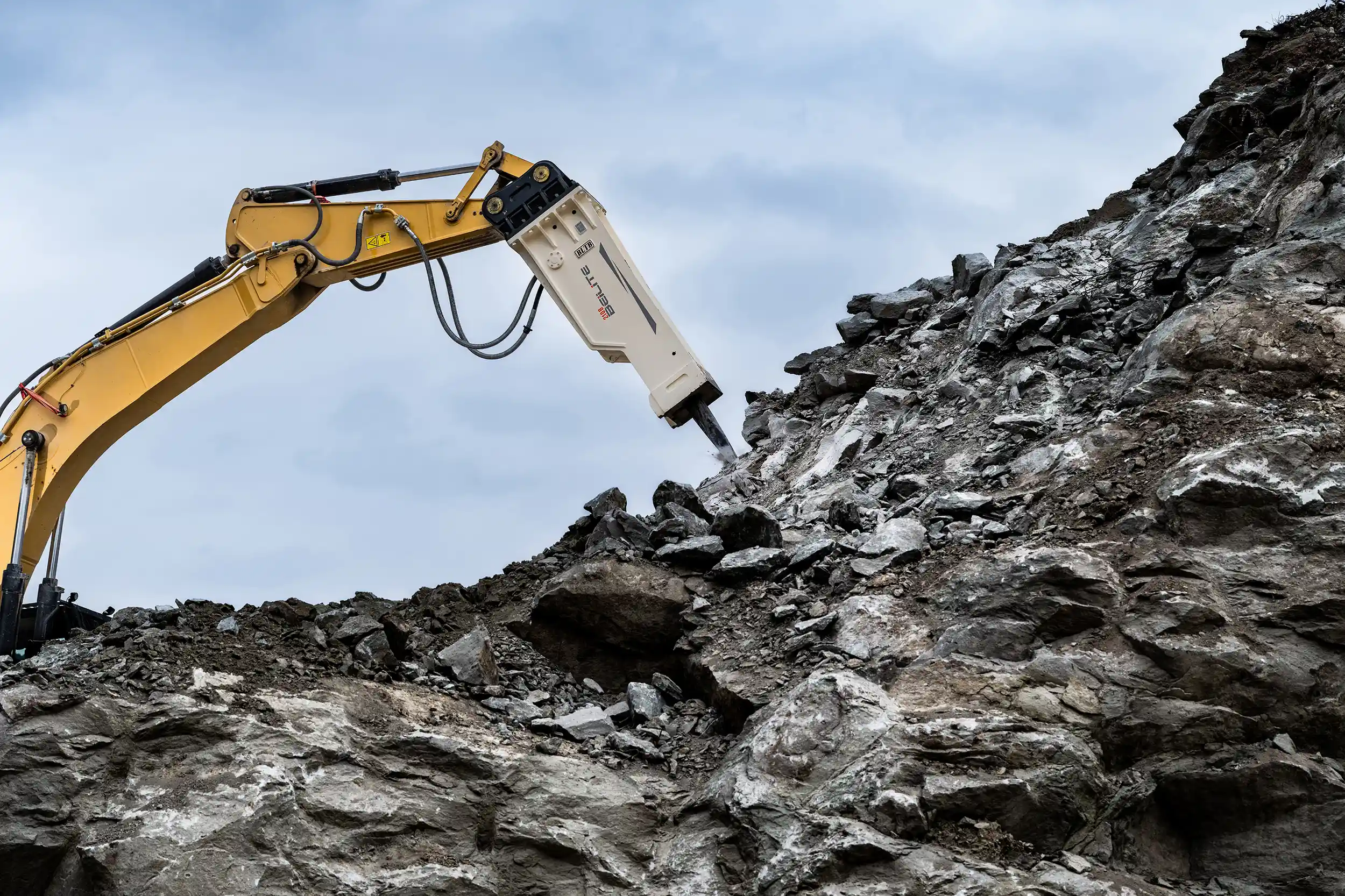
BEILITE Machinery Co., Ltd., established in 2002, is a national high-tech enterprise in China. We specialize in the R&D and manufacturing of high-end hydraulic breakers. Our dedication to continuous innovation has resulted in breakthroughs in core technologies and hundreds of patents. We have also participated in formulating national standards for hydraulic breakers in China.
Our BLT and BLTB brand products are designed for a variety of demanding working conditions. They are exported to over 100 countries and regions globally. Our BLT-165 model, designed for excavators weighing 33–38 tons, operates at 210–230 bar working pressure with a 1¼ inch oil pipe diameter. We are committed to becoming a globally trusted hydraulic breaker brand through excellent quality and comprehensive service.
Frequently Asked Questions
What are the key indicators of a failing hydraulic breaker hose?
Watch for visible cracks, abrasions, blistering, leakage around fittings, and drops in system pressure. These signs typically appear before complete failure. Catching them early through regular inspection prevents the kind of sudden breakdown that stops work entirely.
How does Beilite ensure the compatibility of hydraulic hoses with its high-performance breakers?
Beilite Machinery Co., LTD designs its high-performance hydraulic breakers with precise hydraulic system specifications. While we don’t manufacture hoses, our engineering guidelines and recommendations for hydraulic hoses ensure optimal compatibility, pressure ratings, and material resilience for the demanding conditions our BLT and BLTB breakers operate under.
What maintenance schedule is recommended for hydraulic breaker hydraulic hoses?
Daily visual inspections catch obvious damage. Weekly checks should cover routing and fitting security. Periodic pressure testing confirms hose integrity. Most manufacturers recommend full hose replacement based on operating hours or calendar age, even when hoses look fine. This prevents the failures that happen when internal degradation reaches a critical point without visible external signs.
Partner with Beilite for Superior Hydraulic Solutions
Our hydraulic breakers are built for demanding work and the people who do it. Decades of development, hundreds of patents, and installations across more than 100 countries have taught us what matters in the field. The BLT and BLTB series reflect that experience. Contact us at 40008-40008 or [email protected] to discuss what you need.