 English
 French
Hydraulic Breaker Frequency: Optimizing Performance & Efficiency
Hydraulic breakers live and die by their frequency settings. Get this wrong, and you’re either burning through chisels on hard rock or wasting time tapping away at concrete that should have cracked three blows ago. The impact rate—how many times that piston slams down per minute—determines whether you’re working efficiently or just making noise. After watching crews struggle with mismatched settings across dozens of sites, the pattern becomes clear: frequency isn’t just a number on a spec sheet. It’s the difference between a productive shift and an expensive lesson in equipment abuse.
What Frequency Actually Means Inside the Breaker
Hydraulic breaker frequency measures the blows delivered per minute by the chisel. This number ties directly to the carrier machine’s hydraulic system and the flow rate feeding the breaker. Inside the housing, high-pressure hydraulic fluid drives a piston that strikes the tool bit repeatedly. The cycling speed of this piston determines your frequency.
The relationship between hydraulic energy and mechanical impact energy is straightforward in principle but nuanced in practice. BEILITE’s BLT and BLTB series, developed over two decades of refinement, incorporate precise control mechanisms that maximize energy transfer per blow. Higher frequency means more impacts in a given timeframe, which works well for softer materials or already-fractured rock. Lower frequency concentrates more energy into each individual blow, which you need for dense materials that resist initial fracturing.
How Frequency Shapes Breaking Power
The breaking force you generate depends on this frequency-energy tradeoff. More blows per minute can speed up work on cooperative materials. But hard, dense rock demands fewer, heavier impacts to initiate fractures. Trying to machine-gun your way through granite just generates heat and wear without meaningful penetration. The balance between impact rate and blow energy determines how efficiently you remove material, and getting this balance wrong costs time and money.
Matching Frequency to the Job
Optimal hydraulic breaker frequency varies with every site condition. Material hardness matters most—granite behaves nothing like weathered concrete. The application type also drives your settings: demolition work on reinforced structures requires different parameters than quarry rock breaking. Your excavator’s hydraulic output capabilities set the upper limits of what’s possible, and exceeding those limits damages both the breaker and the carrier.
The range across different breaker models illustrates this variation clearly. A BLT-40 operates at 800–1400 bpm for lighter tasks, while a BLT-150 runs at 200–300 bpm for heavy-duty rock work. That’s not a flaw in design—it’s intentional matching of frequency to application.
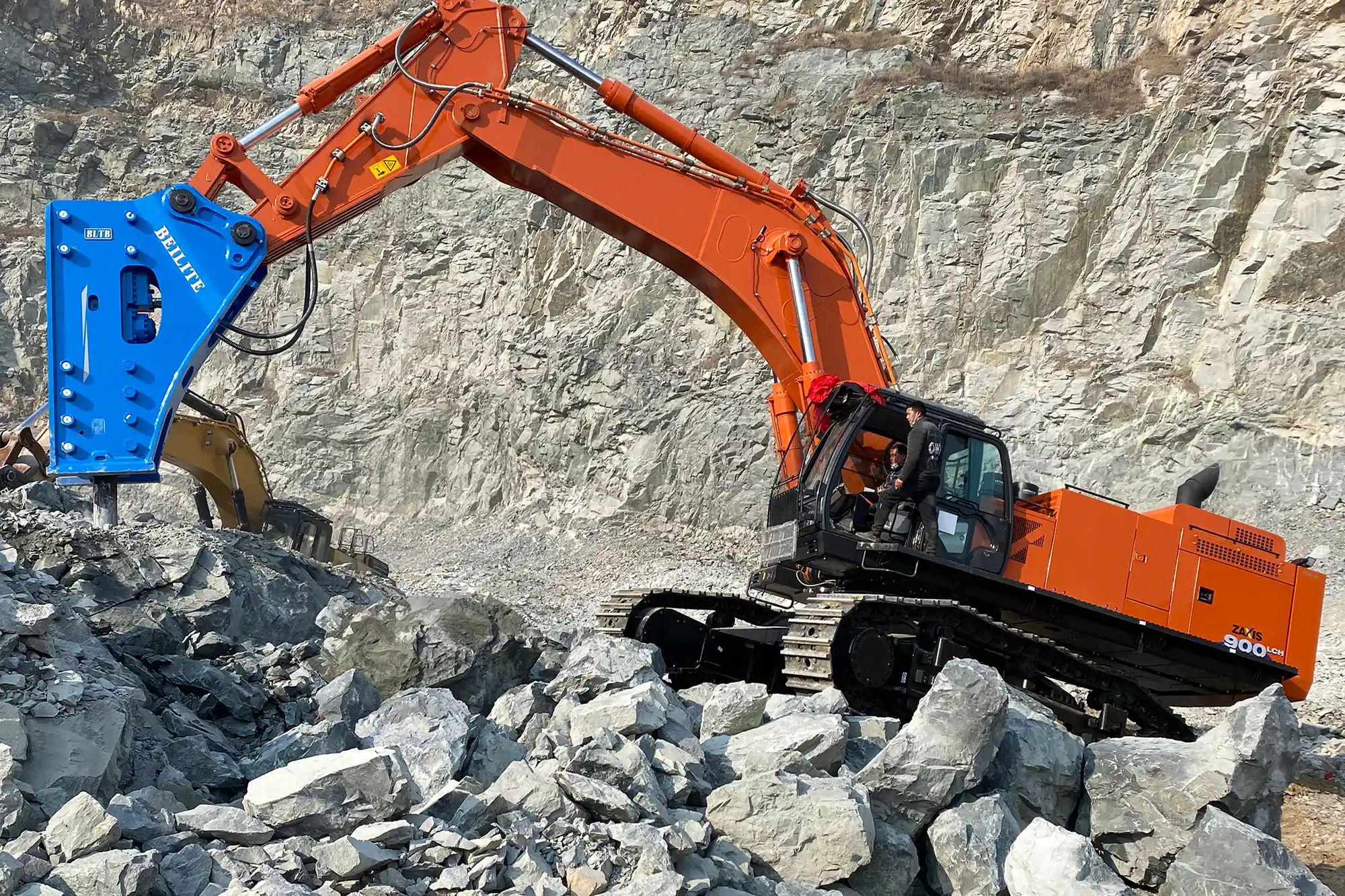
Frequency Recommendations by Material Type
Concrete breaking typically responds well to higher rates in the 800-1200 bpm range, particularly for surface removal and thinner slabs where rapid cycling accelerates progress. Granite and similar hard rock applications demand the opposite approach: 350-700 bpm with higher impact energy per blow to overcome fracture resistance. Asphalt sits in the middle ground, benefiting from moderate frequency that balances speed against the material’s tendency to deform rather than crack cleanly.
| Material Type | Recommended Frequency Range (BPM) | Breaker Model Examples |
|---|---|---|
| Concrete | 800-1200 | BLT-40, BLT-45 |
| Granite | 350-700 | BLT-100, BLT-125 |
| Asphalt | 700-1000 | BLT-53, BLT-60 |
| Soft Rock | 500-900 | BLT-70, BLT-75 |
| Hard Rock | 200-500 | BLT-135, BLT-150 |
For more detailed information on specific applications, consider reading 《Hydraulic Breaker Hammer for Demolition&Rock Breaking》.
Why Wrong Frequency Settings Cost You Money
Operating at inappropriate frequency settings creates a cascade of problems. Running high frequency on hard materials generates excessive vibration and heat, stressing internal components and the carrier machine simultaneously. Running low frequency on soft materials wastes time and fuel without proportional results. Either mistake shows up in reduced efficiency metrics, higher fuel consumption, and accelerated wear on components that shouldn’t need replacement yet.
The cost-benefit calculation favors precision. Each blow optimized for the actual material conditions means better energy transfer, less wasted hydraulic power, and reduced maintenance intervals. Crews that dial in their frequency settings spend less time on repairs and more time on productive breaking.
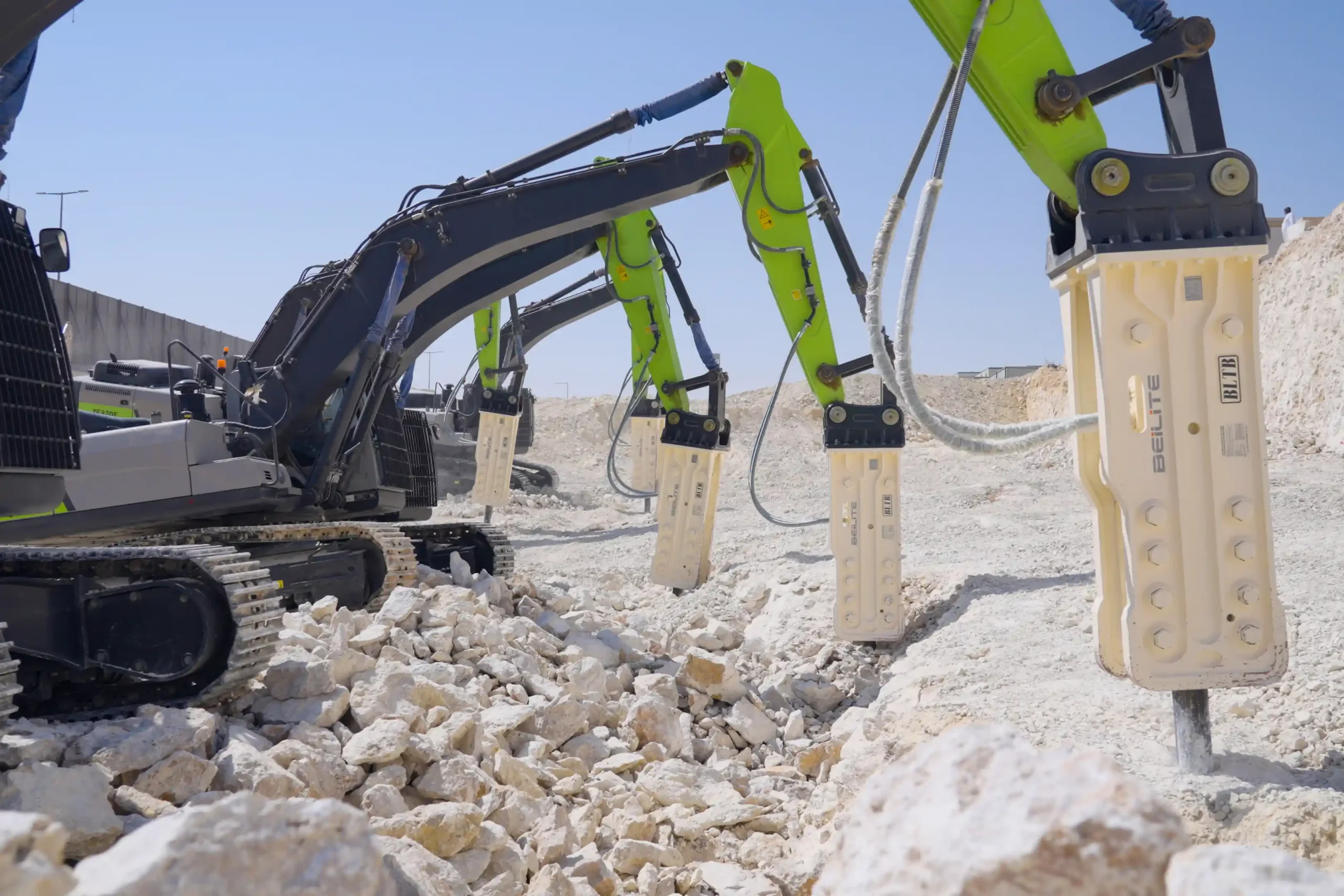
Extending Equipment Life Through Proper Settings
Correct frequency adjustment directly extends hydraulic breaker lifespan. Operating within manufacturer-recommended ranges for specific materials reduces stress on pistons, chisels, and seals. This isn’t complicated maintenance theory—it’s basic physics. Mismatched settings force components to absorb energy they weren’t designed to handle, leading to premature failure. Proper settings ensure optimal energy transfer to the material rather than into the hydraulic breaker Hammer itself, preserving component integrity across thousands of operating hours.
Diagnosing and Fixing Frequency Problems
Troubleshooting frequency issues starts with the carrier machine’s hydraulic system. Verify oil flow and pressure first, since incorrect flow rate or operating pressure directly impacts frequency regardless of breaker settings. Advanced adjustments often involve changes to hydraulic system parameters or internal breaker mechanisms—always consult the specific model’s manual before making changes.
Regular performance monitoring provides the feedback needed for optimization. Sound changes, unusual vibration patterns, and breaking effectiveness all indicate whether current settings match conditions. For specialized applications like Hydraulic Breaker Hammer for Mining and Quarrying, precise frequency calibration becomes even more critical given the demanding material conditions.
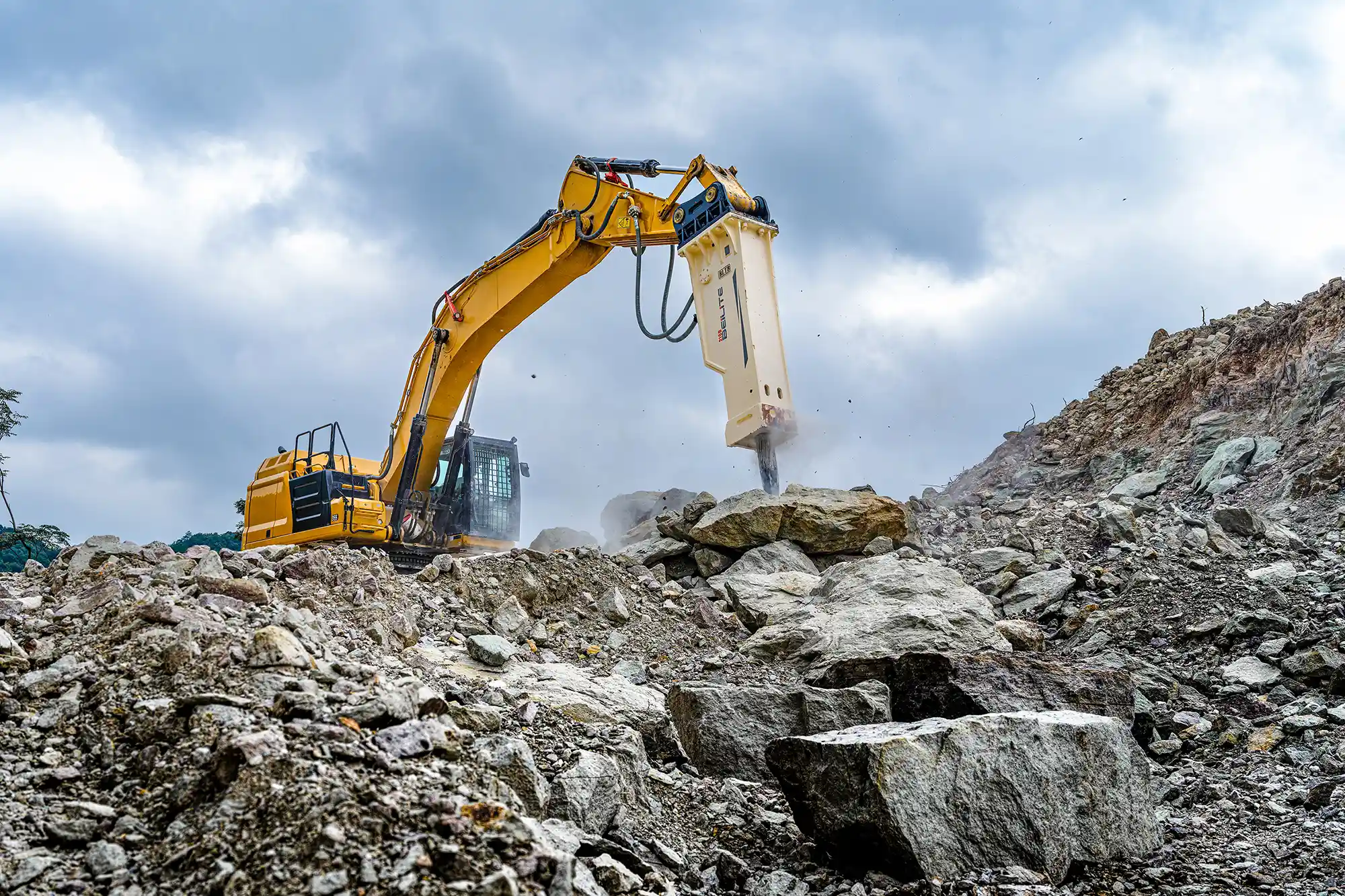
Recognizing Incorrect Frequency Settings
Several symptoms point to misaligned frequency settings. Reduced breaking power despite adequate hydraulic pressure suggests the frequency doesn’t match material requirements. Excessive vibration indicates energy dissipating into the machine rather than the material. Increased fuel consumption without corresponding productivity gains means wasted hydraulic power. Unusual wear patterns on tools and mounting points confirm that something in the setup needs adjustment.
Temperature Effects on Frequency Performance
Ambient temperature influences hydraulic oil viscosity, which affects system efficiency and breaker performance. Cold conditions thicken oil, potentially reducing effective frequency until the system reaches operating temperature. Extreme heat thins oil and can compromise hydraulic pressure, affecting both frequency and power output. Seasonal adjustments to operating procedures account for these variations.
The Myth of Universal Frequency Settings
No single frequency setting works for all applications. The optimal rate depends on material properties, breaker model specifications, carrier hydraulic capabilities, and desired outcomes. Fine crushing requires different parameters than large block removal. Manufacturer guidelines provide starting points, but site-specific testing and adjustment produce the best results. Anyone claiming otherwise hasn’t spent enough time watching the same breaker perform differently across varying conditions.
BEILITE Breaker Solutions
BEILITE Machinery Co., LTD brings over two decades of hydraulic breaker innovation to the BLT and BLTB product lines. Our patented technologies deliver precise frequency control and consistent performance across demanding applications. With installations in over 100 countries, our engineering team understands the real-world conditions that determine breaker success. Contact us at [email protected] or 40008-40008 for consultation on matching the right breaker specifications to your project requirements.