
Hydraulic Breaker for Trenching: Maximizing Efficiency & Durability
Picking the right hydraulic breaker for trenching work comes down to matching equipment specs with actual ground conditions. Get that wrong, and you’re looking at slower progress, faster wear, and potential damage to both the attachment and your excavator. The following covers selection criteria, operational techniques, and maintenance practices that keep these tools running efficiently across different trenching scenarios.
Matching Hydraulic Breaker Specifications to Trenching Conditions
Project success depends on aligning breaker specifications with what you’re actually digging through. Trench depth, soil composition, and excavator class all factor into the decision. An undersized or oversized hydraulic hammer creates problems either way. Too small and you’re fighting the material. Too large and you risk stressing the carrier machine beyond its limits.
Available models span a wide range of excavator sizes. The BLT-40 works well with 0.5–1.2 t excavators, while the BLT-165 handles heavy-duty machines in the 33–38 t range. Hydraulic flow requirements matter just as much as physical size. Each model specifies optimal working oil volume and pressure for proper excavator compatibility.
| Breaker Model | Applicable Excavator (t) | Operating Weight (kg) | Chisel Diameter (mm) | Working Oil Flow (L/min) |
|---|---|---|---|---|
| BLT-40 | 0.5–1.2 | 86 | 40 | 15–30 |
| BLT-60 | 3–5.5 | 263 | 60 | 30–60 |
| BLT-85 | 7–11 | 666 | 85 | 60–100 |
| BLT-125 | 14–18 | 1357 | 125 | 90–120 |
| BLT-165 | 33–38 | 3149 | 165 | 200–260 |
Impact Energy and Chisel Selection
Site assessment drives effective selection. Impact energy correlates directly with material hardness. Hard rock or frozen ground demands higher impact energy. Operating weight needs to stay proportional to the carrier machine for stability and to prevent excessive stress on the system.
Chisel geometry affects performance in different materials. Conical chisels work well for breaking hard, abrasive rock. Pyramidal chisels offer better penetration in concrete or softer rock formations. Selecting the right combination of impact energy and chisel type minimizes operational time while maximizing material penetration.
Operational Techniques for Efficient Trenching
Getting the most from hydraulic breakers requires more than equipment selection. Strategic operational techniques and proper operator training reduce trenching time and minimize attachment wear. These approaches address common challenges that slow down projects.
- Start with a pilot cut: Create a shallow initial trench along the desired path. This establishes a clear guide and prevents the breaker from wandering off course.
- Maintain consistent pressure: Apply steady, downward pressure. Excessive force damages the chisel and reduces impact efficiency.
- Utilize a systematic pattern: Work in a grid or linear pattern for complete material breakdown. This prevents re-breaking sections and optimizes energy transfer.
- Break material in layers: Don’t attempt full trench depth in one pass. Break material in manageable layers, typically 30-50 cm deep.
- Clear debris regularly: Remove broken material from the trench periodically. This provides a clear working area and prevents the breaker from getting stuck.
- Monitor hydraulic flow: Keep the excavator’s hydraulic flow within the recommended range. Inadequate flow reduces power. Excessive flow causes overheating.
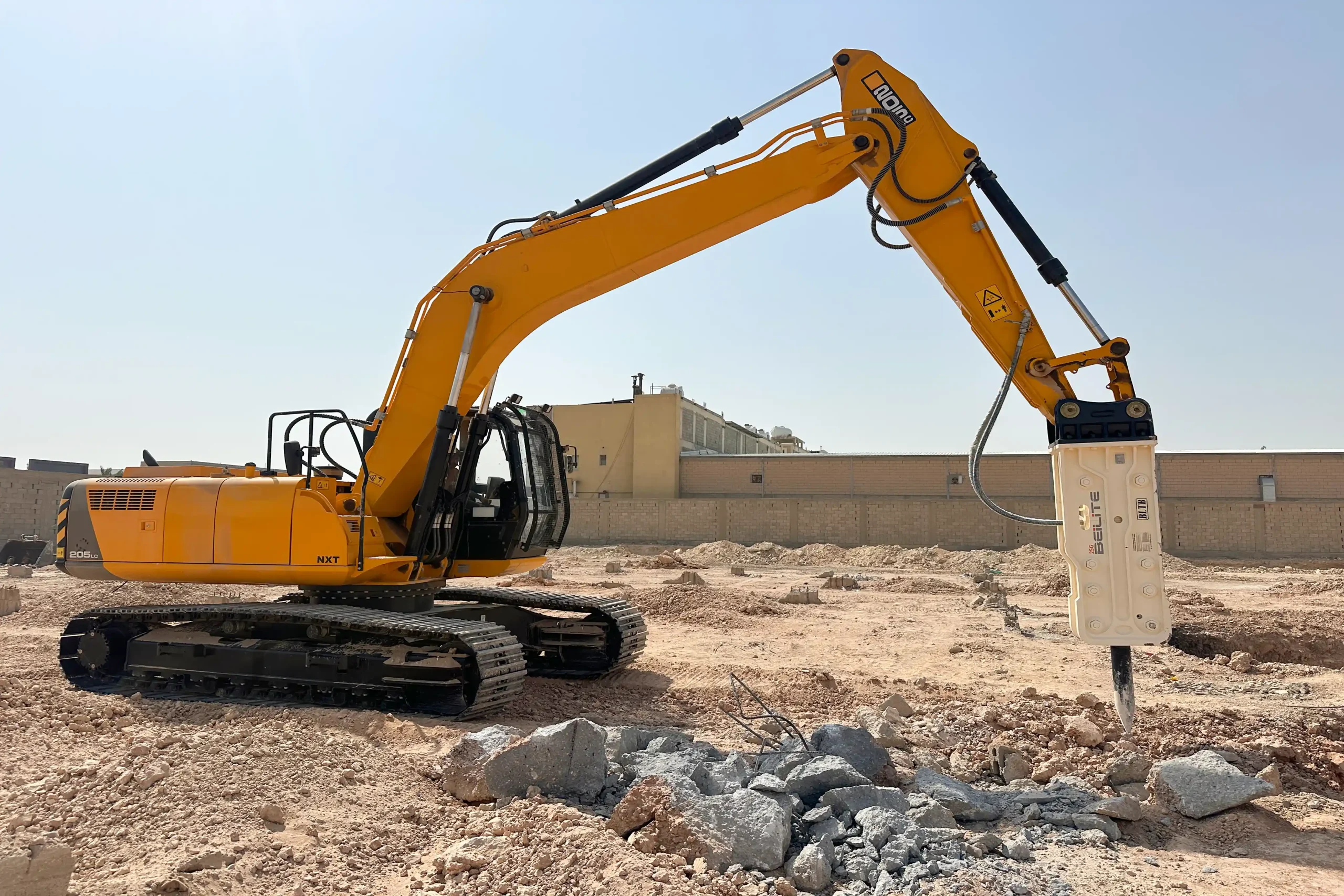
Operators trained on these techniques reduce unnecessary impacts, minimize energy waste, and extend hydraulic hammer lifespan. Effective trenching combines powerful equipment with skilled application. For specialized applications, consider exploring 《Hydraulic Breaker for Municipal Engineering,Urban Road & Utility Works》
Maintenance Practices for Extended Equipment Life
Durability matters in continuous trenching applications. Rigorous maintenance schedules and proper operational practices extend equipment lifespan and minimize downtime. Preventative maintenance keeps products delivering consistent performance across demanding projects.
Preventative Maintenance Schedules
Regular preventative maintenance keeps equipment running reliably.
- Daily lubrication: Apply grease to the chisel and bushings at the start of each shift. This reduces friction and prevents premature wear.
- Chisel inspection: Visually inspect for cracks, chips, or excessive wear. Replace worn chisels promptly to maintain optimal impact power and protect the breaker.
- Hydraulic system checks: Verify all hoses and connections for leaks or damage. Ensure proper hydraulic fluid levels and cleanliness.
- Nitrogen gas pressure: Check accumulator pressure regularly. Correct pressure maintains consistent impact energy and absorbs recoil forces.
- Fastener torque: Confirm all mounting bolts and fasteners meet manufacturer specifications. Loose connections lead to component failure.
- Seal integrity: Inspect seals for leakage signs. Timely replacement prevents hydraulic fluid contamination and pressure loss.
Troubleshooting Common Issues
Even with diligent maintenance, problems occur. Effective troubleshooting minimizes disruption.
- Loss of impact power: Check nitrogen gas pressure first since low pressure is a common cause. Verify hydraulic flow and pressure from the excavator. Inspect the chisel for excessive wear.
- Overheating: Ensure the excavator’s hydraulic system has adequate cooling. Check flow and pressure settings. Clean debris from the breaker’s housing that might impede heat dissipation.
- Seal leaks: Identify the source. Worn seals or damaged hoses are usually responsible. Replace faulty components immediately to prevent further fluid loss and system contamination.
- Abnormal noise or vibration: Investigate loose bolts, worn bushings, or internal component damage. Discontinue operation if severe noise persists and consult a technician.
- Chisel jamming: This often results from improper breaking technique or attempting to break too large a section. Adjust technique and break material in smaller, manageable pieces.
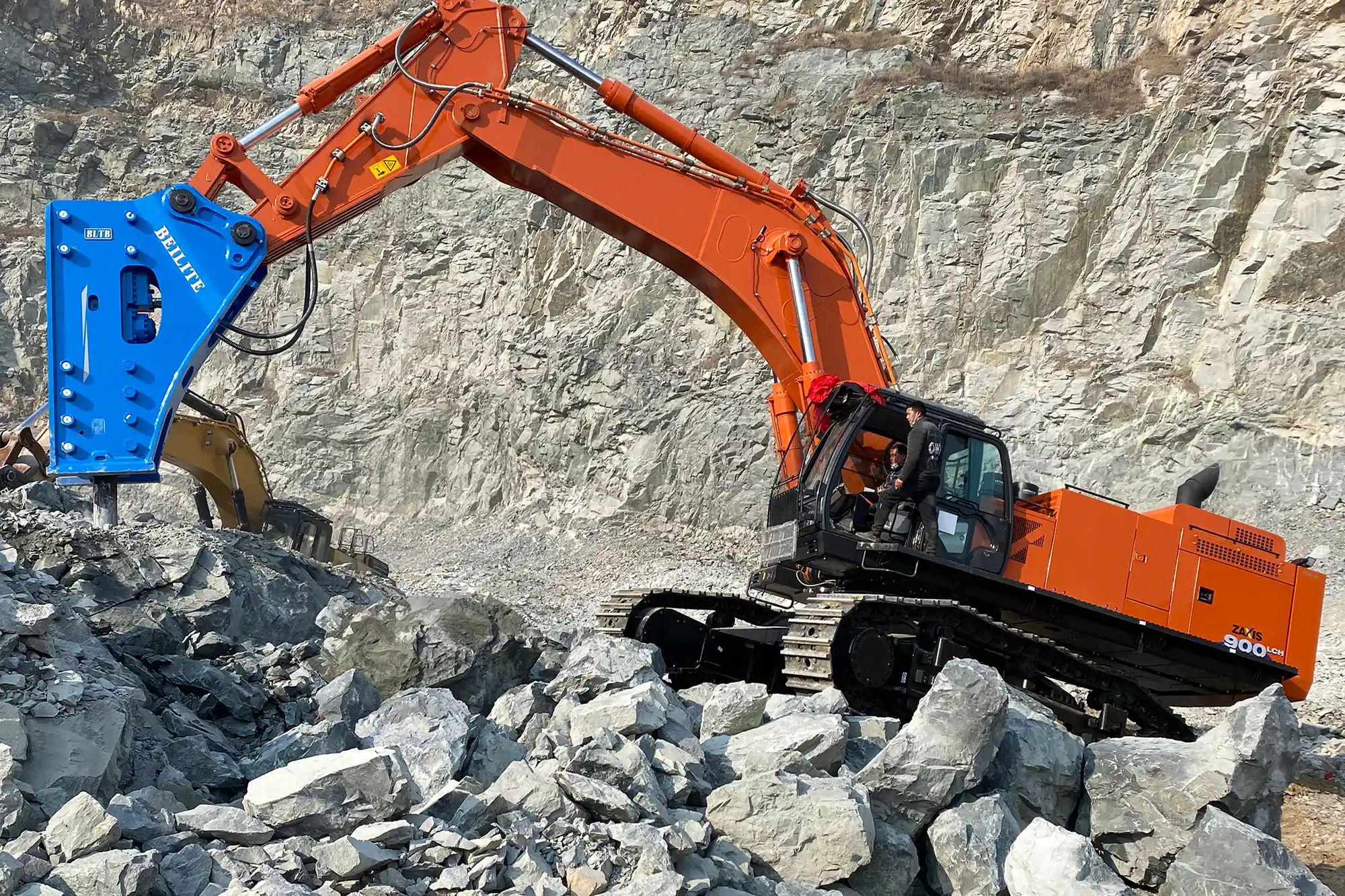
Following these guidelines ensures optimal performance and extends service life of your hydraulic breaker Hammer. For underwater project solutions, consider reading 《Hydraulic Breaker Hammer for Underwater Construction》.
Economic Comparison with Traditional Trenching Methods
The decision to use hydraulic breakers for trenching often comes down to economics. Increased productivity and reduced operational overhead create clear advantages over traditional methods in many scenarios.
Traditional trenching with excavator buckets or manual labor moves slowly in hard ground conditions. These methods require more time, driving up labor costs and extending project timelines. Rock or concrete encounters may necessitate additional equipment like jackhammers or blasting, adding costs and safety concerns.
Hydraulic breakers fracture hard materials rapidly, reducing the need for multiple passes or supplementary tools. Faster material removal translates directly to quicker project completion. The precision of an excavator breaker also minimizes over-excavation, reducing material backfill requirements and associated costs.
| Factor | Hydraulic Breaker Trenching | Traditional Bucket Trenching | Jackhammer Trenching (Manual) |
|---|---|---|---|
| Speed | High | Moderate | Low |
| Labor Cost | Low (1 operator) | Moderate (1 operator) | High (multiple laborers) |
| Fuel Usage | Moderate-High | Moderate | Low (for tools, not machine) |
| Material Type | Hard rock, concrete, frozen soil | Soft soil, loose aggregate | Small sections of concrete |
| Precision | High | Moderate | High |
| Safety Risk | Moderate | Low-Moderate | High |
| Overall Cost | Lower (long-term) | Moderate | Higher (for hard material) |
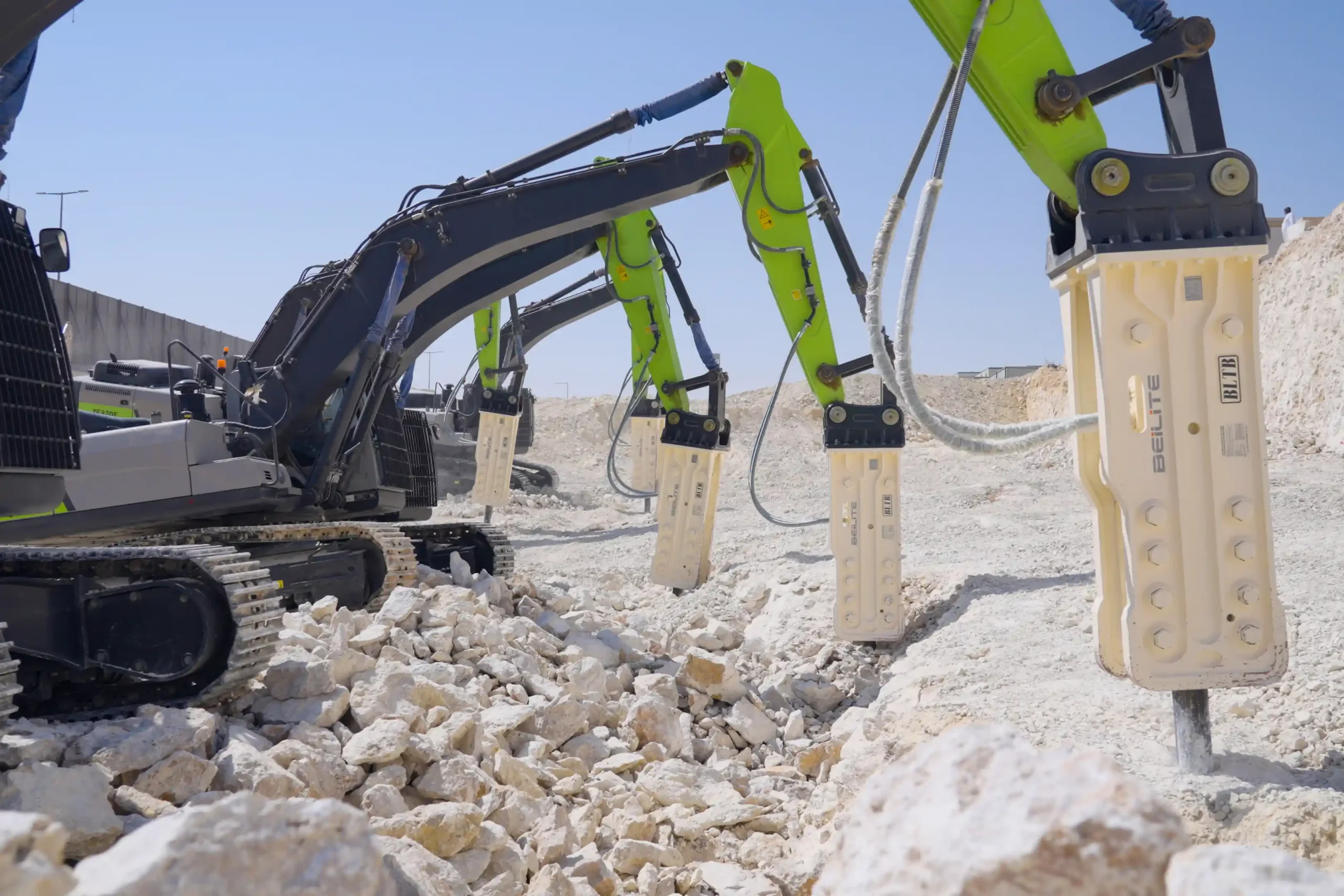
Initial investment in a hydraulic breaker gets offset by savings in labor, time, and supplementary equipment costs. This makes hydraulic breakers a strong choice for trenching in challenging environments. Enhanced durability of BLT and BLTB brands means fewer repairs and replacements, contributing to lower long-term ownership costs.
Frequently Asked Questions
What size hydraulic breaker is best for trenching in rocky soil?
For rocky or hard soil trenching, selecting appropriate hydraulic breaker size maximizes efficiency and prevents equipment damage. A breaker with higher impact energy and robust chisel type (conical or pyramidal) works best. Size typically correlates with excavator operating weight and hydraulic flow capacity. A 10-ton excavator might require a 1,000-1,500 kg class hydraulic hammer for trenching to effectively break through dense rock formations.
How does a hydraulic breaker improve trenching efficiency compared to traditional methods?
Hydraulic breakers enhance trenching efficiency by rapidly breaking through hard materials like rock, concrete, and frozen ground that traditional excavation methods struggle with. This reduces time and labor requirements, minimizes blasting needs, and allows more precise material removal. High impact force leads to faster project completion, lower operational costs, and improved productivity.
What are the key maintenance tips for hydraulic breakers used in continuous trenching?
Consistent maintenance ensures durability and longevity in continuous trenching. Key practices include daily lubrication of chisel and bushings, regular inspection of hoses and connections for leaks or damage, checking nitrogen gas pressure, and monitoring chisel wear. Following manufacturer-recommended service intervals for hydraulic fluid changes and seal replacements prevents premature wear, reduces downtime, and maintains optimal performance.
Partner with BEILITE for Superior Trenching Solutions
As a national high-tech enterprise established in 2002, BEILITE Machinery Co., LTD. engineers high-end hydraulic breakers that set industry standards for performance and durability. With hundreds of patents and products exported to over 100 countries, BLT and BLTB brands are trusted worldwide for demanding applications like trenching. Discover how BEILITE’s innovative hydraulic breakers can improve your project efficiency and reliability. Contact us today at [email protected] or call 40008-40008 for a consultation or to explore advanced solutions.