
Hydraulic Breaker for Quarrying: Maximizing Rock Breaking Efficiency
Quarrying demands equipment that can take a beating and still deliver consistent rock fragmentation day after day. Hydraulic breakers have earned their place as essential tools on modern quarry sites, pushing productivity higher while keeping crews safer. What follows covers how current hydraulic breaker technology, smart selection practices, and disciplined maintenance routines combine to get more rock broken with less downtime.
Why Hydraulic Breakers Matter in Quarry Work
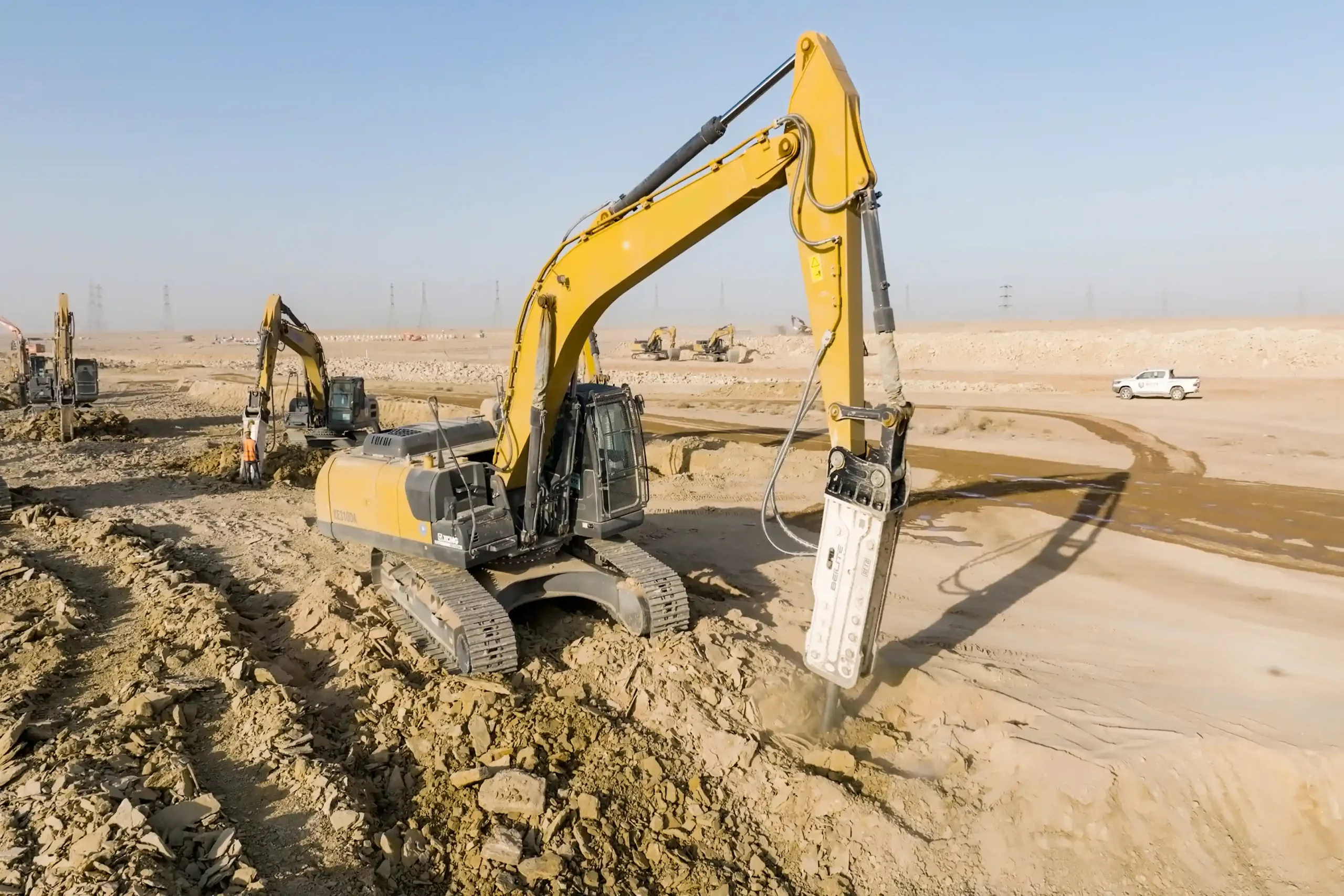
Quarrying has changed considerably over the past few decades. Drilling and blasting used to dominate, but those methods carry safety baggage and environmental headaches that operators increasingly want to avoid. Hydraulic breakers offer something different: precision, controllable force, and efficiency that drilling and blasting struggle to match. These machines handle primary breaking, secondary reduction, and trenching with minimal collateral damage. Material comes out cleaner, and extraction stays predictable. For operations chasing higher output without sacrificing site safety, hydraulic breakers have become the obvious choice.
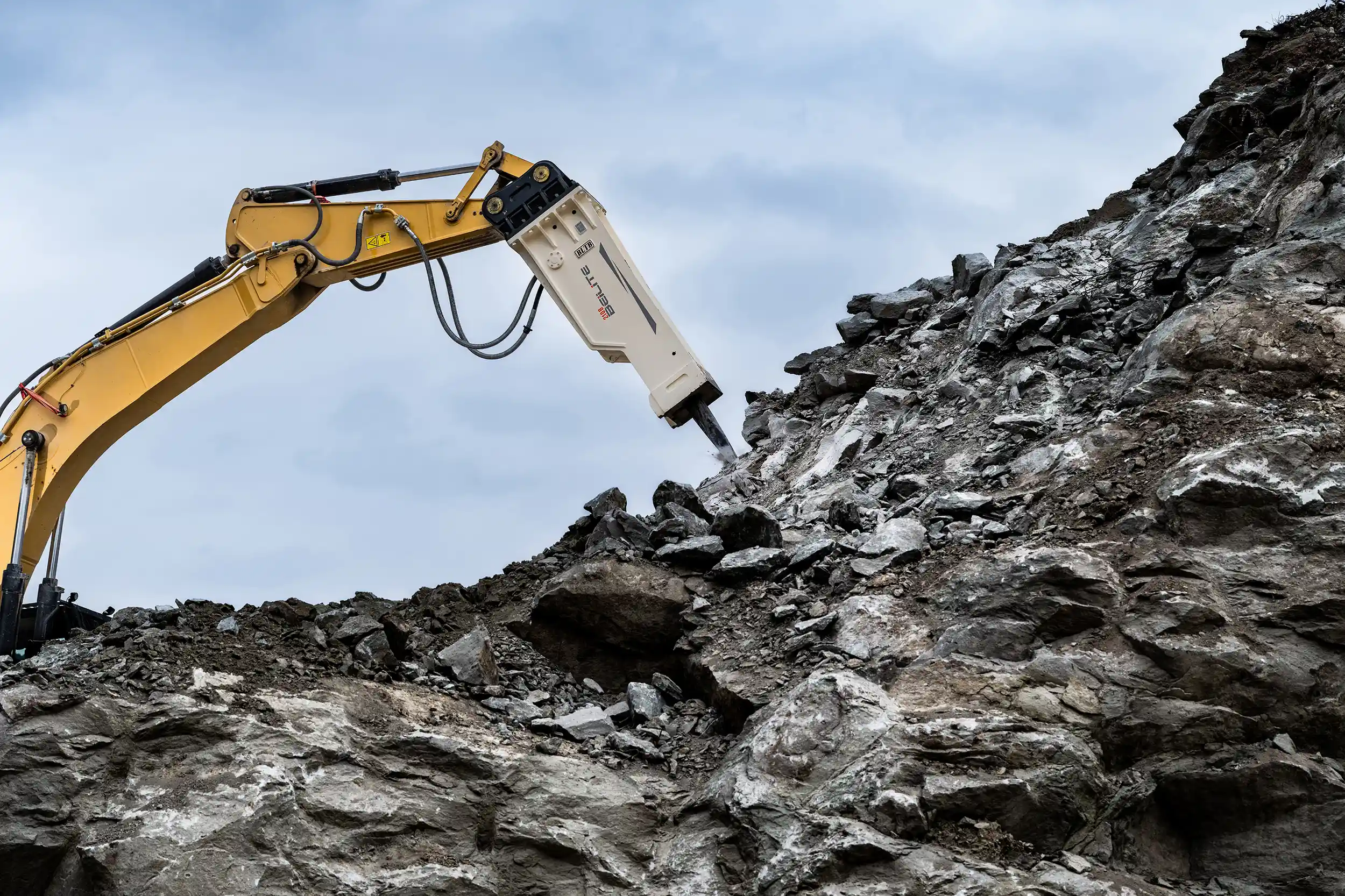
Technology That Actually Improves Rock Fragmentation
Beilite Machinery Co., LTD operates as a national high-tech enterprise, and our BLT and BLTB brands reflect genuine engineering advances rather than marketing claims. Energy recovery systems capture recoil energy and redirect it into impact power. Anti-blank firing mechanisms protect the breaker when the chisel loses contact with rock. These features mean better fragmentation with fewer blows, which translates directly to faster cycle times and less wear on components. Noise reduction technology also factors into our designs, making sites quieter and helping operations stay compliant with regulations. Hundreds of patents back these innovations.
Matching the Breaker to the Job
Getting the right hydraulic breaker matters more than most operators realize. The wrong match burns money through inefficiency, premature wear, and frustrating downtime. Selection comes down to matching breaker specifications against actual rock characteristics and operational demands. Impact rate, operating pressure, and chisel geometry all play roles. Harder formations need higher impact energy and chisels designed for abrasive conditions. Beilite’s BLT and BLTB series covers a wide range of applications, and our team helps customers navigate these choices to get optimal performance from their excavator attachments.
What to Consider for Hard Rock Applications
Hard rock quarrying punishes equipment that isn’t up to the task. Start with the geology. What’s the compressive strength? How abrasive is the material? Next, verify excavator compatibility. The breaker’s weight and hydraulic flow requirements must align with what the carrier machine can deliver. Finally, think about output goals. What fragmentation size do you need? What daily tonnage are you targeting? These questions shape the selection process and determine whether a breaker will perform or struggle.
| Model | Chisel Diameter (mm) | Operating Pressure (bar) | Impact Frequency (bpm) | Applicable Excavator (t) |
|---|---|---|---|---|
| BLT-100 | 100 | 150–170 | 350–700 | 10–14 |
| BLT-125 | 125 | 150–170 | 350–650 | 14–18 |
| BLT-135 | 135 | 160–180 | 350–500 | 18–22 |
| BLT-140 | 140 | 160–180 | 350–500 | 20–24 |
| BLT-150 | 150 | 180–200 | 200–300 | 24–27 |
For additional guidance on equipment selection, our guide on 《Hydraulic Breaker Hammer for Mining and Quarrying》 covers related considerations.
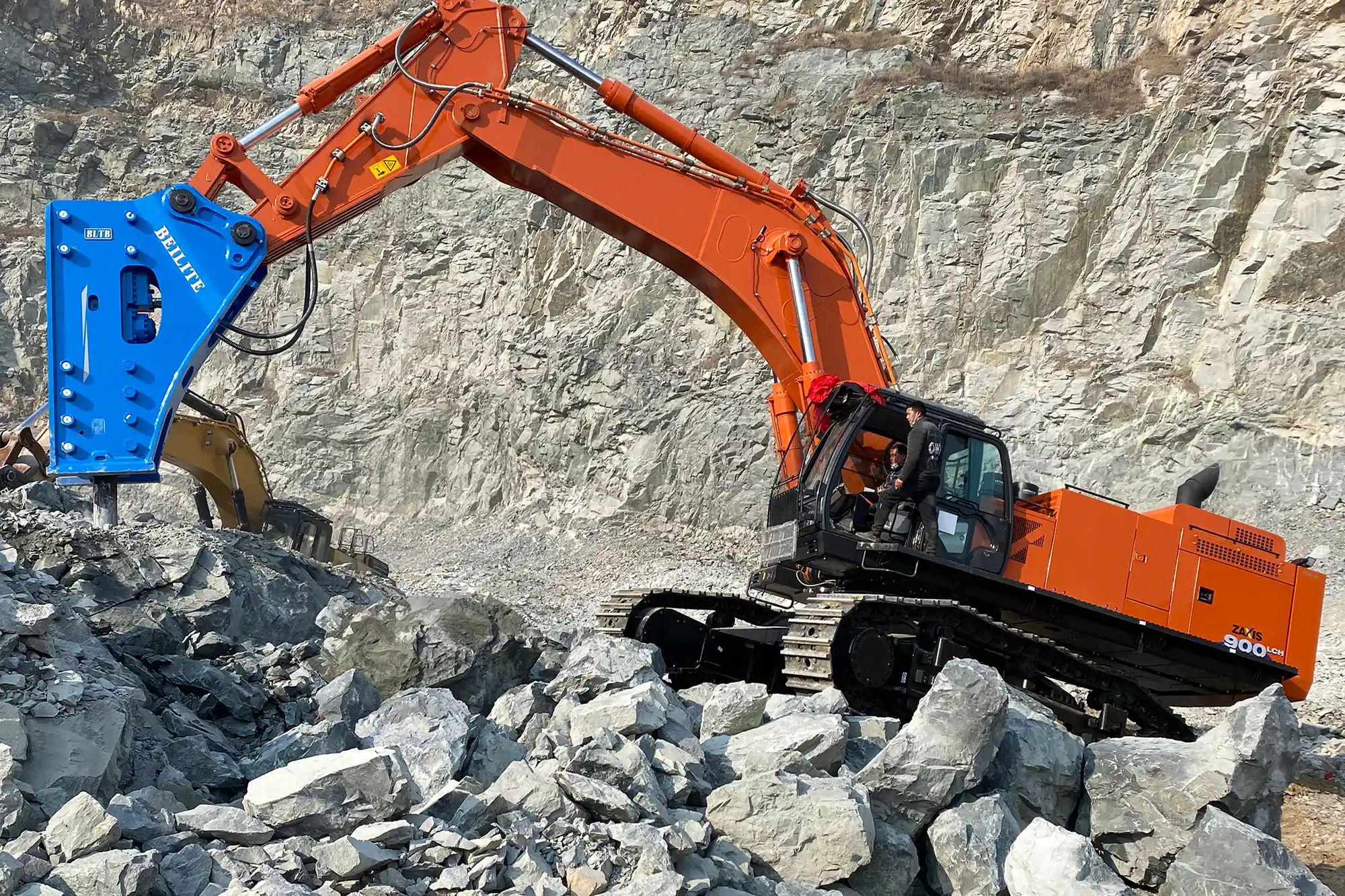
Running and Maintaining Breakers the Right Way
How operators run hydraulic breakers affects how long those breakers last. Blank firing damages internal components. Angling the chisel instead of keeping it perpendicular to the rock surface creates stress patterns the equipment wasn’t designed to handle. Good technique costs nothing and pays back in reduced wear. Combine proper operation with consistent inspections and scheduled maintenance, and equipment stays productive instead of sitting idle waiting for repairs.
Maintenance Practices That Extend Service Life
Quarry conditions test equipment constantly. Dust, vibration, and heavy impacts take their toll. Daily visual checks catch problems before they escalate. Proper greasing of the chisel and bushings at manufacturer-specified intervals keeps friction under control. Monitoring hydraulic pressure and flow rates confirms the system operates within design parameters. Worn chisels and consumables need replacement before they cause cascading damage to other components. Following these practices consistently makes the difference between a breaker that lasts and one that doesn’t.
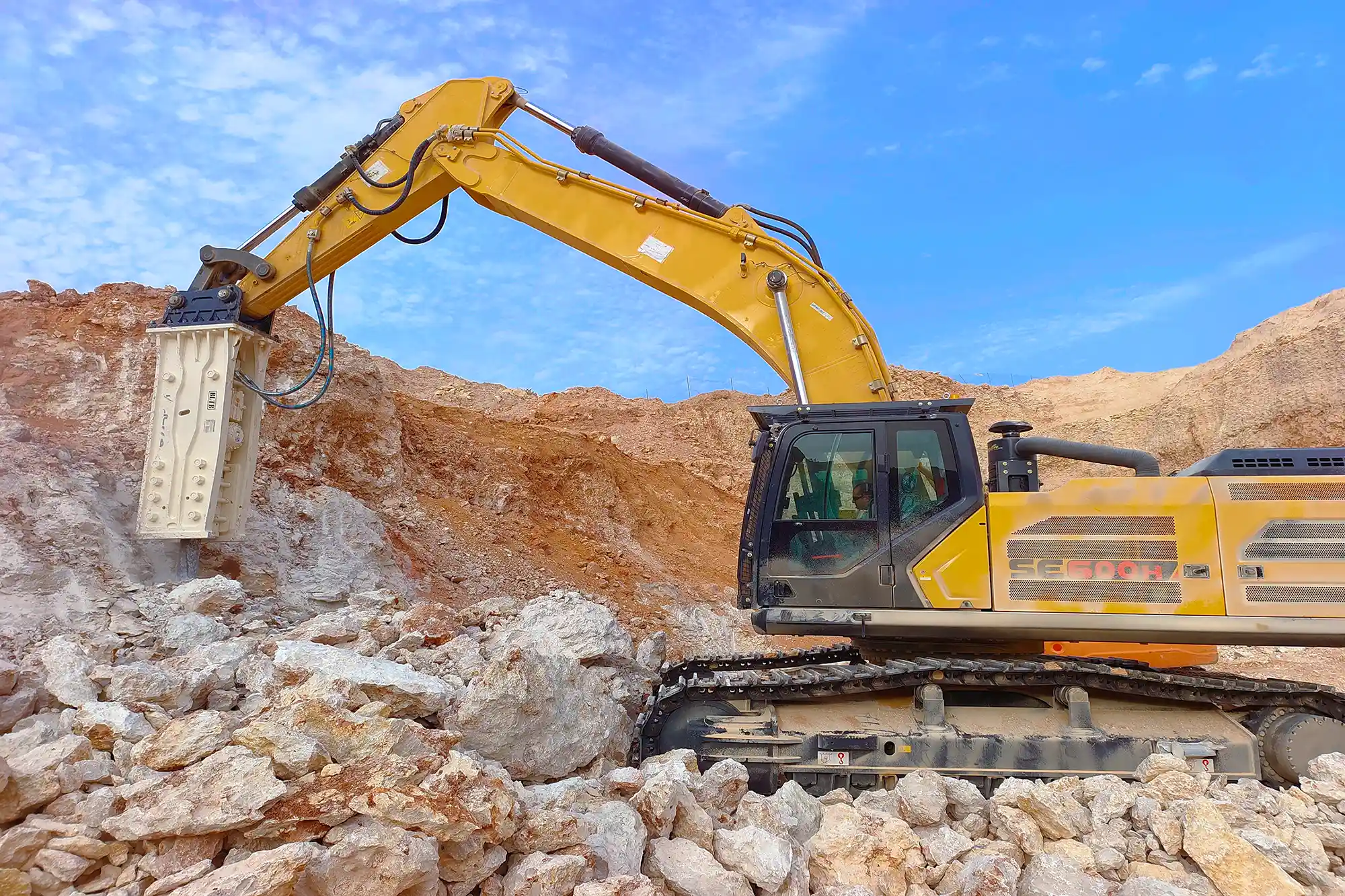
Economic and Environmental Payoffs
High-performance hydraulic breakers cost more upfront, but the math works out over time. Beilite’s BLT and BLTB series machines are engineered for fuel efficiency, which adds up across thousands of operating hours. Robust construction means fewer repairs and longer intervals between major overhauls. Efficient fragmentation reduces energy consumption per ton of material processed. Compared to traditional blasting, hydraulic breakers generate less noise and dust, which matters for operations near communities or in regulated areas. The environmental footprint shrinks while productivity stays high.
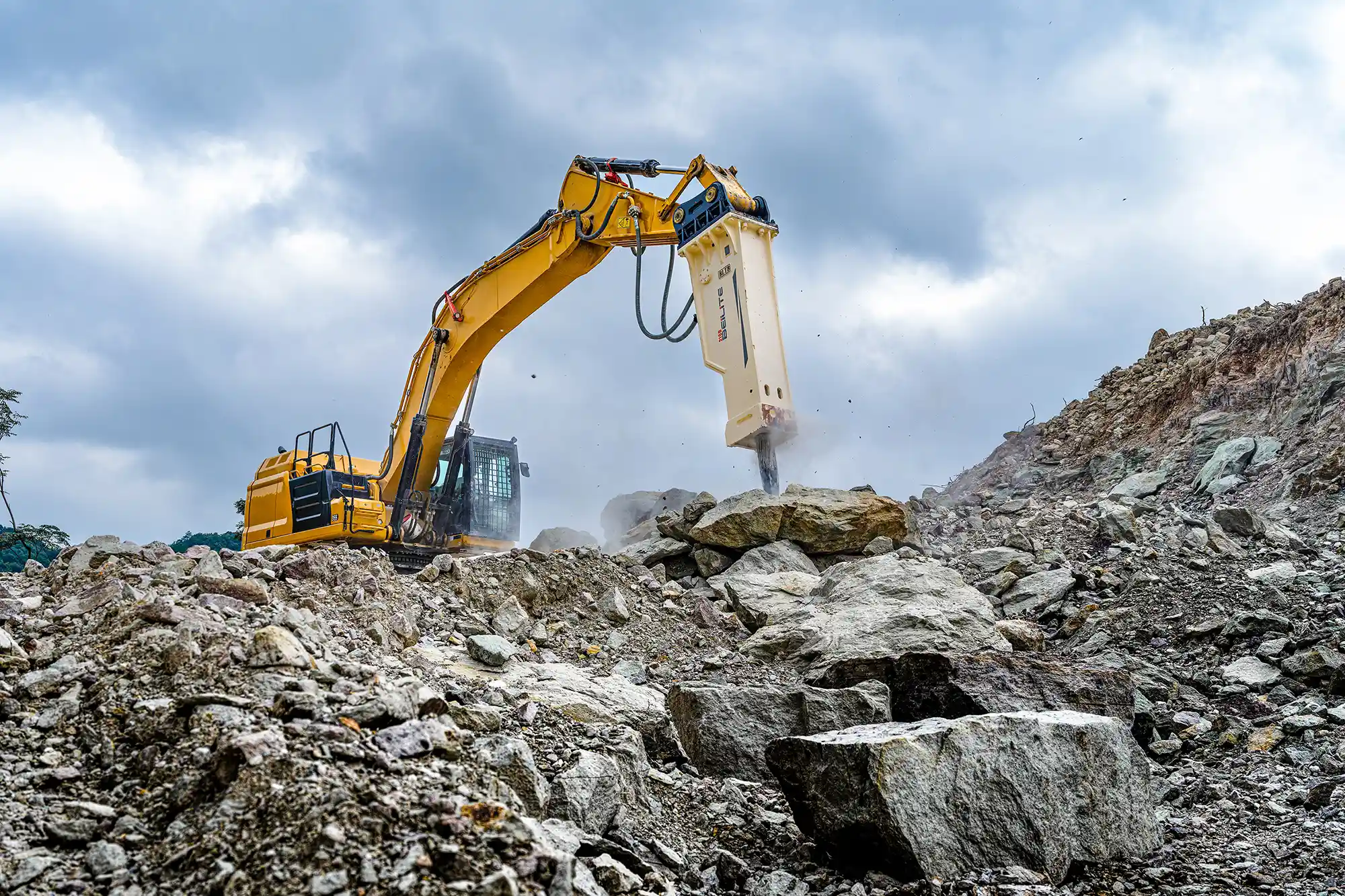
Working with Beilite Machinery
BEILITE Machinery Co., LTD brings over two decades of focused development to hydraulic breaker engineering. Our BLT and BLTB brands operate in more than 100 countries, handling some of the toughest quarrying conditions anywhere. We build for efficiency, durability, and reliability because those qualities determine whether equipment earns its keep. If you’re looking to improve rock breaking performance, contact us at [email protected] or call 40008-40008. Our team can help match hydraulic breaker Hammer technology to your specific operational requirements.
Frequently Asked Questions About Hydraulic Breakers for Quarrying
What are the key factors to consider when selecting a hydraulic breaker for hard rock quarrying?
Selecting the optimal hydraulic breaker for hard rock quarrying involves evaluating rock hardness, excavator compatibility (weight and hydraulic flow), desired impact energy, and the specific application (e.g., primary breaking, trenching). Beilite’s experts can guide you through our BLT and BLTB series to match your exact quarry operations optimization needs, ensuring maximum rock breaking efficiency.
How do advanced hydraulic breaker technologies improve quarrying productivity and reduce operational costs?
Advanced hydraulic breaker technologies, like those pioneered by Beilite, incorporate features such as energy recovery systems, anti-blank firing mechanisms, and robust hydraulic hammer durability. These innovations lead to higher impact force, reduced wear and tear, lower fuel consumption, and minimized downtime, directly translating to enhanced quarrying productivity and significant operational cost reductions.
What maintenance practices are essential to maximize the lifespan of a hydraulic breaker in demanding quarry environments?
To maximize the lifespan of your hydraulic breaker in demanding quarry environments, essential maintenance practices include daily visual inspections, proper lubrication of critical components (chisel, bushings), regular checks of hydraulic pressure and flow, and timely replacement of worn parts. Adhering to manufacturer guidelines, such as those provided by Beilite, ensures optimal excavator attachments performance and extends the equipment’s service life.