English
 French
How to Avoid Blank Firing: Hydraulic Breaker Longevity
Blank firing is one of those problems that quietly drains money from your operation before you even notice it happening. The piston cycles, the machine sounds normal, but nothing productive is actually occurring because the tool bit isn’t making contact with material. All that impact energy has to go somewhere, and when there’s no rock or concrete to absorb it, the breaker absorbs it instead. Internal components take a beating they were never designed for. I’ve seen operators run for hours without realizing the damage accumulating inside their equipment.
Why Blank Firing Damages Your Hydraulic Breaker
Blank firing occurs when a hydraulic breaker’s piston cycles without engaging the tool bit against a material. This hydraulic breaker malfunction subjects internal components to severe stress. The absence of material resistance means the full impact energy is absorbed by the breaker itself, leading to premature component wear. Industry data shows blank firing can reduce hydraulic breaker lifespan by up to 30%. Operating costs climb 15-20% higher due to premature wear and wasted energy. Common blank firing causes include improper operator technique, worn tool bits, or issues within the hydraulic system. The result is significant impact energy loss that accelerates component wear and drives up the cost of repairs.
Maintenance Practices That Actually Prevent Blank Firing
Preventative maintenance is the most reliable defense against blank firing. Regular daily inspections and adherence to service intervals can reduce blank firing incidents by over 70%. A thorough daily inspection checklist should cover the tool bit, retainer pins, and hydraulic connections. Consistent greasing procedures matter more than most operators realize. Proper lubrication around the tool and bushings minimizes friction and wear that can contribute to cycling problems. Dust seals and seal kits need regular checking and replacement to prevent contamination and maintain hydraulic integrity. Monitoring hydraulic oil contamination levels is equally important for overall system health.
How does proper maintenance prevent blank firing in hydraulic hammers?
Proper maintenance directly prevents blank firing by ensuring the hydraulic breaker operates within its design parameters. Correct lubrication and robust seal integrity maintain internal pressure at consistent levels. This also supports air ingress prevention, which matters because air in the system disrupts the piston’s cycle timing. When internal pressure stays consistent, the piston strikes only when material resistance is present.
Hydraulic Parameters That Keep Your Breaker Stable
Maintaining optimal hydraulic system parameters is fundamental to preventing blank firing and ensuring stable breaker operation. Hydraulic pressure and flow rate must strictly adhere to the manufacturer’s specifications for the specific breaker model. A BLT-75 model, for example, requires a working oil flow of 50–90 L/min and a working pressure of 120–150 bar. Operating outside these ranges leads to inconsistent performance and increased blank firing.
| Model | Working Oil Flow (L/min) | Working Pressure (bar) | Overflow Valve Pressure (bar) |
|---|---|---|---|
| BLT-40 | 15–30 | 90–120 | 130 |
| BLT-75 | 50–90 | 120–150 | 180 |
| BLT-125 | 90–120 | 150–170 | 210 |
| BLT-155 | 180–240 | 200–220 | 250 |
| BLT-165 | 200–260 | 210–230 | 260 |
Excessive back pressure in the return line can hinder piston movement and contribute to blank firing. Carrier machine compatibility matters because the excavator’s hydraulic output must match the breaker’s requirements. Regular checks of valve block issues and hydraulic lines ensure optimal operating conditions throughout the system.
How the Nitrogen Accumulator Stops Blank Firing
The nitrogen accumulator is a critical component in preventing blank firing. A correctly charged nitrogen accumulator ensures consistent impact force by absorbing pressure fluctuations and maintaining proper piston return. This component stores hydraulic energy that assists the piston’s return stroke, ensuring it only strikes when the tool is firmly against the material. Regular checks of the nitrogen accumulator charge are essential. Periodic accumulator pressure testing and timely diaphragm replacement maintain optimal function. This keeps the impact mechanism operating efficiently and facilitates smooth piston return.
What is the role of the nitrogen accumulator in preventing blank firing?
The nitrogen accumulator acts as a hydraulic shock absorber and energy storage unit. It stores hydraulic energy that releases to assist the piston during its return stroke. This controlled energy release prevents the piston from striking without material contact. The mechanism ensures consistent impact energy and prevents damaging empty blows by regulating pressure and optimizing the piston stroke.
Training Operators to Avoid Blank Firing
Operator skill plays a significant role in minimizing blank firing. Well-trained operators can reduce blank firing incidents by 25% through correct tool positioning and understanding material resistance. Training should cover proper operator technique, including maintaining constant downward pressure on the tool bit. Operators must select the appropriate tool bit selection for the material being broken. They should also identify the optimal breaking angle to ensure continuous contact. Understanding material resistance helps operators avoid rapid movements that can lead to blank strikes. This ensures efficient operation and extends the lifespan of the hydraulic breaker Hammer.
Finding the Root Cause When Blank Firing Occurs
A systematic troubleshooting approach can identify the root cause of blank firing within minutes, preventing extensive damage. Begin by inspecting the tool bit for excessive wear or damage. Check the tool retention pin and bushings for looseness. Examine all hose connections for leaks or kinks affecting hydraulic flow. Verify the mounting bracket integrity to ensure the breaker is securely attached. If these external checks do not resolve the issue, proceed with hydraulic system diagnostics. This typically involves checking hydraulic pressure and flow rates against specifications.
What are the common causes of blank firing in hydraulic breakers?
Common causes of blank firing include insufficient low nitrogen charge in the accumulator, which impairs piston return. Worn tools or improper tool bit selection also contribute significantly. Operating at incorrect operating pressure or flow rates can disrupt the breaker’s cycle. Improper operator technique, particularly not maintaining constant pressure on the material, frequently leads to blank strikes.
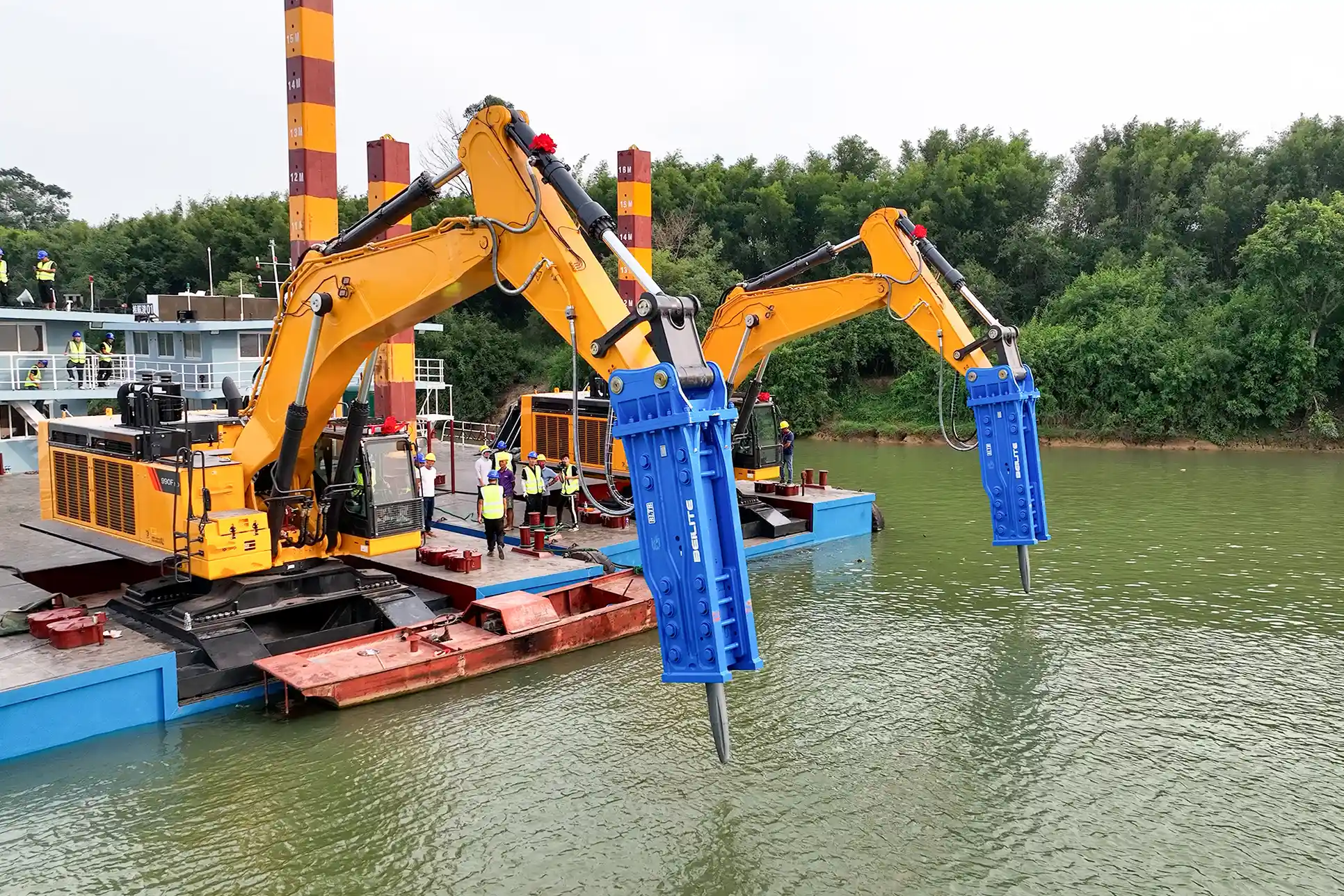
For more insights into specific applications, consider reading about Hydraulic Breaker Hammer for Demolition&Rock Breaking.
Partner with BEILITE for Reliable Hydraulic Breakers
BEILITE Machinery Co., LTD. specializes in high-end hydraulic breakers designed for durability and performance. Our BLT and BLTB brand products incorporate patented technologies and adhere to national standards, ensuring reliability across diverse working conditions. From Hydraulic Breaker Hammer for Mining and Quarrying to Hydraulic Breaker Hammer for Underwater Construction, we offer solutions tailored to your needs. Contact us today to discuss your project requirements and learn how our expertise can enhance your operational efficiency. Reach out via email at [email protected] or call us at 40008-40008.